
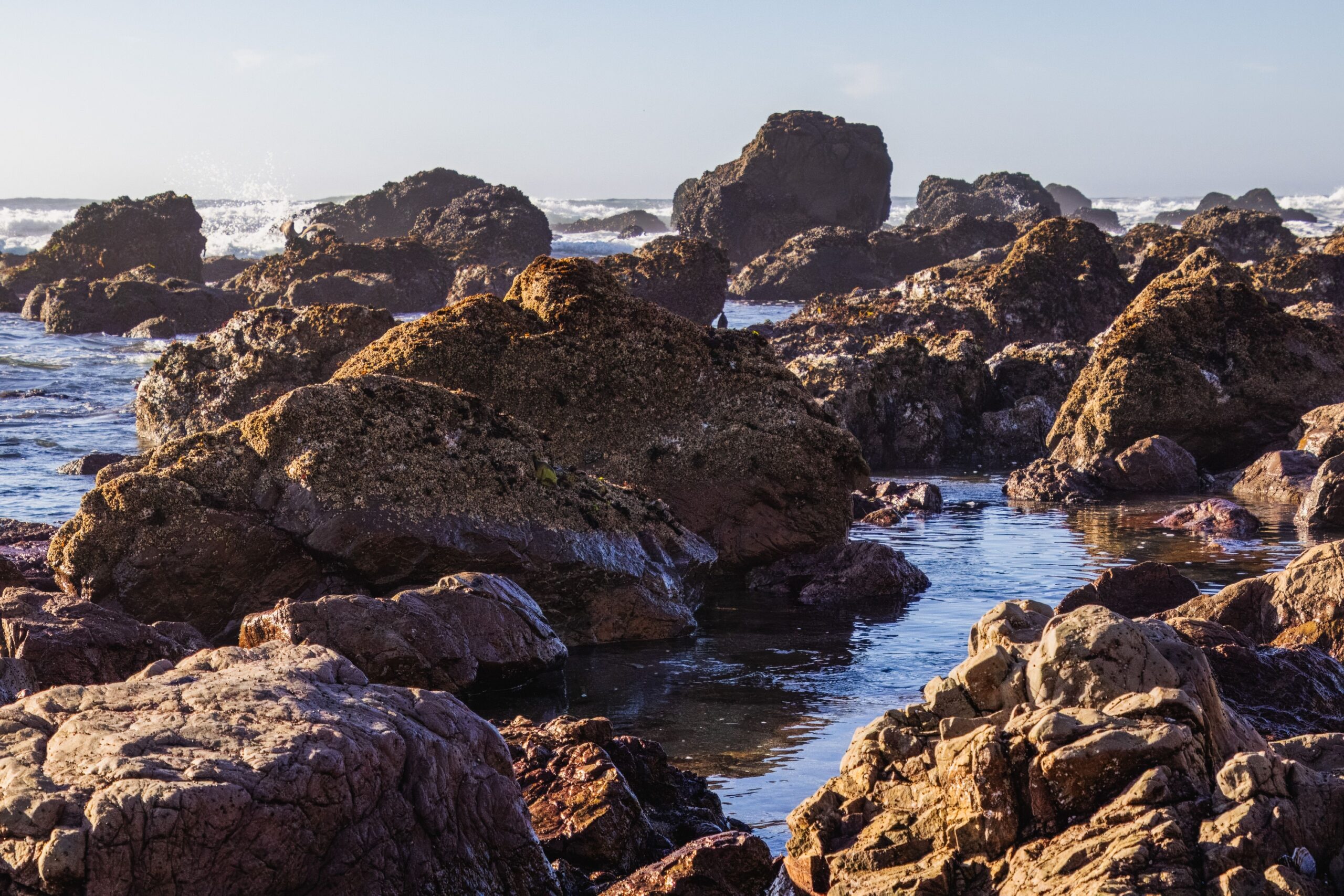
There’s a particular kind of wonder that comes from swimming in water that the earth made for itself. No tiles, no chlorine, no lane dividers. Just stone shaped by millennia of waves, volcanic heat, and quiet erosion. These five places are the real thing, each one carved by geological forces far older than any resort ever built.
What makes these pools genuinely remarkable isn’t just their beauty. It’s the precision of how they formed: slow, patient processes that turned raw rock into something almost perfectly suited for a swim. Here’s a closer look at five of the world’s most extraordinary rock-carved swimming pools.
1. Giola Lagoon, Thassos, Greece – Aphrodite’s Tear
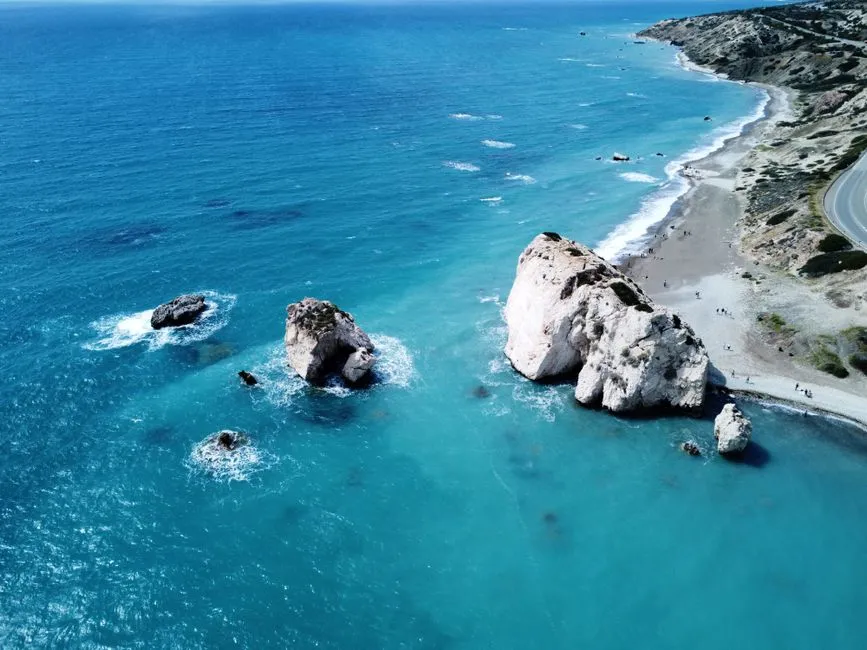
Giola Natural Lagoon, often referred to as “Aphrodite’s Tear,” is a naturally occurring tidal pool located on the southeastern coast of Thassos Island, Greece, near the village of Astris. A natural lagoon is a coastal rock formation sculpted by erosional marine processes. In Giola’s case, this erosion unfolded over several thousand years, resulting in a pool roughly 20 meters long and 15 meters wide, filled by wave action from the Aegean Sea.
Carved by nature over centuries, the lagoon of Giola is a stunning seawater pool separated from the Aegean by a ring of rugged rocks, with waves occasionally crashing over the edge to refresh the pool with ocean water. The water runs warmer than the open sea beside it, and the colors shift constantly between shades of blue and green.
Its smooth rock edges, sandy bottom, and eight-meter-high surrounding cliffs make it a favored location for cliff diving, wild swimming, and geological observation. Early morning and late afternoon are the best times to visit Giola Lagoon, offering cooler temperatures and fewer visitors. The mythology surrounding this place adds another layer entirely: according to Greek mythology, Giola was created by Zeus as a lagoon for his wife Aphrodite to bathe in.
2. To Sua Ocean Trench, Upolu, Samoa – The Giant Hole
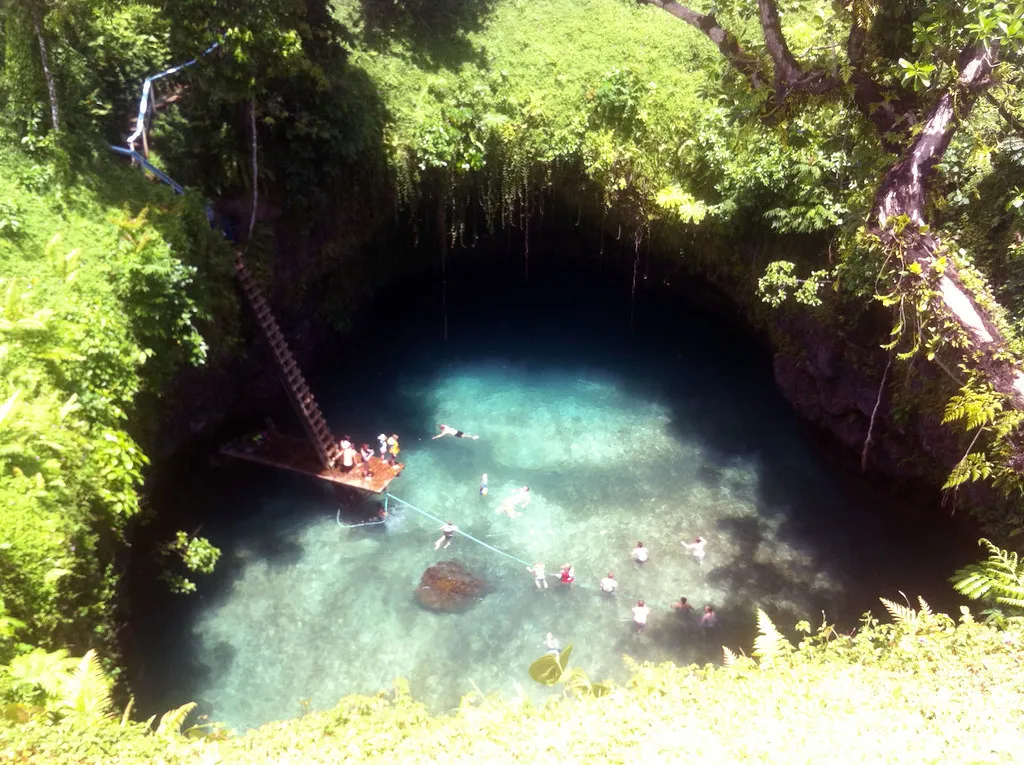
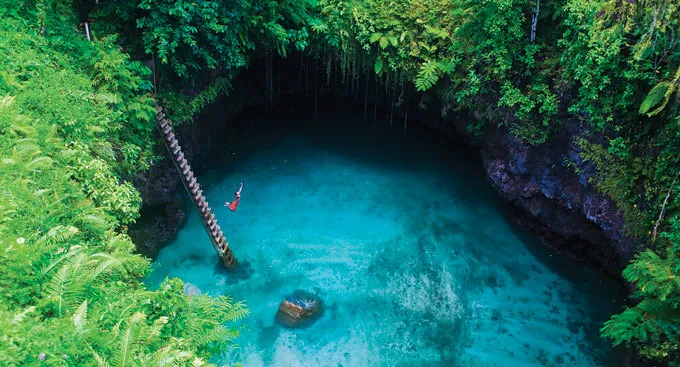
To Sua Ocean Trench is a 30-meter-deep swimming hole filled with crystal-clear saltwater, surrounded by lush jungle hanging down the edges of the trench. This Samoan water hole was formed by a cave-in of an ancient lava tube system that connects to the ocean, and thousands of years of erosion made it into the extraordinarily beautiful spot it is today.
The stunning formation consists of two giant holes joined via an ancient lava tube cave, with To Sua itself reaching 30 meters deep and featuring turquoise waters, lush greenery surrounds, and access via a ladder. Inside is a cave that leads to the open sea and is recommended for skilled divers only.
The Travel Channel, owned by Warner Bros., featured To Sua as the top swimming hole in the world. Surrounded by lush gardens, this trench is filled with fish, crabs, and other marine life. For visitors who observe local customs, Samoa is a deeply religious country, and it’s important to be respectful of local culture and wishes during your visit.
3. Natural Pools of Porto Moniz, Madeira, Portugal – Lava’s Legacy
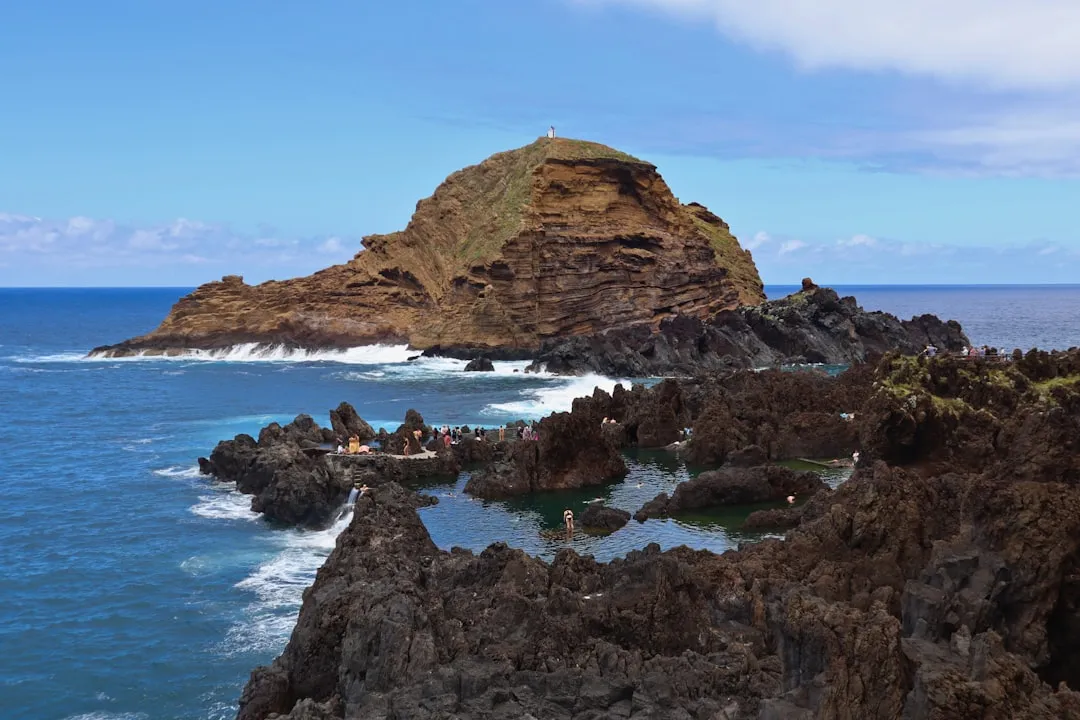
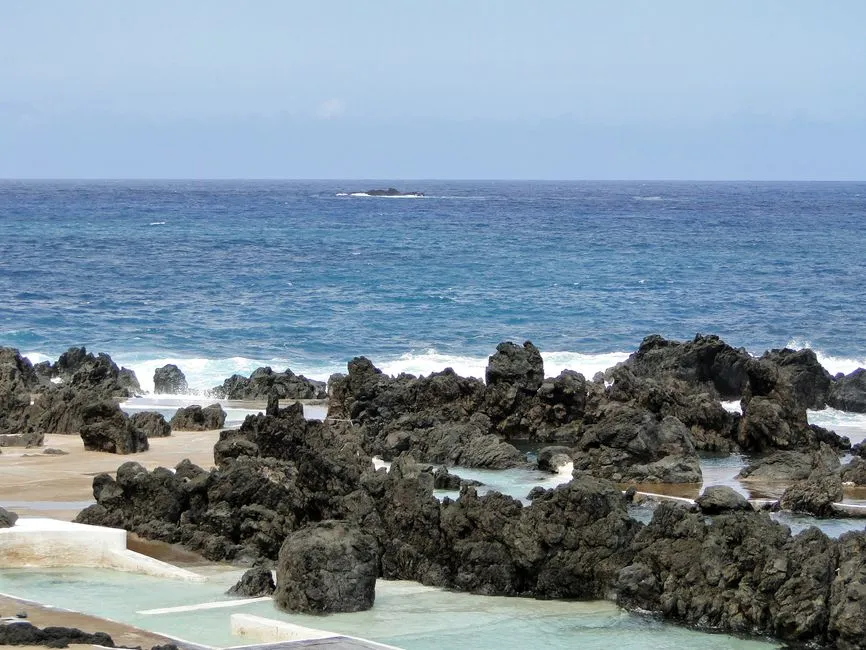
Considered the landmark of the municipality, the Natural Pools of Porto Moniz are one of the main attractions of the north coast of the island of Madeira, drawing a growing number of visitors for the peculiarity of their beauty. They are of volcanic origin, formed over millennia by the cooling of lava, and their natural shape allows for the constant entry of seawater.
The water is considered of excellent quality given its ceaseless renewal, and the swimming area measures roughly 3,800 square meters, approximately two meters deep, making the Natural Pools of Porto Moniz a welcoming spot for the whole family. These pools are formed between natural rocks and continuously filled with seawater by the tides, separated from the open ocean so the water inside stays calm and is ideal for swimming.
In the northwest corner of Madeira lies the quaint village of Porto Moniz, nestled in a deep valley between dramatic cliffs, and here you find an unexpected natural phenomenon: these pools formed among volcanic black rock, filled with serene turquoise water. The average annual water temperature sits between 20 and 21 degrees Celsius, which makes for a refreshing but very swimmable experience.
4. Ponta da Ferraria, São Miguel, Azores – Where the Volcano Heats the Sea
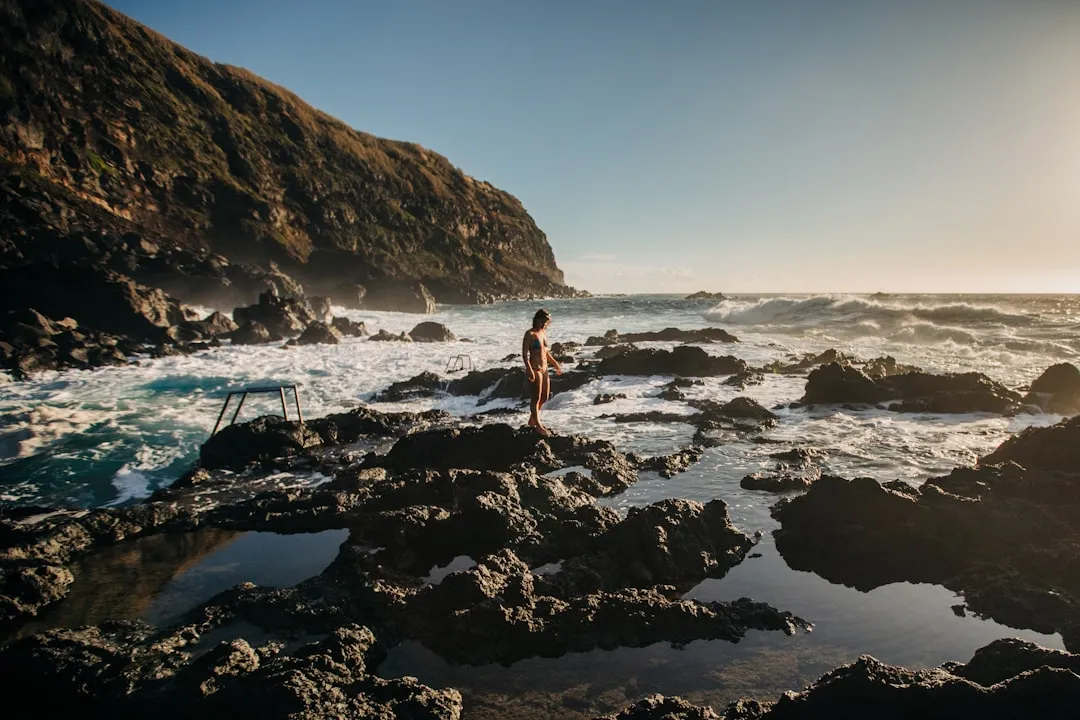
Located on the western coast of São Miguel in the Azores, Ponta da Ferraria is famous for its natural thermal waters, rugged volcanic landscape, and breathtaking ocean views. What makes it so remarkable is the rare combination of seawater and geothermal hot spring water, creating a warm natural spa where visitors can soak while surrounded by dramatic volcanic rock formations.
Ponta da Ferraria is the only known place on Earth where there’s a volcano underneath that heats a piece of the sea, providing people with an all-natural wellness experience. A free geothermal spring seeps into the sea here, a rare natural phenomenon. The water is heated from below to temperatures typically ranging from 18 to 28 degrees Celsius at low tide, though the thermal spring itself can reach up to 61 degrees Celsius.
The westernmost point of the island was created by hot lava pouring into the sea, forming platforms the Portuguese call “fajãs,” which are widespread in both the Azores and Madeira. A landslide occurred in September 2025, briefly restricting access, though the natural pool itself remains a public space. Visitors should be aware that there is ongoing risk of rockfalls in the area. Access to Ponta da Ferraria by road was confirmed to have reopened as of May 2026.
5. Sua Ocean Trench’s Neighbor: The Coastal Rock Pools of Upolu’s South Shore, and the Global Pattern They Represent
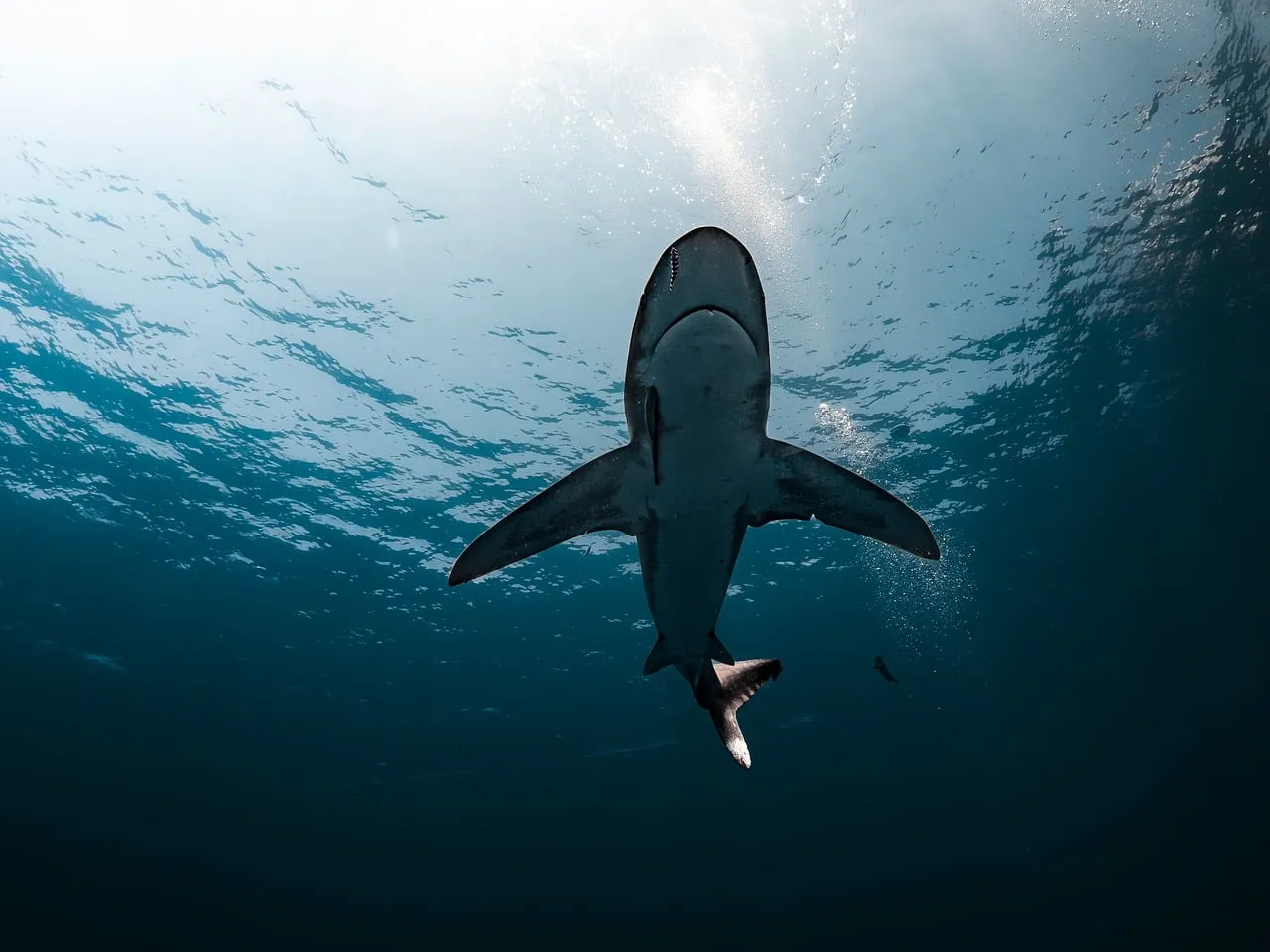
Natural rock pools represent some of Earth’s most stunning geological formations. Unlike typical resort pools with lane dividers and artificial edges, these formations result from centuries, sometimes millennia, of natural processes. Ocean waves carving stone, volcanic activity creating barriers, or tectonic shifts opening underwater caves all contribute to these remarkable swimming destinations.
Natural pools are, as the name suggests, water bodies created without any human intervention. They form through the advance of water, the erosion of stone, or the detachment of land, among other geological factors. This process plays out across every ocean-facing continent, which is why rock pools appear from the North Atlantic to the South Pacific.
What unites all five locations in this gallery is something quietly geological: these formations result from centuries, sometimes millennia, of natural processes that no architect could intentionally replicate. Each pool carries the signature of its specific landscape, whether Aegean erosion, Samoan volcanic collapse, Madeiran lava cooling, or Azorean geothermal activity. Visiting any one of them means stepping into a place the earth shaped entirely on its own terms.
How Geology Creates a Natural Swimming Pool
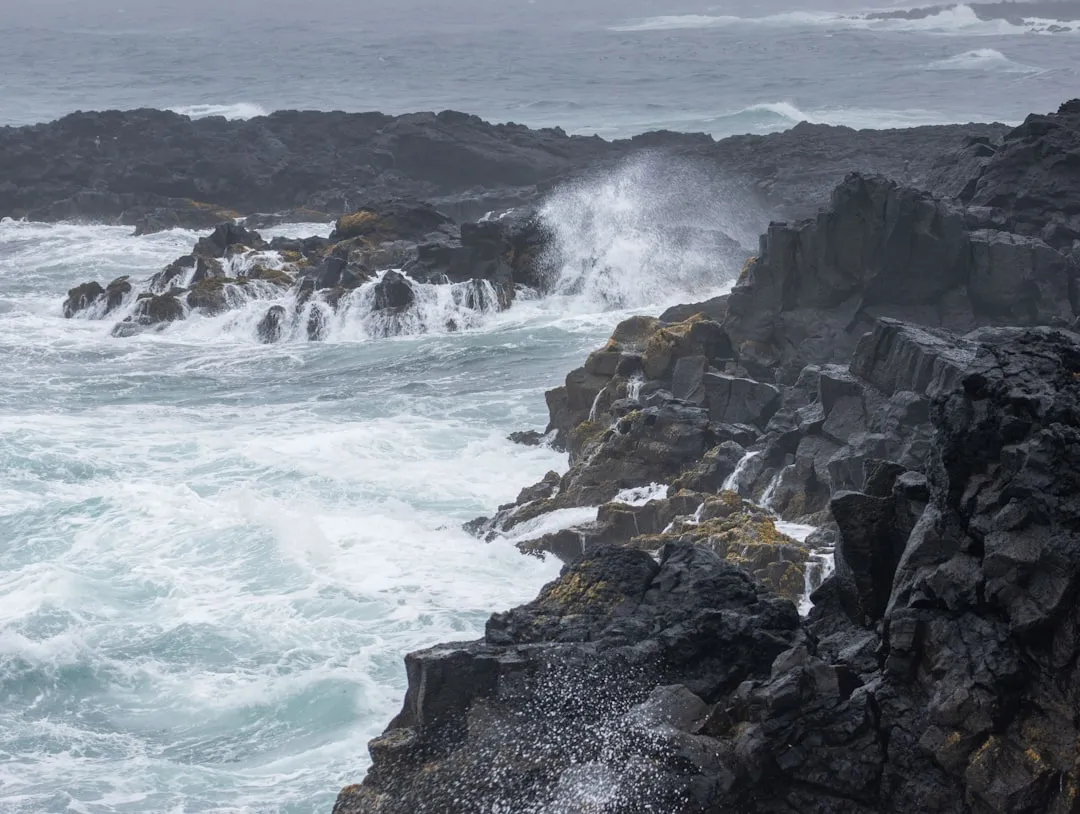
Natural swimming pools are formed between natural rocks and continuously filled by the tides. The pools are separated from the ocean by the rocks, so the water inside stays calm and is well-suited for swimming. They are often called lava pools because the rock is of volcanic origin.
The Azores archipelago takes natural pools to another level entirely. Here, active volcanic geology means the water itself can be geothermally heated, and the combination of dark rock formations against turquoise water creates some of the most surreal swimming environments on Earth.
In some places, like Giola, the sea simply carved a basin over thousands of years through relentless wave pressure. In others, like To Sua, an entire volcanic ceiling collapsed inward, exposing a hidden lava tube that now fills with ocean water. A tumulus structure, thought to result from lava flow meeting an obstruction beneath a solidified crust, can push upward until the roof cools, becomes too heavy, and collapses into the deep circular form we see today.
Responsible Visiting: Protecting What the Earth Made
These pools are ecosystems, not attractions. The rock, the water chemistry, and the marine life are all connected. Beaches and swimming areas are delicate ecosystems that deserve the best possible care. Visitors are encouraged to use bins provided or take rubbish with them, and to avoid removing any shells, rocks, fossils, or sand from the site. Respecting marine life and the plants and animals on shore is essential.
At To Sua in Samoa, the cultural dimension is equally important. The site holds cultural significance for local communities and provides an unforgettable experience for tourists. Being respectful of that relationship, dressing appropriately and following posted guidelines, keeps the experience genuine for everyone. In Azores and Madeira, the fragility of volcanic coastline makes it especially important to stay on designated paths and avoid scrambling across unstable lava shelves.
When to Visit for the Best Experience
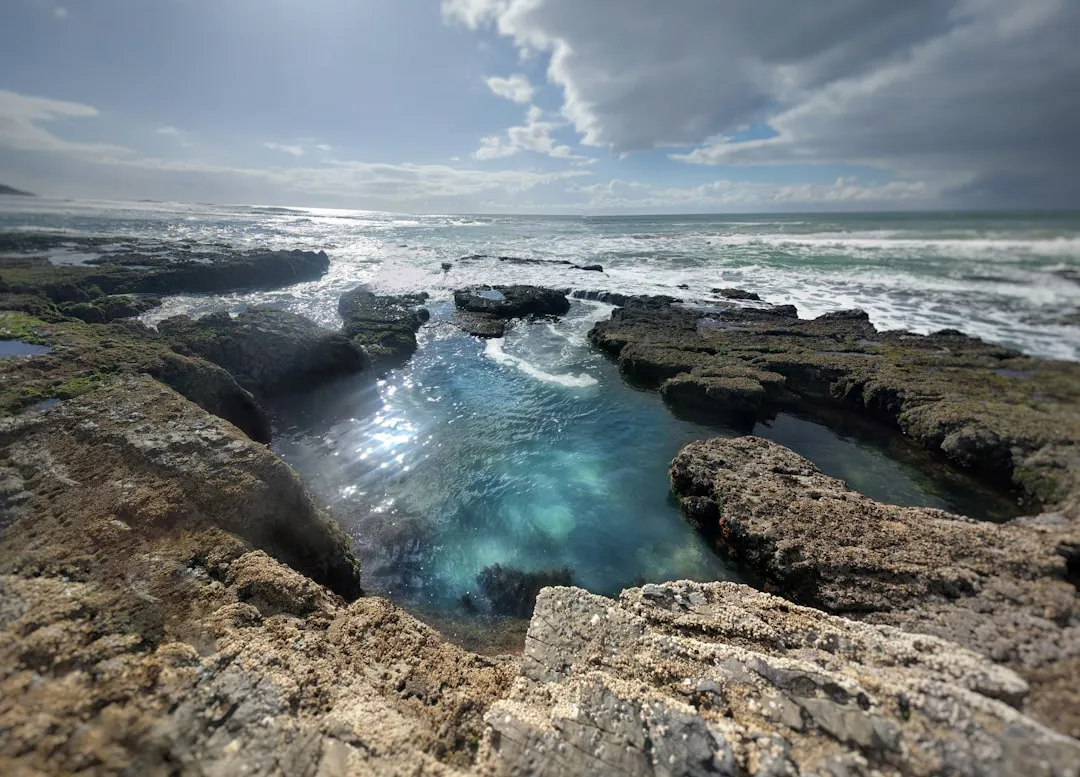
Timing matters at rock pools far more than at conventional beaches. At Ponta da Ferraria in the Azores, visiting at low tide is essential, as the geothermal spring mixes with seawater during low tide to create the ideal warm swimming temperature. At To Sua in Samoa, the best experience comes at high tide when the water is deeper and more swimmable.
At Giola Lagoon in Thassos, early morning and late afternoon offer cooler temperatures and significantly fewer visitors. Morning generally offers calmer conditions and better light, and you often get more space before tour groups arrive. The pattern holds across all five pools: arriving early or late rewards you with a quieter, more intimate experience of a place that deserves to be met with some stillness.
What to Pack and Practical Safety Notes
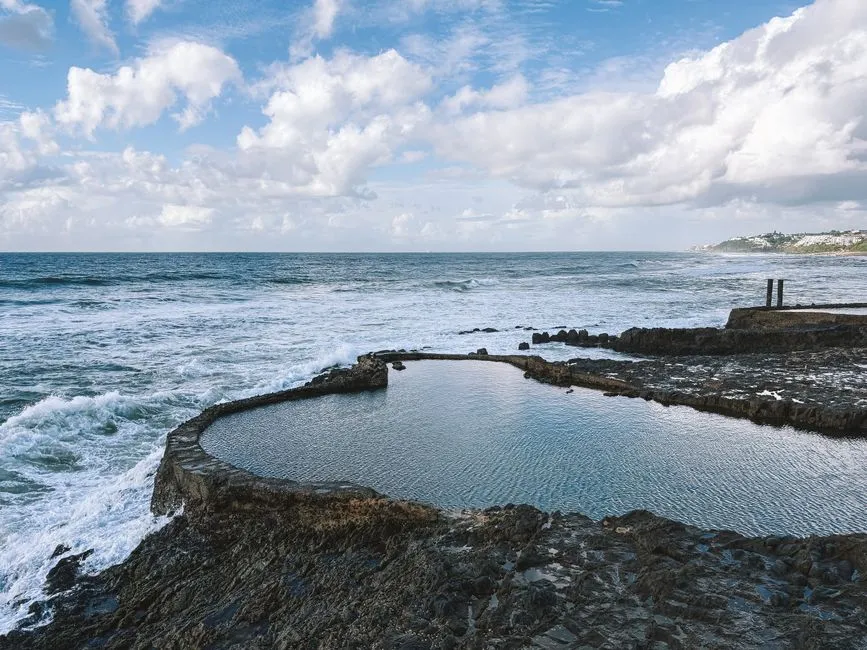
Rock pools demand a few specific items that typical beach visits don’t. Water shoes or reef shoes appear on nearly every recommended packing list across all five of these destinations. Many visitors enjoy jumping in from surrounding rocks, though caution is essential and jumping should only be done in safe conditions. Rocky terrain means sturdy footwear is highly recommended for walking to and around these lagoons.
At Porto Moniz, there is no lifeguard on duty at the wilder pool sections, so it’s always wise to exercise caution and avoid swimming if the ocean is rough and waves are crashing into the pools. At To Sua, the water runs deep and there is a current since it is ocean water, which can pull swimmers sideways. None of this is reason for alarm. It is simply reason to swim with awareness.
The Cultural Stories These Places Carry
Every one of these pools exists within a human story as well as a geological one. Giola on Thassos has assumed mythical status on the North Aegean island. Whether it was created by Zeus as a lagoon for Aphrodite to bathe in, or is the result of millions of years of wave erosion, the experience of visiting it lives long in the memory.
To Sua is surrounded by beautiful native gardens and a spectacular ocean view, with a small beach nearby and a lava field featuring blowholes, mini pools, and good fishing spots. The landscape around the pool is not incidental. It’s part of the same volcanic story, and the community in Lotofaga village has carefully preserved access while maintaining the integrity of the site.
At Porto Moniz, the pools have become central to Madeiran identity. Considered the landmark of the municipality, the Natural Pools of Porto Moniz are one of the main attractions of the entire north coast of Madeira. Generations of local families have swum here. That continuity is worth honoring when you visit.
Final Thoughts
There’s something grounding about swimming in water that was never designed for you. These pools didn’t appear for tourism. Giola formed while Greece was still ancient. To Sua collapsed into existence long before any traveler ever thought to look for it. Porto Moniz cooled from lava before the village above it had a name.
Visiting these places carries a quiet responsibility. The advantage of natural pools is a natural filtration system, and more and more people are coming to appreciate the value of swimming without chemical intervention. That value is fragile, which is exactly why treading gently matters. Leave the rocks where they are, take your waste with you, and let the next swimmer find the pool as you found it.
The most lasting thing any of these pools offers isn’t the swim itself. It’s the reminder that the earth, given enough time, makes extraordinary things entirely on its own.
AI Disclaimer: This article was created with the assistance of AI tools and reviewed by a human editor.