
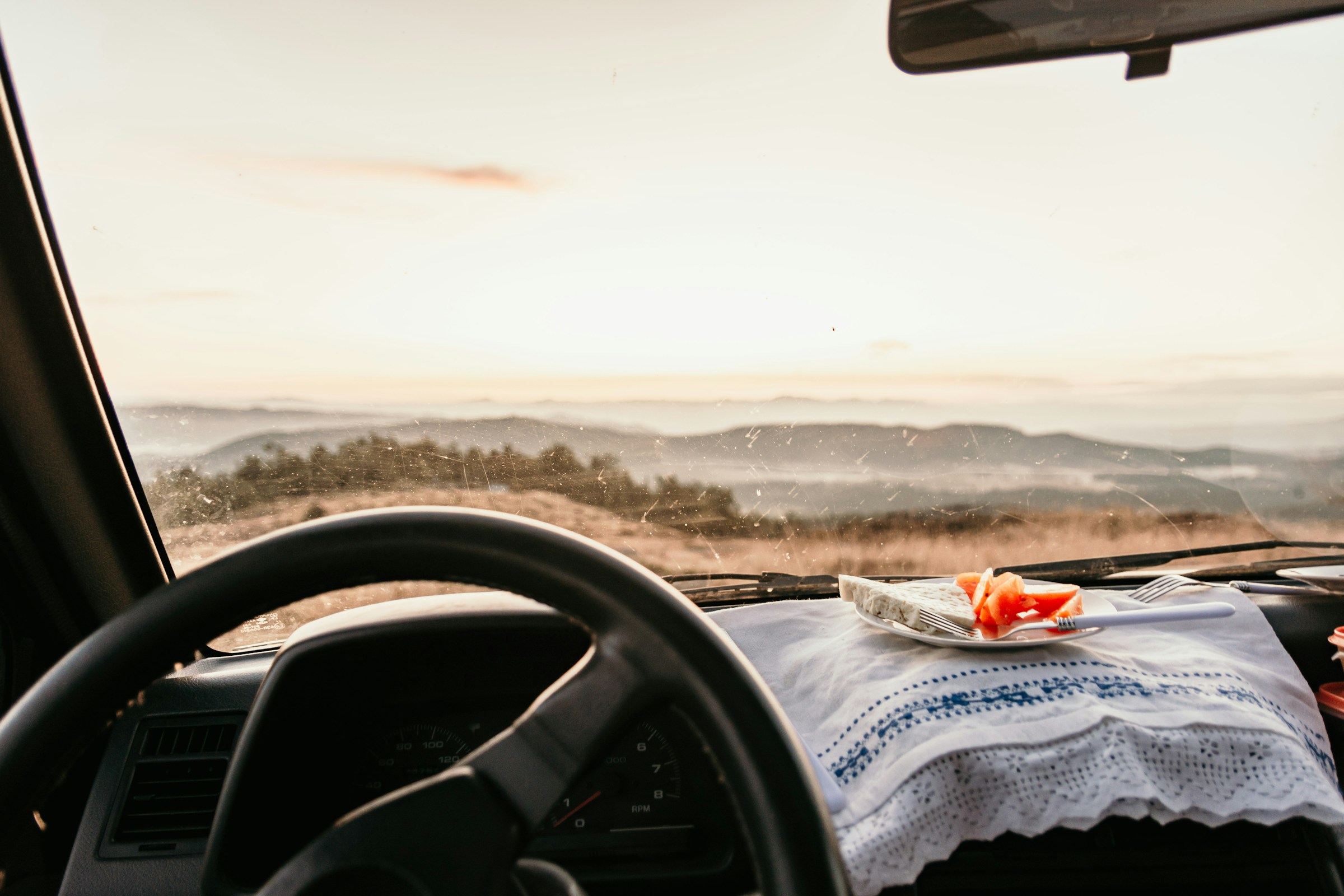

There’s a specific kind of magic that happens when you pull off a sun-bleached highway, step into a fluorescent-lit gas station, and wander the snack aisle with absolutely no plan. The treats you grab in that moment taste different from anything you’d find at home. More alive, somehow. More deserved.
That feeling isn’t entirely in your head, though it does start there. Researchers suggest that when we associate foods with happy memories, the effects are profound, impacting how good we think foods taste as well as how good those foods make us feel. A road trip provides the perfect emotional backdrop. The open road, the freedom, the company, the slight chaos of not knowing exactly when you’ll eat next. All of it amplifies the food you choose along the way.
Why Road Trip Food Hits Differently: The Science of Place and Taste
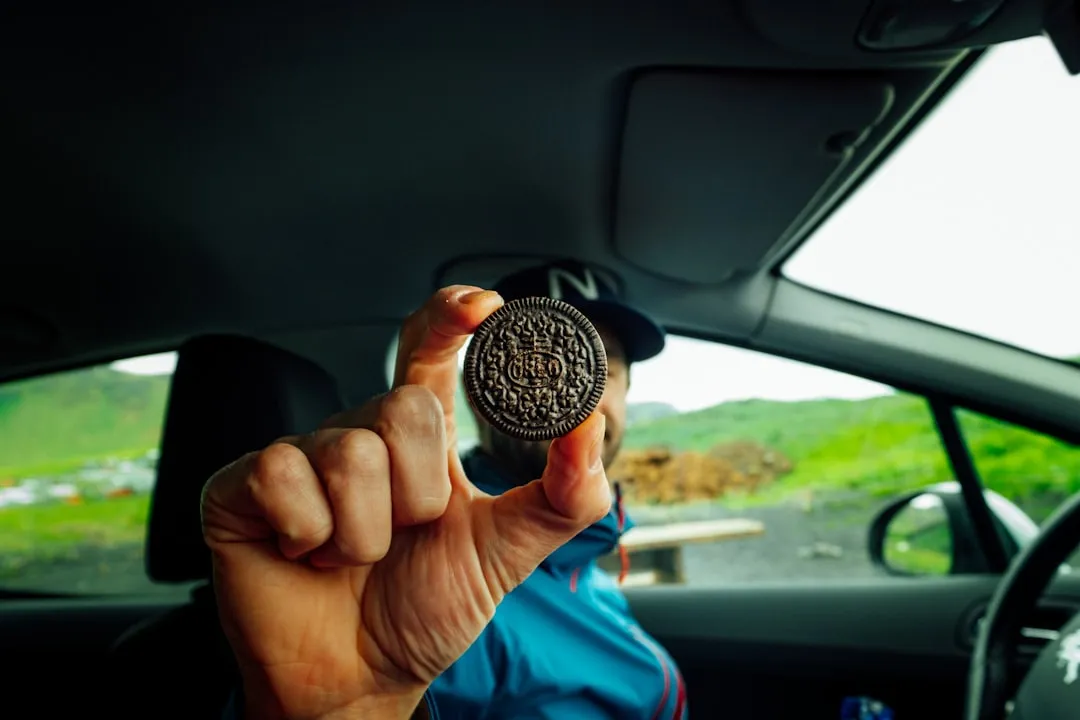
Before getting into the treats themselves, it’s worth understanding why gas station food feels so uniquely satisfying in this specific context. The answer runs deeper than hunger. Food nostalgia is described as “a sentimental reflection of a food experience or dish that we associate with a happy or meaningful time,” and the phenomenon is rooted in the way the brain processes taste and smell, both of which are handled by the olfactory and limbic systems, which govern emotion and memory.
The brain doesn’t separate taste from experience but stores them together, and nostalgic flavors hit hard because they’re tied to the limbic system, the part of the brain that processes both emotion and long-term memory. So when you’re on a road trip, already feeling a little freer than usual, every snack you eat gets emotionally encoded alongside the experience.
Nostalgic foods trigger dopamine, the neurotransmitter responsible for pleasure and emotional reward. They also reduce cognitive load because you don’t have to think about them. A Slim Jim on a Tuesday afternoon at your desk tastes fine. That same Slim Jim at mile 240, windows down, radio up, is something else entirely.
Beef Jerky: The One That Earns Its Price Tag
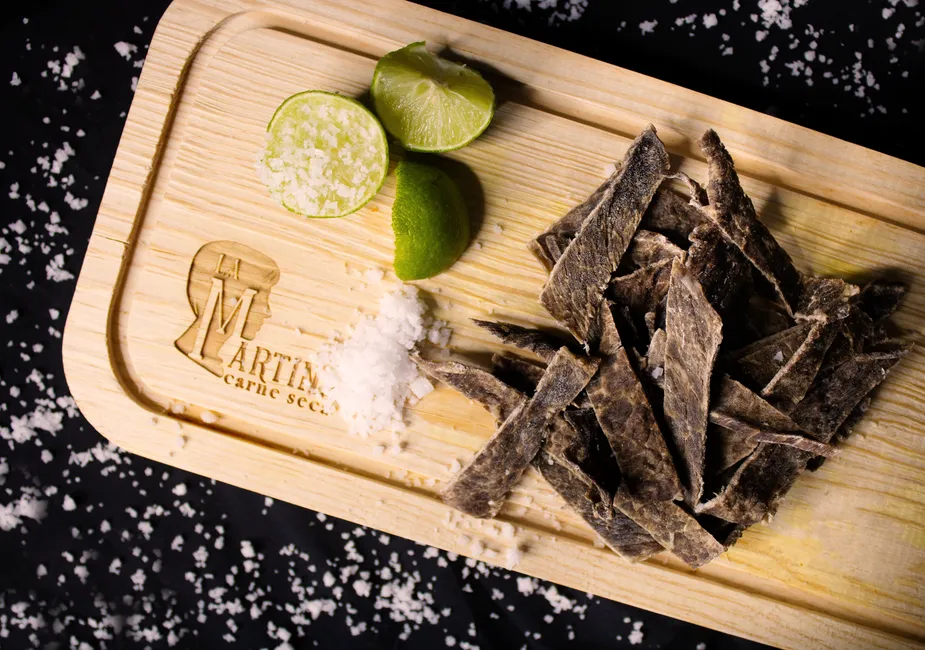
Nobody buys beef jerky without briefly flinching at the price. It’s almost a ritual at this point. You pick up the bag, see the number, put it back, pick it up again, and commit. On a road trip, that moment of mild indulgence feels completely justified. Nothing beats beef jerky as the ultimate road trip snack. High in protein, low in mess, and available in countless flavors, beef jerky keeps you satisfied without the sugar crash. The chewing time alone helps pass those long stretches of highway monotony.
There’s something satisfying about a snack that requires actual work. Jerky gives you something to do with your jaw on those featureless stretches of interstate that seem to go on forever. It has that nostalgic factor that makes you feel like you’re 12 again on a family vacation. That’s not a small thing. Nostalgia is real, measurable, and it lands hard on a long drive.
Emotions like craving, boredom, comfort, stress, and anxiety drive snack consumption. Despite this, roughly half of consumers in the US and Canada have become more aware of their mindful snacking habits, and about half also believe snacking boosts their emotional well-being. Jerky sits comfortably at that intersection. It feels like a treat without feeling reckless.
Funyuns: The Snack That Belongs in a Moving Vehicle
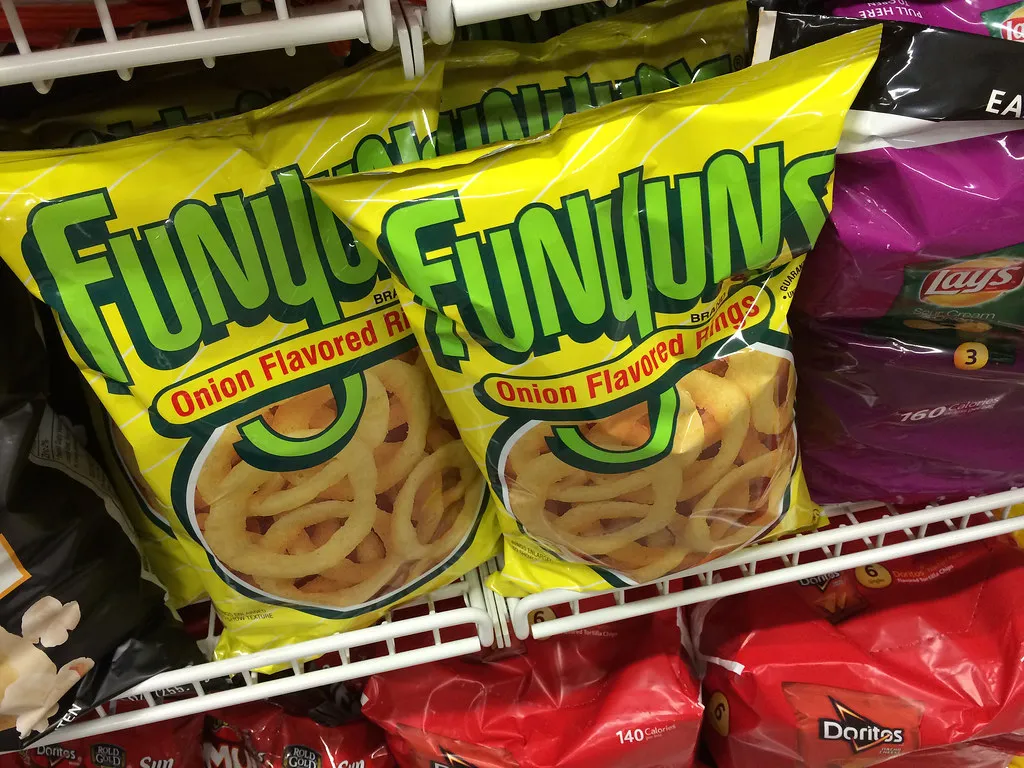
Funyuns occupy a peculiar category. They aren’t exactly real onion rings, they aren’t exactly chips, and yet they’re beloved in a way that defies their modest ambitions. The salty and crunchy combination is always perfect on a road trip, and Funyuns are an easy example. You should be able to find some at most gas stations. Their airy, light structure means you can eat a surprising amount of them without feeling weighed down, which matters when you’re going to be sitting in a car for another three hours.
The onion breath they leave behind has become something of a shared road trip joke, a rite of passage among travel companions who collectively agreed to suffer the same fate. That communal absurdity is part of what makes them so memorable. Food is a powerful elicitor of nostalgia. Food-evoked nostalgia is a predominantly positive emotional experience. Funyuns, improbably, earn their place in that tradition.
Slim Jims: An American Gas Station Institution
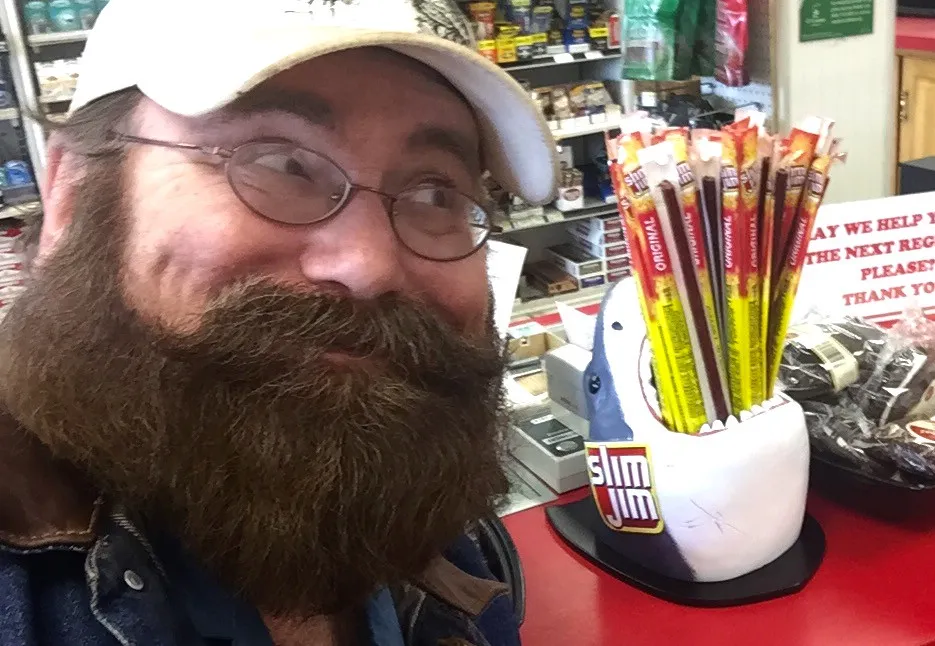
No snack is more synonymous with the American gas station than the Slim Jim. It hangs there on the rack in its foil sleeve, slightly mysterious, unmistakably itself. If jerky is too tough on your teeth, then a Slim Jim may be exactly right. Both snacks give you plenty of savory protein in a snack that doesn’t leave any mess. That zero-mess quality is genuinely underrated in the context of a moving vehicle.
The appeal is hard to intellectualize, which may be the point. It’s salty, chewy, aggressively seasoned, and costs almost nothing. Nostalgia is becoming one of the most powerful forces shaping modern food culture. We’re living in an age where food is more than sustenance. In a world that’s constantly shifting, nostalgic flavors offer a moment of grounding. They remind us of who we were before we were busy, tired, overwhelmed, and overly online. A Slim Jim, of all things, can do that.
Cheez-Its: The Shareable Snack That Never Disappoints
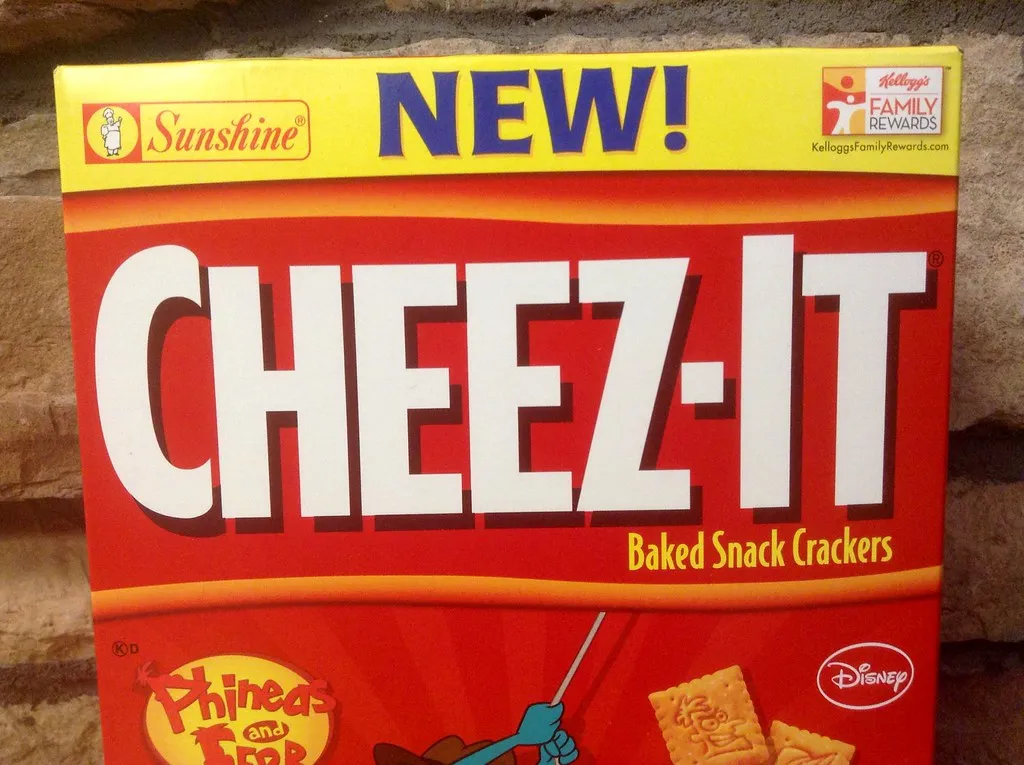
Cheez-Its are everywhere, of course. You can get them at any grocery store, in bulk at warehouse clubs, in miniature boxes at hotel lobbies. Yet they taste undeniably better from a gas station bag, passed around a car full of people somewhere between where you started and where you’re going. There’s nothing like a neon-orange cheese cracker to make you nostalgic. Somehow, that sharp cheddar flavor never gets old, nor does the addictive, flaky crunch of a Cheez-It. Cheez-Its are one of the best gas station snacks purely on the basis of being such an iconic part of many of our childhoods.
Their size and shape make them almost perfectly engineered for car-based eating. You can grab a handful, close the bag, and not worry about anything. On a long drive, what’s better than a reminder of childhood summer vacations? That quiet emotional pull is real, and Cheez-Its happen to deliver it reliably.
Road trips rank among the top summer snacking occasions for American consumers, placing in the top five alongside backyard barbecues, late-night snacking, and Fourth of July celebrations. It tracks, then, that Americans reach for exactly these kinds of familiar, dependable snacks when they’re on the move.
The Fountain Slurpee: Cold, Bright, and Completely Unreasonable
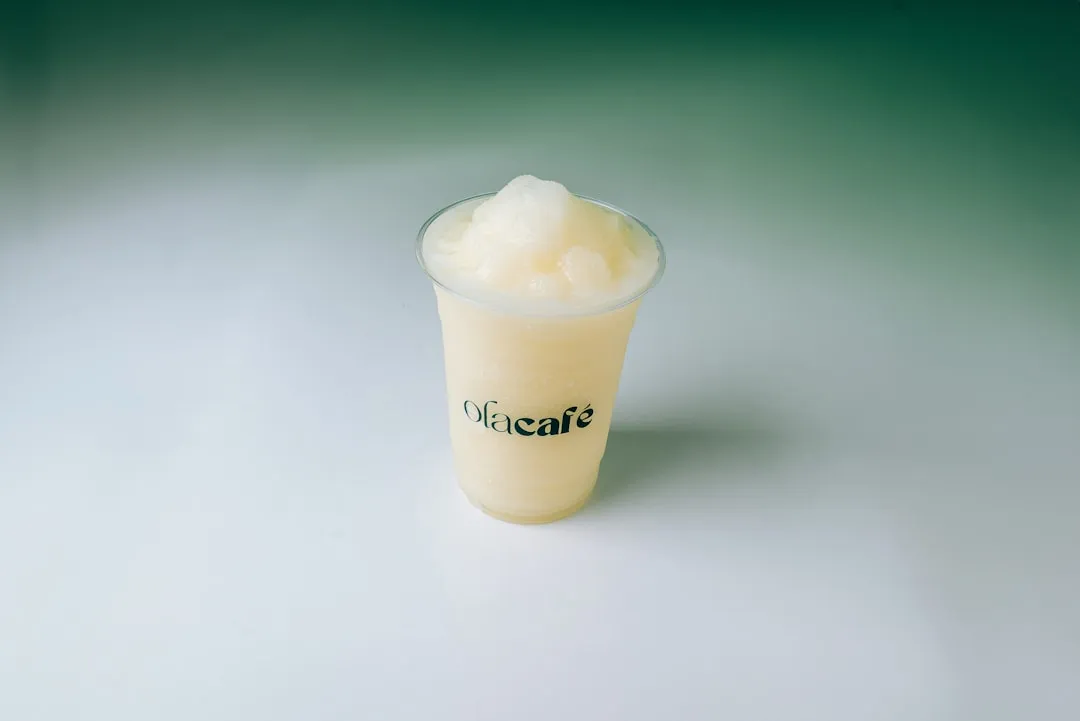
The Slurpee occupies a different register from the others on this list. It’s not a snack so much as an event. You don’t grab a Slurpee absentmindedly. You walk to the machine with purpose, choose a flavor, mix two colors together like you’re seven years old again, and emerge from the gas station holding something cold and electric-red that has no nutritional defense whatsoever. Sweet slushy-style drinks are incredibly common at gas stations. Their quality varies, but most taste good at least.
The joy of a Slurpee on a road trip is partly about permission. You don’t drink one at home on a random Wednesday. It belongs to a specific setting. The real potency of nostalgic food lies less in chemistry than in context. Ice cream may raise serotonin levels, but its emotional impact multiplies if it recalls summer holidays or childhood rituals. The same logic applies completely to a slushy drink consumed in a hot car at a dusty rest stop, somewhere off an exit nobody remembers the name of.
Road trip culture keeps these simple pleasures alive in a way that everyday life doesn’t. In the US and Canada, roughly one in seven consumers snack while traveling or on the go. Snacking habits differ across generations, with Gen Z and Millennials snacking more than once a day away from home. Younger travelers in particular are keeping the gas station snack ritual very much alive.
The Psychology of the Gas Station Aisle

Part of what makes the gas station snack experience distinct is the constraint itself. You’re not browsing a supermarket with forty-five minutes and a shopping list. You have maybe five minutes, the car is running, and your choices are limited to whatever is on those few shelves. That constraint, strangely, makes the decision feel more meaningful. Road trips and gas station snacks go together like highways and mile markers. There’s something uniquely satisfying about pulling into a gas station, stretching your legs, and wandering the aisles in search of the perfect treat to fuel the next leg of your journey.
With the sheer number of snacks available in everyday life, over half of consumers want snacks to be something they know they like. Though similarity with existing snacks doesn’t need to be exact, as small changes prove to win over consumers. On a road trip, familiarity is exactly what you’re reaching for. You want the thing you know. The thing that tastes like previous trips.
Snacking While Moving: A Growing American Ritual
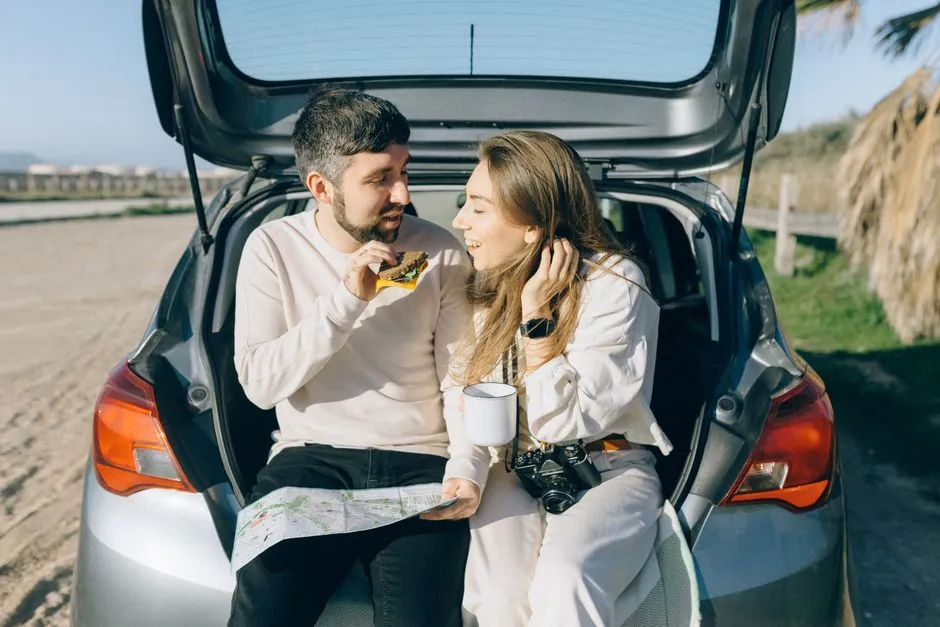
American snacking culture is substantial and well-documented. Roughly two thirds of US adults snack at least once daily, making snacking a normalized staple of American eating habits. Travel intensifies this further. In the US and Canada, there has been a measurable increase in snacking while traveling compared to previous years. Road trips, in particular, create a specific context where snacking becomes almost inseparable from the experience of movement.
More than half of Americans replace traditional meals with snacking or by eating smaller meals, according to the 2024 IFIC Food and Health Survey. On a road trip, that shift feels natural. You’re not stopping for a full sit-down lunch. You’re eating in motion, in increments, fueled by whatever you grabbed at the last stop.
Why These Five and Not Others
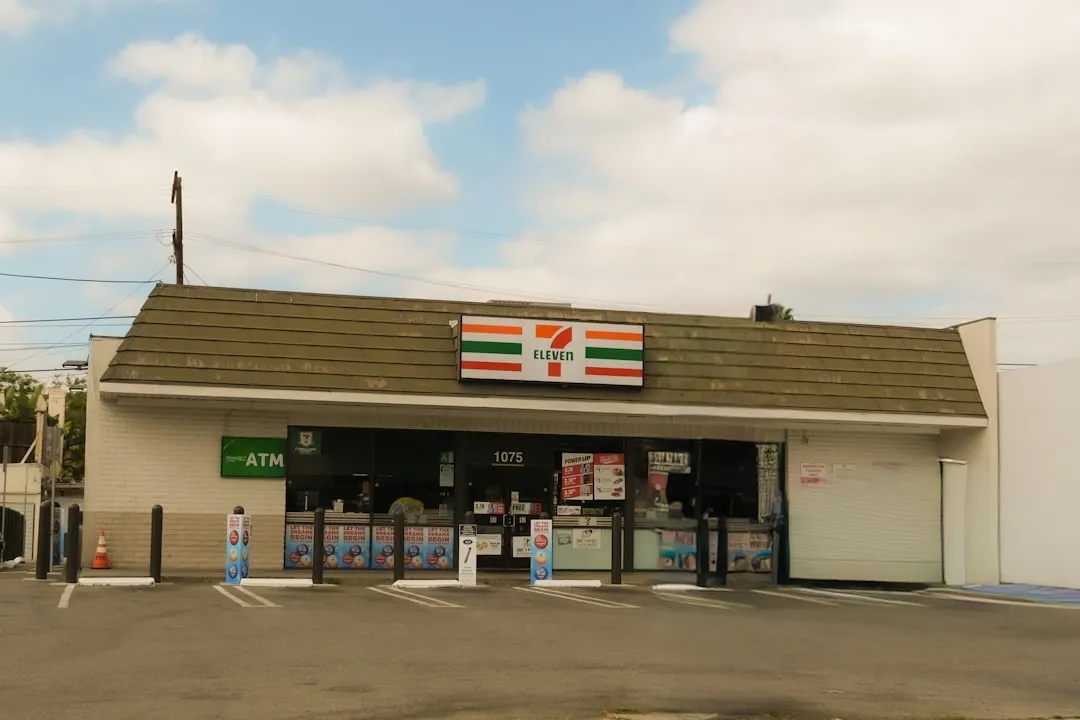
Plenty of gas station snacks exist. Protein bars, trail mix, peanut M&Ms, Combos, Hot Cheetos. All have their loyal fans. The five treats highlighted here share something specific, though. They carry a collective history. They’ve been in gas station racks for decades. They taste almost exactly the same as they did when you were a kid in the back seat, which is precisely what makes them hit differently on a road trip than anywhere else.
Foods have the ability to drive multiple sensations, and may be particularly effective at psychologically transporting consumers back in time. In other words, food can be a valuable mediator of nostalgia. Beef jerky, Funyuns, Slim Jims, Cheez-Its, and a cold slushy drink all do exactly that. They’re time capsules you can eat at 75 miles per hour.
In psychological terms, nostalgia is bittersweet, a mix of joy and loss. Yet research shows it consistently improves mood, self-regard, and even social connectedness. It acts as a mood-repair mechanism, often triggered by loneliness or stress but ending in comfort and optimism. A road trip is the ideal setting for all of that.
The Enduring Appeal of the Pit Stop
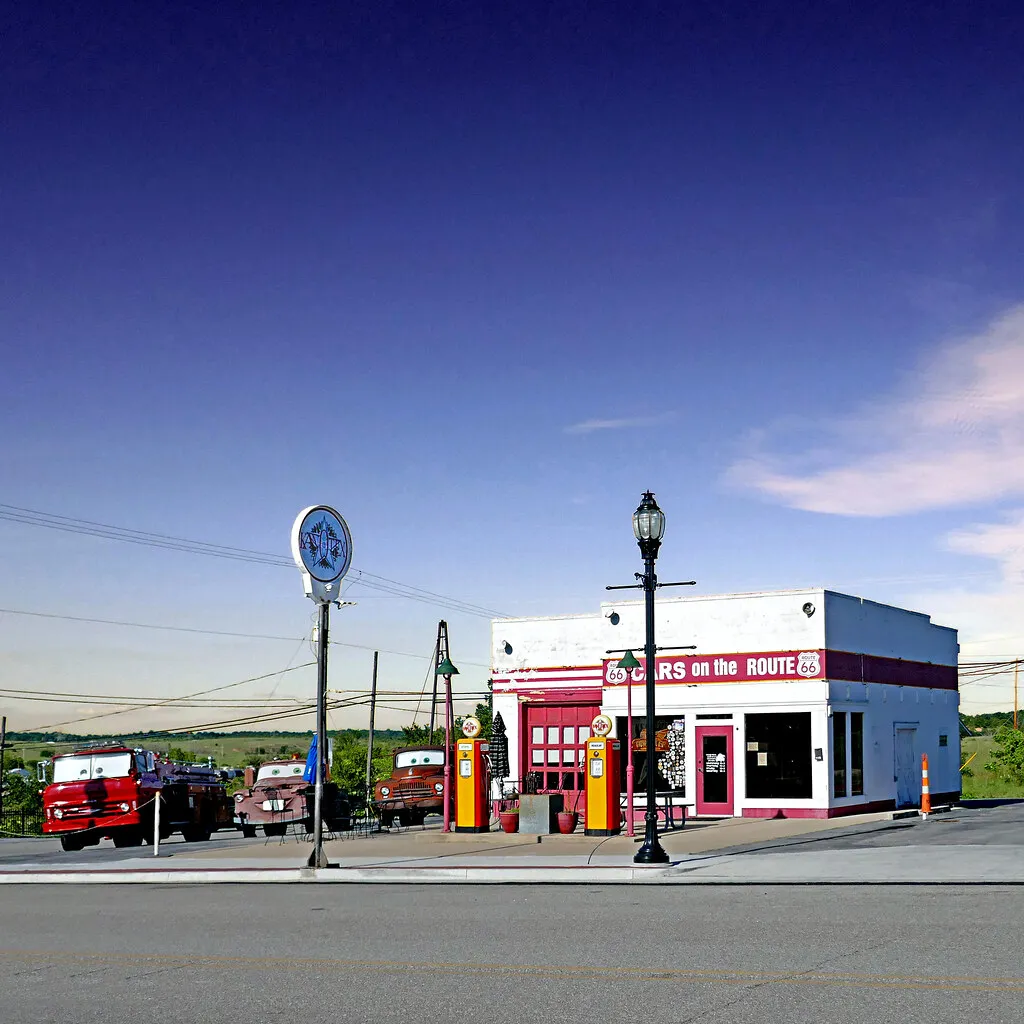
Gas stations have changed considerably over the decades. Many are now sleek, well-lit convenience stores with fresh food options, espresso machines, and an expanding selection of healthier alternatives. Gas station snacks have evolved dramatically over the years, transforming from basic convenience offerings to curated selections that rival specialty snack shops. That evolution is worth noting and genuinely welcome for travelers who want more options.
Still, the nostalgic core remains. The rack of jerky near the register, the Cheez-It bags in their familiar red boxes, the Slim Jim display by the door. These things persist because they work. In a world that’s constantly shifting, nostalgic flavors offer a moment of grounding. They remind us of who we were before we were busy, tired, overwhelmed, and overly online. A gas station pit stop, for all its mundane trappings, delivers a version of that every time.
The Open Road, the Open Bag
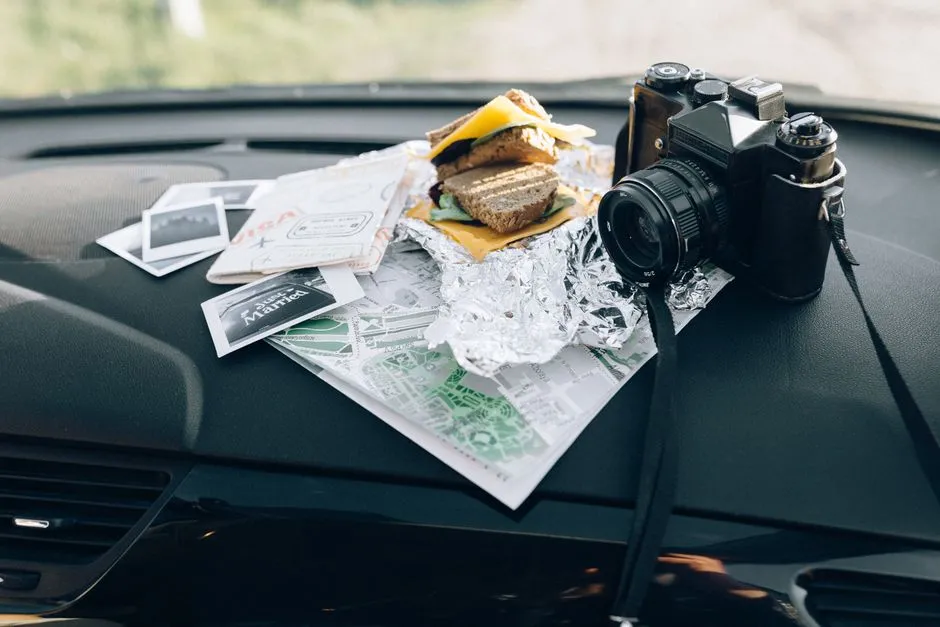
There’s an honest simplicity to the road trip snack. It doesn’t need to be gourmet. It doesn’t need to be virtuous. It just needs to taste good right now, in this car, on this stretch of road, with these people. The five treats covered here have been doing exactly that for generations, and they show no signs of losing their hold.
The reason they taste better on a road trip isn’t mystery. It’s context, memory, and the specific kind of freedom that comes from moving toward somewhere. The phenomenon is rooted in the way the brain processes taste and smell through the olfactory and limbic systems, which govern emotion and memory. When these systems fire together, the result is potent. Food becomes a time machine, transporting us to moments when life felt simpler or safer. Sometimes, that time machine is a foil bag of onion rings you grabbed at exit 47 for three dollars and change. That’s enough. That’s the whole point.
AI Disclaimer: This article was created with the assistance of AI tools and reviewed by a human editor.