



Food has a way of changing how you experience a place. A meal in a coastal taverna or a steaming bowl pulled from a neighborhood ramen counter can become the most vivid memory of an entire trip. It’s no coincidence that culinary tourism has become one of the most meaningful forms of travel today.
What follows is a gallery of five remarkable world cuisines, ranked and informed by real traveler data, credible research platforms, and verified cultural recognition. Each one tells a story that goes far beyond the plate.
How These Rankings Were Determined

The rankings in this article are grounded in data from TasteAtlas, one of the most comprehensive global food rating platforms available. TasteAtlas, known as the “world atlas of traditional dishes, local ingredients, and authentic restaurants,” bases its evaluations on a rigorous analysis of over 395,000 dish ratings and 115,000 food product ratings.
For each cuisine, TasteAtlas analyzes the average rating of its top 50 highest-rated dishes and food products, an approach that ensures rankings reflect the overall excellence of a cuisine’s most popular offerings. This methodology makes the results more reliable than single-dish polls or social media trends alone.
Survey data from Statista’s Consumer Insights also shows that Chinese and Italian cuisines are among the three most popular in many countries around the world, further confirming that global appetite for these culinary traditions is both wide and deep.
No. 5 – Mexican Cuisine: Ancient Roots, Living Flavors
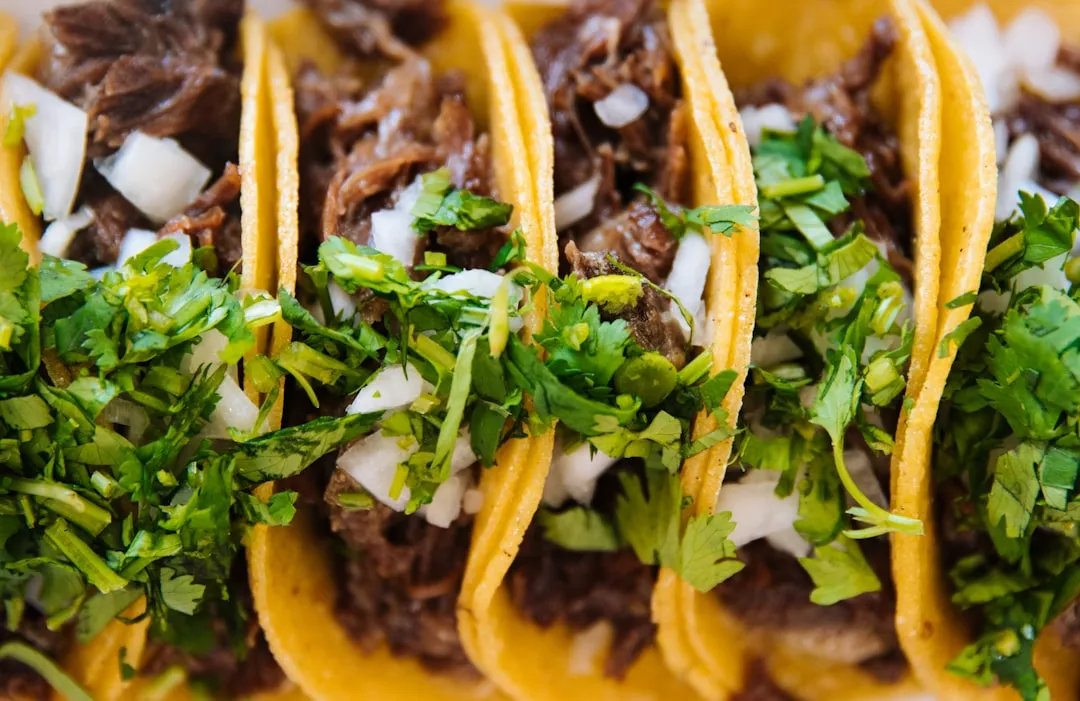
The inscription of Traditional Mexican Cuisine on the Representative List of the Intangible Cultural Heritage of Humanity in 2010 is a milestone that speaks to how deeply food is woven into Mexican life and identity. This recognition isn’t simply ceremonial. It reflects a culinary tradition that has sustained communities for thousands of years.
Traditional Mexican cuisine is a comprehensive cultural model comprising farming, ritual practices, age-old skills, culinary techniques and ancestral community customs and manners. It is made possible by collective participation in the entire traditional food chain: from planting and harvesting to cooking and eating. The basis of the system is founded on corn, beans and chili; unique farming methods such as milpas and chinampas; and cooking processes such as nixtamalization.
Today, Mexico City has become a gastronomic powerhouse, offering a perfect blend of traditional and innovative cuisine. In 2024, the Michelin Guide recognized this culinary destination, awarding stars to 18 restaurants in its inaugural Mexico edition. In the 2023–2024 ranking by TasteAtlas, Mexico secured the top position in the Americas, earning a rating of 4.6 stars out of 5.
No. 4 – Greek Cuisine: The Mediterranean at Its Most Honest
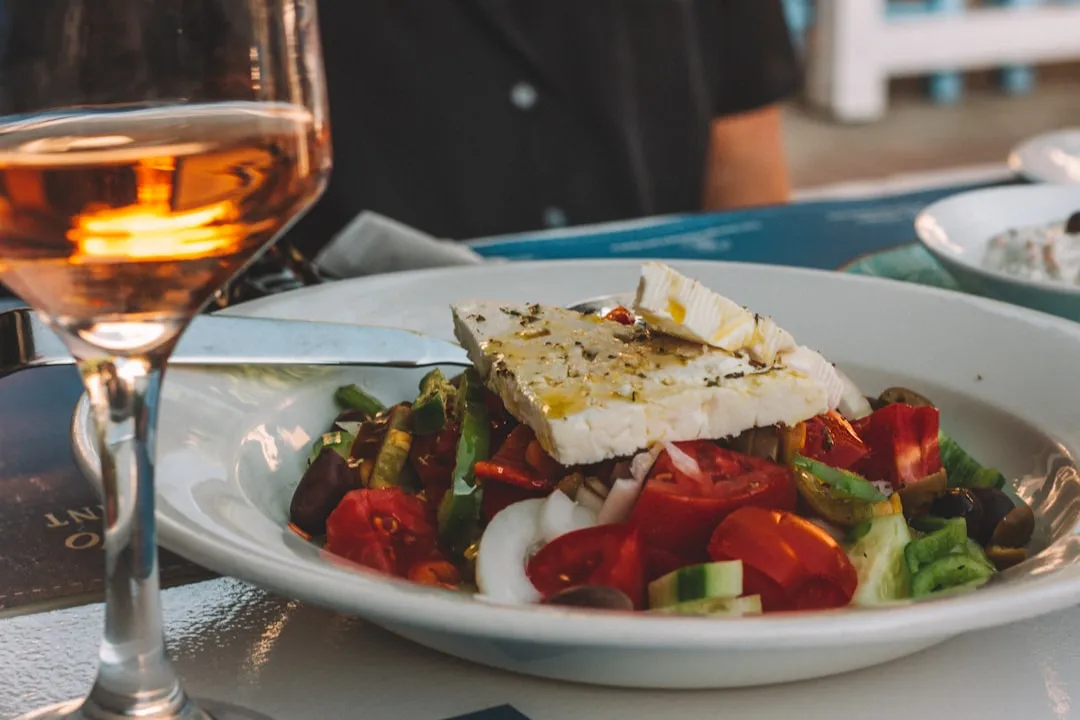
In 2025, Greek cuisine was chosen by visitors of TasteAtlas as the best in the world. That’s a significant shift, and it reflects a broader global appreciation for Mediterranean simplicity done exceptionally well. Travelers who have eaten their way across the Greek islands often describe the experience as effortlessly satisfying.
Ranking third in the 2024 data with a rating of 4.64, Greek food is renowned for its wholesome Mediterranean character, featuring an abundance of seafood, fresh vegetables, and olive oil. Dishes like moussaka, souvlaki, and tzatziki reflect the culinary traditions rooted in Greece’s rich history. The emphasis on communal dining and the use of fresh, locally-sourced ingredients add to the appeal of Greek cuisine, making it a favorite among food lovers worldwide.
There’s a quiet confidence to Greek cooking that visitors tend to respond to immediately. Nothing feels forced or over-constructed. Home to the world’s best cuisine in 2024 according to one ranking period, Greece earned its place in TasteAtlas’s evaluation of 477,287 ratings of 15,478 foods.
No. 3 – Italian Cuisine: The Standard That Everything Else Gets Compared To
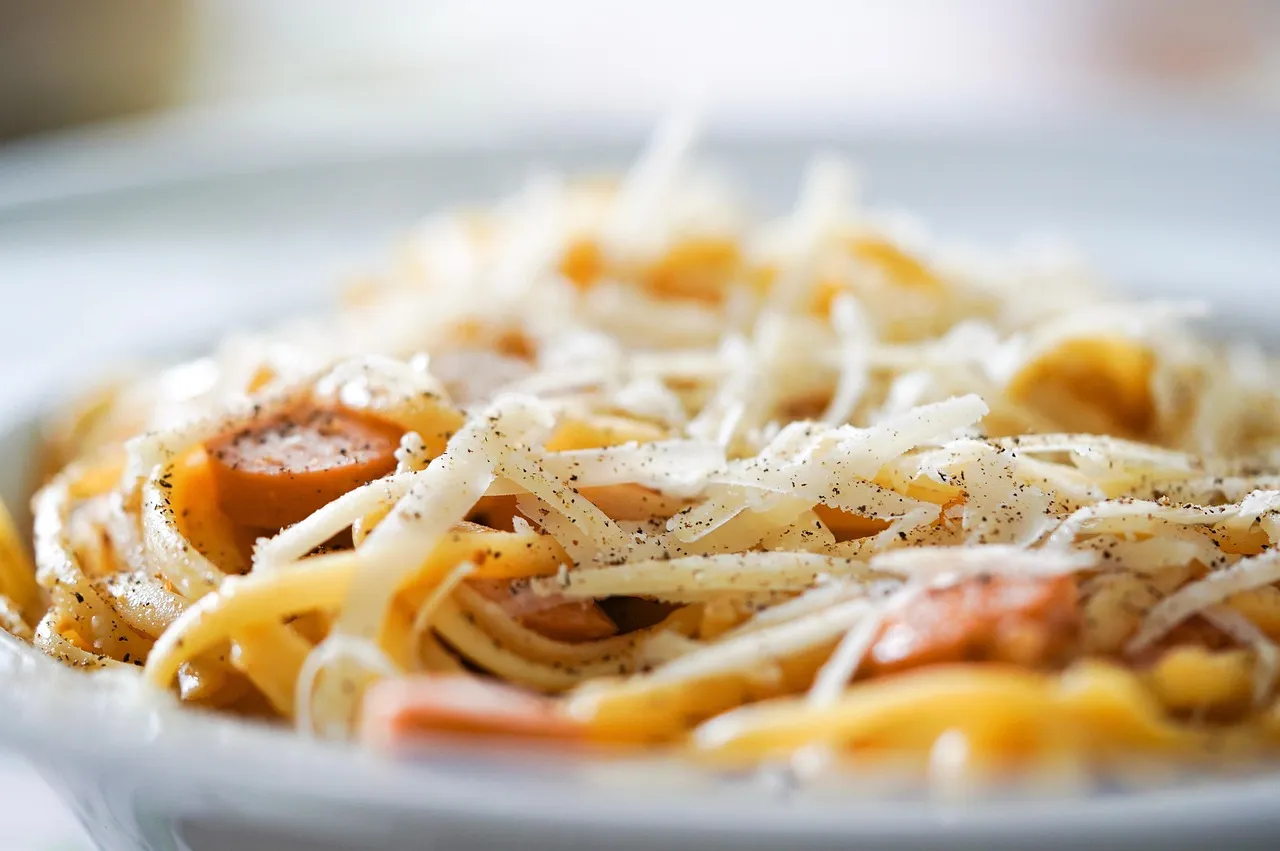
As of April 2024, the term “Italian food” had been mentioned in Instagram hashtags 23 million times, making it the most tagged cuisine on the platform. That kind of cultural saturation says something important: Italian food has become the universal language of comfort eating. It resonates across continents, age groups, and dining budgets.
Italy’s cuisine tied for the top spot in TasteAtlas’s 2024 rankings with a score of 4.65. From crispy Neapolitan pizza and creamy risottos to comforting pasta dishes like carbonara and tagliatelle al ragù, Italian food consistently delivers that unbeatable combination of rich flavors and pure comfort. The magic lies in high-quality ingredients and recipes perfected over generations.
Italian cooking was officially recognized as an “intangible cultural heritage” by UNESCO on December 10, 2025, joining French gastronomy, Mexican cuisine and Japanese Washoku cuisine on UNESCO’s list of global cultural gems. That recognition places Italy’s culinary traditions among the most protected and celebrated on earth.
No. 2 – Japanese Cuisine: Precision, Seasonality, and Quiet Genius
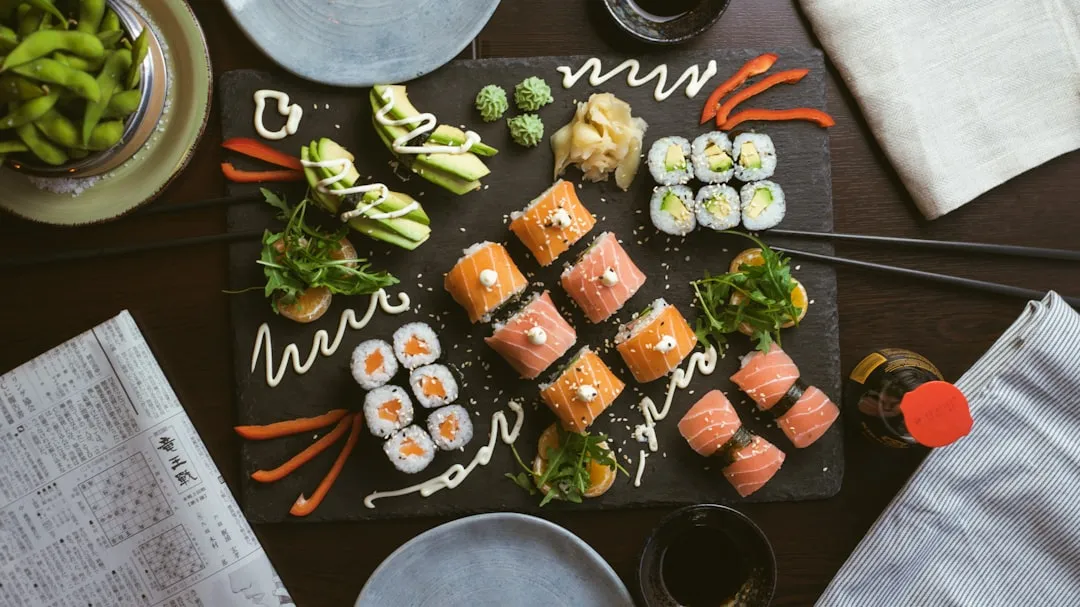
Japan’s cuisine tied for the top spot with Italy in TasteAtlas’s 2024 rankings, and it’s no surprise. Japanese food is all about precision, fresh ingredients, and perfect balance, whether it’s sushi, rich ramen, or crispy, golden tempura. Every element on the plate serves a purpose. Nothing is incidental.
Washoku, or Japanese cuisine, is recognized by UNESCO as an intangible cultural heritage and celebrated for its health benefits. Japan’s traditional sake brewing process has also landed on the UNESCO Intangible Cultural Heritage list, standing alongside Washoku, Kabuki theater, and other Japanese cultural crafts. The depth of cultural investment in food here is remarkable.
Visitors to Japan spent 1.2 trillion yen, roughly 7.8 billion US dollars, on food and drink in a single recent year. The Japanese government has positioned the food and beverage sector as a cornerstone of its tourism growth strategy, creating programs to develop and promote the country’s diverse culinary landscape. That investment is visible to every traveler who arrives hungry.
No. 1 – Italian Cuisine (Confirmed by 2025 Data): Why It Keeps Winning
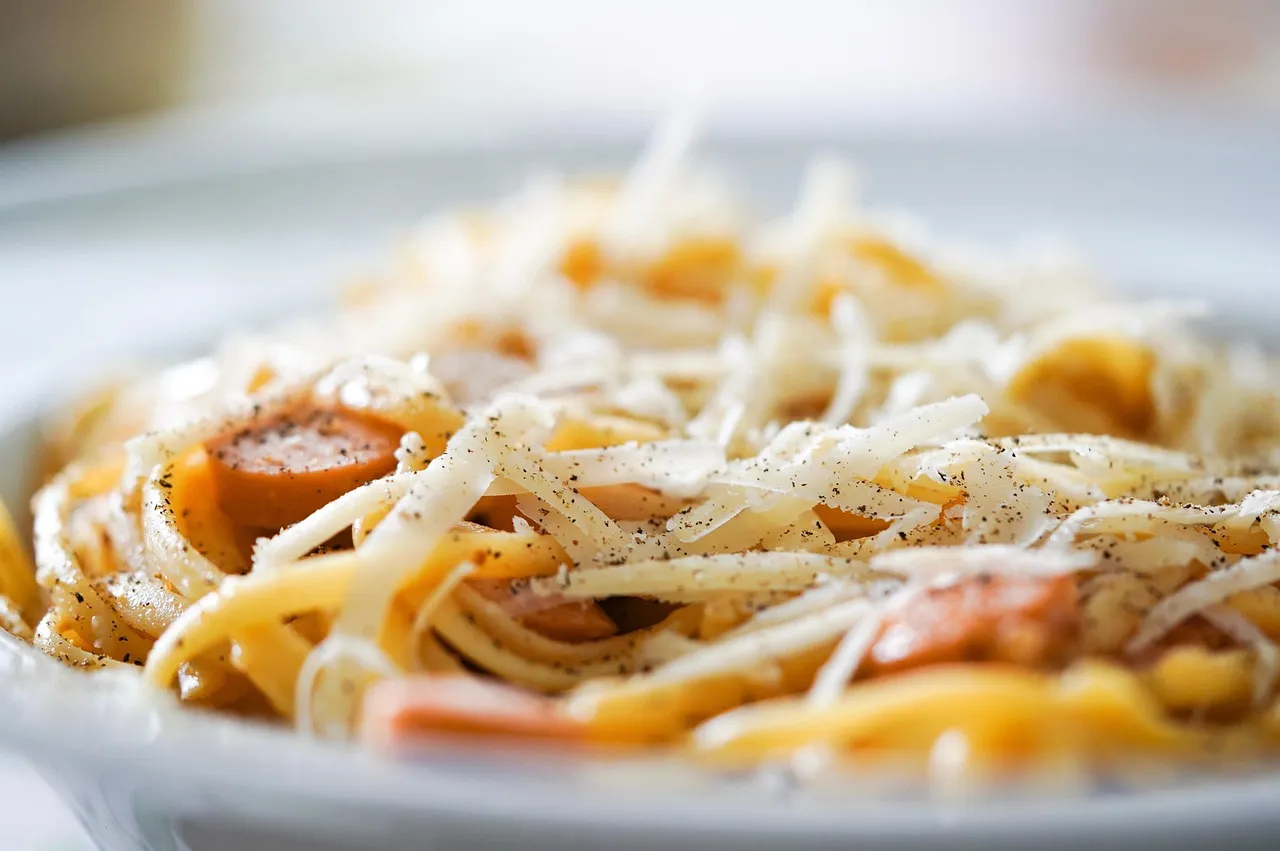
Italy and Japan have the best cuisines in the world, according to the 2023/2024 TasteAtlas ranking, and the most recent 2025 data places Italy firmly among the top two once again. Italian cuisine is celebrated for its fresh ingredients, diverse flavors, and regional variations, which include iconic dishes like pasta, pizza, and risotto. The emphasis on quality and authenticity in Italian cooking has earned it a loyal following globally.
Italian cuisine is particularly popular in Germany and France, where it ranks second, favored by roughly half of respondents in Germany and two-fifths in France. That dominance across multiple national markets is something very few culinary traditions can claim. It crosses cultural barriers with ease.
What makes Italian food so persistently beloved isn’t just the flavor. It’s the philosophy. Meals are slow. Ingredients are respected. UNESCO’s recognition celebrates not just the traditional dishes from the southern European peninsula, but a cultural and social blend of culinary traditions, use of raw materials and artisanal food preparation techniques, as well as a communal activity that emphasizes intimacy with food, respect for ingredients, and shared moments around the table.
The Surprising Contenders Worth Knowing

A notable highlight from the rankings is Indonesia, which secures 6th place in TasteAtlas’s 2024 data with a rating of 4.57. This makes it the only Southeast Asian cuisine to crack the top ten, showcasing the incredible diversity and richness of Indonesian food. The vibrant blend of flavors influenced by the archipelago’s cultural heritage is evident in dishes like rendang, nasi goreng, and satay.
China scored 4.59 in TasteAtlas’s 2024 rankings, taking the fourth spot with its endless variety of flavors. From the bold, spicy dishes of Sichuan to the delicate, balanced plates of Jiangsu and Zhejiang, Chinese food has something for everyone. Whether it’s crispy Peking duck, steaming dumplings, or a bubbling hotpot, the options feel limitless.
As of April 2024, the term “Chinese food” had a global search volume of 1.4 million, and the term “Chinese food near me” was the top related search, with a global volume of 3.4 million. By that measure, Chinese cuisine is arguably the most actively sought-out food experience on the planet in practical, everyday terms.
What Seasoned Travelers Actually Prioritize

Ask experienced travelers what they remember most vividly from their trips, and food almost always surfaces near the top. A study by The Picky Eater website analyzed the world’s most popular cuisines and found that Italian cuisine, highlighted by pizza, pasta, and risotto, is the most popular, followed by Japanese and Indian food. The consistency across multiple data sources is what makes these rankings worth trusting.
According to the study “The Global Rise of Mexican Food: Identity, Fashion, and Opportunity,” conducted by Human Connections Media, roughly 30% of international tourists’ spending is directed toward enjoying Mexican cuisine. That’s a remarkable share of travel budgets devoted to a single culinary tradition, and it underscores just how deliberately food-driven modern travel has become.
Several international cuisines are growing in popularity, including Middle Eastern, Southeast Asian, and African cuisine. The trend towards healthier eating habits has also contributed to the rising popularity of plant-based cuisines like Mediterranean and Mexican food, which typically feature fresh produce and lean protein sources. Travelers today are choosing destinations with intention.
Why Food Tourism Matters Beyond the Meal
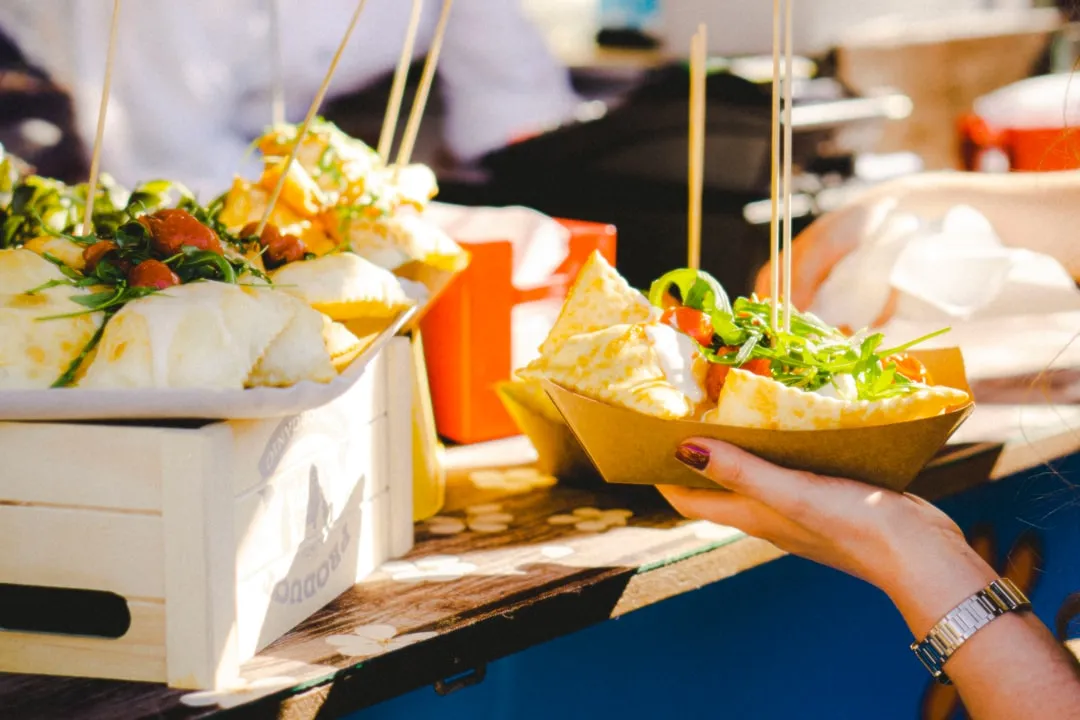
Safeguarding traditional cuisines is not only about delicious moles, tacos, tamales, and dishes, but also about preserving ancestral knowledge and techniques, unique production and culinary systems, and the people who make it possible. It also means supporting the women cooks who fight for recognition and safeguard food, cultural, and community systems that remain under threat.
UNESCO’s recognition of food cultures contributes to the preservation of cultural identity by highlighting the importance of culinary traditions in shaping communities and societies. When travelers seek out authentic local meals rather than generic options, they participate, even modestly, in that preservation.
Japan’s food tourism programs particularly emphasize supporting rural communities in showcasing their unique culinary heritage. Eating locally and thoughtfully isn’t just a richer personal experience. It’s also a more ethical and sustainable one.
How to Eat Responsibly While Traveling

Choosing where to eat while traveling carries more weight than many people realize. Visiting family-run restaurants, market stalls, and regional specialists rather than international chains keeps money within local economies. It also delivers a far more genuine sense of place.
Traditional cuisine is a form of resistance, with ancestral aromas achieved through unique techniques that fill homes across countries like Mexico, and that spirit of resistance deserves to be honored rather than bypassed by travelers seeking only the familiar. Seek the dish that has been made the same way for generations. That’s usually where the real story lives.
Sustainable culinary travel means going beyond the restaurant and engaging with food markets, cooking traditions, and local producers whenever possible. The Japanese government, for example, has positioned the food and beverage sector as a cornerstone of its tourism growth strategy, creating programs to develop and promote the country’s diverse culinary landscape, a model that other destinations are increasingly adopting.
A Quiet Takeaway From the Table
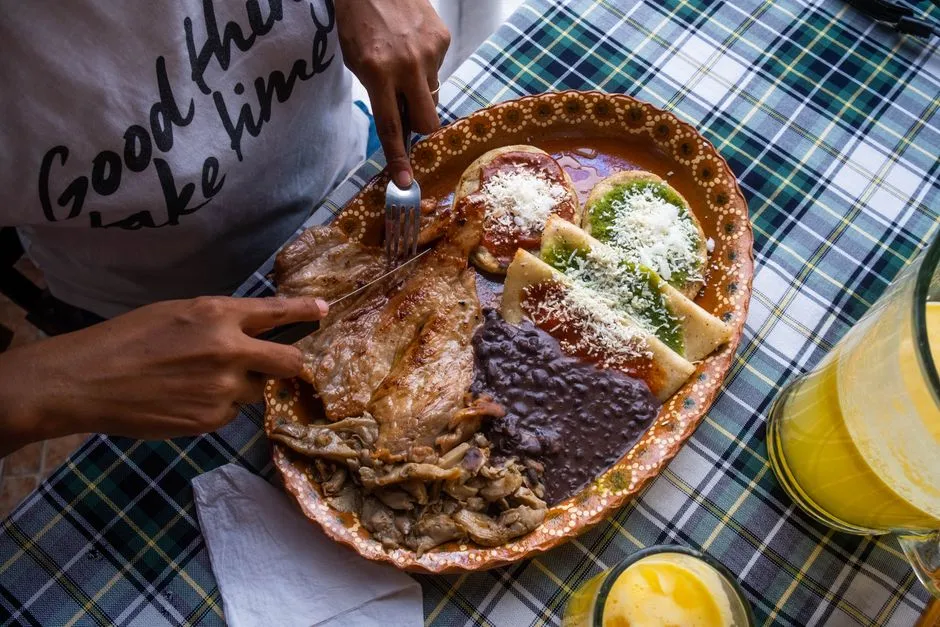
Food rankings are useful, but they’re really just a starting point. The deeper truth is that every cuisine on this list, and many beyond it, carries centuries of human ingenuity, community, and care. According to TasteAtlas’s 2024–25 report, which aggregates nearly half a million valid ratings across nearly sixteen thousand dishes, these cuisines represent the most searched, most loved, and most appreciated types of food globally.
The most rewarding meals a traveler can find are rarely the ones ranked first online. They’re the ones discovered by slowing down, asking a local, and sitting somewhere unhurried long enough for the kitchen to do its work. Numbers and ratings point you in a direction. Curiosity and respect for culture take you the rest of the way.
AI Disclaimer: This article was created with the assistance of AI tools and reviewed by a human editor.