
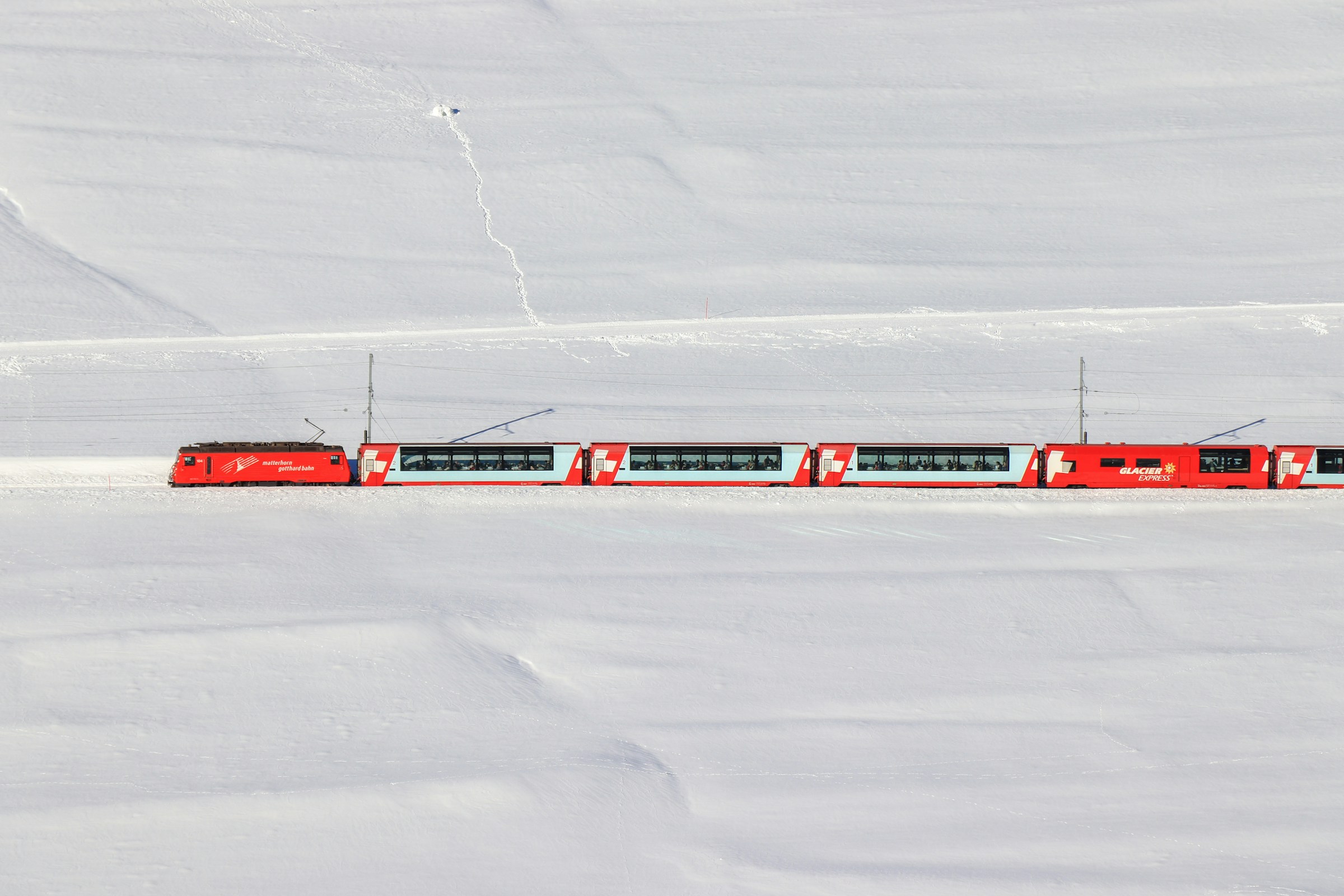
There’s something quietly transformative about watching a landscape unfold from a train window. No turbulence, no security queues, no moment lost to altitude. Just the slow reveal of mountains, fjords, glaciers, and valleys as Europe does what it does best: surprise you with beauty you weren’t fully prepared for.
Rail travel across Europe has seen a genuine revival in recent years. The rail revival continues at pace, with European train companies rolling out new routes every month. Whether you’re a seasoned rail traveler or simply looking to slow down and take in the view, these five overland routes offer some of the most rewarding scenic journeys the continent has to offer.
1. Glacier Express: Switzerland’s Slowest Express Train (And Proudly So)
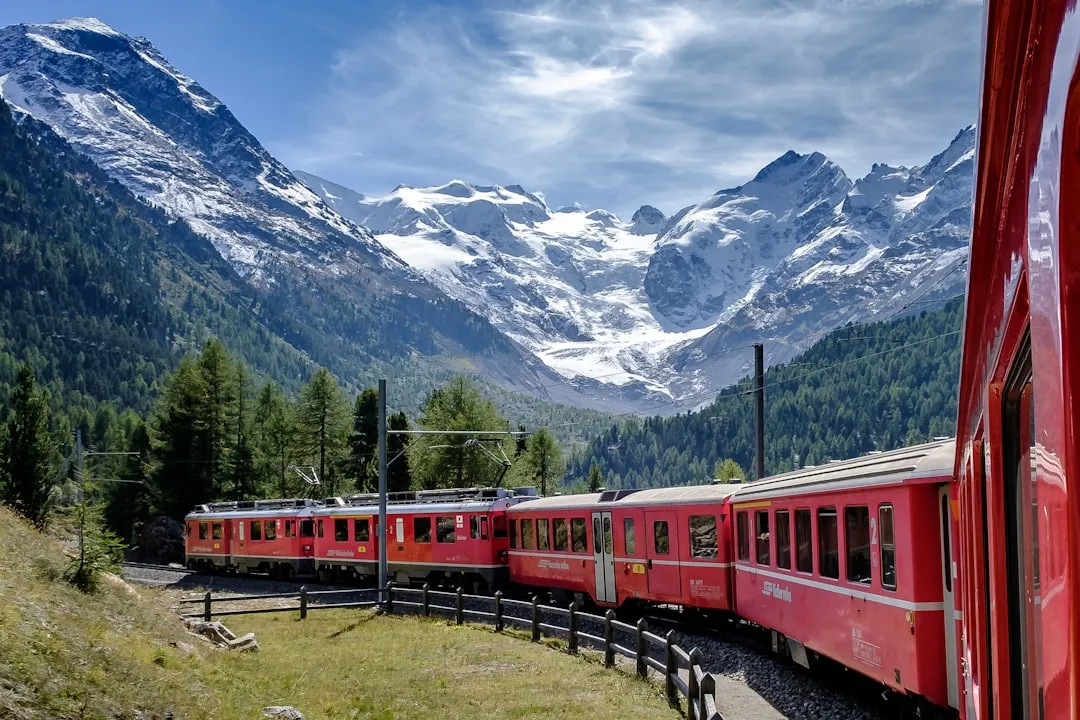
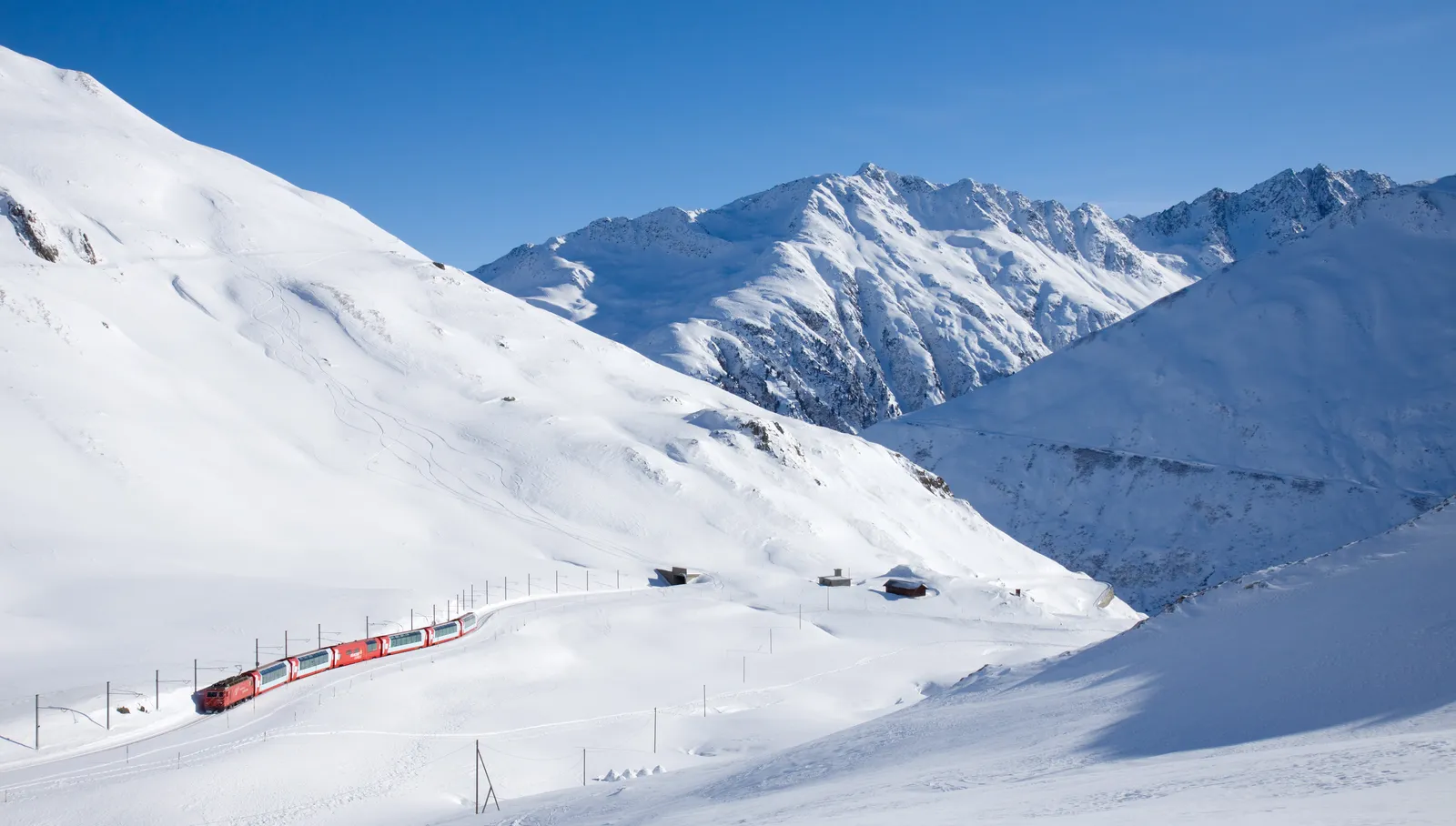
The narrow-gauge Glacier Express links St. Moritz in the Engadin skiing area and Zermatt at the foot of the Matterhorn, taking seven and a half hours to cover just over 290 kilometers at an average speed of 24 miles per hour. That pace is entirely intentional. Unlike high-speed services around Swiss cities, the train is designed to help passengers take in the stunning Swiss countryside in sumptuous comfort.
The route passes through picturesque mountain landscapes, crossing 291 bridges and dipping through 91 tunnels along the way. On the Glacier Express you’ll ascend over 6,600 feet to the top of the Oberalp Pass, before hurling through tunnels to emerge under a dazzling blue sky, passing rows of spruce and fir across the mountainside.
The Glacier Express route from Zermatt to St. Moritz first opened on 25 June 1930. It’s been running through these same valleys for nearly a century, which lends it a certain unhurried dignity. The special train cars have large panorama windows, where you can easily take in the breathtaking scenery from the comfort of your seat in all seasons.
2. Bernina Express: Where Glaciers Meet Palm Trees
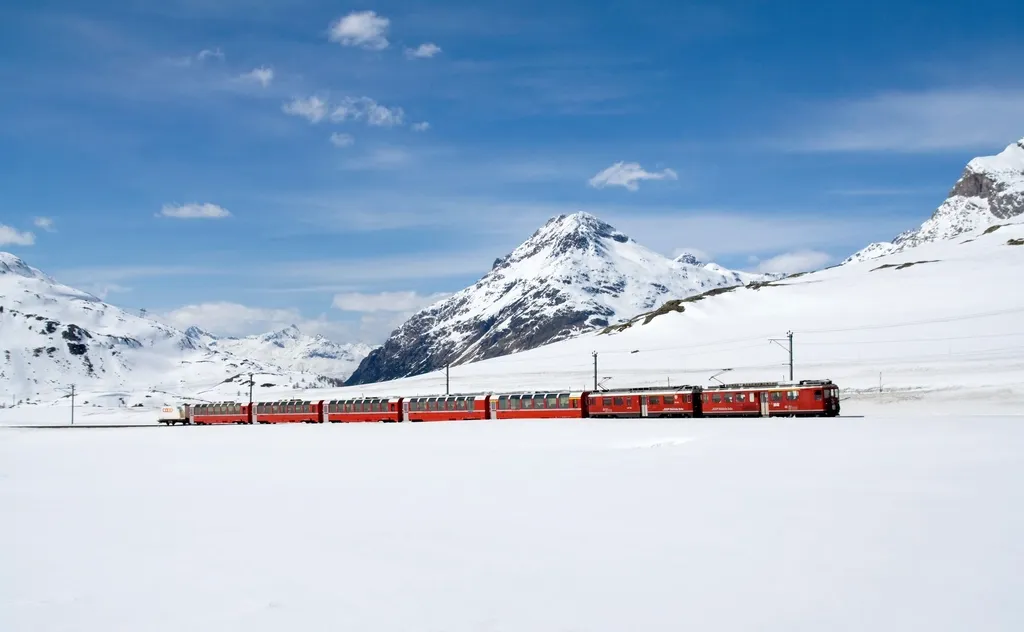
The Bernina Express trains cross the Swiss Alps twice in Graubünden on the UNESCO-listed Albula and Bernina railways, connecting Chur and St. Moritz via the Albula valley and tunnel before making the highest regular railway crossing of the Swiss Alps without using tunnels on the way to Tirano in Italy.
Travel features for 2025 and 2026 often describe the Bernina itinerary as a condensed Alpine panorama, moving from glaciers and mountain passes to vineyards and palm trees within a single four-hour journey. On the 122 kilometers of railroad from Thusis in Switzerland to Tirano in Italy, no fewer than 55 tunnels and 196 bridges are used.
From the summer of 2025, modernized coaches are operational, offering additional luggage storage and power sockets to charge your devices. Travel planning guides for 2025 and 2026 consistently advise securing seats well ahead of peak seasons, noting that panoramic coaches and luxury departures on the Bernina Express can sell out months in advance.
3. The Flåm Railway: Norway’s Engineering Marvel
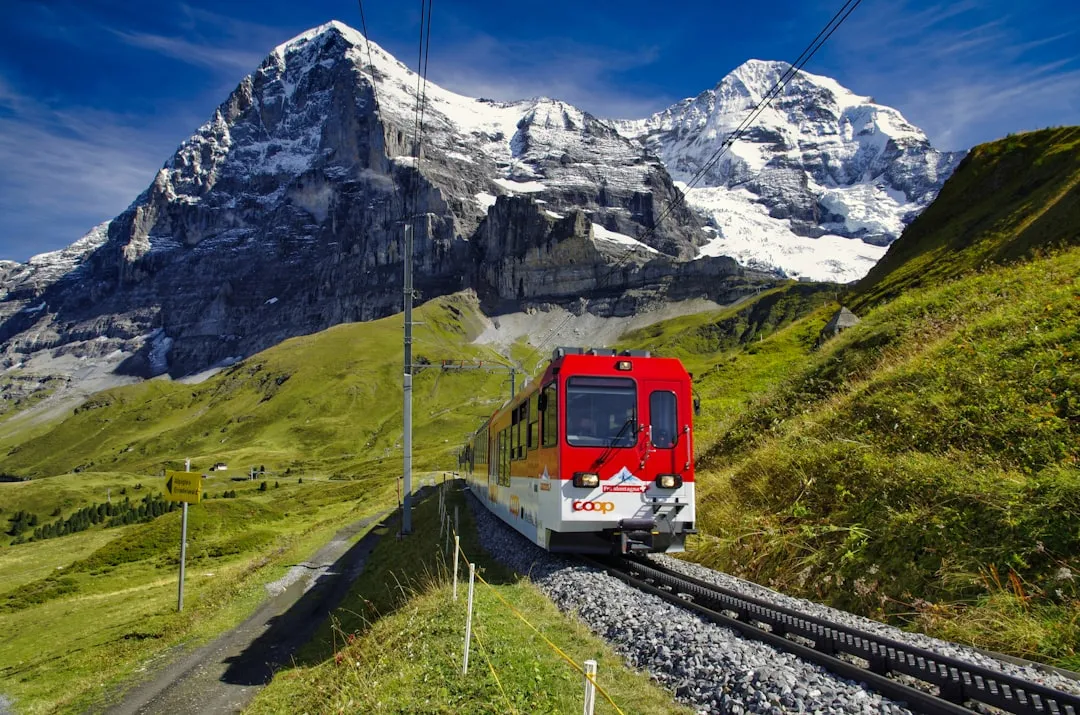
The Flåm Railway is one of Europe’s steepest standard-gauge railway lines and one of the most scenic train rides in the world. Built to connect the village of Flåm to the main Bergen Line, it twists through some of the most dramatic and remote landscapes in Western Norway, dropping 866 metres over 20 kilometres and passing through 20 tunnels, 18 of which were hand-drilled.
Because of its steep gradient and picturesque nature, the Flåm Line is now almost exclusively a tourist service and has become the third-most visited tourist attraction in Norway. The journey goes through the steep and narrow Flåm valley, with views of mighty waterfalls, picturesque mountain farms and tall peaks, and takes about 60 minutes.
Booking ahead is essential in summer as the line is popular with day-trippers from cruise ships docking in Flåm. Onboard, expect carriages with wood cladding and orange-red velvet seats, large windows and unassigned seating. The combination of handcrafted tunnels, roaring waterfalls, and fjord-level arrivals makes this one of Europe’s most complete sensory journeys.
4. The Bergen Railway: Norway’s High-Altitude Crossing
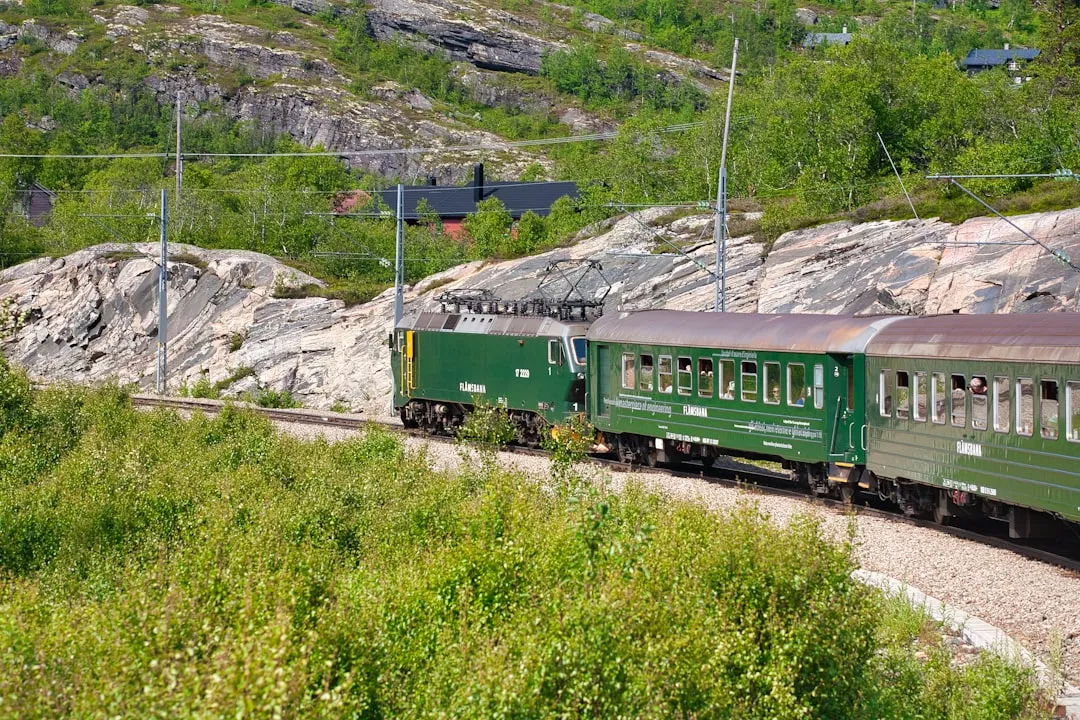
Norway has long been associated with some of Europe’s most cinematic train rides. The Bergen Railway between Oslo and Bergen is frequently described as the country’s flagship scenic route, climbing to one of Europe’s highest mainline summits across the Hardangervidda plateau.
The Bergen Line connects Norway’s two largest cities: Oslo and Bergen. The route crosses one of Europe’s largest mountain plateaus, the Hardangervidda, at an elevation of roughly 1,300 meters above sea level. The journey takes around six to seven hours and shifts dramatically from lowland forest to open tundra as it climbs.
The Flåm Railway connects directly to the Bergen Line at Myrdal station, which means many travelers combine both routes in a single day. Multi-stop itineraries that link several famous lines, such as combining the Bergen Railway with other scenic routes, are frequently presented as a contemporary version of the classic European Grand Tour. The Bergen Railway is open year-round, with winter crossings offering a particularly raw and elemental beauty.
5. The West Highland Line: Scotland’s Wildest Ride
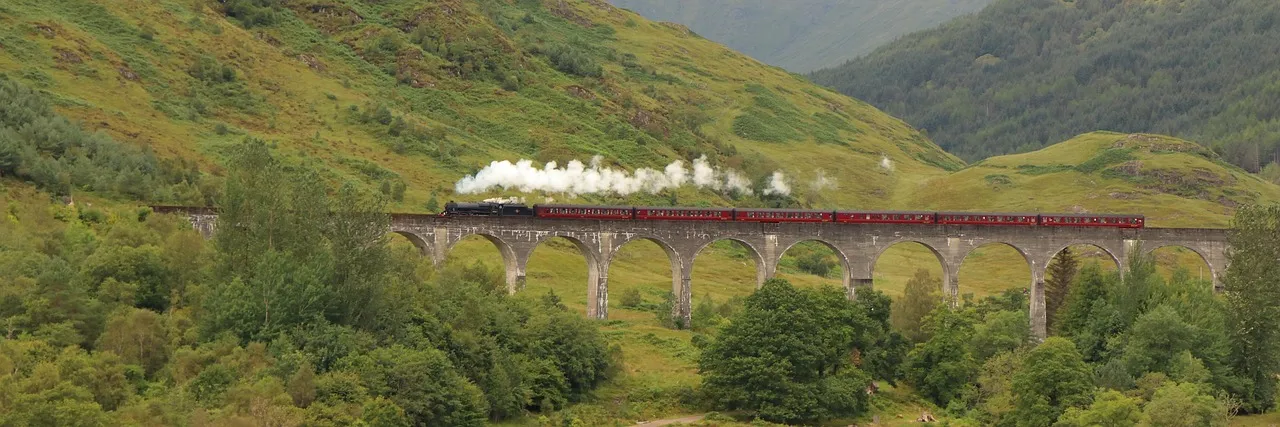
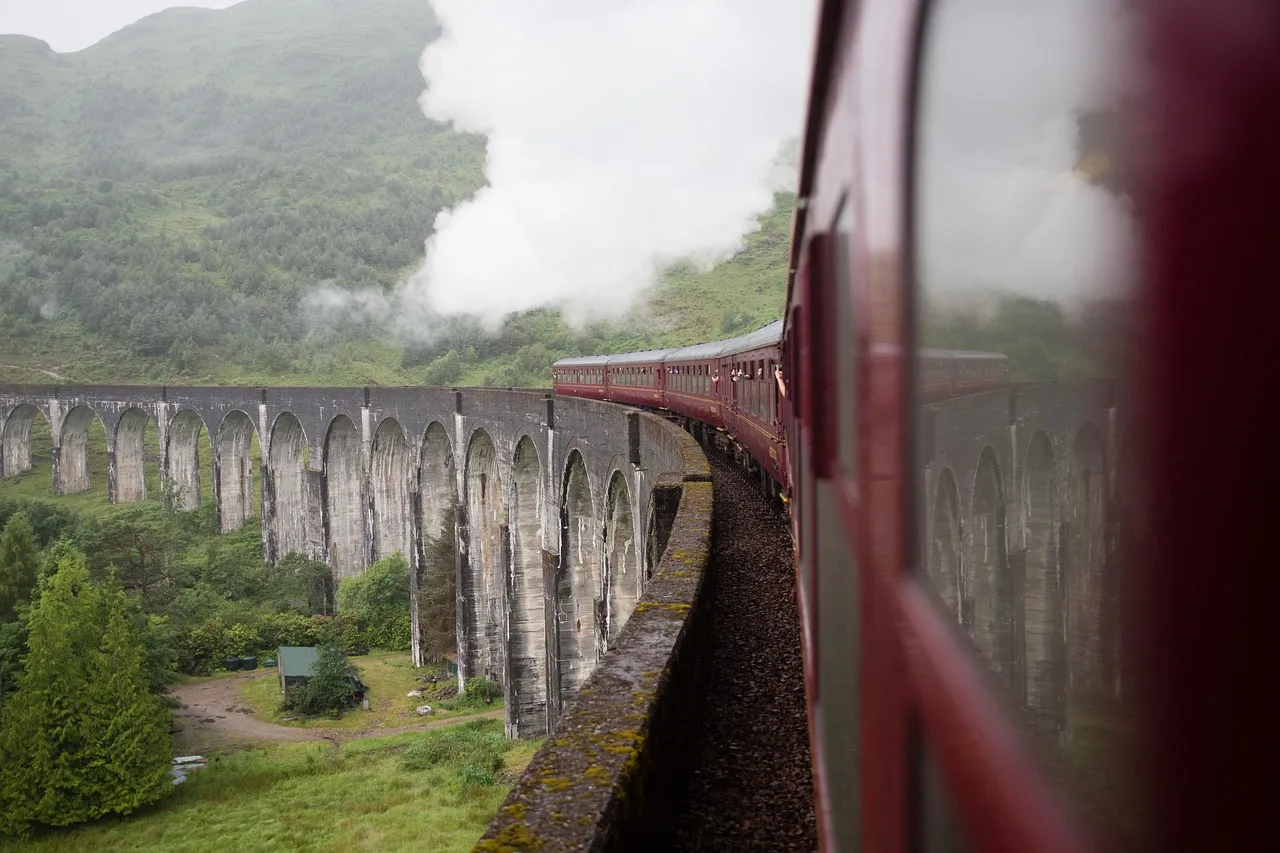
Often cited as one of the world’s most scenic rail journeys, the West Highland Line delivers raw, haunting beauty. It cuts across Rannoch Moor, a vast peat bog, before tracing Loch Lomond and sweeping over the Glenfinnan Viaduct, spectacular long before the Hogwarts Express made it Hollywood famous.
The route runs from Glasgow to Mallaig on Scotland’s west coast, passing through some of the most untouched landscapes in the British Isles. The Glenfinnan Viaduct alone, with its 21 arches curving across a Highland glen, is reason enough to make the journey. Rail travel allows visitors to access fragile environments such as peat bogs, glens and wild shores while keeping car traffic and infrastructure pressure in check, aligning the Highlands with wider European efforts to promote climate-conscious journeys.
The full journey from Glasgow Queen Street to Mallaig takes around five and a half hours, with the most dramatic scenery unfolding after Fort William. Luxury departures on Scotland’s Royal Scotsman can sell out months in advance, though regular ScotRail services cover the same extraordinary route at a far more accessible price. Either way, the landscape doesn’t change.
What These Routes Have in Common: The Case for Slow Travel
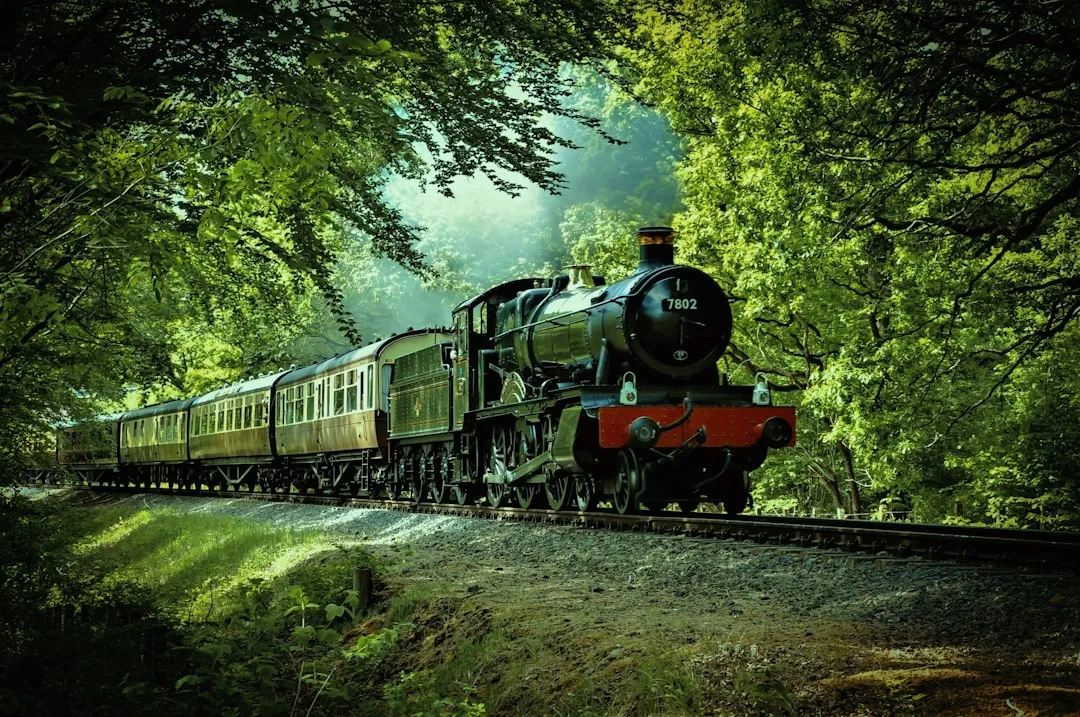
Environmental considerations are a significant part of the growing interest in scenic rail travel. As governments and rail operators stress the lower emissions of train travel compared with aviation and private cars, scenic routes are being promoted as a way to align holiday choices with climate goals without sacrificing a sense of adventure.
Each of these five routes rewards patience. They were built in eras when railway engineering was itself a feat of human ambition, carving lines through terrain that seemed to resist every attempt. The Flåm Railway’s hand-drilled tunnels, the Glacier Express’s near-century of Alpine service, the West Highland Line’s exposed moorland viaducts: these are journeys that carry the weight of history alongside the view.
There’s also a practical appeal that goes beyond romance. Some routes take only an hour or two to complete, while other routes span multiple countries, meaning they can fit into trips of almost any length or ambition. The key is simply to sit down, look out the window, and let Europe come to you.
When to Travel and What to Know Before You Book
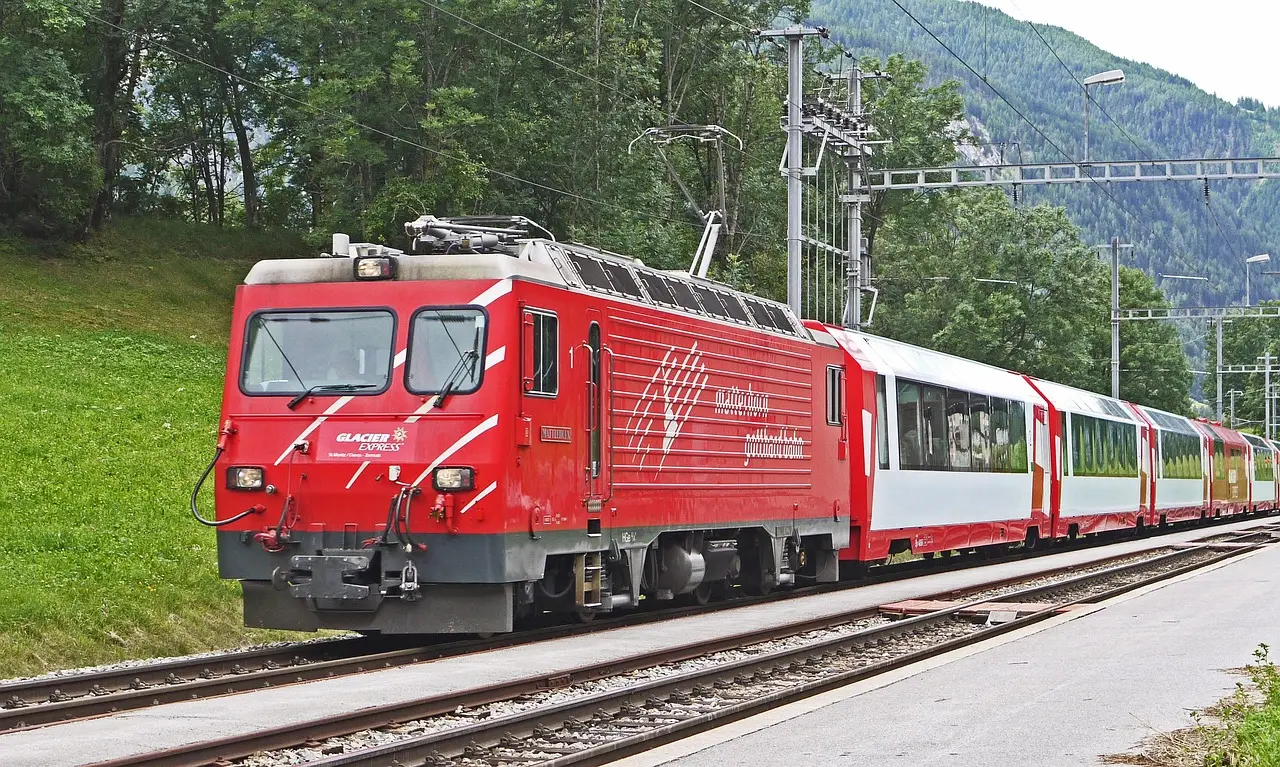
The Glacier Express runs year-round, except for a seasonal maintenance break from mid-October to early December. The Bernina Express follows a similar seasonal pattern, with two daily services between Chur and Tirano during summer from 2 May to 25 October 2026, with one service operating year-round.
For Norway, there are around nine departures in each direction on the Flåm Railway during summer from May to September, with fewer in the winter months. The journey takes approximately an hour each way, with trains usually running every one to two hours during peak periods.
Scotland’s West Highland Line runs throughout the year, with services departing Glasgow Queen Street daily. Seats on regular services can be booked through ScotRail well in advance, and early booking tends to yield considerably lower fares. On all five routes, the shoulder seasons of May and September often offer the best combination of manageable crowds and outstanding light for photography.
How to Connect These Routes Into One Grand Journey
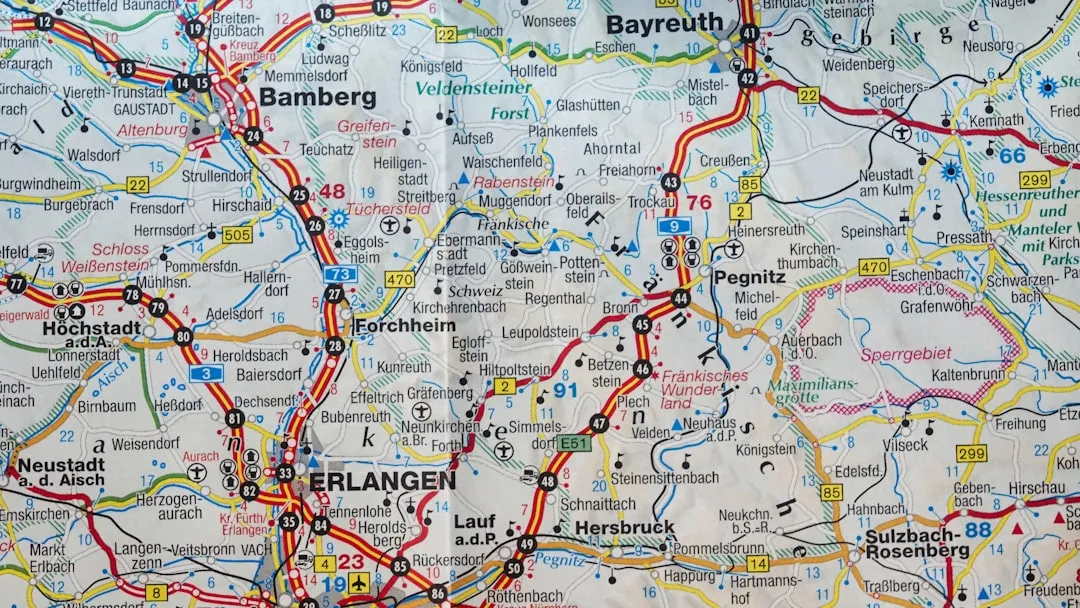
A well-planned trip could link several of these routes across two to three weeks. Starting in Scotland, riding the West Highland Line to Mallaig, then taking the ferry across to Skye before flying or sailing to Bergen opens the door to both Norwegian lines. From Bergen, a train south into Germany and onward to Switzerland places the Glacier Express and Bernina Express within easy reach.
The European Sleeper service travels through four stunning cities, including Eindhoven in the Netherlands, Munich in Germany, Innsbruck in Austria, and Bolzano in Italy, before skirting the foothills of the Dolomites. Services like this make overnight crossings between scenic rail hubs increasingly practical and even enjoyable in their own right.
The continent’s rail network, though complex, rewards those who take the time to understand its connections. Each of these five headline routes sits within a broader web of regional trains, overnight sleepers, and ferry links that together make a pan-European overland journey not just possible but genuinely memorable from start to finish.
Responsible Travel on Scenic Routes
Popularity brings pressure. Several of these routes pass through environmentally sensitive areas, including Norwegian fjordland ecosystems and Scottish Highland peat bogs, both of which are important carbon stores and home to fragile wildlife. Traveling by rail rather than by car or plane is already a meaningful step, but the manner of travel matters too.
On the Flåm Railway, the village of Flåm serves large volumes of cruise passengers in summer. Visiting outside peak months, respecting local signage, and supporting locally owned businesses along these routes helps distribute economic benefit more evenly. The communities that live alongside these railways are not simply backdrop; they are the reason these landscapes have been so carefully maintained over generations.
Scenic routes are increasingly being promoted as a way to align holiday choices with climate goals without sacrificing a sense of adventure, and that framing holds real weight. Choosing the train is not a compromise. On these five routes, it’s simply the best possible way to travel.
A Final Note on the View
All five of these routes share one quality that no amount of planning can manufacture: the moment when the landscape outside the window becomes genuinely difficult to look away from. On the Glacier Express, it might be the Oberalp Pass in winter silence. On the West Highland Line, it might be the first glimpse of Loch Lomond through morning mist. On the Flåm Railway, it’s almost certainly the waterfall at Kjosfossen, visible only from the train.
These are journeys worth taking slowly, worth repeating in different seasons, and worth sharing with people who haven’t yet discovered them. Europe’s rail network is vast, but these five routes sit in a category of their own: places where the journey is the destination, and the destination is somewhere you’ll want to return to.
AI Disclaimer: This article was created with the assistance of AI tools and reviewed by a human editor.