
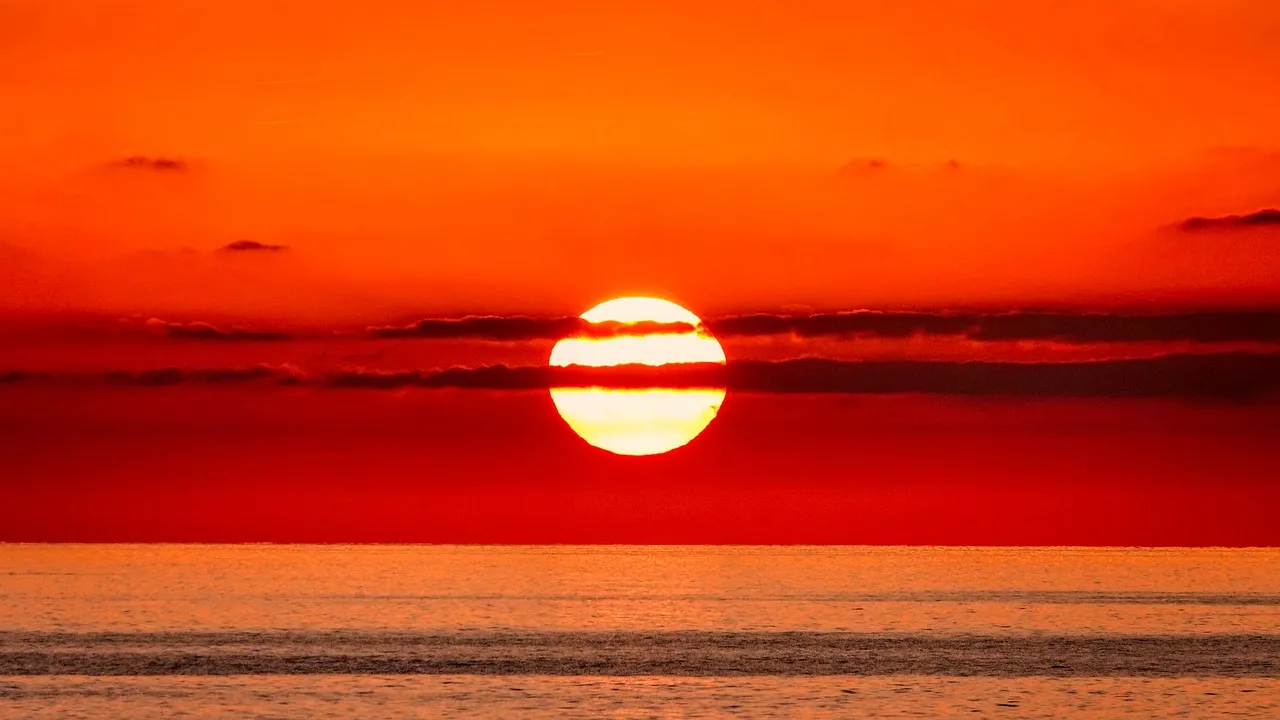

The Mediterranean gets a lot of attention. Santorini selfie spots, Mykonos party coves, the endless Capri cruise ship queues. For a sea that covers roughly two and a half million square kilometers and holds thousands of islands, it’s striking how consistently the same handful of names top everyone’s list. Yet a quieter version of the same Mediterranean still exists, if you know where to look.
The Mediterranean is home to some of the world’s most exclusive and undiscovered island retreats, and while destinations like Santorini and Capri steal the spotlight, a handful of lesser-known islands offer a far more intimate experience. The five islands below are not secrets exactly, but they’re overlooked enough that you’re unlikely to share a beach with a cruise ship crowd.
1. Pantelleria, Italy – The Black Pearl of the Mediterranean
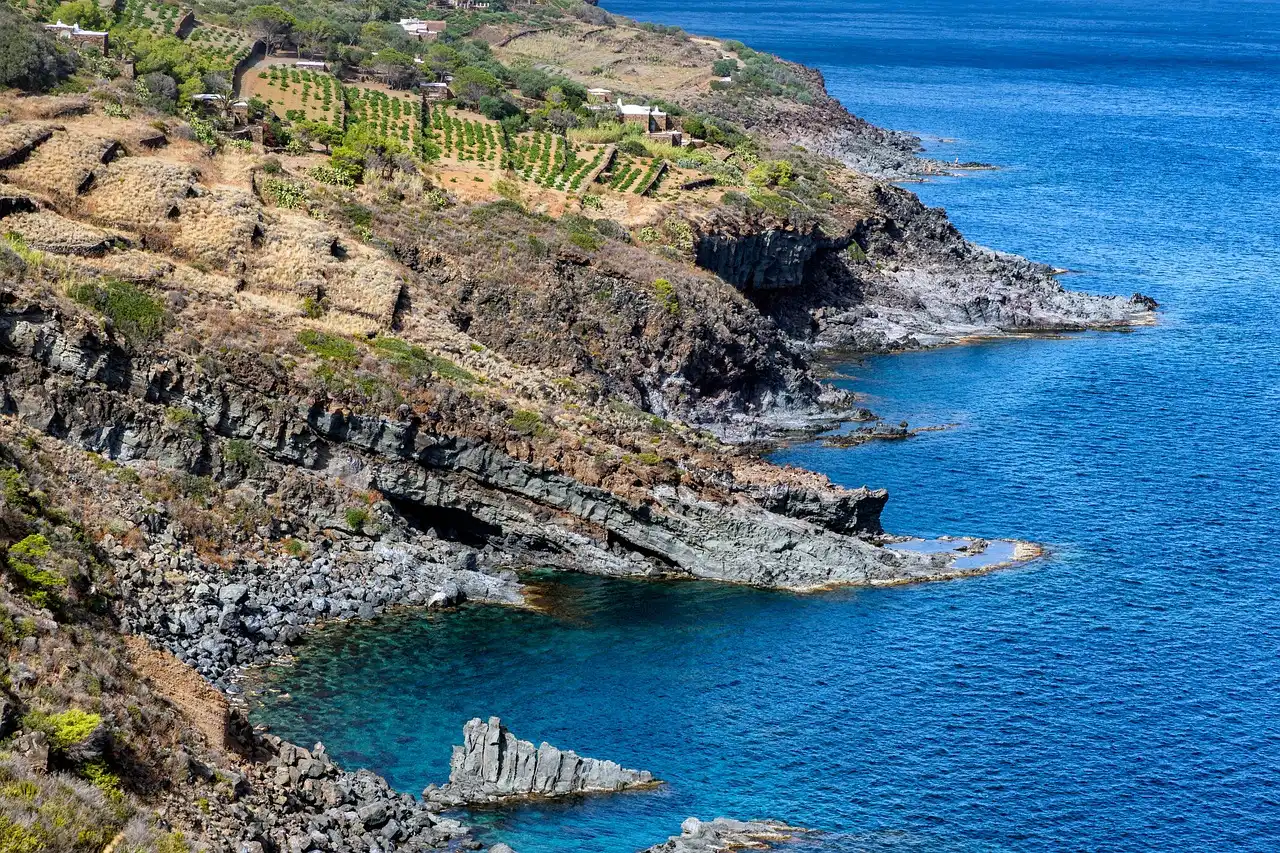
Pantelleria is an Italian island in the Strait of Sicily, 106 kilometers southwest of Sicily and 68 kilometers east of the Tunisian coast. That geography alone tells you something. It is known as the “black pearl” because of the blackness of its rocks, due to its volcanic origin.
Pantelleria National Park was established in 2016, and covers an area of 66.4 square kilometers, or roughly 80 percent of the island. So the vast majority of what you see here is protected land. Specchio di Venere, literally “Venus’ mirror,” is a natural lake formed in an extinct volcanic crater and fed by rain and hot springs. The lake is 12 meters deep and popular for swimming, hot springs, and mud bathing.
Pantelleria’s remote location ensures it stays under the radar for most tourists, and even for most Italians. The island is also known for passito wine, made from sweet, white island-grown zibibbo grapes featuring strong floral notes. The capers grown here carry a similar local reputation, and the combination makes for a food culture that feels nothing like mainland Italy.
2. Lastovo, Croatia – Europe’s Darkest Skies
Lastovo is the only island in Croatia to be declared a nature reserve in its entirety, and is one of the sunniest places on the Adriatic, with temperatures as high as 25° in May. Lastovo Islands was officially established as a nature park by the Croatian Parliament in 2006, protected due to its mystical beauty, landscapes, dense forests, fertile fields, high coastal cliffs, and a number of rare species.
Around 70 percent of the island’s surface is covered with forest. Besides Mljet, Lastovo has the most forest cover among Croatia’s islands. For diving enthusiasts, there are 18 sites on the island with mysterious shipwrecks, and according to Jacques-Yves Cousteau, oceanographer and expert diver, the waters around Lastovo are the most crystal-clear in the world.
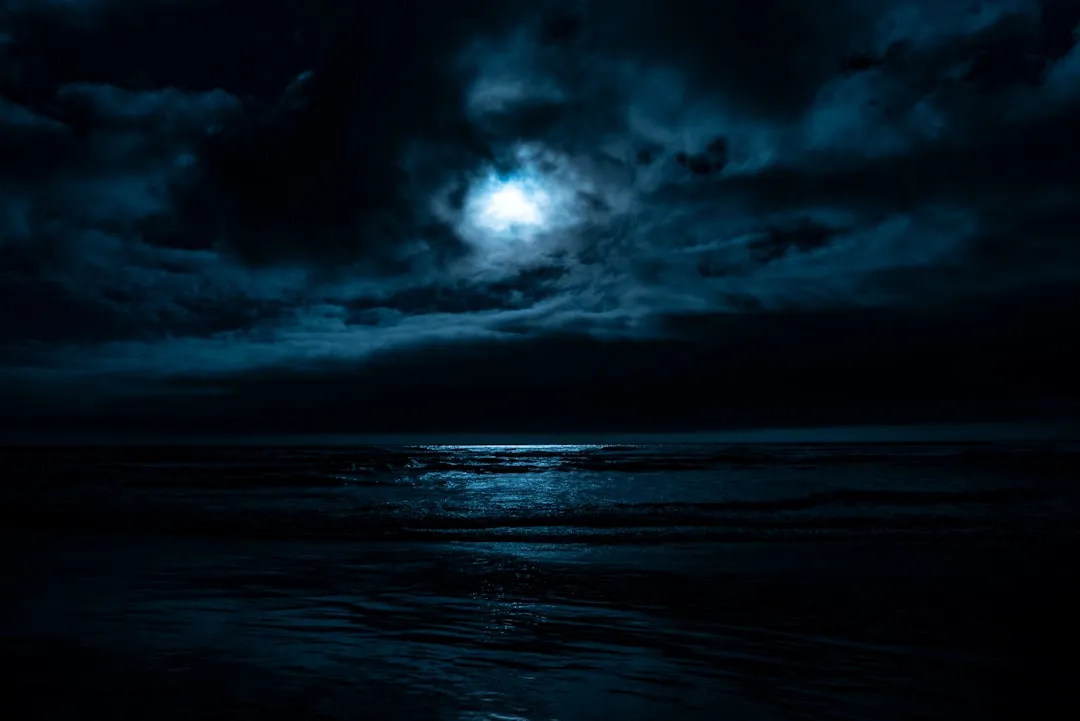
Lastovo’s sky is one of the darkest in Europe, with low light pollution due to the island’s distance from the mainland. Formerly a pirate hideout and military base, the island only opened to tourism in 1989 and has clearly remained untouched ever since. Few places in the Mediterranean can genuinely claim that kind of isolation, and it shows.
3. Gozo, Malta – Where Prehistoric Temples Meet Red-Sand Beaches
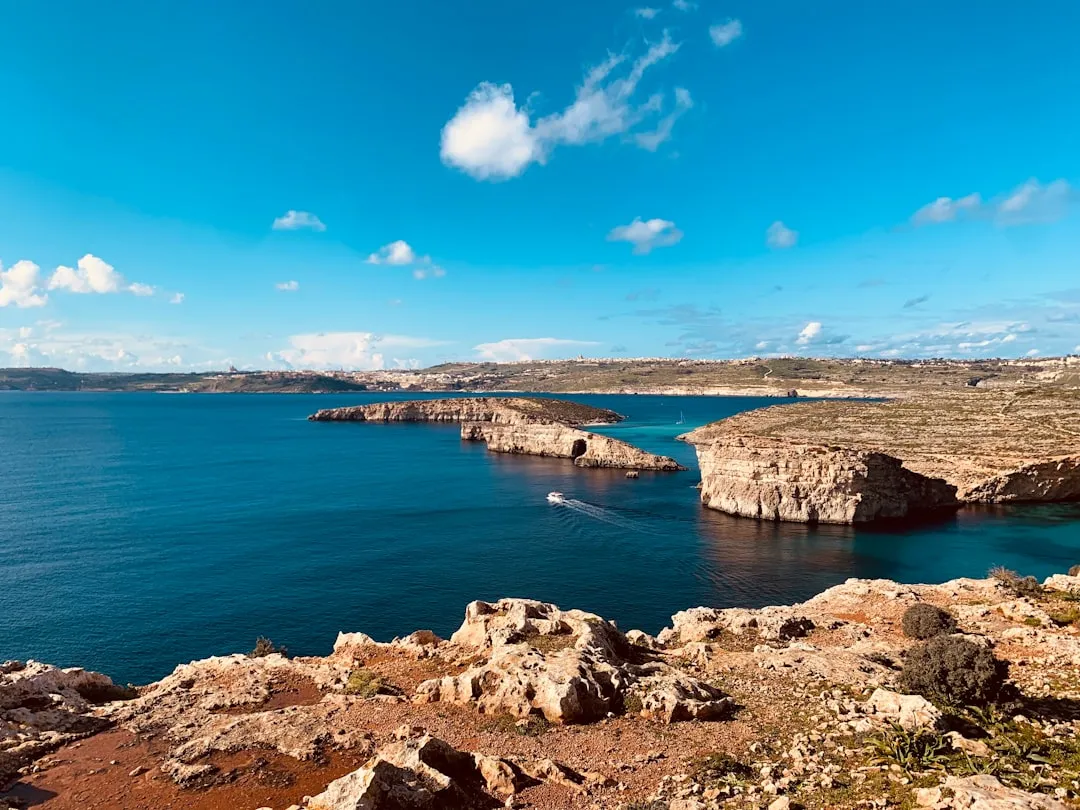
Gozo is a Maltese island and one of the least visited islands in the Mediterranean. This Mediterranean island is laid-back and full of fishing villages and peaceful beaches. At only 9 miles long and 4 miles wide, you wouldn’t think there’s much on offer to even contemplate spending a weekend here, but you could stay an entire week in Gozo and never run out of wonders to see.
Its nearly 40,000-person population is distributed around 14 historical municipalities, the most famous of which is Victoria, a medieval citadel completely surrounded by walls, where houses are built from a distinctive ocher-colored stone. Hidden coves and beaches around Mgarr ix-Xini are perfect for a secluded swim.
Malta’s little sister island is a tranquil retreat where time seems to stand still. The island’s prehistoric temples are among the oldest free-standing structures on earth. For those who want both history and actual silence, Gozo is a genuine outlier in a sea increasingly dominated by resort-scale development.
4. Kythira, Greece – Aphrodite’s Forgotten Island
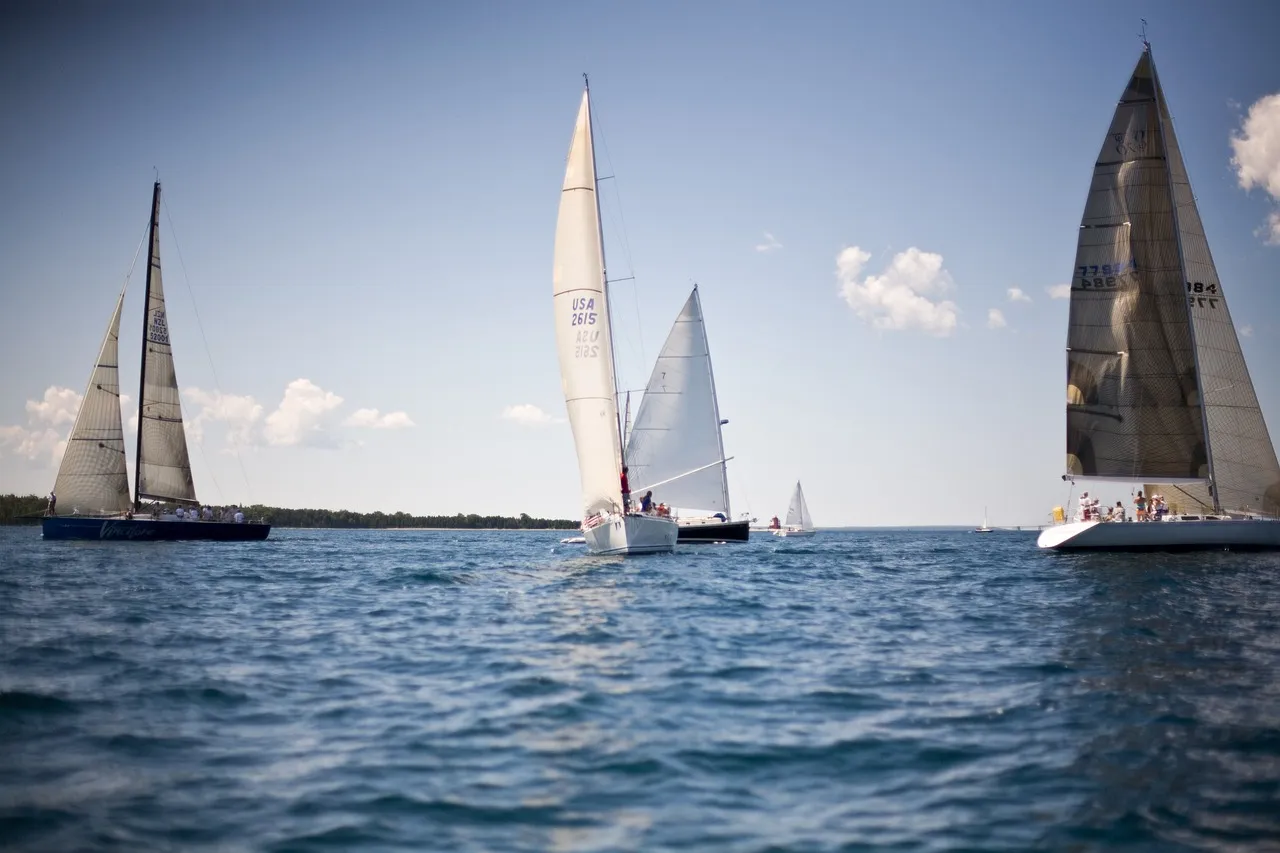
Often overlooked in favor of its Cycladic neighbors, Kythira is a hidden paradise with waterfalls, Venetian castles, and unspoiled beaches. Floating between the Peloponnese and Crete, Kythira is a bit of a geographical oddball, and legend has it that Aphrodite was born here. That mythological pedigree hasn’t translated into the kind of mass tourism you’d expect.
Its laid-back atmosphere, combined with charming boutique hotels and family-run tavernas, makes it one of the most authentic secret islands in the Mediterranean. A recommended highlight is a swim in the Fairy Pools of Fonissa, a series of natural rock pools hidden in lush greenery.
This Greek island in the Cyclades remains one of the Mediterranean’s hidden gems, known for its breathtaking coastline and secluded beaches, and is perfect for those looking to escape the crowds. Greece generated nearly 19 billion euros in inbound leisure tourist spending in 2024, according to Statista, though nearly all that flow concentrates on a handful of famous names. Kythira sees almost none of it.
5. Symi, Greece – The Neoclassical Harbor That Time Forgot
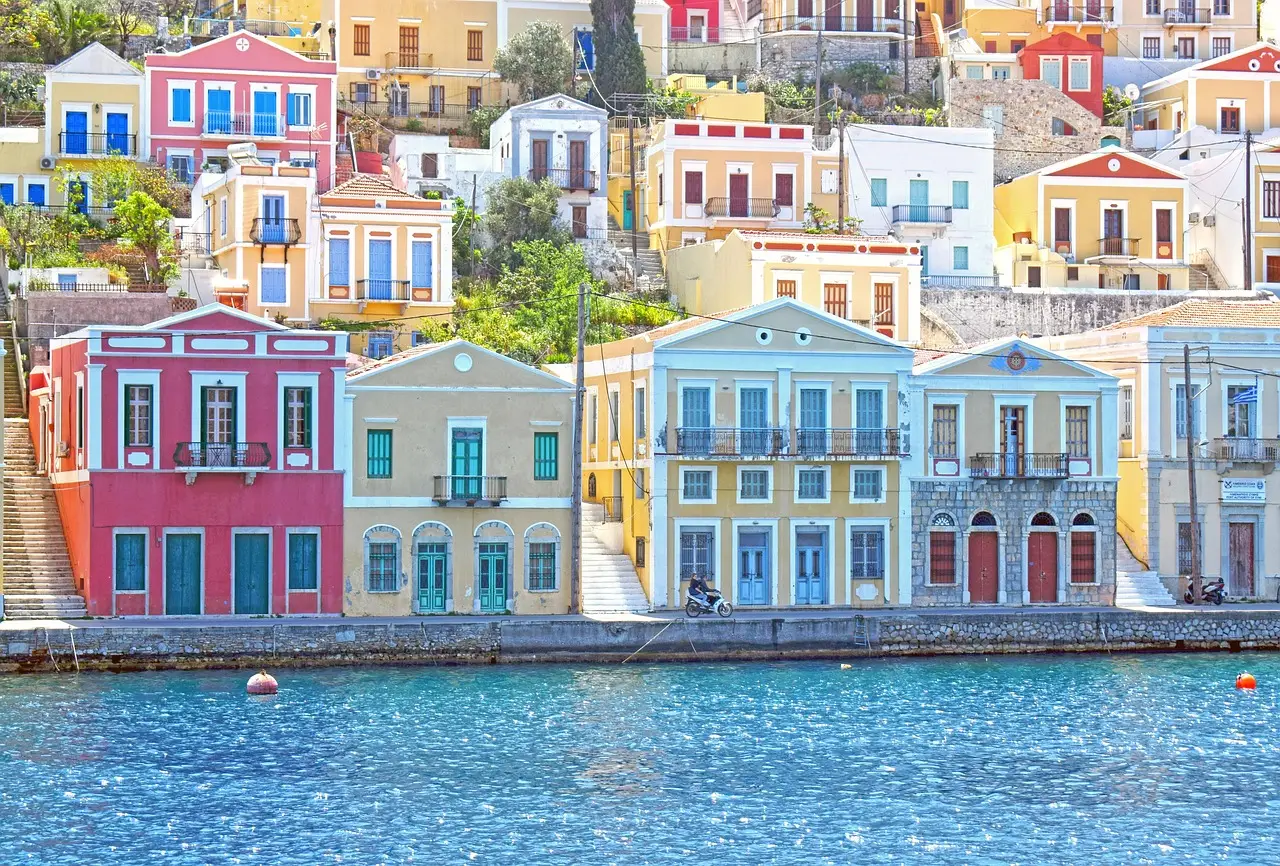
With its neoclassical mansions cascading down to a perfect horseshoe harbor, Symi looks almost too pretty to be real. Once a wealthy sponge-diving center, it’s a haven for those seeking elegance and tranquility. A stone’s throw from Rhodes, Symi is a picturesque island that exudes charm and tranquility. Its neoclassical harbor, lined with colorful houses, sets the tone for a relaxed getaway, and the island’s calm atmosphere and stunning architecture make it an idyllic destination for travelers seeking serenity.
Visitors can explore the historic Panormitis Monastery, a significant site of pilgrimage, and discover the island’s numerous pristine beaches, each offering a unique slice of paradise. Fresh seafood at a waterfront taverna, where the catch of the day is a culinary delight, remains central to the island’s character, often accompanied by breathtaking sea views.
Symi’s welcoming ambiance and rich cultural heritage make it a perfect escape from the hustle and bustle of everyday life, with the best time to visit being May to October when the weather is warm and sunny. The island gets a share of day-trippers from Rhodes, but they leave by evening, and Symi becomes itself again after dark, quiet and genuinely beautiful.
Why the Crowds Go Elsewhere

Between the months of June and September, the Mediterranean basin receives around 45 million national tourists and more than 50 million foreign tourists, mainly concentrated on the coast and the islands. That density is the real reason to look beyond the famous names. Smaller islands stay peaceful thanks to small local populations, limited development, protected marine areas, and fewer summer crowds, making them perfect for travelers who want clear water, empty coves, slow evenings, and real life instead of mass tourism.
Spain’s 48 million residents welcomed a record 94 million international visitors in 2024, and similar pressures are reshaping popular Greek and Italian island destinations too. The backlash is growing. In April 2024, mass protests began in the Canary Islands, with residents calling for a temporary limit on tourism until legislation to combat the negative effects of overtourism could be introduced.
How to Think About Off-Season Timing
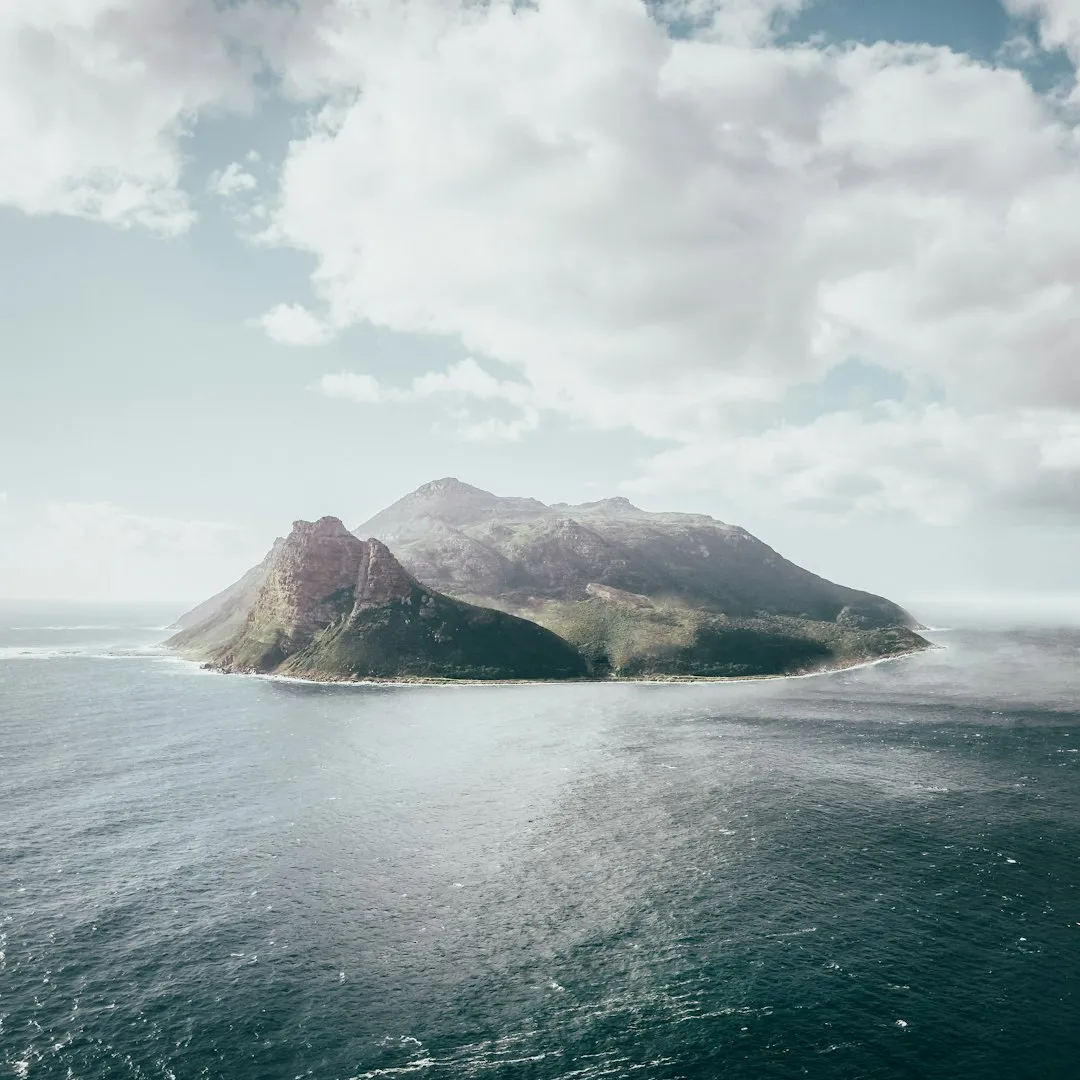
The quietest Mediterranean islands in 2026 tend to stay peaceful thanks to small local populations, limited development, and protected marine areas. May and early June still bring warm water and manageable prices before the summer peak hits. October is a great time to go for many of these destinations, with water still warm and crowds limited.
Shoulder season also protects the places themselves. Tourism may not sustainably support territories with limited natural resource stock such as islands, and the volume of visitor arrivals can increase pressure even beyond sustainable levels. Visiting in May or late September is a small but meaningful way to reduce that pressure.
Getting There: Practical Notes
None of these islands are hard to reach, but most require a deliberate choice. Pantelleria can be reached by ferry or by plane. Lastovo is equidistant from Dubrovnik and Split, and the crossing takes around 3 hours 20 minutes from either port. Gozo is reachable by a short ferry from Malta’s Cirkewwa terminal in well under half an hour.
Symi and Kythira are served by ferry connections from Rhodes and Piraeus respectively. None of these crossings are especially long or complicated. The extra step of booking a ferry is, in fact, a significant reason these islands stay calm: the slight friction in access keeps casual mass tourism away.
What You Gain by Slowing Down
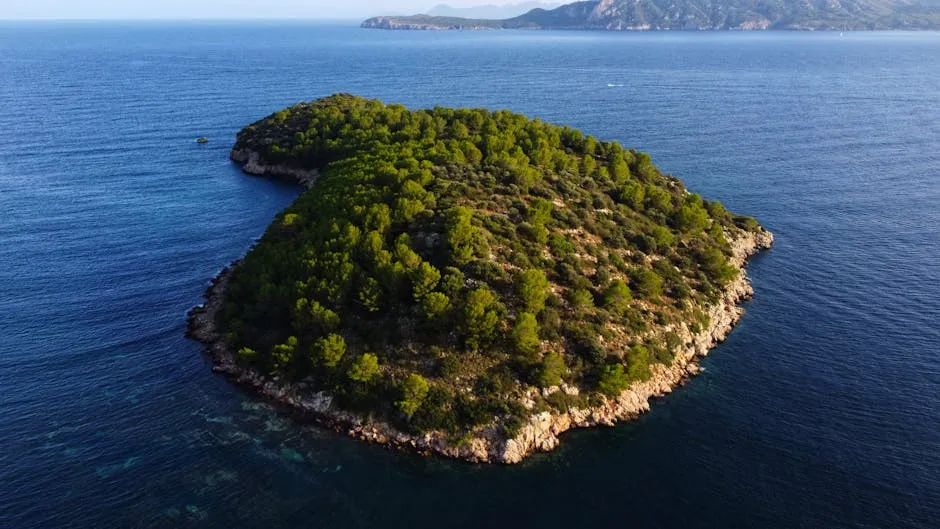
On smaller, off the beaten path Mediterranean islands, tourism is there, but it’s not the whole story. Fishermen still fish. Vineyards still press grapes. Villages still feel like villages. That sounds obvious until you’ve spent time somewhere where the entire local economy has been redesigned around short stays and high turnover.
On Pantelleria, for example, the presence of tourists is balanced well with local people and environment. There aren’t too many visitors, especially outside of July and August, and the extra effort to get there keeps tourism manageable. In return, you’re rewarded with a slowness and a simplicity that’s really the only way to live.
A Note on Responsible Visiting
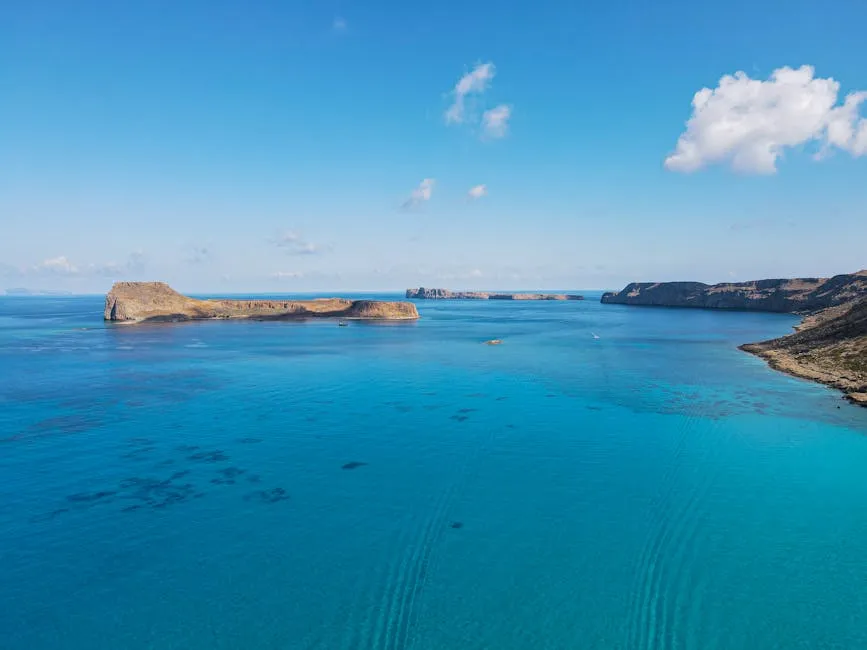
The islands in this list are overlooked partly by accident and partly by design. Lastovo’s status as a total nature reserve keeps development in check. Pantelleria’s national park covers the vast majority of its land. The WWF declared Lastovo a priority for the preservation of Mediterranean biodiversity back in 2003. These protections are worth respecting, not testing.
Islands like Alonissos maintain authentic Greek culture with charming villages and limited nightlife, and an emphasis on eco-friendly tourism further enhances the appeal as a secluded getaway. That kind of balance is fragile. The best way to keep a place like this intact is to spend money locally, move slowly, and leave the landscape exactly as you found it.
The Bigger Picture: Overtourism and the Quiet Alternative
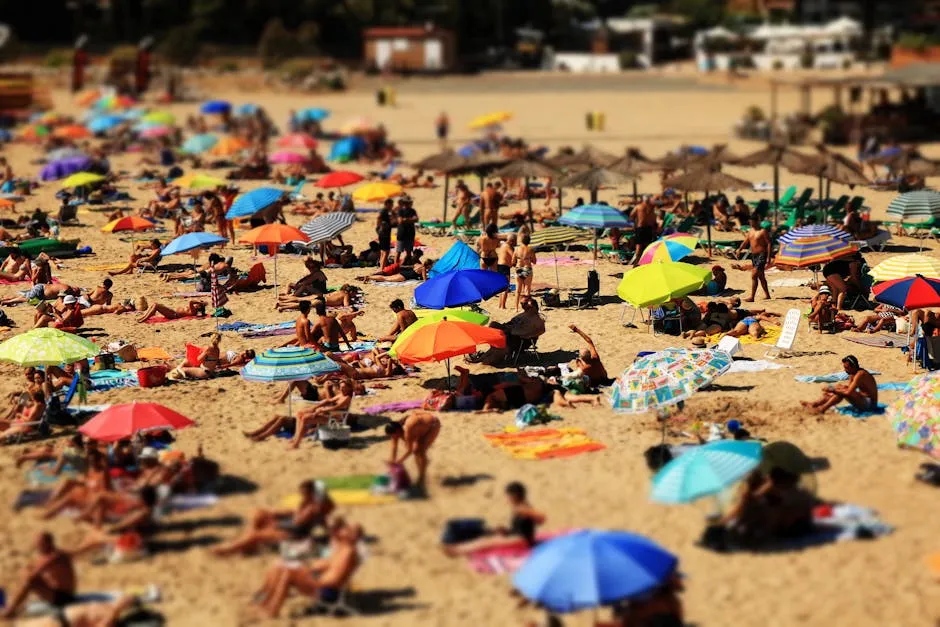
The Mediterranean as a whole is not short on visitors. In recent decades, the number of non-resident tourists has multiplied exponentially in the Mediterranean, which is currently one of the main tourist destinations on the planet, accounting for roughly a third of the world market. Most of that flows to a narrow band of famous spots. The islands covered here sit outside that band.
While popular islands attract many visitors, lesser-known gems provide a more secluded getaway. That isn’t marketing language. It’s just geography and the mathematics of where flights go and cruise ships dock. These five islands are genuinely less visited, which means they still offer something the famous ones increasingly cannot: the sense that you’re actually somewhere, rather than queuing inside a version of somewhere.
Final Thoughts
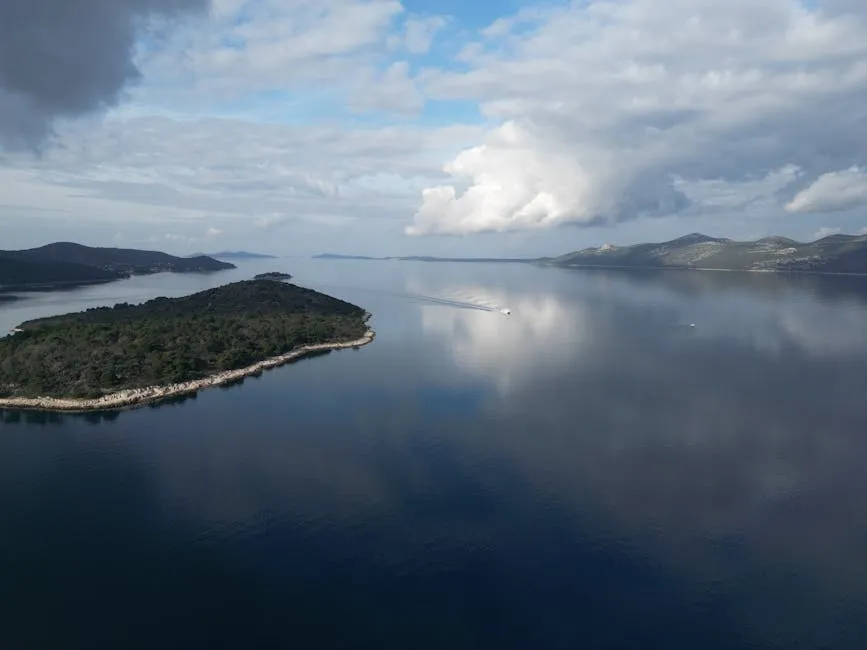
What makes these five islands worth your attention isn’t just that they’re quiet. It’s that the quiet is meaningful. Getting off the boat at a place like Lastovo, the ambient calm and silence can feel almost deafening. It takes a few hours to get used to, and to gently immerse yourself in the languorous rhythm of an island where time seems to stand still.
That experience is harder to find in 2026 than it used to be. The Mediterranean’s most famous islands are only getting more crowded, more expensive, and more curated around tourist expectations. The ones on this list aren’t perfect, and they won’t stay unknown forever. But right now, they’re still the real thing.
AI Disclaimer: This article was created with the assistance of AI tools and reviewed by a human editor.