
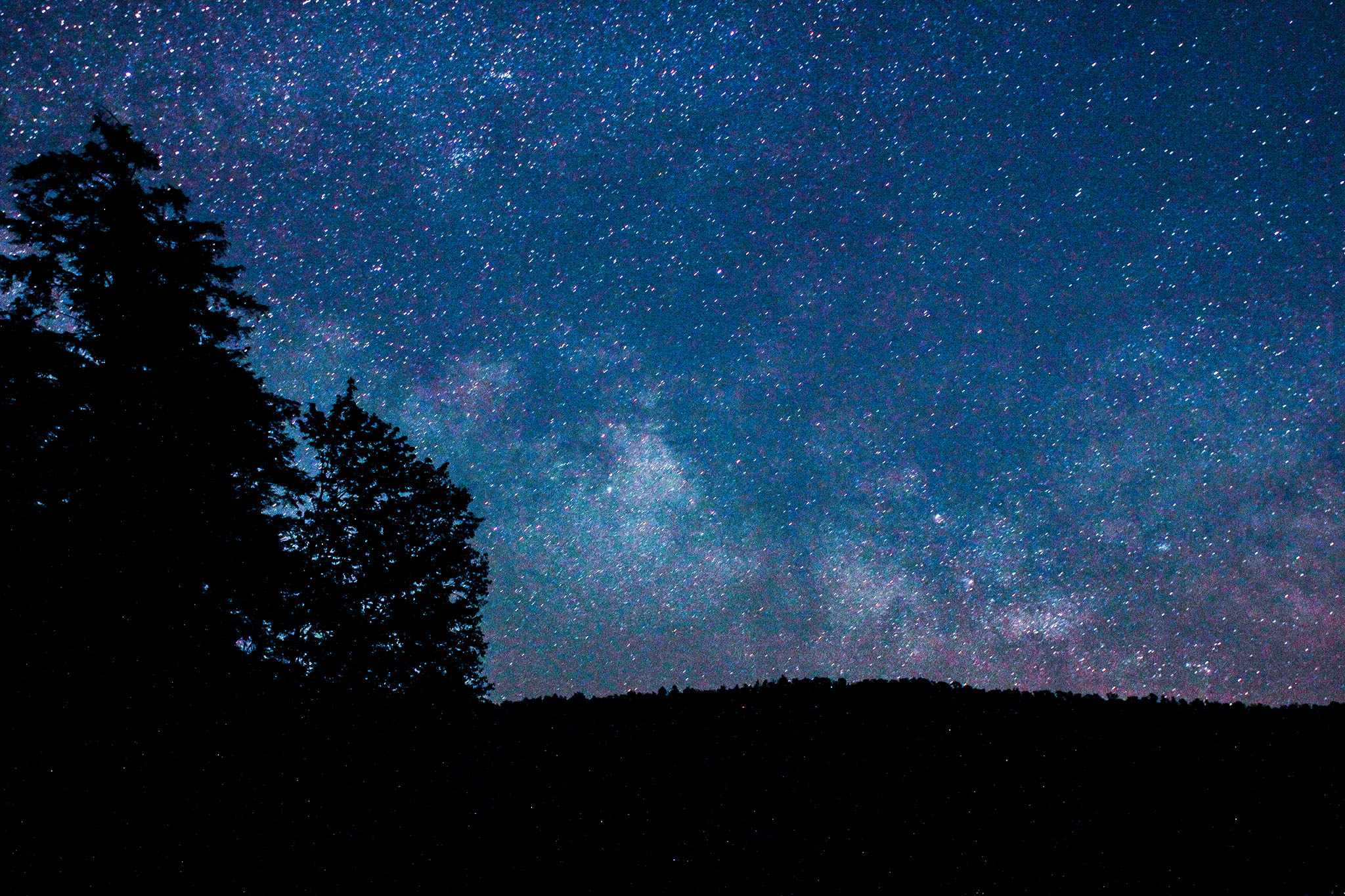

Most of us have forgotten what a truly dark sky actually looks like. Decades of urban growth have washed out the stars for a significant portion of humanity, and what remains in most places is a dim, hazy suggestion of the cosmos rather than the real thing.
There are still a handful of corners of the Earth where the darkness is so complete, and the stars so numerous, that first-time visitors sometimes struggle to believe it isn’t a projection. These places have been measured, certified, and protected precisely because of how rare they’ve become.
Why Darkness Matters: The Bortle Scale
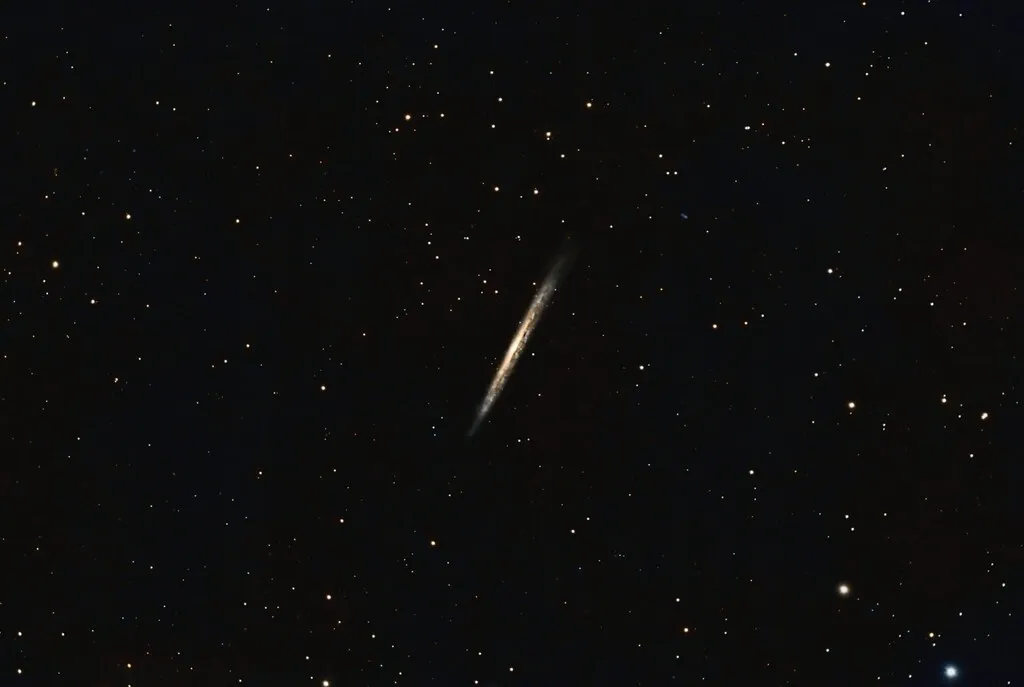
Before talking about the places, it helps to understand how astronomers actually measure night sky darkness. The Bortle scale is a nine-level numeric scale that measures the night sky’s brightness of a particular location, taking into account the interference caused by light pollution.
The scale ranges from Class 1, the darkest skies available on Earth, through to Class 9, inner-city skies. A Class 1 sky is something most urban and suburban residents have never experienced in their lifetime. At lower classes, light pollution domes are only present in the direction of cities or are absent altogether, the sky is filled with stars, and faint diffuse light sources such as the zodiacal light are contrastful and brilliant.
There are now over 160,000 square kilometres of protected land and night skies recognized through the International Dark Sky Places program, a testament to how seriously the conservation of natural darkness is now being taken worldwide.
The Atacama Desert, Chile
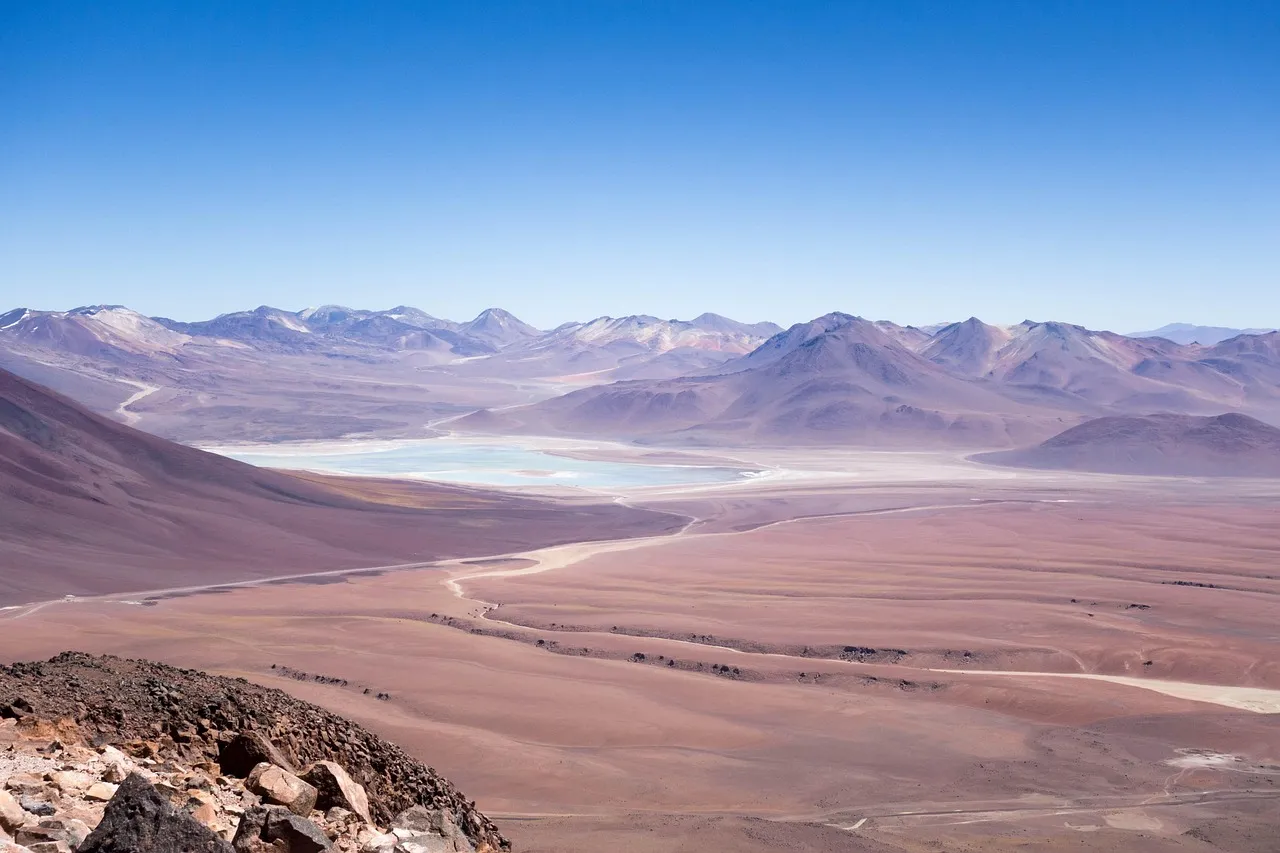
Few places on the planet match the Atacama for sheer astronomical quality. The Atacama Desert in northern Chile offers some of the clearest, darkest skies on Earth, with San Pedro de Atacama sitting at 2,400 metres elevation, offering 330 or more clear nights per year and Bortle Class 1 to 2 darkness, the darkest classification possible.
The extraordinary darkness that sheaths the Atacama, which stretches for hundreds of miles in Chile’s north, has made it a haven for astronomers searching for planets and stars shimmering in the night sky, and with its high altitude and clear skies, the region is repeatedly chosen as a site for observatories. Known as the driest desert on Earth, Atacama boasts over 300 clear nights a year and is home to world-renowned observatories like ALMA and Paranal.
The Milky Way’s galactic centre reaches its highest point in the sky during the Chilean winter, and from Atacama’s Bortle 1 to 2 locations, the Milky Way casts visible shadows on the ground. That last detail is worth pausing on. A galaxy casting shadows. It sounds impossible until you’re standing there.
Chile’s updated National Lighting Standard expands restrictions on light luminosity, colour, and the hours lights can be on, protecting astronomy, biodiversity, and human health, and according to some estimates, by 2030, Chile will be home to around 70 percent of the world’s astronomical infrastructure.
NamibRand Nature Reserve, Namibia
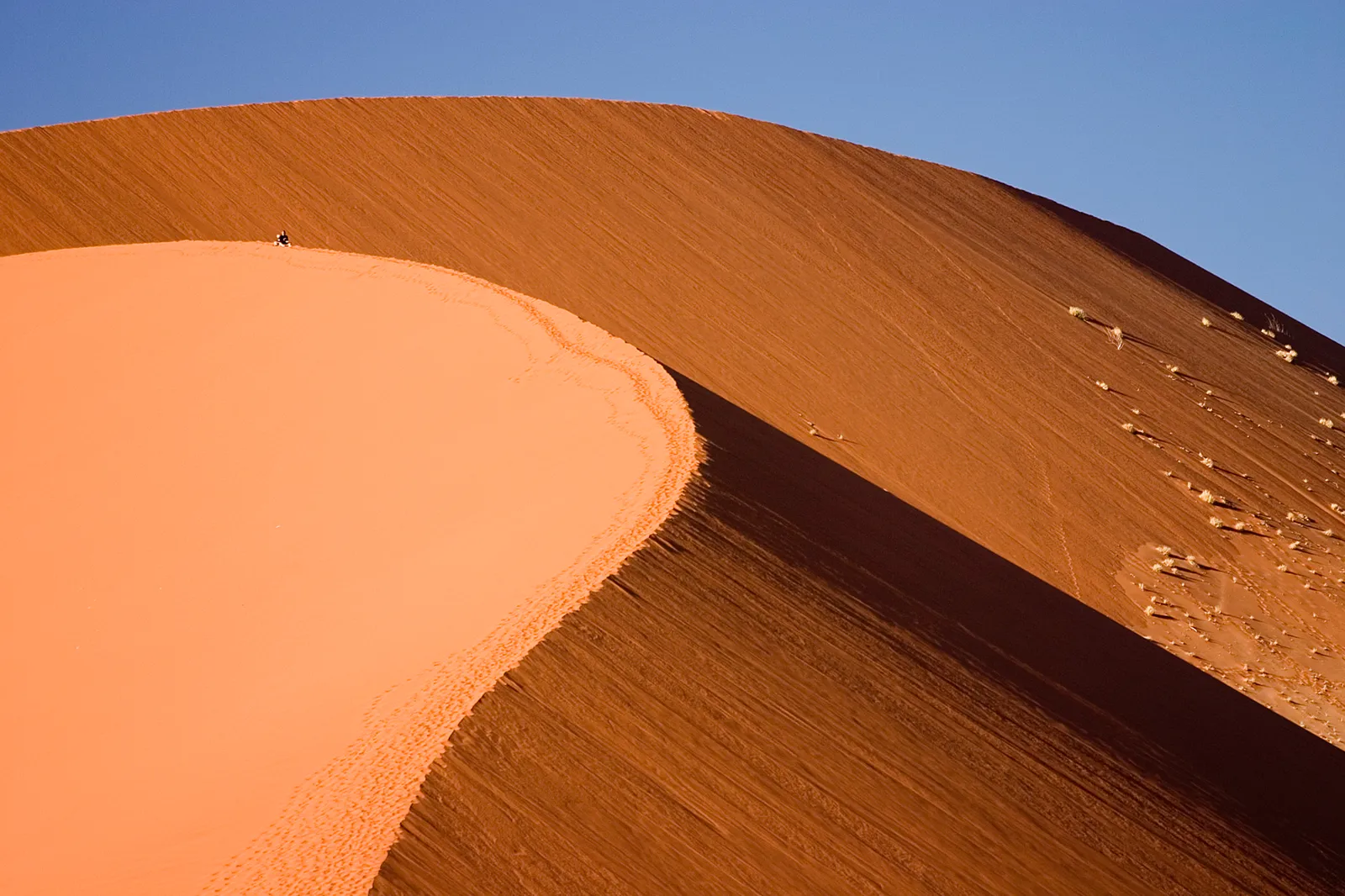
NamibRand Nature Reserve in southern Namibia is often described as one of the quietest and darkest places on Earth, spread across a vast private conservation landscape in the Namib Desert, recognised as an International Dark Sky Reserve in 2012 and classified at the highest level of sky quality, with almost no permanent settlements, no highway glare, and no industrial development.
The Milky Way appears as a bright river of light, while the Large and Small Magellanic Clouds hang low over the horizon, clearly visible to the naked eye. The Magellanic Clouds are two satellite galaxies of the Milky Way, and seeing them without optical aid from a dark-sky site is an experience that stays with you. By day, NamibRand is a story of ochre dunes, gravel plains, and distant mountains. After sunset, it becomes an open-air observatory.
Light pollution reduction in NamibRand has helped conserve desert species such as the Aardwolf and Brown Hyena, whose hunting patterns rely on natural darkness. The protection of the night sky here is not only about stargazing tourism. It is fundamentally tied to the health of the ecosystem itself.
Aoraki Mackenzie International Dark Sky Reserve, New Zealand
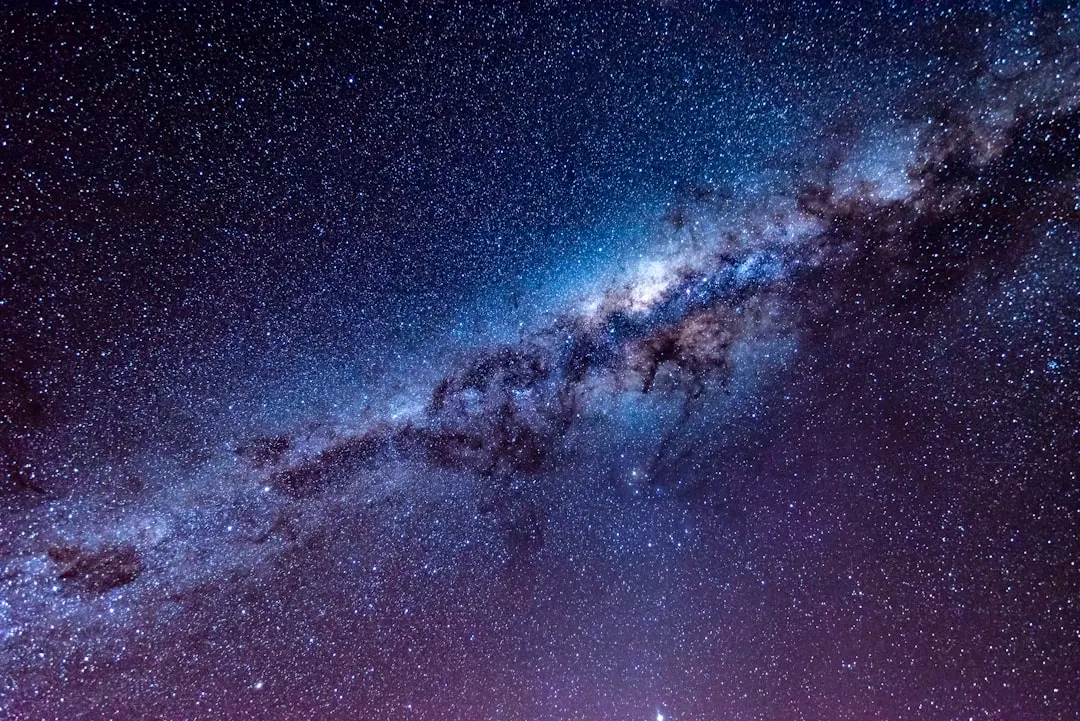
The Aoraki Mackenzie International Dark Sky Reserve is comprised of Aoraki/Mt. Cook National Park and the Mackenzie Basin of New Zealand’s South Island. Night sky brightness in the reserve ranks at level 2 on the nine-level Bortle Dark-Sky Scale, representing a truly dark site with high astronomical observability of celestial objects.
The Dark Sky Reserve was the first to achieve gold standard status in recognition of its pristine skies. That gold certification places it among the most rigorously protected dark-sky sites anywhere. The low level of light pollution in the area has been supported by a lighting by-law that was included in the Mackenzie District Plan as far back as 1981.
Aoraki Mackenzie’s dark-sky heritage is also associated with the indigenous Māori people, who have long practised celestial navigation and integrated astronomy into their traditions. Stargazing here carries cultural weight that extends well beyond science or tourism. The Mount John University Observatory is located in the reserve and is the main astronomical research observatory in New Zealand, while numerous stargazing tourism ventures operate in the region.
Jasper National Park, Canada
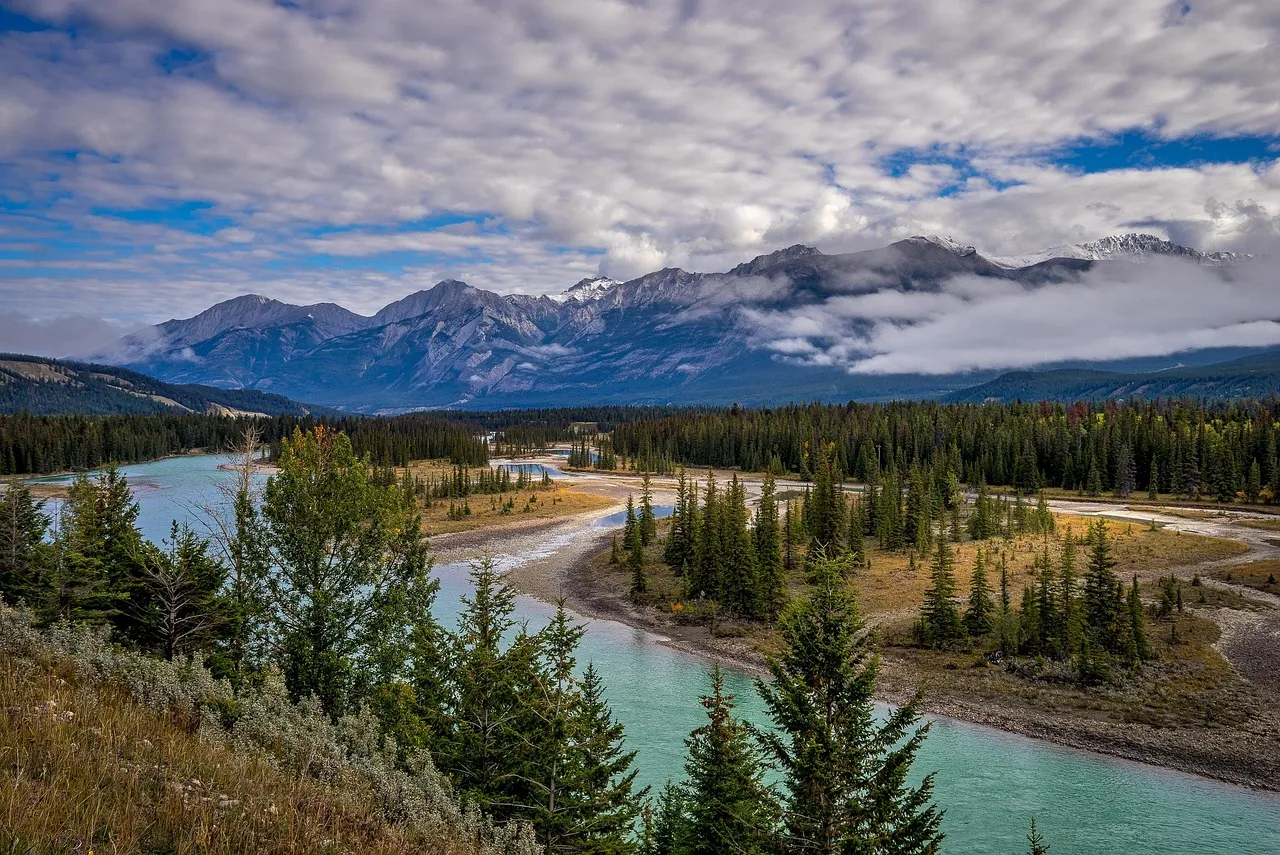
A UNESCO World Heritage Site, Jasper National Park is over 11,000 square kilometres in size and is the second largest Dark-Sky Preserve in the world. The scale of protected darkness here is genuinely hard to comprehend until you look at it on a map. Today, 97 percent of the park is a designated wilderness area, free of light pollution, with roads and trails providing easy access to year-round stargazing sites.
The core area of the park has a nighttime sky quality level of approximately 21.4 mag/arcsec² overall, with values darker than 21.7 mag/arcsec² around the Big Bend back-country site. The area around Columbia Icefield is considered one of the darkest places in all of North America.
Each October, Tourism Jasper’s Dark-Sky Festival celebrates the night sky with guest speakers, science demonstrations, kids’ activities, and spectacular star parties. What makes Jasper particularly remarkable is that it is the largest accessible Dark Sky Preserve in the world, meaning there is a town within the limits of the preserve. Infrastructure and authentic wilderness darkness coexist here in a way that is genuinely rare.
Cherry Springs State Park, Pennsylvania, USA
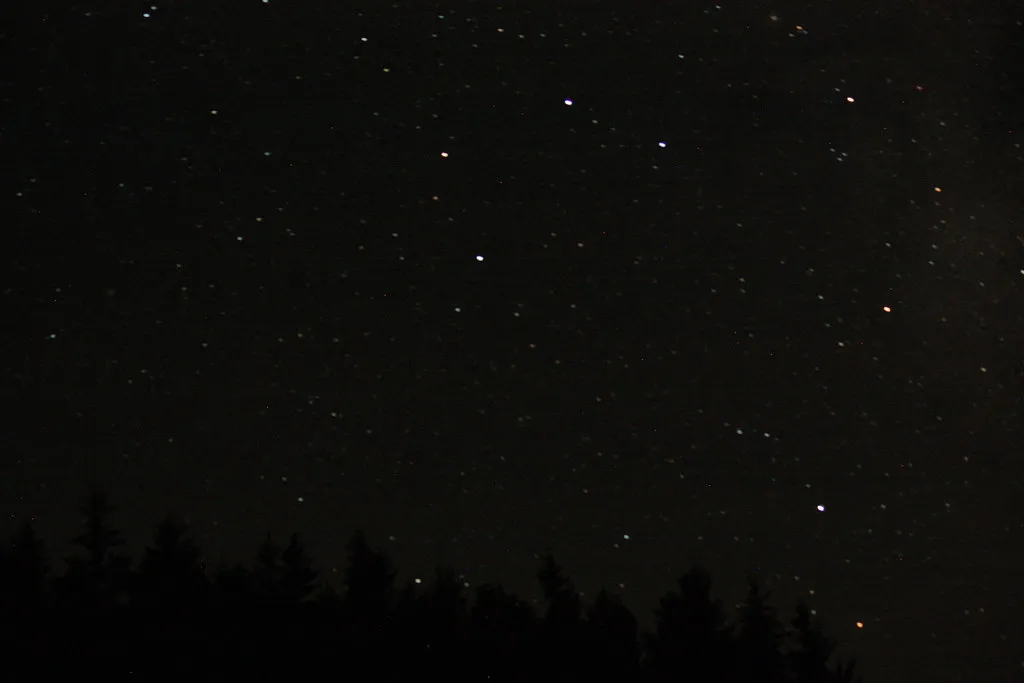
It may surprise people to learn that one of the darkest observable skies in the entire eastern United States is tucked inside Pennsylvania. Due to its exceptionally dark skies, Cherry Springs State Park is one of the best places in the eastern US for stargazing, situated at 700 metres above sea level.
In 2000, it was named a Dark Sky Park by the Pennsylvania Department of Conservation and Natural Resources, and in 2007 it was the second place added to the International Dark Sky Association’s register of International Dark Sky Parks. Since acquiring the nearby Cherry Springs Airport in 2006, the area is so dark at night that, under ideal conditions, the Milky Way casts a visible shadow.
The park sits within the Susquehannock State Forest, a vast stretch of undeveloped land that acts as a natural buffer against surrounding communities. The area is slightly less crowded than some of its national park counterparts, giving visitors more room for genuine, unhurried stargazing. For visitors on the East Coast of America who assume true darkness is impossible to reach without a long-haul flight, Cherry Springs is a quiet revelation.
What All Five Places Have in Common
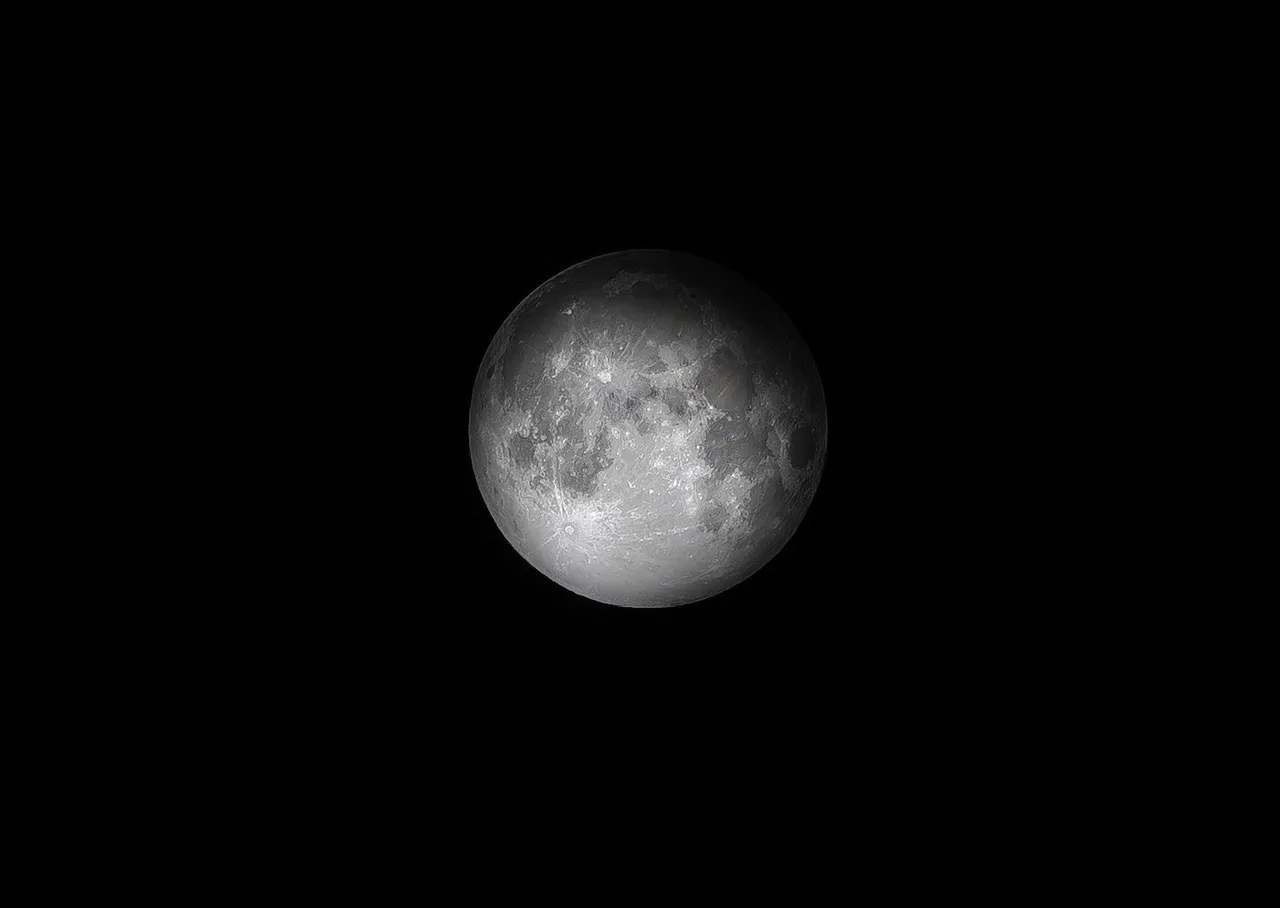
The creation of dark sky reserves is not only about science but also about preserving a fading part of human experience; as urbanisation expands and light pollution erases the stars from view, these reserves safeguard both ecological balance and cultural memory.
Each of these destinations has earned its darkness through deliberate, sustained effort. Governments, local communities, park authorities, and astronomy organisations have all had to work together, often over decades, to keep these skies protected. The Atacama has new national lighting laws. Jasper has downward-facing streetlights and community education programs. Aoraki Mackenzie has had lighting bylaws since 1981.
Recognised by the International Dark-Sky Association, these regions maintain natural darkness by limiting artificial lighting and promoting conservation of nocturnal environments, and their creation is not only about science but also about preserving a fading part of human experience. The night sky, it turns out, is a shared heritage worth protecting.
How to Plan a Responsible Visit
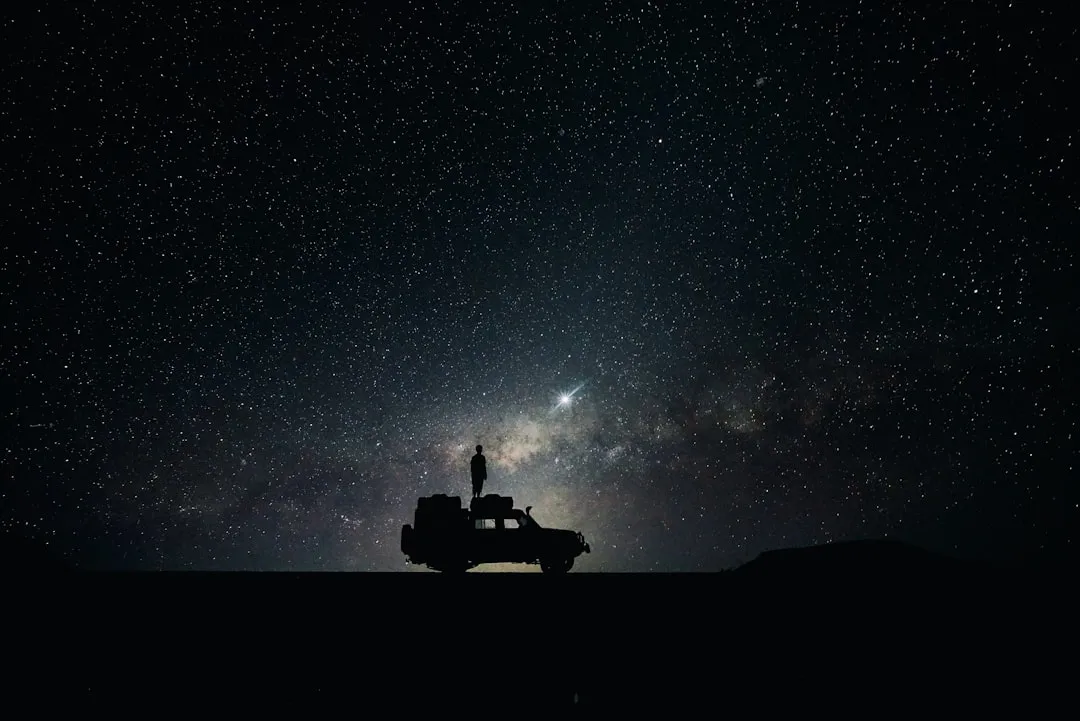
Visiting any of these places requires a degree of preparation that goes beyond a standard travel booking. Timing around lunar cycles matters considerably. The key to great stargazing is timing your visit around the new moon, when the sky is darkest. Arriving on a full moon night, even in Bortle Class 1 conditions, will noticeably wash out fainter objects.
Responsible visitors also respect the rules that make these places possible. No unnecessary artificial light, red torches instead of white, and staying on designated paths all help maintain the conditions that everyone came to experience. As information emerges about the health and ecological damage that light pollution creates, more communities and parks are taking steps to achieve Dark Sky Preserve status, which means the responsibility of visitors to existing sites is only growing.
Light Pollution: The Bigger Picture
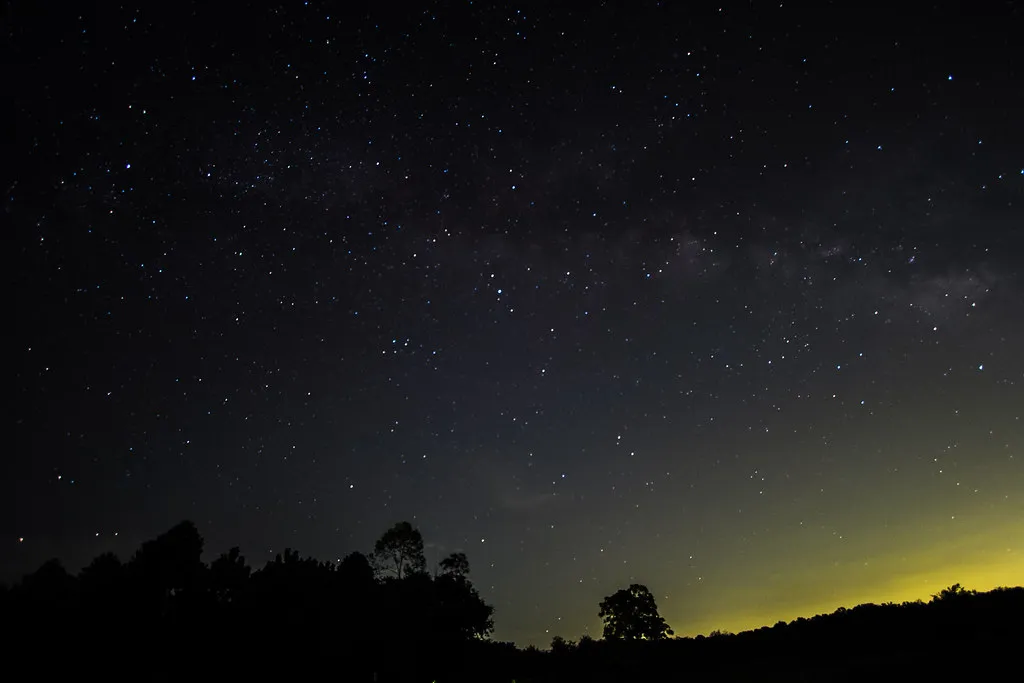
These five destinations exist within a broader and increasingly urgent context. According to a 2016 study, roughly 80 percent of the world’s population lives under artificial skyglow. That figure gives the darkness of places like NamibRand and the Atacama a different kind of meaning. For most people alive today, a genuinely dark sky is not a baseline experience. It’s a destination.
While the Atacama offers a window to answer fundamental questions about the origin of life, that window is at risk of closing in the next 50 years due to increasing light pollution. The stakes are not only personal or recreational. Some of the most important scientific infrastructure on the planet depends on the continued protection of dark skies.
The Best Time to Visit Each Destination
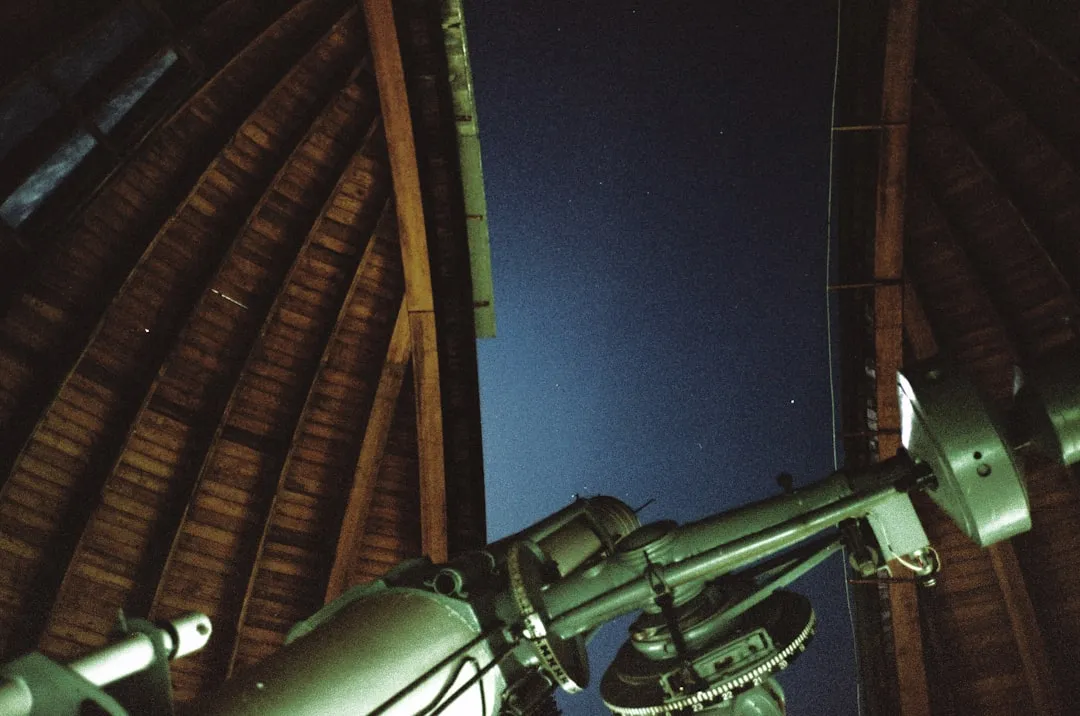
Timing varies meaningfully by location. At the Atacama, the Carina Nebula, Southern Cross, Alpha Centauri system, and Magellanic Clouds are all perfectly positioned during Chilean winter, though temperatures drop to near freezing at night. The best time to visit the Atacama is generally March to May or September to November.
In Jasper, the dark skies are best viewed in autumn and winter, from September to March, with the annual Dark Sky Festival taking place at the end of October. NamibRand and Cherry Springs are both at their best during the dry season months in their respective hemispheres, when humidity is lowest and transparency is highest. Planning around these windows makes an enormous difference to what you actually see.
A Closing Thought
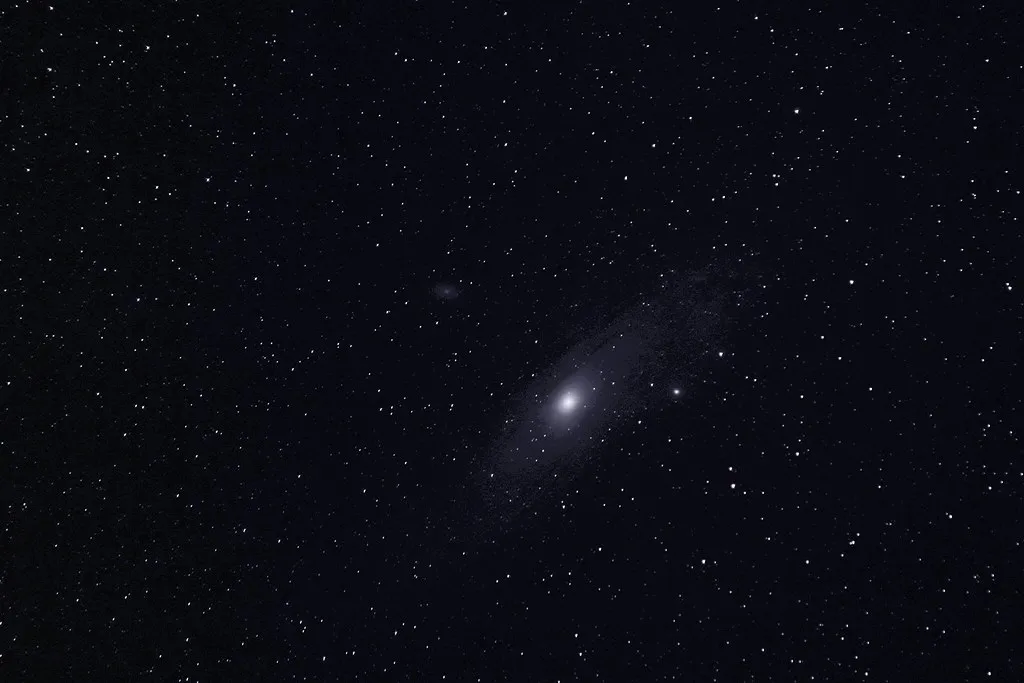
There is something quietly humbling about standing under a Bortle Class 1 sky for the first time. The sensation most people describe isn’t wonder, exactly. It’s more like correction, a sense that something was always missing from their view of the world and they simply hadn’t noticed until now.
These five places are not just stargazing destinations. They are reminders of what the planet looked like before we lit every corner of it. The fact that organisations, governments, and local communities are working this hard to protect them is, genuinely, one of the more hopeful stories in modern conservation.
If the sky ever looks fake when you get there, that’s not the sky. That’s just how dark it’s supposed to be.
AI Disclaimer: This article was created with the assistance of AI tools and reviewed by a human editor.