
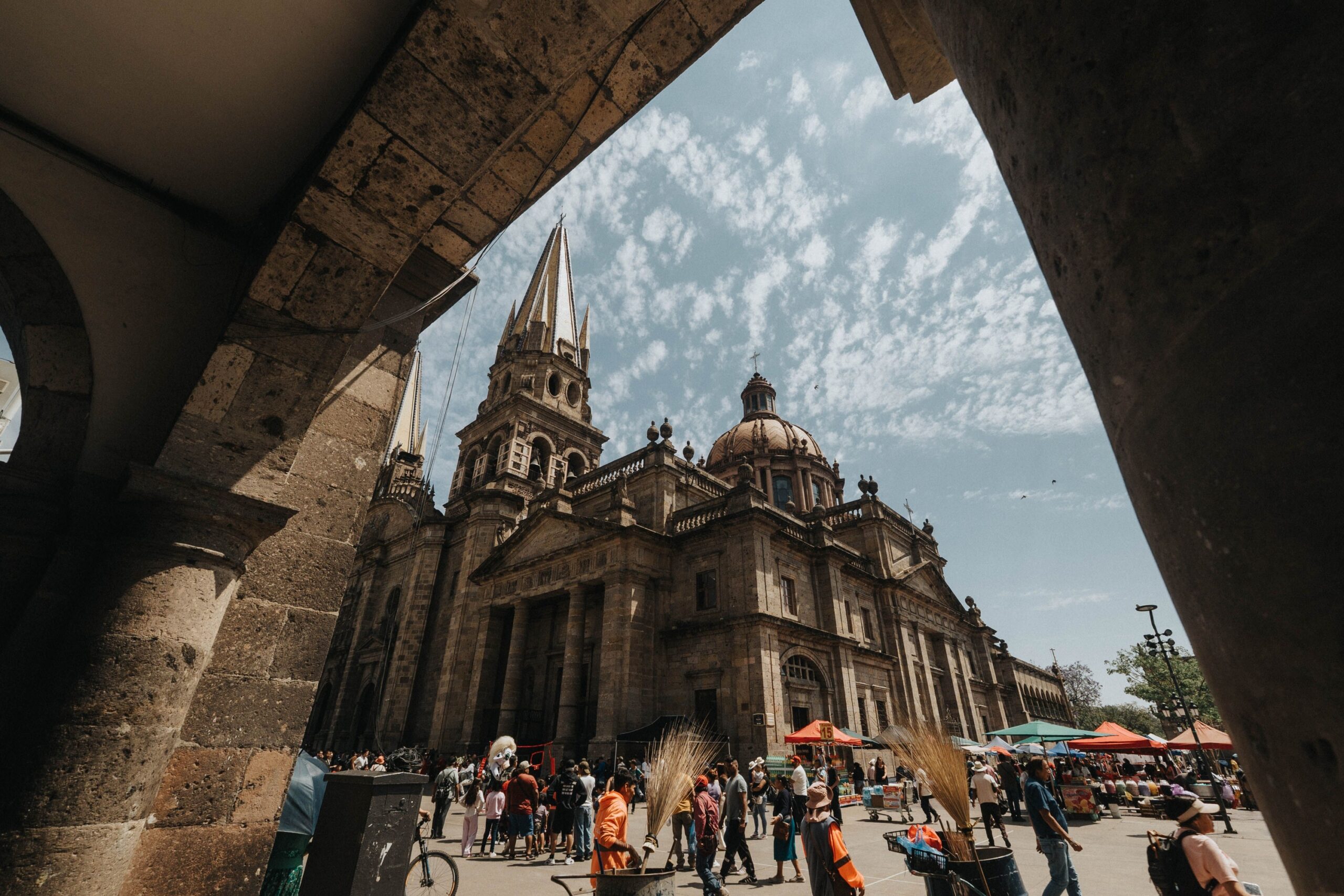

Somewhere between standing at the base of a pyramid that predates most of the world’s empires and biting into a street taco that costs less than a dollar, first-time visitors to Mexico tend to have the same quiet realization: this place is genuinely different from what they expected. Not louder. Not just sunnier. Different in ways that take a few days to fully register.
The numbers don’t lie either. Mexico welcomed 45.04 million international tourists in 2024, earning a record $32.96 billion in foreign exchange earnings, reflecting a 7.4% annual growth that has continued well into 2026. What brings people here once? The food. The ruins. The beaches, the warmth of daily life, the sheer unexpected depth of it all. Here’s what actually keeps drawing them in.
Reason 1: The Food Is a World Heritage Experience, Not Just a Meal
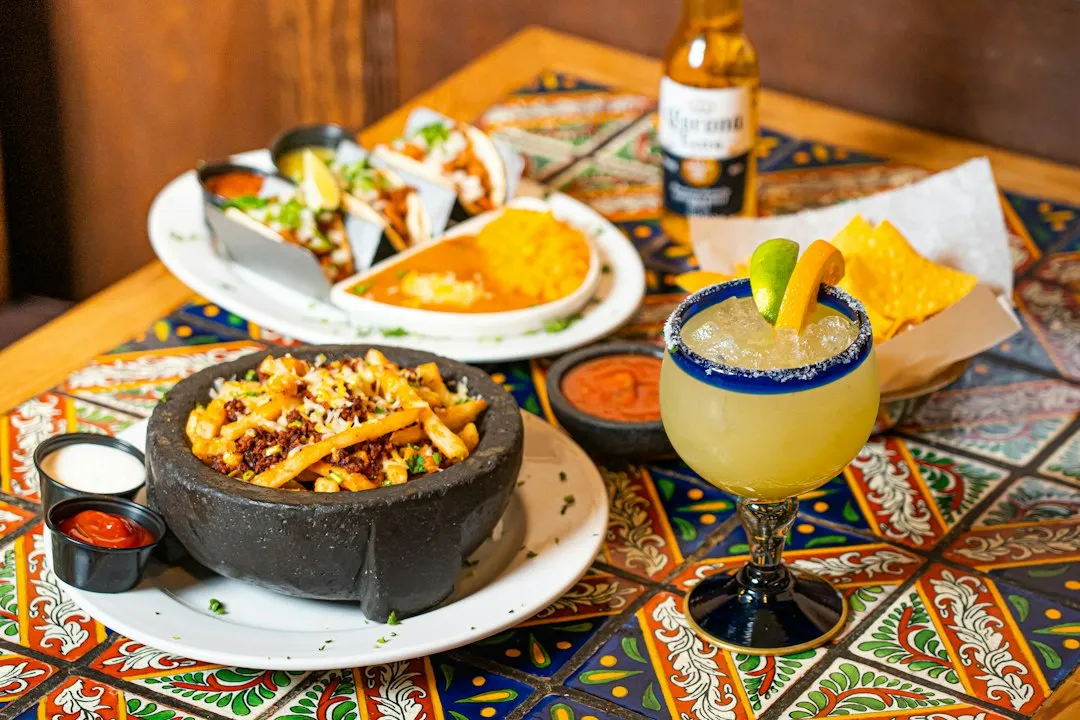
In 2010, UNESCO recognised traditional Mexican cuisine as an Intangible Cultural Heritage of Humanity, a designation that highlights the cultural and historical significance of Mexican food and emphasises the need to preserve its traditional methods and ingredients. That’s not a marketing badge. It’s a recognition of something that took centuries to build.
UNESCO emphasizes that a key element of Mexican cuisine is the collective preparation process, from planting and harvesting crops to cooking and enjoying the meals, with corn, beans, and chili serving as foundational elements, complemented by native ingredients like tomatoes, squash, avocados, cacao, and vanilla.
In the 2023–2024 ranking by Taste Atlas, an online platform that catalogs and ranks traditional international cuisine, Mexico secured the top position in the Americas with a rating of 4.6 out of 5 stars, ranking seventh globally, following Italy, Japan, Greece, Portugal, China, and Indonesia. For first-time visitors, a meal in Oaxaca or a proper mole in Puebla rewires everything they thought they knew about Mexican food.
Reason 2: An Unmatched Density of Ancient History
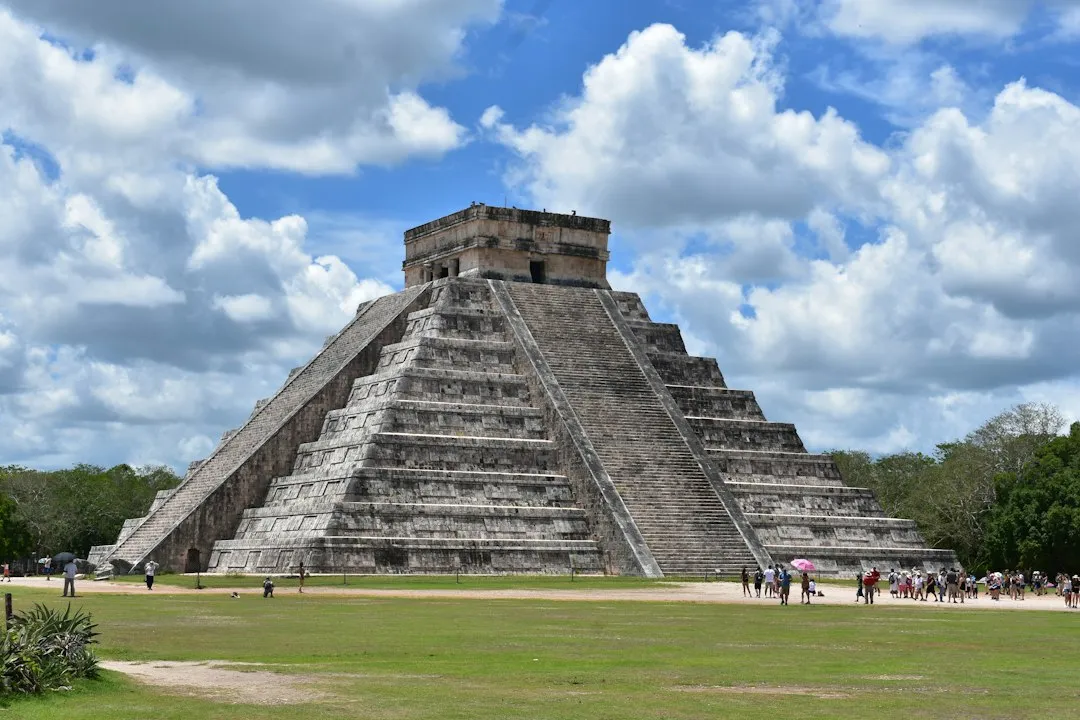
Mexico boasts an impressive 35 UNESCO World Heritage Sites, the highest number in the Americas and the seventh most worldwide, spanning ancient pre-Hispanic cities, colonial architecture, unique landscapes, and extraordinary biodiversity reserves. For a first-time visitor trying to take this in, it can feel almost disorienting.
Chichen Itza, perhaps Mexico’s most famous archaeological site, was a major focal point of Maya civilization around 600 CE to 1200 CE. Teotihuacan, a vast pre-Columbian holy city filled with geometric pyramids that predate the Aztecs, features the great Avenue of the Dead, lined with sacred monuments including the Temple of Quetzalcoatl.
The ancient Maya city of Calakmul, a mixed cultural and natural site in Campeche, showcases both Maya architectural brilliance and extraordinary biodiversity. Hidden deep in the jungle near the Guatemalan border, Calakmul was one of the most powerful Maya cities, rivaling Tikal, and features over 6,000 ancient structures. The sheer variety means no two itineraries look the same.
Reason 3: Mexico’s Natural World Is Staggeringly Diverse
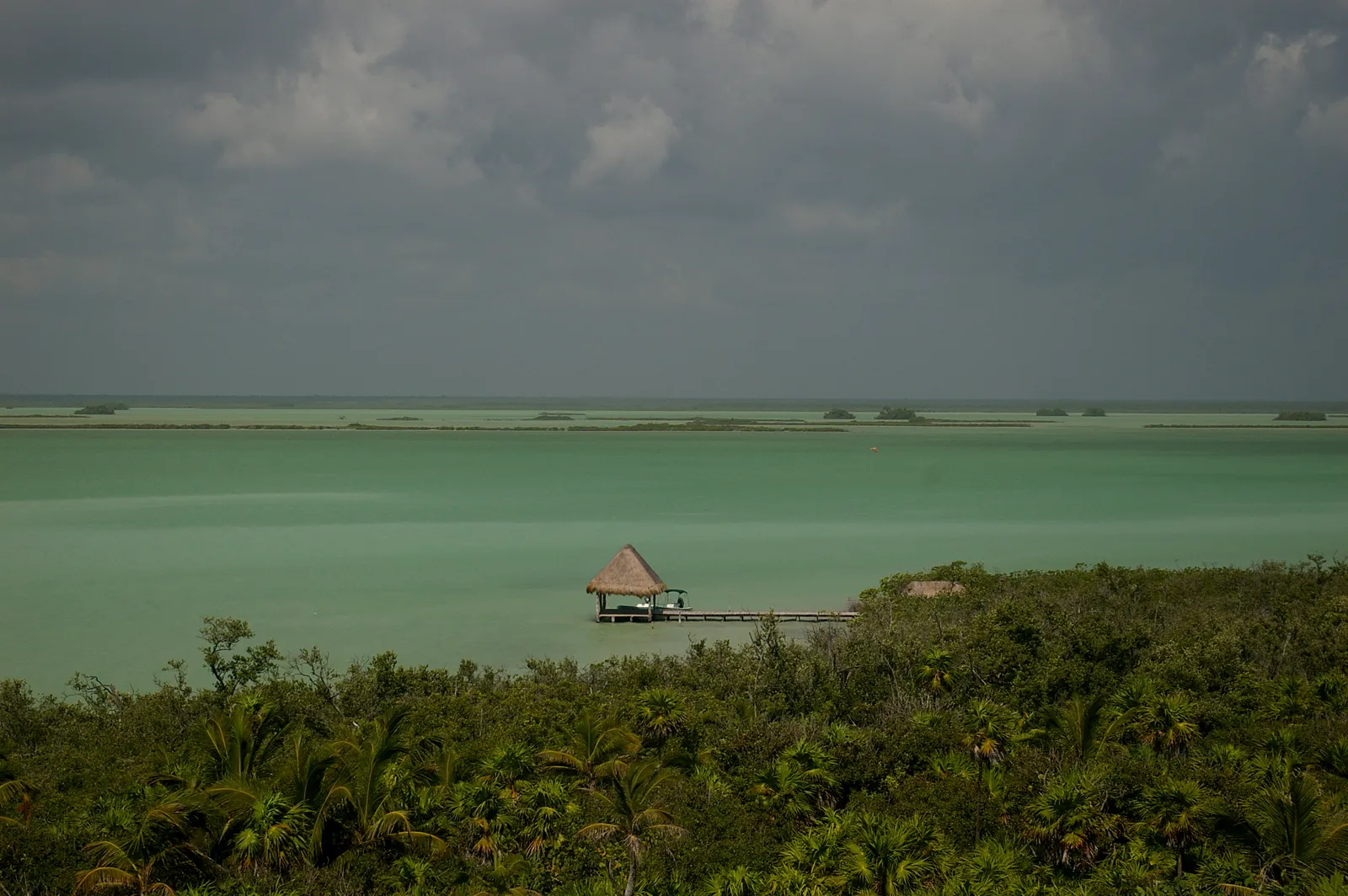
With a rich mix of cultural and natural sites, Mexico emphasizes Mesoamerican ruins, colonial cityscapes, cave paintings, and biodiversity reserves like the Monarch Butterfly Biosphere Reserve and Sian Ka’an. Most first-time visitors arrive expecting beaches and leave having encountered something much wider.
Sian Ka’an, located on the Caribbean coast, is a biosphere reserve that combines stunning natural landscapes with rich biodiversity, featuring mangroves, tropical forests, and a coral reef, making it a haven for wildlife enthusiasts and nature lovers with activities like birdwatching, snorkeling, and eco-tours.
While many focus on Mexico’s man-made structures, the UNESCO natural list includes staggering landscapes that are vital to global ecology, from whale sanctuaries in Baja California to the ancient tropical forests of Calakmul, protecting some of the most diverse ecosystems on the planet. Cenotes, jaguars, cloud forests, and desert valleys all exist within the same national borders.
Reason 4: Mexico City Is One of the World’s Great Urban Destinations
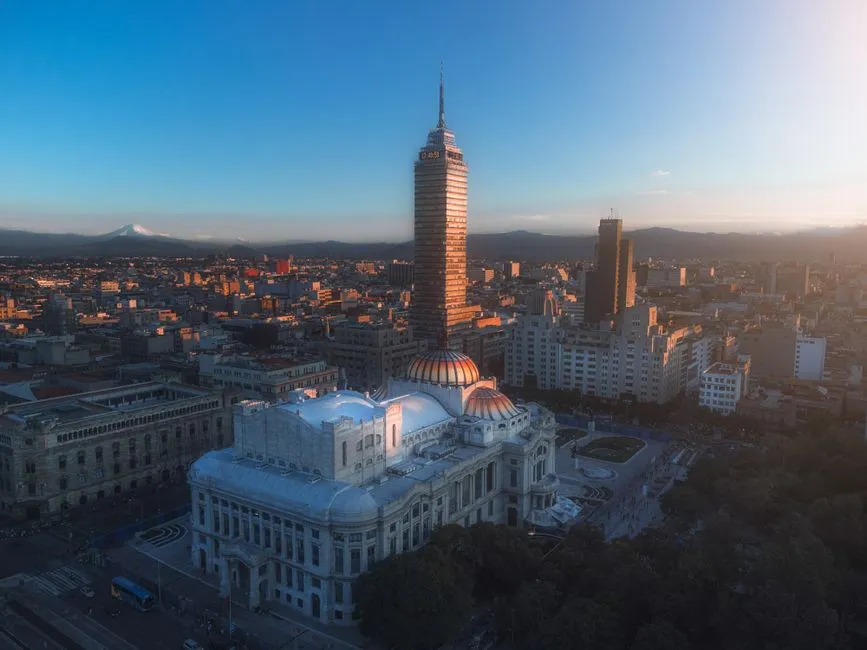
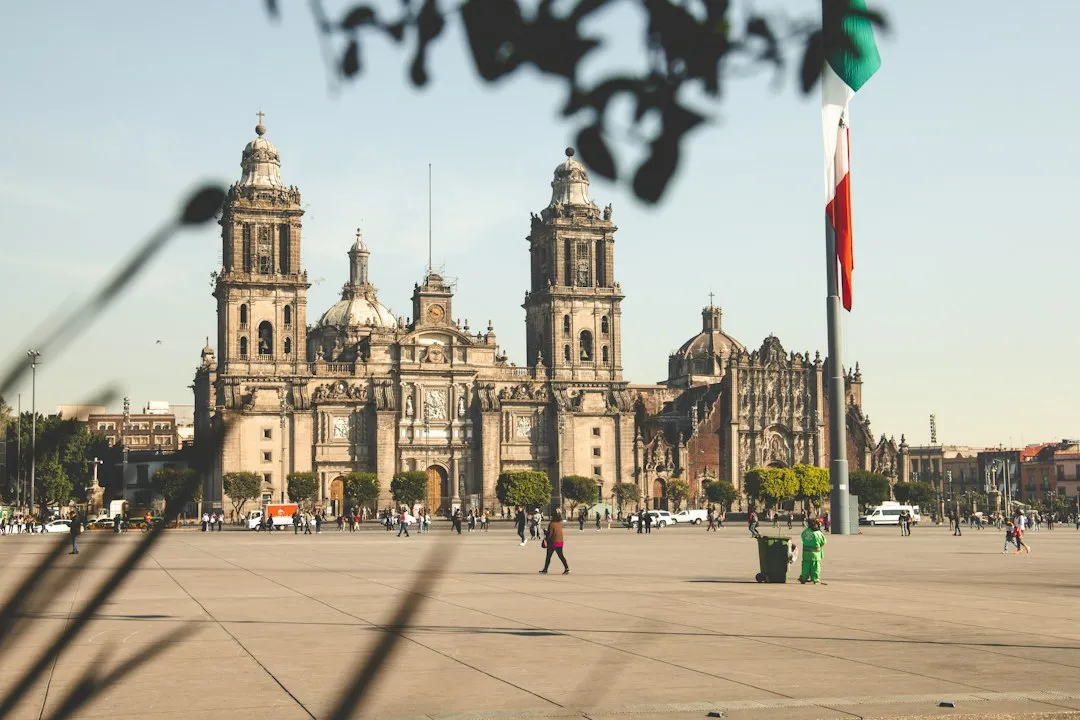
The UNESCO site of Mexico City’s historic center was built on the ruins of the Aztec capital Tenochtitlan and features the Metropolitan Cathedral, the National Palace with Diego Rivera murals, and the Templo Mayor archaeological site. But the city is far more than its monuments.
In Mexico City, 18 restaurants have earned Michelin stars, and Quintonil ranked 7th in the World’s 50 Best Restaurants, spotlighting Mexico’s global culinary excellence. The dining scene alone makes the capital worth a dedicated trip. The contemporary art galleries, the sprawling markets, the neighborhoods each with their own personality, all of it conspires to keep visitors lingering longer than they planned.
Mexico City regularly appears on global lists of the world’s most exciting urban destinations, and the data reflects that. The busiest entry points into Mexico are Cancún, Mexico City, and Los Cabos, which together account for the majority of arrivals. Mexico City’s draw continues to grow as more travelers trade all-inclusive resorts for deeper cultural immersion.
Reason 5: The Numbers Keep Growing Because Word Travels Fast
There’s a reason first-time visitors often return. Almost 80 million international visitors came to Mexico in the first 10 months of 2025, representing a double-digit increase compared to the same period of last year, with October setting a new record for visitation.
Mexico ranked as the sixth most visited country globally in 2024, behind France, Spain, the United States, Turkey and Italy, and 2025 trends indicate it is consolidating its position as a leading global tourism powerhouse ahead of the 2026 FIFA World Cup and other major events. The momentum here isn’t slowing down.
The growth is fueled by demand from both international and domestic travelers who seek beaches, culture, gastronomy, entertainment, and events. The shift from mass resorts to Pueblos Mágicos and ecotourism reflects a traveler who comes curious and leaves genuinely changed. That kind of experience, once found, tends to produce return visitors.
The Colonial Cities That Charm Without Trying
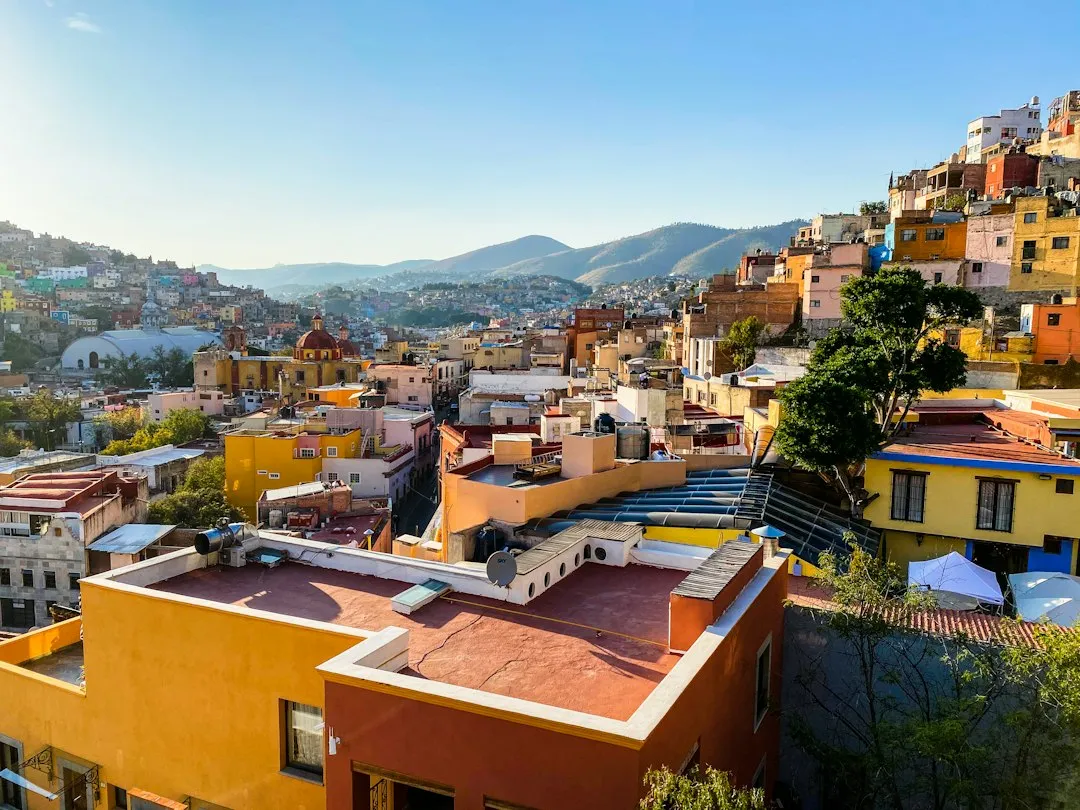
Guanajuato, a vibrant colonial city, is renowned for its colorful buildings, winding alleys, and rich mining history. This UNESCO-listed site offers a unique architectural experience, with its well-preserved colonial-era buildings and subterranean streets, and the city’s lively festivals, such as the Cervantino International Festival, add to its cultural significance.
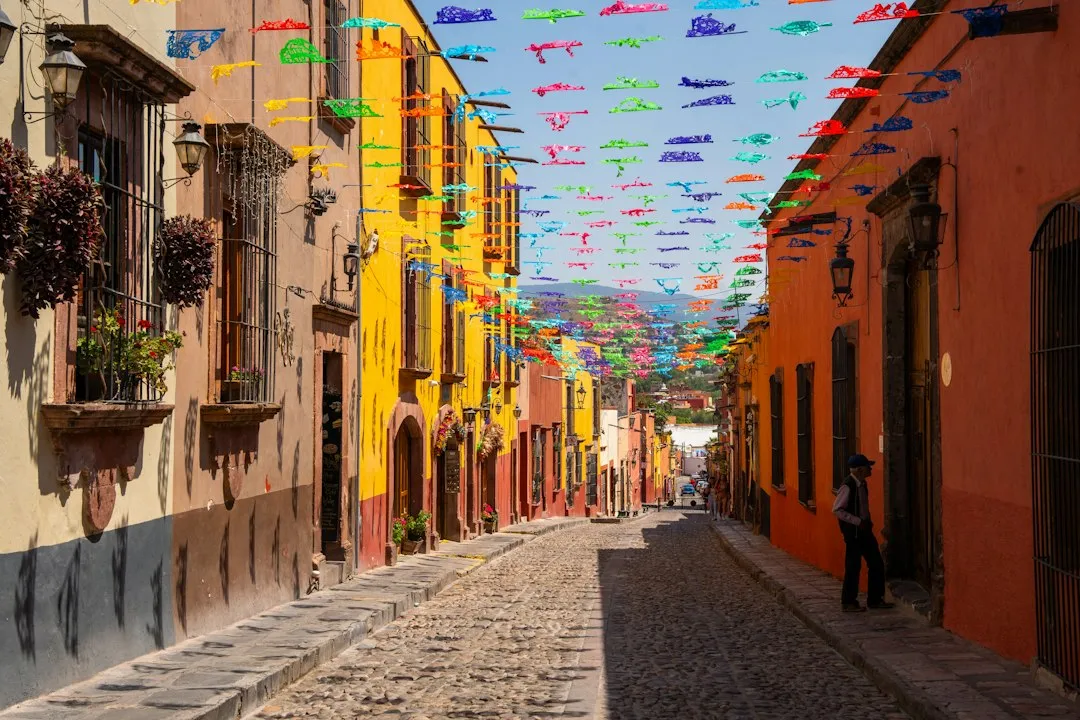
San Miguel de Allende, Oaxaca, Mérida, Morelia – each colonial city offers its own rhythm, its own palette, its own particular way of organizing daily life around plazas and markets and church bells. San Miguel de Allende’s narrow cobblestone streets and pink-hued Parroquia are world-famous, though the UNESCO designation actually includes the nearby Sanctuary of Atotonilco, often called the Sistine Chapel of Mexico.
These cities share a quality that’s difficult to name but easy to feel: they haven’t been smoothed into replicas of themselves for outside consumption. Locals still live and work in them, and the presence of real, ongoing life is precisely what makes them so compelling to visitors.
The Warmth of Mexican Hospitality
Numbers and rankings don’t fully capture what first-time visitors consistently report as the most memorable part of their trip: the way they were made to feel welcome. Hospitality in Mexico isn’t a performance. It’s woven into how people relate to strangers, into how meals are served, how directions are given, how markets operate.
This quality scales across the entire country, from the resort corridors of Cancún to the quiet mountain villages of Chiapas. It doesn’t require a luxury budget or a fluent command of Spanish to encounter. Many travelers mention it unprompted when describing their trips, often ahead of any specific sight or experience.
The cultural tradition of treating guests with genuine care goes back long before the tourism industry existed. It shows in how visitors are greeted, how they are fed, and how local communities often go out of their way to share what makes their region distinct. That’s not something you can manufacture, and it’s a large part of why first visits rarely feel like the last.
Accessibility and Ease of Travel
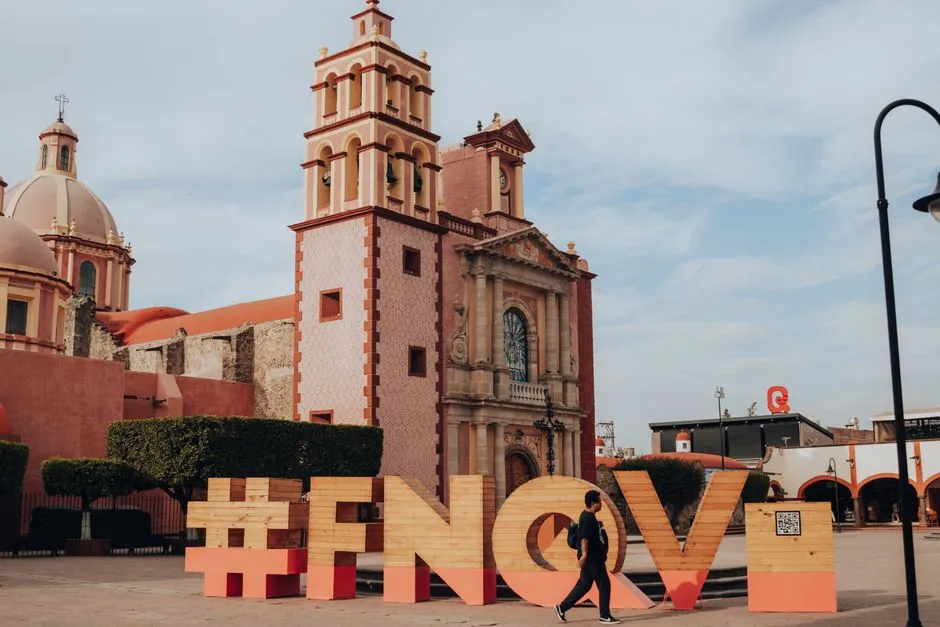
With approximately 42 million international visitors in 2024, Mexico sees an average of around 115,000 tourist arrivals daily. That level of traffic has shaped an extremely well-developed tourism infrastructure, making the country accessible to a wide range of travelers, from solo backpackers to families to luxury seekers.
Direct flights connect dozens of international cities to hubs like Mexico City, Cancún, and Los Cabos. The internal transport network, including domestic flights, long-distance buses, and rental car options, allows visitors to move between regions with relative ease. The proximity to the United States remains a particular driver, with the largest number of air visitors coming from the United States, with 11.16 million arrivals, up by nearly 27% compared to 2019.
Affordability plays a real role too. While luxury options are plentiful, Mexico offers genuine value across price points, particularly outside the most heavily touristed corridors. A visitor on a modest budget can eat exceptionally well, stay comfortably, and experience world-class sites without financial strain.
The Pueblos Mágicos: Mexico’s Best-Kept Open Secret
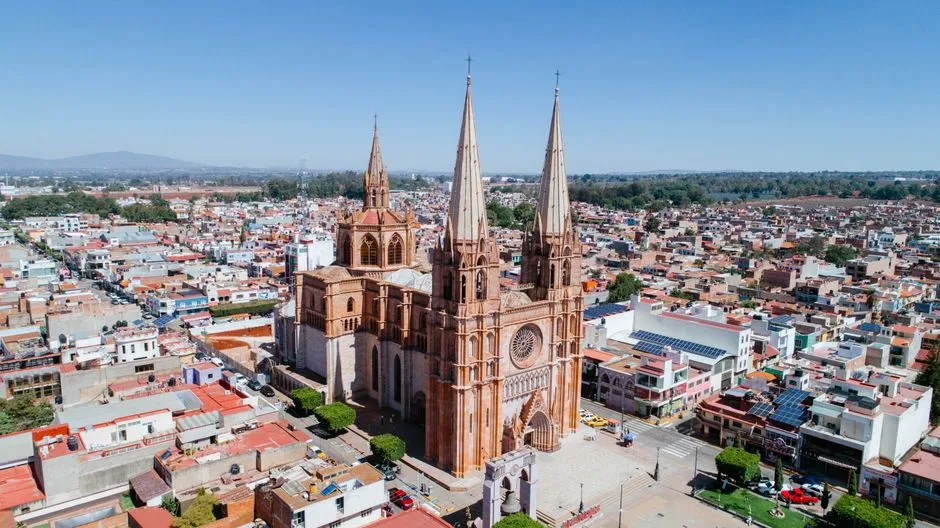
Mexico’s official Pueblos Mágicos program designates small towns across the country that possess outstanding cultural, historical, and natural significance. For first-time visitors who venture beyond the obvious itinerary, these towns often become the most vivid memories of the trip.
Places like Bacalar, with its lagoon of seven colors, or Taxco with its silver colonial streets, or Tepoztlán with its Aztec hilltop shrine, offer experiences that feel genuinely removed from mass tourism. Mexico has 18 gastronomic routes covering about 155 destinations in 31 magical towns and 9 cities that are considered world heritage sites.
The appeal of these towns is partly their pace: slower, more human-scale, organized around local life rather than visitor expectations. For a first-time traveler who arrives expecting beaches and leaves having discovered a 16th-century town draped in bougainvillea and woodsmoke, Mexico tends to plant a hook that’s hard to shake.
The Takeaway
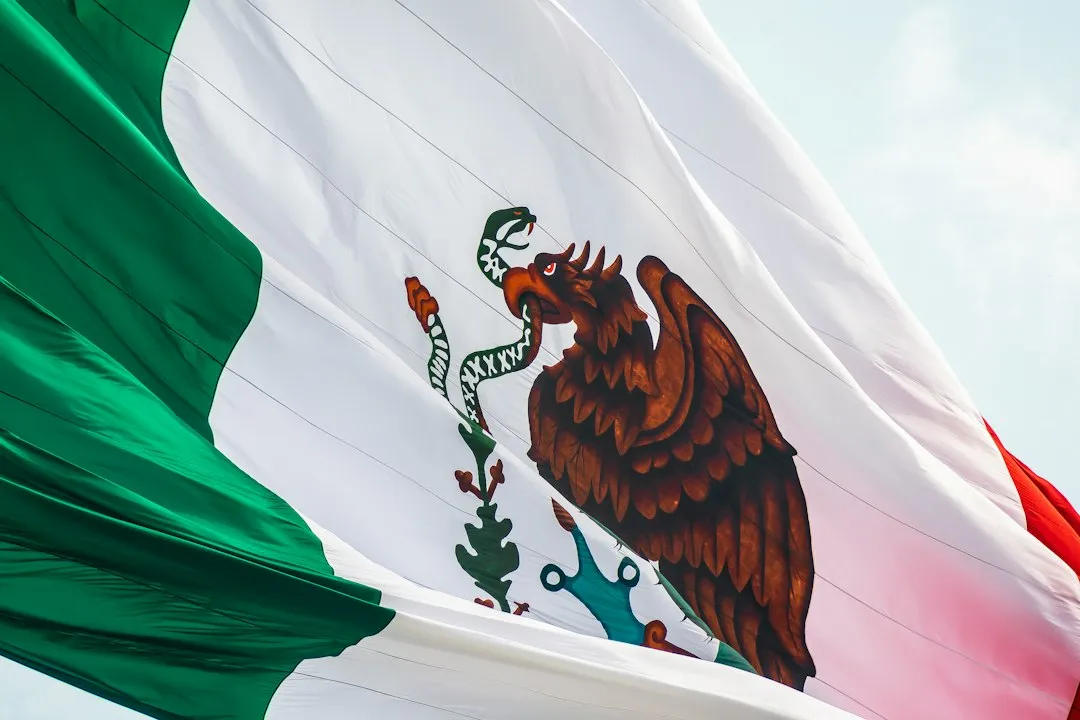
Mexico’s sustained rise as a global travel destination isn’t the result of a single perfect beach or one spectacular ruin. It’s the accumulation of things: a cuisine recognized by UNESCO as a living cultural heritage, 35 World Heritage Sites ranging from Maya jungle cities to whale sanctuaries, record-breaking visitor numbers that show no signs of plateauing, and a quality of welcome that most travelers don’t expect until they’ve experienced it firsthand.
For the first time since the COVID-19 pandemic, Mexico surpassed its pre-pandemic tourist arrivals in 2024, a milestone that confirms this is not a temporary trend. The country has earned its place on the world stage through substance rather than spectacle. For anyone still on the fence about a first visit, the more honest question might be: what are you waiting for?
AI Disclaimer: This article was created with the assistance of AI tools and reviewed by a human editor.