

The Beaches Are Genuinely Among the World’s Best
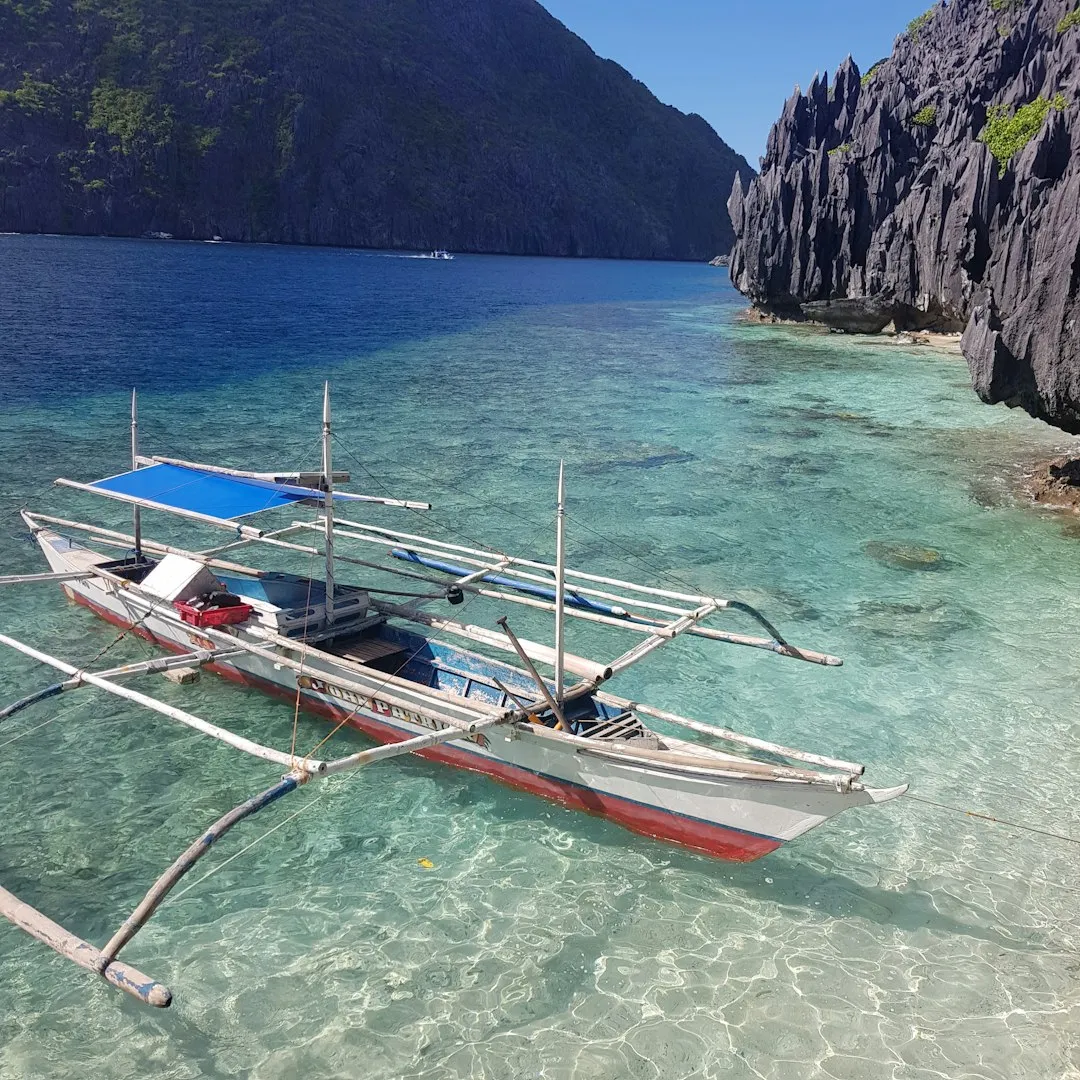
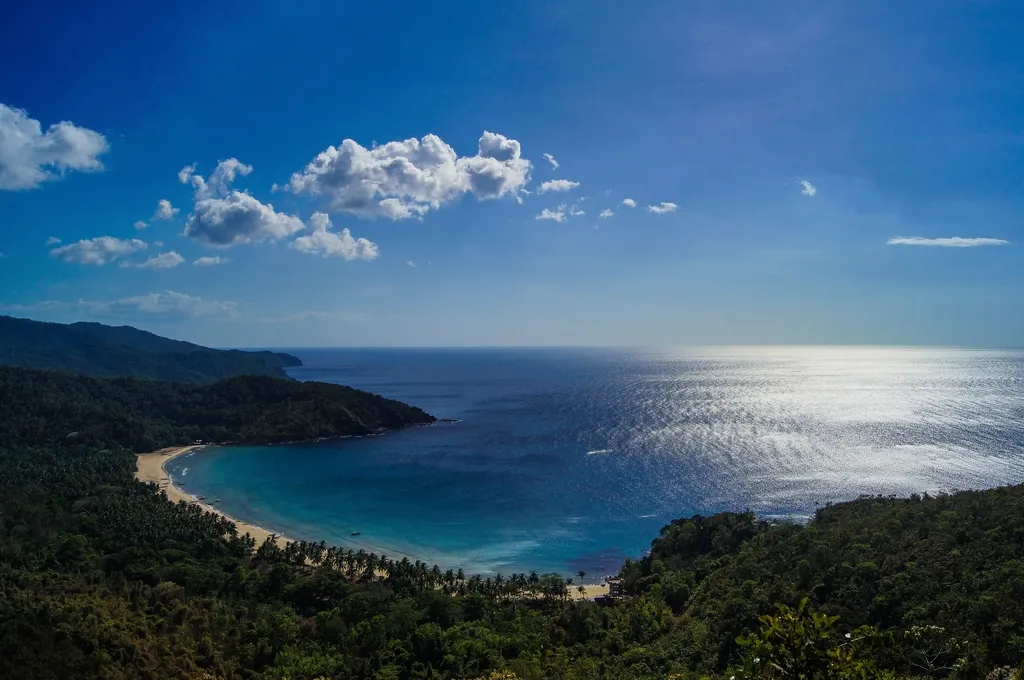
The Philippines doesn’t just have beautiful beaches. It has beaches that consistently rank alongside the finest stretches of sand on the planet. Two stunning Philippine beaches earned spots on the World’s Best 50 Beaches list for 2025, with Entalula Beach in El Nido, Palawan ranking second and Bonbon Beach in Romblon placing 38th, a leap from their 2024 rankings of fourth and 45th respectively.
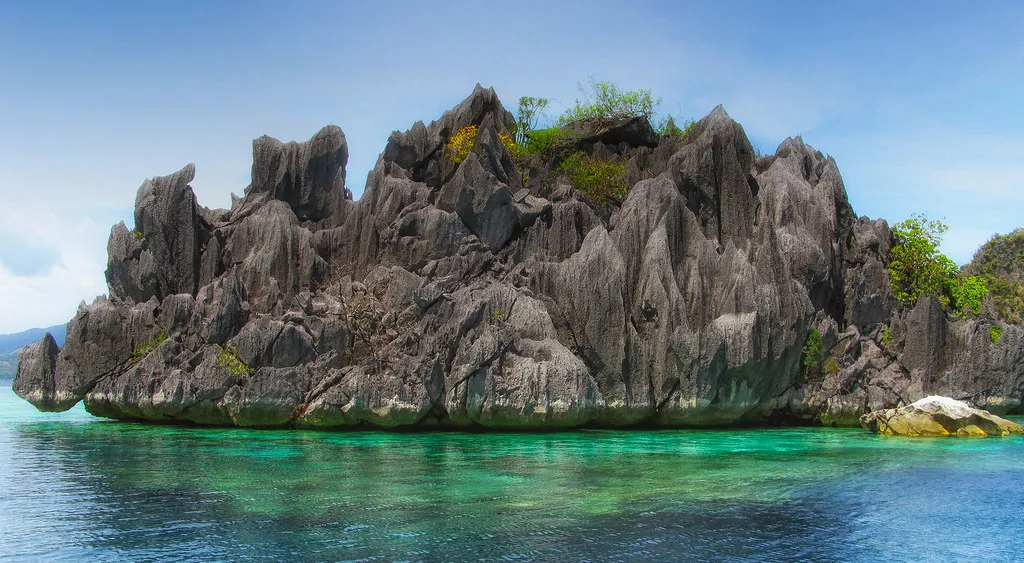
Described as “Palawan’s overlooked slice of heaven,” Entalula Beach is known for its stunning limestone cliffs that rise behind soft, white sands. Its somewhat concealed location, roughly an hour by boat from El Nido town, means it seldom draws large crowds, which has helped preserve the natural clarity of its waters.
The World’s 50 Best Beaches ranking was based on criteria including how unspoiled each beach feels, the likelihood of encountering wildlife, ease of swimming conditions, and overall crowd levels, as well as whether a beach offers an authentic natural soundscape with minimal noise beyond the ocean itself. By those measures, the Philippines sets a high standard.
The Marine World Beneath the Surface Is Extraordinary
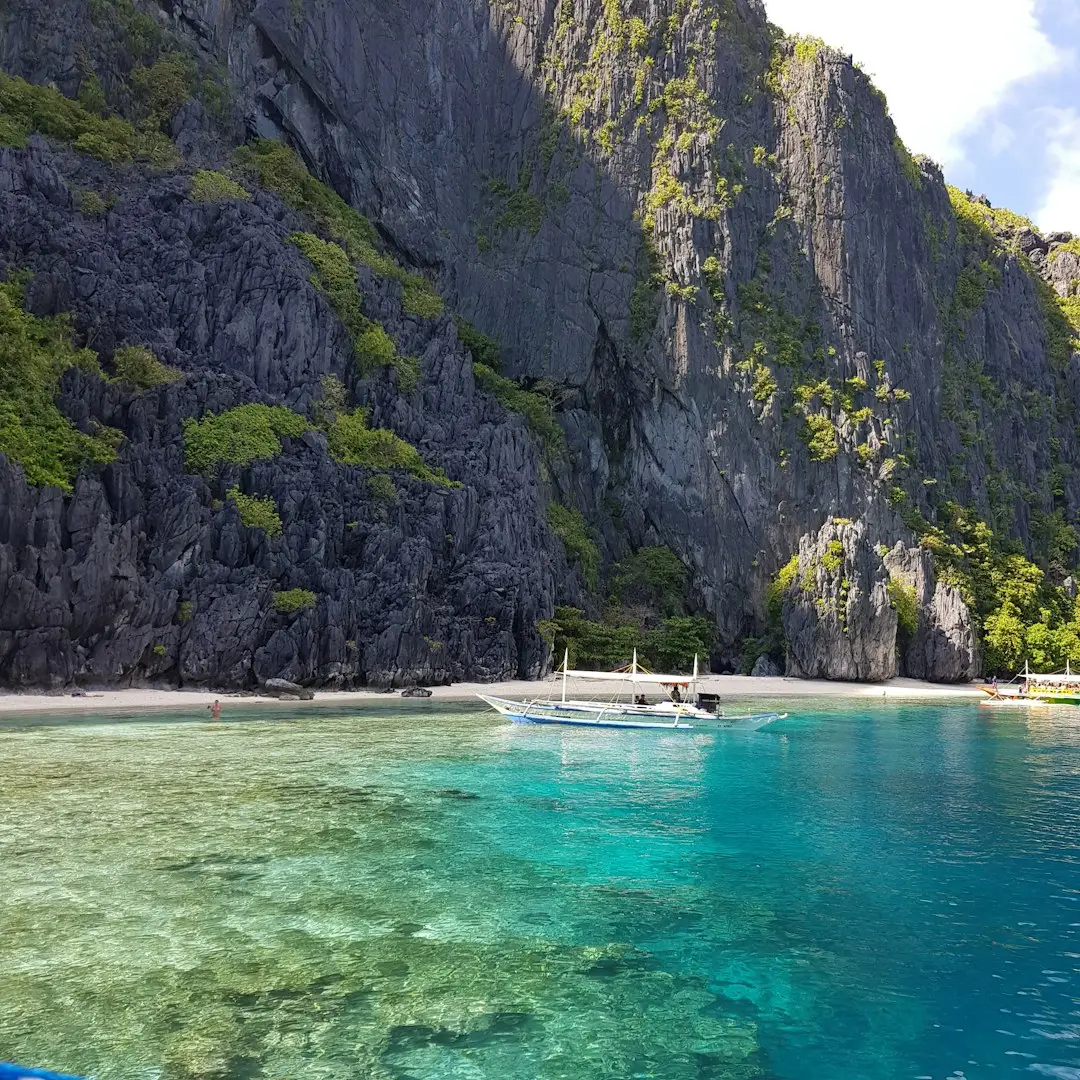
If what happens above the waterline is impressive, what lies beneath is nothing short of remarkable. The Philippines is geographically located at the apex of the Coral Triangle, recognized by marine ecologists worldwide as a global center of marine biodiversity, where coastal waters contain a wider range of species of corals, reef fishes, seagrasses, and mangroves than anywhere else in the world.
Boasting over 25,000 square kilometers of coral reefs, the Philippines has the third largest coral reef area in the world. From the sprawling reefs of Tubbataha to the vibrant marine sanctuaries of Apo Island, the country houses approximately over 400 species of coral and 2,000 species of fish, some of which can only be found in these waters.
The Philippine seas are also home to five of the seven existing species of marine turtles, 28 marine mammals, 168 cartilaginous fishes, and 1,755 reef-associated fishes. Whether you snorkel over a shallow reef or dive deep into a blue-water wall, encounters with remarkable wildlife are not the exception here. They’re the norm.
Active Conservation Efforts Are Protecting What Makes It Special
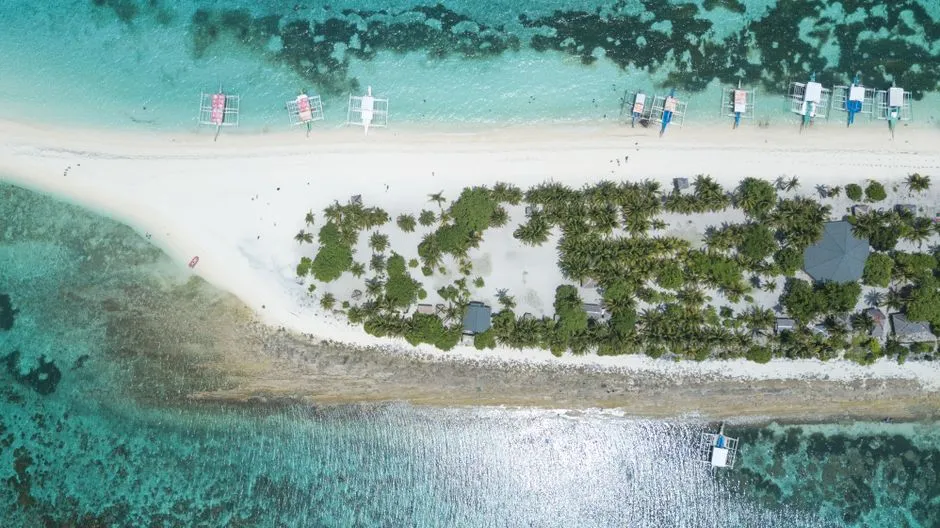
Responsible travelers rightly ask whether their presence supports or undermines a place. In the Philippines, the conservation picture has been moving in an encouraging direction. In August 2025, the Philippines officially declared the waters surrounding Panaon Island a Protected Seascape, covering more than 60,000 hectares of ocean and supporting local livelihoods while strengthening the country’s resilience to climate change.
The island’s reefs have been found to have at least 60 percent live coral cover, which is three times above the national average. That figure speaks to just how ecologically significant these newly protected waters are.
The government’s National Tourism Development Plan 2023 to 2028 and the Department of Tourism’s “Love the Philippines” campaign both aim to promote sustainable travel and heritage preservation. Visiting with that framework in mind means your trip can contribute to something lasting.
The Food Culture Is a Journey Entirely on Its Own
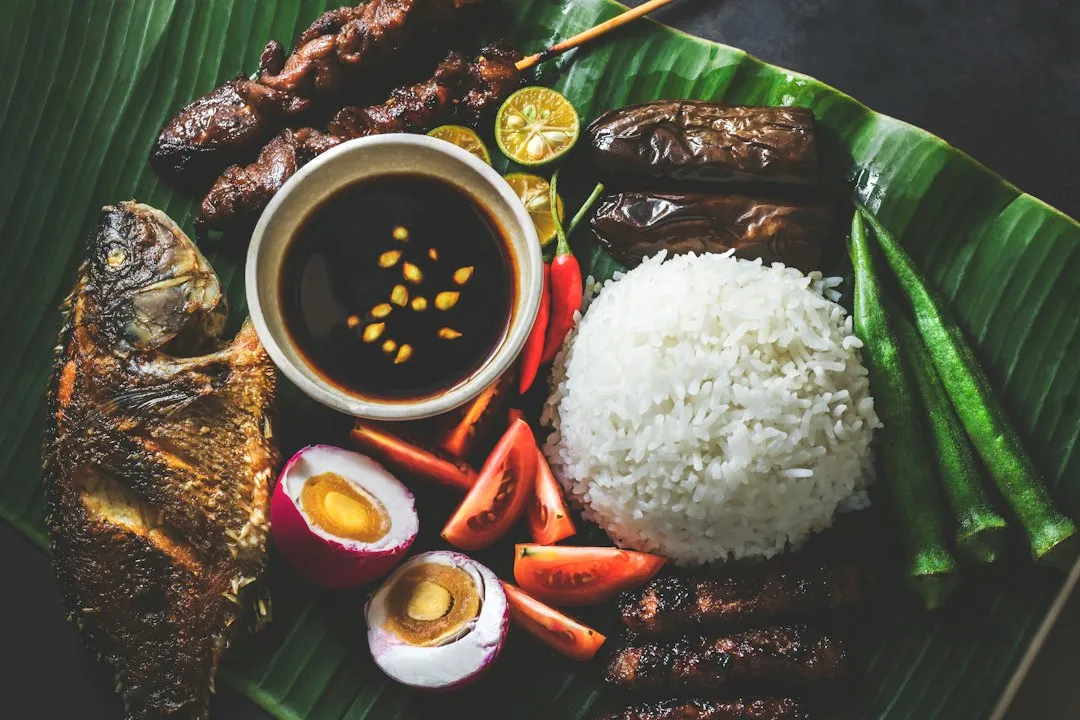
Filipino cuisine doesn’t always get the international spotlight it deserves, but that’s changing. The food here is the product of centuries of Malay, Spanish, Chinese, and American influence layered over a deep tradition of communal cooking and locally sourced ingredients. Every region adds its own accent.
Small local eateries known as carinderias serve home-cooked meals at very accessible prices, offering classics like adobo, sinigang, and ginisang gulay prepared the way Filipino households have made them for generations. Eating at these spots is less a budget decision than a cultural one.
Street food stalls serving kwek-kwek, isaw, fishballs, and banana cue are not only inexpensive but function as genuine gathering places where you get a real taste of everyday Filipino life. Manila’s Binondo district, recognized as one of the world’s oldest Chinatowns, adds yet another layer to a food culture that rewards curiosity at every corner.
It Remains One of Southeast Asia’s Most Accessible Destinations
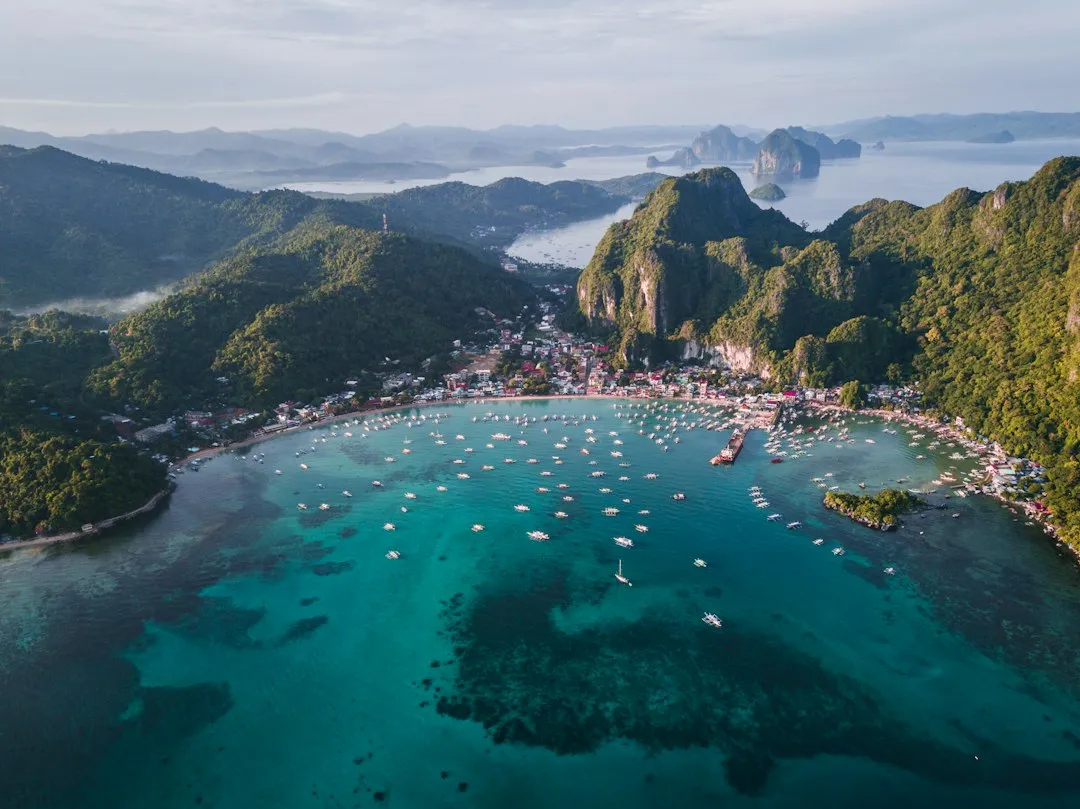
One of the quiet appeals of the Philippines is that it remains genuinely affordable without feeling like you’re compromising. The Philippines is a cheap country to visit compared to the United States and many other Southeast Asian destinations, and budget travelers can often get by on around 50 US dollars per day or less, especially when staying in local guesthouses, eating Filipino food, and using public transportation.
That kind of value doesn’t flatten the experience. You can move between islands, hire local guides, eat extremely well, and still find yourself spending far less than comparable trips to Europe or even parts of East Asia. The infrastructure for tourism is improving steadily, with more direct flight connections opening into Manila and Cebu in recent years.
In 2024, the Philippines recorded over 134 million local trips, the highest domestic share in Southeast Asia, valued at over 70 billion US dollars. The domestic tourism base means that local hospitality industries are active, confident, and well-practiced at making visitors feel genuinely welcome.
The Tourism Momentum Is Real and Still Building
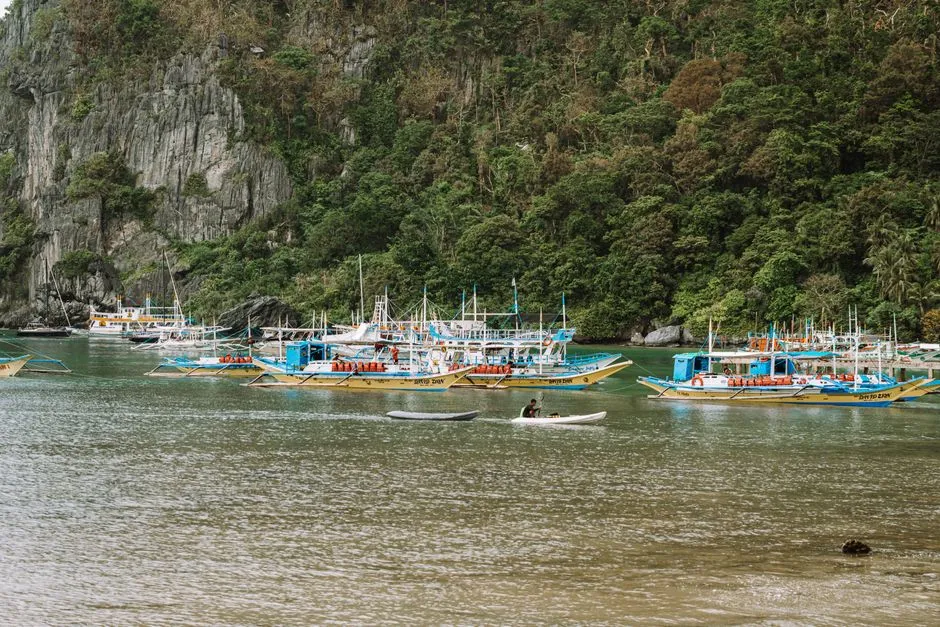
Beyond individual experiences, there’s a broader current worth understanding. The Philippines is in a sustained period of tourism recovery and growth, and travelers arriving now are doing so as the country regains its footing without yet facing the overcrowding pressures that affect more heavily trafficked destinations in the region.
The Philippines garnered about 760 billion Philippine pesos in tourism revenue from inbound tourism expenditures in 2024, marking a notable increase of roughly nine percent compared to the figure recorded in 2023. That economic signal tells its own story about a destination drawing consistent, repeat-worthy interest.
Despite some variability in arrival numbers, the sector remains a strong contributor to the country’s overall economy, with the Philippines Tourism Satellite Account reporting that in 2024, the sector contributed 8.9 percent of the country’s GDP. Investment in infrastructure, connectivity, and sustainable tourism products is following that momentum, making this a particularly well-timed moment to visit.
The Islands Offer Something for Almost Every Kind of Traveler
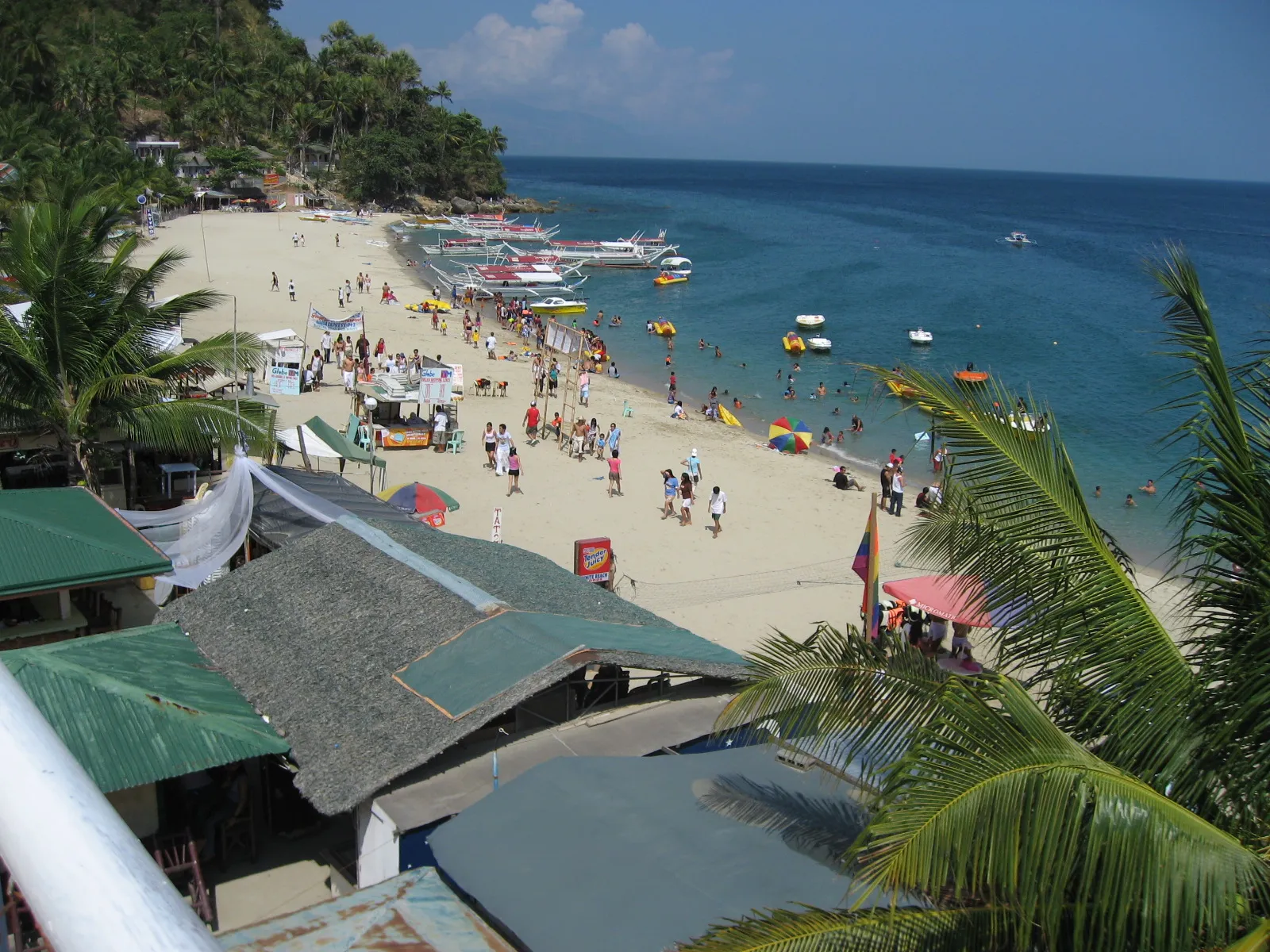
The sheer diversity of the archipelago is one of its most underappreciated strengths. Palawan rewards slow, contemplative island-hopping through turquoise lagoons. Siargao draws surfers and those chasing a laid-back, community-centered pace. Siargao is known as the surfing capital of the Philippines and was voted the Best Island in Asia at the 2021 Condé Nast Traveler Readers awards.
Cebu combines urban energy with diving sites and waterfalls within easy reach. Bohol offers the singular landscape of the Chocolate Hills alongside some of the country’s most respected marine sanctuaries. Each island group has its own rhythm, cuisine, and dialect, which means repeat visits feel like discovering somewhere new.
For travelers who value depth over checklists, the Philippines rewards patience. The more time you give it, the more it reveals.
Filipino Hospitality Is Not a Marketing Phrase
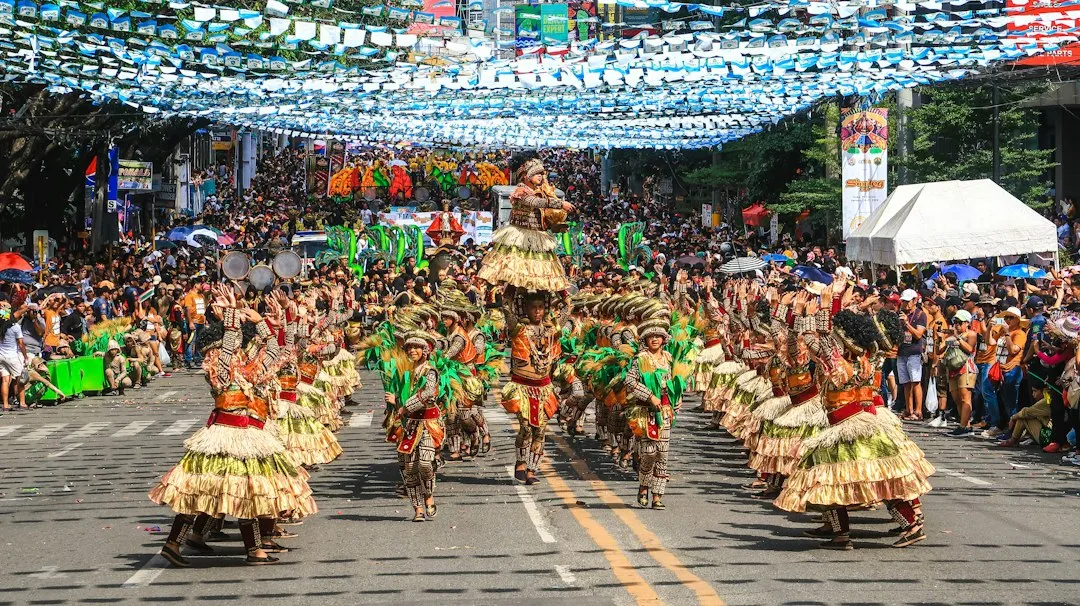
Travel writing can fall into the trap of generic warmth when describing people, but the hospitality you encounter in the Philippines has a specific, observable character. It tends to be warm without being performative, generous without expectation, and genuinely curious about where you’re from and what brought you here.
Community celebrations known as barangay fiestas are everywhere across the islands, often filled with music, games, and food shared by locals, and they represent one of the most authentic ways to experience Filipino hospitality. Happening across the year in different towns and provinces, they’re not designed for tourists but rarely mind them either.
That openness extends to how locals approach visitors on a daily basis. It’s a quality that’s difficult to quantify but very easy to feel, and it’s one of the reasons so many travelers find themselves returning.
UNESCO Heritage and Living Culture Add Real Depth
The natural environment gets most of the attention, but the Philippines carries a cultural history worth engaging with seriously. The Tubbataha Reef Natural Park in the Sulu Sea is a UNESCO World Heritage Site, recognized for its ecological significance as a pristine coral atoll supporting diverse marine life. As a protected marine park, Tubbataha has remained largely undisturbed, preserving its rich biodiversity and making it one of the world’s most well-preserved coral ecosystems, accessible only between mid-March and mid-June via liveaboard boats.
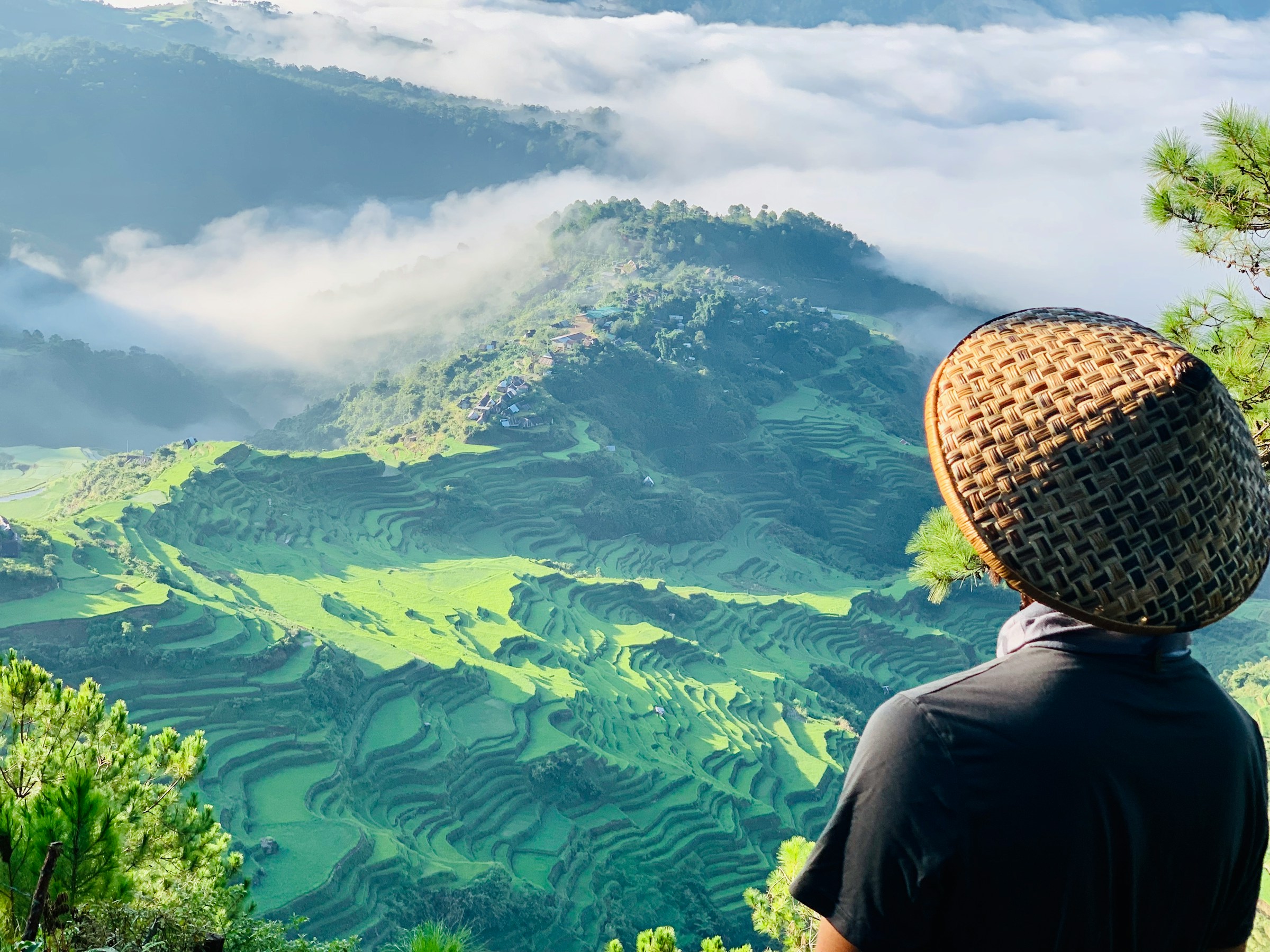
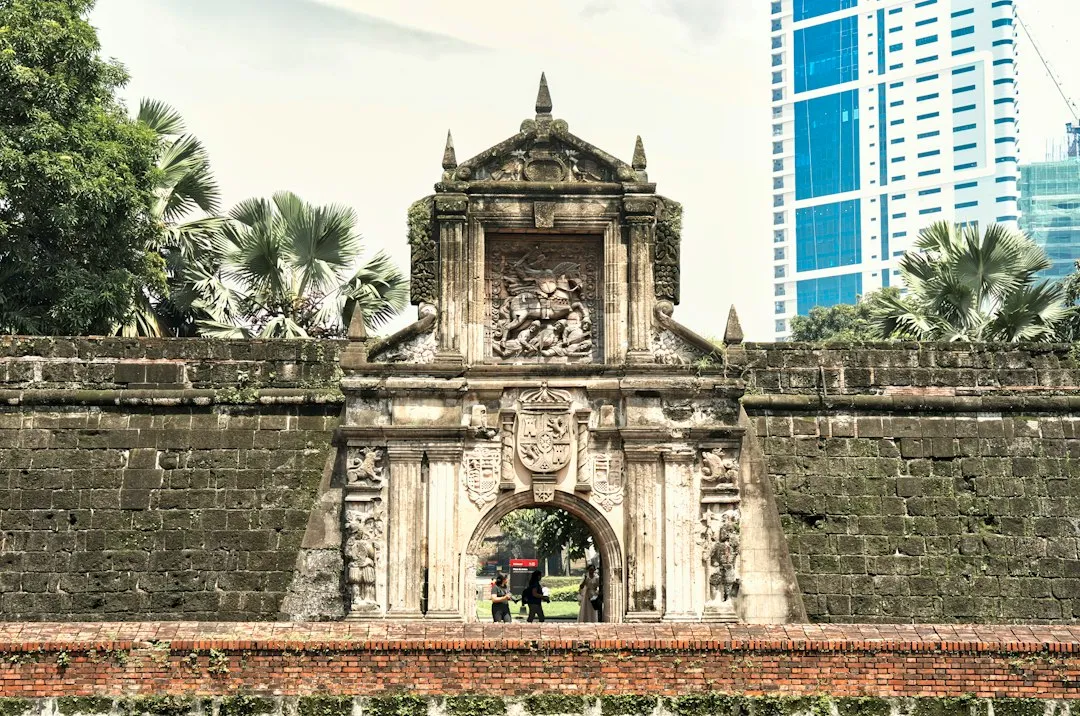
The Baroque churches of the Philippines, the rice terraces of the Cordilleras carved by indigenous Ifugao communities over two millennia, and the historic walled city of Intramuros in Manila all reflect a civilization with remarkable depth. These aren’t museum pieces. They’re living parts of how Filipinos understand themselves.
Engaging with them thoughtfully, on their own terms rather than as backdrops for photographs, is what separates a real journey from a surface-level trip.
The Moment to Visit Is Now, Before the Crowds Catch Up
Destinations have windows. There’s a period when the infrastructure is good enough, the word has spread enough, but the volume of visitors hasn’t yet reshaped the experience into something too managed or crowded. The Philippines, particularly beyond Boracay and Manila, is very much in that window right now.
Analysts have projected a roughly 9.5 percent annual growth rate that could bring the Philippines back to pre-pandemic levels of around 8.2 million arrivals by 2027. That trajectory suggests the relative quiet of certain islands and dive sites is on a clock.
The beaches, the reefs, the food, the people, and the sheer variety of experiences across more than 7,600 islands form an argument that is difficult to ignore. Going soon simply means you’ll have more of it to yourself.
Final Thoughts
The Philippines rarely needs a hard sell. Its landscapes, marine environments, and cultural fabric do the work naturally for anyone willing to look honestly at what the country offers. What it does need is more travelers approaching it with the curiosity and care it deserves.
The data backs up the enthusiasm. The beaches rank among the world’s finest. The marine biodiversity is scientifically documented as among the planet’s most extraordinary. The value is real, the hospitality is genuine, and the conservation efforts underway give thoughtful visitors a reason to feel good about where they’re spending their time and money.
Whether your ideal island escape is active or still, social or solitary, the Philippines holds a version of it. The question is less whether to go and more which island to start with.
AI Disclaimer: This article was created with the assistance of AI tools and reviewed by a human editor.