


Something significant is shifting in how people understand rest. A short holiday or a spa weekend used to be the standard prescription for exhaustion, but increasingly, people are returning from those trips still tired, still wired, still unable to switch off. Burnout doesn’t dissolve with a cocktail by the pool. It runs deeper than that.
What’s drawing more and more people toward silent retreats isn’t mysticism or trend-chasing. It’s a growing recognition that the nervous system needs something conventional vacations rarely provide: genuine, sustained quiet. The numbers tell a clear story, and the science is catching up with what meditators have known for centuries.
Reason 1: Burnout Has Reached a Crisis Point That Ordinary Rest Can’t Fix

Job burnout is now at 66%, an all-time high, according to a 2025 study, and researchers suggest that mounting workplace stressors are pushing already-struggling workers past their limits. That’s not a rounding error. More than half of all employees said they felt burned out in 2024, which is a clear sign the issue is widespread across industries and job types.
The generational divide in burnout has also widened dramatically, with Gen Z and millennial workers reporting peak burnout at just 25 years old, a full 17 years earlier than the average American who experiences peak burnout at 42. This is a fundamentally different kind of crisis than the one previous generations faced.
The economic implications are staggering, with burnout costing businesses $322 billion annually in lost productivity, according to the World Health Organization. Against that backdrop, people are not simply booking retreats for luxury. They are seeking an escape from an unsustainable workload. Silent retreats offer something meaningfully different from conventional recovery options, and that distinction matters.
Reason 2: The Wellness Retreat Market Is Responding Directly to Burnout Demand

The global wellness retreat market, valued at $180.5 billion in 2022, is projected to double by 2032, primarily fueled by widespread workplace burnout. The growth is not accidental. Gen Z and remote workers, the groups with the highest burnout rates, are showing up in the demand for short, intensive retreats focused on sleep repair, nervous-system recovery, and structured disconnection from work.
Search interest for “quiet vacationing” grew by roughly 275% from 2020 to 2025, while “digital detox travel” showed an even steeper trajectory with a 400% increase. These aren’t fringe interests anymore. Quiet vacationing is expected to go fully mainstream by 2026, with AI-driven personalized retreats and hybrid travel models gaining traction.
A growing number of wellness centres are now offering tailored burnout-specific programs, including immersive multi-week programmes and dedicated digital detox retreats in locations ranging from Switzerland to California. The industry has listened, and providers have adapted their offerings accordingly.
Reason 3: Silence Has Measurable, Science-Backed Effects on the Nervous System
Silence helps activate the parasympathetic nervous system, shifting the body into a “rest and digest” mode where healing and restoration occur. This is the physiological counterpart to the fight-or-flight response that burnout keeps locked in overdrive. Even brief moments of silence have been shown to lower cortisol, the body’s primary stress hormone, and in one study, just two minutes of quiet proved more relaxing than listening to calming music.
A research study showed that silence enhances neurogenesis in the hippocampus, and during periods of quiet, people can learn better and improve cognitive abilities while silence positively affects recovery and concentration. These are not soft benefits. They represent structural and functional changes in the brain itself.
A 2020 neuroscience study had participants practice a form of meditation with deliberate pauses of complete silence, and brain scans before and after showed a significant increase in white matter integrity in the left uncinate fasciculus, a key pathway linking the brain’s emotional center with areas responsible for reasoning and self-control. This structural change is associated with better emotional regulation and clearer decision-making.
Reason 4: Mindfulness Retreats Show Lasting Mental Health Improvements
Two separate meta-analyses found that silent retreats are effective in reducing anxiety, depression, and stress, while also increasing mindfulness and compassion. These findings hold across different retreat formats and participant backgrounds, which gives the evidence meaningful weight.
A meta-analytic review of 72 mindfulness-based programmes found that the inclusion of even a single day or half-day retreat was associated with significantly higher levels of self-reported mindfulness, lending support to the positive impact of even short retreat experiences. Duration matters less than people assume.
A 2018 analysis of studies reported by BioMed Central Complementary and Alternative Medicine found that the health advantages of silent retreats, including positive impacts on chronic illness and mental health challenges, persisted for up to five years following retreat participation. That kind of lasting effect is rare in any wellness intervention, and it helps explain why people keep returning to this form of recovery.
Reason 5: Digital Fatigue Is Making Structured Disconnection Feel Essential, Not Indulgent

Roughly 72% of U.S. employees face moderate to very high stress at work, a six-year high, with the 15th annual Aflac WorkForces Report finding that chronic workplace stress has escalated to levels not seen since before the pandemic. A significant driver of that stress is the always-on, device-dependent nature of modern work.
Device-free windows at retreats initially trigger anxiety for many participants, but people consistently report that digital disconnection becomes one of the most valuable aspects of their retreat experience. Without constant notifications and digital demands, they can finally hear their own thoughts. That observation sounds simple, but its implications for recovery are profound.
Only about one in five employees in the U.S. and Canada believe their employer genuinely cares about their mental health, exposing a significant gap between wellbeing rhetoric and employee perception. In that environment, people are increasingly taking recovery into their own hands. A silent retreat is, in many ways, an act of self-directed healing.
Who Is Actually Going on Silent Retreats?
Burnout disproportionately affects younger workers, with rates highest among Gen Z at 66%, followed by Millennials at 58%, and it is also elevated among fully remote and hybrid employees. These are precisely the demographics driving silent retreat bookings. They are also the groups most likely to view a retreat as a legitimate health investment rather than a frivolous expense.
Over half of U.S. workers, particularly Gen Z and remote employees, report burnout, prompting them to seek short, intensive retreats for recovery. The shift is also geographic. The market is expanding globally, with North America and Europe leading adoption, while Asia is showing rapid growth.
What Actually Happens During a Silent Retreat?
The rhythm of retreat life feels foreign at first, then becomes surprisingly liberating. Silent hours typically run from the evening through to mid-morning, giving the nervous system extended periods to rest and process without external stimulation. Most people describe the first day as the hardest.
Silent meditation retreats provide places to relax and reset by dialing down noise, and they vary from religious to secular, from guided to freestyle, from total to partial silence. There’s no single template, which makes them accessible to a surprisingly wide range of people. Depending on the individual, it may take a few days in a tranquil, supportive setting for the mind to settle to the point where profound serenity and clarity become accessible. After settling the mind, the wisdom and insights gained can be assimilated into regular life.
The Neuroscience of Going Quiet

Preliminary evidence from Harvard’s meditation research program suggests that long-term meditators exhibit increased cognitive-sensory integration and decoupling of affective processes, demonstrated by enhanced interoceptive awareness, reduced negative affective pain perception, and more rational decision-making. These practitioners may also experience greater emotional neutrality and altered self-awareness.
Silence doesn’t just reduce stress, it cultivates clarity. In the absence of noise, the brain is better able to connect unrelated ideas and find meaning in complexity, which is the essence of creativity: not forceful invention, but spacious connection. For burned-out professionals whose creative thinking has flatlined, this quality of restored cognition is significant.
How Nature Amplifies the Effect

Research published in Frontiers in Public Health in 2024 highlights that stressed people, especially in urban environments, seek timeouts where the soul can “recharge” and the body can rest. Most successful silent retreat programs are deliberately placed in natural environments, and that’s not coincidental. Nature and silence work together in ways that neither achieves alone.
Core components of effective burnout recovery retreats typically include mindfulness training, digital detox, and a natural environment away from daily stressors, combined with personalized approaches targeting rapid relief from burnout symptoms and sustainable coping strategies. The combination of these elements in a single experience appears to be what makes silent retreats distinctly effective compared to individual practices attempted at home.
The Longevity of the Effect: Why One Week Can Change Months
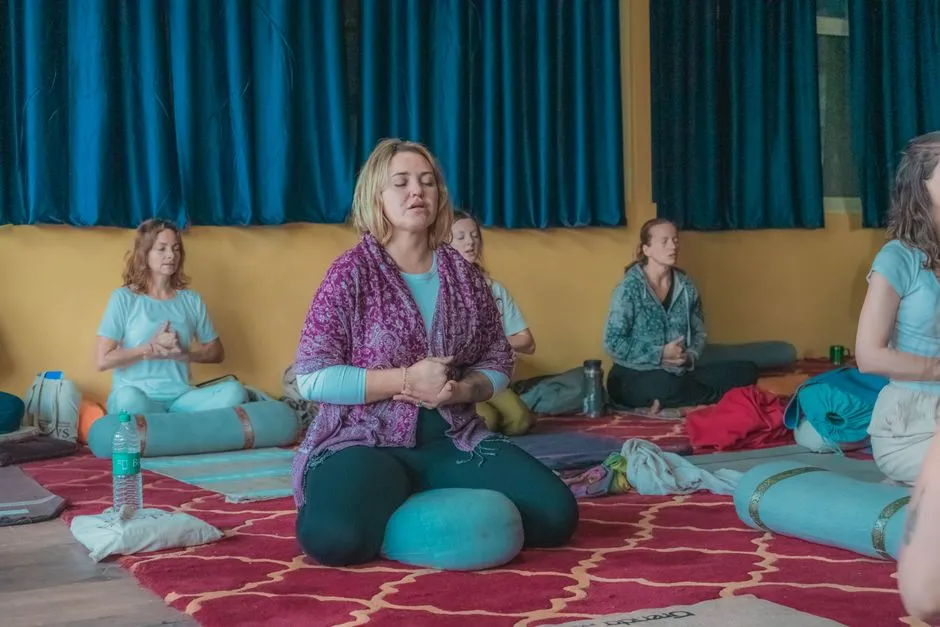
Emerging research also suggests that retreat practice is associated with increased unusual psychological states, such as profound peace and altered perceptions of time, compared with daily practice at home. This depth of experience is difficult to replicate through a daily ten-minute meditation app session, and practitioners consistently describe the retreat environment as what makes the difference.
The true measure of a silent meditation retreat is not just the peace experienced during the retreat itself, but how that peace flows into daily living. Many participants describe the retreat as a reset, an opportunity to clear away mental clutter and reconnect with their center. That quality of reset, when it genuinely takes hold, tends to outlast the trip itself.
The Takeaway
Silent retreats are not a passing aesthetic or a luxury rebranding exercise. They are meeting a real, documented need at a moment when burnout has reached levels that conventional rest simply cannot address. The evidence from neuroscience, clinical research, and large-scale workforce surveys all points in the same direction.
What makes silence powerful is not what it adds. It’s what it removes. The nervous system, freed from the relentless demand for input and response, does what it was always capable of doing: it heals. For a growing number of people navigating the weight of modern work, that quality of deep quiet is no longer optional. It’s necessary.
AI Disclaimer: This article was created with the assistance of AI tools and reviewed by a human editor.