
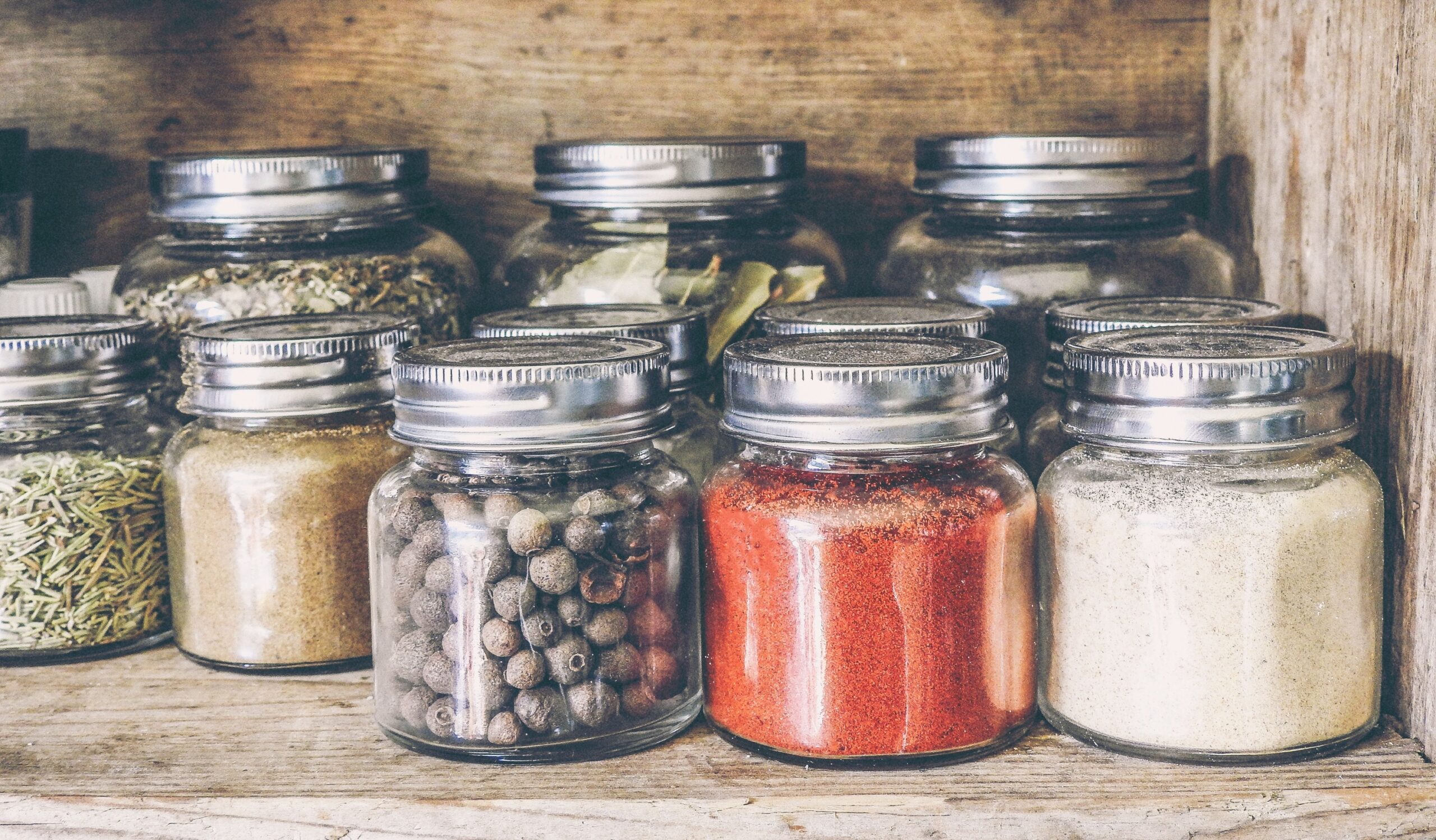

Spices are rarely just ingredients. Across many of the world’s most distinctive food cultures, a single blended mixture of dried aromatics carries the weight of centuries of trade history, family tradition, and regional identity. The blend itself becomes the fingerprint of a cuisine.
Some of these mixtures are guarded secrets, passed between generations without a written recipe. Others vary so widely from household to household that no two versions are exactly alike. What they share is something harder to quantify: the ability to make an entire nation’s food unmistakably itself.
Ras el Hanout – Morocco’s “Head of the Shop”
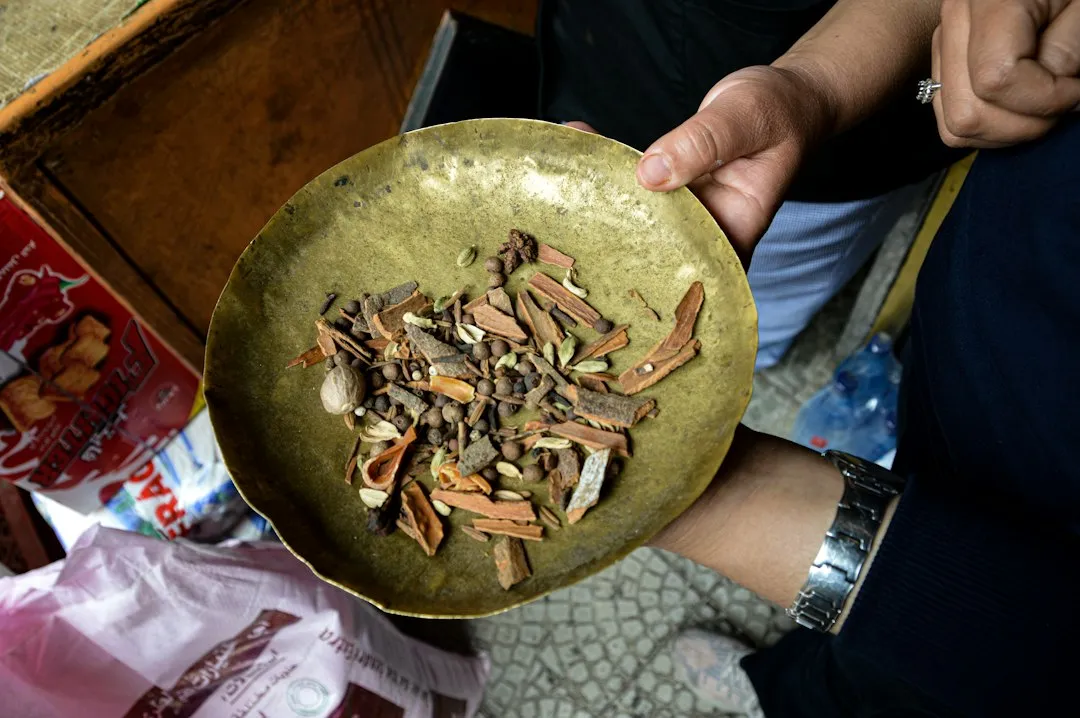
Ras el hanout is a complex North African spice blend whose name translates to “head of the shop,” implying the very best spices a merchant has to offer. This Moroccan specialty can contain anywhere from 12 to over 30 ingredients, creating one of the world’s most sophisticated spice mixtures. Some recipes stretch even further: certain variants feature an astonishing 80 or more unique spices.
Located along the trade routes between Europe, Africa, and the Middle East, Morocco has long been a hub for spices, with merchants blending them to create new and unique flavors. Over centuries, these blends became more refined, with ras el hanout becoming the hallmark of the finest spices available.
Even today, there is no standard formula. Every family, merchant, and region has its own version. The dominant impression combines cinnamon-like sweetness with earthy cumin and coriander, lifted by floral notes from rose petals or lavender. Ginger and pepper provide gentle background warmth. In Morocco it is traditional to use it as a condiment for lamb, and also as a marinade, in couscous and tajines.
Today, ras el hanout continues to embody the rich fusion of Arab, Berber, and Mediterranean culinary traditions. Few blends in the world carry quite so much accumulated cultural geography in a single jar.
Garam Masala – India’s Warming Heirloom Blend
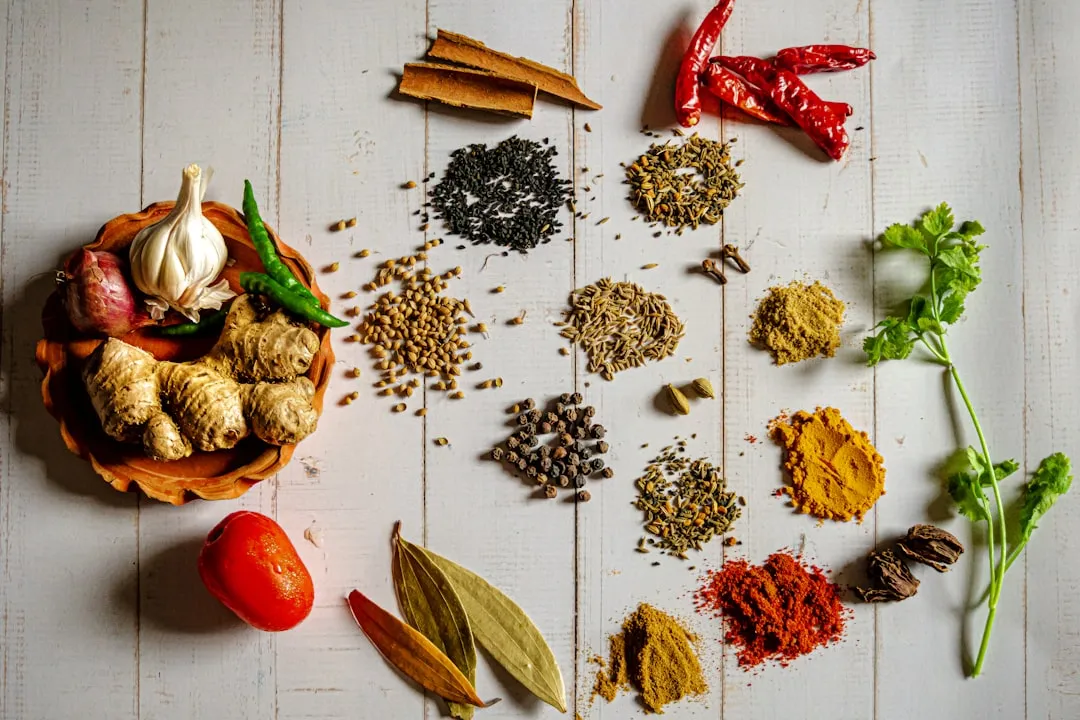
Garam masala is a complex blend of many spices that originated in Northern India. While it was first used during cold winters to help warm those who enjoyed it, it quickly gained popularity and is now a staple of traditional Indian cuisine. Translated, garam masala means “hot spices.” This refers to the warming properties of the spices used in the mixture and is not a reference to spiciness.
Historically, it was more than just a culinary staple; it was a vital component of Ayurvedic medicine, believed to heat the body and enhance digestion. The Mughal era saw its proliferation in North Indian cuisine, where it was used to season hearty meats and rich curries.
In India, garam masala notoriously varies from one region to another – it can be made from a spice palette of up to 32 ingredients. Each household even has its own flavor, which mostly depends on the dish being prepared. It is a ritual as much as a recipe. In homes across India, masalas are blended by feel rather than formula, a gesture passed down through generations.
Unlike the generic British colonial invention of “curry powder,” authentic masalas are hyper-regional. South Indian sambar powder uses lentils and tamarind, while Punjabi garam masala emphasizes warming spices like cloves. The diversity contained within a single name is, in itself, a reflection of India’s scale.
Berbere – The Fiery Soul of Ethiopian Cuisine
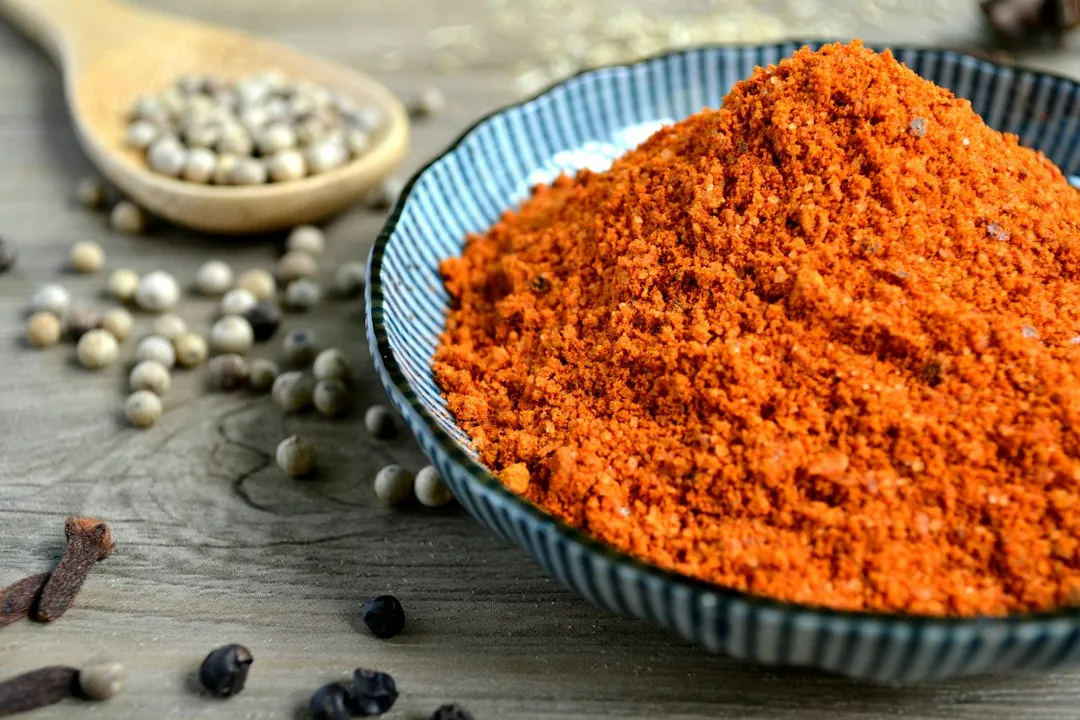
Berbere is a bold and fragrant spice blend known for its deep red color and complex flavor, and is an integral ingredient in Ethiopian cuisine, most notably Doro Wat, the famous spicy chicken stew. It comes from the Ethiopian word “barbare,” which translates to “hot” and originates from the ancient Ethiopian word for pepper, “papare.”
While the true origin of berbere spice is unknown in the sense that no one is sure who invented it, historians speculate that its origins lie in the era when Ethiopians controlled the route to the Silk Road from the Red Sea. On their journey home to Africa, Aksumite galleys were loaded with black pepper, cinnamon, cardamom, ginger, nutmeg, clove, and turmeric. As these imported spices made their way to Aksumite markets, locals were intrigued and experimented with whatever spices were brought back.
Berbere’s base spice is paprika, but the final blend could be made from up to 20 spices. Ethiopian cooks have, over time, added garlic, ginger, fenugreek seeds, African basil, black and white cumin, nutmeg, cinnamon, clove, cardamom, coriander seed, thyme, rosemary, turmeric, and ajwain to the mix.
Traditionally, berbere is cooked together with oil and onions at the beginning of stews and braises such as Doro Wat, which is Ethiopia’s national dish. Every Ethiopian cook has their own version of this blend. That individuality, layered over a shared foundation, is what keeps the blend alive across generations.
Baharat – The Aromatic Backbone of the Middle East
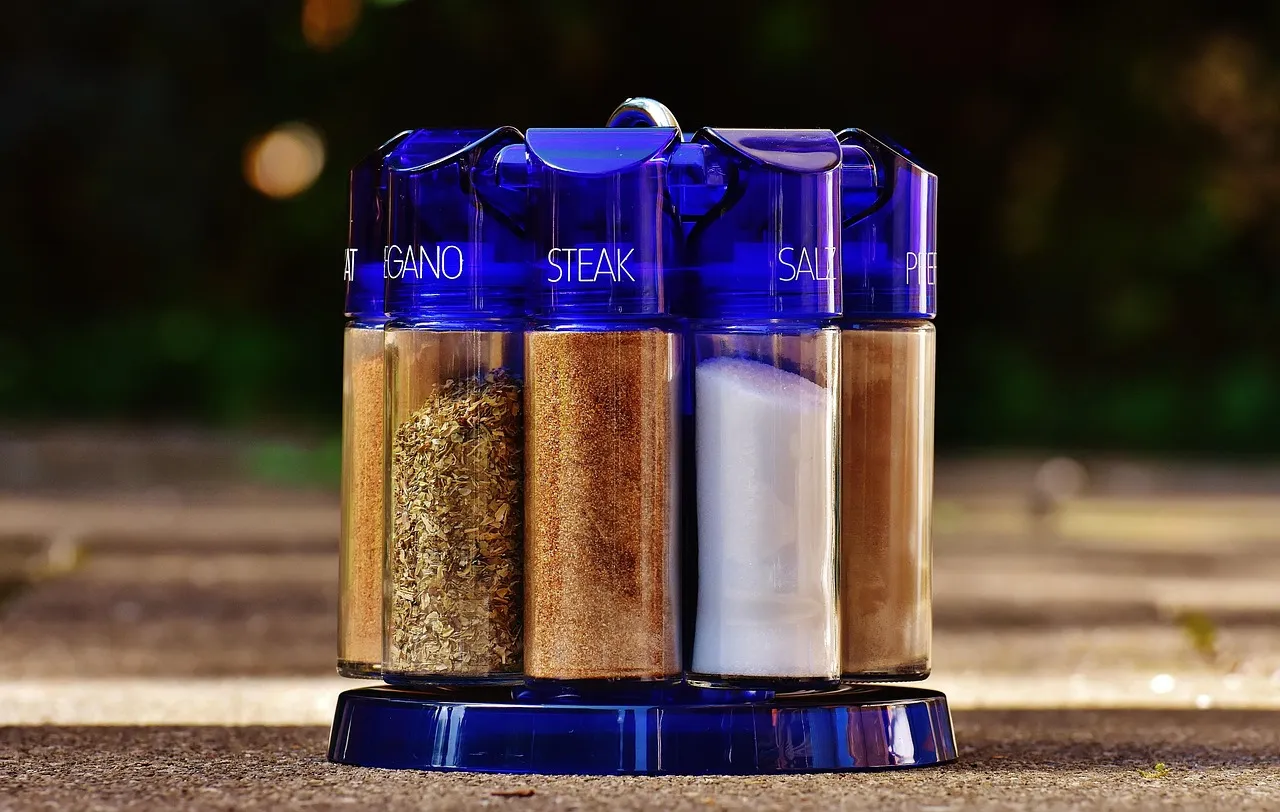
Baharat is Arabic for “spices,” and the name says everything about how central this blend is to Middle Eastern cooking. It is the go-to all-purpose seasoning blend used across Turkey, Lebanon, Syria, Iraq, and the Gulf states, with regional variations that reflect each area’s culinary preferences.
In ancient times, when the spice trade from India traveled around the world and reached the Middle East, it is thought that baharat was first created in Aleppo, Syria. During the Ottoman Empire, the use of baharat spread across the empire’s vast territories, influencing culinary practices from the Middle East to the Balkans.
The classic composition typically includes black pepper, coriander, cumin, cinnamon, cloves, nutmeg, and paprika or allspice. Turkish baharat tends toward more allspice and black pepper. Lebanese baharat often includes more cinnamon. Gulf versions may add dried lime or rose petals.
The significance of baharat extended beyond the kitchen, as it was often associated with health and healing. In traditional medicine, the blend’s ingredients were believed to possess warming and digestive properties, making it a staple not only for flavor but also for its perceived health benefits. Its presence across so many distinct national cuisines makes it genuinely one of the region’s most unifying culinary threads.
Chinese Five Spice – A Philosophy as Much as a Formula
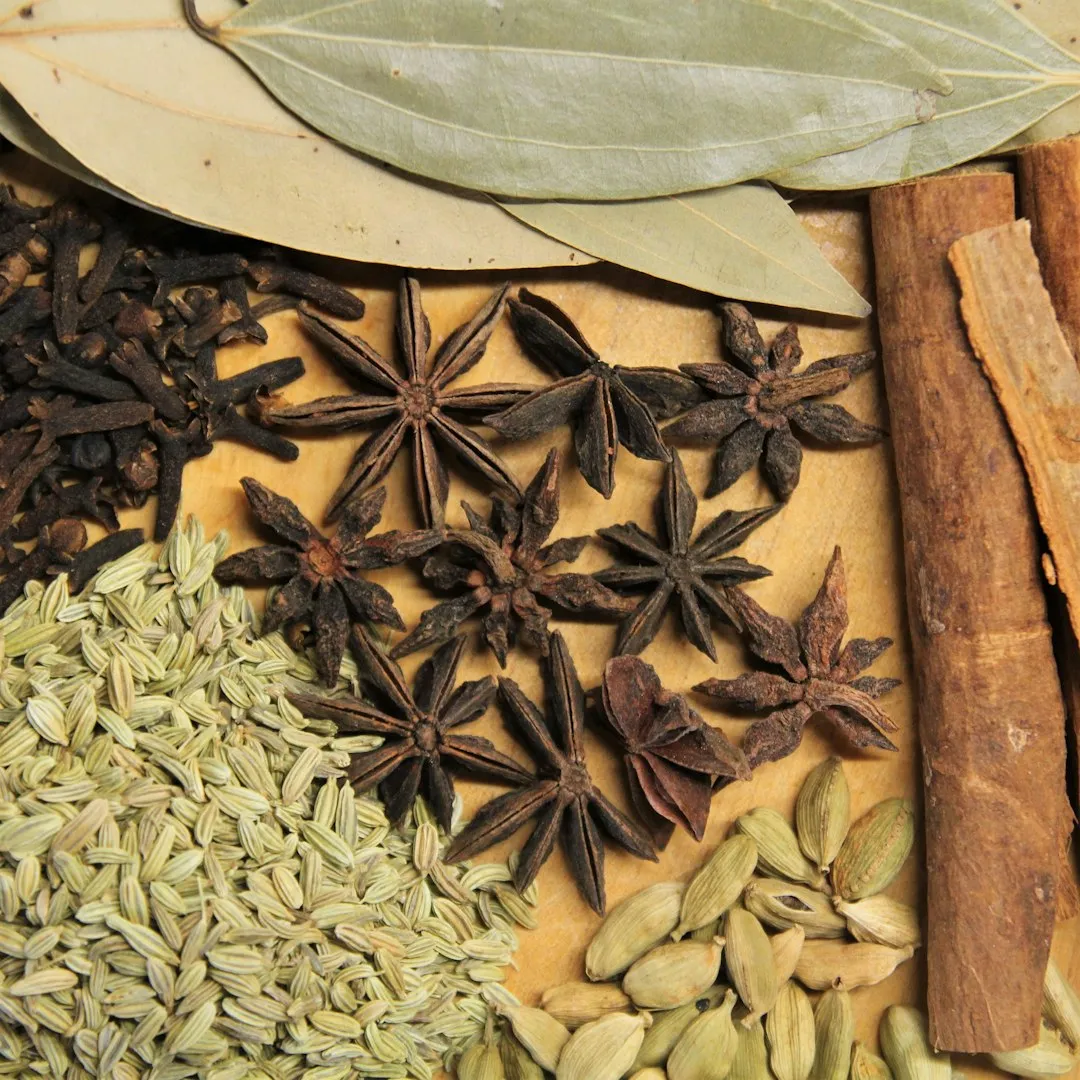
The spice blend consists of five spices: fennel seeds, cinnamon, cloves, Sichuan peppercorns, and star anise. The number five refers to the five flavors that are represented in the blend: sweet, salty, bitter, sour, and umami. That structure is not accidental. It reflects a deliberate attempt to create complete, balanced flavor in a single mixture.
The blend has deep roots in traditional Chinese medicine, where the five flavors correspond to the five elements of wood, fire, earth, metal, and water. The goal was always equilibrium, not just taste. This philosophy shaped how Chinese cooks approached seasoning for centuries, long before the blend traveled beyond China’s borders.
Five spice is used across a wide range of Chinese cooking, from slow-braised pork belly and roasted duck to marinades for grilled meats and even some pastries. Its aromatic intensity means a small amount goes a long way, and it tends to define the dish rather than simply support it.
What makes five spice remarkable from a culinary standpoint is how little it changes across contexts, compared to something like garam masala or berbere. Its core formula has remained relatively stable and recognizable, which has helped it become one of the most widely recognized Asian spice blends in kitchens around the world today.
Why These Blends Last
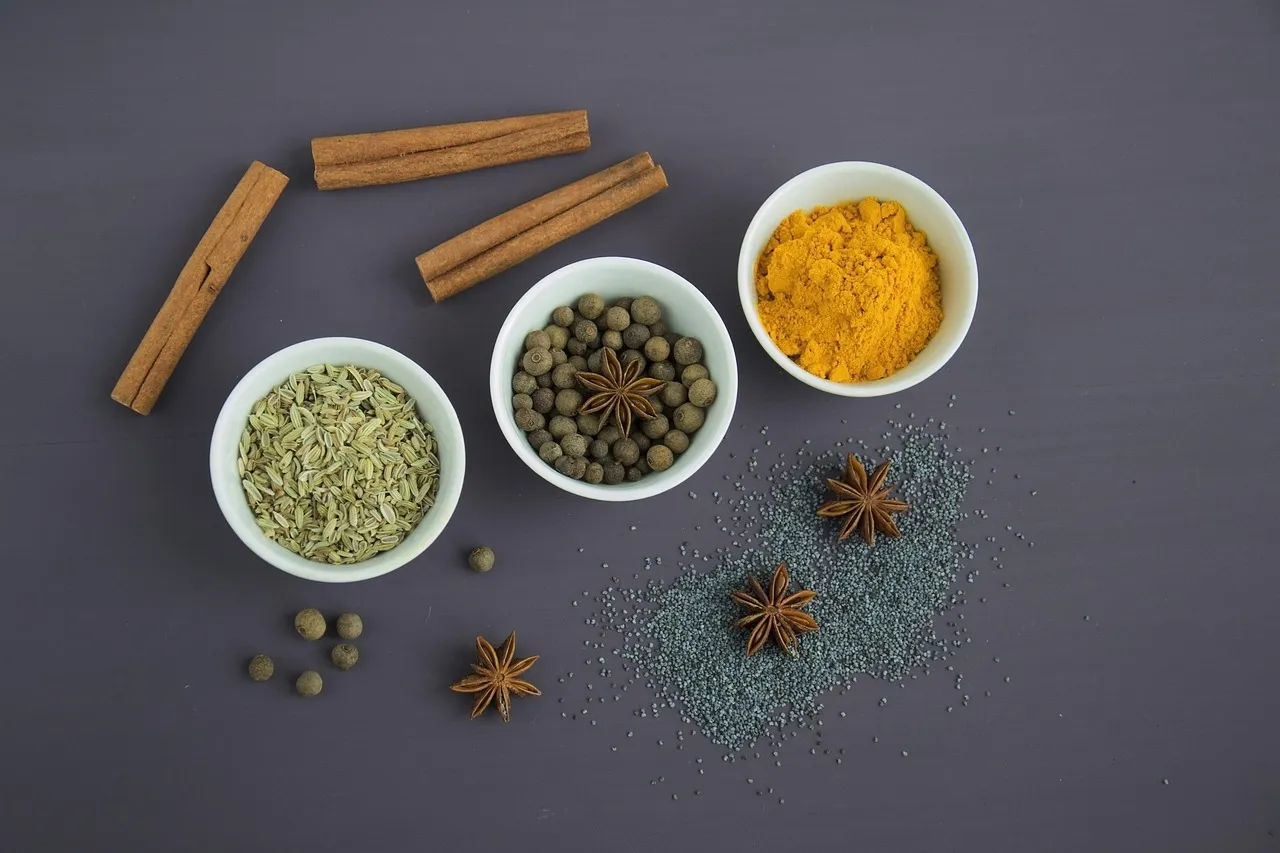
Each of these five blends survived for centuries not because it was written down in any official record, but because it worked. Cooks kept using it. Families kept teaching it. The flavors kept resonating with the people who grew up eating them.
These blends are not interchangeable, and they’re not random. Each one represents a distinct culinary tradition rooted in a specific geography and culture. That rootedness is precisely what gives them staying power.
There’s also a practical resilience built into all of them. Because none of these blends has a single fixed recipe, each one can adapt. A family in Marrakech uses different proportions than a merchant in Fes. An Ethiopian grandmother in Addis Ababa adds korarima where her neighbor does not. The blend stays recognizable while still breathing.
Trade Routes Shaped the Jar
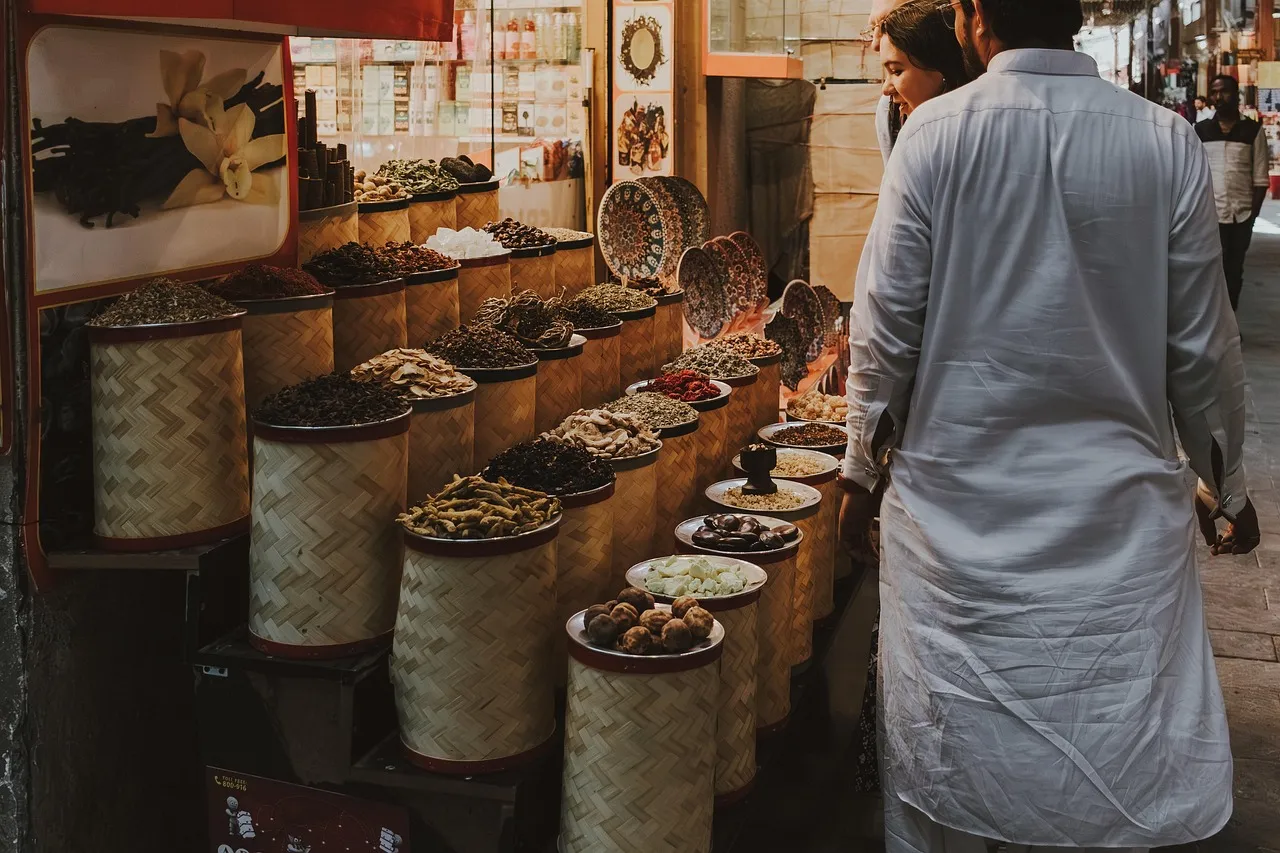
It’s worth pausing on how closely these blends follow the ancient spice trade. Ras el hanout grew out of the trans-Saharan trade routes that connected Morocco to sub-Saharan Africa, the Middle East, and Asia. Berbere reflects the Aksumite kingdom’s access to silk road spices. Baharat carries traces of the Indian spice trade in its very name.
India was the main producer and trader of spices in the world, and was the main trade partner of the Middle East from 700 to 1400 A.D., which explains the linguistic origin of the name baharat. The word itself may derive from “Bharat,” one of the oldest names for India.
This means that when you smell ras el hanout or sprinkle baharat into a stew, you’re experiencing something shaped by centuries of human movement, exchange, and curiosity. The spice blend is, in a quiet way, a map of where the world has been.
Family Recipes vs. Commercial Blends
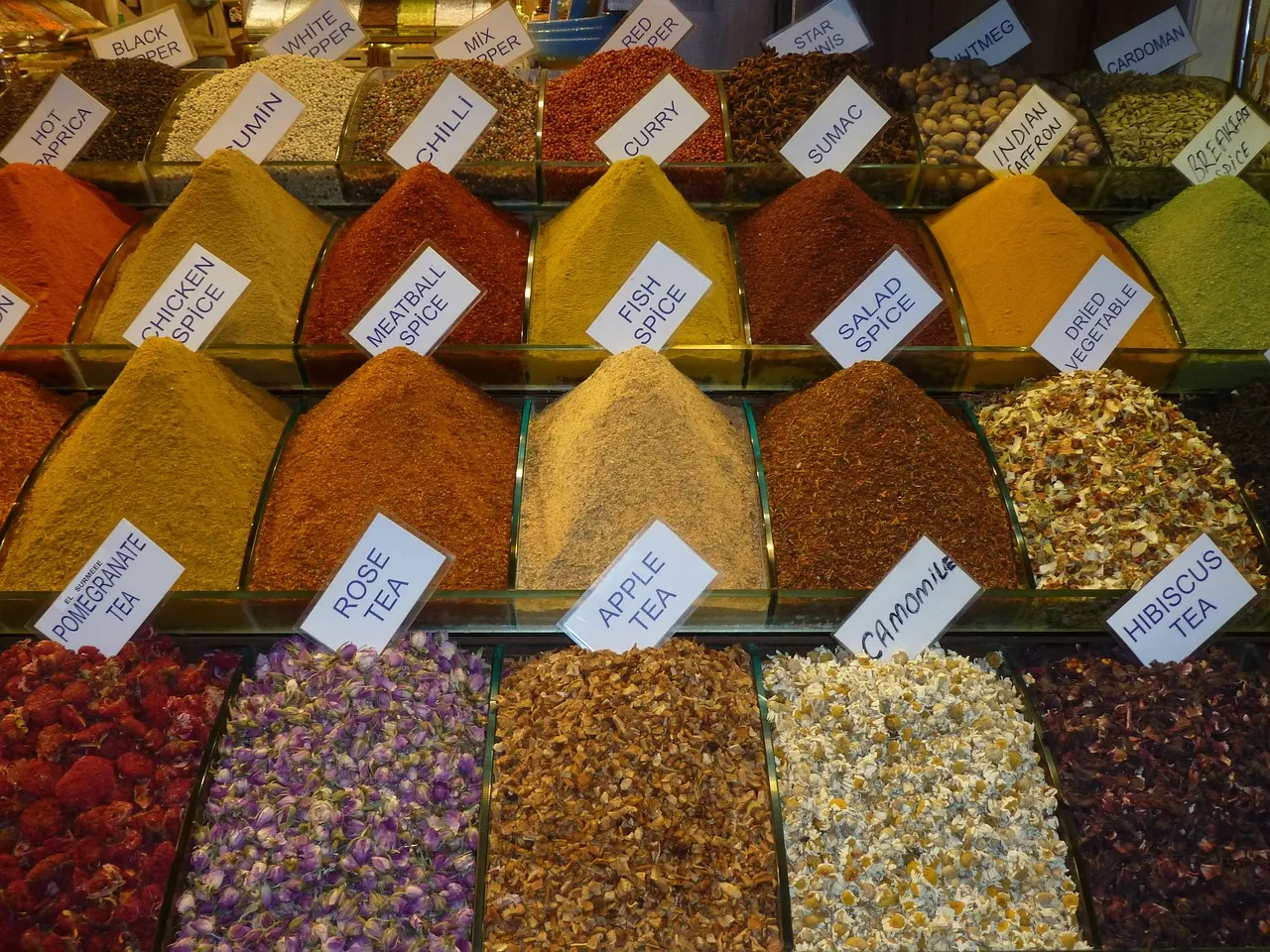
One tension that runs through all five of these blends is the gap between the family-made version and the commercially packaged one. While masala refers to a blend of spices at its simplest, unlike Western seasoning mixes, masalas are not mass-produced formulas – they’re heirlooms.
Pre-packaged versions are widely available for all five blends, and they’re not inherently inferior. They offer consistency and convenience. Still, something shifts when the act of blending moves from a household ritual to a factory floor. The proportions become fixed, the ingredient list standardized, the regional variation erased.
For travelers with an interest in food, one of the most rewarding experiences at a market in Marrakech, Addis Ababa, or Istanbul is watching a vendor assemble a blend specifically for you. The conversation about which version you want, which spices to emphasize, is itself a form of cultural transmission.
How They’re Used Beyond Their Home Kitchens
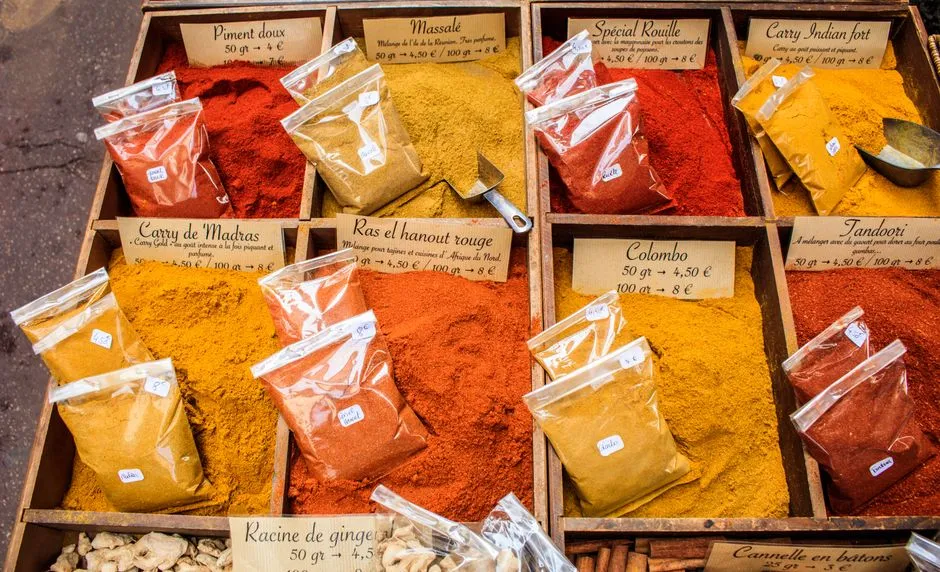
All five of these blends have traveled well beyond their countries of origin. Garam masala appears in British supermarkets on every high street. Berbere has gained a visible following among chefs in Europe and North America who appreciate its layered heat. Five spice turns up in fusion cooking across Southeast Asia and beyond.
Today, ras el hanout remains a treasured spice mix across Morocco, passed down through generations and used in homes and restaurants alike. Meanwhile, outside Morocco it has become a fashionable ingredient in European fine dining, often used to season lamb or roasted root vegetables.
The global reach of these blends reflects a genuine curiosity about cooking traditions that predate the modern food industry by many centuries. That curiosity is worth honoring with some care: understanding what a blend actually is, where it comes from, and how it’s supposed to be used is a form of respect for the culture that developed it.
What Makes a Spice Blend “Define” a Cuisine
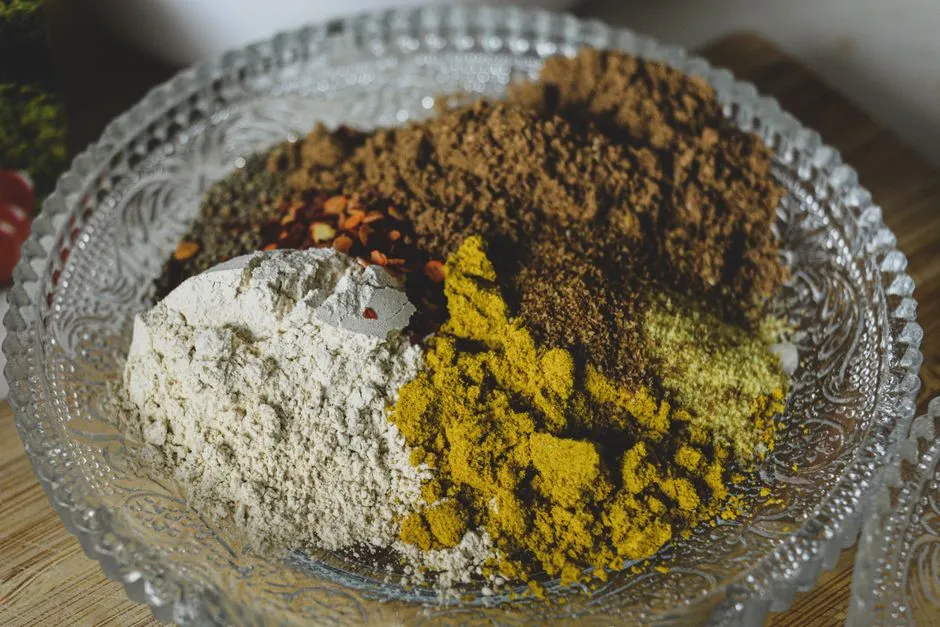
Not every spice blend achieves this kind of defining status. Many countries have dozens of spice mixtures in use, none of which carries the same weight. What separates garam masala, berbere, ras el hanout, baharat, and five spice from ordinary seasonings is that each one functions as a kind of shorthand for an entire culinary approach.
Berbere, the flavor backbone of Ethiopian cooking, gives traditional Ethiopian dishes that fiery kick. Ras el hanout signals slow cooking, complexity, and the layered patience of Moroccan cuisine. Five spice announces a particular Chinese sensibility built around harmony and balance. The blend doesn’t just flavor the food; it orients the cook.
Garam masala is the principal spice blend of India and a culinary staple in every household. It is a culinary cultural icon and India’s answer to an all-purpose blend. That dual status, both practical tool and cultural symbol, is what elevates these five blends above countless others.
A Final Thought on Complexity and Care
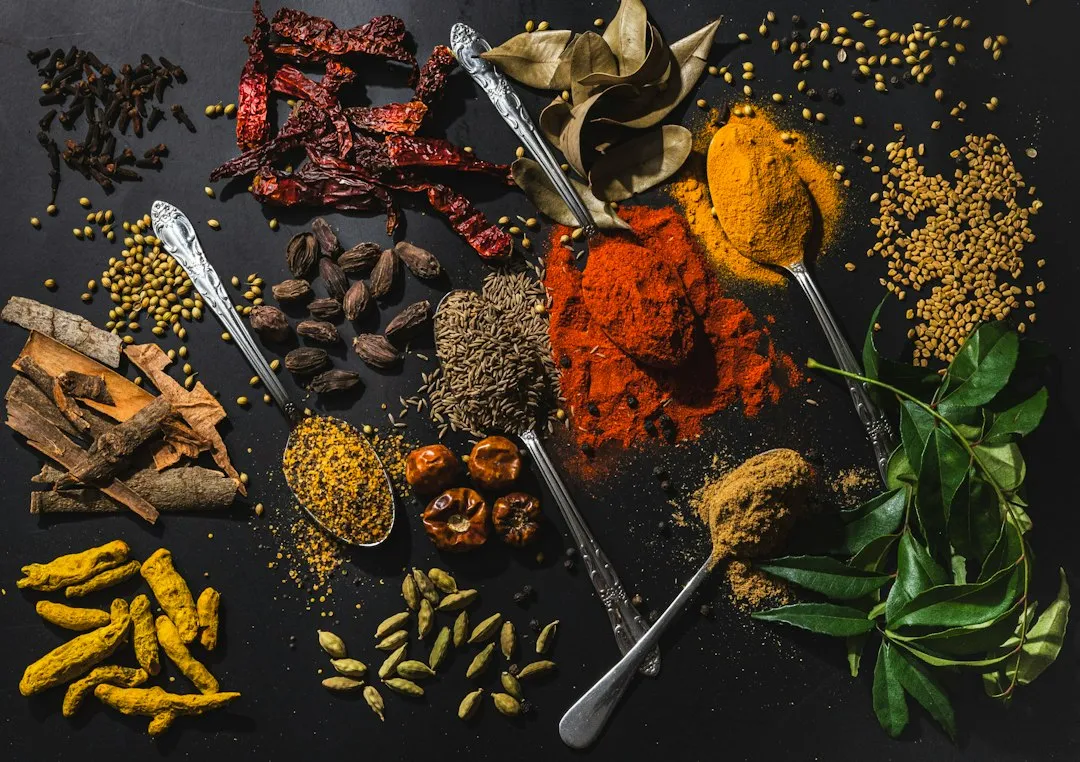
There’s a temptation to reduce these blends to their ingredient lists, to think that understanding what’s in ras el hanout is the same as understanding it. It isn’t. According to spice historians, ras el hanout represents centuries of accumulated knowledge about how diverse aromatics combine into harmonious wholes. That knowledge isn’t written in a recipe. It lives in practice.
The same is true for all five blends covered here. Garam masala, berbere, baharat, and five spice each carry within them a kind of encoded wisdom about flavor: what to balance, what to hold back, what to amplify, and when. Learning to cook with them well is less about following a formula and more about paying attention.
If there’s one thing these five blends share across their very different origins, it’s that they reward curiosity. They invite you to ask where a flavor came from, who made it first, and why it tastes the way it does. That kind of question, taken seriously, leads somewhere genuinely interesting.
AI Disclaimer: This article was created with the assistance of AI tools and reviewed by a human editor.