

Every summer, the same handful of national parks fill up first: Yellowstone, Yosemite, Zion, the Grand Canyon. Their fame is well earned, and nothing here is meant to argue otherwise. But scattered across the country are national parks sitting practically in the shadow of major skylines, places a commuter could reach before lunch, that somehow never make it onto most travelers’ lists. Some of these parks preserve landscapes so rare they exist nowhere else in the country, yet they draw a fraction of the crowds you’d find at the marquee names. This is a look at five of them, and at the natural and cultural reasons they’ve stayed quietly out of the spotlight.
Congaree National Park: A Primeval Forest Minutes from South Carolina’s Capital
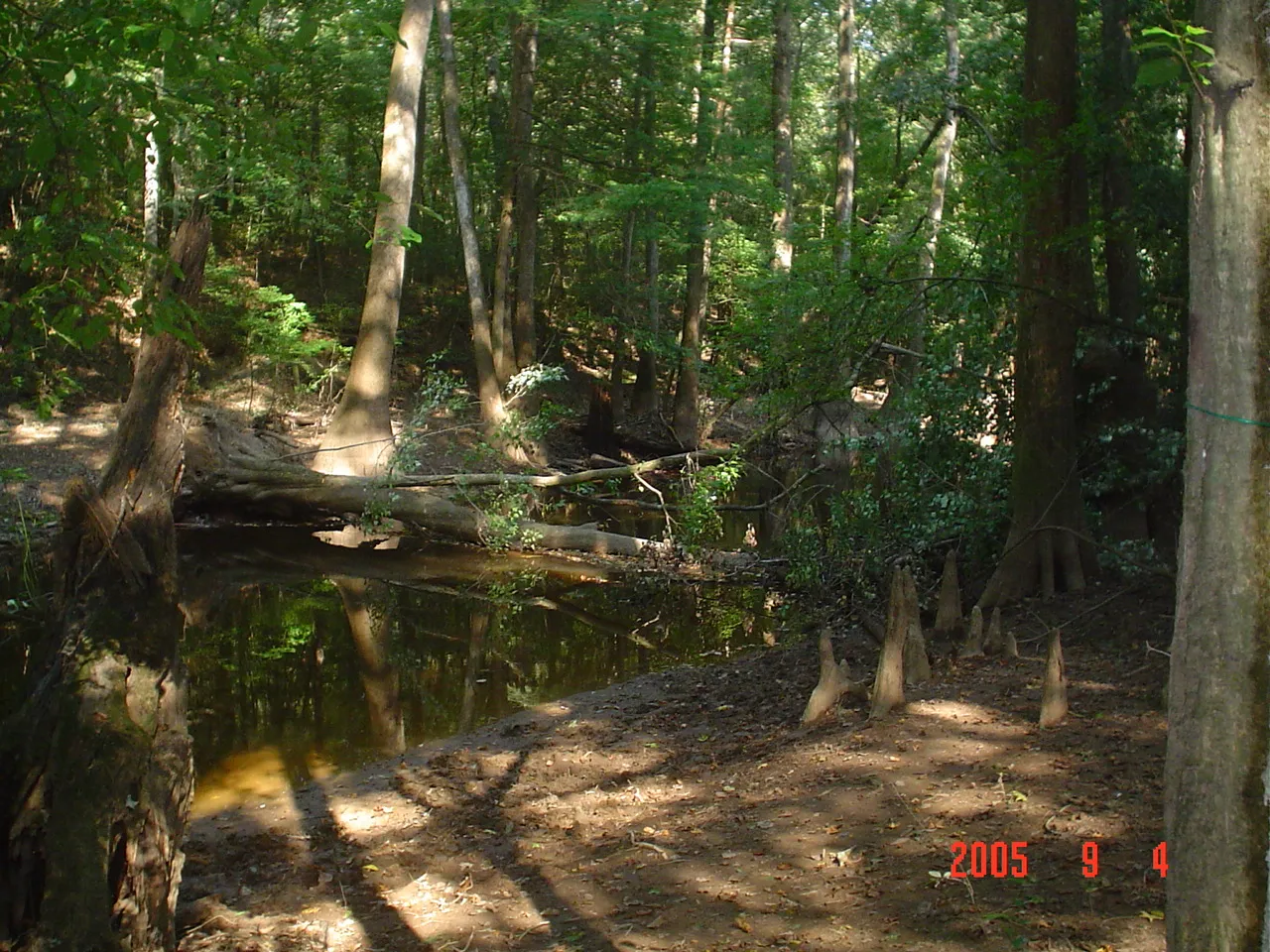
Congaree sits just 18 miles southeast of the state capital, Columbia, yet it feels like stepping into a different era entirely. The park protects the largest tract of old growth bottomland hardwood forest left in the United States, with trees in its floodplain forest that are some of the tallest in the eastern United States, forming one of the highest temperate deciduous forest canopies remaining in the world. Most visitors experience this canopy from the Boardwalk Loop, an elevated 2.4-mile walkway through the swampy environment that protects delicate fungi and plant life at ground level. Congaree is also a popular spot for watching firefly displays on summer evenings, a natural phenomenon that draws a small, devoted following each spring.
Why Congaree Stays Under the Radar
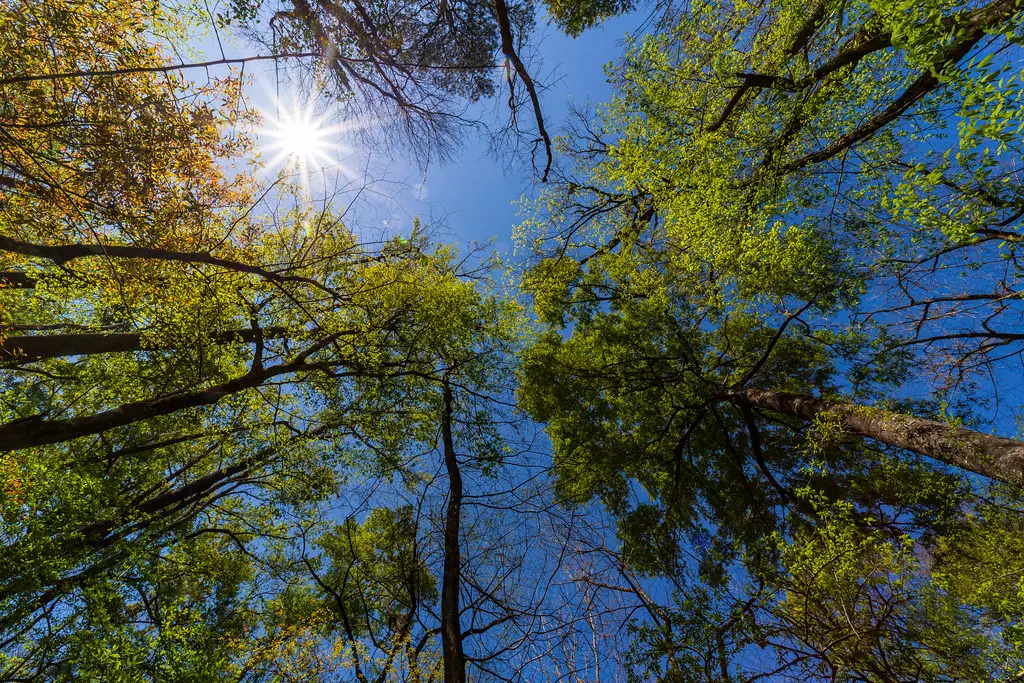
Despite that easy proximity to Columbia, Congaree remains one of the country’s quieter parks. In 2024 it ranked as the 51st-most visited among the 63 U.S. national parks, attracting 242,049 visitors, a modest figure next to the millions who flock to the Smokies or the Grand Canyon. That said, the park has been trending upward, having been one of 20 National Park Service units to break annual visitation records in 2023, welcoming 250,114 visitors. Part of the reason it flies under the radar may simply be that Congaree’s beauty is subtle rather than dramatic. Its forest represents roughly 0.5 percent that survives of the floodplain woodlands that once stretched across the Southeast, a fact that’s easy to miss until you’re standing beneath 500 year old cypress trees.
Cuyahoga Valley: Ohio’s River Valley Between Two Cities
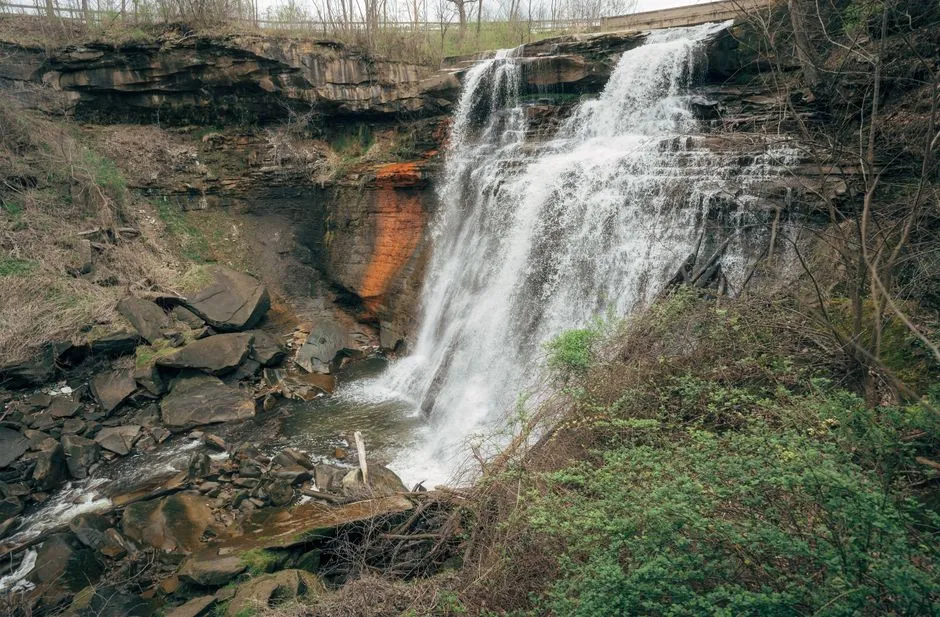
Cuyahoga Valley National Park is unusual among national parks in that its 33,000 acres sit directly along the Cuyahoga River between Cleveland and Akron, Ohio. Visitors can walk the historic Ohio and Erie Canal Towpath, climb through the sandstone formations of the Ritchie Ledges, or watch Brandywine Falls tumble sixty feet into a wooded gorge. What makes the park’s story especially compelling is its origin. This is a landscape that was reclaimed from industrial decline, most famously after sewage, factory waste and a host of other pollutants led to a series of fires on the Cuyahoga River in Cleveland, with a fire in 1969 making national headlines, a moment that helped spur the modern environmental movement.
Why Cuyahoga Valley Doesn’t Get National Park Buzz
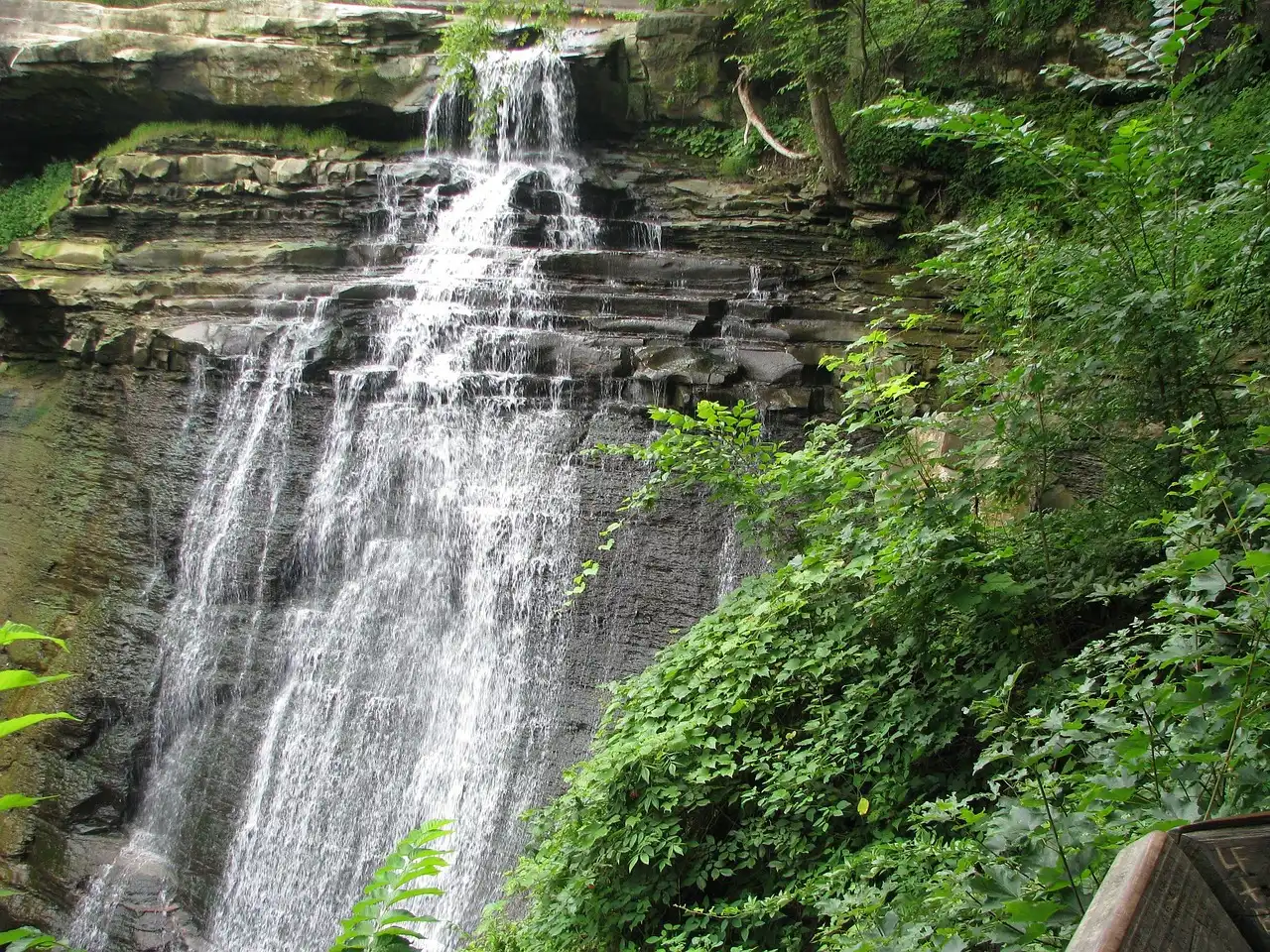
Here’s the interesting paradox: Cuyahoga Valley is not obscure by the numbers. It was the twelfth most visited park in the United States in 2023, welcoming nearly 2.9 million visitors, and had ranked even higher the year before as the ninth most visited national park in 2022 with nearly 3 million recreational visits. Yet ask someone outside Ohio to name it, and there’s a good chance they’ll draw a blank. Much of that has to do with reputation rather than reality. The park began life as a national recreation area rather than a park with dramatic peaks or canyons, and that quieter, riverine identity has kept it off the bucket lists that out of state travelers build around iconic Western landscapes, even though locals treat it as a genuine treasure.
Pinnacles National Park: Volcanic Spires South of the Bay Area
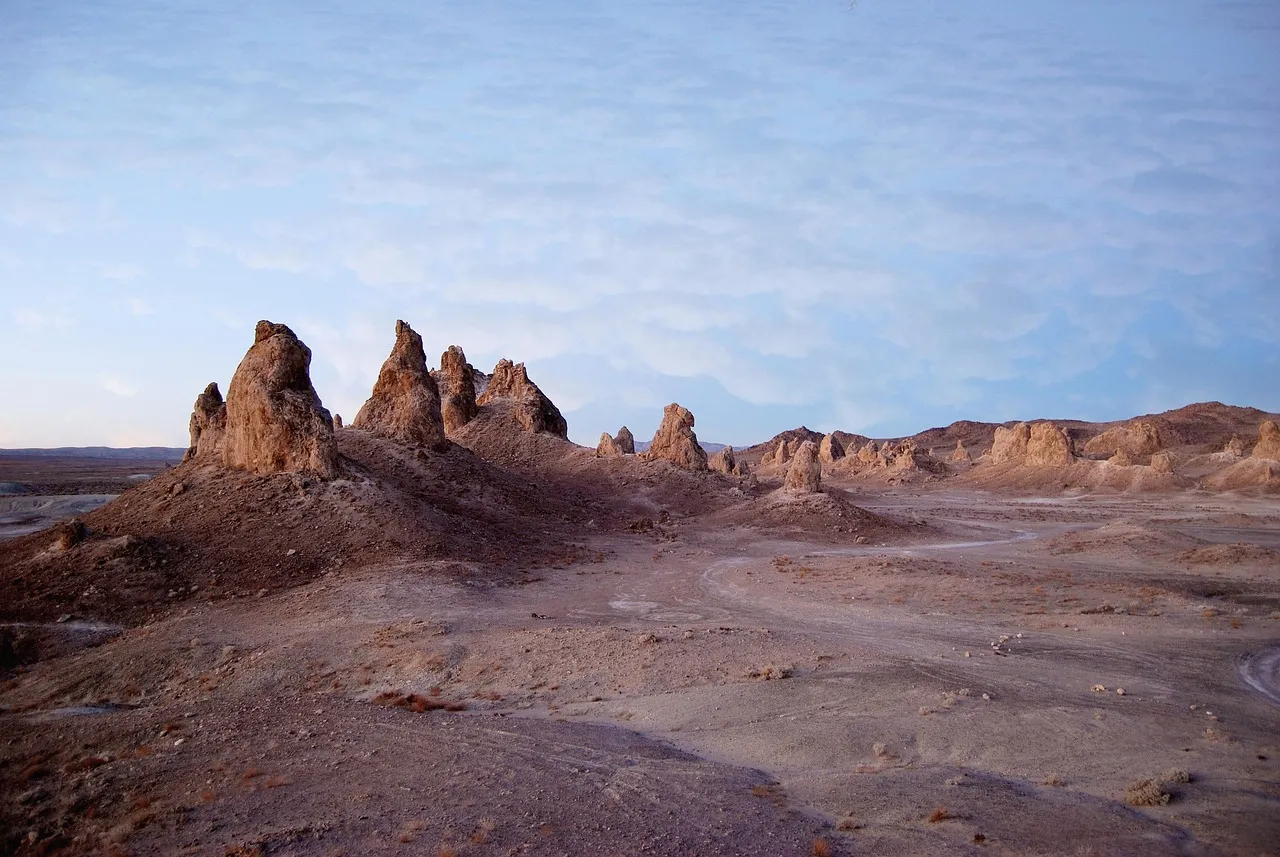
Pinnacles sits roughly 80 miles southeast of San Jose, close enough for a weekend trip from the Bay Area, yet it remains one of California’s least talked about parks. The landscape itself has a genuinely wild origin story. Its jagged rock formations are the eroded leftovers of the western half of an extinct volcano that has moved 200 miles from its original location on the San Andreas Fault. Beneath those spires, the park’s talus caves are home to at least 13 species of bats, and above them, visitors have a real chance of spotting the endangered California Condor, prairie falcons, bats, mountain lions, wild pigs, and more.
Why Pinnacles Remains One of California’s Least Explored Parks

Even conservation groups familiar with California’s parks describe Pinnacles as one of California’s least-explored national parks. Part of this comes down to timing and geography. Pinnacles only became California’s newest national park – signed and protected in 2013, a relatively recent designation that has kept it out of the conversation compared to century old names like Yosemite. The park also lacks any road connecting its east and west entrances, meaning visitors have to commit to one side or plan carefully, which naturally discourages casual day trippers. Interestingly, when people do show up, they show up in bunches. The park’s own alerts warn that Pinnacles experiences extremely high visitation on weekends, holidays, and throughout the spring, suggesting its low profile is more about awareness than lack of appeal.
Channel Islands: California’s Galápagos Just Offshore from LA
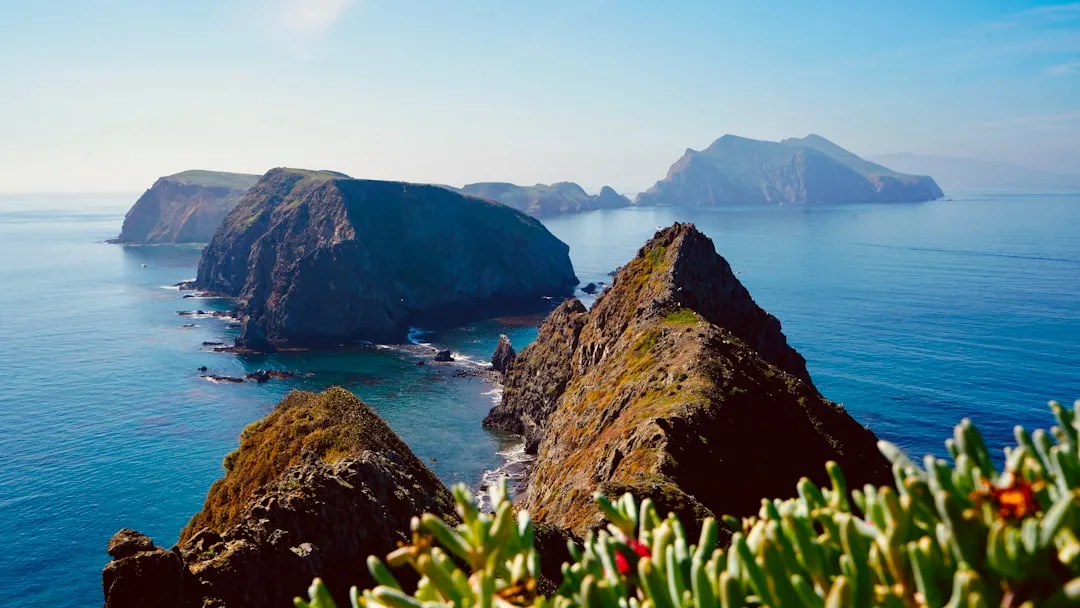
Channel Islands National Park protects five of the eight Channel Islands off the coast of California, within sight of the Los Angeles and Ventura coastline yet worlds apart in character. Millennia of separation from the mainland have given the islands a biological identity all their own, since isolation over thousands of years has created unique animals, plants, and archeological resources found nowhere else on Earth. Sea caves, kelp forests, and the island fox, found nowhere else on the planet, are just part of the draw. Reaching the islands takes some intention, since access is limited to concessionaire boats, private vessels, or small planes.
Why Channel Islands Sees a Fraction of Yosemite’s Crowds
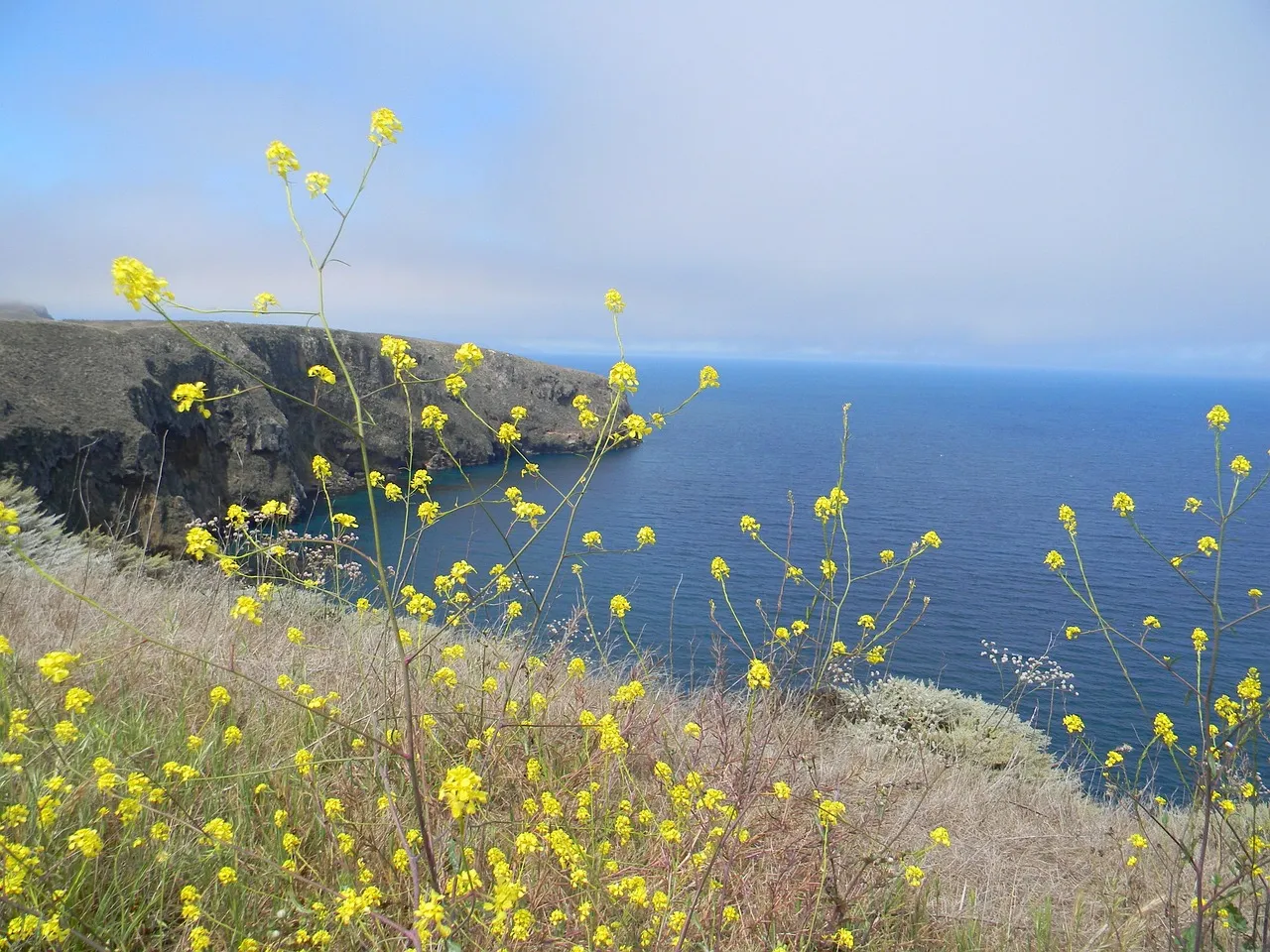
The numbers tell the story clearly. In 2024, the park recorded 263 thousand visitors to Channel Islands National Park, who spent $17.7 million in communities near the park, a fraction of what nearby Los Angeles attractions draw in a single week. What’s more telling is how many of those visitors never actually set foot on an island. Most people gaze at the exhibits at the Visitor Centers in Ventura and Santa Barbara without taking a usual boat, and occasional plane, to see the wildlife and awesome vistas, with only thirty to seventy thousand actually making the trek to sea based land or the waters around them. The logistics of getting there, combined with the cost of boat or air transport, quietly filter out casual visitors, leaving this park feeling far more remote than its actual distance from millions of Southern Californians would suggest.
Indiana Dunes: Great Lakes Wilderness at Chicago’s Doorstep
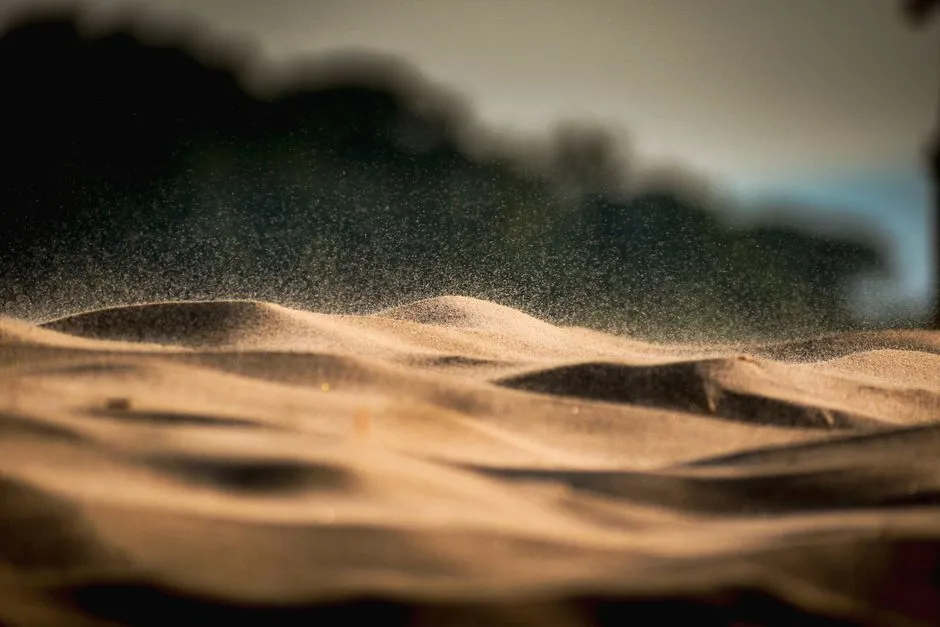
Along the southern curve of Lake Michigan, less than an hour from downtown Chicago, Indiana Dunes protects a surprisingly diverse stretch of shoreline, wooded dunes, and wetland prairie. The park earned full national park status in 2019, a relatively recent upgrade from its earlier decades as a national lakeshore, and that shift reflects a growing appreciation for what’s actually here. Botanists have long noted the unusual mix of ecosystems that converge in this small area, from beach and dune habitats to oak savanna and bog, which supports a level of biodiversity rare for a park so close to a major industrial corridor. Sunrise over Lake Michigan from the top of Mount Baldy, one of the park’s tallest dunes, is the kind of view most Chicagoans don’t even know is a short drive away.
Why Indiana Dunes Doesn’t Make Most Travelers’ Park Lists
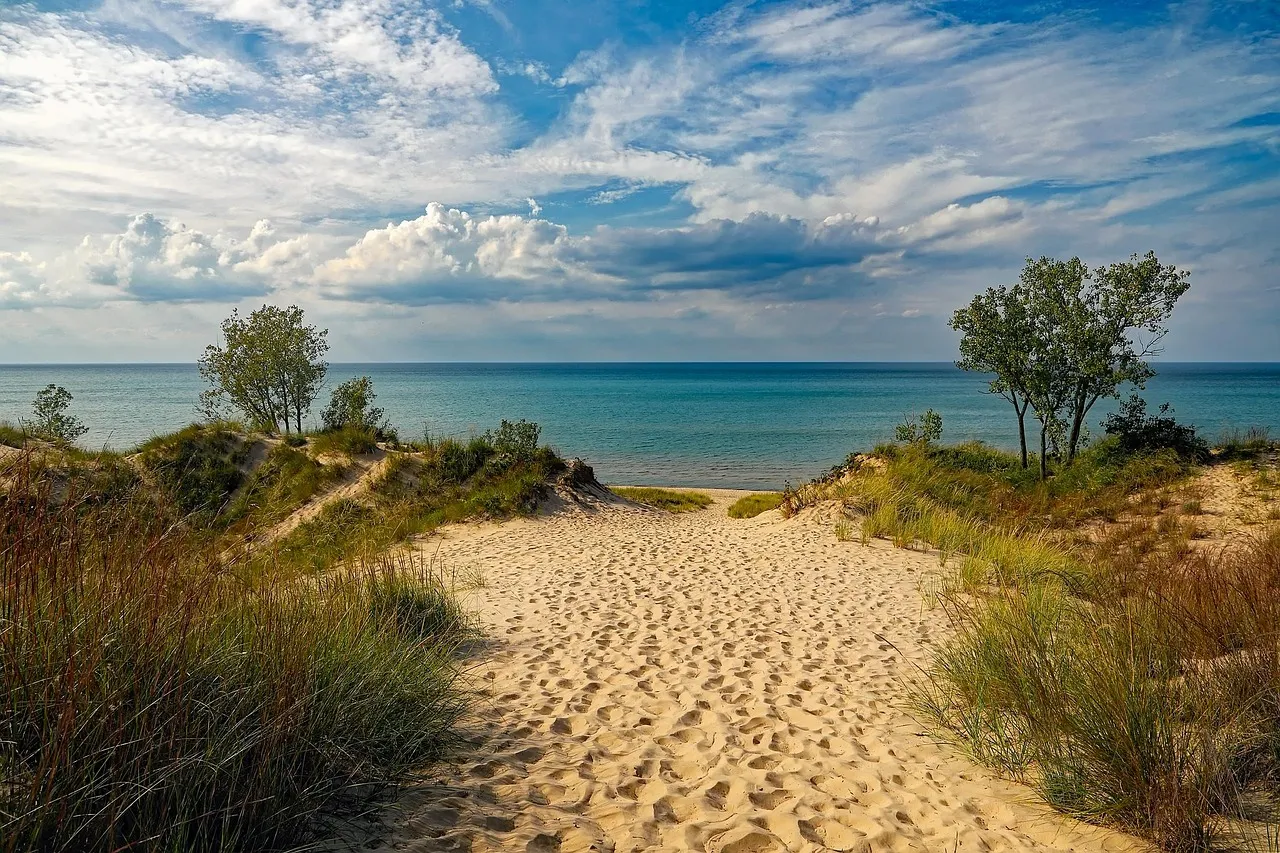
Part of the challenge for Indiana Dunes is image. The park sits within view of steel mills and power plants along the industrial shoreline of northwest Indiana, and that juxtaposition can make it hard for outsiders to picture genuine wilderness in the same frame. Locals from Chicago and the surrounding region visit often, using the park much like a favorite neighborhood escape rather than a bucket list destination. For visitors from farther away, though, it rarely comes up in conversation next to the country’s more famous dune landscapes or lakeshores, even though the scenery and birdwatching here rival many better known parks.
There’s a quiet pattern running through all five of these parks. Each sits close enough to a major city that reaching it barely requires planning, yet each has stayed just outside the national conversation about where to go. That gap between accessibility and recognition is worth noticing, not as a complaint about crowds elsewhere, but as an invitation. A morning in Congaree’s floodplain forest, an afternoon among Pinnacles’ volcanic spires, or a short boat ride out to the Channel Islands can turn an ordinary weekend into something memorable, often without the lines, the reservations, or the crowds that come with the country’s most famous parks.
AI Disclaimer: This article was created with the assistance of AI tools and reviewed by a human editor.