
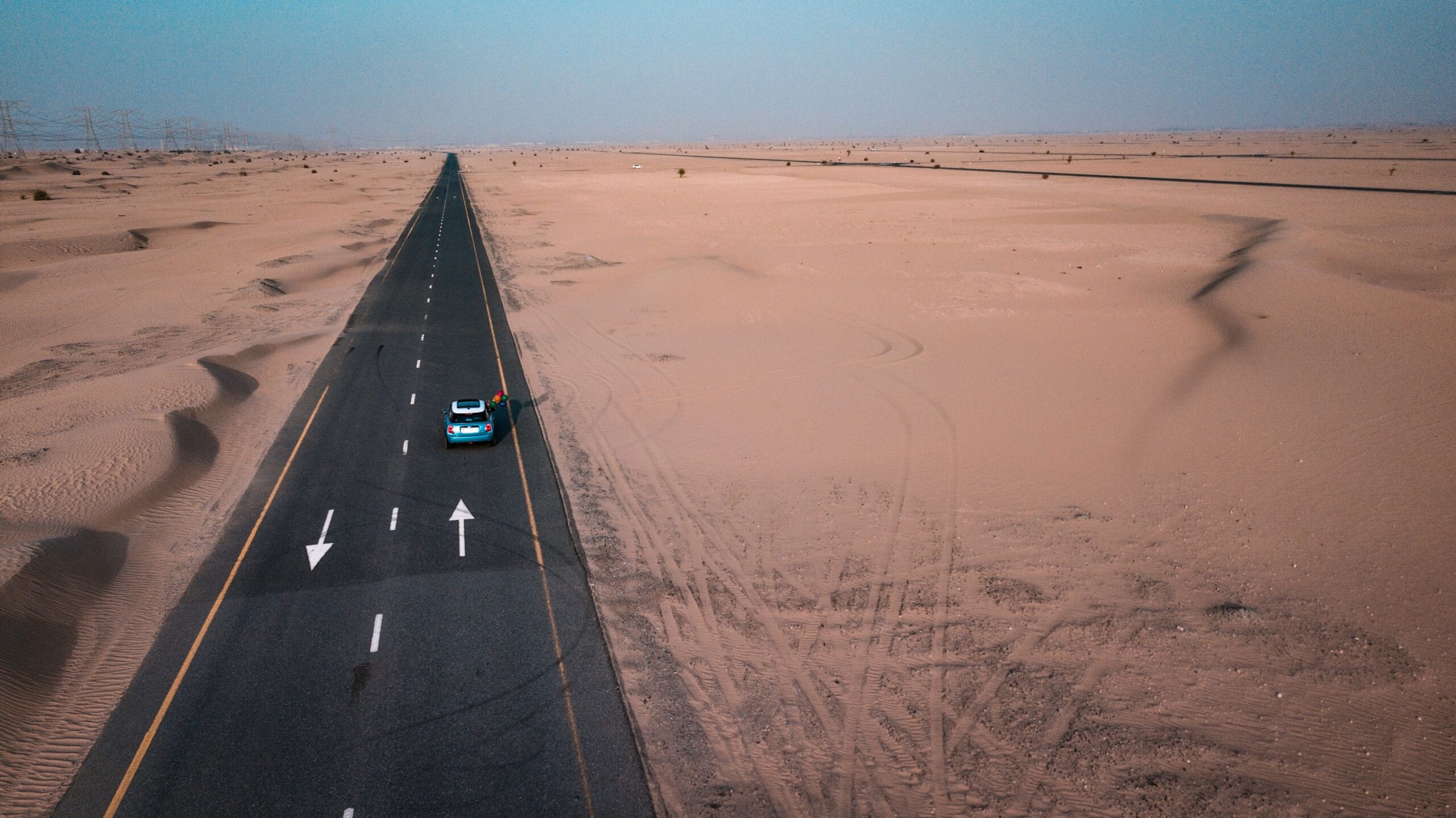

can be one of the most quietly spectacular travel experiences available to anyone with a car and a sense of curiosity. The light shifts in ways that feel almost theatrical, the silence is genuinely rare in modern life, and the sheer scale of the landscape has a way of resetting your perspective.
Still, that same environment is completely indifferent to whether you prepared well or not. Heat builds fast, cell coverage disappears, and the nearest town may be further than it looks on a map. What you pack genuinely matters here, more so than for almost any other type of road trip.
1. Water – Far More Than You Think You Need

Water is the single most important thing you will bring. Severe dehydration can incapacitate a person within hours in high heat, long before rescue is possible, which makes water not just a comfort item but a genuine safety priority.
The CDC establishes one gallon per person per day as the emergency minimum for survival, but overlanding consensus settles on two gallons per person per day as the realistic planning baseline when you account for cooking, cleaning, and basic camp hygiene. That figure surprises a lot of first-timers.
Planning for at least two gallons per person per day, plus a full day’s emergency reserve, means that two people on a three-day desert trip should carry a minimum of sixteen gallons – twelve for planned use and four for reserve. For storage, five- and seven-gallon rigid jugs provide the best balance of capacity, durability, and daily usability.
2. Sun Protection That Actually Works
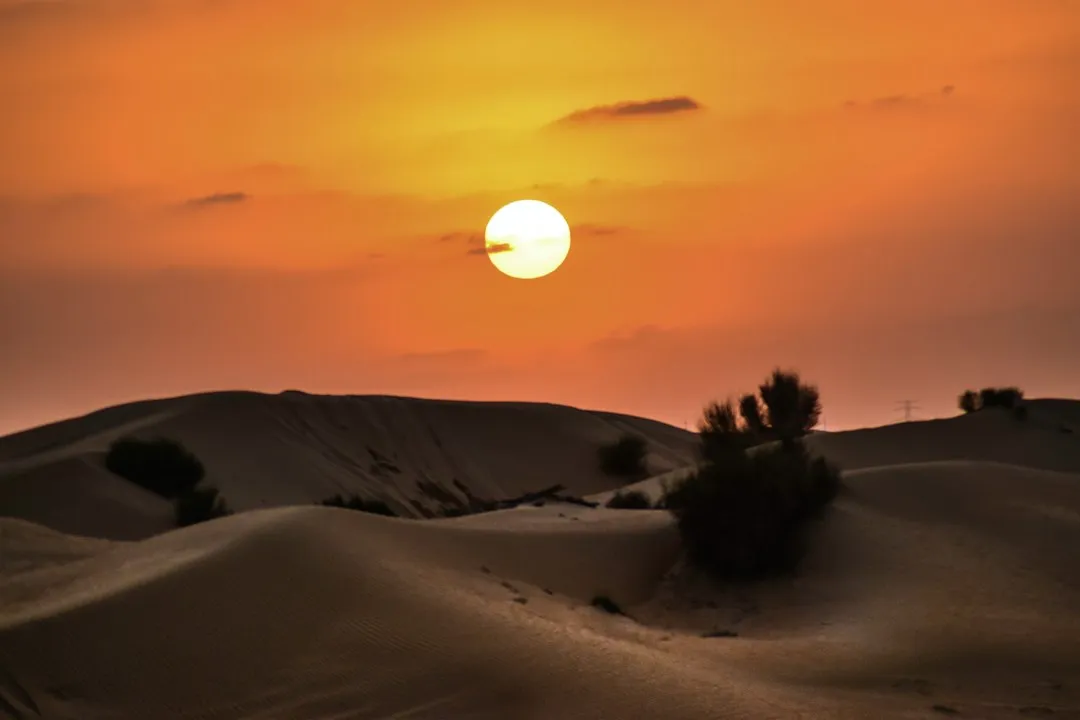
Sun protection in the desert is not the same conversation as sun protection at the beach. The combination of high elevation, intense UV radiation, and very little shade creates conditions that can cause serious sunburn in a surprisingly short time.
Use sunscreen of SPF 50 or higher, water-resistant formula, and reapply every two hours. You must protect yourself from direct sunlight and UV rays in the desert even during winter, applying sunscreen often and making sure not to miss any areas exposed to the sun, including hands and ears.
Clothing matters just as much as sunscreen. Opt for lightweight, moisture-wicking synthetic fabrics with a UPF 30 or higher rating. Light colors reflect sunlight while dark colors absorb heat. Long sleeves with a loose fit allow ventilation while still covering your skin, and a wide-brimmed hat paired with UV-blocking sunglasses rounds out the essentials.
3. Layered Clothing for Temperature Swings
One thing that catches desert newcomers off guard is how cold the nights get. Daytime temperatures can reach extreme highs, yet after sunset the desert sheds heat rapidly, and temperatures can drop sharply within a few hours.
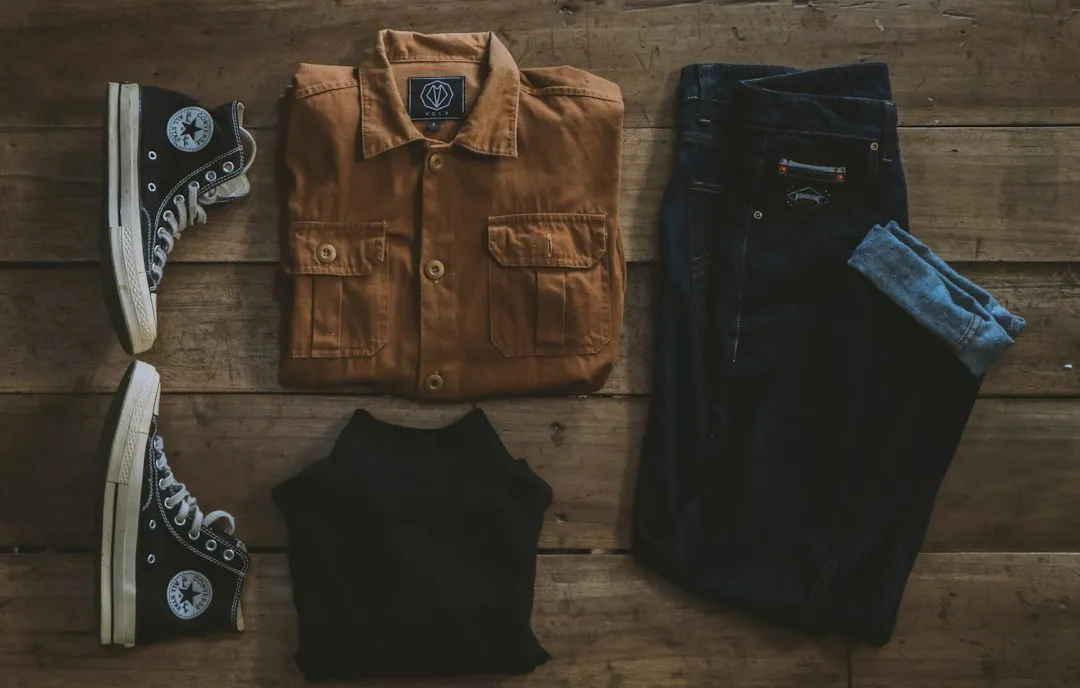
Light and loose trousers and long-sleeved shirts work well throughout the day because they protect skin from the sun while still allowing air to pass through. Natural or technical fabrics such as cotton blends or moisture-wicking materials breathe freely and dry easily when you sweat.
For cooler nights, blankets, a lightweight insulated jacket, or a fleece jacket paired with a thermal base layer are worth packing. Bringing a variety of base layers, both short- and long-sleeved shirts, shorts and long pants, a mid-layer like a fleece or synthetic jacket, and a down jacket for colder nights helps you adapt as conditions change. The desert rewards travelers who pack in genuine layers rather than just piling in extra t-shirts.
4. Navigation Tools That Don’t Depend on Cell Signal
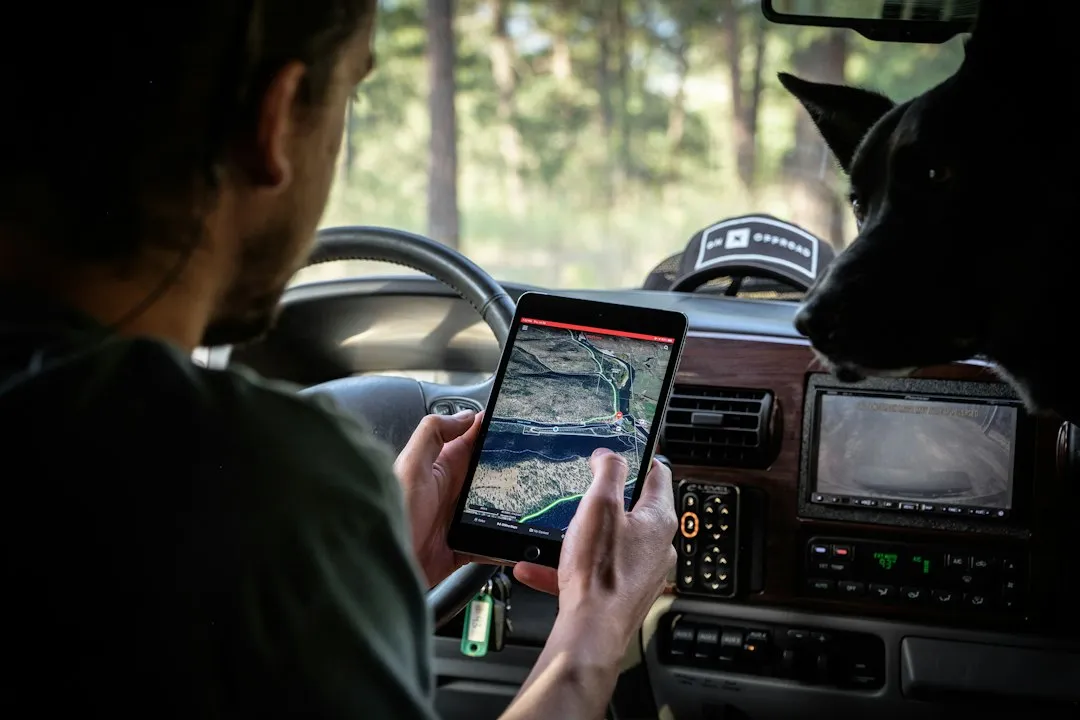
Phone signal in desert regions is genuinely unreliable. Desert navigation can fail in simple ways: a phone map works at the trailhead, then loses signal miles later. That’s not a hypothetical scenario – it’s a regular reality on many desert routes across the American Southwest and beyond.
Carrying an offline map, a paper map where available, and a compass or GPS device that does not depend solely on cell service is strongly recommended. Equally important: knowing how to use them before the trip begins.
A detailed map and compass are the baseline tools, but a GPS tracking device or a smartphone with downloaded offline maps adds accuracy. Pack additional batteries or a solar charger to keep devices powered in the field. A personal locator beacon or satellite phone can be a genuine lifesaver in remote areas with no cell service. These devices are increasingly compact, and for anyone venturing far off the main road, they’re worth serious consideration.
5. A Vehicle Emergency Kit Built for Desert Conditions
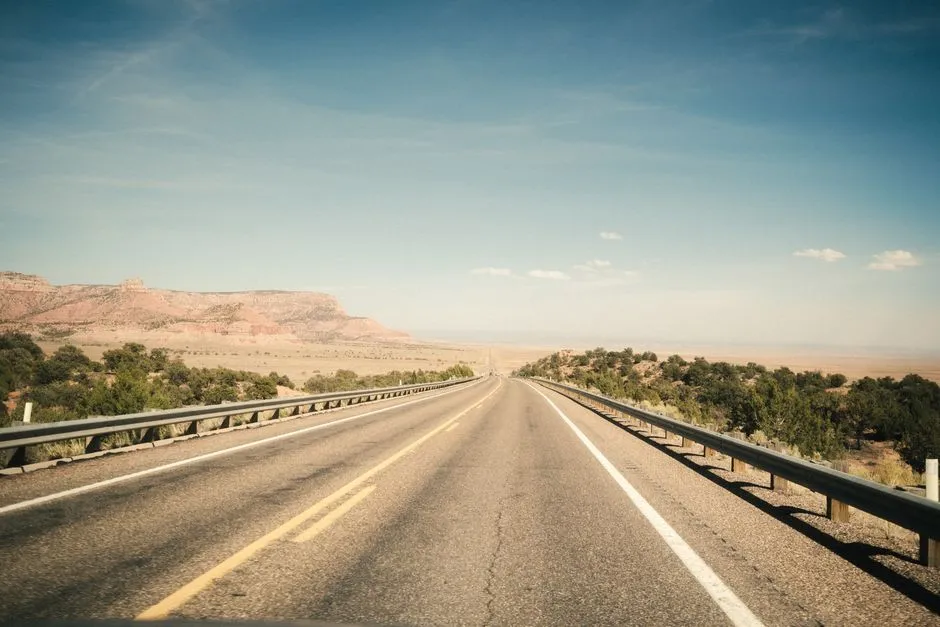
A standard roadside kit covers the basics, but a desert-specific setup goes further. A portable tire inflator and tire sealant are non-negotiable on desert routes like Route 66 and Death Valley. Heat accelerates wear on tires, and soft sand or rough terrain can cause flats in places where help is not close.
At a minimum, your kit should include jumper cables or a portable jump starter, a spare tire and the tools to change it, a first aid kit, a flashlight, and roadside safety gear such as flares or reflective triangles. In remote western states, extra water and a basic tool kit are essential additions.
Let someone know your camping location and expected return date before you leave. Bring a basic survival kit including a whistle, a signaling mirror, a fire starter, and an emergency blanket. If your vehicle breaks down, stay with it rather than wandering, since vehicles are considerably easier to spot than people. That last point is one of the most consistently cited pieces of advice from desert safety experts, and it’s worth taking seriously.
The Takeaway
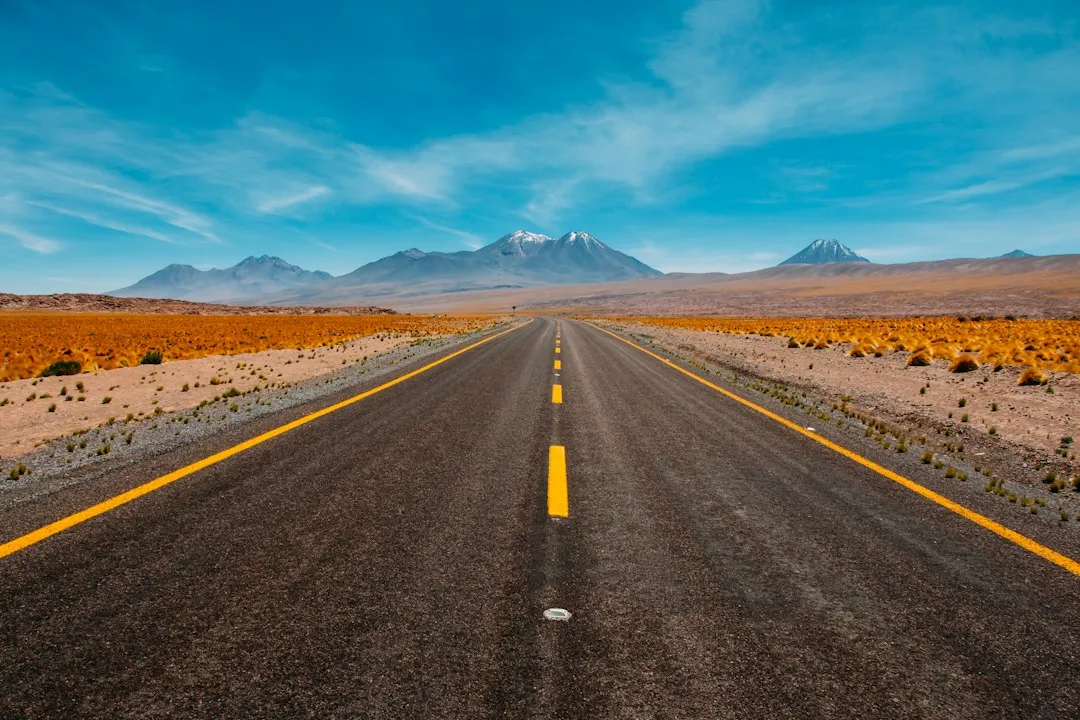
A desert road trip rewards preparation in a very direct, immediate way. The five categories above – water, sun protection, layered clothing, reliable navigation, and a proper emergency kit – cover the core risks that turn manageable situations into serious ones.
None of this gear is exotic or expensive, and assembling it before you leave takes far less effort than dealing with the consequences of going without. The desert will offer stunning scenery, memorable silence, and skies you won’t easily forget. All it asks in return is that you show up ready.
AI Disclaimer: This article was created with the assistance of AI tools and reviewed by a human editor.