
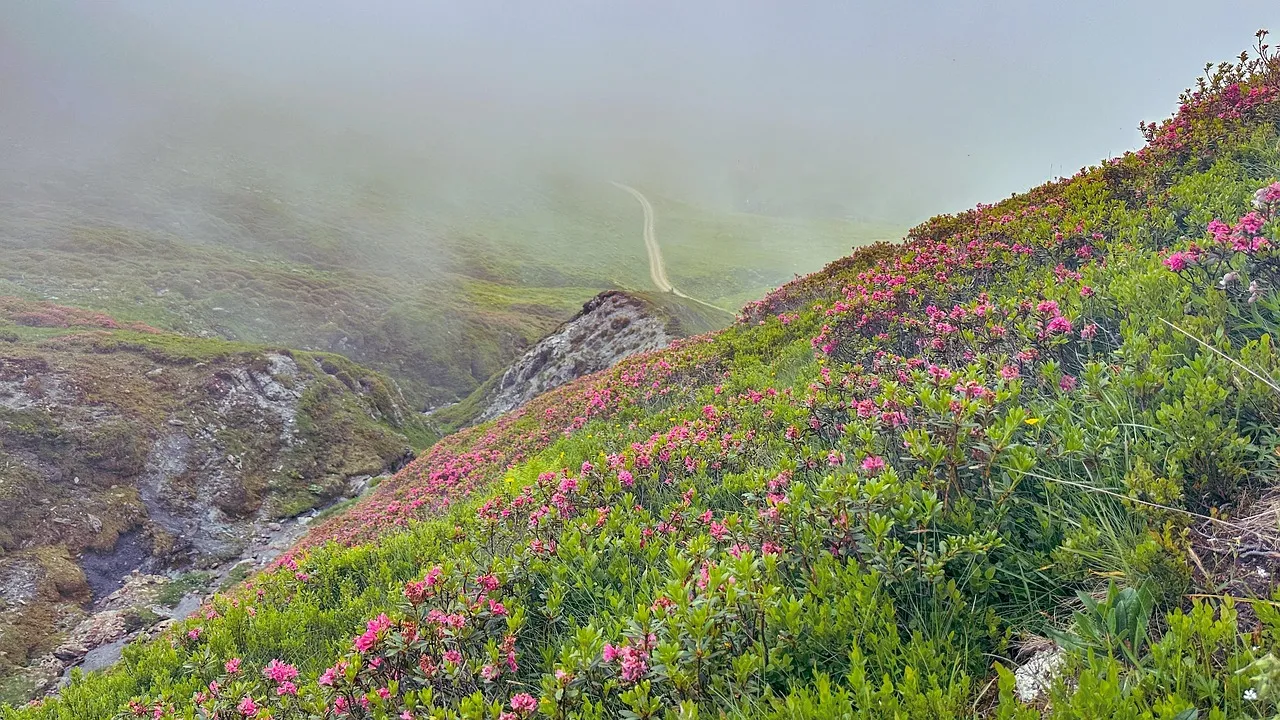

There’s a particular kind of knowledge you only gain by walking somewhere. Not the kind you get from a guidebook or a viewing platform, but the texture of a place: the smell of a morning market, the way a village square empties after noon, the exact spot where a river bends and you catch your breath without meaning to.
Hiking is making a strong comeback in travel, with roughly one in four tourists including it on their travel lists in recent years. AllTrails, the world’s largest trail database with more than 80 million users, has been tracking how walking behavior is shifting globally, with data pointing toward a handful of destinations that are quietly becoming the next great places to discover on foot. These five trails are among the most meaningful ways to truly understand a destination, not just pass through it.
1. The Camino de Santiago, Spain and Portugal: Walking as a Way of Seeing
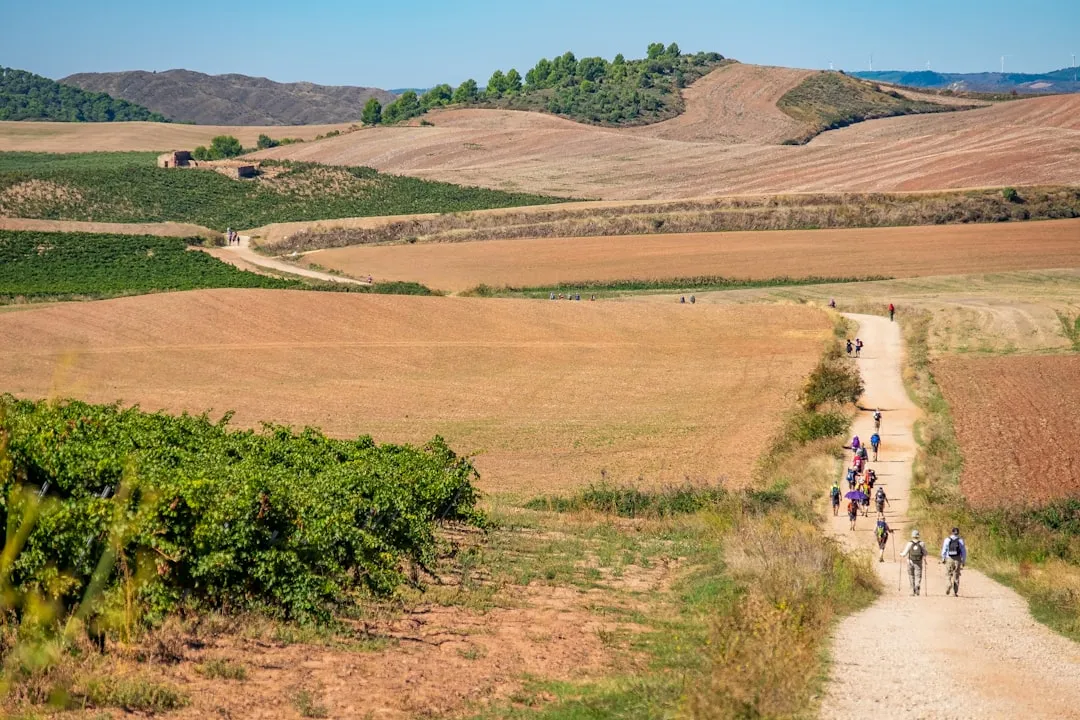
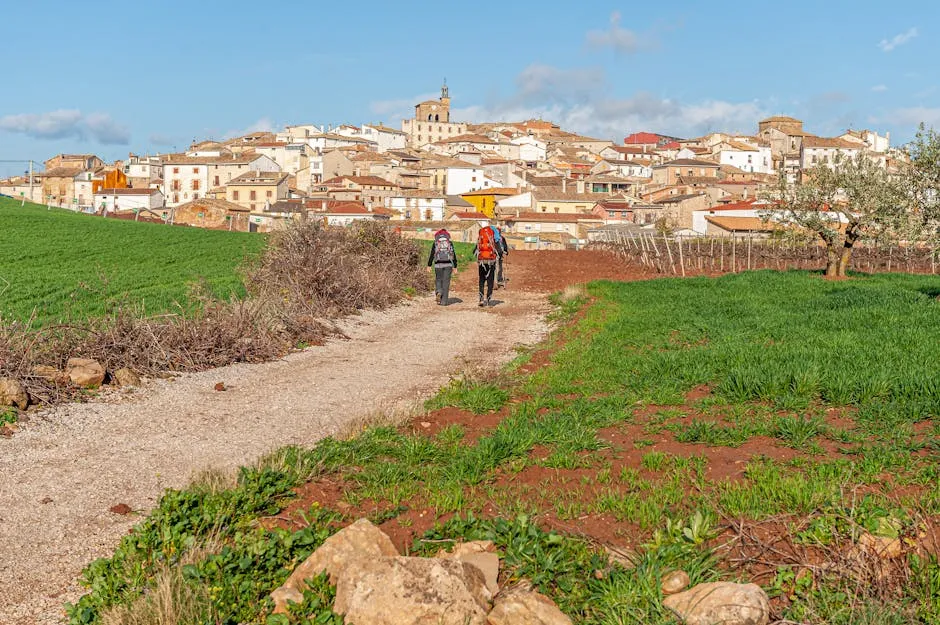
Few trails in the world carry this kind of cultural weight. The history of the Camino de Santiago dates back to the 9th century, when the path across northern Spain to Santiago de Compostela became one of the three major Christian pilgrimage routes of the Middle Ages, leading pilgrims to the resting place of the Apostle St. James. Listed as a World Heritage site, this ancient trail is a treasure trove of historical sites, religious art, monuments, churches, cathedrals, and fascinating festivals and traditions.
In 2024, a record 499,239 pilgrims received their completion certificates from the Pilgrim’s Office in Santiago de Compostela, a significant jump from the 446,082 issued in 2023. The Pilgrim’s Reception Office then reported 530,919 pilgrims receiving a Compostela in 2025, a six percent increase over 2024 and ninety percent more than ten years ago.
The Camino Francés, which stretches across northern Spain from Saint-Jean-Pied-de-Port to Santiago de Compostela, remains the most popular route, comprising nearly half of all journeys. The Coastal Portuguese Way, a 174-mile route hugging the Atlantic coast from Porto to Santiago, offers walkers sandy beaches, rugged cliffs, and charming seaside towns, and is less crowded than the inland Camino, with fresh seafood and local hospitality along the way.
According to long-term analysis, about a third of pilgrims walk for religious reasons, another third for spiritual reflection, and the rest for cultural or personal motivations. The trail does something specific: it forces slowness, and slowness opens up a place in a way that speed never can.
2. The Juliana Trail, Slovenia: Where Alpine Scenery Meets Cultural Discovery
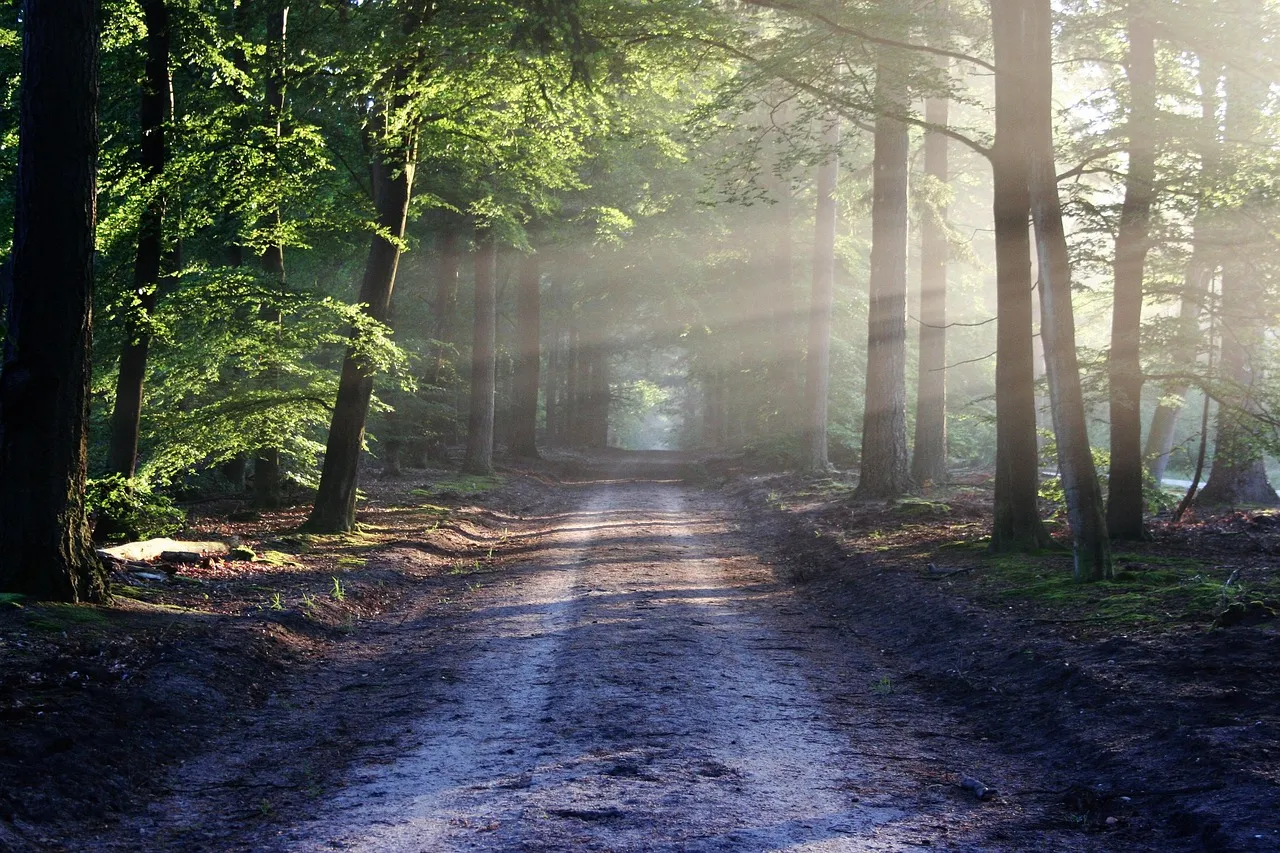
The Juliana Trail is a 270-kilometer circular long-distance hiking trail that takes you around the Julian Alps, running through valleys, over mountain passes, through forests, bigger towns and picturesque villages, secluded plains, and along the Sava and Soča rivers. The trail, which opened in 2019, aims to spread out travelers, boost remote economies, and better preserve natural wonders, with hikers on its 16 stages encountering literary landmarks, traditional cuisine, folk music, and relics of World War I battles.
Slovenia’s international share of hiking interest has been a standout figure in recent trail data, not surprising, as the country has been actively investing in trails and promoting itself as a hiking destination, with new upgrades in the Julian Alps including the unveiling of additional stages of the Juliana Trail in 2024.
Over 60 percent of Slovenia’s overnight tourists typically come during just a few summer weeks and visit only a couple of spots like Bled and Bohinj. The Juliana Trail was designed to give conscientious hikers an avenue into remote valleys and villages untouched by tourism, which also helps boost local economies. The trail won the BGTW International Tourism Award for 2020 Best Europe Tourism Project.
3. The Kumano Kodo, Japan: Sacred Forests and Ancient Paths
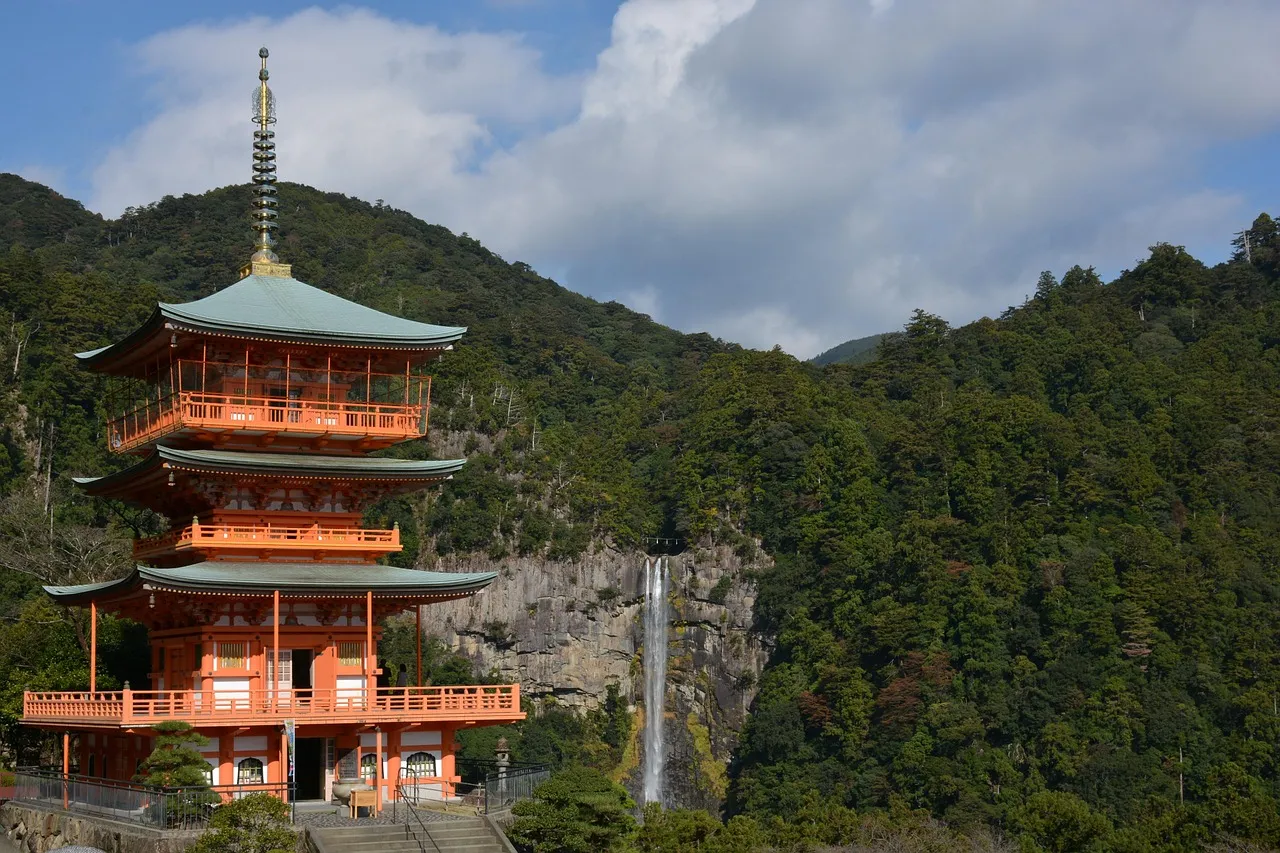
Walking the World Heritage Kumano Kodo trail feels like stepping into an enchanted kingdom. It’s mystical, remote, and serene, with rugged, forested mountains, tranquil valleys, and magnificent waterfalls providing an awe-inspiring nature experience for hikers. As you journey along the ancient cobbled paths and staircases, you pass intricate moss-covered stone statues, 800-year-old cedar trees, and mountain-top villages, with seasonal contrasts of cherry blossom in spring and rich autumn foliage injecting wonderful colour along the route.
Honshu is famous for the Kumano Kodo Trail, a UNESCO World Heritage site, alongside the Nakasendo Trail, which follows the path of Samurai through historic post towns. The Kumano Kodo is one of only two pilgrimage routes in the world to share UNESCO dual designation with another trail, the Camino de Santiago.
The trail rewards patience. You cannot rush it. Small guesthouses called “minshuku” break up the journey, and each one offers a direct conversation with the landscape that no hotel lobby could replicate. It’s the kind of walking that reminds you that exploring a destination on foot isn’t a compromise. It’s the point.
4. The Cinque Terre Trail, Italy: Five Villages, One Unforgettable Walk
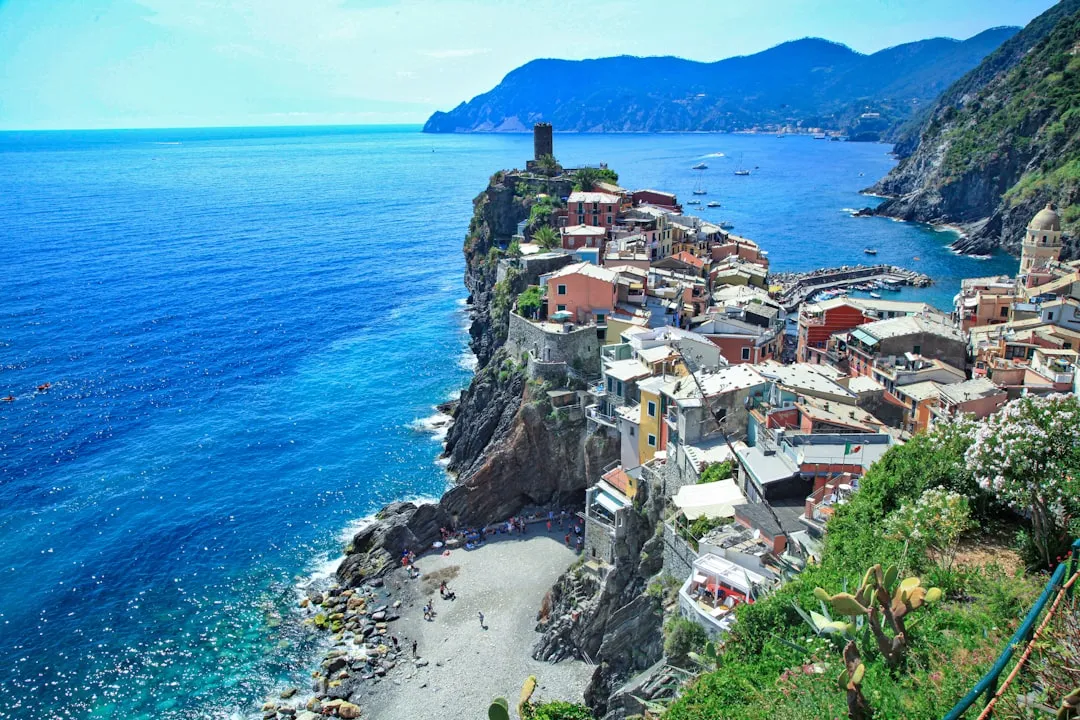
The seaside villages that make up Liguria’s Cinque Terre are renowned for their beauty, and access by car is limited, making the walking trail that connects all five villages a fantastic way to explore the area’s beauty. If hiking independently, it’s worth checking the latest trail conditions for updates on closures, and picking up a Cinque Terre Trekking Card for access to the paid hiking trails and bus lines within Cinque Terre National Park.
History buffs should take note to climb the stairs to Doria Castle, a medieval fortress near the village of Vernazza, to see the remains of one of the oldest surviving towers on the Liguria coast. The trail between villages varies in difficulty, with some sections gentle enough for casual walkers and others that climb steeply through vineyards and olive groves with views that stop you mid-stride.
What makes this trail so effective as a discovery tool is the forced intimacy of village life. Florence, the cradle of the Renaissance, is best enjoyed on foot, and this same logic applies on the Cinque Terre coast, where wandering slowly among the closely packed pastel buildings reveals details a bus window would never show. Each of the five villages has its own personality and pace, and walking between them connects that difference in a way no map can.
5. The Hadrian’s Wall Path, England: Two Thousand Years Under Your Feet
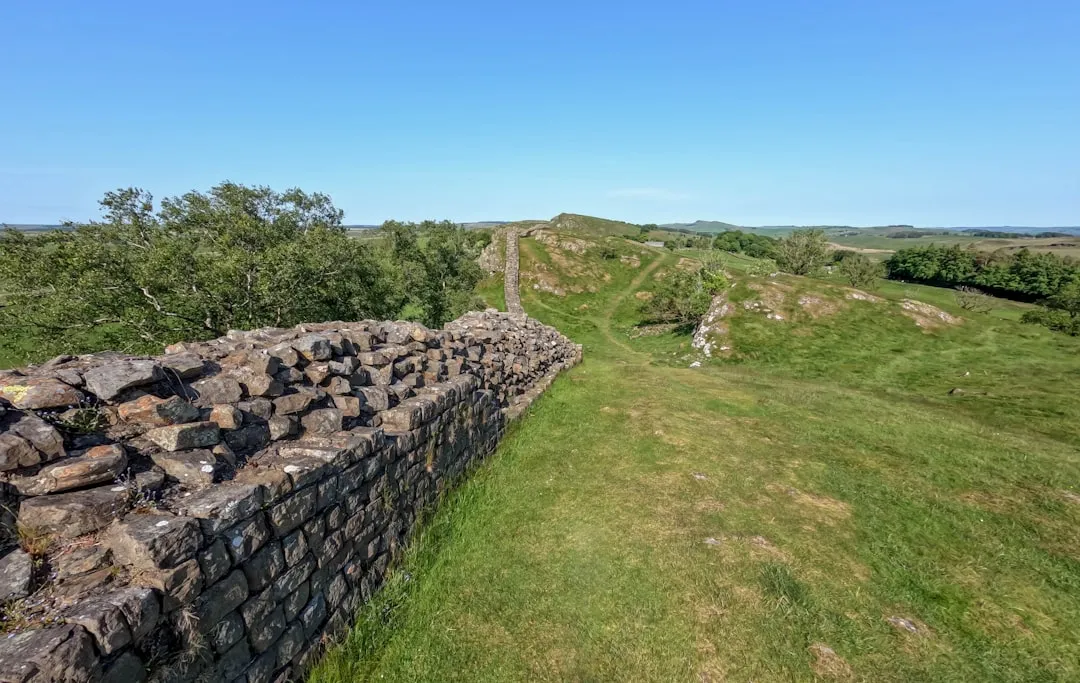
This historic trail spans 84 miles across Northern England, tracing the route of the Roman fortification built nearly 2,000 years ago. Walkers explore rolling countryside, crumbling ruins, and atmospheric stone forts, with highlights including Housesteads Roman Fort, Vindolanda, and the Tyne Valley. With moderate terrain and a mix of cultural and natural attractions, Hadrian’s Wall offers a unique combination of history, scenic walking, and gentle physical challenge.
Following the wall named for Roman Emperor Hadrian across England, walkers can imagine what 2nd-century Roman Britain was like. The 135-kilometre wall was once up to four-and-a-half metres tall and three metres deep with turrets, and was effectively the Roman Empire’s frontier.
Unexpected destinations like England are on the rise among international hikers, with data from AllTrails showing growing interest from travelers outside the country. Search trends over the past year reveal unprecedented interest in some of the world’s most awe-inspiring trails. Hadrian’s Wall is a strong example of a trail that does double duty: it’s a physical challenge and a lesson in history, and neither element overwhelms the other.
Why Walking Changes What You Know About a Place
Anyone who hikes, treks, or spends even a few hours walking claims a favorite trail, a path that may lead past waterfalls, reveal rare orchids, or provide breathtaking vistas of meadows and oceans. Outdoor enthusiasts are fortunate to find trails across the globe, whether they choose a primitive backpacking course in Patagonia, hut-to-hut trekking in the Alps, or a guided day tour along Japan’s coast.
The Camino de Santiago in 2025 stands as a consolidated global journey, chosen deliberately by people from diverse backgrounds seeking time, effort, and meaning in a structured yet open-ended experience. Its continued growth reflects not only effective infrastructure or visibility, but a deeper resonance with contemporary desires for slowness, challenge, and connection. That resonance applies to every trail on this list.
You can immerse yourself in nature, take on a physical challenge, or recharge on a wellness journey. Walking trails also cater to history lovers, to foodies, and to those seeking charming villages to explore. That range is part of the appeal. Whether you have a week or a month, whether you prefer coastal headlands or Alpine passes, a well-chosen trail delivers a depth of experience that no other form of travel quite matches.
Practical Considerations Before You Lace Up
Platforms like AllTrails have made it significantly easier to explore the outdoors, offering curated guides, trail maps, photos, and reviews for over 500,000 trails worldwide. Conditions change seasonally, and most dedicated long-distance trails have official websites or national park bodies that publish up-to-date closures and permit requirements.
For the Juliana Trail, May to June and September to October are ideal times to visit Slovenia, and the full circuit takes roughly 102 hours to complete. For the Camino, walkers are encouraged to consider off-peak seasons, such as spring or late autumn, to ease overcrowding and enjoy a more peaceful experience.
Pacing matters more than distance. Each of these trails rewards the walker who slows down, notices the details, and resists the urge to treat it like a checklist. The goal isn’t completion. It’s comprehension. And that only happens at walking speed.
The Connection Between Walking and Truly Knowing a Place

There’s a reason these trails keep attracting more walkers year after year. Search trends reveal unprecedented interest in some of the world’s most awe-inspiring routes, and that interest keeps growing. It isn’t just fitness culture or social media. Something older is at work, a quiet hunger for contact with place rather than consumption of it.
Historic cities like Rome remain key destinations for travellers fascinated by ancient history, where the Colosseum, the Pantheon, and Baroque squares make it an open-air museum deserving to be explored step by step. The same principle applies to every trail listed here. Walking strips away the mediated version of a place and offers something more direct.
The trails above all share a single quality worth noting: they are routes through living places, not just landscapes. They pass through working villages, past vineyards and fish markets, along rivers where people still swim in summer. That aliveness is what you carry home. Not a photograph, but a sense of how a place actually works.
A Final Word on Choosing Your Trail
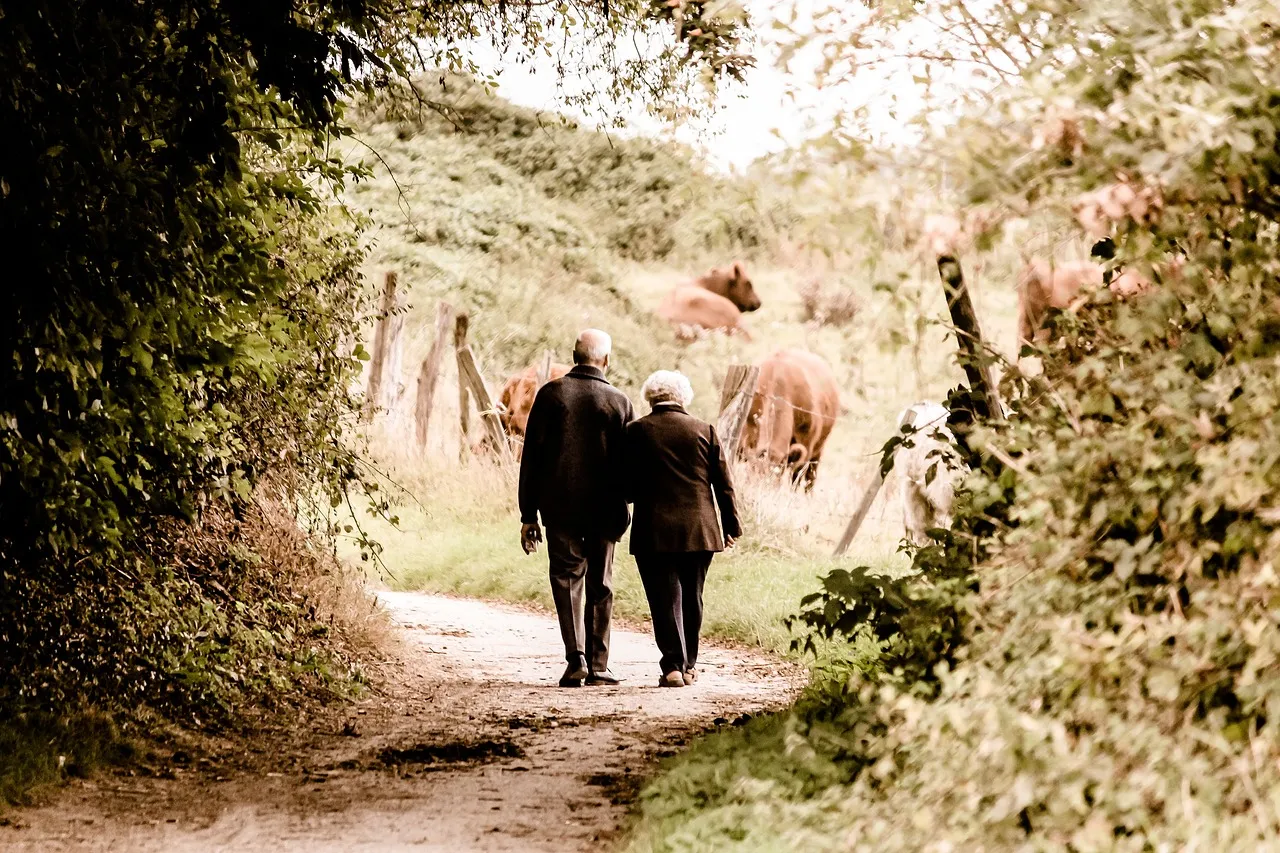
None of these trails require elite fitness or expensive gear. Not every adventure has to be a grueling trek. Some travelers prefer to soak in the beauty of the world at a more relaxed pace, pairing breathtaking destinations with just the right balance of activity, culture, and relaxation.
The Camino suits those who want companionship and cultural depth over weeks. The Juliana is ideal for someone who prefers Alpine scenery without the crowds. The Kumano Kodo offers spiritual gravity and ancient forest. Cinque Terre rewards the traveler who wants beauty and good food in equal measure. Hadrian’s Wall gives history a physical form you can walk along and touch.
What they all share is the thing walking does better than any vehicle: it matches your pace to the pace of a place, and suddenly, a destination stops being a backdrop and starts being somewhere you actually understand. That shift is quiet, gradual, and worth every step.
AI Disclaimer: This article was created with the assistance of AI tools and reviewed by a human editor.