

Most of us have returned from a vacation more tired than when we left. Packed itineraries, new time zones, late dinners, and unfamiliar beds have a way of compounding exhaustion rather than relieving it. A quiet but significant shift is underway in how people think about travel, and it starts with a deceptively simple question: what if rest was the whole point?
Sleep tourism is a travel trend where the primary goal is restorative sleep, with travelers visiting resorts, wellness retreats, and hotels that offer sleep-focused programs including meditation, circadian-aligned routines, sleep therapy, and high-quality bedding. The numbers behind this movement are hard to ignore. The National Sleep Foundation’s 2025 Sleep in America Poll found that six in ten adults do not get the recommended seven to nine hours of quality sleep each night, and nearly four in ten struggle to fall asleep at least three nights a week. The five retreats below have each built their entire identity around fixing that.
Why Sleep Tourism Is Booming Right Now

Dubbed “The Great Recharge” by Hilton, sleep tourism has become one of the biggest travel trends of recent years. The Hilton Trend Report, a survey of over 10,000 travelers from nine countries, found that the top reason people want to travel is to “rest and recharge.”
The global sleep tourism market is projected to grow from USD 72.6 billion in 2024 to USD 237.9 billion by 2034. Separately, Mintel’s findings, as reported by Skyscanner, reveal that nearly half of wellness travelers are keen on improving their sleep quality during their vacations.
Unlike traditional wellness retreats that include sleep as one component, sleep tourism centers entire experiences around optimizing sleep quality through cutting-edge technology, medical-grade treatments, and scientifically designed environments. The movement emerged, in part, from a global sleep crisis, with the average person sleeping roughly one and a half hours less per night than fifty years ago.
Six Senses Sleep Programme: Across 20 Resorts Worldwide
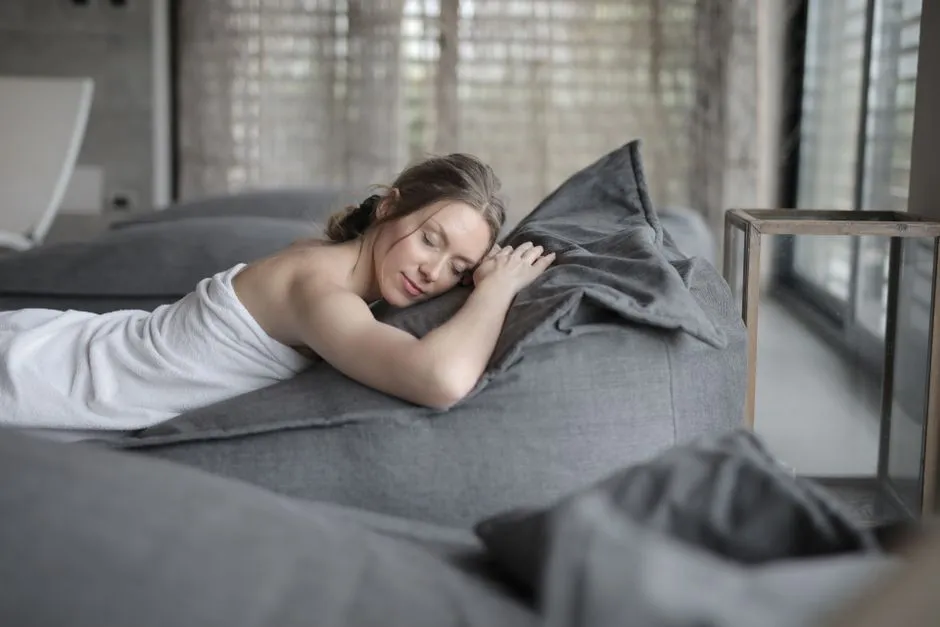
For the ultimate in restorative sleep retreats, Six Senses takes sleep very seriously, offering its popular Sleep Programme devised in collaboration with sleep doctor Michael J. Breus, Ph.D., across 20 resorts. Each programme varies in length, with options between three, five, or seven nights, and in content, depending on local experts and inspiration.
The premise remains consistent: to implement sustainable sleep routines and improve sleep patterns, restoring energy and reducing stress. One of the latest properties to adopt the programme is Six Senses Residences Courchevel, which offers scientific methodology against the backdrop of the Alps.
After a personal wellness screening, a tracker is used to identify sleep patterns, the results of which are reviewed and analyzed each day. At Six Senses Vana, nestled in the Himalayan forests of India, the Better Sleep Programme runs five nights, incorporating sleep pattern tracking, Yoga Nidra, massages, and Tibetan herbal rituals, with yoga and meditation emphasizing mind-body synchronization throughout.
Kamalaya Koh Samui, Thailand: Where Healing Starts in a Monk’s Cave
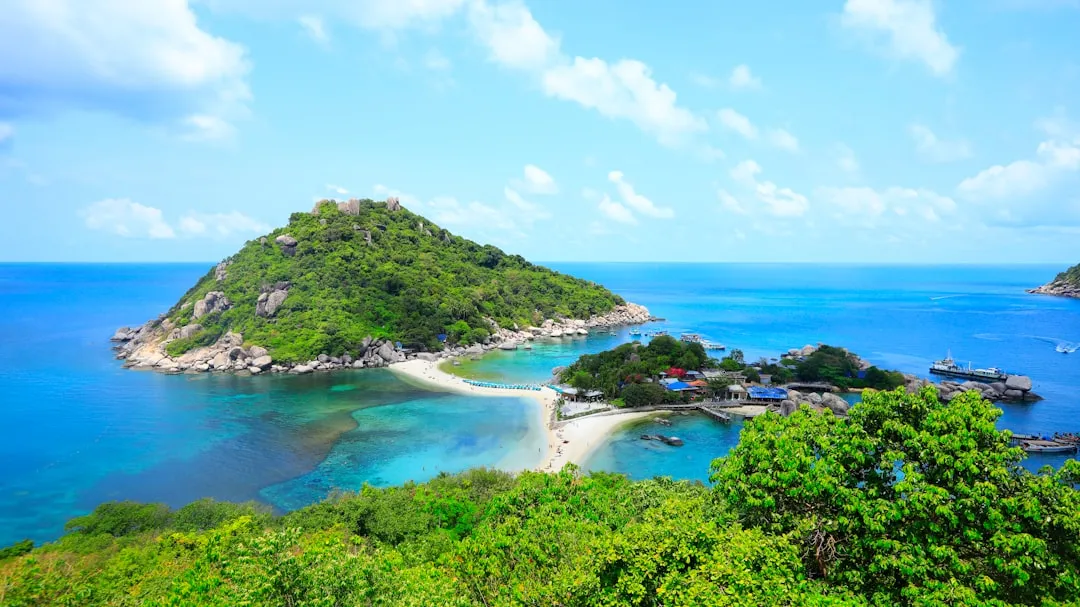
Built around an ancient meditation cave once used by Buddhist monks, Kamalaya has earned a devoted following for helping people recover from burnout, emotional exhaustion, and chronic stress. The programs blend Eastern healing philosophies with Western medicine through counseling, breathwork, meditation, holistic therapies, and personalized nutrition.
Kamalaya’s Sleep Enhancement Programme runs between five and fourteen nights, blending Ayurveda, Traditional Chinese Medicine, and Thai therapies with Yoga Nidra, soporific herbal drinks, and blackout sleep pods. The retreat also combines its spiritual foundation with biohacking technology such as neuro-acoustic sleep therapy, biofeedback stress testing, infrared saunas, and metabolic labs.
There’s an unmistakable calm that settles over the property from the moment you arrive, making it the kind of place where people often come intending to fix their sleep and leave having changed far more than that. Few retreats carry Kamalaya’s reputation for genuine emotional restoration.
Sensei Lanai, A Four Seasons Resort, Hawaii: Data-Driven Rest in the Pacific

On the private island of Lanai, Sensei is perhaps the most data-driven wellness retreat in the world. Guests undergo thermal body mapping, genetic insights, posture diagnostics, and AI-led sleep tracking, alongside spa therapies and outdoor activities.
Structured one-on-one sleep sessions help guests uncover what is impacting their sleep and teach data-informed techniques to reclaim peaceful rest. The retreat is designed for those feeling overwhelmed by personal responsibilities or struggling with stress, and guests work alongside an expert team to explore restorative practices.
With expert support from Sensei Guides and Wellness Practitioners, guests learn to manage daily stressors and implement evidence-based strategies to improve sleep quality, departing with renewed energy and a practical framework for releasing stress through intentional movement, mindful eating, and rejuvenating rest. Every stay begins with a complimentary semi-private flight from Honolulu and includes luxurious accommodations alongside a rotating collection of daily activities such as yoga, meditation, fitness classes, and lectures.
SHA Wellness Clinic, Spain: Mediterranean Neuroscience Meets Deep Rest

SHA Wellness Clinic in Spain is widely considered one of the best luxury wellness retreats in the world and a global pioneer in longevity, combining extensive medical testing with personalized functional medicine programs. The clinic sits on the Mediterranean coastline near Alicante, and the physical setting is very much part of the prescription.
SHA’s Brain Recovery Program runs five to seven nights, targeting sleep and cognition with detox protocols, neurotechnology, and yoga. Mediterranean views and plant-based meals are integrated throughout to support neural restoration.
Programs provide detailed sleep diagnostics and tailored plans emphasizing gut health, relaxation, exercise, and mental coaching. The clinic’s approach is notably clinical rather than spa-like, treating poor sleep as a medical issue rather than a lifestyle inconvenience. Guests arrive with wearable monitors and leave with measurable data on what shifted.
Grand Resort Bad Ragaz, Switzerland: Polysomnography in the Alps
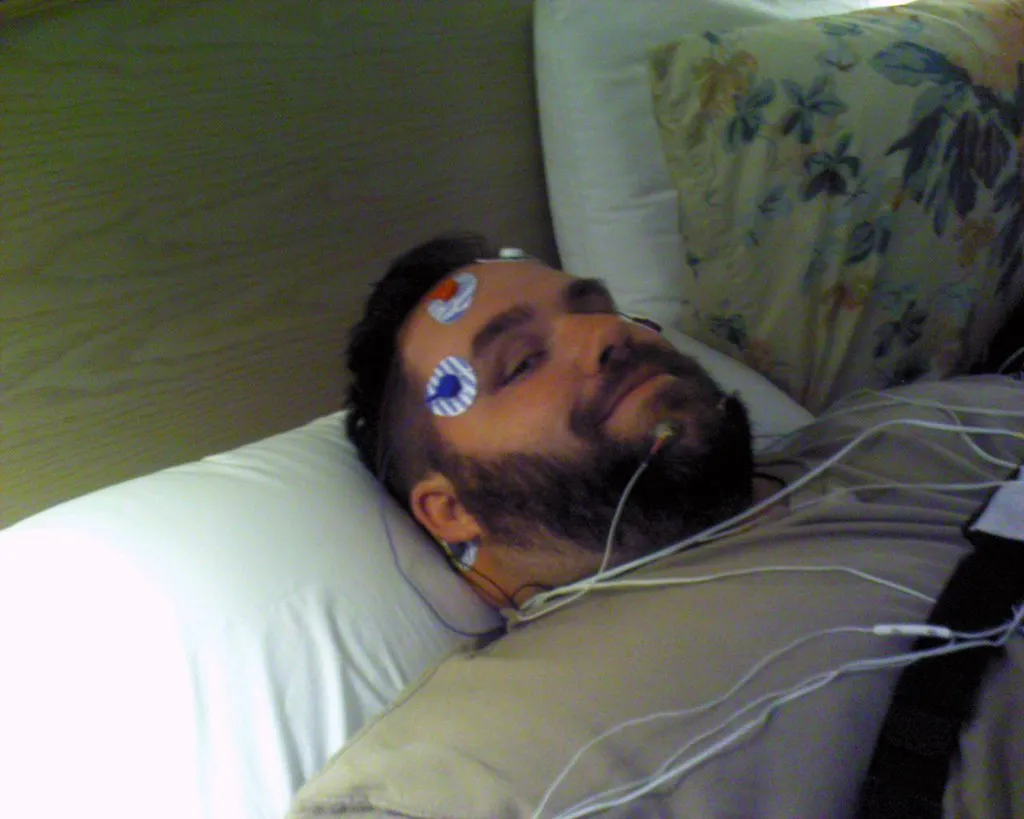
The Sleep Diagnostics Programme at Grand Resort Bad Ragaz in Switzerland runs four to seven nights and uses video polysomnography to diagnose specific sleep issues, complemented by reflexology and sleep coaching. Thermal baths and yoga are woven into the daily structure to enhance recovery.
Polysomnography, the clinical overnight sleep study used in hospital settings, is rarely offered in a luxury resort context. The fact that Bad Ragaz integrates this level of medical rigor into its programme sets it apart from most retreat-style offerings. Guests receive a clinical picture of their sleep architecture, not just a relaxing week away.
The resort’s natural thermal spring baths, one of the most historically significant in Europe, add a dimension that pure medical facilities cannot offer. The combination of warm mineral water immersion, mountain air, and clinical sleep analysis creates a genuinely unusual context for rest. It draws a growing number of guests who have tried lifestyle changes at home and found they need a more structured diagnosis first.
What Actually Happens Inside a Sleep Retreat
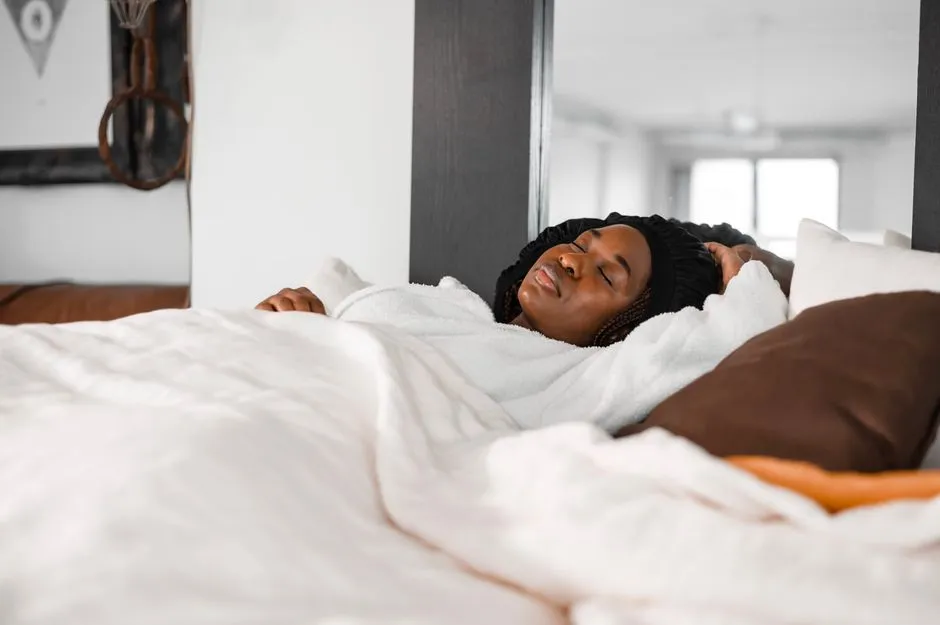
Experiences at sleep retreats range from luxury hotel rooms with circadian lighting and soundproofing to holistic retreats with yoga, meditation, and personalized sleep assessments. Some resorts also incorporate AI-powered mattresses and biofeedback programs.
Guests describe noticeable improvements in sleep quality during and after their retreat stay. The combination of removed stimulation, including no screens, no work stress, and no daily decisions, alongside nervous system regulation techniques and natural settings, creates conditions where the body remembers how to rest.
Most luxury sleep retreats advise guests to leave alarm clocks, heavy electronics, caffeine supplements, and alcohol at home. Retreats typically provide everything needed: premium linens, blackout curtains, white noise machines, aromatherapy oils, and temperature-controlled environments. The structure itself, stripping away decision fatigue and sensory overload, does much of the work before any therapy begins.
The Science Behind Why a Change of Environment Helps Sleep
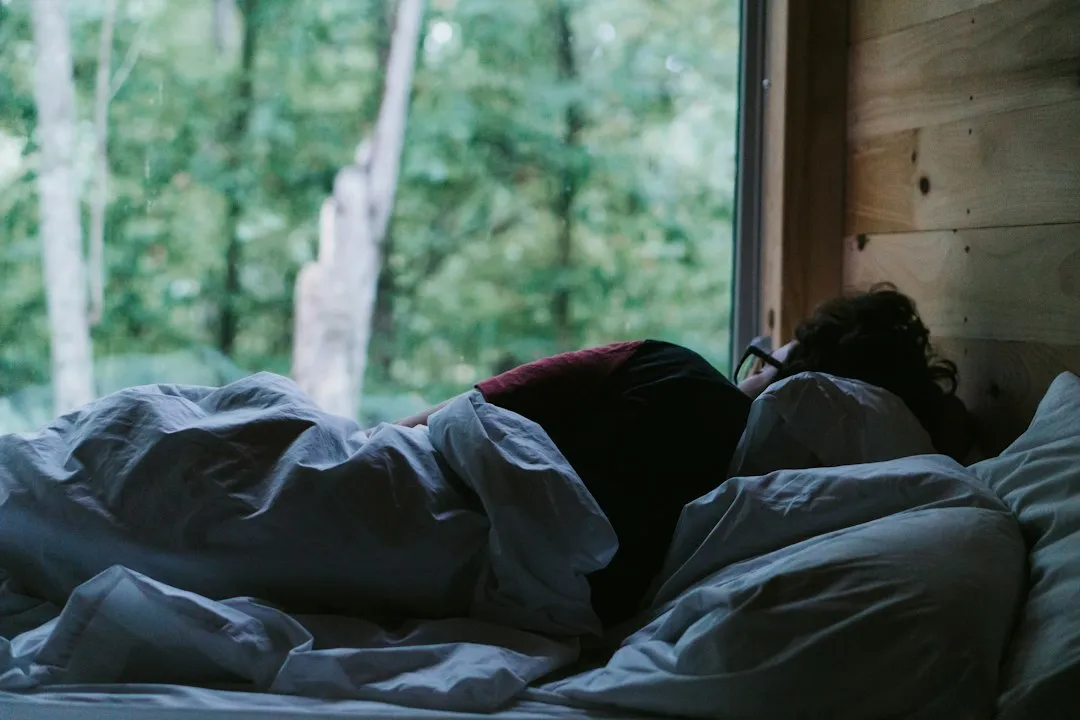
Sleep scientist Rebecca Robbins highlights the importance of sleep quality in ensuring guest satisfaction, noting that restful sleep while traveling often predicts whether guests will return to a hotel. According to a 2024 Hilton blog, two-thirds of Americans report sleeping better in hotels than at home, encouraging the hospitality industry to embrace this demand with specialized amenities.
The paradox is real: many people sleep more soundly in unfamiliar beds, precisely because the environmental associations tied to their home bed, stress, screens, overthinking, are absent. Dedicated sleep retreats amplify this effect deliberately by controlling light levels, sound, temperature, and schedule in ways home environments rarely allow.
Sleep tourism caters to health-conscious individuals looking to escape daily stress and recharge in scientifically designed sleep-enhancing environments. The emphasis on circadian alignment, meaning exposure to natural light at the right times and darkness at others, is a common thread across virtually every serious sleep retreat operating today.
What These Trips Cost and Who They’re For
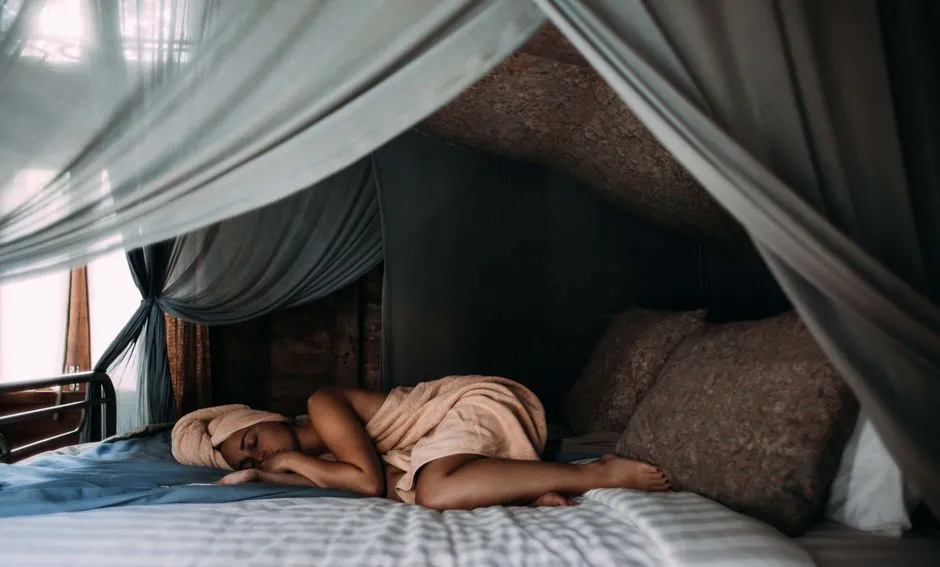
The United States alone offers sleep and rest-focused retreats across a remarkable geographic range, from California’s mountain forests and Hawaiian oceanfront to the deserts of Arizona and Utah and the mountains of North Carolina. Prices span from roughly $700 to over $23,000, with durations running from two to seven days.
At the more accessible end, CIVANA Arizona starts at around $2,125 for three to five nights, while mid-range retreats like Lefay on Lake Garda cost approximately $3,400 for five nights. Ultra-luxury programmes like Lanserhof in Germany can reach over $16,000 for a week.
A noteworthy development in this space is the emergence of sleep-focused travel packages tailored for families, addressing an area that has previously been underserved. Specialized packages integrating sleep therapy with relaxation treatments and accommodations optimized for restorative sleep are gaining traction, providing a holistic approach to relaxation and rejuvenation.
How to Choose the Right Sleep Retreat for You
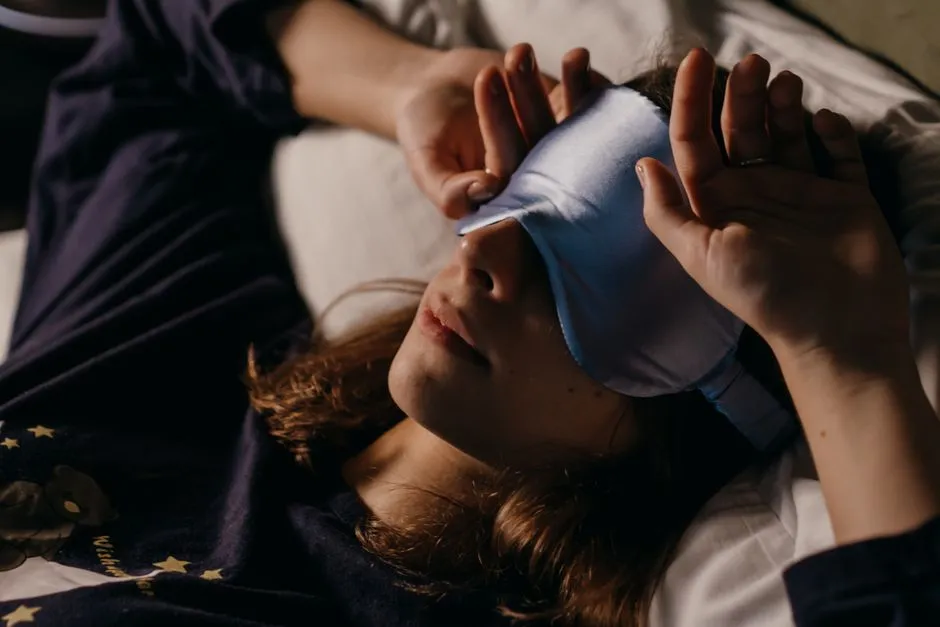
The most important distinction to make before booking is whether you want a clinical diagnosis or a restorative environment. Retreats like Grand Resort Bad Ragaz and SHA Wellness Clinic lean heavily into medical protocols, making them well-suited for people dealing with genuine sleep disorders or persistent insomnia. Resorts like Kamalaya and Six Senses are better suited to burnout recovery and nervous system regulation.
Demand is rising for sleep-focused retreats offering curated sleep programs, sleep therapy sessions, and high-tech amenities designed to improve rest. As awareness of the health benefits of quality sleep grows, more travelers are choosing destinations specifically for sleep rejuvenation.
As travelers become more health-conscious, sleep tourism is gaining popularity, offering relaxation-focused getaways designed to improve sleep quality through wellness programs, premium bedding, and carefully curated environments. A useful rule of thumb: look for retreats that share their programme details transparently, explain which practitioners are involved, and offer some form of intake assessment before arrival.
The Takeaway
Increased stress, digital fatigue, and post-pandemic wellness priorities have made restorative travel a necessity. Travelers are seeking vacations that genuinely recharge the mind and body, rather than offering adventure or sightseeing as the primary draw. That instinct is sound, and it’s backed by a growing body of research on what chronic sleep deprivation costs us.
The retreats profiled here, Six Senses, Kamalaya, Sensei Lanai, SHA Wellness Clinic, and Grand Resort Bad Ragaz, are not selling indulgence, at least not primarily. They’re offering structured, intentional conditions for the body to do something it already knows how to do. Sometimes the most purposeful trip you can take is one where the itinerary is mostly blank.
Rest is not a reward for productivity. It is the foundation of it. And for an increasing number of travelers, that truth is finally becoming the starting point for planning a trip, rather than an afterthought.
AI Disclaimer: This article was created with the assistance of AI tools and reviewed by a human editor.