
1. Marrakech, Morocco: Where African Art Finds Its Platform
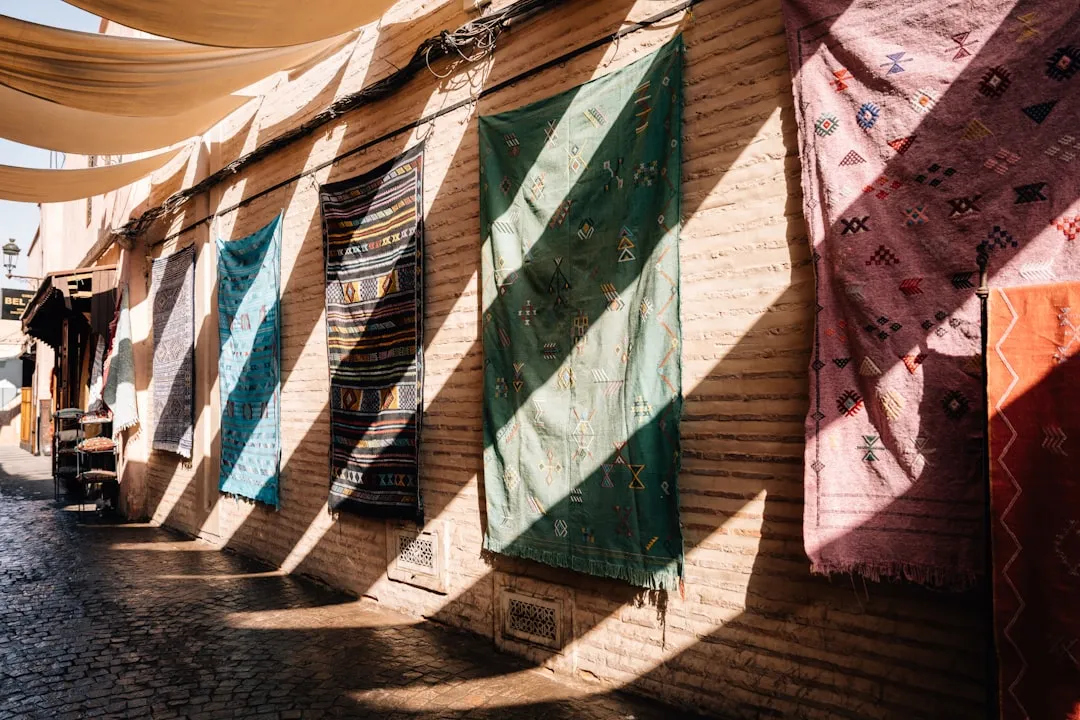
Marrakech has a centuries-long history of attracting artists, makers, and writers. Though it has long been on the map, in recent years the city has been offering more platforms for artistic discourse and social experience than ever before.
The 1-54 Contemporary African Art Fair was established by director Touria El Glaoui, born and raised in Morocco, to spotlight work by African artists and the continent’s diaspora. The name itself is a reference to the 54 countries in Africa. The fair has become one of the anchors of Marrakech’s increasingly serious art calendar.
The fair’s fifth iteration saw 27 exhibitors participating, with 14 from the African continent and eight based in Morocco, which was twice as many as the previous year. That growing local presence signals something more permanent than a passing trend.
The Museum of African Contemporary Art Al Maaden (MACAAL) in Marrakech announced a series of major developments following significant investment by its founder, Fondation Alliances, opening a new permanent home for one of the rarest and most comprehensive collections of contemporary African art in the world.
2. Warsaw, Poland: An Eastern European Scene on the Rise
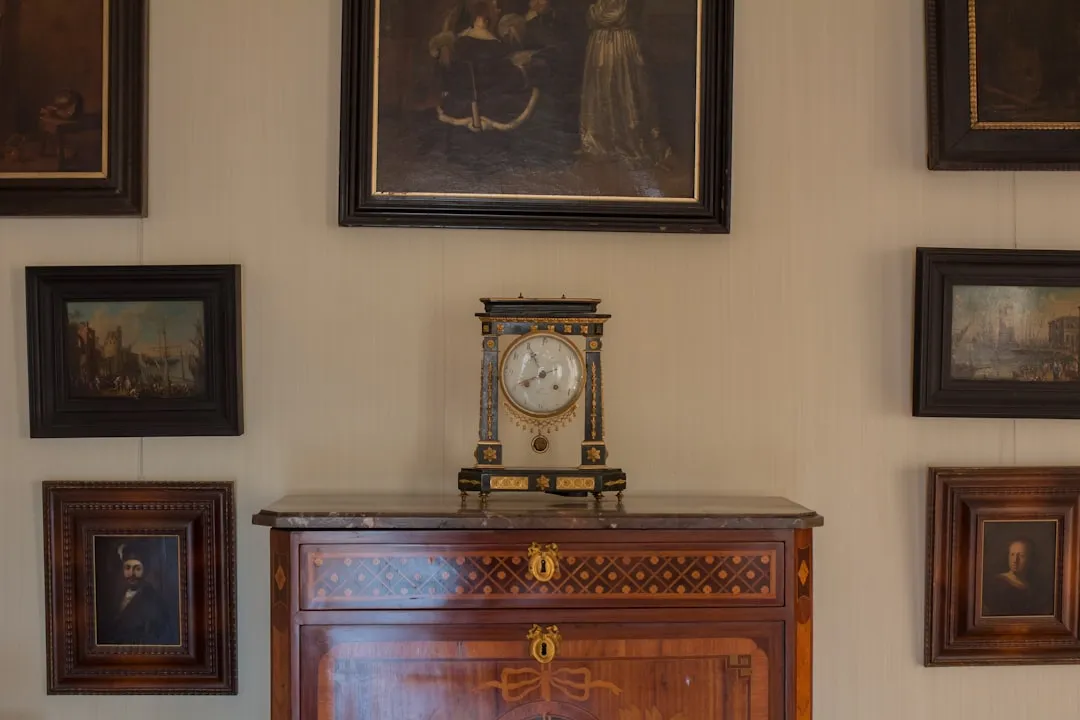
With the revitalization of art institutions and infrastructure a priority for the Polish government, the capital Warsaw is fast becoming a key Eastern European arts hub. It’s a shift that feels both deliberate and organic, driven by local gallerists who have invested in the city’s profile for years.
On the institutional front, perhaps the most anticipated development is the opening of the first permanent location of Warsaw’s Museum of Modern Art. Funded by the city, the new museum is housed in a 213,000-square-foot building in Defilad Square and opened to the public in February 2025 with a collection of post-war Polish and international art.
Key Warsaw-based gallerists came together to curate NADA Villa Warsaw, a fair which drew 44 international galleries and art spaces from 25 cities. The event adopted a collaborative exhibition format, taking place within the historic walls of Villa Gawrońskich, a neo-baroque gem nestled in the heart of Warsaw.
In the same collaborative spirit, the city played host to the inaugural Constellations gallery event in April 2024, a new initiative that showcases leading Polish galleries alongside invited international counterparts.
3. Milan, Italy: A Slow-Burning Creative Awakening
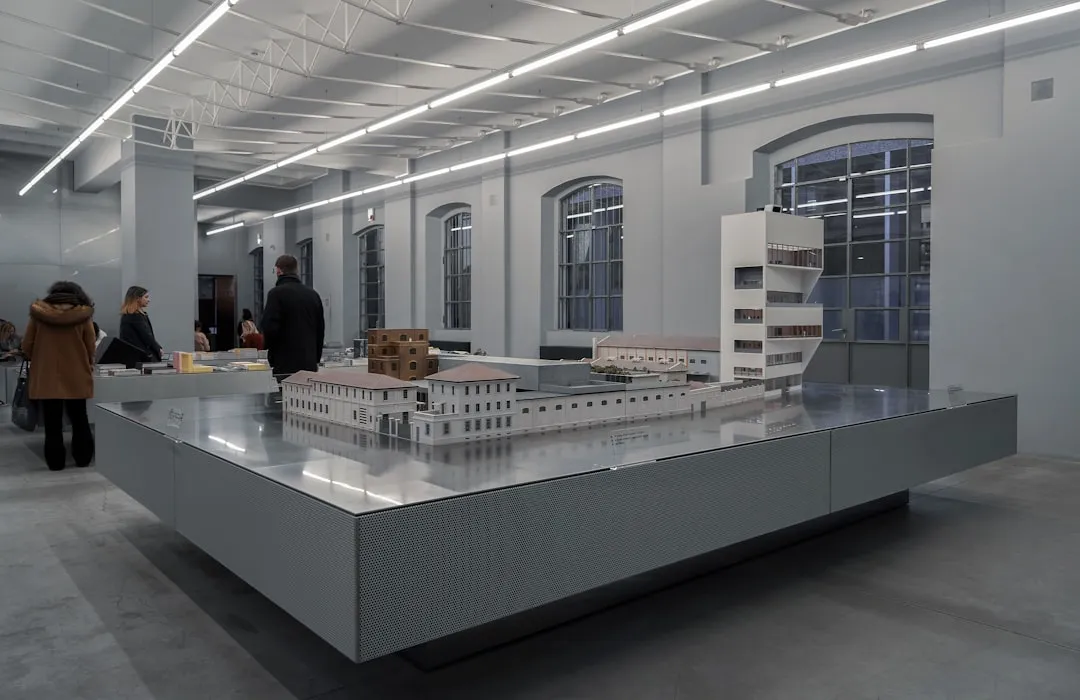
Milan has always been associated with design and fashion, but its contemporary art credentials have taken longer to earn international respect. That’s changing. Milan’s buzz in the commercial sector is undergirded by a formidable institutional network, from the grand Fondazione Prada to expansive spaces like Pirelli HangarBicocca.
In the heart of the city, Palazzo Citterio, a museum dedicated to modern and contemporary art housed within an 18th-century building close to the Pinacoteca di Brera, finally opened its doors in December 2024 after 50 years of planning. That alone signals something significant. Half a century of anticipation tends to carry real weight.
A major cultural trend emerging from Milan in 2025 is “Slow Living,” a response to digital noise that prioritizes calming, organic forms and natural finishes. This movement emphasizes taking a break as a necessity rather than a luxury, influencing the design of high-end hotels and residential environments worldwide.
As more collectors and gallerists make Milan a key destination, Soho House is also poised to capitalize on this surge of interest, having announced plans to revitalize a six-story 1930s building, formerly the home of Cinema Art.
4. Baltimore, Maryland: Gritty, Genuine, and Surprisingly Generative
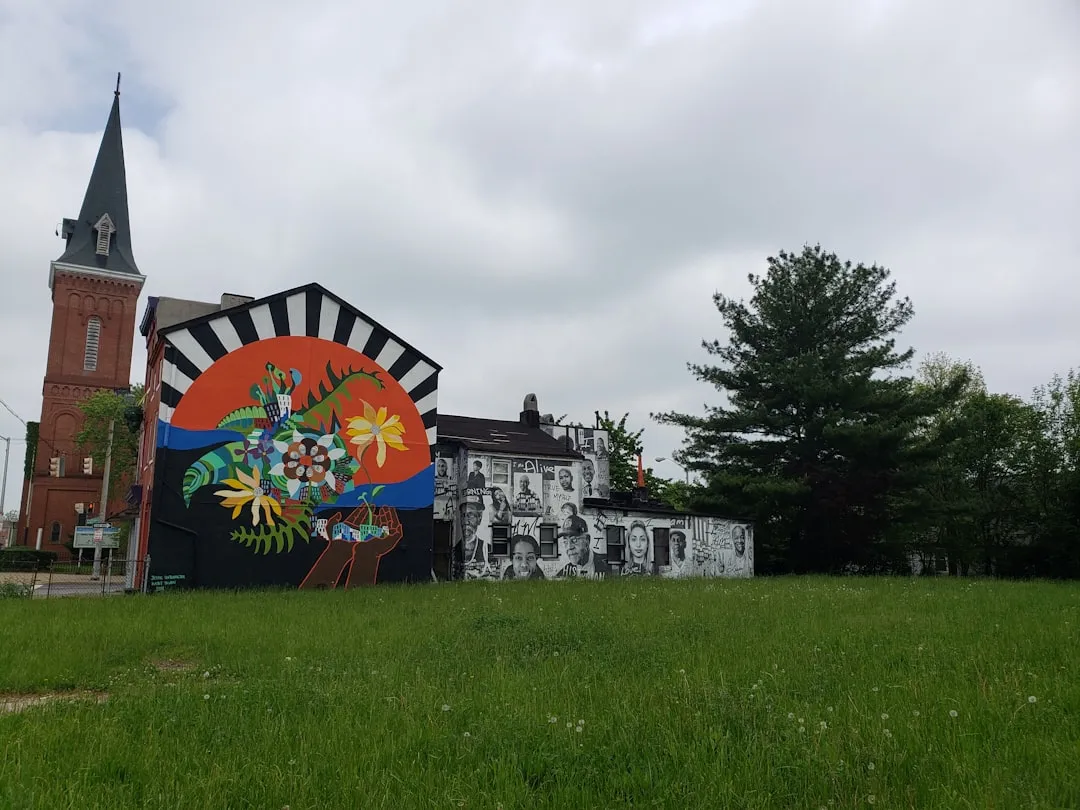
Baltimore rarely gets mentioned in the same breath as the world’s great creative cities, yet its arts infrastructure tells a different story. Baltimore outshines larger Southern metros like Atlanta and Miami when it comes to concentrated creative output, according to a 2025 ranking of 150 American cities based on cultural density.
Baltimore’s 462 public artworks and 57 museums have played a central role in neighborhood revitalization. That density is not accidental. It reflects decades of community-driven investment in art as a civic tool.
Artscape is the largest free arts festival in the country, and it calls Baltimore home. For over 40 years, Artscape has been a catalyst for artistic expression, economic impact, and cultural transformation, and as part of Mayor Scott’s Downtown Rise Initiative, it now sits in the heart of Downtown Baltimore, reimagining how a weekend festival can fuel long-term community investment.
2024 was notably the year of Baltimore artist Joyce J. Scott, whose lustrous retrospective “Walk a Mile in My Dreams” debuted at the Baltimore Museum of Art, spanning her five-decade career and highlighting social justice as the throughline of her work.
5. Marseille, France: Studio Culture Away from the Capital
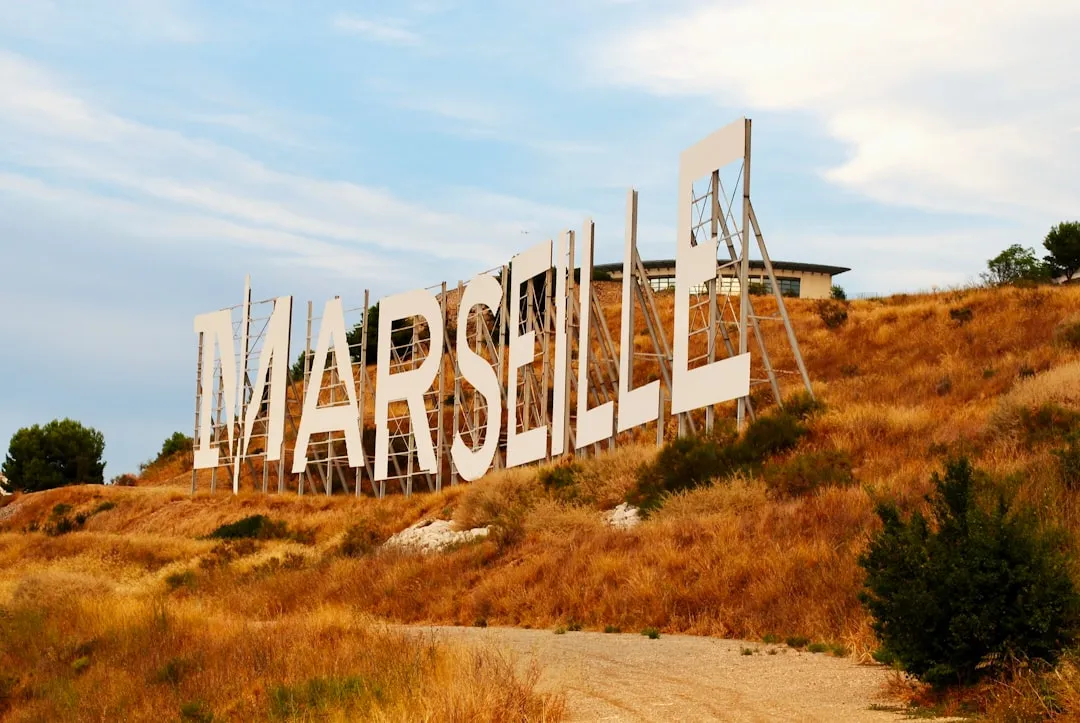
France’s second-largest city has been building a credible art scene quietly, well outside the glare of Parisian institutions. While Paris is France’s largest city and greatest creative hub, Marseille offers an alternative and more affordable opportunity for artists. Since the 2020 lockdowns, nearly one in ten homebuyers in Marseille are from the capital region of Île-de-France.
Lower-cost rents and greater availability of space have made Marseille an attractive spot for studio spaces, such as at the large converted tobacco factory La Friche la Belle de Mai, as well as residencies and many experimental and collaborative artist projects. Spaces like that don’t happen by accident. They require a city willing to let artists inhabit it.
France’s second largest city offers an alternative and more affordable base than Paris for artists, with lower rents and better access to space making it an attractive option for creatives to set up studio and commit to their practice.
6. Jersey City, New Jersey: America’s Most Unexpected Creative Capital
Jersey City may sit in New York’s shadow, but its art scene shines on its own. The city has invested considerable energy in cultivating galleries, public artworks, and cultural spaces that reflect its diverse community and independent spirit.
With 251 galleries, 117 museums, and 455 public artworks squeezed into a compact area, Jersey City proves it’s not just a commuter hub, it’s a cultural powerhouse. Those are not small numbers. They reflect a city that has made deliberate, sustained choices about what kind of place it wants to be.
Jersey City ranks as the most creative city in America according to a 2025 study analyzing 150 of the nation’s largest cities based on galleries, theaters, museums, and public art density. For a city that most people still associate mainly with PATH trains and Hudson River views, that ranking is striking.
The findings reveal how smaller and mid-sized cities are redefining America’s creative landscape, showing that vibrant cultural ecosystems thrive everywhere, driving community pride, economic growth, and fresh opportunities for local creators. Jersey City is perhaps the clearest embodiment of that shift.
The Broader Picture: Why This Matters Now
As the global art market stabilizes at an estimated $59.6 billion in 2025, a 4% year-on-year increase following a period of post-pandemic recalibration, the geography of influence has shifted toward urban centers that can effectively synthesize heritage with high-tech innovation and private philanthropy with public vibrancy.
National research clearly shows that the nonprofit arts and culture sector generates $151.7 billion in annual economic activity, supporting 2.6 million jobs and providing more than $29 billion in government revenue. Creative cities are not just culturally rich. They’re economically resilient.
UNCTAD’s 2024 survey reveals that the creative economy contributes between 0.5% and 7.3% of GDP in surveyed developing economies, employing up to 12.5% of the workforce. These figures underline the creative economy’s potential to generate both cultural and societal value in addition to supporting economic growth.
What These Cities Share
None of these six cities achieved their creative momentum by copying another city’s model. Each one has a distinct identity rooted in local history, affordable space, strong communities, or new institutional investment. That specificity is precisely what makes them compelling.
The best cities for artists aren’t just defined by big names or established art scenes. Some offer walkable neighborhoods packed with murals and performance spaces. Others give artists room to breathe, with affordable housing, open studios, and a tight-knit network of fellow creatives.
Culture and creativity now account for roughly 3% of global GDP and more than 6% of all employment worldwide. Cities that invest in their creative sectors aren’t just making cultural statements. They’re placing informed economic bets on their own futures.
A New Geography of Creativity
The old map of the art world is being redrawn, not dramatically, not overnight, but steadily and surely. The cities doing this work aren’t waiting for permission from the established centers. They’re building institutions, filling warehouses with studios, hosting fairs, and giving artists a reason to stay.
Artists don’t just respond to a city’s culture. They shape it. That feedback loop is exactly what’s happening in places like Warsaw, Baltimore, and Jersey City right now. The art follows the artists, and the artists follow the space and affordability and openness that unexpected cities can still offer.
The most interesting creative cities of the next decade may not be the ones currently on any shortlist. They may be the ones quietly laying groundwork right now, building the kind of community that takes years to name and only a moment to feel when you arrive.