
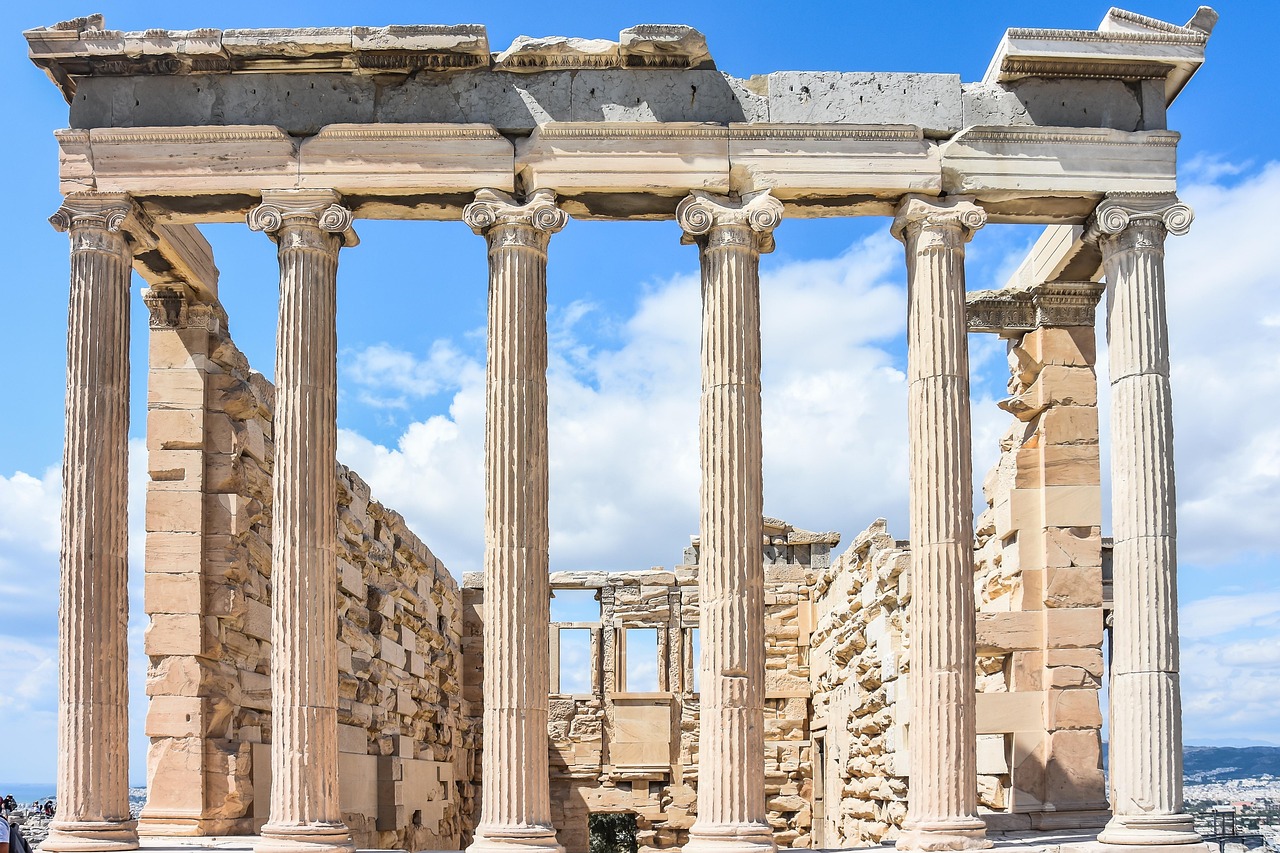

Athens draws visitors the way it always has: through weight. The weight of marble, of myth, of a civilization whose fingerprints are on everything from democratic governance to the words we still use every day. More than 20 million people visited Greece’s museums and archaeological sites in 2024 alone, marking a nearly eight percent increase over the previous year, and much of that traffic funnels into a handful of famous sites. The result, for the unprepared traveler, is a queue rather than a pilgrimage.
The good news is that Athens rewards those willing to walk a little further, or simply turn down a quieter street. Scattered across the city are sites where you can genuinely stand in a 2,400-year-old space without a tour guide narrating into your left ear from four inches away. These are six of them.
The Scale of the Crowd Problem
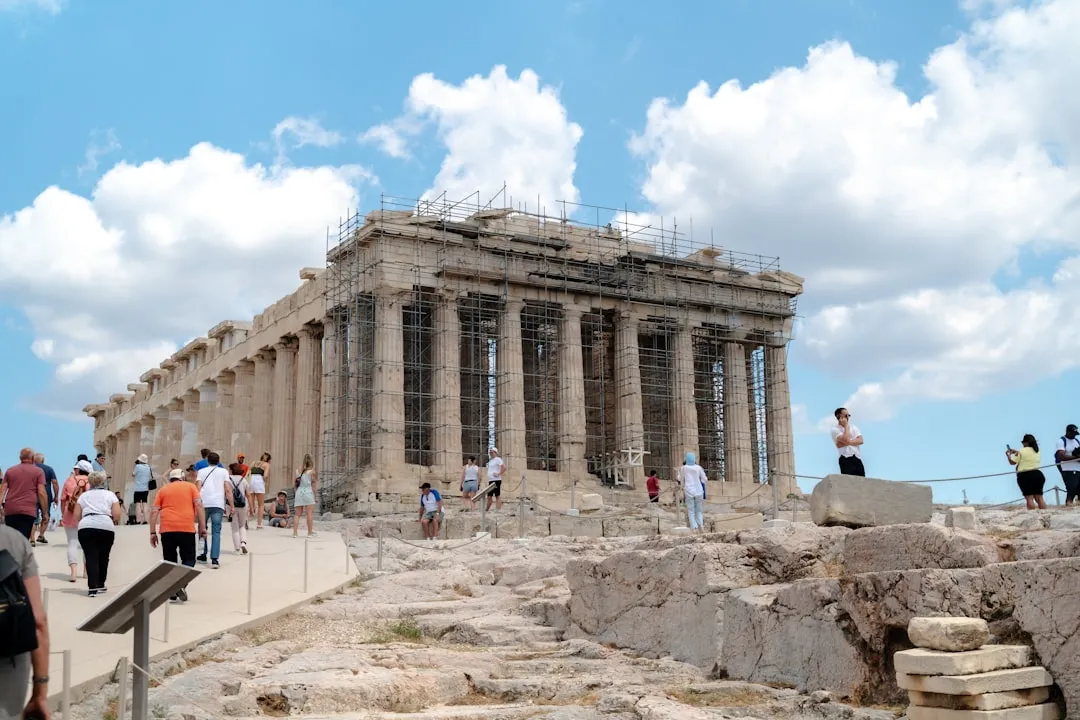
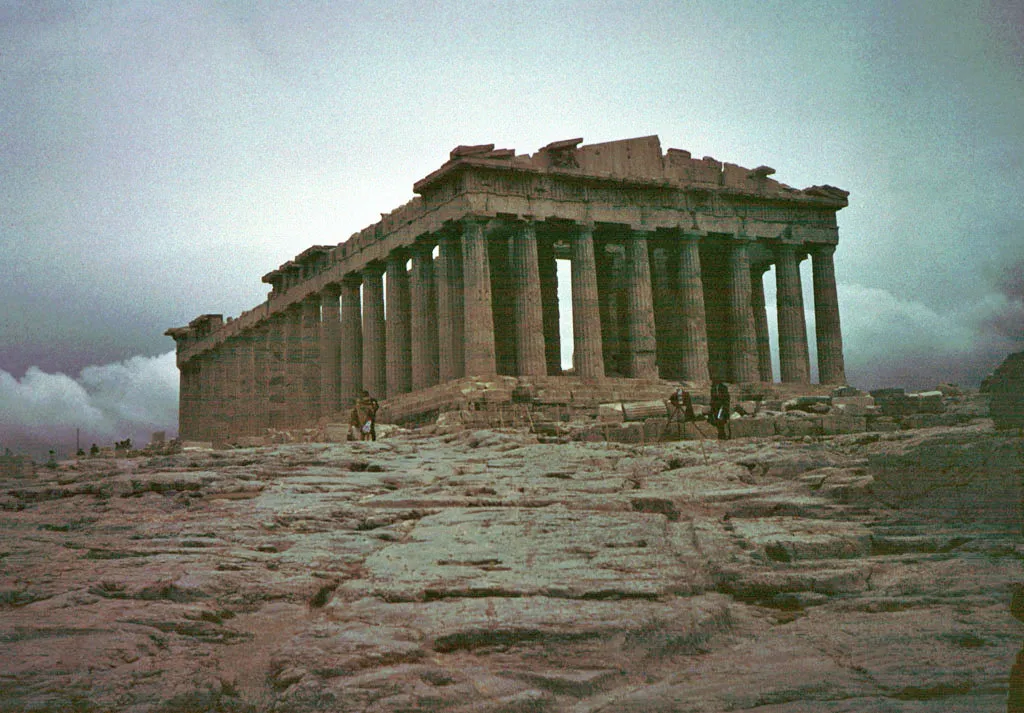
The Acropolis site of Athens remained the top archaeological site in Greece in 2024, welcoming more than 4.5 million people. That works out to roughly twelve thousand visitors every single day of the year, on average, though summer peaks push that number considerably higher. Greece introduced a daily cap of 20,000 visitors, enforced through a booking system with hourly time slots, after the culture minister noted that the site was receiving up to 23,000 people per day, calling that figure “a huge number.”
Half of the Acropolis’s visitors currently arrive between 8 AM and noon, creating real congestion on the ancient pathways. Understanding this pattern matters, because the sites described below exist in the same city and share the same history, yet operate in an entirely different register. The contrast, once you experience it, is almost startling.
Kerameikos: The Cemetery That Breathes
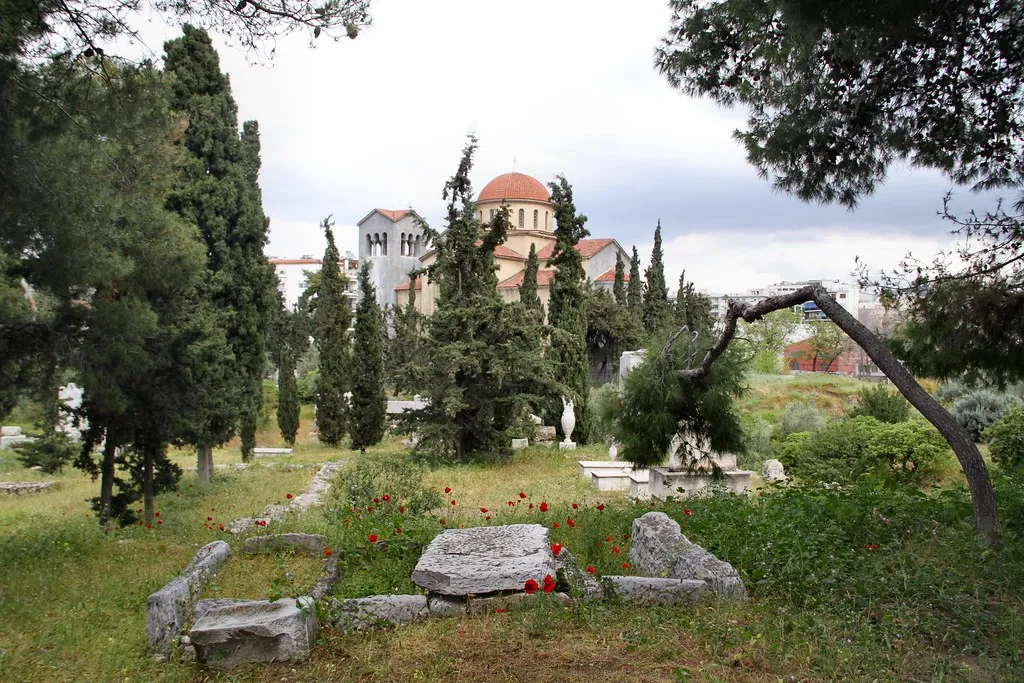
Kerameikos is the ancient cemetery and potters’ quarter on the northwest edge of classical Athens. The name gives us the word “ceramic.” What survives is an eleven-acre landscape of funerary monuments, carved grave stelae, and the foundations of the ancient city walls, shaded by pine trees and wildflowers. The sheer variety of what’s preserved here makes it feel less like a ruin and more like a neighborhood that simply fell very, very quiet.
Kerameikos rarely has more than a handful of visitors, making it a place where you hear birdsong instead of tour guides. The site served as the cemetery of Athens from the 12th century BC through Roman times, meaning the layers of grief and commemoration buried here stretch across nearly fifteen centuries of Athenian life. The site includes well-preserved ruins, tombstones, and a small museum with artifacts found during excavations.
The Ancient Agora: More Than a Backdrop
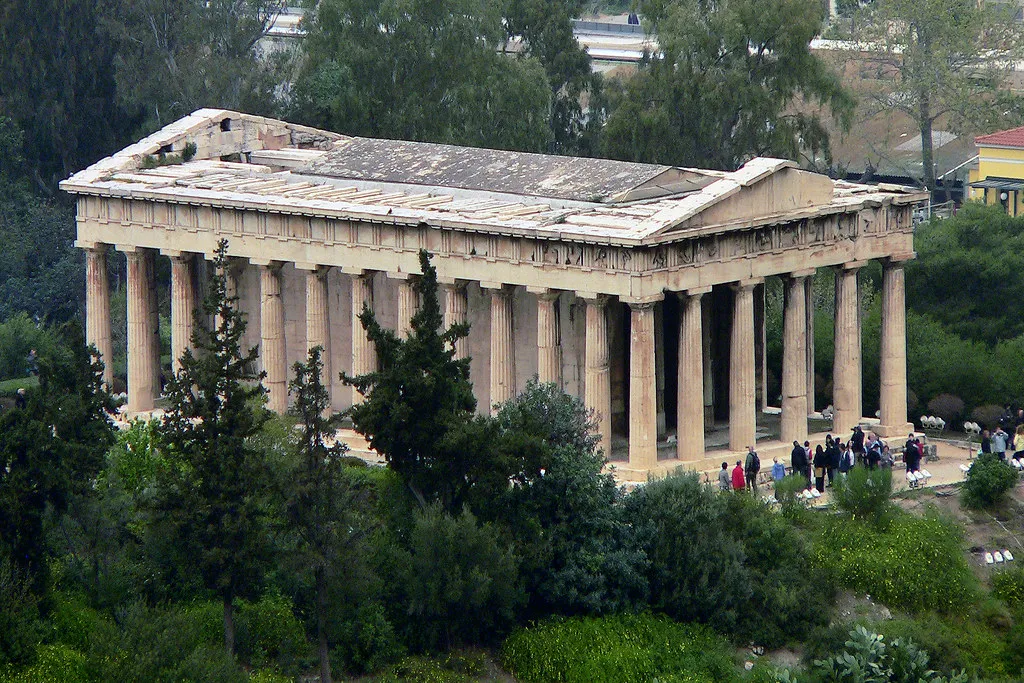
The Ancient Agora was the commercial, trading, administrative, and social center of Athens. During the classical era, figures like Socrates, Sophocles, and Aristotle used to spend time there and express their thoughts and ideas. Most visitors photograph it from the entrance and keep moving toward the Acropolis. Those who stay discover something genuinely different.
The Temple of Hephaestus, inside the Ancient Agora, is the best-preserved classical Greek temple in existence, more intact than the Parthenon by a considerable margin. It survived because it was converted into a church in the 7th century, saving it from being quarried. The space is vast and ample, and crowds tend to disperse across it, making for a pleasant visit even on busy days. That dispersal effect is something the Acropolis, with its concentrated hilltop, simply cannot offer.
The Library of Hadrian: Hidden in Plain Sight
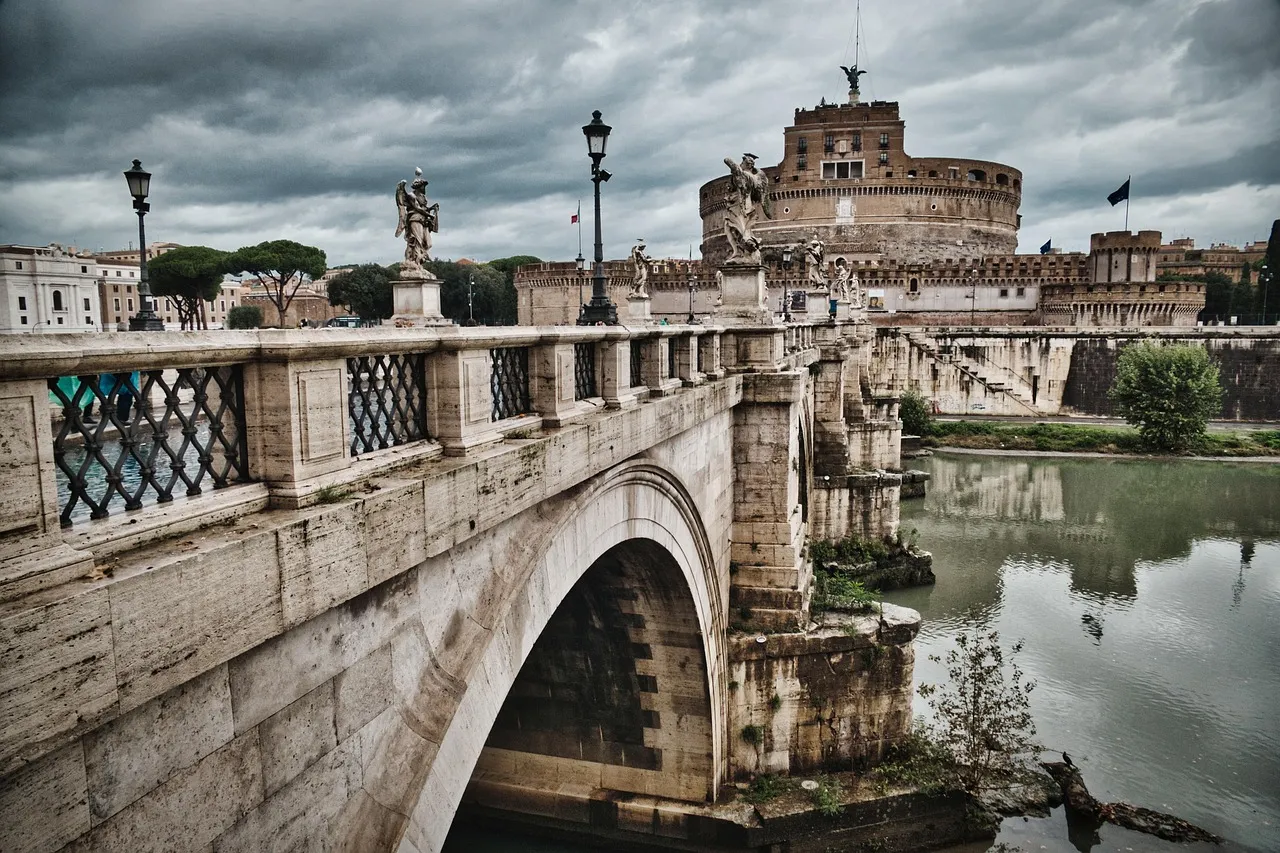
The Library of Hadrian sits directly behind Monastiraki Square, and thousands of tourists walk past its entrance daily without going in. This is one of Athens’s more quietly remarkable facts. The site is central, signposted, and extraordinary, yet it functions as something of an open secret. Commissioned by Emperor Hadrian, it was established as a library in 132 AD.
Despite its name, it was much more than just a library. There were several buildings that all had different functions. The complex was walled and consisted of several rooms and colonnades, and various works of art and paintings were displayed in the colonnades. In the center of the complex were gardens and ponds, giving it an almost contemplative quality that the average visitor, rushing toward the Acropolis, never gets to feel.
The Choragic Monument of Lysicrates: An Architectural First
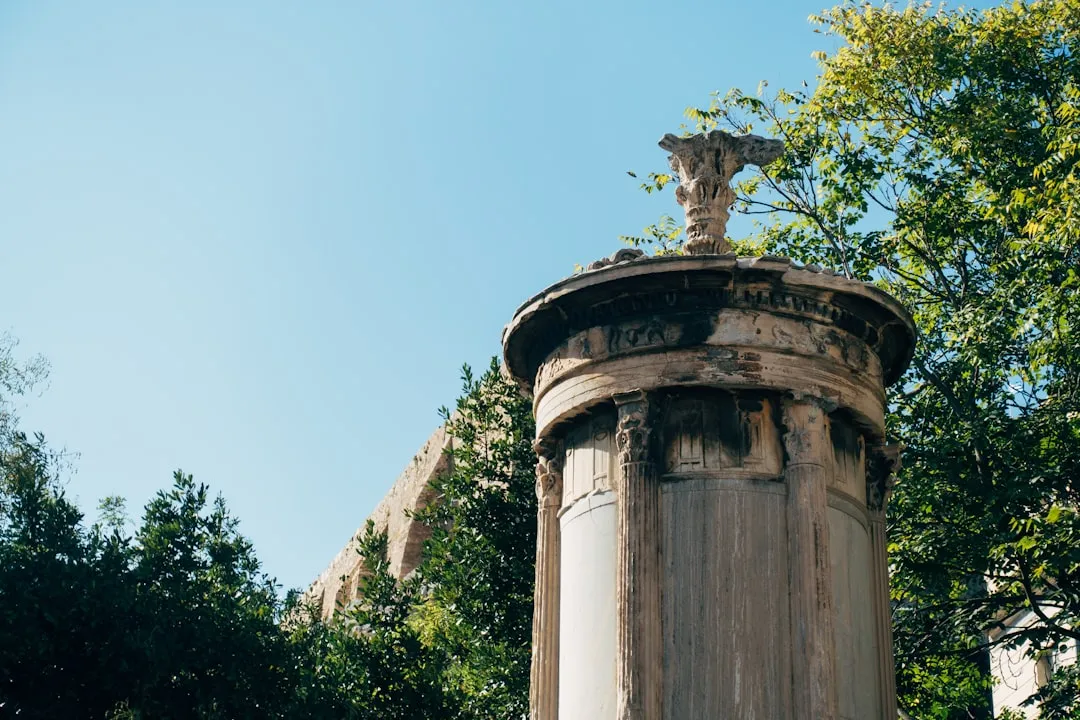
The Choragic Monument of Lysicrates was erected by Lysicrates, a wealthy patron of musical performances in the Theater of Dionysus, to commemorate a prize won in the dithyramb contest of the City Dionysia in 335/334 BCE. It stands in upper Plaka, tucked into a small garden, and most people walk past it. The monument is recognized as the first known use of the Corinthian order on the exterior of a building.
This circular marble monument from 334 BC sits on Lysikratous Street in upper Plaka, and Lord Byron reportedly wrote part of “Childe Harold’s Pilgrimage” in the building that once surrounded it. The monument is small enough to feel intimate, which is exactly why it delivers something larger sites rarely can: the sense that you’ve found something rather than been directed to it.
Philopappos Hill: A View Without the Queue
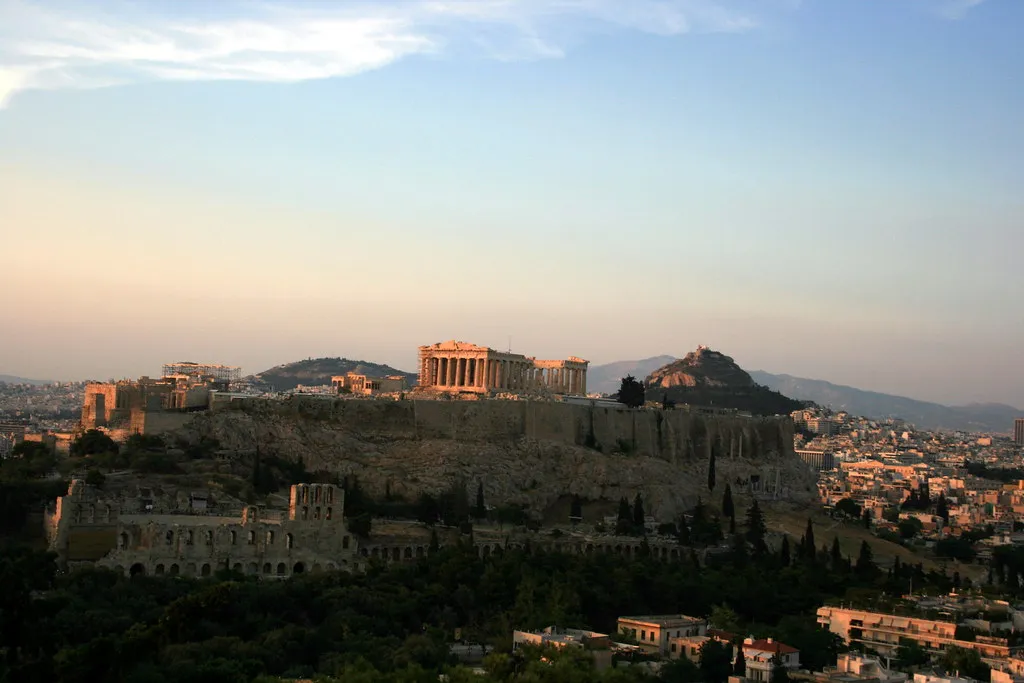
While most tourists flock to the Acropolis for city views, Mount Lycabettus offers an equally stunning, less crowded vantage point, and the same logic applies to Philopappos Hill. The Hill of the Muses, located southwest of the Acropolis and popularly known as Filopappou Hill, offers uninterrupted views of the Acropolis and the Parthenon. The walk up is genuinely pleasant, winding through olive trees along paths that feel more like a morning stroll than a tourist attraction.
The hill carries its own ancient weight. The Philopappos Monument at the summit, a Roman-era tomb built between 114 and 116 AD, honors Gaius Julius Antiochus Philopappos, a prince and Athenian citizen. From up here, the relationship between the Acropolis and the city below becomes legible in a way that it never does when you’re standing on the rock itself. Entry to the hill and its paths is free.
Aristotle’s Lyceum: A Discovery Still Settling In
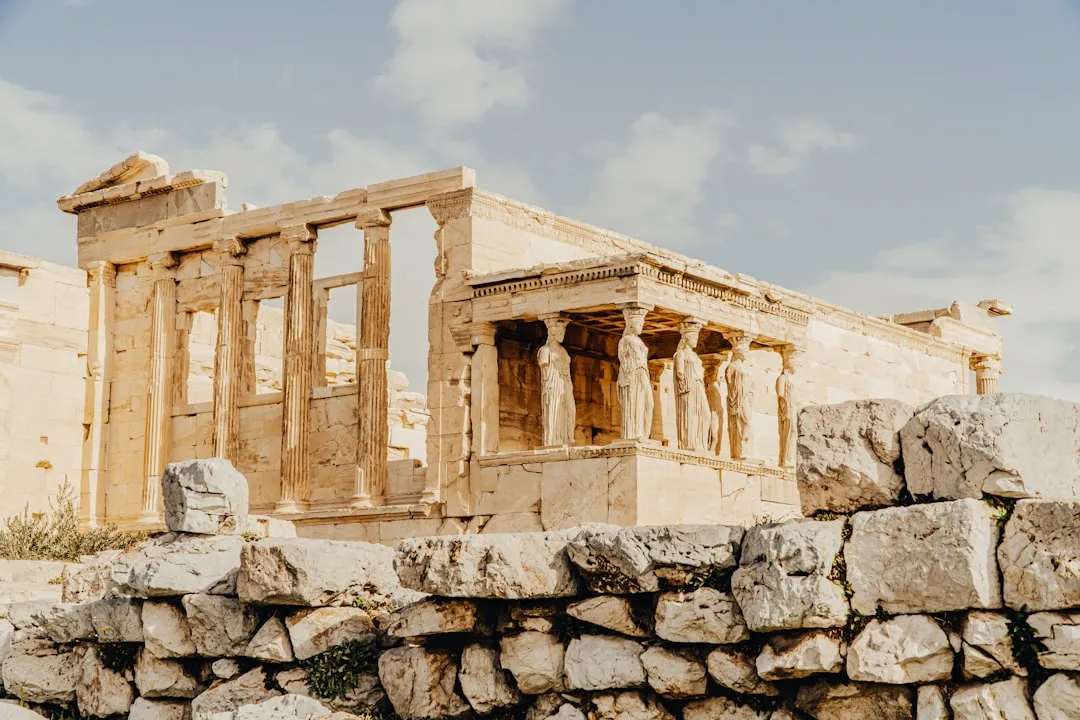
The Lyceum of Aristotle, where the philosopher taught for over a decade and walked while thinking, was only confirmed archaeologically in 1996. Aristotle’s School, the philosophical school founded by Aristotle, was where many of his teachings were developed. The site, which sits near the National Garden in central Athens, is compact and rarely busy. It feels appropriately unassuming for a place where so much thinking was done.
The standard Athens combined ticket includes Aristotle’s Lyceum alongside the Acropolis and slopes, Ancient Agora, Roman Agora, Hadrian’s Library, Temple of Olympian Zeus, and the Kerameikos cemetery. Having it on the ticket nudges visitors toward it, though many still skip it in favor of better-known stops. That tendency works in your favor. The Lyceum rewards a slow, thoughtful visit, which is fitting, given its history.
Practical Notes for Visiting These Sites
In 2026, the standard combined archaeological pass is priced at €30, with reduced rates available for eligible visitors. The official Athens combined ticket is not available during summer 2026, as Greek authorities have suspended the government-issued pass until at least November 2025. During this period, visitors can purchase individual site tickets or choose combo tickets from authorized third-party vendors that bundle similar multi-site access with extras like audio guides and skip-the-line entry.
Timing matters at every site in Athens, but especially at the ones described here. Visiting early in the morning or late in the afternoon helps avoid the heat and lets you enjoy softer, more photogenic light. Most of these sites are also included in free-admission days offered by the Greek Ministry of Culture on select national holidays throughout the year, so checking the calendar before you go is worth the effort.
Why These Sites Feel Different
There’s a particular quality to experiencing an ancient site when it’s quiet. The stones become more present. You notice details, an inscription worn almost smooth, the grain of marble under afternoon light, the way a colonnade frames a distant hill, that simply don’t register when you’re navigating around a tour group. Athens has a constellation of lesser-known archaeological sites that are equally atmospheric and far less crowded, some of them genuinely deserted on a weekday morning.
The sites in this article aren’t second-best alternatives to the Acropolis. Each carries its own distinct historical register. Kerameikos speaks to how Athens mourned. The Agora speaks to how it deliberated. The Lyceum speaks to how it thought. Together, they offer something closer to a full picture of ancient Athenian life than the Parthenon alone ever could.
The Responsible Way to Explore Athens
Choosing less-visited sites isn’t just good for your own experience. Greece’s culture authorities have emphasized that visitor controls are needed to prevent bottlenecks and overcrowding at UNESCO World Heritage sites. Every traveler who spends an afternoon at Kerameikos or the Library of Hadrian instead of adding to the Acropolis peak-hour crush is contributing, in a small way, to the preservation of those monuments. Ethical travel and genuine curiosity point in the same direction here.
Greece welcomed a record 36 million tourists in 2024, a figure that reflects both the country’s extraordinary appeal and the real pressure that tourism places on fragile ancient sites. Spreading that footfall, choosing the quieter road through Plaka to find a 2,400-year-old marble monument in a small garden, matters in ways that go beyond personal preference.
The Takeaway
Athens is generous with its history. It doesn’t hoard the good stuff behind a single famous gate. The city is layered, sprawling, and full of places where the ancient world surfaces unexpectedly: in a garden in Plaka, in a cemetery beside a metro station, in a hillside path where the Parthenon appears between olive branches. The tourist line at the Acropolis is real, and the Acropolis is absolutely worth experiencing. Still, the version of Athens that stays with you longest is often found just around the corner from where the crowd stops walking.
AI Disclaimer: This article was created with the assistance of AI tools and reviewed by a human editor.