
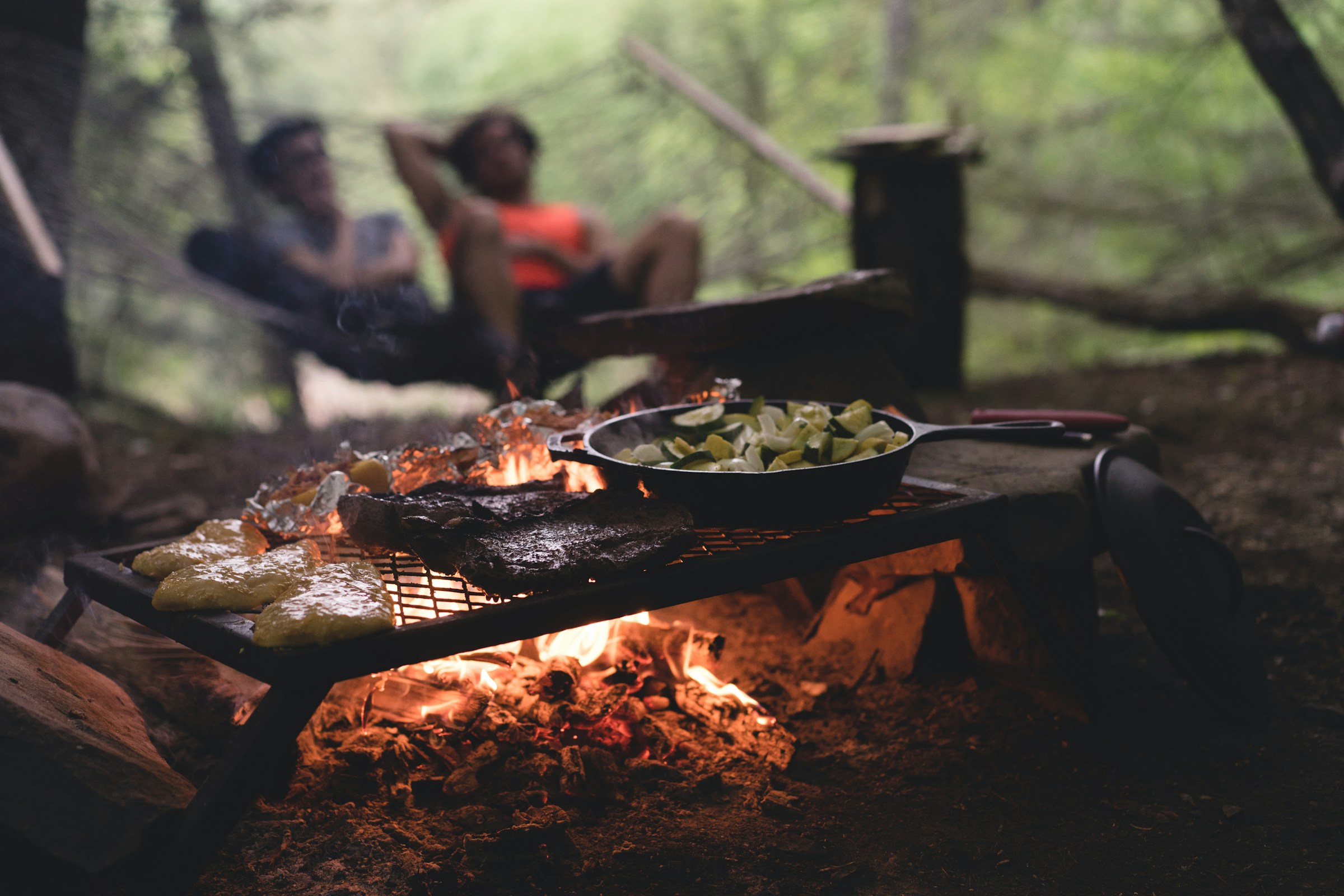

Outdoor cooking has quietly become one of the most anticipated parts of any camping trip. It’s not just about refueling after a long hike – it’s part of the experience itself, the smell of something simmering over a flame, coffee in the morning air, a proper meal under open sky.
Family camping participation has increased substantially, with nearly thirty percent of American households reporting campground visits in 2025, compared to just over eighteen percent in 2019. With more people heading outdoors, the gear people bring to cook with has gotten a real upgrade. The right items don’t just make cooking easier – they make the whole trip feel more grounded and enjoyable.
1. A Reliable Two-Burner Camp Stove

A reliable camp stove is the foundation of your outdoor kitchen. It’s the one piece of gear everything else builds around. Without it, you’re at the mercy of fire bans, wet wood, and inconsistent heat.
The Jetboil Genesis Basecamp is a strong overall choice, excelling in portability, cooking performance, and self-containment – it comes with a pot, skillet, windscreen, and fuel adaptor all packed into one zippered carrying case. For groups and families, a double-burner stove allows you to cook more food at once, making it great for larger feasts and group dinners.
Stoves account for the largest share of the global camping cooking equipment market, contributing roughly forty-four percent of global revenue in 2025, reflecting how central a heat source is to the whole camp kitchen setup. Camping participation in the United States reached 56.8 million households in 2025, an eighteen percent increase from 2020. That surge in outdoor interest has pushed stove technology forward in meaningful ways.
2. A Cast Iron Skillet
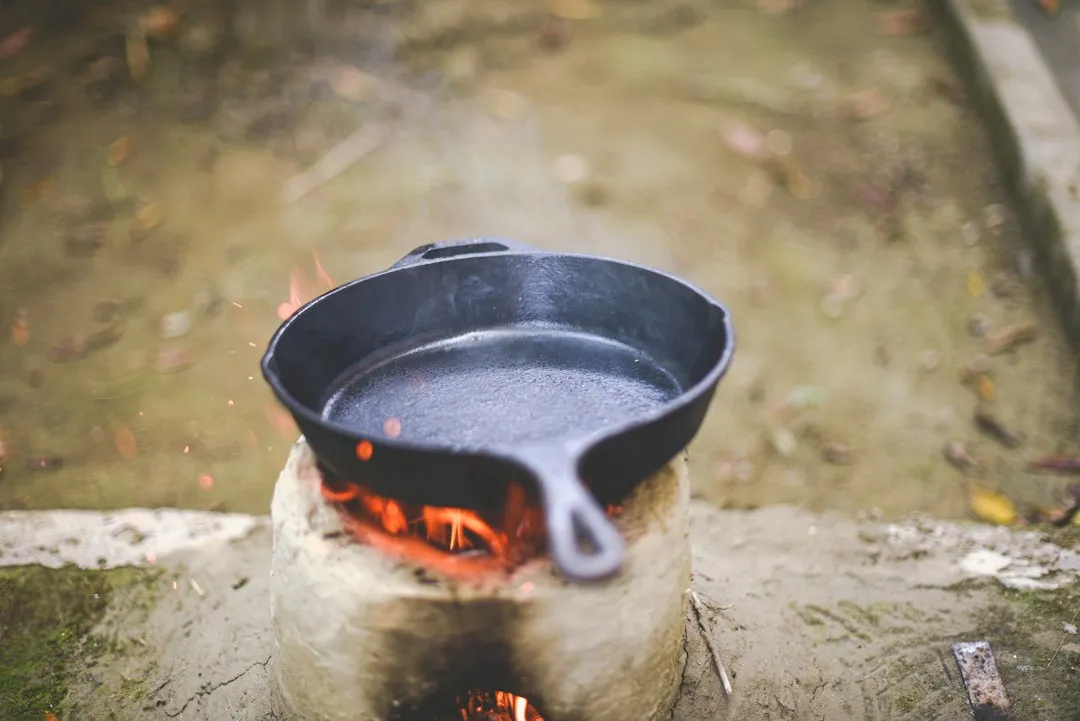
Cast iron’s renowned heat retention is a significant plus for camping. It heats up evenly and maintains consistent temperatures, making it perfect for searing, frying, baking, and slow cooking over a campfire or portable stove. Few tools earn that kind of versatility.
Cast iron is incredibly durable and can withstand high temperatures, making it ideal for outdoor use. Unlike non-stick coatings that can degrade with high heat, cast iron actually improves with age and use as it becomes seasoned. That’s a meaningful advantage when you’re cooking over an unpredictable open flame.
The Lodge 10.25-inch Cast Iron Skillet is consistently rated as a top pick – American-made, pre-seasoned, and compatible with campfire coals, charcoal grills, and stovetops alike, making it the safe, versatile choice for car campers. It’s the kind of gear that genuinely lasts decades.
3. A Lightweight, Nestable Cookware Set
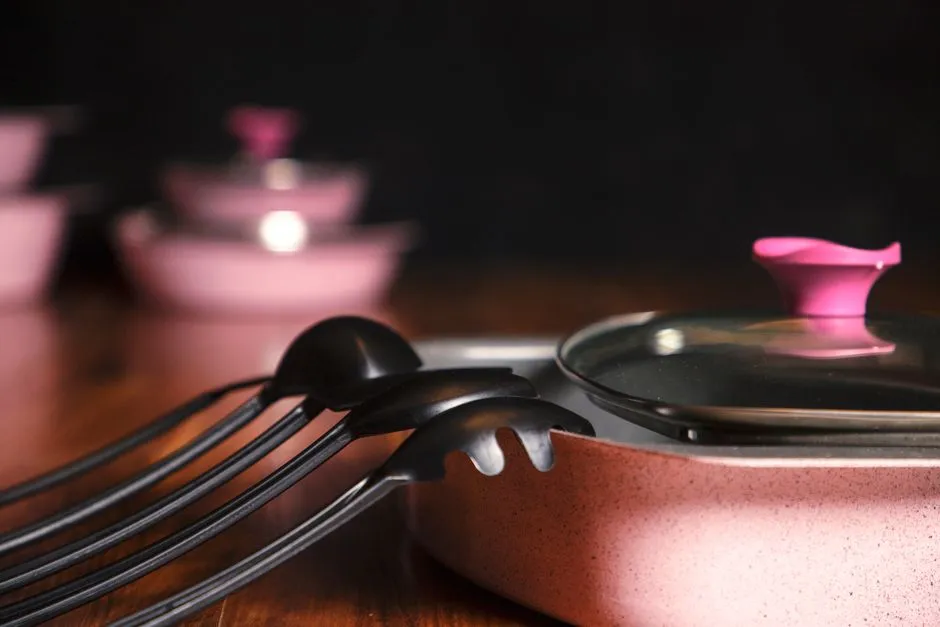
When selecting camping pots and pans, look for materials that are lightweight, durable, and easy to clean. Space inside a camp bin or pack is precious, and bulky cookware makes everything harder to organize.
You can purchase individual pots or invest in a set, many of which come with other kitchen tools like a frying pan. Most camp pots nest together to save space in your gear bin. That nesting design is a small thing that makes a big practical difference when packing up a campsite in the morning.
In 2025, cookware sets represented twenty-eight percent of camping cookware and dinnerware market revenue, followed by camping pots and pans at twenty-five percent – a clear sign that campers are gravitating toward complete, thoughtfully packaged solutions rather than piecing things together. Brands like GSI Outdoors have refined these kits to feel genuinely complete out of the box.
4. A Sturdy Camp Prep Table

A solid prep surface changes everything about camp cooking. Trying to chop vegetables on a rocky ground or a wobbly cooler lid is one of those small frustrations that snowballs into a genuinely unpleasant cooking experience.
Corrosion-resistant aluminum construction ensures the table won’t rust after exposure to weather, while gear hooks keep utensils within reach. These details seem minor until you’re standing in a light drizzle trying to keep dinner on track.
Large, clear plastic bins to store kitchen gear combined with an organized camp kitchen table or workspace make meal prep fast and easy. A defined prep zone at camp also keeps cooking contained and the rest of your site clean – something any Leave No Trace-minded camper will appreciate.
5. A Collapsible Wash Basin

Cleanup is the least glamorous part of outdoor cooking, but skipping proper dishwashing creates real problems – with hygiene, with wildlife, and with leave-no-trace principles. A collapsible wash basin takes almost no space and solves this entirely.
Biodegradable soap, a scrub sponge or camp dish scraper, a microfiber dish towel, and a collapsible wash basin are the cleanup essentials that keep a camp kitchen functioning trip after trip. Used together, they make post-dinner cleanup genuinely manageable rather than something you dread.
Camp sinks represent an emerging category at over eight percent market share, addressing hygiene and camp kitchen waste management through portable washing stations and eco-friendly greywater disposal solutions increasingly mandated by park regulations and environmental stewardship principles. The trend toward better camp cleanup gear reflects a broader shift toward responsible, low-impact camping.
6. A Quality Cooler That Holds Temperature
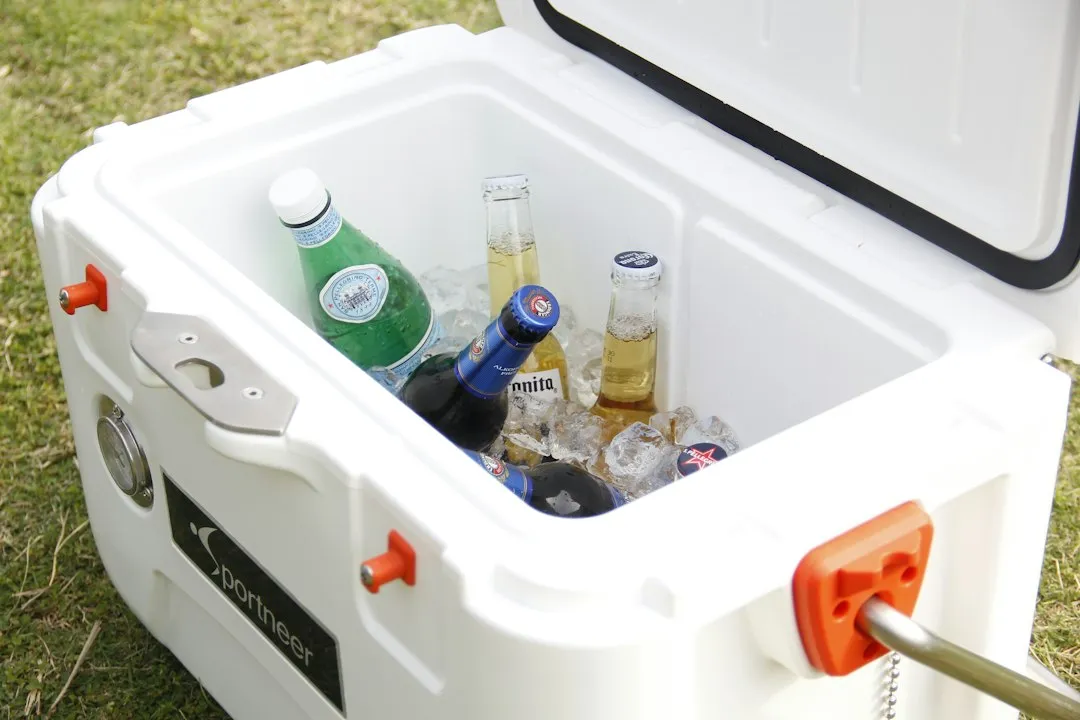
A good cooler is easy to overlook when building a camp kitchen list, but it’s arguably what makes everything else possible. Fresh ingredients, proper food safety, cold drinks at the end of a warm day – all of it depends on a cooler that actually works.
Sustainability emphasis is reshaping manufacturing processes and material selections, with roughly fifty-eight percent of outdoor enthusiasts prioritizing environmentally responsible equipment in 2025, compared to just twenty-eight percent in 2015. Many cooler brands have responded by improving insulation efficiency so food stays cold longer without needing extra ice.
Glamping and RV travel contributed a twelve percent jump in grill and cookware sales during 2024, and much of that growth is tied to a desire for quality food at the campsite. A high-performing cooler is what bridges the gap between a fun meal and a mediocre one – it keeps your proteins safe, your produce fresh, and your camp kitchen operating like a real kitchen rather than an afterthought.
The Bigger Picture: Why Camp Kitchen Gear Matters More Than Ever
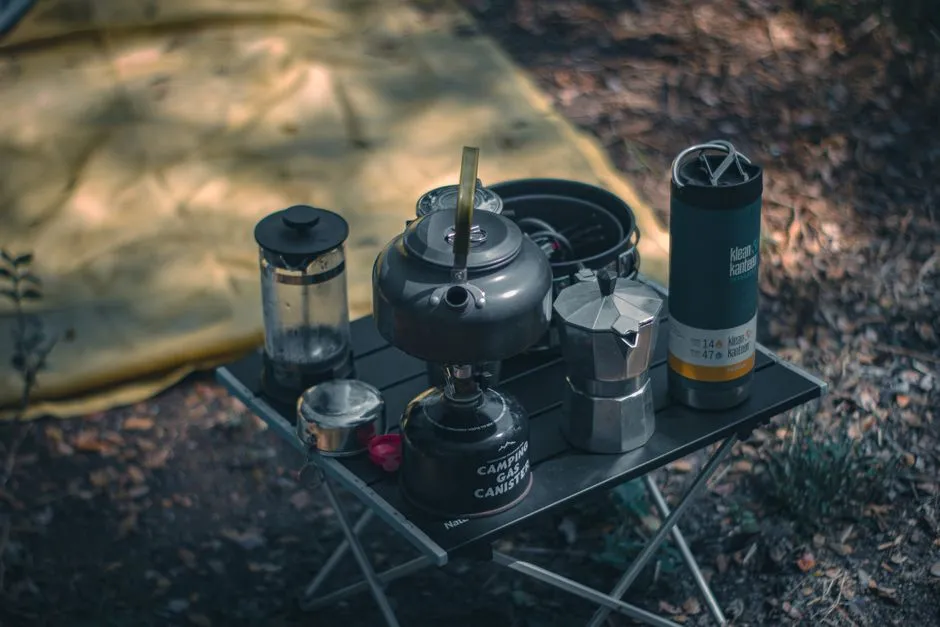
The global outdoor camp kitchen market is valued at 1.79 billion dollars in 2025 and is projected to expand to 3.29 billion dollars by 2034, representing a compound annual growth rate of 6.8 percent over the forecast period. That kind of sustained growth reflects a cultural shift, not just a product trend.
With roughly fifty-eight percent of outdoor enthusiasts now prioritizing environmentally responsible equipment, manufacturers are increasing recycled content utilization, extending product warranties supporting durability, and pursuing carbon-neutral certifications. Gear is being built to last, and that’s good news for both the environment and your pack budget.
Growth drivers in the outdoor cookware segment include thirty-seven percent sustainable cookware demand, twenty-eight percent lightweight material adoption, and twenty-two percent multifunctional designs – all trends that point toward smarter, more considered camping kitchens overall. Investing in the right six items now means less fumbling, less waste, and far more time actually enjoying the meal.
Putting It All Together
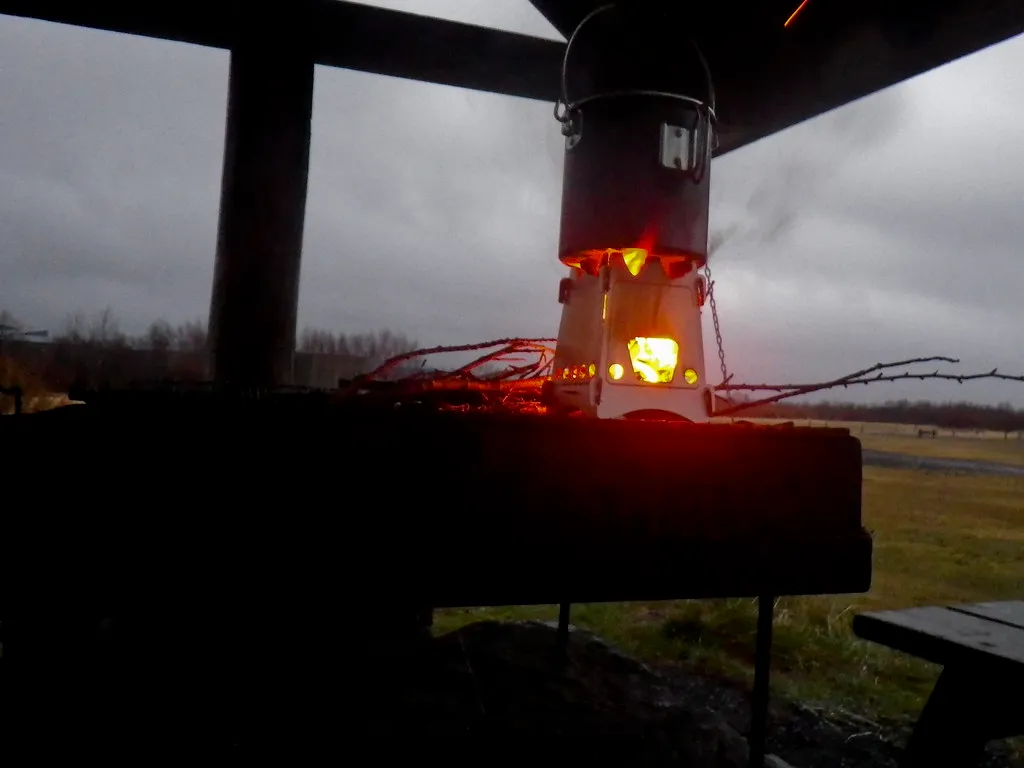
None of these six items are complicated, and that’s precisely the point. A two-burner stove, a cast iron skillet, a nestable cookware set, a prep table, a collapsible basin, and a reliable cooler – these aren’t luxuries. They’re the practical infrastructure that turns outdoor cooking from a chore into something worth looking forward to.
The best camp meals rarely come from elaborate recipes or specialty gadgets. They come from having the basics dialed in, so you can focus on the food, the fire, and the people around you. That’s what good gear actually gives you – not perfection, but presence.
AI Disclaimer: This article was created with the assistance of AI tools and reviewed by a human editor.