

There’s a particular moment that catches most first-time visitors off guard in Cape Town. You’re standing with your feet in the sand, and instead of the usual flat beach horizon behind you, there’s an enormous mountain wall rising almost straight up. The drama of that scene is hard to describe to someone who hasn’t been there.
Cape Town’s Mother City boasts a stunning mix of Atlantic and Indian Ocean coastlines, and each beach carries its own unique character, whether it’s golden sand, dramatic mountain backdrops, or crystal-clear water. Cape Town won the title of Best Beach Destination in the International Destinations Category at Travel + Leisure India’s Best Awards 2024. The city has earned that recognition honestly.
Camps Bay: Glamour Under the Twelve Apostles
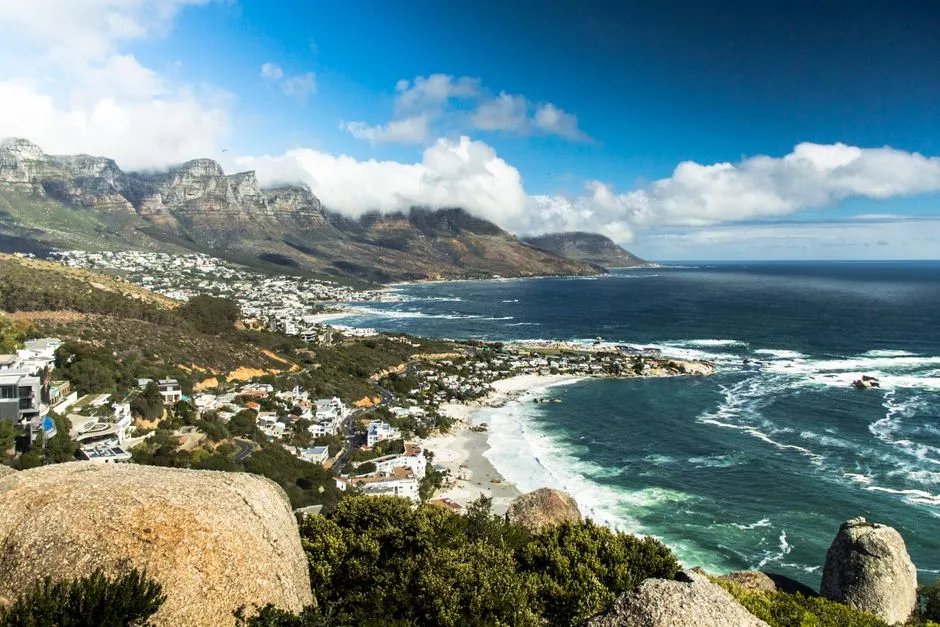
Camps Bay is a deeply photogenic beach, with white sand, palm trees, and the dramatic Twelve Apostles mountain range rising as a direct backdrop behind the bay. The promenade is lined with restaurants, bars, and cafés with ocean views, ideal for a relaxed lunch or a sundowner overlooking the sea.
Featuring soft white sand, crystal-clear turquoise water, and a palm-lined strip with boutique hotels, fashionable stores, rooftop bars, and trendy beach clubs, Camps Bay is the heart of Cape Town’s beach scene, backed by the Twelve Apostles range, making it one of the most beautiful beaches not just in South Africa but in the world.
The Atlantic Seaboard on the west, where Camps Bay sits, is postcard-beautiful with white sand, turquoise water, and glorious west-facing sunsets, though the Benguela Current keeps water temperatures cold, often just 12 to 16 degrees Celsius. Most visitors come for the scenery and the sunset, not the swim, and Camps Bay delivers on both counts without fail.
Clifton: Four Coves, One Iconic Mountain
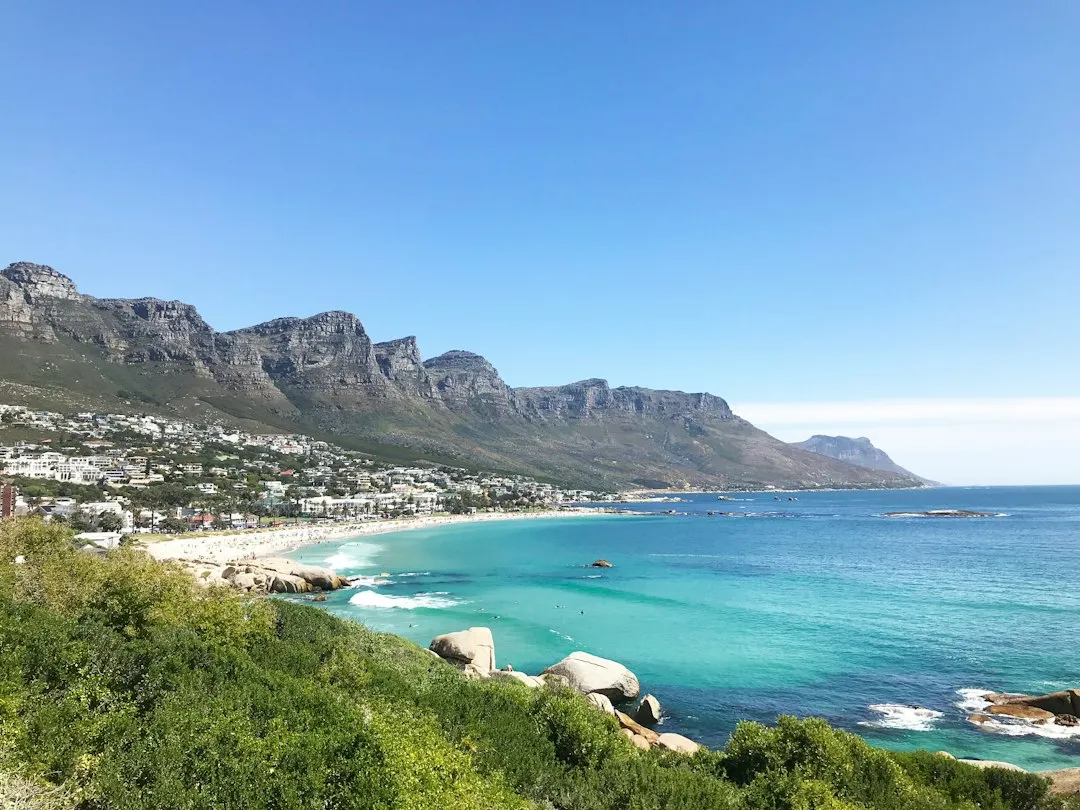
Clifton is effectively one long beach, but granite rock formations divide it into four distinct sections, all overlooked by the hikeable Lion’s Head mountain peak, and each cove draws its own crowd to the pristine white sand.
Located in the affluent Clifton neighbourhood, this secluded collection of four beaches, named 1st to 4th Beach, is naturally divided by outcrops of granite rock and features powdery sand, crystalline turquoise water, gigantic boulders, and spectacular views. The sheltered geography also means the notorious Cape Doctor wind, Cape Town’s summer southeaster, has far less bite here than on other beaches.
Clifton 4th Beach is one of Cape Town’s eight official Blue Flag beaches for the 2024/2025 season, a designation reflecting both water quality and environmental management standards. In 2024, forty-eight beaches around South Africa’s coastline earned Blue Flag status, with eight of those in Cape Town.
Llandudno: Wild, Quiet, and Surrounded by Giants
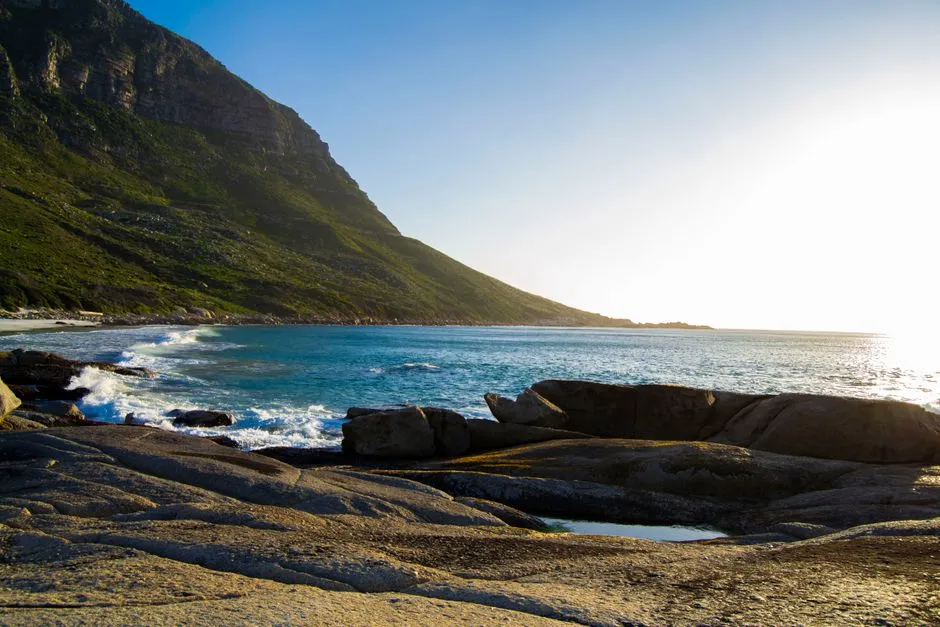
Llandudno is a firm local favourite and one of the city’s Blue Flag-accredited beaches for 2024, set without a car or road in sight and surrounded by a natural amphitheatre of colossal mountains and ancient boulders, which gives it a rare sense of true isolation.
Llandudno Beach is a secluded stretch of sand located approximately twenty minutes from Cape Town’s city center, nestled between the suburbs of Hout Bay and Camps Bay, and unlike the more commercial beaches, it offers a raw, untouched atmosphere with no restaurants, shops, or public amenities, only the ocean, boulders, and mountains.
Llandudno is also a photographer’s dream, with its granite boulders, golden sands, and panoramic views, and Sunset Rocks on the southern end is a hidden spot ideal for watching the sun dip over the Atlantic. Bring your own food, your own water, and a willingness to simply sit with one of the most extraordinary coastal landscapes in the Southern Hemisphere.
Muizenberg: Warm Water, Surf Culture, and Colorful Huts
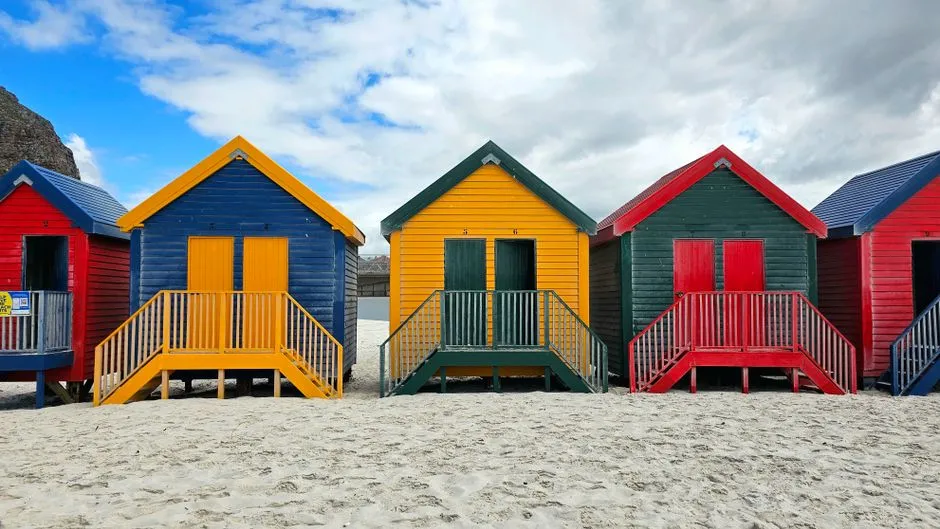
Located on the False Bay coast, Muizenberg offers a dramatically different experience from the Atlantic beaches. The water is significantly warmer, the sand stretches for miles, and the surf is ideal for all skill levels, making this beach synonymous with surf culture in South Africa and often referred to as Surfer’s Corner.
Muizenberg is a wide, sandy beach stretching for over twenty kilometres and offering some of the best surfing conditions in Cape Town, and it is also home to colourful beach huts that have become an iconic feature of Cape Town’s coastline. Those Victorian-era painted huts are among the most photographed details on the entire peninsula.
Plans are underway to enhance the Muizenberg Beachfront, with upgrades set to commence in mid-2025 and slated for completion by the end of 2026, with the revitalisation aiming to improve public spaces and bolster coastal protection, ensuring the beach remains a cherished retreat for both locals and visitors. The False Bay side of the peninsula, including Muizenberg, offers warmer water temperatures of around 18 to 22 degrees Celsius, making it genuinely swimmable for a much longer part of the year.
Noordhoek: Long Beach and an Immense Sense of Space
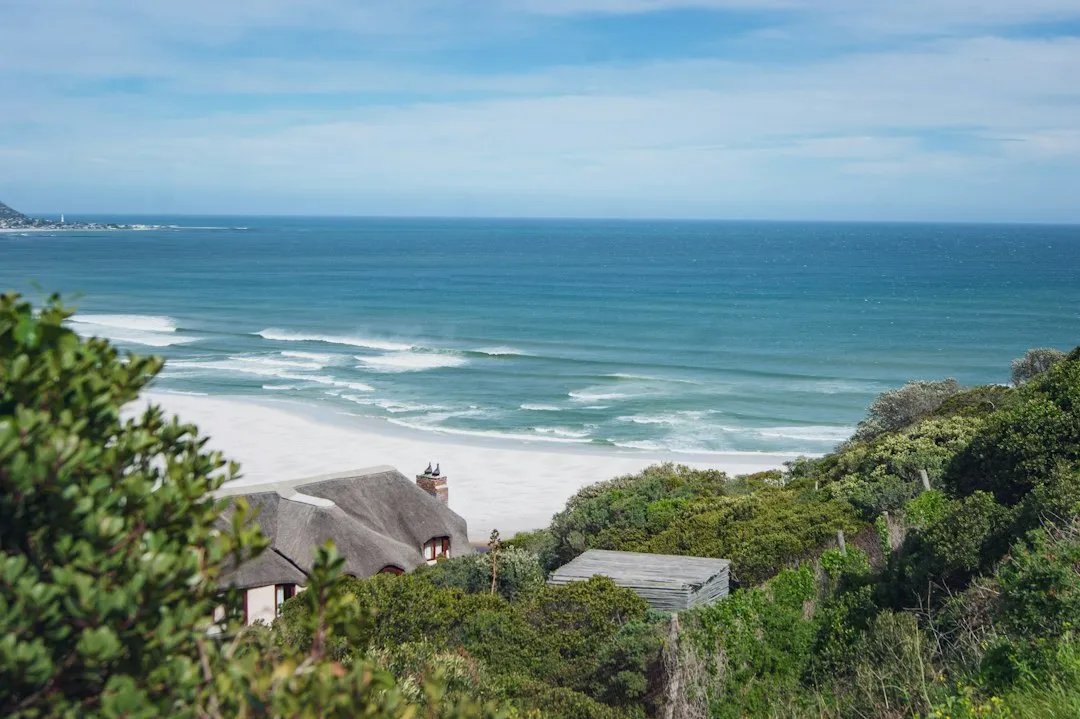
Noordhoek Beach is a popular destination located on the Southern Peninsula of Cape Town, a long, sandy beach that stretches for over eight kilometres and is surrounded by mountains, with hiking trails available to those who want to explore the area on foot.
For wild, empty space, Noordhoek’s Long Beach is truly glorious. Noordhoek also marks the end of the famous Chapman’s Peak Drive, which means many visitors arrive having already absorbed spectacular views from the clifftop road above, only to find the beach itself is its own reward.
Chapman’s Peak Drive, which connects directly to the Noordhoek area, is actually Cape Town’s most visited attraction, counting roughly 690,000 visitors as recorded in 2022, a windy road between Noordhoek and Hout Bay that delivers spectacular views of Cape Town’s coastal areas. The mountains that tower above Noordhoek are part of the Cape Peninsula mountain chain, and their scale from the beach below is genuinely humbling.
Fish Hoek: A Family-Friendly Bay in the Mountain Gap
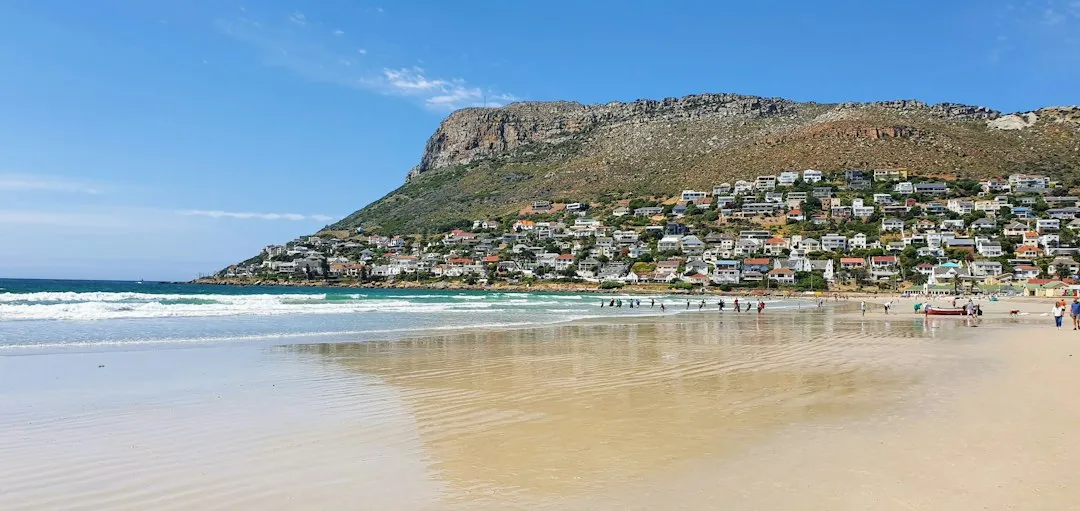
Fish Hoek Beach is one of the safest swimming beaches in Cape Town, protected by natural geography and monitored by dedicated lifeguards during summer. It sits on the east side of the Fish Hoek to Noordhoek gap, a low-lying break in the mountain range of the peninsula between False Bay and the Atlantic coast. That geography is what gives the bay its calm, sheltered character.
There is a brilliant coastal walk running between the beaches of St James and Muizenberg, which takes around twenty to twenty-five minutes, offering epic views of False Bay along the way, and whale sightings are not uncommon from this stretch. Fish Hoek sits comfortably along this same False Bay arc, making it a natural base for exploring the broader southern peninsula coastline.
Fish Hoek holds Blue Flag status for the 2024/2025 season, which signals consistently high environmental and safety standards. The mountains that ring the back of the town keep the suburb notably sheltered, and the beach reflects that quiet, protected energy throughout the year.
The Two Coastlines You Need to Understand
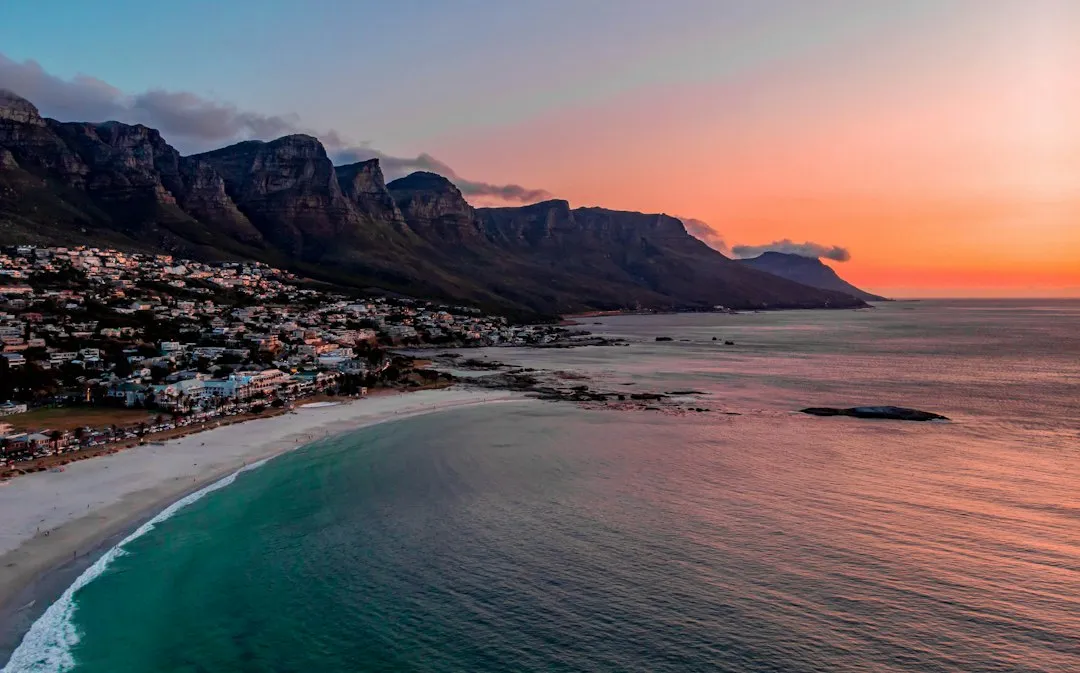
The single most useful thing to know about Cape Town’s beaches is that the peninsula has two very different coastlines. The Atlantic Seaboard on the west, including Clifton, Camps Bay, and Llandudno, is postcard-beautiful with white sand, turquoise water, and glorious west-facing sunsets, but the Benguela Current keeps the water cold, often just 12 to 16 degrees Celsius.
Around the corner, the False Bay coast, including Muizenberg, St James, Fish Hoek, and Simon’s Town, is fringed by warmer water, often 18 to 22 degrees Celsius in summer. Knowing this distinction before you visit is genuinely practical information, not just geography trivia. It changes what you pack, where you swim, and where you take the kids.
Blue Flag Standards and What They Mean for Visitors
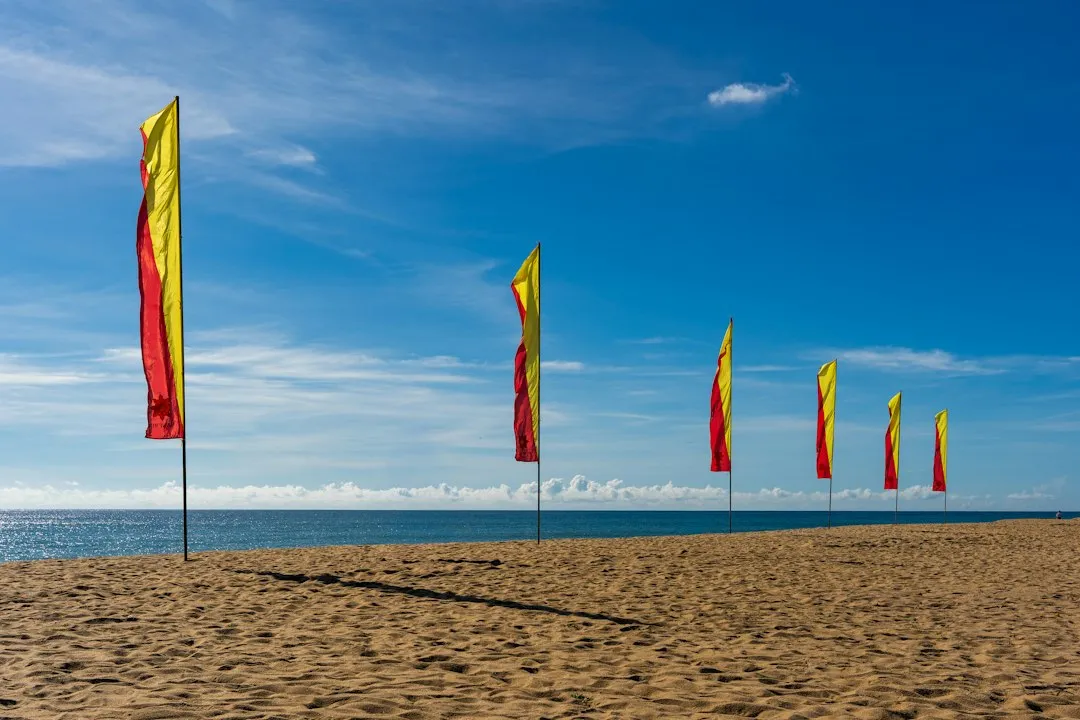
For the 2024/2025 season, Cape Town holds eight Blue Flag beach designations: Bikini Beach, Camps Bay, Clifton 4th, Fish Hoek, Llandudno, Melkbosstrand, Muizenberg, and Silwerstroomstrand. The city’s beaches are notable not only for their aesthetic allure but also for their commitment to eco-friendliness and community support, and these accolades affirm the city’s dedication to maintaining high environmental standards while providing safe and enjoyable experiences.
The Blue Flag designation is not simply about clean water. It involves a range of criteria including water quality, environmental education, safety services, and beach management. Cape Town’s beaches range from those within easy distance of restaurants and markets to those that are more isolated and better preserved, and no matter where you throw down your towel, you can expect spectacular mountain views, picture-worthy turquoise waters, and dramatic beachfronts.
Cape Town’s Global Recognition as a Beach City
Cape Town generated R24.5 billion in direct tourism spend in 2025, and Airports Company South Africa data shows a record 11.1 million two-way passengers that year, including 3.3 million two-way international passengers, representing a seven percent increase compared to 2024.
The city’s top six international source markets in 2025 were the United Kingdom, the United States, Germany, the Netherlands, France, and Australia. It’s a genuinely international crowd that arrives in Cape Town, and the beaches are a significant draw for most of them. Cape Town has been named the world’s best city for travellers multiple times, including by Time Out in 2025 and the World Travel Awards in 2026.
Boulders Beach: Where the Peninsula Meets the Penguins
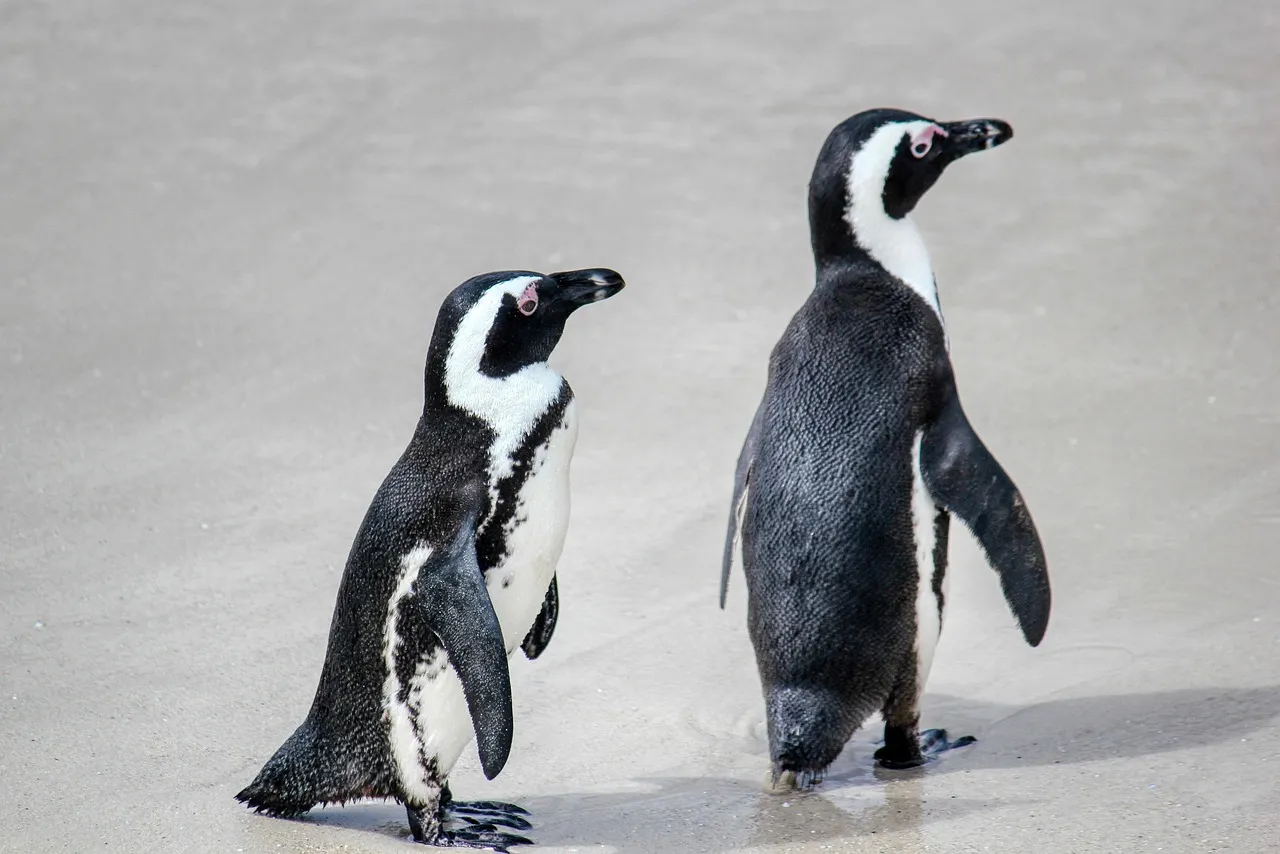
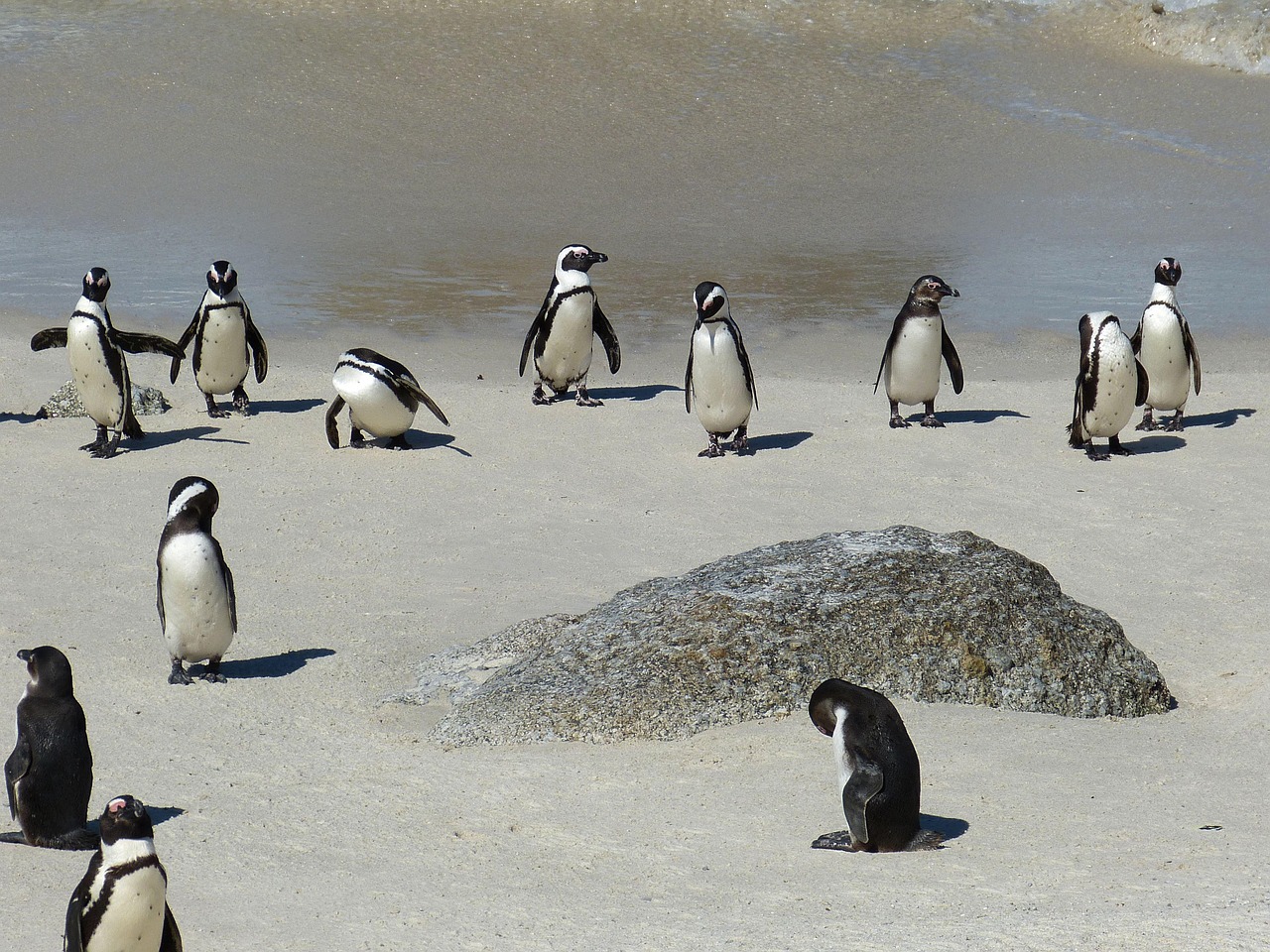
Boulders Beach’s identity has been shaped by its resident African penguin colony since the 1980s, when a single breeding pair established itself on the sheltered cove, and today the colony numbers in the thousands. The low granite mountains of the southern peninsula form a quiet backdrop to the beach, and the ancient boulders that give the spot its name create naturally sheltered coves perfect for the colony.
In 2024, the International Union for Conservation of Nature uplisted the African penguin from Endangered to Critically Endangered, with fewer than 10,000 breeding pairs surviving across the species’ entire range. Visitors access the colony via elevated boardwalks and protected viewing platforms, passing close enough to hear the animals without disrupting them. Choosing to visit Boulders responsibly, staying on the designated paths, is a small but meaningful act of care.
A conservation fee applies to enter, which was ZAR 215 for international citizens as of 2025, and that fee directly supports the managed protection of the colony and its habitat. The mountains, the granite, and the sea here feel ancient, and the penguins add a layer of life that no other beach on the peninsula can match.
The Takeaway
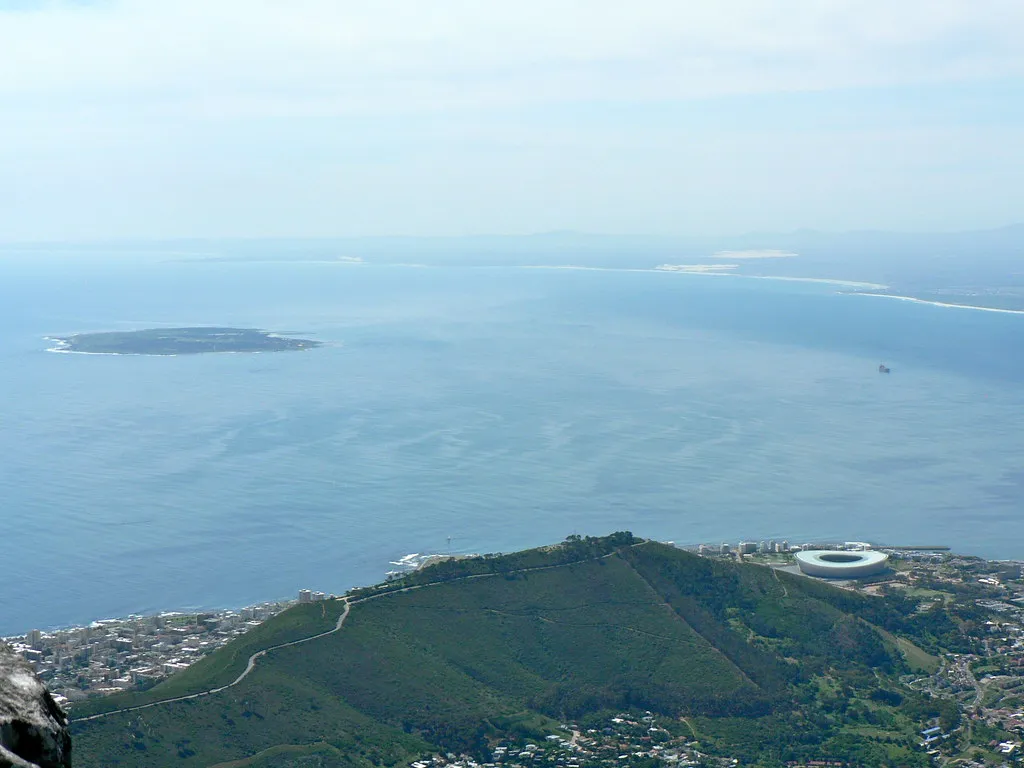
What makes Cape Town’s beaches genuinely remarkable isn’t just the sand or the surf. It’s the particular way the mountains drop almost directly into the sea, giving every stretch of coast a sense of scale and drama that stays with you. Whether you’re drawn to the glamour of Camps Bay, the wildness of Llandudno, the warm waves of Muizenberg, or the quiet wonder of Boulders, the mountains are always part of the picture.
Travel here with curiosity and some patience for the geography. Learn which side of the peninsula suits your mood. Respect the Blue Flag standards that help keep these beaches clean and ecologically sound. Cape Town’s coastline is extraordinary partly because people have chosen to protect it, and that’s a responsibility worth sharing as a visitor.
AI Disclaimer: This article was created with the assistance of AI tools and reviewed by a human editor.