
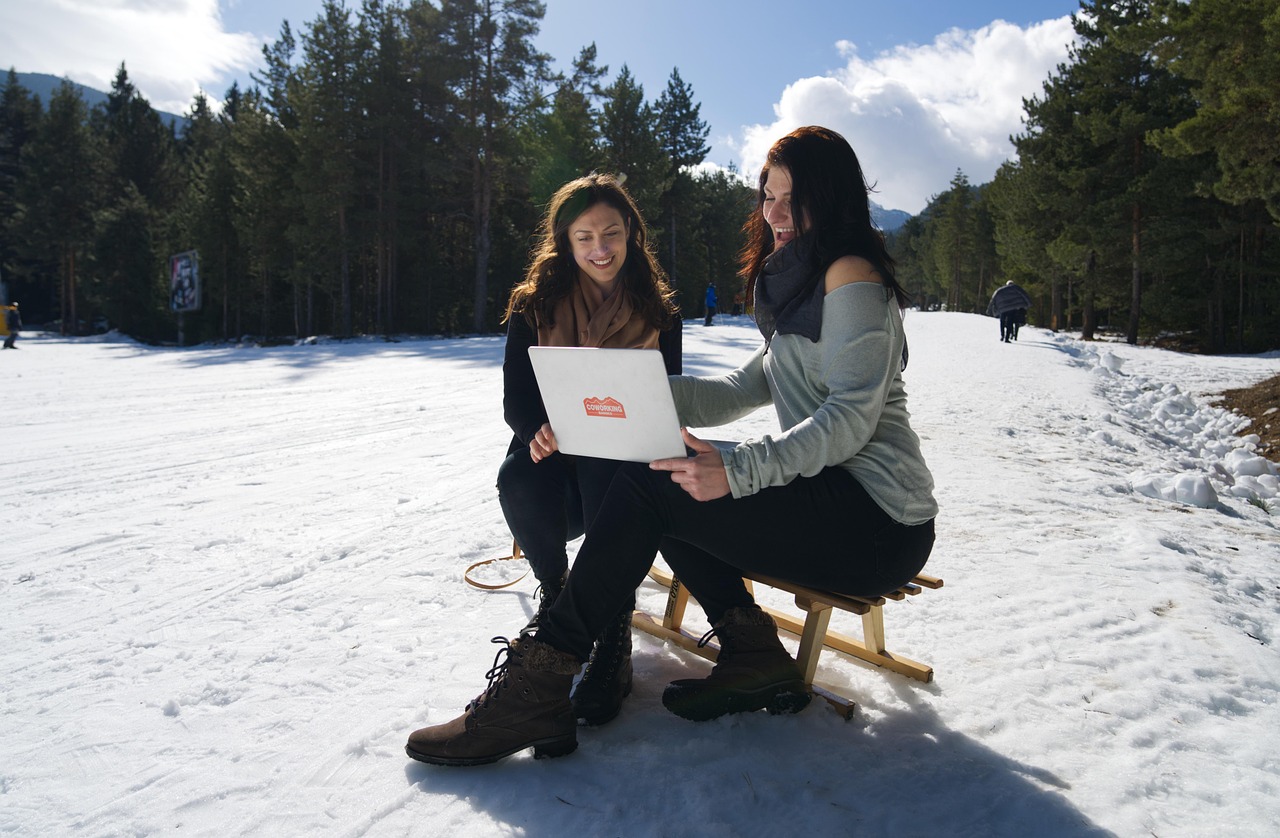

Remote work has quietly restructured how governments think about attracting people. Countries that once had little reason to care where a foreign professional chose to set up their laptop have begun rolling out formal legal pathways to welcome them, charge them rent in the form of local spending, and benefit from their economic presence without adding pressure to local job markets.
More than 50 countries now offer digital nomad visas as remote work reshapes global mobility. The growth of digital nomad visa programs has accelerated rapidly in recent years, with nearly all programs launched since 2020. Six countries in particular have made headlines in 2025 and 2026 with fresh, newly launched programs worth knowing about.
The Scale of the Movement Behind These Visas

The worldwide digital nomad population exceeded 40 million in 2025, with projections pointing toward 60 million by 2030. Digital nomads now make up approximately 12% of the U.S. workforce, with 18.5 million American workers identifying as digital nomads in 2025, a 153% increase since 2019, according to MBO Partners’ 2025 Digital Nomads Trends Report.
The average digital nomad is around 36 years old, often with a bachelor’s degree and earning a strong average annual income. Gen Z and Millennials together make up roughly two thirds of the nomad population, with those aged 30 to 39 representing the largest single age group. Governments have taken notice of this spending power, and the visa programs below are a direct response to it.
Thailand: The Destination Thailand Visa (DTV)

The Destination Thailand Visa, better known as the Thailand digital nomad visa, was launched by the Thai government in July 2024. After 18 months in the field, it has become the gold standard long-stay visa for remote workers, freelancers, and soft-power enthusiasts who want to live in Thailand without giving up their international income.
The Thailand Digital Nomad Visa allows two extendable 180-day stays per year within its five-year validity. Applicants need THB 500,000 (or equivalent) in their account, and most embassies want those funds seasoned for at least three months. Since January 2025, all DTV applications go through the official Thailand e-Visa portal, and in-person submission is no longer required at most embassies.
The DTV has lower financial requirements and longer validity than every other digital nomad visa in Asia, which makes it stand out even in a crowded field of competing programs across the region.
Bulgaria: A Fresh European Option With a Low Cost Base

Bulgaria has officially introduced a digital nomad visa, making it a new option for remote workers planning a move in 2026. The country offers a significantly lower cost of living than many European destinations, growing remote-work infrastructure in cities like Sofia and Plovdiv, and easy access to both mountains and the Black Sea.
Since joining the Schengen Area and adopting the euro in 2025, Bulgaria has also become a convenient base for travelling across Europe. The visa is open to non-EU and non-EEA nationals who work remotely and earn their income from outside Bulgaria. For nomads priced out of Western Europe’s more expensive schemes, Bulgaria’s entrance into this space is a genuinely welcome development.
Slovenia: One of Europe’s Newest Entrants
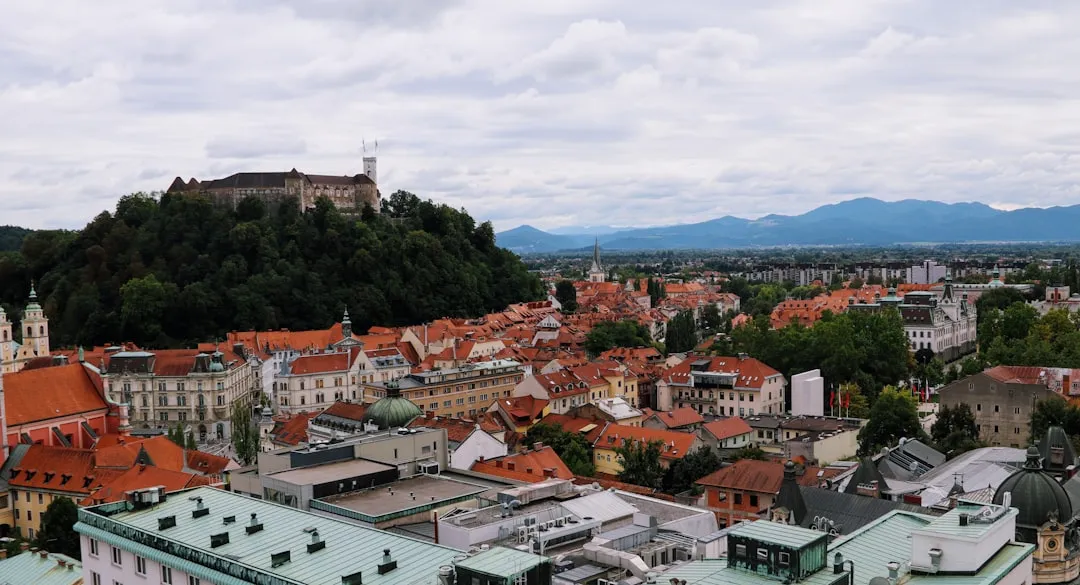
Slovenia launched its digital nomad scheme on November 21, 2025. The visa allows non-EU and non-EEA workers employed by foreign employers or clients to live in Slovenia for one year. While the visa cannot be renewed, applicants may apply for it again after a six-month break from the country.
Slovenia is one of the newest European countries to run a digital nomad permit program. The country’s location is part of its appeal, sitting at the intersection of the Alps, the Adriatic coast, and Central Europe, with Ljubljana functioning as a compact, walkable capital that keeps day-to-day life remarkably manageable for those focused on work.
Moldova: The Affordable Eastern European Gateway

Moldova launched its digital nomad visa officially from September 20, 2025. The visa is designed for freelancers, remote employees, and entrepreneurs who earn income from outside Moldova, allowing them to live and work legally in the country for up to two years, with the possibility of renewal.
For a Moldovan digital nomad visa, the minimum income requirement sits at around €1,300 per month, which is considerably lower than what most Western European programs demand. Moldova is one of the first Eastern European countries to offer this visa, joining Estonia, Romania, and Latvia in improving prospects for greater business and mobility integration across the region. For nomads whose priority is affordability, Moldova’s low bar to entry is a rare find on the European continent.
Italy: The Remote Worker Visa Built for Skilled Professionals
The Remote Worker Visa, also known as the Italy Digital Nomad Visa, was launched in April 2024. Through it, digital nomads can hold a residence permit for a year, which is extendable, and can travel freely in the Schengen Area while also benefiting from special tax incentives.
To gain approval, applicants must work for a company not registered in Italy and meet a minimum annual income threshold of €24,789, which increases if a spouse or children are included in the application. While the program is still evolving, it reflects a broader effort to bring international talent into the country’s economy. For many applicants, the appeal lies in combining remote work with Italy’s lifestyle, cultural heritage, and regional diversity, from major cities like Milan to smaller coastal towns.
Sri Lanka: A Long-Promised Program Finally Live

After years of anticipation, Sri Lanka opened its Digital Nomad Visa in February 2026, run by the Department of Immigration and Emigration. The program asks for about USD 2,000 per month in proven income for the one-year visa, and there is also a longer five-year option available, with renewal built in.
Sri Lanka’s entry into this space comes at a meaningful moment for the island. The country has been working to rebuild its international tourism and economic reputation following several years of economic difficulty. A digital nomad visa adds a structured, longer-term visitor category that benefits local communities through sustained spending rather than short-stay tourism alone.
What Most of These Programs Have in Common
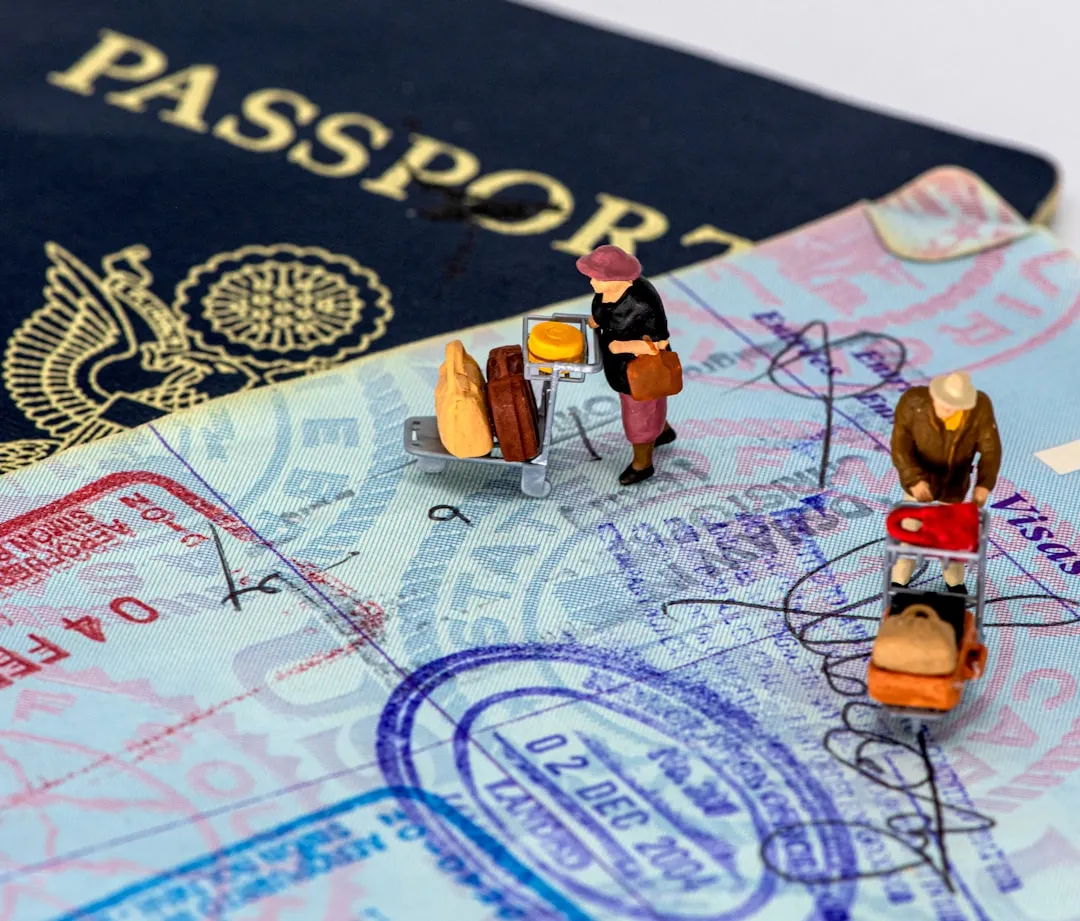
A digital nomad visa is a residence permit that allows a remote worker to live and work in another country. These visas typically provide temporary residency of six to 24 months, and most can be renewed. In some countries, the visa can be the first step on a path to permanent residency or citizenship.
Countries benefit from the economic activity nomads bring without the labor market competition of traditional immigration. Visa requirements typically include proof of remote income, health insurance, and a minimum income threshold ranging from roughly $1,500 to $5,000 per month. The income floors differ sharply depending on the country’s cost of living and positioning strategy.
The Broader Competitive Landscape

A report from Global Citizen Solutions, unveiled at Nebrija University in Madrid, evaluates 64 global visa schemes and ranks Spain, the Netherlands, and Uruguay as the top three destinations for digital nomads in 2025. The analysis uses 15 indicators across six categories, including procedure, citizenship and mobility, tax optimization, economics, quality of life, and technology and innovation.
Europe and the Americas dominate the index, accounting for more than two thirds of total programs analyzed. Some 14 programs, including Portugal, Italy, Germany, the Netherlands, Canada, Mexico, and Uruguay, allow conversion to permanent residency. The new additions from Bulgaria, Slovenia, Moldova, and Sri Lanka show that the competition for remote workers is now genuinely global.
Why Governments Are Moving Quickly

Visa programs represent a competition among nations for high-earning remote workers. Countries benefit from the economic activity nomads bring without the labor market competition of traditional immigration. This global expansion reflects governments recognizing the economic value of attracting location-independent workers.
Nearly nine in ten digital nomads report using AI in their daily work, which means the population these visas attract tends to be highly skilled, highly productive, and well-compensated. That profile is exactly what economies trying to attract talent, spending, and innovation want to bring through their doors without displacing local workers.
The Takeaway

Six new programs in roughly a year is a notable acceleration, and the geographic spread tells its own story. From a small Himalayan-adjacent republic in Eastern Europe to a Buddhist island nation in the Indian Ocean, the logic is consistent: remote workers with stable foreign income are a low-friction way to generate local economic activity.
Whether you’re considering Thailand’s generous five-year framework, Moldova’s accessible income threshold, or Italy’s tax incentives, the practical opportunity is real. The programs are live, the requirements are published, and the countries behind them are actively welcoming applicants. The harder question, for any traveler weighing these options, is simply which one fits how you actually want to live.
AI Disclaimer: This article was created with the assistance of AI tools and reviewed by a human editor.