
Currency charts rarely make for exciting reading, yet in 2026 they are quietly reshaping where a lot of Americans choose to spend their vacation days. A weak local currency somewhere else does not always show up in headlines, but it shows up on hotel bills, dinner tabs, and museum tickets in ways that add up fast.
This year, a handful of countries stand out not because they are cheap in a bare bones way, but because the exchange rate stretches a normal travel budget into something closer to a splurge. Here is a closer look at six places where that math genuinely works in your favor right now.
Vietnam
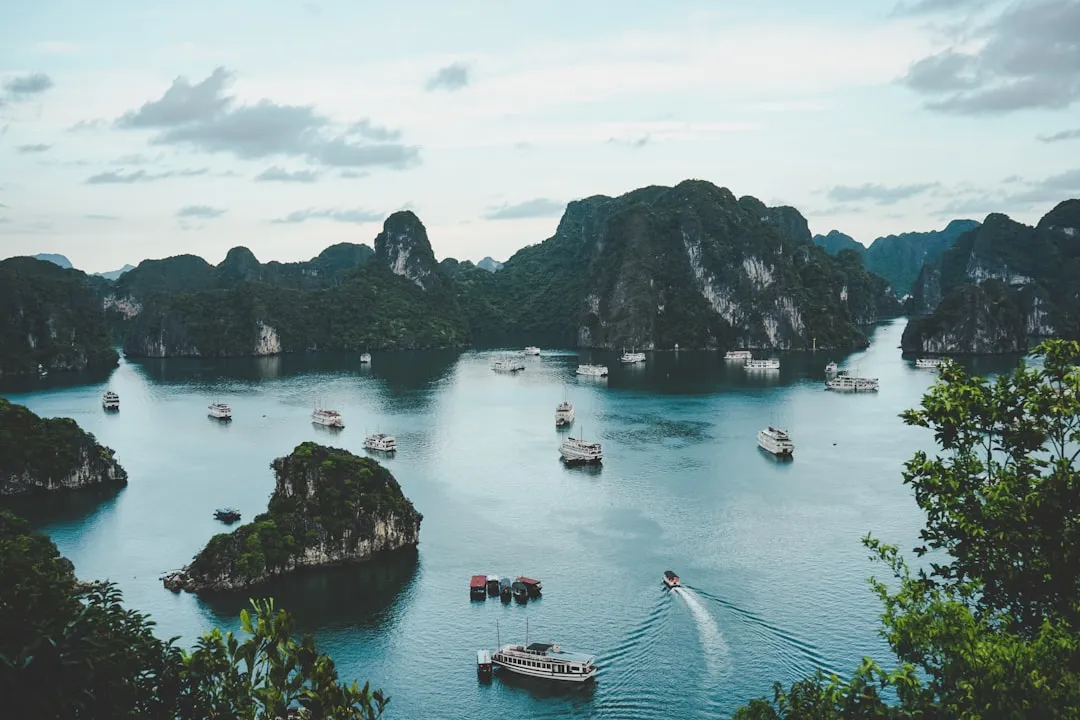
Vietnam has spent years building a reputation as one of the best value destinations on the planet, and the numbers back it up. Vietnam is one of the most affordable destinations in the world, with low daily costs for lodging, food and transportation, and getting around averages about $11 per day. That kind of daily spend covers a lot of ground in a country with coastline, mountains, and cities packed with history.
The scenery matches the price tag in terms of variety. From the terraced rice fields of Sapa to the serene waters of the Mekong Delta, Vietnam offers a blend of culture, history and natural beauty at what amounts to an unbeatable value. Coastal spots like Da Nang have also been picking up attention as gateways into the country’s mix of beaches and food culture without the price tag of neighboring tourist hubs.
Japan

Japan used to be the destination Americans saved for years to afford. That has shifted noticeably in the last couple of years. As of recent months, $1 USD gets roughly 156 Japanese yen, nearly a record high, compared to about a 1 to 110 ratio before the pandemic.
That shift changes the day to day experience of a trip there. Local trains and buses are unbelievably inexpensive, and entry to most museums, shrines, and other cultural attractions is typically five dollars or less. Even a proper sit down sushi dinner is more attainable than it has been in years, which helps explain why Japan has become such a popular pick for value minded travelers lately.
Turkey

Turkey’s currency situation has been rough for the country’s own economy, but it has quietly turned into a gift for visiting Americans. The Turkish lira collapsed in 2018 and remains weak against the dollar, which is difficult for Turkey but excellent for American tourists. The gap shows up in everyday spending almost immediately.
A full Turkish breakfast with endless tea costs around five dollars, and a proper kebab dinner with meze and raki runs fifteen to twenty dollars. Even higher end experiences stay reasonable, since five star hotels that would cost five hundred dollars in Europe often charge around one hundred twenty dollars in Istanbul. Istanbul’s mix of Byzantine and Ottoman landmarks, paired with Cappadocia’s otherworldly landscape a short flight away, makes the value feel almost accidental given how much history is on offer.
Colombia
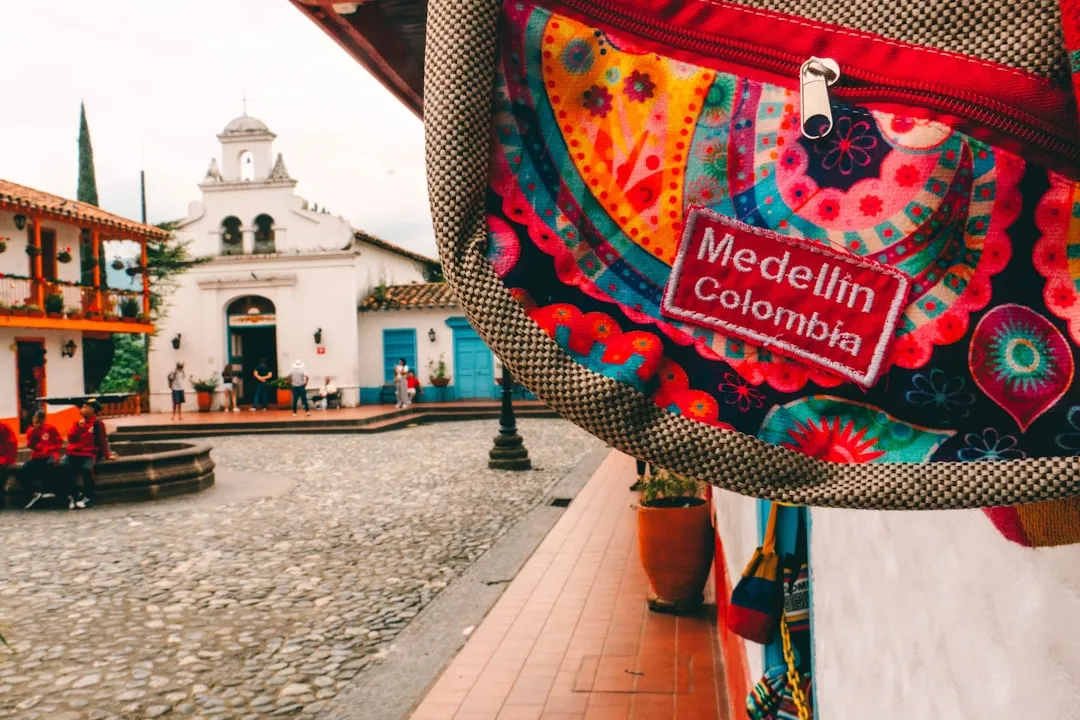
Colombia has spent the last decade rebuilding its image, and the exchange rate has made that rebuilt version easy to enjoy. A bandeja paisa lunch costs around eight dollars, and a nice dinner with cocktails for two runs twenty five to thirty five dollars. Medellín in particular has become a favorite base for travelers thanks to its steady, spring like climate.
Medellín stays around seventy degrees every day, which is why locals call it the City of Eternal Spring. Beyond the city, the coffee region around Salento and the walled colonial core of Cartagena round out a trip that covers mountains, coastline, and history without straining a travel budget the way it might have a few years ago.
Argentina
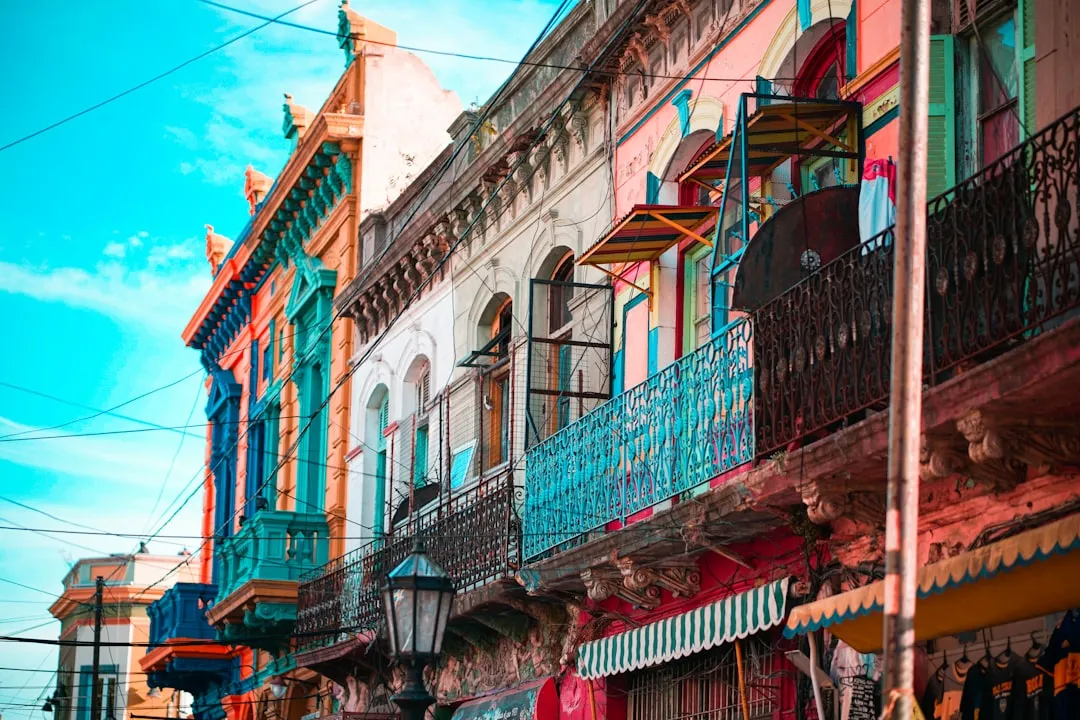
Argentina remains one of the more talked about value destinations in South America right now. Favorable exchange rates and low daily costs are making everything from dining to accommodations more affordable for visitors. That affordability extends well beyond the capital.
Buenos Aires itself offers plenty to fill a week, from the iconic El Ateneo Grand Splendid bookstore to the historic architecture, world class museums, and contemporary culture found throughout the city. Travelers willing to head further afield can pair that urban culture with the dramatic scenery of Patagonia or the Indigenous traditions found in the northern provinces of Salta and Jujuy.
South Africa

South Africa pairs a favorable exchange rate with an unusually wide range of experiences, from cosmopolitan cities to some of the best wildlife viewing on the continent. Airfare tends to be steep, but once travelers arrive, midrange hotel rooms often go for around one hundred dollars a night or less. That leaves more room in the budget for the parts of a trip that matter most.
Cape Town alone justifies a visit, with Table Mountain’s cable cars, the craggy cliffs of the Cape of Good Hope, and beaches, vineyards, and penguins rounding out the appeal. Johannesburg has also become a compelling entry point, offering culture and design alongside easy access to nearby safari destinations like Pilanesberg and Dinokeng, where the exchange rate stretches even further once you factor in guided game drives and lodge stays.
Getting the Most Out of a Favorable Rate

A strong exchange rate only helps if travelers actually take advantage of it wisely once they land. Simple habits make a real difference, starting with where money gets exchanged in the first place. Airport and train station ATMs tend to carry much higher fees and less favorable exchange rates than other options.
Choosing the right card matters just as much. A credit card with no foreign transaction fees avoids charges that can run as high as three percent on every purchase abroad. Combined with a bit of planning around shoulder season travel and local rather than tourist zone spending, these small choices can turn an already favorable exchange rate into an even better trip.
A Final Thought on Currency and Travel

Exchange rates move constantly, and none of the six countries above will stay locked at today’s numbers forever. What tends to hold steadier is the underlying appeal, the food, the landscapes, the history, that made these places worth visiting long before anyone was checking a currency app before booking a flight.
Treating a strong dollar as an invitation rather than the whole reason for a trip tends to make for a better experience anyway. The rate might be what gets a destination on the shortlist this year, but it is usually everything else about the place that ends up being remembered.
AI Disclaimer: This article was created with the assistance of AI tools and reviewed by a human editor.