
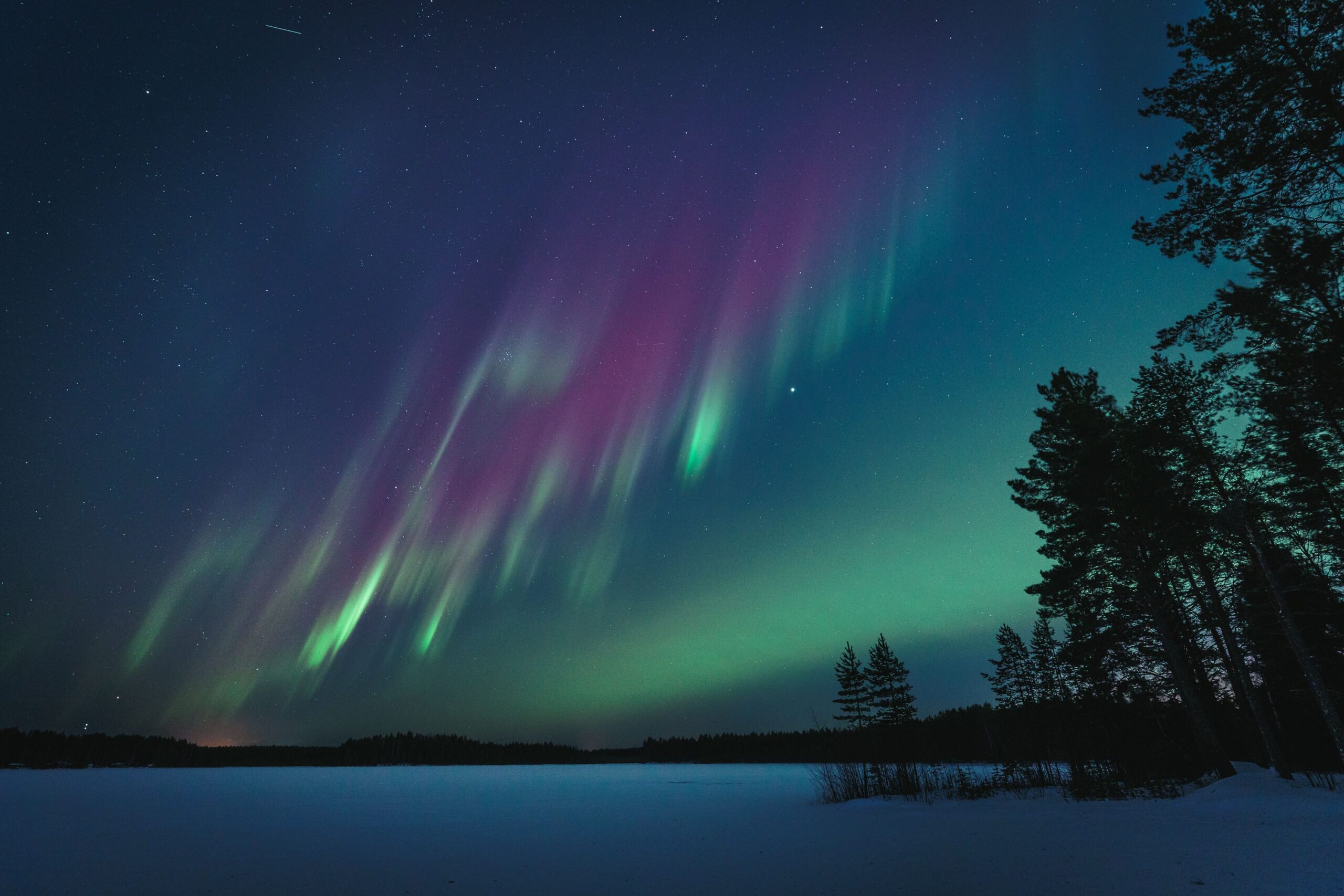

Finland doesn’t shout for attention. It doesn’t need to. The country earns its reputation quietly, through birch forests that shift color with the seasons, lakes that hold the sky like mirrors, and a culture that moves at the pace of nature rather than against it. In 2025, Finland welcomed nearly 5.1 million foreign tourists, an increase of four percent compared to the previous year. That steady rise in interest speaks to something genuine: people keep coming back, and those who visit once rarely feel like they’ve seen enough.
What makes Finland exceptional isn’t one headline attraction. It’s the layering of experiences that feel nothing like anywhere else in Europe, and that remain just as compelling whether you arrive in the snowbound heart of January or beneath the golden haze of a July midnight.
1. Chasing the Northern Lights in Finnish Lapland
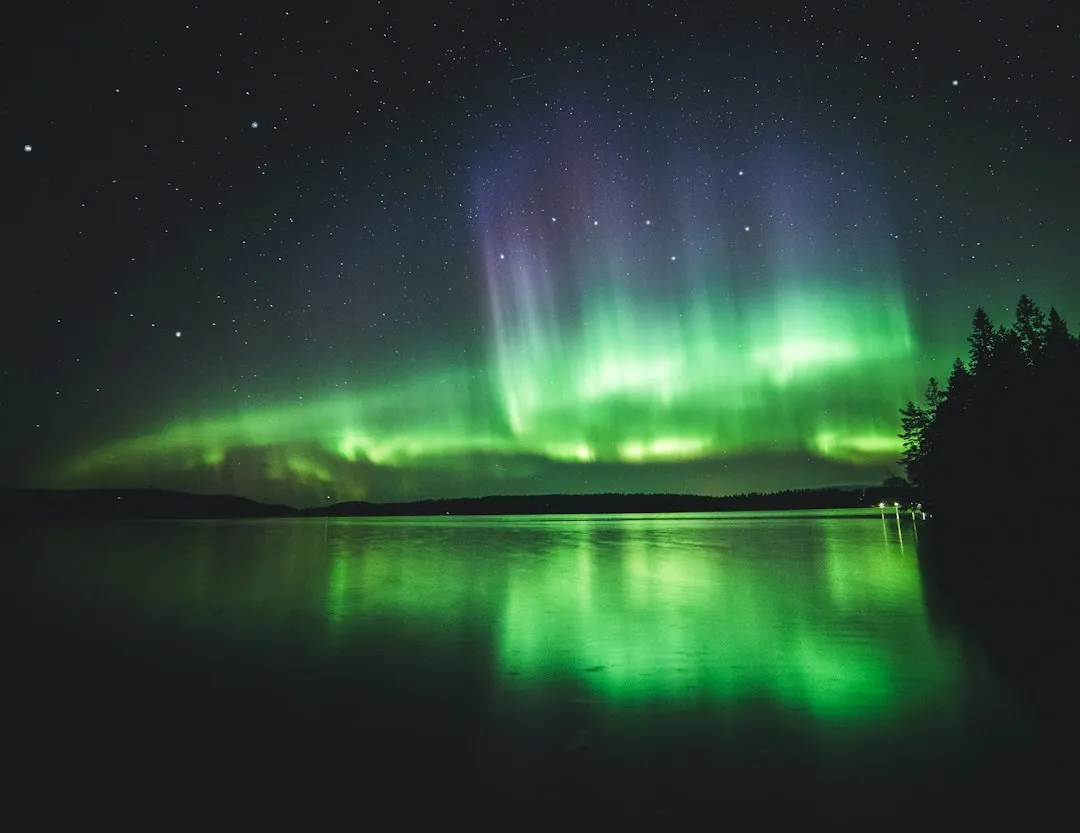
Few natural phenomena carry the same pull as the aurora borealis, and Finland is one of the most reliable places on Earth to witness it. Finland is one of the best inhabited regions in the world for viewing northern lights, sitting on the southern rim of the auroral oval. Lapland’s northern latitude places it within the “aurora zone,” a band encircling the Earth at latitudes of 65 to 72 degrees north, where the aurora borealis can be seen with the greatest intensity and frequency.
Northern lights are most visible from the end of August to April in Lapland and northern Lakeland. Many travelers associate the northern lights with deep winter, but the most active seasons are actually autumn and spring, when the Earth’s orientation toward the sun maximizes the probability of solar flares interacting with the planet’s magnetic field. In Sodankylä, every second night is an auroral night.
Statistical visibility patterns suggest that visitors spending three nights in Lapland during peak season have approximately a 75 percent chance of seeing the northern lights on at least one evening, assuming they make viewing attempts each night. Global interest continues to grow: Expedia searches skyrocketed for winter trips to Lapland in Finland by 370 percent compared to previous periods. That kind of demand tells its own story.
2. The Sauna: A Cultural Practice Unlike Any Other
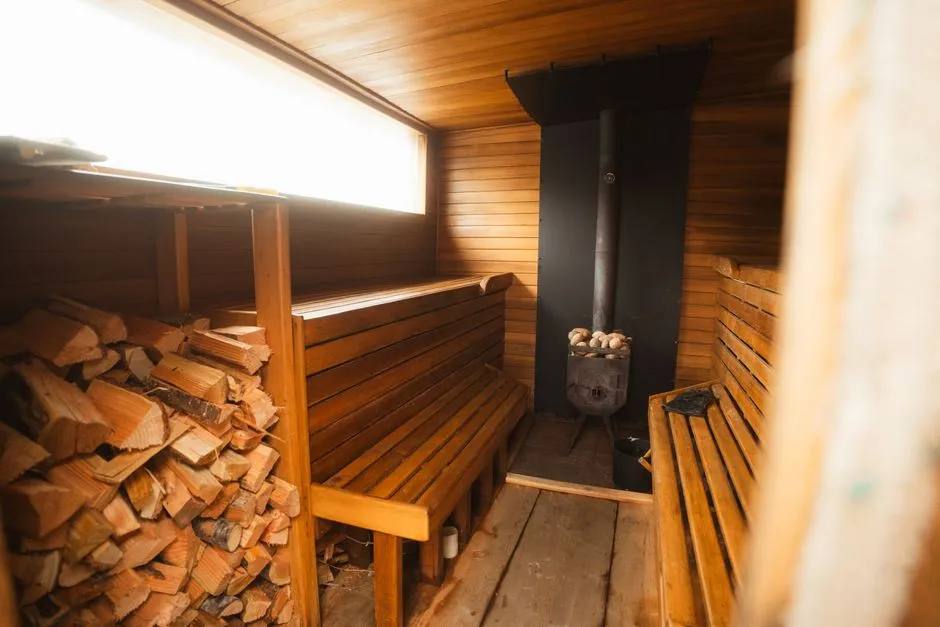
With approximately 3.3 million saunas for a population of 5.5 million, virtually every Finnish home has access to a traditional Finnish sauna. Almost 90 percent of all Finns go to a sauna once a week. This isn’t a wellness trend imported from a spa catalog. It’s a ritual that predates modern Finland itself.
Sauna culture is the first Finnish element on UNESCO’s Representative List of the Intangible Cultural Heritage of Humanity. In a sauna, people cleanse their bodies and minds and embrace a sense of inner peace. Traditionally, the sauna has been considered a sacred space, a “church of nature.” Sharing a sauna with Finns is one of the few travel experiences that genuinely breaks down social formality.
Traditional saunas exist in isolated summer houses, cabins, bathrooms of private homes and apartments, in community centers, corporate offices, and even the Finnish Parliament. Mobile saunas even pop up in large cities like Helsinki, either on trailers, boats, or tents. The variety is part of the charm. No two sauna experiences in Finland feel quite the same.
3. The Midnight Sun and the Nightless Nights of Summer
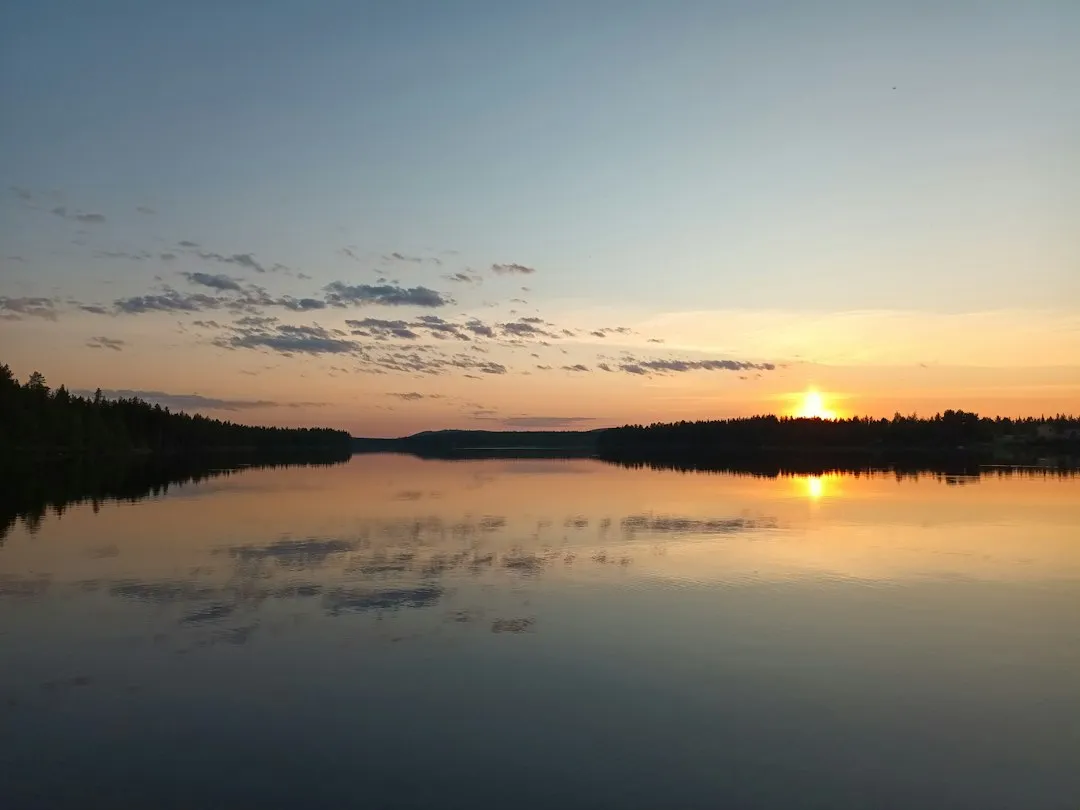
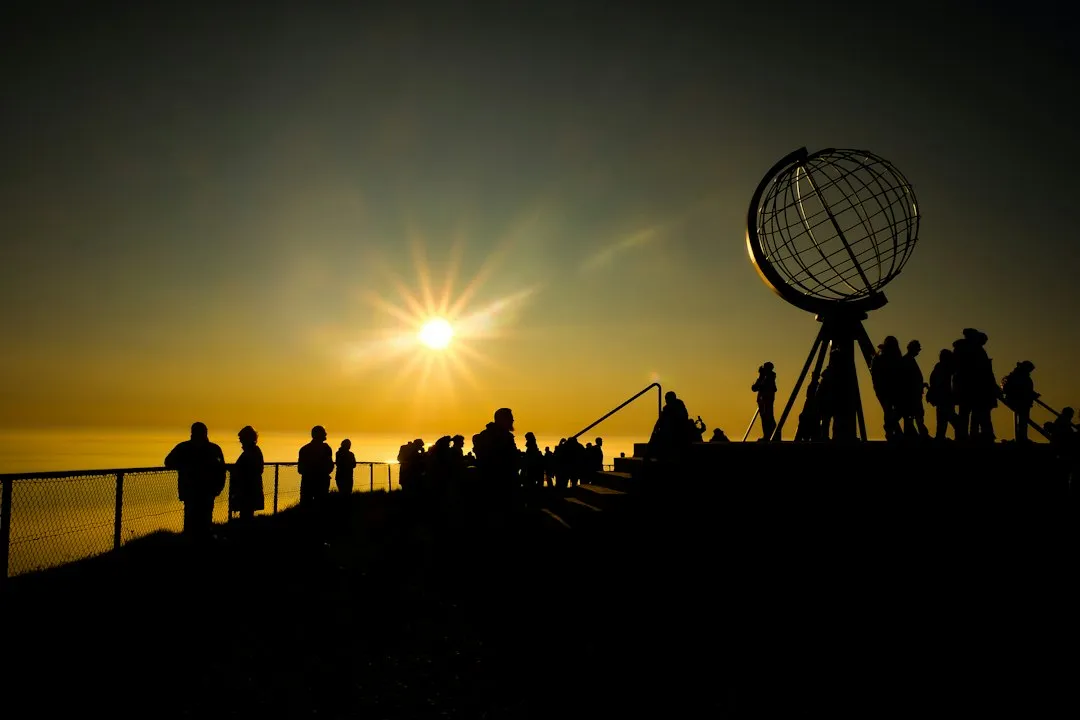
In Finland, the midnight sun can be experienced from late May to late July, creating an otherworldly atmosphere where time seems to dissolve into golden-hued horizons. In Kilpisjärvi, a small village in northern Finland near the Norwegian border, the midnight sun lasts for more than two months. For most visitors, the disorientation of golden light at 2 a.m. takes a day or two to fully absorb.
The midnight sun transforms Finnish Lapland from late May through late July, bathing the landscape in golden light 24 hours a day. In Finland’s Lakeland, summer nights glow with the soft golden light of the midnight sun, blurring the line between day and night. Drifting across a glassy lake by canoe, the sun’s reflection shimmering on the water, is a deeply still experience. Hiking through lush pine forests where shadows stretch endlessly, or taking a late-night dip in a secluded cove, feels remarkably timeless.
Midsummer, known as Juhannus, is celebrated in late June and marks the longest day of the year. Finns head to lakeside cottages to relax and enjoy saunas, barbecues, midnight swims, and bonfires under the midnight sun. Experiencing this as a visitor, even briefly, gives a genuine glimpse into how deeply Finns are shaped by their landscape.
4. Wildlife Encounters in a Country That Respects Its Animals
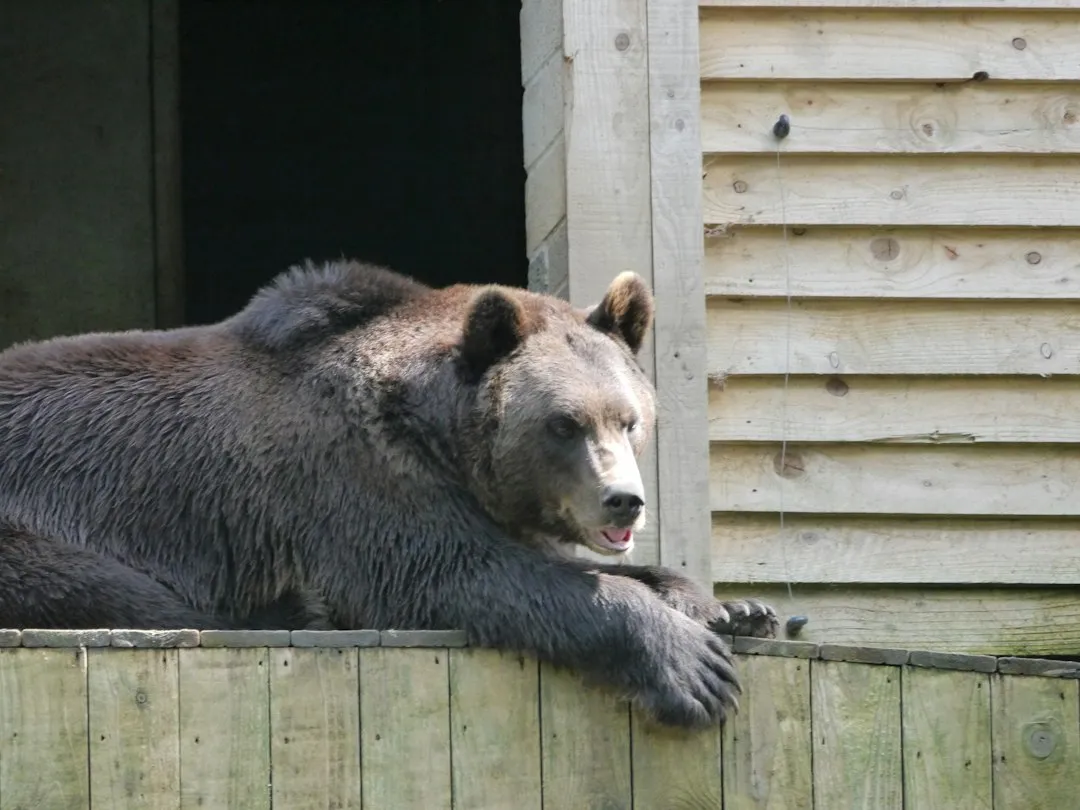
The pristine and picturesque landscapes of Finland are home to wolves, lynxes, eagles, cranes, and swans. Finnish Lapland has a reindeer population of about 200,000, which is 20,000 more reindeer than people. In summertime, reindeer roam freely and cause the only traffic jams in Lapland by crossing empty roads.
Bear-watching season starts at the beginning of May and runs until September. One unique way to experience Finnish wildlife is from the heat of a sauna. Hossan Karhut’s Bear Sauna Safari welcomes visitors to the only “hide sauna” in the world, giving guests the chance to watch bears and other wildlife through a window while relaxing in the sauna. It’s an only-in-Finland kind of idea that somehow works perfectly.
Husky and reindeer safari tours include visits to Sámi reindeer farms, where meeting a Sámi family, learning traditional reindeer herding skills, and experiencing authentic Sámi cultural practices at the Siida Centre in Inari are among the most moving and profound Lapland travel experiences. These encounters deserve care and respect, and the best operators in the region ensure exactly that.
5. Foraging and Forest Food Culture
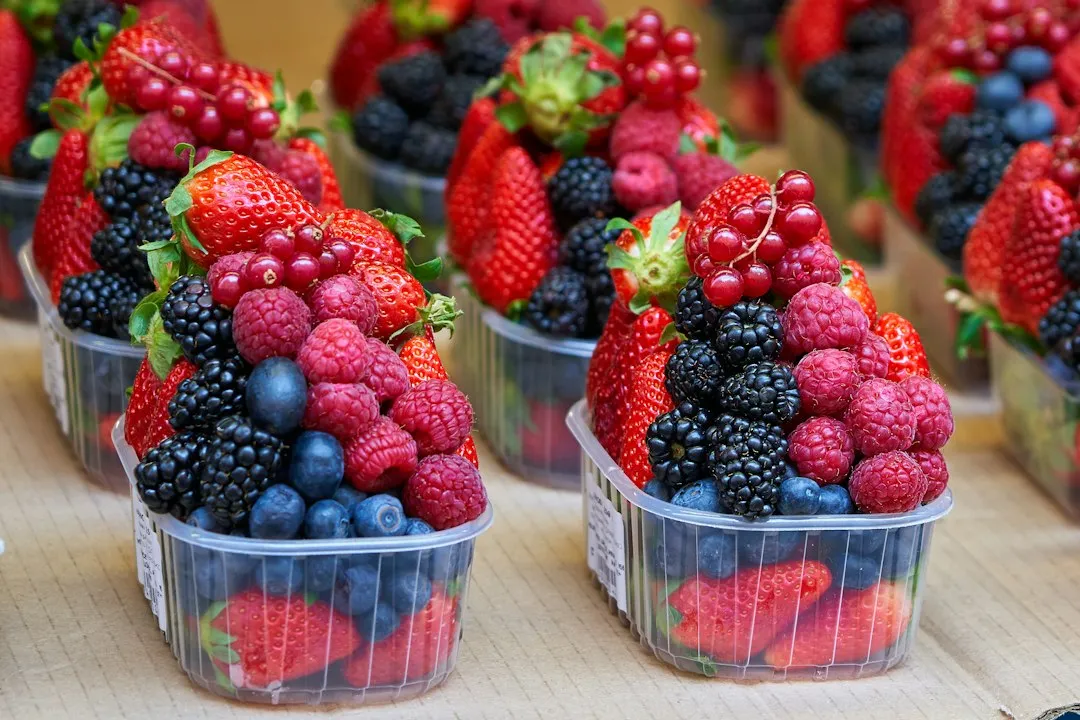
Foraging in Finland spans bilberries and cloudberries to chanterelles, with guided tours and accessible forests available throughout the country. Summer and autumn tours offer foraging for wild cloudberries, lingonberries, and mushrooms in the extraordinary Arctic forests. The forests are genuinely generous, and the practice feels entirely natural here because it is.
In the Saimaa region, visitors enjoy a variety of dishes with ingredients freshly caught from one of Europe’s largest lakes or produce foraged from the vast local forests. Restaurant Tapio in Ruka-Kuusamo, described as the world’s northernmost star of the Michelin scene, offers a taste of Finnish purity and local ingredients under the shimmering glimpses of the aurora borealis. That combination of wild provenance and fine cooking is distinctly Finnish.
The concept of everyman’s right, known locally as jokamiehenoikeus, underpins much of this. Finns believe everyone has the right to enjoy nature, and this concept ensures that visitors can explore most natural spaces freely. Picking berries from a roadside forest is not a special privilege in Finland. It is simply a way of being.
6. National Parks and the Quiet Grandeur of Finland’s Wilderness
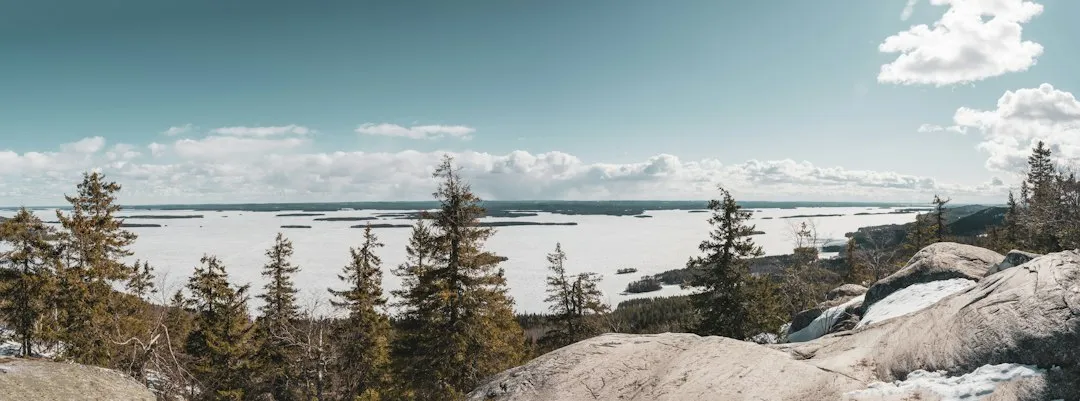
Finland has 41 national parks, and each one carries a distinct character shaped by terrain, latitude, and season. Pallas-Yllästunturi National Park, Finland’s third largest, covers an area of 1,020 square kilometers and received nearly 599,000 visitors in 2024. That level of visitation, spread across such a large and wild landscape, rarely feels crowded.
Visitors to Oulanka National Park come to hike the Karhunkierros Trail, go canoeing or kayaking on the Kitka and Oulanka Rivers, and explore the park’s scenic viewpoints and waterfalls. As autumn arrives, the forests glow with ruska colors, cloudberry marshes turn orange, and the northern lights return to the darkening skies. The Finnish word for this autumn spectacle, ruska, has no real English equivalent, which feels apt.
Hawkhill Resort, nestled close to one of Finland’s national parks, takes sustainable actions to tackle nature loss and climate change. Finland’s 2022 to 2028 tourism strategy, titled “Achieving more together,” focuses on becoming the Nordic region’s leader in sustainable tourism. Travelers who care about leaving a place better than they found it will feel that intention reflected in how Finnish parks and properties are managed.
The Midnight Sun Film Festival: Culture at the Edge of the World
In mid-June, Sodankylä, a tiny town in Lapland with a population of less than 10,000, becomes the center for world-class cinema and culture. The Midnight Sun Film Festival was founded in 1986 by Finnish filmmakers Aki and Mika Kaurismäki and has grown in popularity ever since. Few film festivals in the world have a setting remotely like it.
The atmosphere is one of the most unique in the world, with international guests and a program combining old and new films. The atmosphere is laid-back, and films are shown in four venues around town, 24 hours a day. When a documentary screens at midnight in continuous daylight, the experience takes on a surreal, genuinely memorable quality.
Regenerative Travel and Sustainable Stays
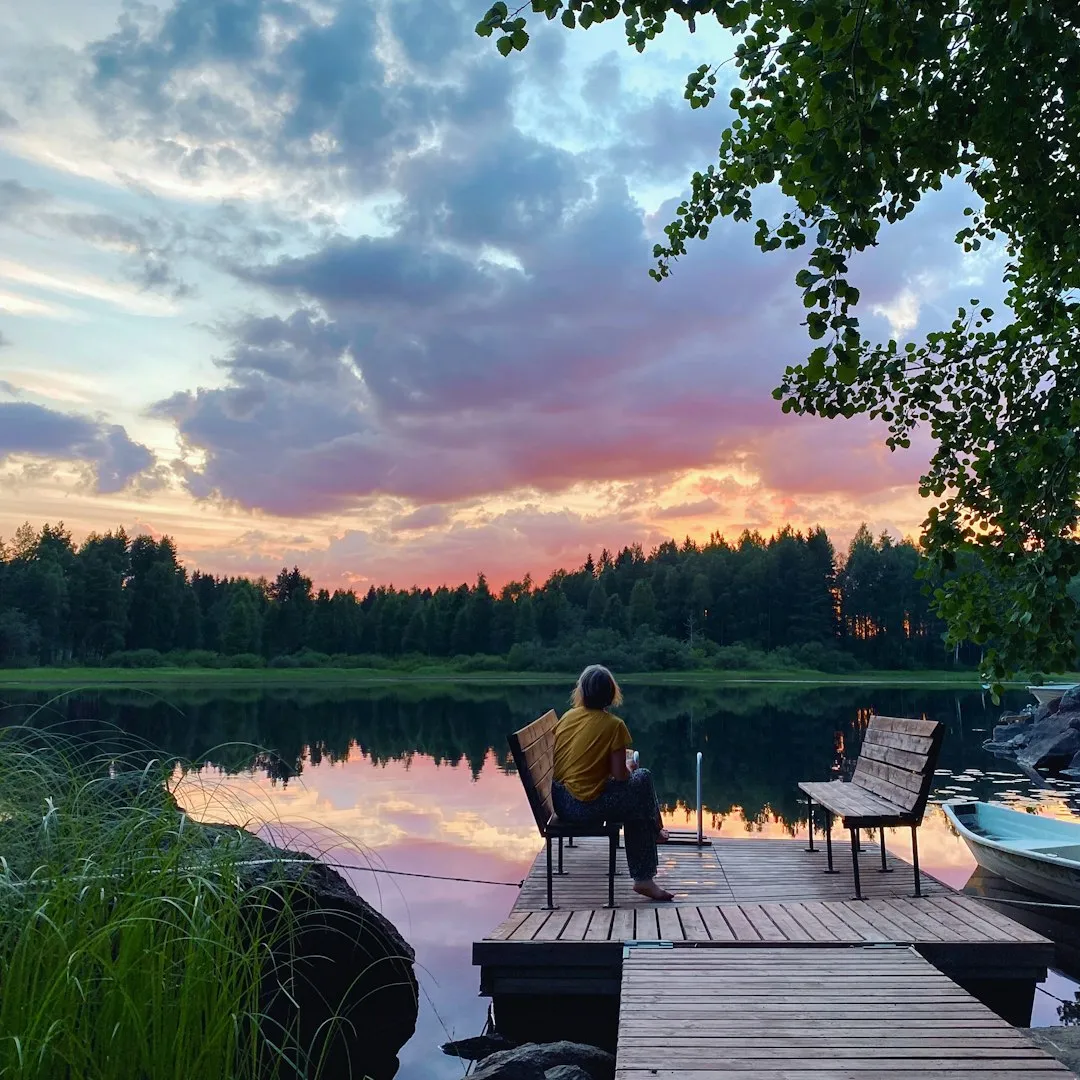
Haltia Lake Lodge, awarded Visit Finland’s Sustainable Travel Finland award and the Best Sustainable Hotel in Europe 2022, is helping travelers fight biodiversity loss. Conservation holidays at Haltia Lake Lodge involve actions such as combating the spread of invasive plants and rejuvenating meadows. These are not passive itineraries. Guests become active participants in the landscape they’ve come to admire.
Nivunki Village in Muonio, debuting in November 2024, offers a gateway to the Arctic wilderness combined with premium-class indulgence and the traditional spirit of Lapland hospitality. VR Group is revolutionizing Finland’s rail travel with new long-distance trains featuring cabins that boast the luxury of hotel rooms, allowing travelers to traverse the Finnish countryside sustainably in unparalleled style and comfort, with new trains starting departures toward the end of 2025.
Helsinki: A City That Wears Its Culture Lightly
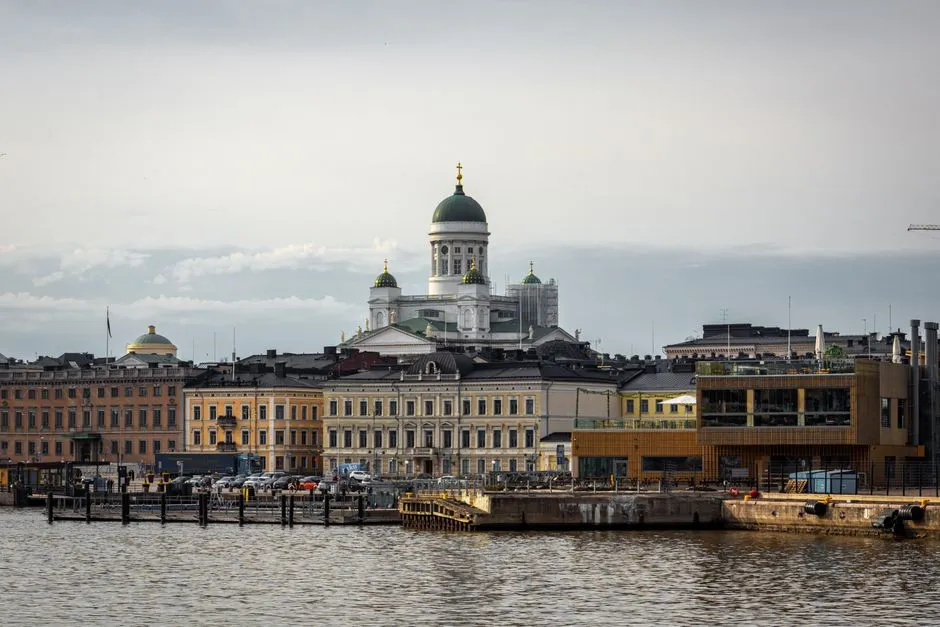
The Helsinki Festival, held in late August and early September, is Finland’s largest multi-arts festival, featuring music, art exhibitions, theater, and performances. It aims to make culture accessible to all and draws the most visitors of any cultural event in Finland. For a capital city of its size, Helsinki punches well above its weight culturally.
A new Michelin star was born in Helsinki in 2024 with The Room by Kozeen Shiwan, an intimate restaurant offering a 14-seat immersive sensory dining experience based around the life of the chef. The city’s culinary scene has been quietly gaining international recognition, with a depth of creativity that extends well beyond the most celebrated addresses.
Helsinki also serves as the easiest gateway into the rest of Finland, with rail and road connections spreading outward into the lake districts and up toward Lapland. The largest source countries for visitors to Finland are Estonia, Germany, Sweden, and the United Kingdom, many of whom use Helsinki as their base before venturing further north.
A Final Reflection
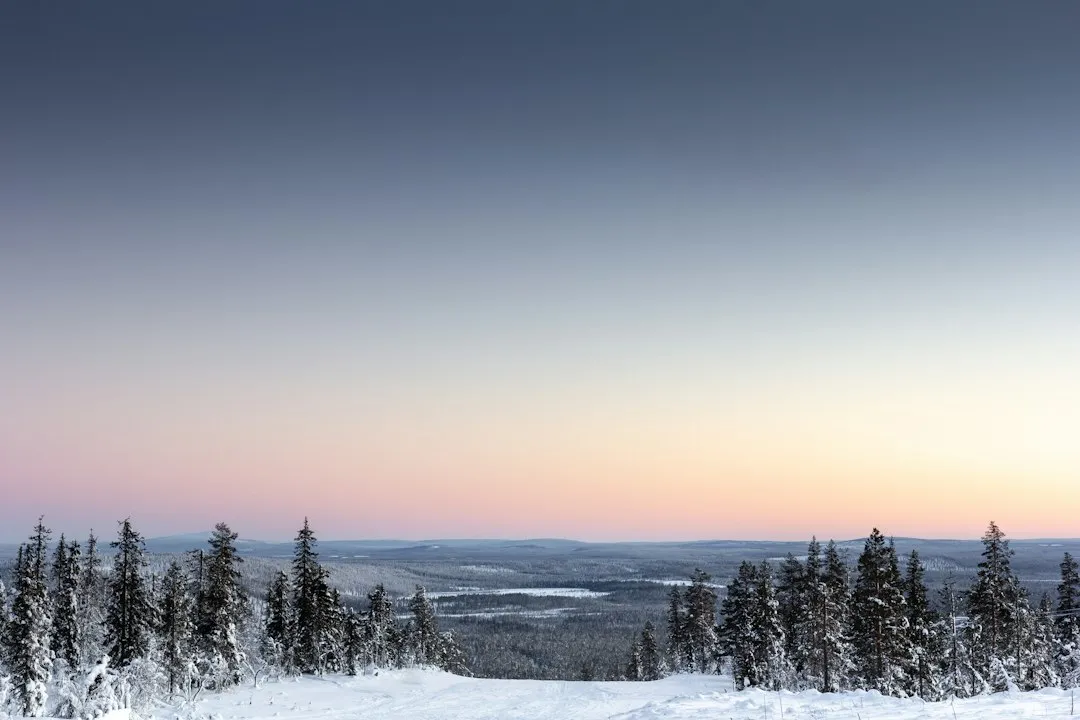
In 2025, Finland was visited by nearly 5.1 million foreign tourists, with tourism generating approximately 3.7 billion euros in export revenue for the country’s economy. Those numbers are growing, but the country still feels genuinely unhurried, which is perhaps the most remarkable thing about it.
Finland rewards travelers who slow down. Not every destination does. Whether you arrive when the snow is deep and the sky is waiting to light up, or when the sun refuses to set and the lakes shimmer at midnight, the country meets you where you are. That quality, rare and hard to manufacture, is what makes it worth the journey in any month of the year.
AI Disclaimer: This article was created with the assistance of AI tools and reviewed by a human editor.