

Swimming Through Wadi Shab
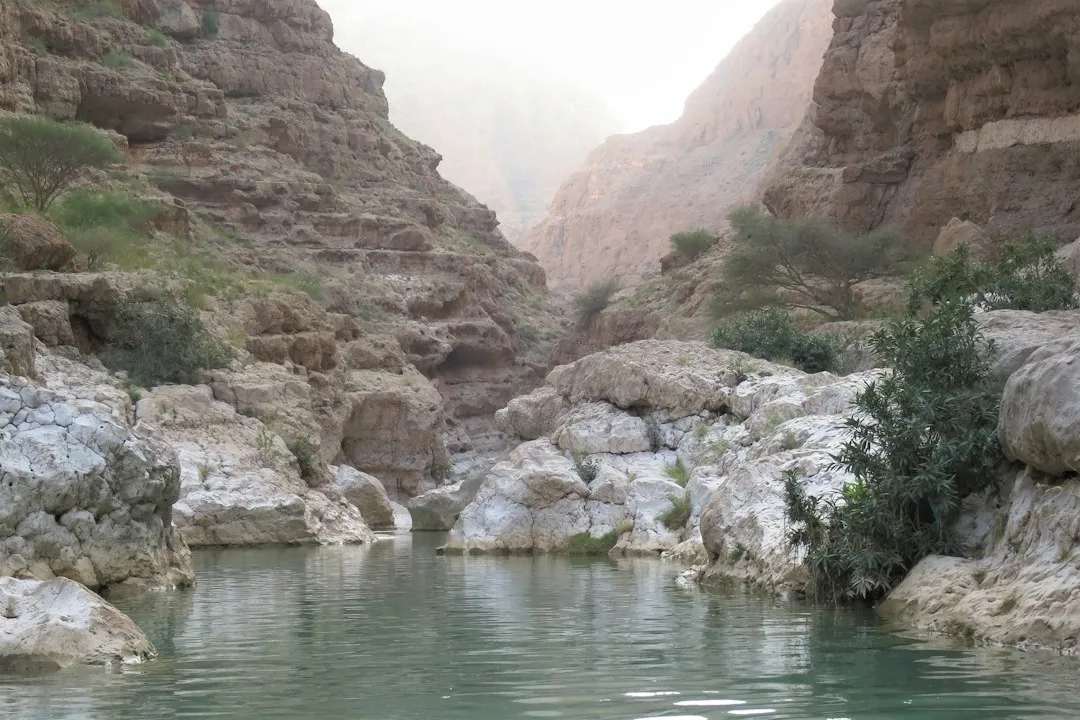
There are wadis scattered all across Oman, but Wadi Shab has a quality that stops people mid-sentence when they try to describe it. A visit involves a boat ride, a canyon hike through azure blue waters, swimming along multiple pools, and finally a waterfall hidden inside a cave. The light filters through the rock walls in a way that makes the water look almost artificial, like a rendered scene from a film set.
At Wadi Shab, turquoise pools lie tucked between cliffs, perfect for a cooling swim, while Wadi Bani Awf offers rugged trails, hidden caves, and green oases that feel like secret worlds. Most visitors come in the morning to beat the midday heat. The hike itself is manageable but rewarding, and the payoff at the end, a cavern with a waterfall you can swim directly into, is the kind of thing that stays with you.
Sleeping Under Stars in the Wahiba Sands
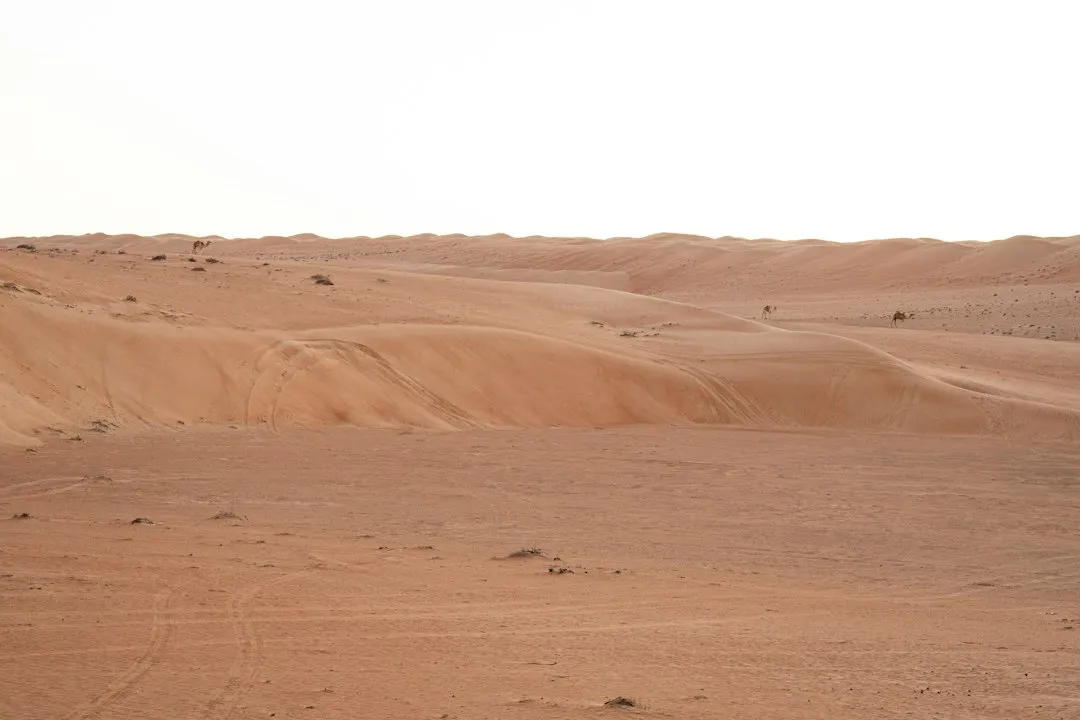
The Wahiba Sands is an undulating expanse of shimmering sand that seems to stretch endlessly along the eastern part of Oman, situated in the Ash-Sharqiyyah region, where the beautiful dunes promise a desert experience like no other. The scale of it is genuinely humbling. You arrive expecting dunes and find instead a landscape with its own logic and rhythm.
This expansive desert is ideal for camel rides, 4×4 dune bashing, and camping under the stars, and you’ll also find Bedouin communities here, where you can learn about their traditional lifestyles. Many desert camps in the area are managed with community involvement, keeping the experience grounded in local culture rather than theatrical pageantry. Exciting off-road safaris across the shifting dunes guarantee an adrenaline rush, while guided walks and leisurely camel rides as the sun goes down make for cherished memories.
Witnessing Green Turtles at Ras al Jinz

Ras al Jinz is one of the most remarkable wildlife encounters in the Arabian Peninsula, where green sea turtles return to this protected stretch of coast to nest, and night visits to the beach offer an extraordinary chance to watch them emerge from the surf. The reserve operates with strict guidelines, ensuring that the turtles are never disturbed and that visitor numbers remain controlled.
In the evening, you visit Ras al Jinz Turtle Reserve to see green turtles nesting, and the best viewing is after 9 PM. Rangers accompany every group, explaining the biology and conservation history of the site in quiet detail. Depending on the season, you might witness sea turtles nesting or baby turtles making their first journey to the sea. It’s one of those encounters where silence feels like the right response.
Climbing to Jebel Akhdar, the Green Mountain
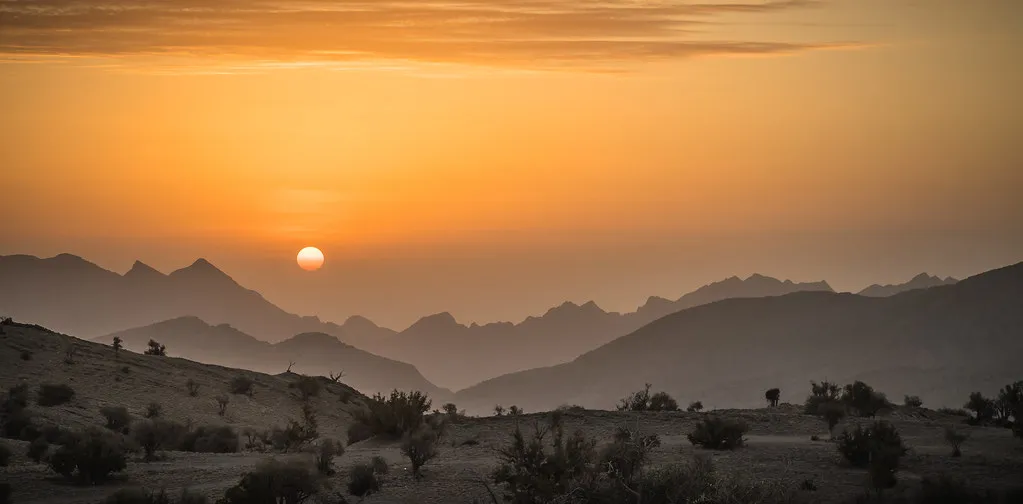
Jebel Akhdar, a limestone mountain surrounded by rugged terrain, sits at the heart of the Al Hajar Mountain Range in northeast Oman, extending up to Saiq Plateau, where lush wadis and terraces make for a rustic getaway in the cool mountain air, and fragrant damask roses, pomegranates, and apricots grow in abundance. The name translates simply to “green mountain,” and it earns it.
Jebel Akhdar rises to around 2,000 meters elevation, which means the temperature here sits noticeably cooler than the coastal plains below. If visiting during March and April, you’ll be welcomed by the sweet fragrance of Damask roses in full bloom, and this is the season when locals distill rose water using traditional methods, a process that can be witnessed in village homes. It’s an intimate, sensory kind of travel, far removed from the polished surface of a resort.
Tracing Frankincense History in Salalah
Located in Oman’s Dhofar region, Salalah is a tropical oasis famous for its Khareef season from June to September, when monsoon rains transform the region into a lush, green paradise. This seasonal shift, a genuine monsoon in the heart of the Arabian Peninsula, draws over a million visitors to the region each year. Salalah’s Khareef season floods the area with over a million visitors, pushing hotels to the brim.
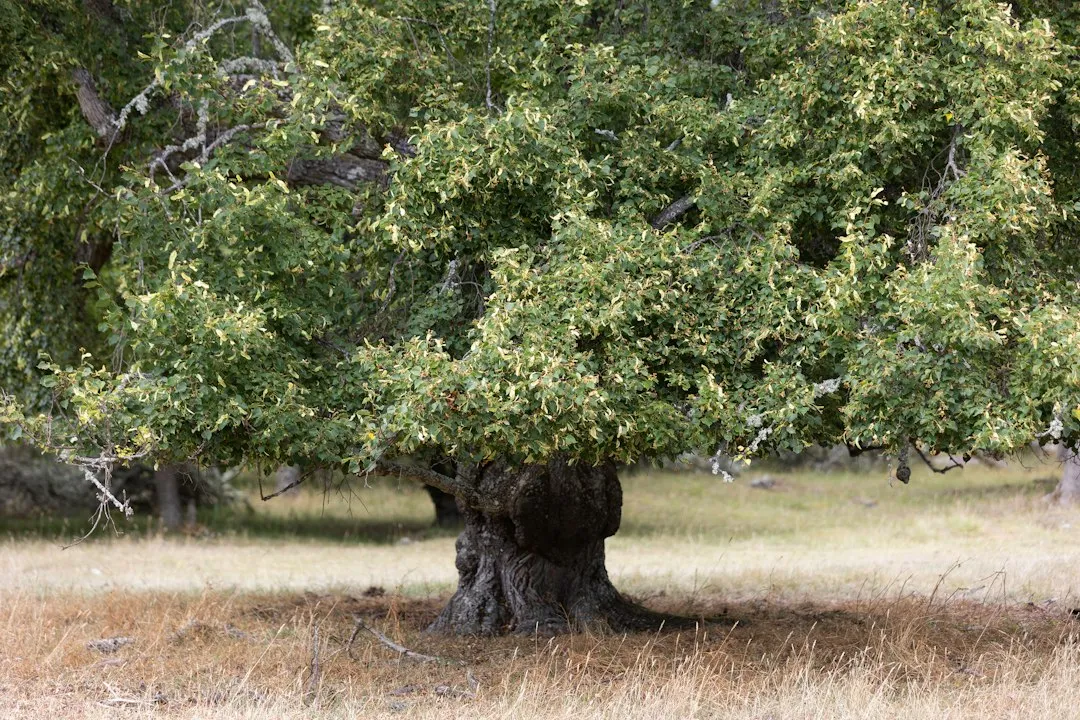
The Frankincense Land Museum, part of the UNESCO-listed Land of Frankincense, offers visitors the chance to learn about the ancient trade routes that brought wealth to the region. Sites within the Land of Frankincense, such as Al Baleed, Samharam Archaeological Parks, Wadi Dawkah Nature Reserve and the Wabar Archaeological Site, welcomed nearly 156,000 visitors in 2024. The frankincense tree itself is a strange, resilient thing, and seeing one growing from a crack in dry rock in Wadi Dawkah makes the history feel suddenly real.
Getting Lost in Nizwa’s Fort and Friday Souk
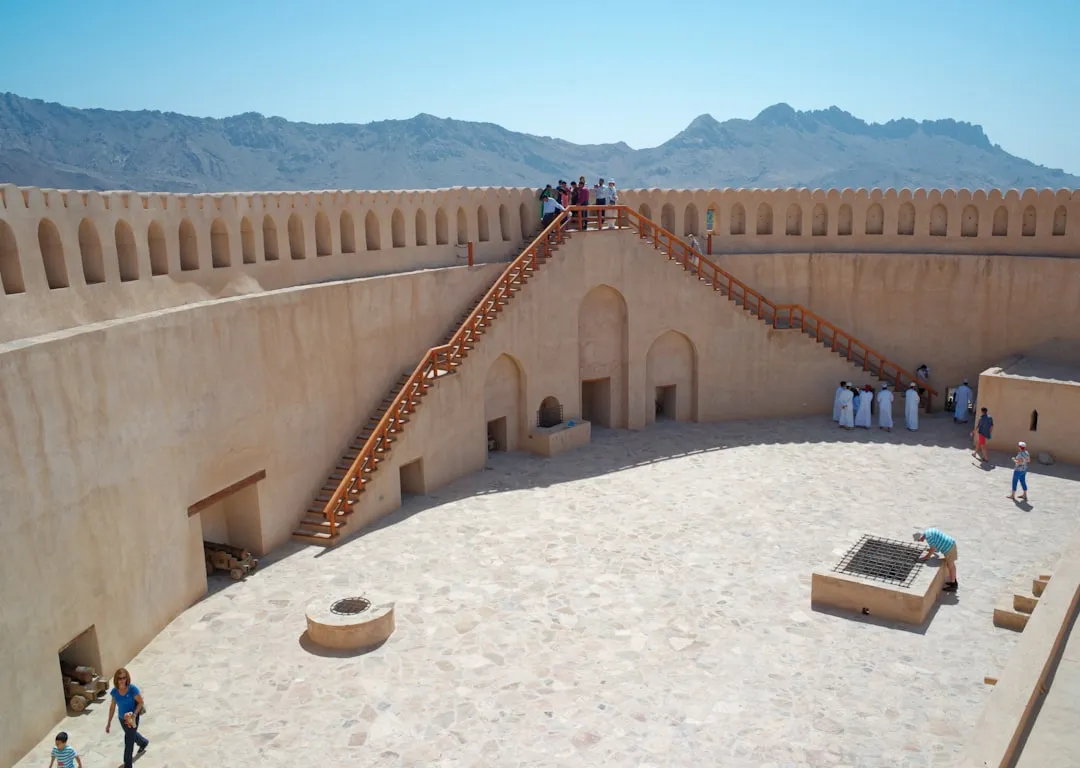
Key historical sites like Bahla Fort and the city of Nizwa were promoted at World Travel Market London 2024 as essential stops for travelers looking to experience Oman’s authentic culture. Nizwa served as the country’s capital for centuries, and that weight of history lingers in the architecture and in the mood of the place. The Friday goat market, held in the shadow of the ancient fort, is one of those scenes that feels utterly unchanged.
Exploring ancient forts in Nizwa and swimming in crystal-clear wadis were described as unforgettable highlights by travelers in recent accounts of Omani journeys. The souk below the fort sells traditional silver khanjar daggers, frankincense resins, halwa sweets, and woven textiles, and the pace of commerce there is unhurried in the best sense. Known for its ancient forts, UNESCO World Heritage sites, and vibrant souks, Oman offers a genuine glimpse into the Arabian Peninsula’s history and traditions.
Exploring the Musandam Fjords by Dhow
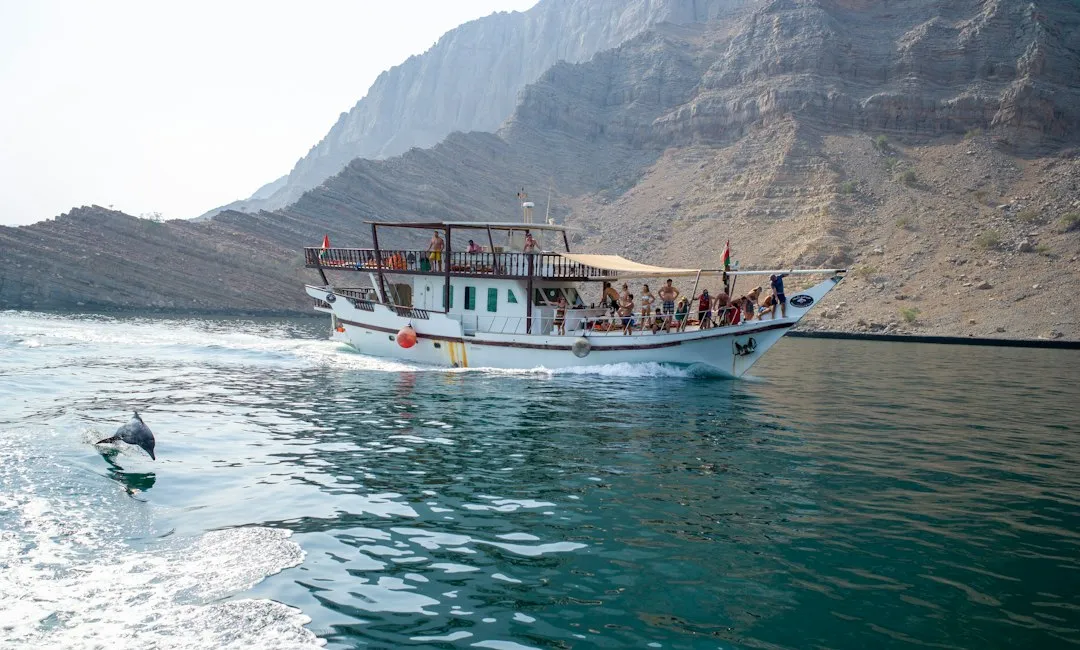
Few people expect to find fjords in the Arabian Peninsula. The Musandam Peninsula, separated from the rest of Oman by the UAE, is where Oman’s mountains plunge straight into the Strait of Hormuz, creating inlets that look lifted from Scandinavia. The Musandam fjord tours and dolphin watching in Khasab consistently rank among Oman’s top-rated experiences on major travel platforms.
Traditional wooden dhow boats are the standard way to travel the fjords, moving slowly between cliff walls while dolphins ride the bow wave. Village communities on the water’s edge have changed little over generations. It’s a reminder that Oman’s geography is not a single story but a collection of very different worlds compressed into one country.
Exploring the Historic Forts of the Batinah Coast
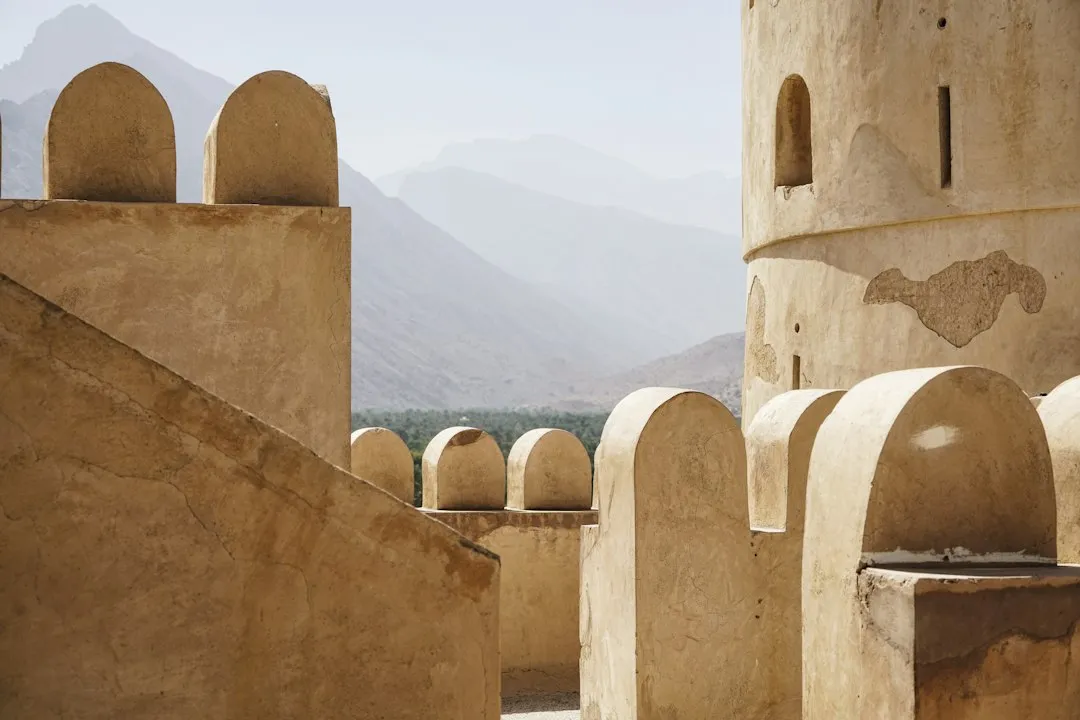
Oman has more than 500 forts, castles, and watchtowers scattered across its landscape, a number that reflects centuries of complex regional history. Historical landmarks such as Nakhal Fort and Al Hazm Castle near Muscat reward visitors with architectural detail and dramatic settings. Many are free or low-cost to enter and see almost no international crowds outside peak months.
The Batinah coast, running along the Gulf of Oman northwest of Muscat, is particularly dense with these sites. Nakhal Fort in particular sits against a backdrop of date palm plantations and hot springs, giving it a context that purely urban fortresses rarely offer. Walking through these structures is a quiet form of history, absorbing rather than instructed.
Diving and Snorkeling in the Daymaniyat Islands
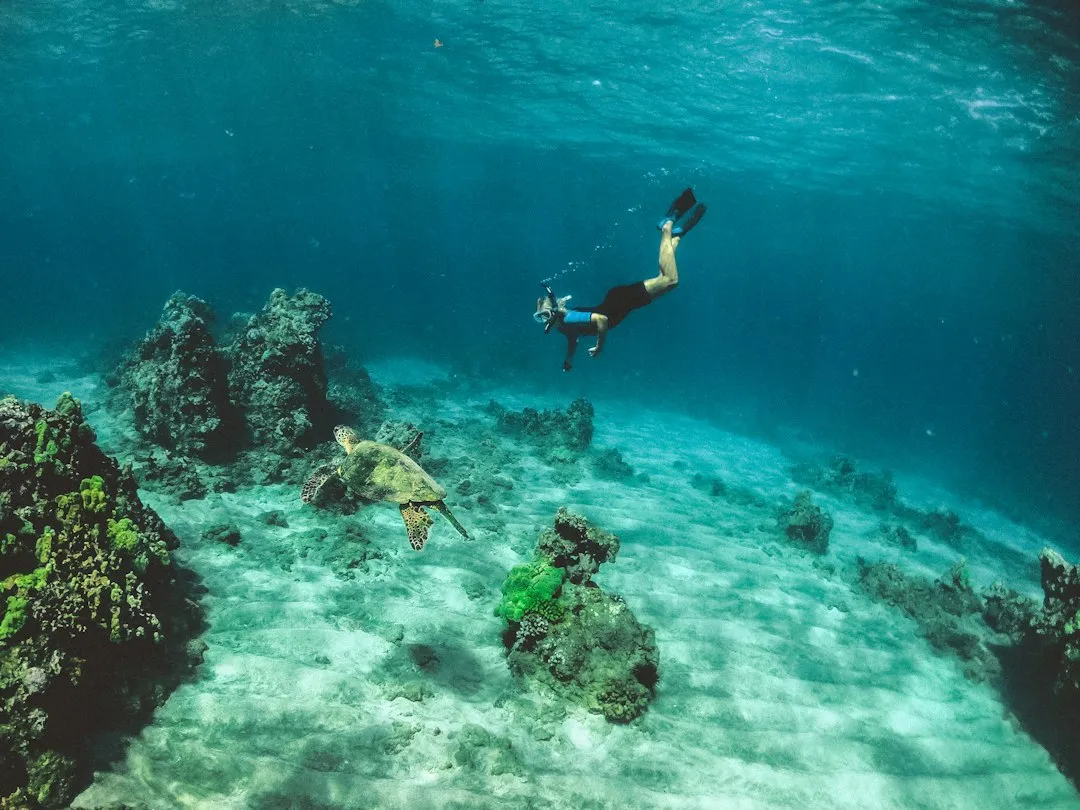
The Daymaniyat Islands, a protected nature reserve roughly an hour by boat from Muscat, hold some of the clearest water and most intact coral in the region. The reserve status means fishing is restricted and the ecosystem has largely recovered from the pressures that have damaged reefs elsewhere in the Gulf. Sea turtles, reef fish, and occasional whale sharks have all been recorded here.
The site is accessible to both divers and snorkelers, with shallow reefs close to the surface and deeper walls for more experienced divers. Snorkeling at the Dimaniyat Islands features prominently alongside turtle watching and UNESCO fort visits in recommended Oman itineraries. October through May offers the clearest conditions and calmest seas for the crossing from shore.
Visiting the Sultan Qaboos Grand Mosque in Muscat
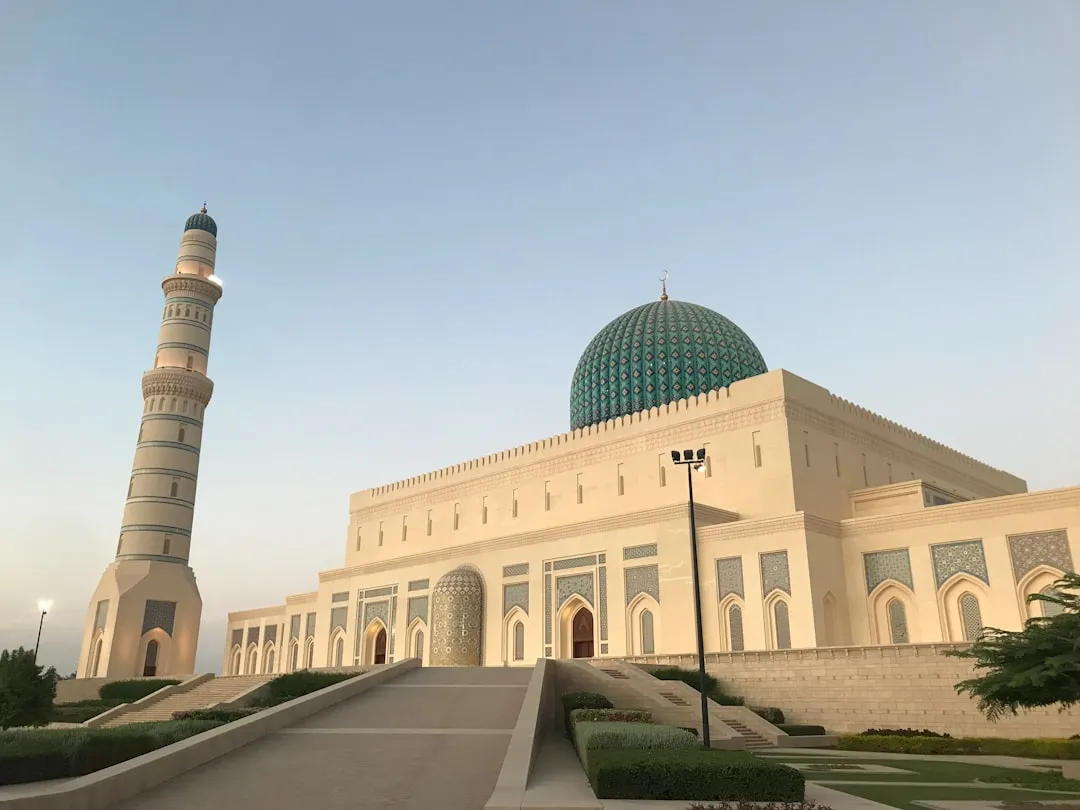
The Sultan Qaboos Grand Mosque is considered a modern Islamic architectural masterpiece, and it receives some of the highest visitor ratings of any site in Oman. On major travel review platforms, it consistently holds a rating of 4.8 out of 5 based on thousands of reviews. The mosque is open to non-Muslim visitors during specific morning hours, and the scale of the main prayer hall, with one of the world’s largest hand-woven carpets, is genuinely startling.
Muscat beyond the mosque is a city worth spending real time in. Sites like the Royal Cars Museum in Al Barakah Palace have gained growing attention from international visitors. The Muttrah Corniche and its attached souk offer an older, more layered version of the city, with frankincense smoke drifting between stalls selling everything from silver jewelry to fresh dates.
The Takeaway
Oman’s tourism sector posted total output of over 2.28 billion Omani Rials in 2025, up nearly 8 percent on the previous year, with visitor spending and accommodation revenue leading growth as the country’s Vision 2040 diversification gathers pace. The numbers confirm momentum. In 2025, the Environment Authority awarded contracts worth 44 million Omani Rials to develop eco-tourism infrastructure across seven nature reserves, signaling a genuine commitment to keeping growth sustainable.
What makes Oman worth discovering isn’t any single experience on this list. It’s the accumulation: the way a morning swimming through a wadi cave leads to an afternoon in a fort, followed by a night under desert stars. Oman stands apart from its Gulf neighbours as a country that chose to preserve rather than reinvent itself, an ancient trading nation shaped by frankincense, maritime heritage and tribal culture, offering dramatic contrasts within a single journey. That restraint, that sense of a place that hasn’t been remade for visitors, is increasingly rare. It’s worth going before that changes.
AI Disclaimer: This article was created with the assistance of AI tools and reviewed by a human editor.