

1. Wailua Falls: The Double Cascade That Became a Legend
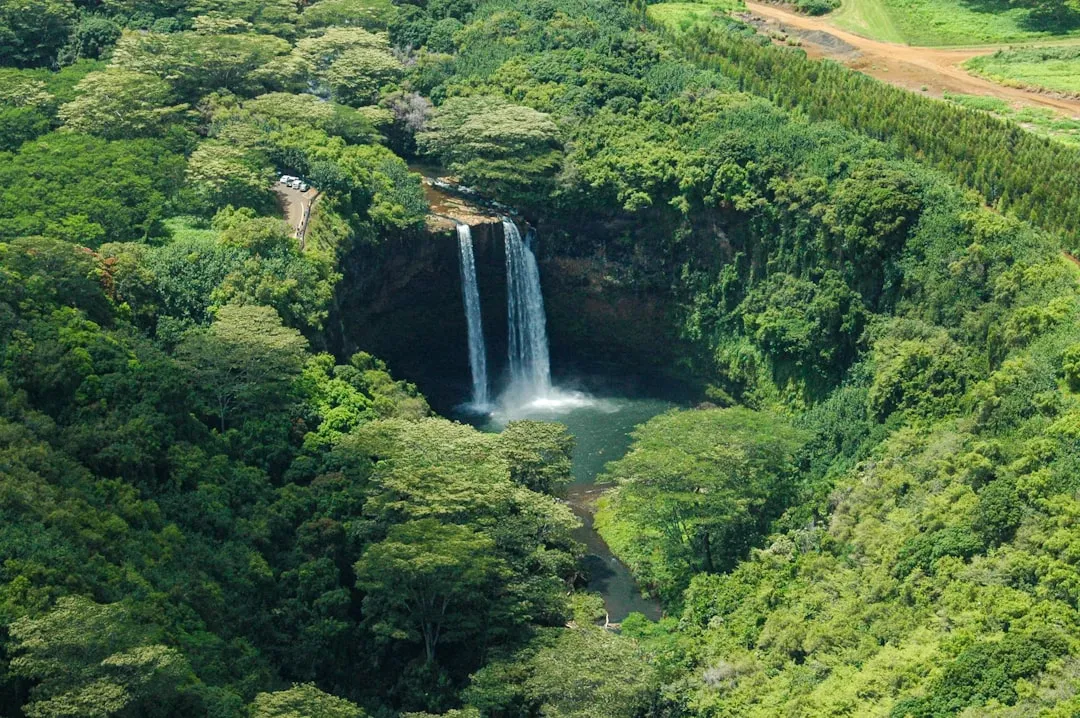
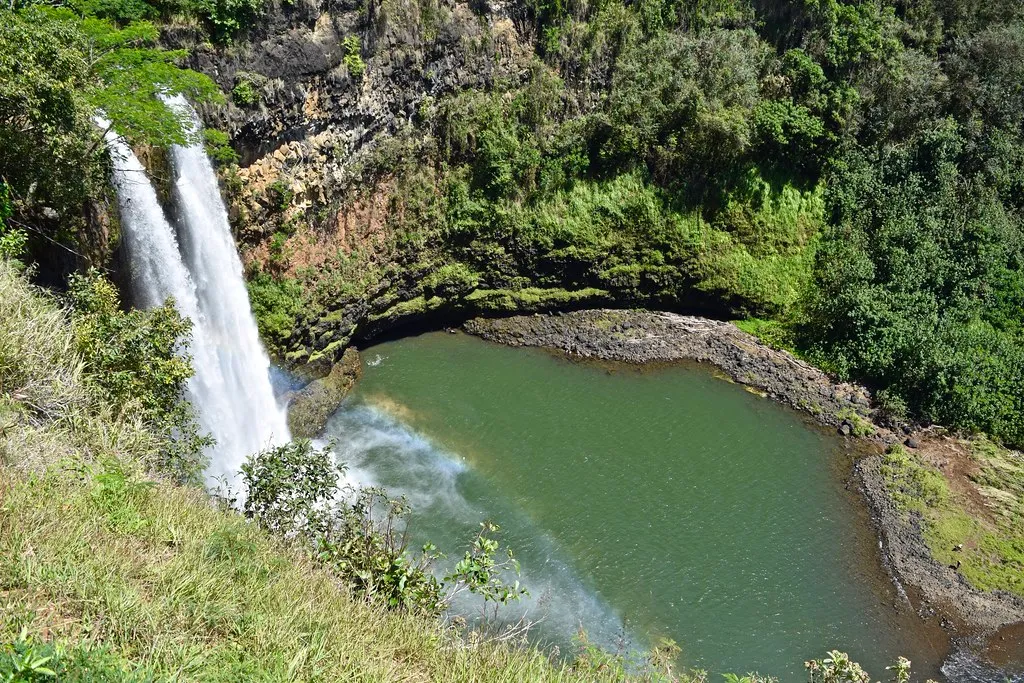
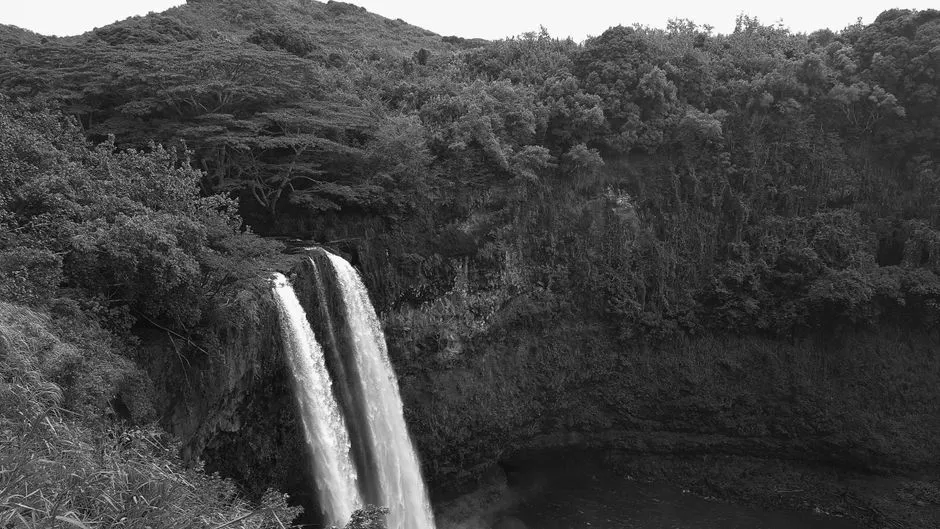
Wailua Falls is a stunning double-tiered waterfall located on the east side of Kauai, just north of Lihue, cascading close to 170 feet and surrounded by lush tropical foliage. The waterfall is prominently featured in the opening credits of the television series Fantasy Island, and that pop-culture stamp has kept it firmly on visitor radars for decades.
The waterfall is part of the Wailua River, one of Hawaii’s most significant waterways, which holds cultural and historical importance in native Hawaiian traditions. Wailua Valley, where the falls reside, was once the heart of Kauai’s royal domain, serving not just as a capital but as a place of profound spiritual importance, where only members of the royal family were permitted to enter.
The size and appearance of the falls vary significantly with the amount of rainfall further up in the mountains, which means no two visits look quite alike. Not only is it among the most easily accessed, available for a top-down view from the parking lot, but the spray from the waterfall creates stunning rainbows for much of the day.
2. ʻŌpaekaʻa Falls: Ancient Basalt and a View You Don’t Have to Earn
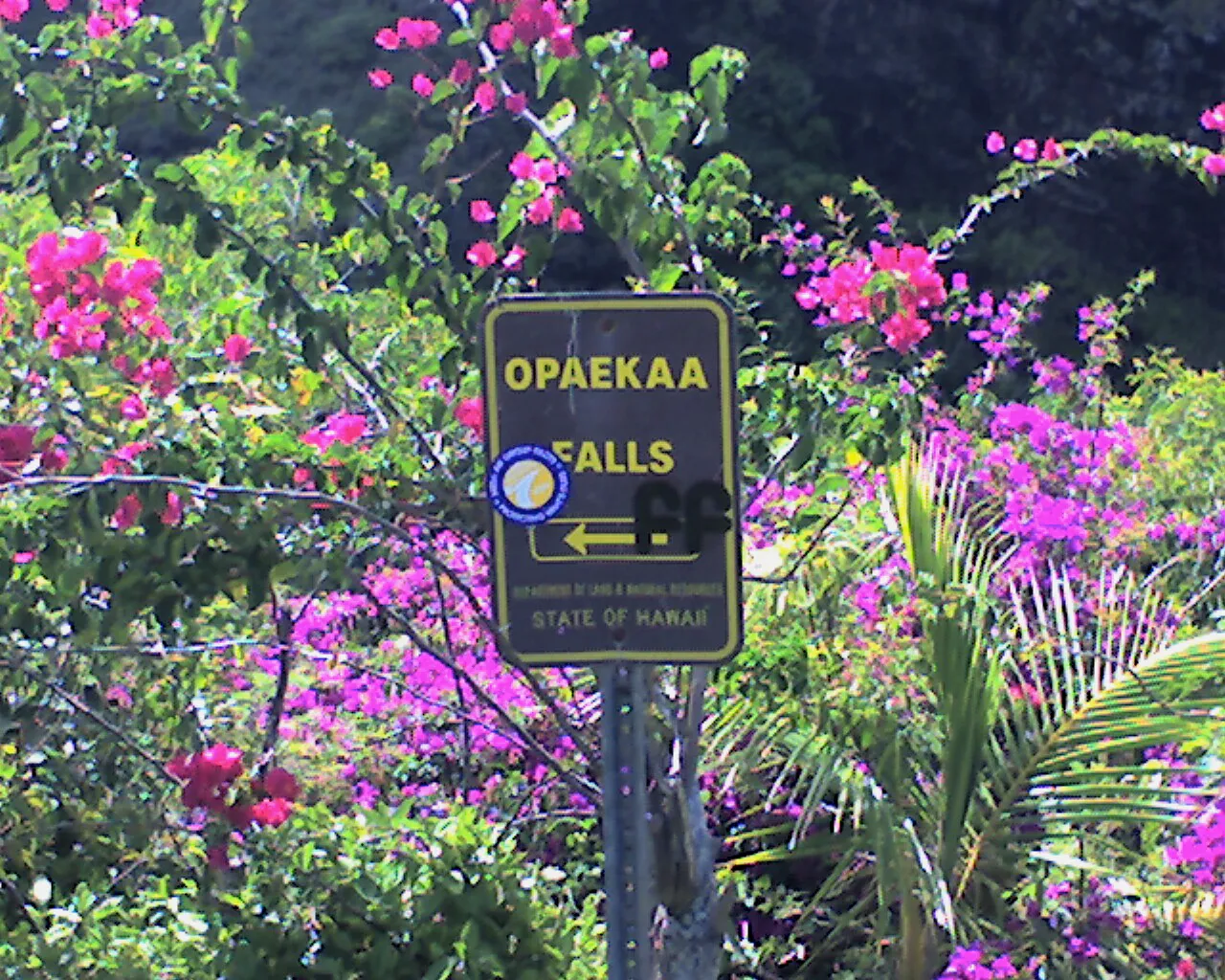
ʻŌpaekaʻa Falls is located on the ʻŌpaekaʻa Stream in Wailua River State Park on the eastern side of Kauai. It is a 151-foot waterfall that flows over basalt from volcanic eruptions millions of years ago, giving the entire scene a geological depth that is easy to overlook when you’re just admiring the view.
ʻOpaeka’a Falls is one of the most accessible waterfalls in Kauai, and this impressive cascade can be viewed from a convenient roadside lookout point, easily reachable by car. That accessibility is genuinely a gift, especially for visitors traveling with young children, elderly family members, or anyone who simply wants to witness something spectacular without committing to a full hike.
The trailhead to the falls base is not easily found and has been blocked off, though there is a way to approach through the Sleeping Giant southern trail, which has parking, involving something closer to a bushwhacking adventure than a marked trail. The lookout remains the safest and most rewarding vantage point, and honestly, for most visitors, it’s more than enough.
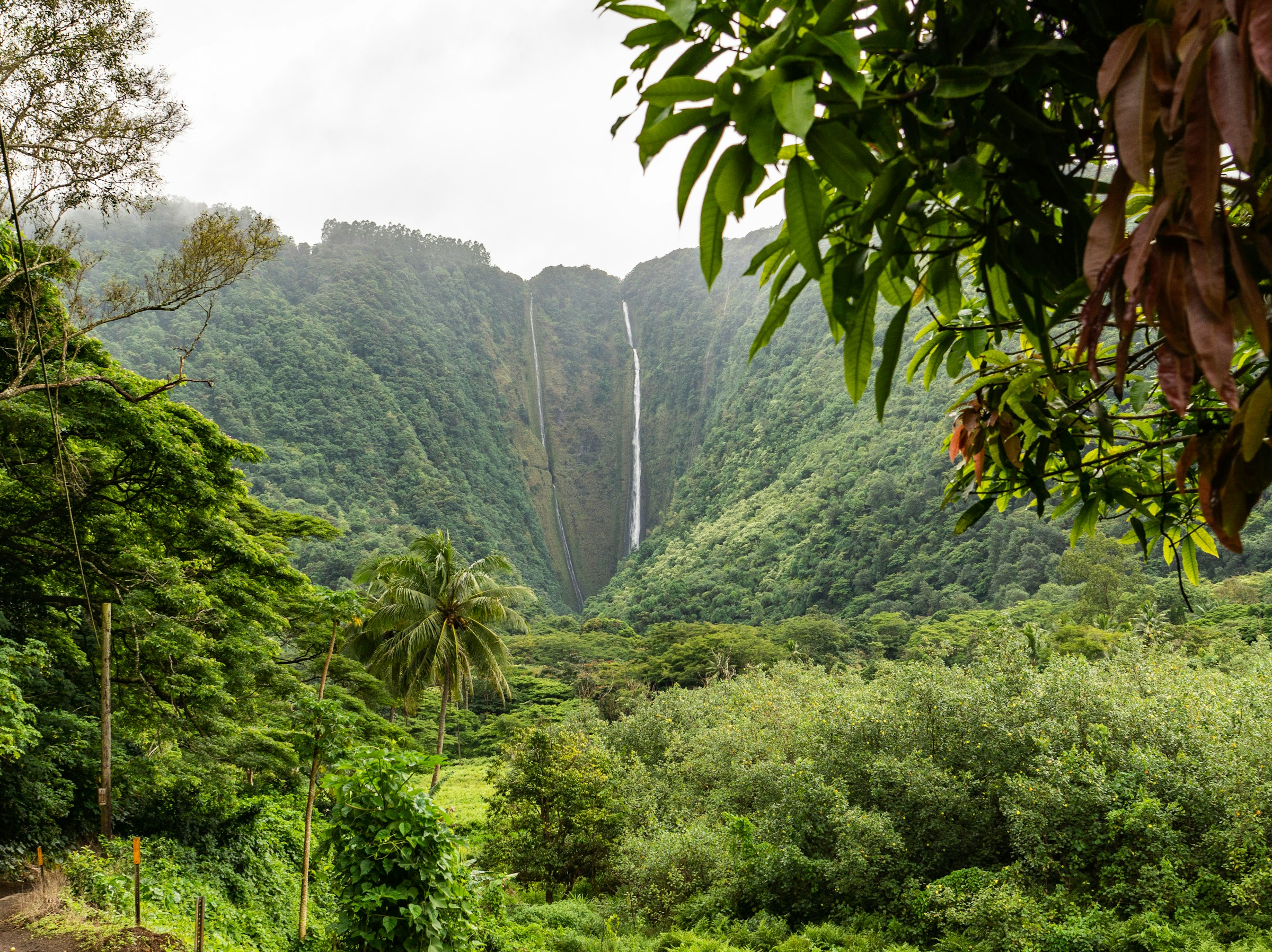
3. Hanakāpīʻai Falls: The Na Pali Reward at the End of a Hard Day
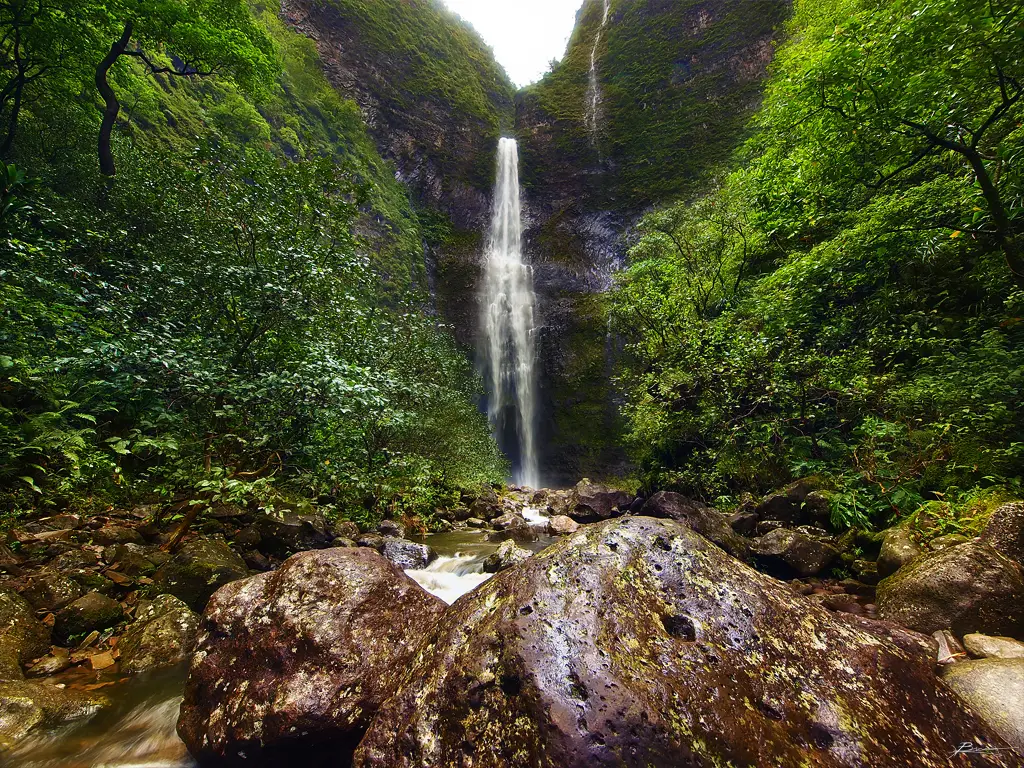
Hanakāpīʻai Falls is an approximately 300-foot waterfall located on the Na Pali side of the island of Kauai. The full round trip from Ke’e Beach to the falls is 8 miles, four each way, and it is not a casual stroll. This is a trail that demands proper preparation, good footwear, and a realistic sense of your own fitness.
As you descend into Hanakapiai Valley, you’ll discover jungles of twisted vines, wild ginger, bananas, guava, varied Ti plants, and the cool waters of Hanakapiai Stream. It can take up to two hours just to reach the falls from the beach, and the total elevation gain along that segment is 760 feet.
This area is subject to seasonal closure due to flooding and other weather conditions, and non-Hawaii residents must secure advance reservations. This route should not be attempted during or immediately after heavy rainfall, as the terrain gets muddy and extremely slippery. When conditions are good, though, the amphitheater of green that surrounds the falls is unlike anything else on the island.
4. Uluwehi Falls (Secret Falls): A Journey That Earns Its Name
Secret Falls requires a kayaking trip up the Wailua River, followed by a moderate hike to reach the base of the falls. That combination of paddle and trail is part of what makes this waterfall feel genuinely earned. Secret Falls offers a rare, off-the-grid experience that reveals the untouched beauty of Kauai’s interior, making it perfect for travelers seeking privacy and a deep connection with nature.
The falls feature gentle flows over time-worn rocks, embraced by thick tropical vegetation, in an unspoiled and intimate setting that provides a peaceful retreat and excellent photo opportunities. The kayak portion of the trip alone is worth it, moving through calm river water with forest pressing in on both banks and birds calling overhead.
Guided tours from Kapa’a are the most common way to reach Uluwehi Falls, and they come with the added benefit of local knowledge about river conditions and the ecosystem surrounding you. The falls sit quietly at the end of a roughly mile-long trail from where you beach your kayak, and the reward at that trail’s end is a tall, single-drop curtain of water falling into a jungle pool.
5. Ho’opi’i Falls: The Waterfall the Locals Kept to Themselves
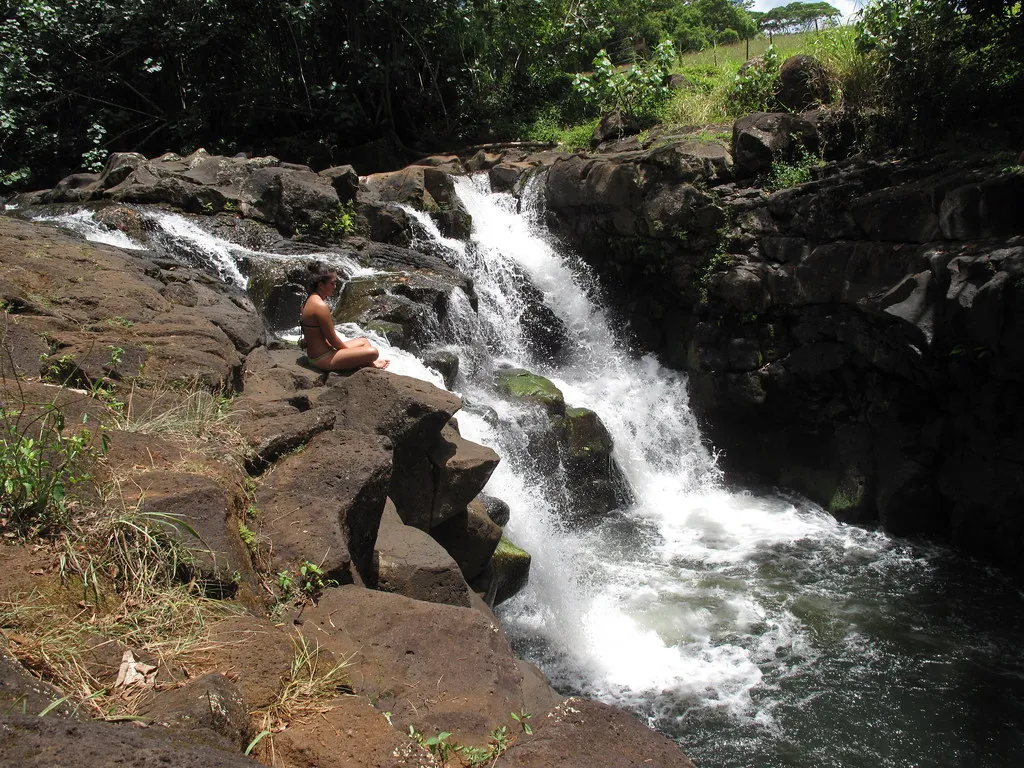
Ho’opi’i Falls features two cascades tucked away in the lush forests of Kapaa, and it has long been a favorite among locals. The Ho’opi’i Falls Trail lies near Kapa’a and runs over a mile and a half, allowing visitors to bring leashed dogs along for the journey. The trail itself winds through dense greenery along the Kapaa Stream, which keeps the whole experience feeling immersive rather than like a quick photo stop.
The falls come as a set of two, with the Upper Ho’opi’i Falls dropping about fifteen feet into a pool below, which makes it the more popular of the two. The Lower Ho’opi’i Falls is a thirty-foot cascade about a mile downstream, and it was even featured in the 1993 film Jurassic Park.
The trail stays relatively gentle by Kauai standards, which makes it one of the more accessible jungle hikes on the island for visitors of varying experience levels. It rewards those who take their time with quiet pools, birdsong, and a sense that the path was carved more by years of footfall than any formal trail crew.
6. Makaleha Falls: The Wilderness Experience for Those Who Want to Disappear
For those seeking an adventurous hike through dense jungle and stream crossings, Makaleha Falls is an excellent choice, nestled deep in the Makaleha Mountains and offering a raw and untouched natural experience. The trail is about 2.5 miles round trip, though the terrain is demanding enough that distance alone doesn’t tell the whole story.
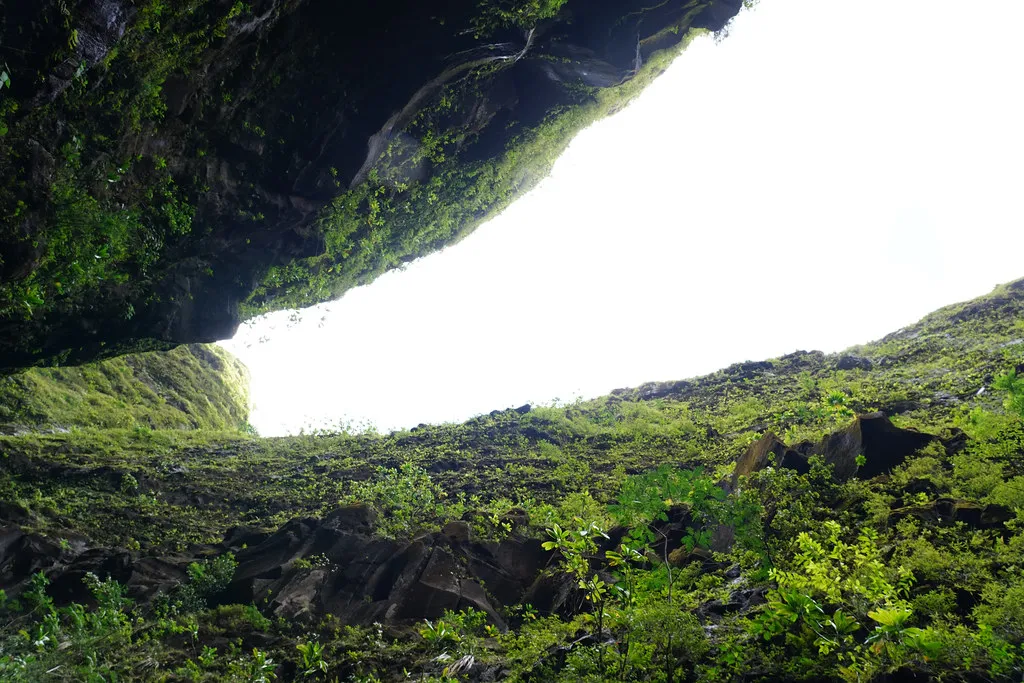
Makaleha Falls embodies the spirit of adventure on Kauai, providing a chance to explore rugged, untouched terrain and witness a cascade of natural beauty in a truly remote setting. The scenery includes a rugged cascade with a series of small pools set against a backdrop of craggy mountains and wild forest.
This is a waterfall that genuinely rewards preparation. Visitors should wear waterproof boots, expect multiple stream crossings, and go with someone who has made the journey before or with a reliable trail resource. The relative obscurity of Makaleha Falls is its greatest asset. On most days, you’ll have the entire place to yourself, standing in a bowl of dripping green mountain surrounded by the kind of quiet that’s increasingly rare.
What Kauai’s Rainfall Makes Possible
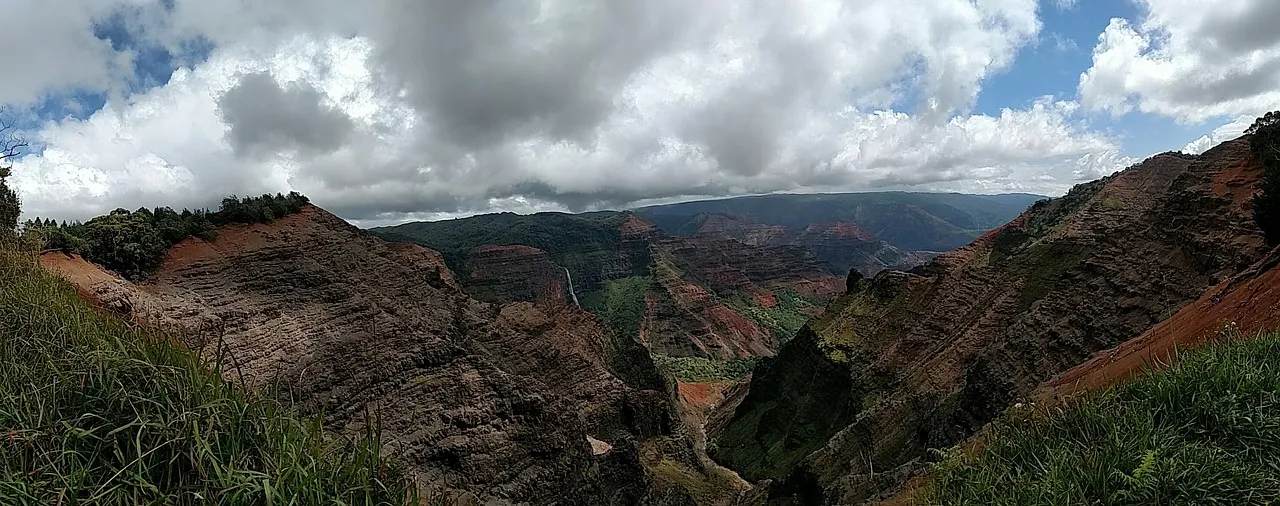
The Garden Isle is known for its lush landscapes, meaning hundreds of waterfalls exist across the island, with every part of Kauai blessed with cascades, some easier to access than others. The Mount Waialeale summit at the island’s interior is among the wettest spots on Earth, and that extraordinary rainfall is what keeps every one of these falls running year-round.
Water flow varies significantly with the seasons and rainfall levels, so a waterfall that looks moderate in dry weather can become a thundering wall of white water after a heavy storm. Visiting in the wetter months, typically winter and early spring, generally means more dramatic falls, though trail conditions should always be checked in advance.
The Cultural Significance Behind the Water
Wailua Valley, where some of Kauai’s most beloved falls flow, was once the heart of the island’s royal domain and a place of profound spiritual importance. The birthing stones found there, where queens and chiefesses gave birth, further highlight the valley’s significance in the lives of Kauai’s most revered figures.
The waterfalls of Kauai aren’t simply scenic backdrops. They flow through land that carried immense meaning for Native Hawaiian communities for centuries. Approaching them with that awareness, moving gently, leaving no trace, and learning what you can about the history of the places you visit, is simply part of respectful travel here.
Staying Safe on and Near the Water
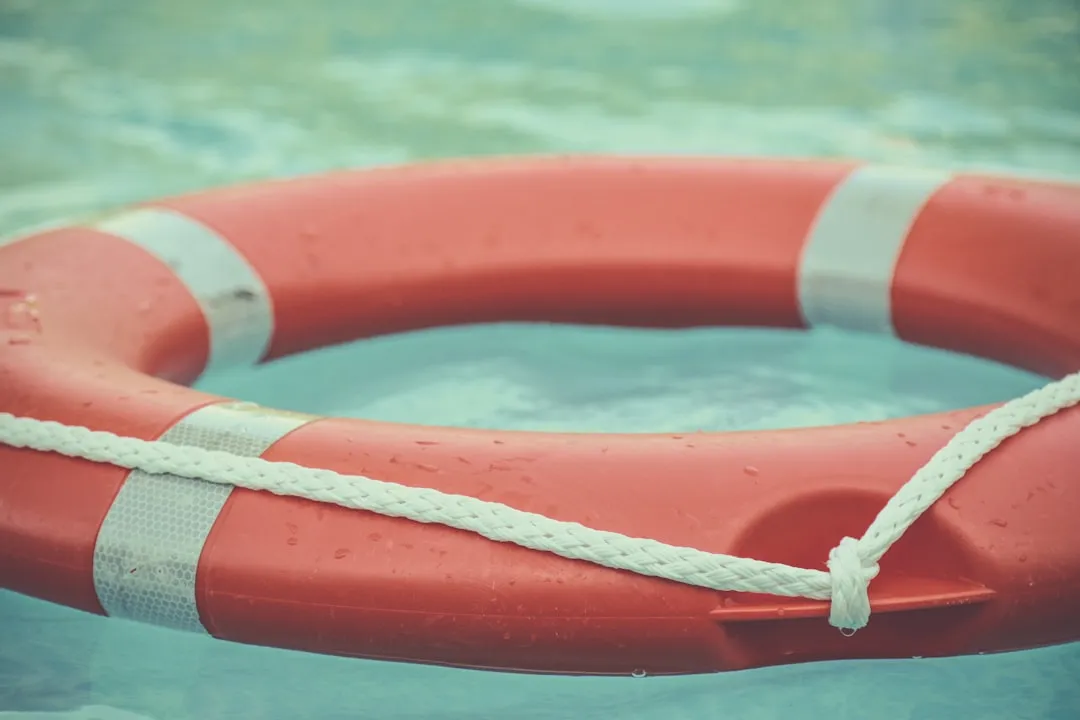
Flash floods and falling rocks are common during and after heavy storms, and this isn’t a dramatic warning for the sake of atmosphere. It is the reality of waterfall hiking on a tropical island where weather can shift within minutes. Checking conditions before any trail is non-negotiable.
Many trails crisscross streams several times, so be mindful of water flow, and always pack rain gear because showers pop up frequently. Carry drinking water, since stream water is not safe to drink unless purified. Sturdy footwear, a basic first-aid kit, and telling someone where you’re hiking before you leave are habits that serve you well across all six of these destinations.
Planning Your Visit
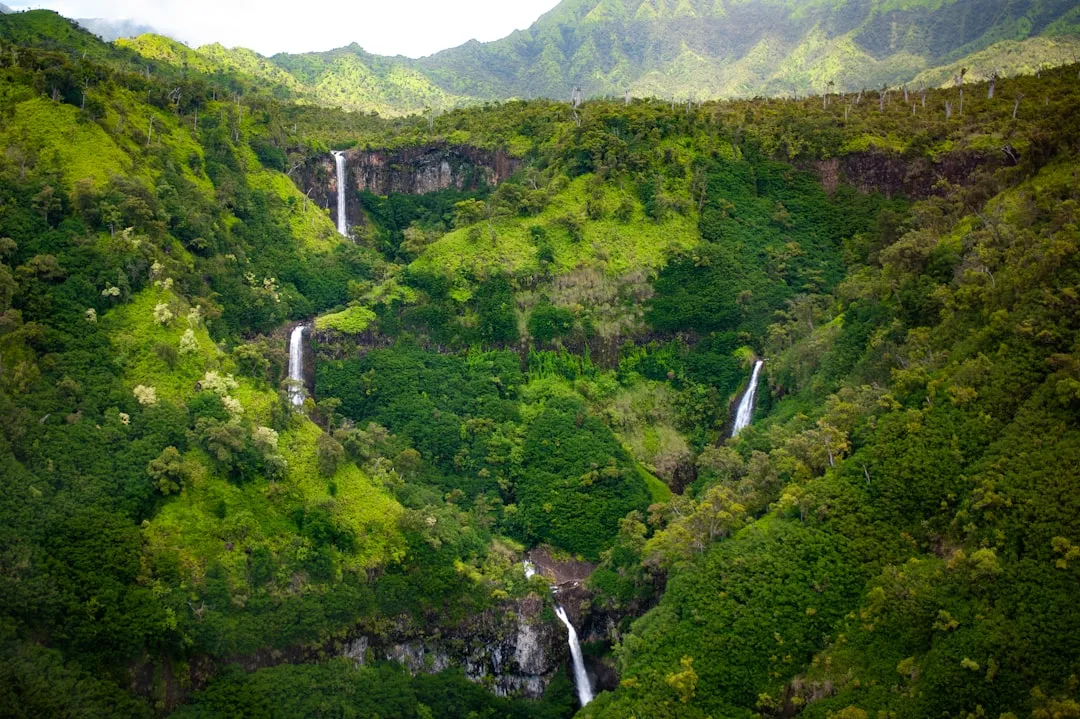
The waterfalls covered here span a range of access types, from roadside viewpoints to multi-mile wilderness hikes and kayak combinations. A good approach is to mix at least one easy-access falls with one that requires genuine effort. The contrast deepens your appreciation for both.
Advance reservations are required for non-Hawaii residents accessing Hā’ena State Park, which is the entry point for the Hanakapiai Falls trail system. Booking these well ahead of arrival is smart, as slots fill quickly, particularly in peak travel periods. For other trails, arrive early in the morning to beat the heat and, in most cases, the crowds.
A Final Thought on Jungle Time
AI Disclaimer: This article was created with the assistance of AI tools and reviewed by a human editor.