
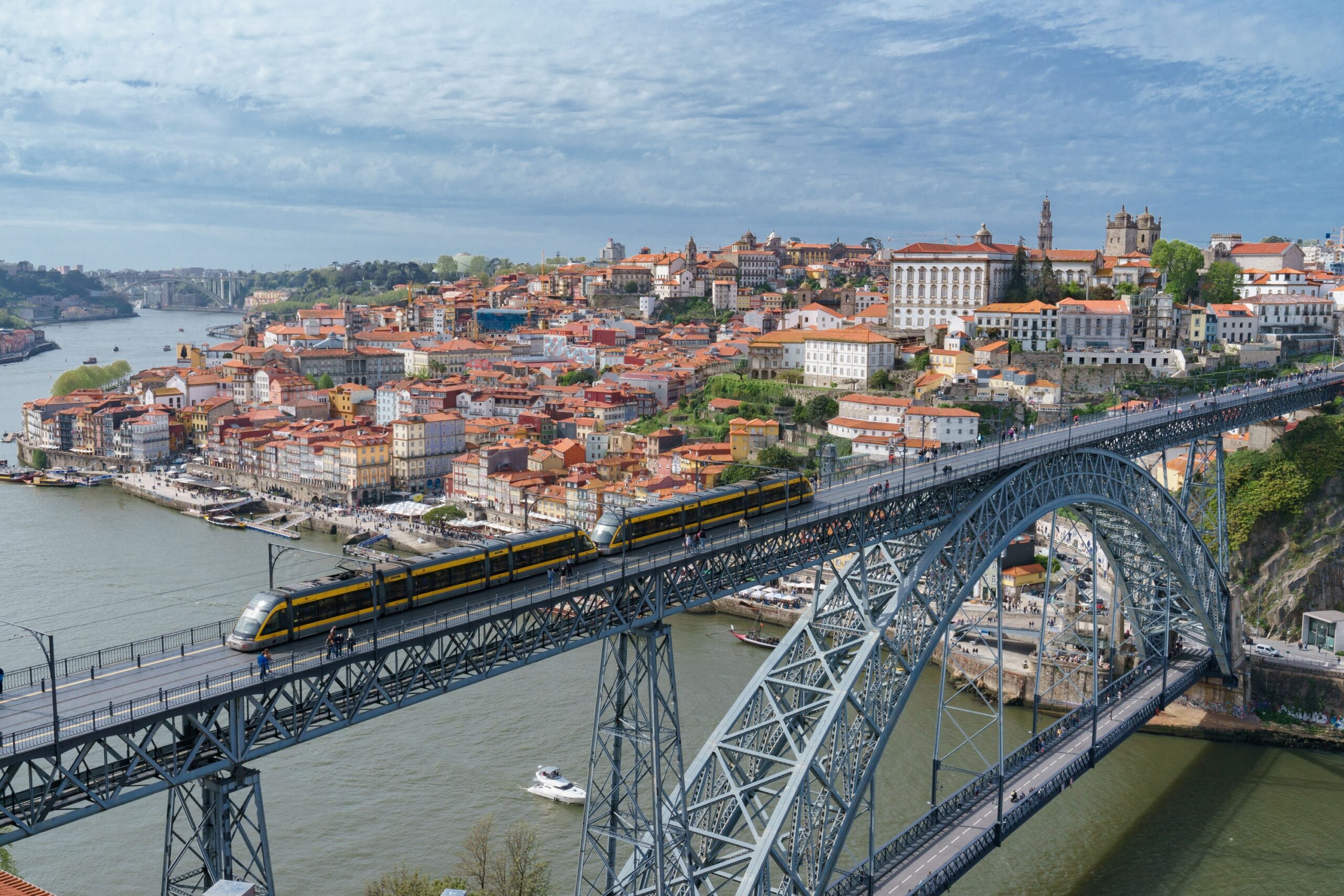

1. Ribeira: Where Porto’s Soul Meets the Water
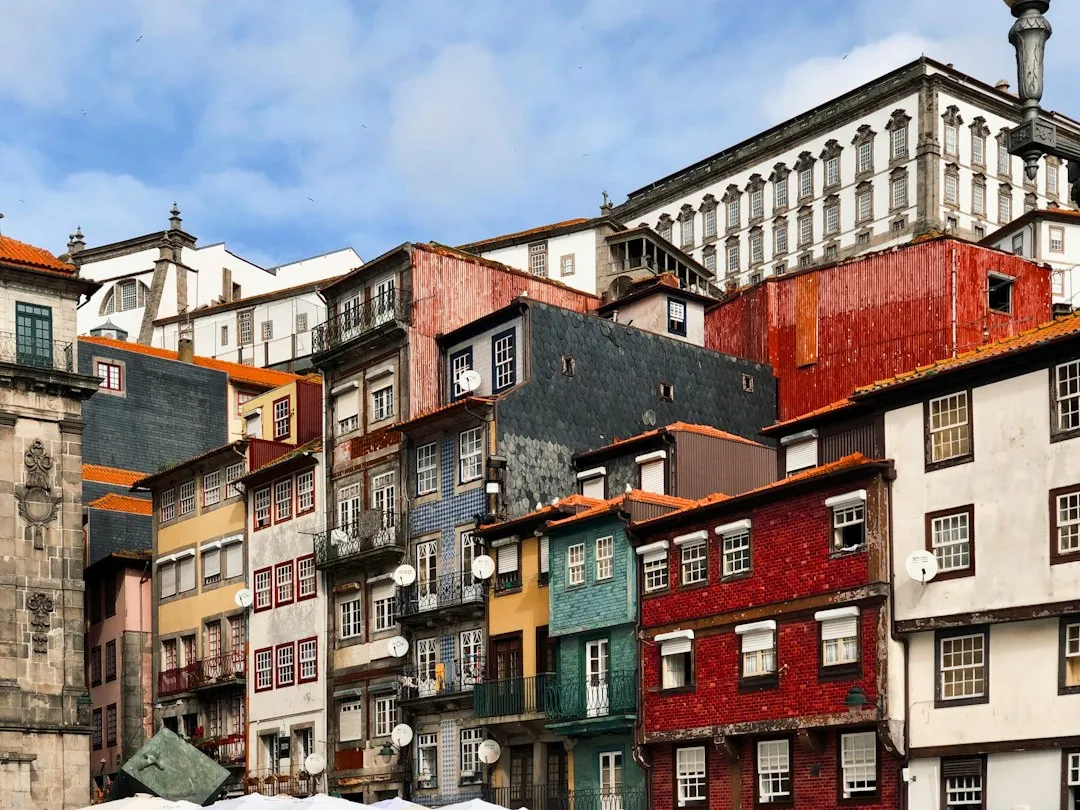
The Ribeira district, nestled along the banks of the Douro River, is one of the most iconic areas of Porto, with colourful facades, lively cafés, and stunning views of the Dom Luís I Bridge. It has been classified as a UNESCO World Heritage Site since 1996. The designation wasn’t given lightly. This area forms the core of Porto’s historic center, recognized for its medieval architecture and urban layout, and it sits at the confluence of trade history and daily life, where port wine once flowed from upstream vineyards to global markets.
Ribeira’s origins date back to the Middle Ages, when it became one of Porto’s first inhabited areas. Strategically located by the river, it served as the city’s main trading hub for centuries, with boats loaded with wine, olive oil, fish, and grain docking here to facilitate both local and international trade. The riverfront today, known as Cais da Ribeira, tells a completely different story from those cargo-heavy centuries. It is equally bustling today, but the major trade is now tourism, with the waterfront a long strip of cafés, restaurants, and shops overlooking the river and the port houses of Vila Nova de Gaia on the opposite bank.
The highlight of Ribeira’s cultural calendar is the São João Festival on the night of 23rd June, when thousands of people fill the streets to celebrate with music, grilled sardines, and a spectacular fireworks display. The river view from Praça da Ribeira during that celebration is something genuinely hard to describe. The beauty of Ribeira is that it has not lost its authenticity and character, with houses of local inhabitants going about their daily lives amid the tourist stores.
2. Miragaia: The Quieter Riverside That Rewards the Curious
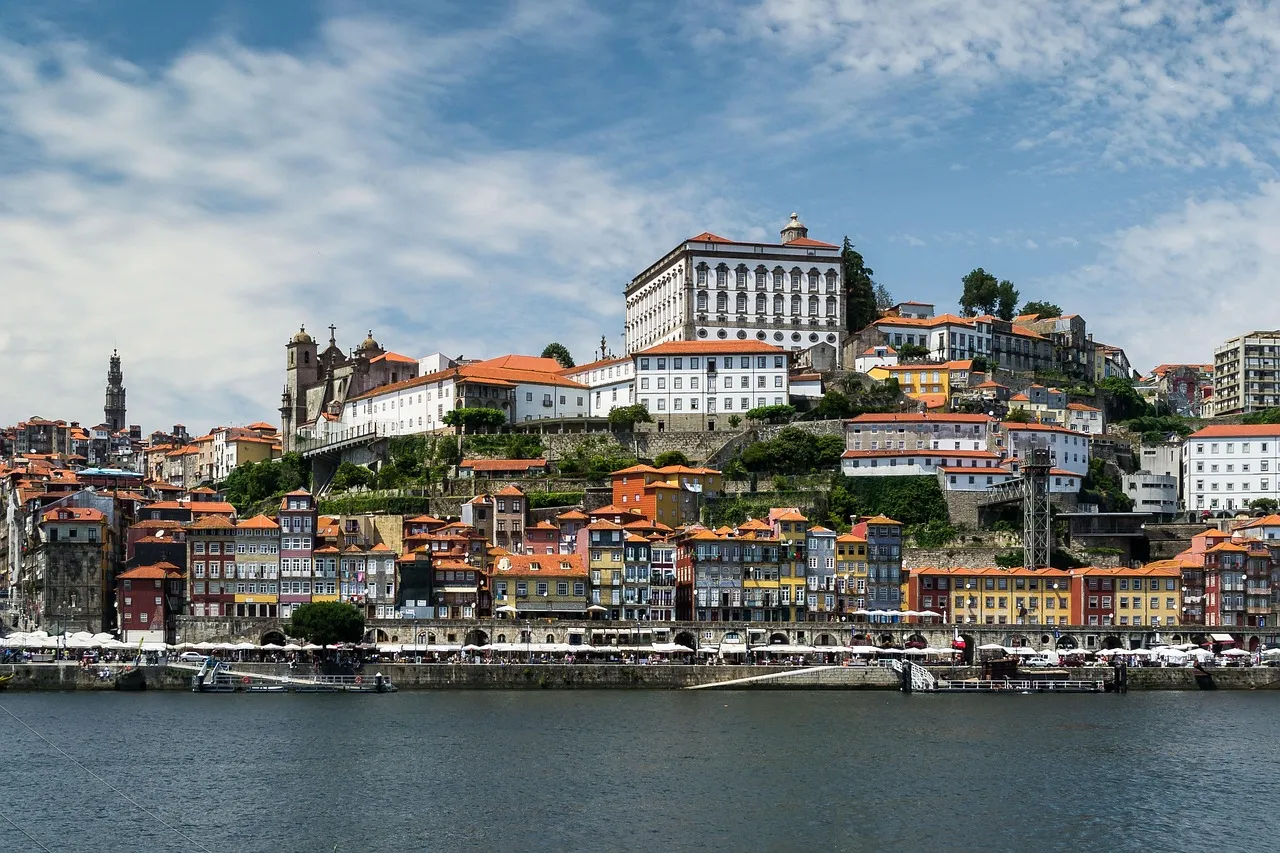
Nestled along the Douro River, Miragaia is renowned for its stunning riverside views and colorful houses, and it is a haven for those seeking a mix of old-world allure and modern amenities. The neighborhood sits just west of Ribeira but feels noticeably calmer, which is exactly its appeal. Head west of the city centre and you’ll find yourself in Miragaia, which was once set outside the Porto city walls, and the neighbourhood feels like an extension of the Ribeira with its multicoloured, shuttered houses and narrow streets strung with washing.
Miragaia gives you a quieter version of the riverside, with the same view of Gaia across the water and a short walk to the main Ribeira restaurants when you want them. That proximity is one of Miragaia’s genuine advantages. The upper part of Miragaia until Virtudes is an area that deserves a closer look, even at night, as the views over the Douro River and the entire western hill of the city and Foz are a welcome reward at the end of a walk.
The neighborhood contains the Alfândega Congress Center, the World of Discoveries Museum, and stunning sunset views over the river. The Alfândega building itself is a former royal customs house, and the architecture alone is worth the detour. The Church of São Pedro de Miragaia adds historical depth to the neighborhood, and wandering the stone alleys reveals charming cafés, traditional bakeries, and small artisan shops that reflect the local soul.
3. Massarelos: Parks, Panoramas, and Peaceful Rhythm
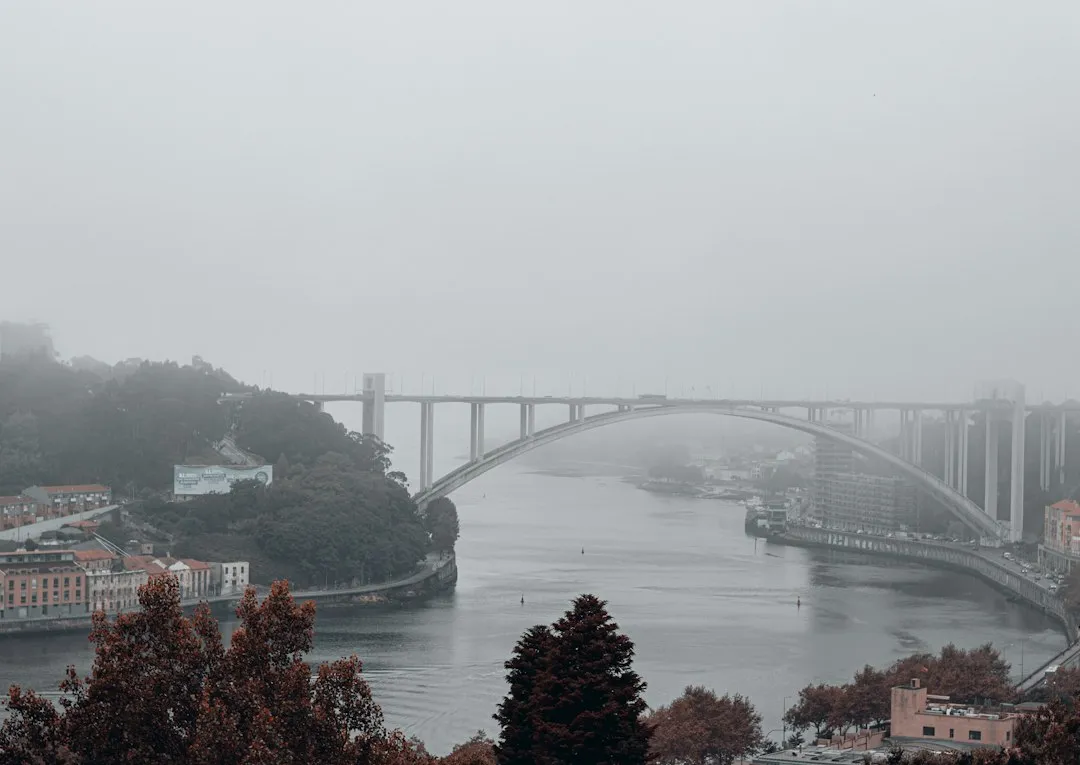
For a harmonious blend of greenery, culture, and riverside charm, Massarelos is a fantastic choice, nestled along the Douro River and ideal for nature lovers, history enthusiasts, and anyone seeking sweeping views at sunset. It’s a neighborhood that earns its reputation through understatement. Massarelos is a place of contrasts in Porto, combining river and sea traditions with the industrial buildings of past centuries and old aristocracy palaces.
South Massarelos is centred on the Palácio de Cristal, a 19th-century landscaped garden with peacocks, panoramic Douro views, and the closest thing Porto has to a park you can spend a whole afternoon in. That garden alone justifies the walk uphill from the riverbank. The neighbourhood itself is quiet and residential, with tiled facades, walled gardens, and a slower rhythm than anywhere closer to the river, while also offering the Museu Romântico, the Tram Museum, and Antiqvvm, one of Porto’s Michelin-starred restaurants.
The area offers stunning views of the Douro River from its hilly sections and is home to attractions such as the Museu do Carro Eléctrico, showcasing 19th and 20th century trams. The tram museum is a genuinely engaging stop, not a dusty afterthought. Massarelos tends to attract visitors who have already done Ribeira and are ready to slow down without losing the river entirely from view.
4. Bonfim: The Neighborhood Porto Is Still Discovering
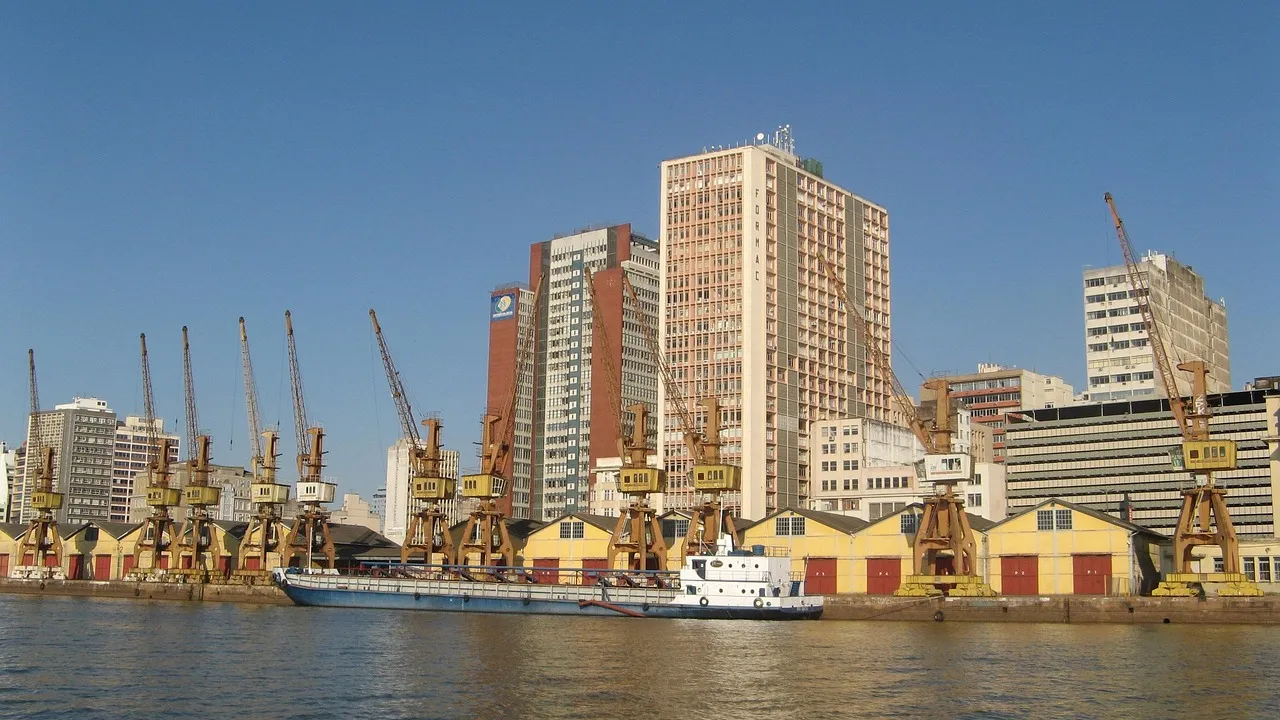
As you delve deeper into Porto, Bonfim reveals its own distinct personality, showcasing a blend of historical significance and modern creativity. This is the neighborhood that residents tend to mention when asked where they actually spend their weekends. Bonfim has a bohemian, budget-friendly, emerging character that makes it best suited for younger travellers and those curious about the city beneath the postcard image.
Bonfim sits east of the historic center, rising above the Douro with views that open up unexpectedly as you climb the hilly streets. It is not a neighborhood to come to expecting curated attractions. Bonfim is for walking, looking, and absorbing rather than ticking boxes. That honest framing is part of what makes it interesting. The river appears here in glimpses between old townhouses rather than as a continuous promenade, which gives the neighborhood a different, more intimate quality.
You’ll find lively bars and restaurants with shimmering river views, as well as street art and the pretty São Pedro church. The creative energy in Bonfim has grown steadily over recent years, with independent studios, small galleries, and neighborhood cafés filling spaces that once sat empty. It’s a place still in the middle of becoming something, and that is part of its charm.
5. Vila Nova de Gaia: The Other Side of the Douro
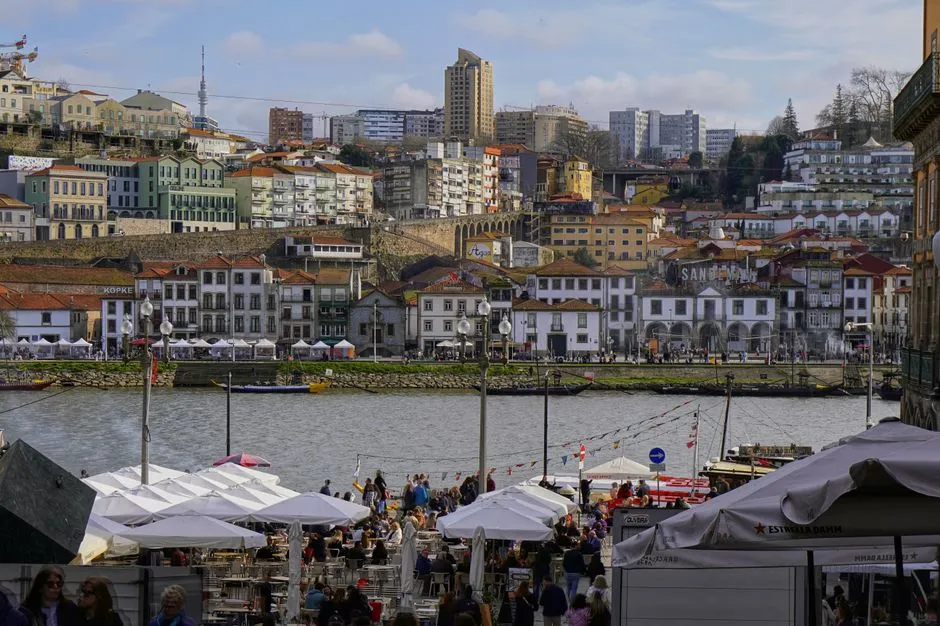
Technically across the river from Porto, Vila Nova de Gaia is impossible to leave off a list about Douro views, because it offers the most complete panorama of Porto’s famous waterfront. Technically a separate city, Gaia is Porto’s wine-soaked twin across the Douro. The view from its upper terraces, looking back across the water at the stacked colorful facades of Ribeira, is the image that ends up in every travel magazine.
Vila Nova de Gaia has been home since 2020 to the World of Wine complex, an architectural project conceived within renovated warehouses, designed as a city within a city and organized around a square offering an exceptional view of the Douro and the urban heritage. The WOW complex has genuinely changed what a visit to Gaia can offer beyond a cellar tour. The historic commercial riverfront is completing its transformation into a contemporary mixed-use destination, designed for both residents and travelers.
The facades of former wine warehouses and convents have been preserved, but their interiors have been completely redesigned to offer greater comfort and functionality, an architectural challenge given the steep slopes overlooking the river. That tension between old shell and modern interior is visible everywhere you look in Gaia, and it works surprisingly well. For wine-focused stays with sunset views, Gaia is the natural choice.
6. Foz do Douro: Where the River Finally Meets the Sea
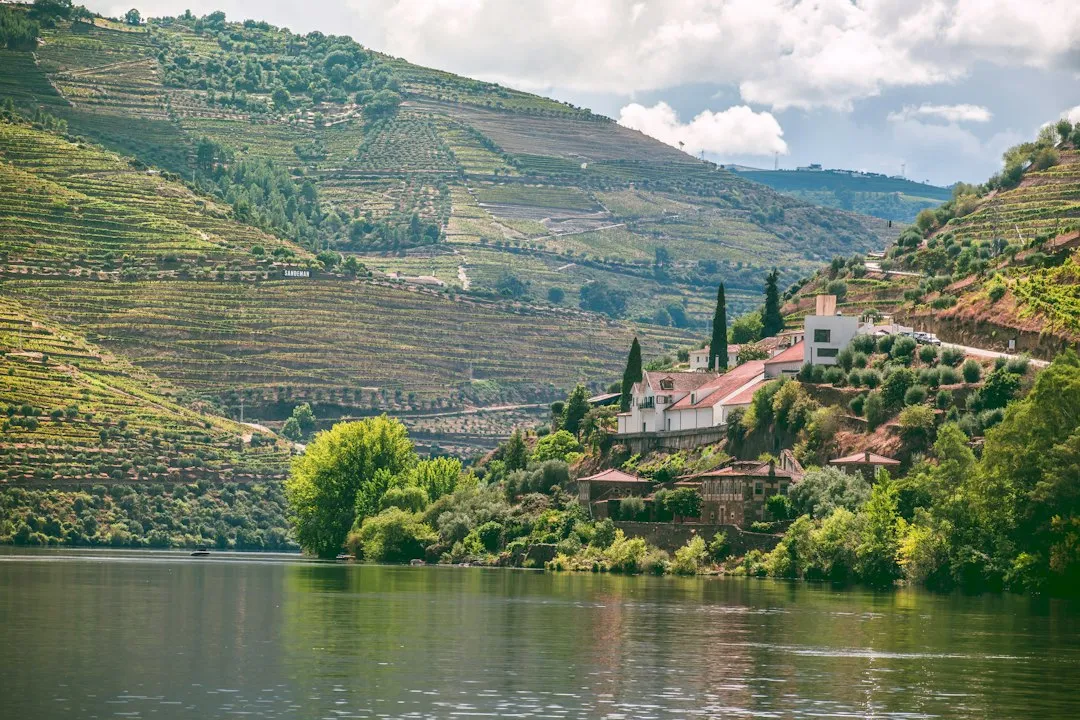
Foz do Douro is a district whose name translates to “Mouth of the Douro,” and here the river meets its final destination before reaching the Atlantic. The energy here is calmer, breezier, and noticeably more residential than anything closer to the historic center. Foz, the old fishing district where the Douro meets the Atlantic, is the smartest residential part of the city.
Once a fishing village and upper-class holiday haunt complete with lavish mansions, Foz lies just 20 minutes from the centre of Porto, and the remains of Fortress São João Baptista da Foz have stood guard over the mouth of the Douro since the 16th century. That fortress is one of those quietly impressive landmarks that most visitors walk past without realizing exactly how old it is. Wandering along the neoclassical Pergola da Foz promenade, trying some fresh local seafood, or basking on the stretch of golden-sand beach are the rhythms that define a day here.
Foz do Douro has a seaside, family-friendly, slower pace that suits stays of five or more nights particularly well. The river views from Foz are unlike anything you see further upstream. Here the Douro broadens dramatically, the light changes, and the Atlantic becomes part of the picture. It feels like standing at the end of a very long, very beautiful sentence. For a second visit to Porto, Foz offers a completely different experience of the city.
A River Worth Following, Block by Block
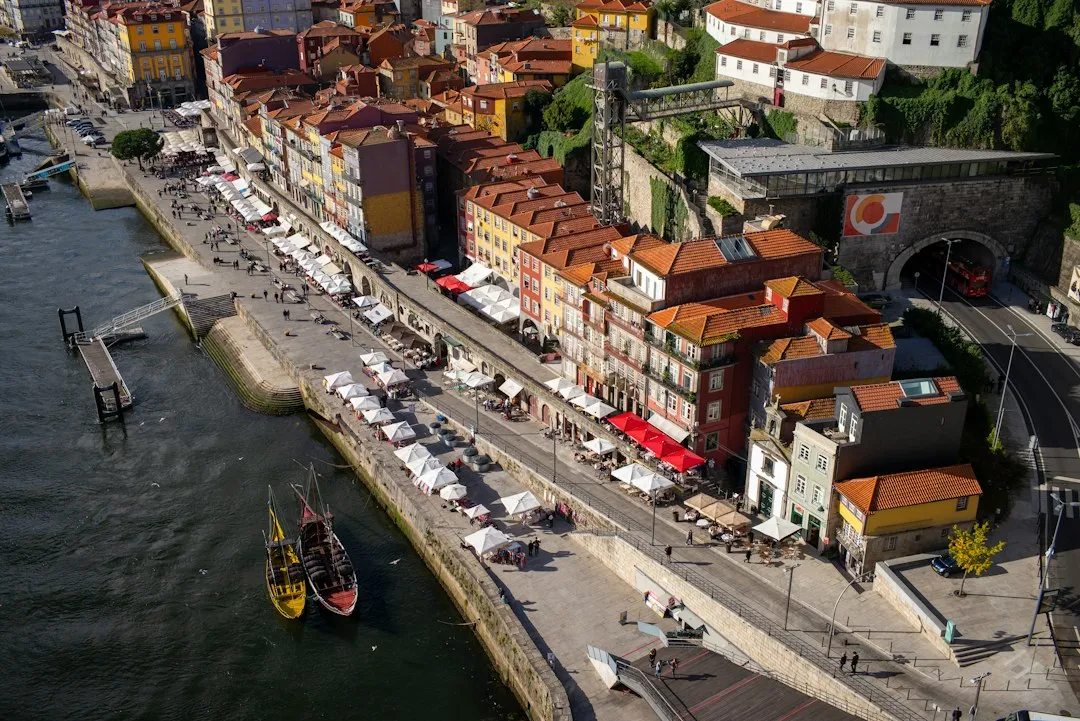
Porto is one of those cities where the best travel advice is deceptively simple: follow the river. Each neighborhood along the Douro has its own tempo, its own visual quality, and its own claim on your attention. The beauty of the river is amplified by the colorful building terraces on both sides of the banks as well as the elegant bridges connecting both sides. That amplification is cumulative. The more neighborhoods you walk through, the richer the whole picture becomes.
What’s worth noting is that none of these six places needs the others to justify a visit. Ribeira earns its fame honestly. Miragaia rewards patience. Massarelos offers perspective. Bonfim is still unfolding. Gaia reframes everything from across the water. Foz brings the whole journey to a natural, salt-aired close.
The Douro doesn’t really care which neighborhood you’re standing in when you finally stop and look. It flows through all of them with the same unhurried confidence, which is exactly the pace a good Porto trip deserves.
AI Disclaimer: This article was created with the assistance of AI tools and reviewed by a human editor.