
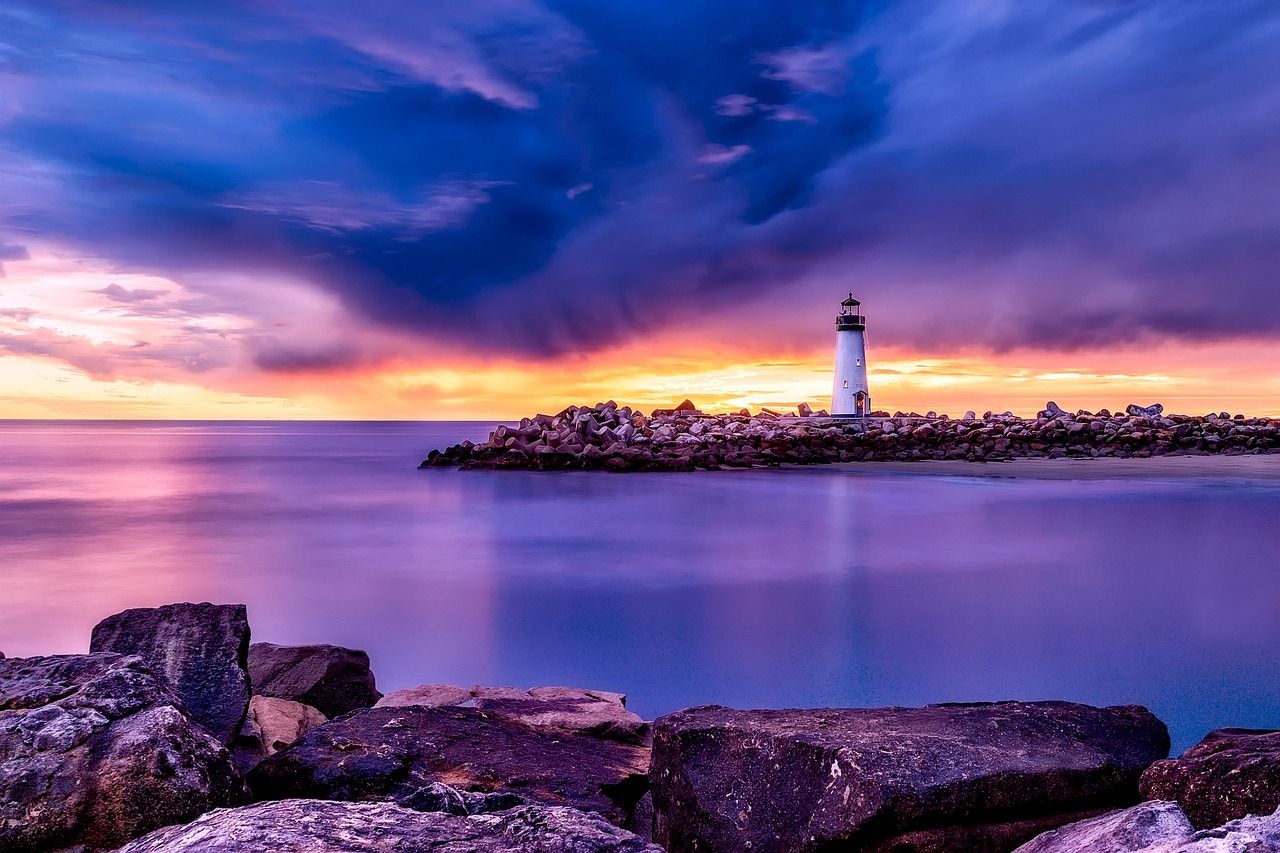

There’s a particular kind of sunset that you can’t find by searching a top-ten list. It lives down an unmarked path, or behind a stand of mangroves, or at the end of a pier that only takes cash. These are the sunsets that regulars return to again and again, quietly, without posting much about them online.
The six places below have each earned that kind of loyalty. They’re real, verifiable spots with genuine character, spread across some of the most sun-soaked corners of the United States. What unites them is the feeling that, somehow, the light falls a little differently here.
1. Matheson Hammock Park, Coral Gables, Florida
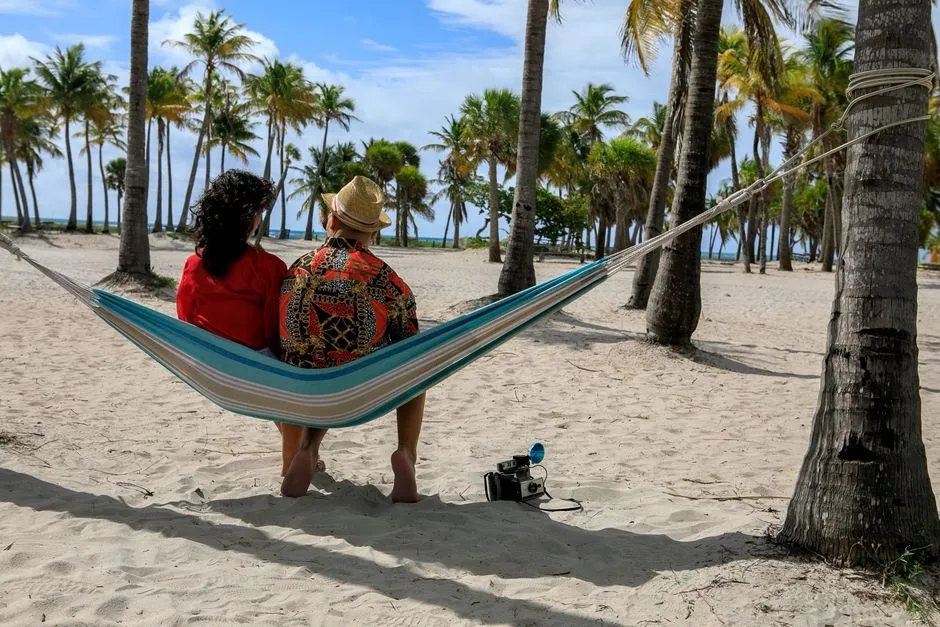
One of Miami-Dade’s most treasured county parks, Matheson Hammock Park sits on a peninsula that extends into Biscayne Bay, spanning 630 acres of coastal Miami just south of Coral Gables. It first opened to the public in 1930, after William J. Matheson donated prime waterfront property to Miami-Dade County.
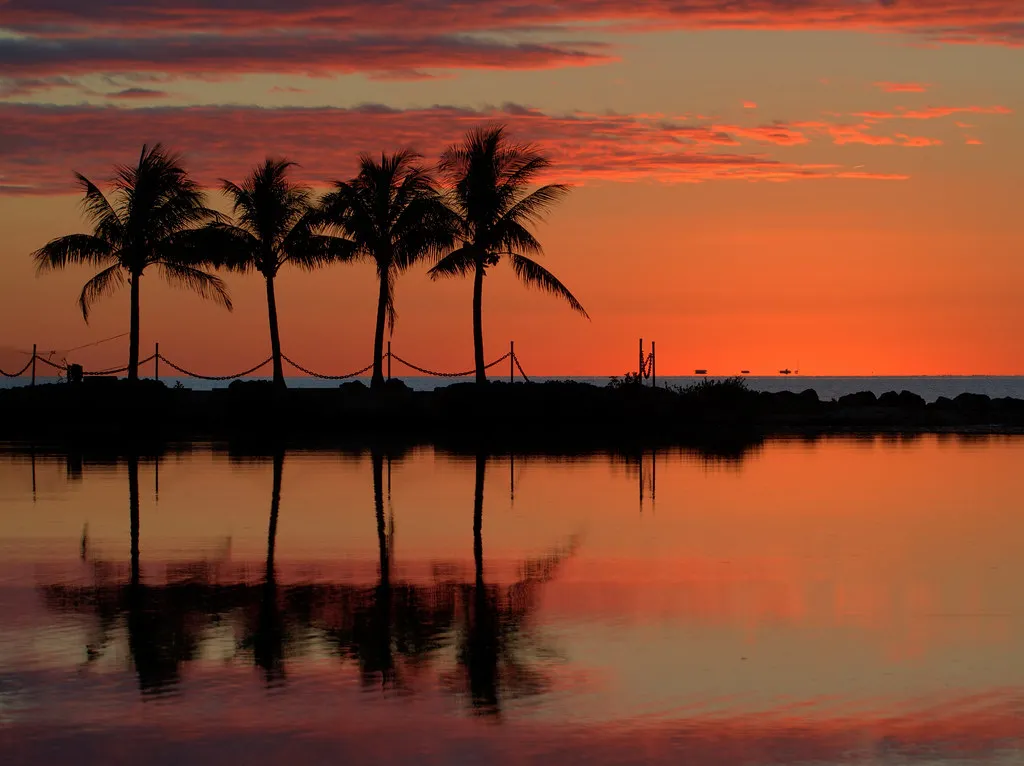
Found within the park, Florida’s only atoll may be man-made, but the coral rock is native and genuine, and the flush of seawater through it with the tides makes for a gentle, clean pool in which to swim. Experience stunning, romantic sunset views over Biscayne Bay, ideal for photos and relaxation.
Matheson Hammock Park in Coral Gables is a sanctuary for those who prefer their sunsets with a side of serenity. Its man-made atoll lagoon, framed by swaying palms, provides an idyllic scene for families, couples, and photographers who want to avoid the chaos of busier beaches. Arrive on a weekday if you can. Visiting during weekdays or early mornings helps avoid weekend crowds.
2. Beacon’s Beach, Encinitas, California
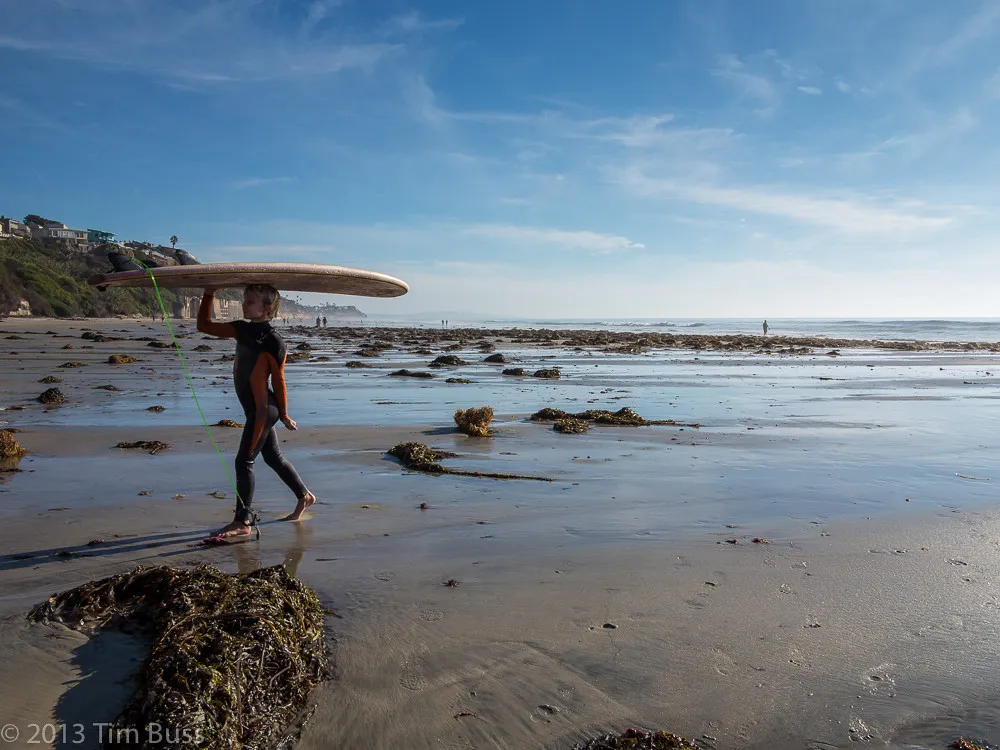
Beacon’s Beach in Encinitas is a hidden gem and a favourite for locals, offering breathtaking views of the ocean and vibrant skies as the sun sets. It sits below a bluff, which means you have to walk down to reach it, and that single small barrier keeps the casual crowd away.
The beach is framed by sculpted sandstone cliffs that glow in warm amber tones as the sun drops toward the Pacific. For those who prefer a longer approach, the Coastal Rail Trail from Encinitas to Cardiff offers a front-row seat to one of the most beautiful coastal sunsets in the region.
What makes Beacon’s genuinely special is the scale of the view. You get an open western horizon with no piers or structures interrupting the skyline. For San Diego’s local surf community, this stretch of coast is a known gathering point at the end of long summer days, a quiet ritual rather than a destination.
3. Roanoke Island, North Carolina
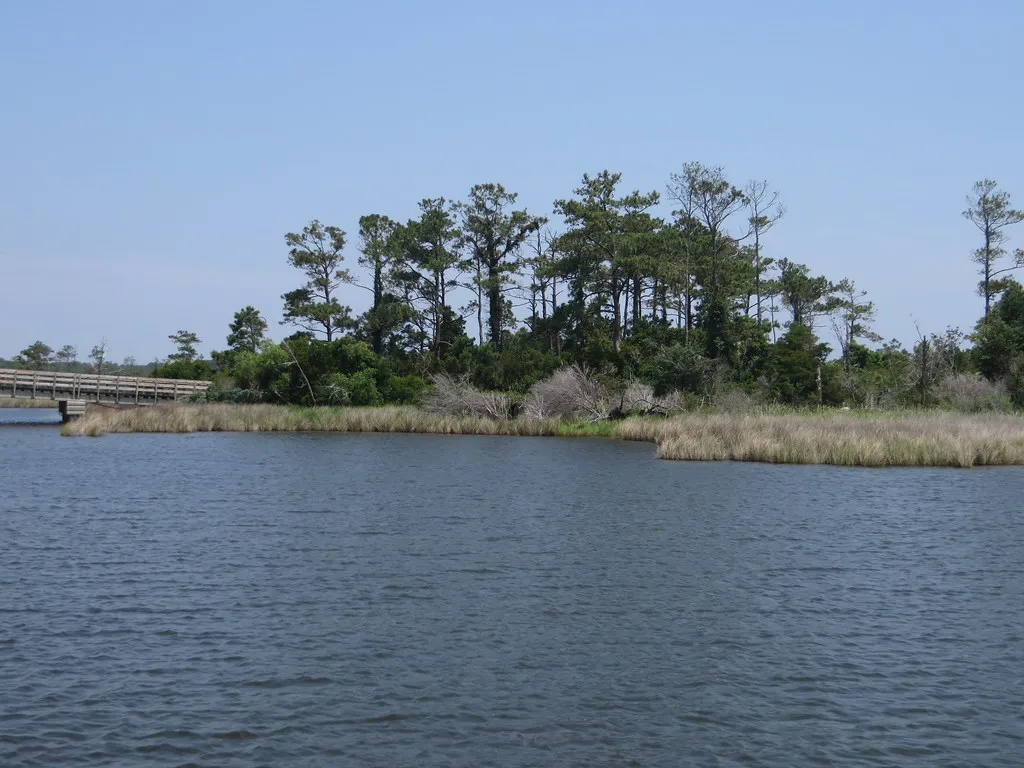
The Roanoke Marshes Lighthouse, dating back to 1877, serves as a picturesque backdrop for sunset views on the island, providing a unique blend of history and natural beauty. The shallow sound waters surrounding Roanoke Island create a mirror-like effect, reflecting the vibrant colors of the twilight sky and enhancing the serene atmosphere.
The island’s beach areas, such as the less-crowded sections, provide a more intimate setting for sunset enthusiasts, allowing them to escape the typical tourist hotspots. Most visitors to the Outer Banks head straight for the oceanside beaches and miss the softer, quieter light on the sound side entirely.
Roanoke Island has genuine historical weight, and that context adds something to the experience of watching the sky change here. You’re standing in one of the oldest settled corners of colonial America, watching the same marshes darken as they have for centuries. That kind of place earns its loyalty.
4. Bill Baggs Cape Florida State Park, Key Biscayne, Florida
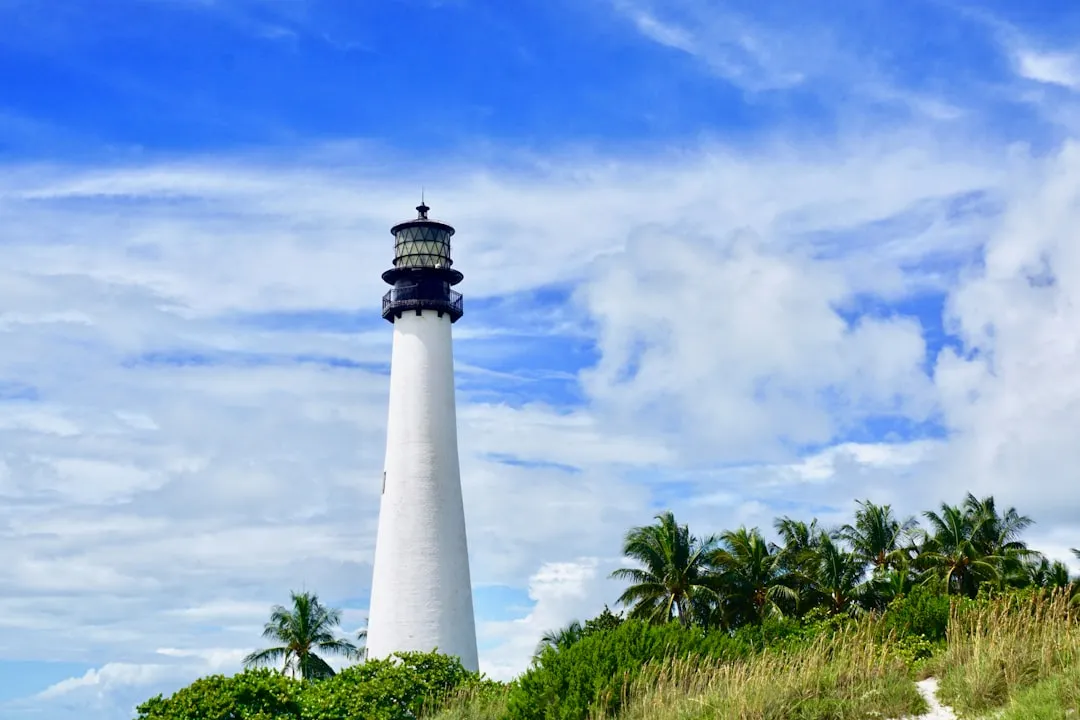
At the southern tip of Key Biscayne, Bill Baggs Cape Florida State Park offers a sunset experience steeped in both natural beauty and history, with the park’s centerpiece, the Cape Florida Lighthouse, becoming even more striking as the sun dips. The lighthouse is the oldest standing structure in Miami-Dade County, which gives the evening scene an unusual gravity.
Florida has no shortage of famous sunset spots, but the best ones are often the places locals quietly return to again and again, trading big crowds for still water, wild shorelines, and that rare feeling of having the view almost to yourself. Bill Baggs fits that description precisely.
The park’s beach faces west-southwest, which gives it particularly long golden-hour windows in the summer months. Pelicans drift through the frame, the lighthouse stands at the edge of the frame, and the city of Miami is far enough behind you that you barely think about it. It’s a genuinely restorative place to end a day.
5. Davis Islands Seaplane Basin, Tampa, Florida
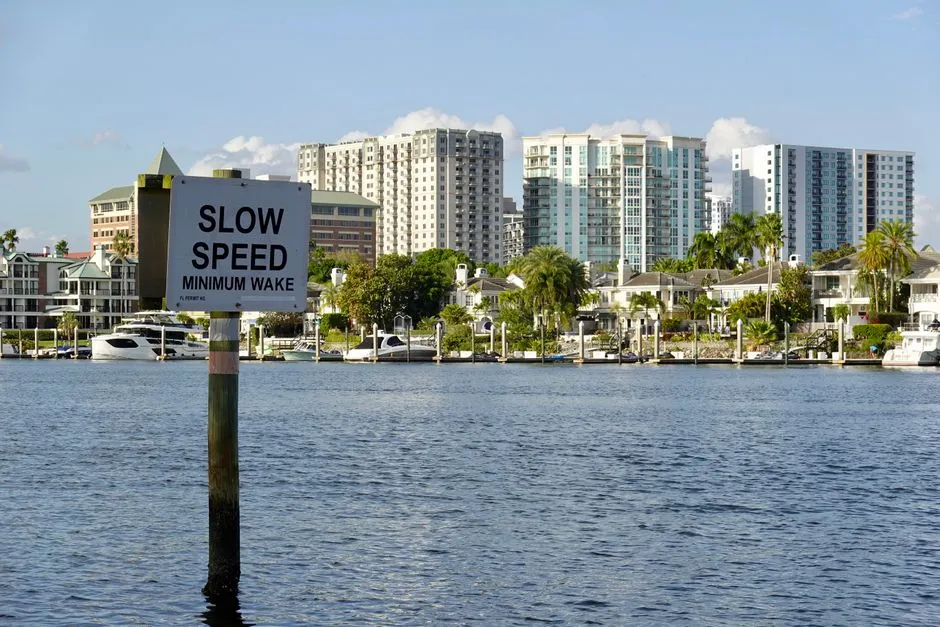
Davis Islands Seaplane Basin is one of Tampa’s best low-key sunset spots if you know where to go. It has open water views, grassy space, and a relaxed local energy that feels effortless from the moment you arrive. Instead of a crowded spectacle, you get a place where people spread out, breathe, and let the evening happen.
The basin offers enough openness for the sky to really perform, especially when the bay picks up warm pink and orange reflections. The seaplane basin sits in a residential neighborhood on Davis Islands, a small man-made island just off downtown Tampa, which means foot traffic stays manageable even on warm evenings.
There are no vendors here, no ticketed events, no curated experiences. Locals bring chairs, bikes, dogs, and the occasional thermos. The informality is the whole point. It’s Tampa stripped of its self-consciousness, which turns out to be quite beautiful.
6. Blind Pass Beach, Sanibel Island, Florida
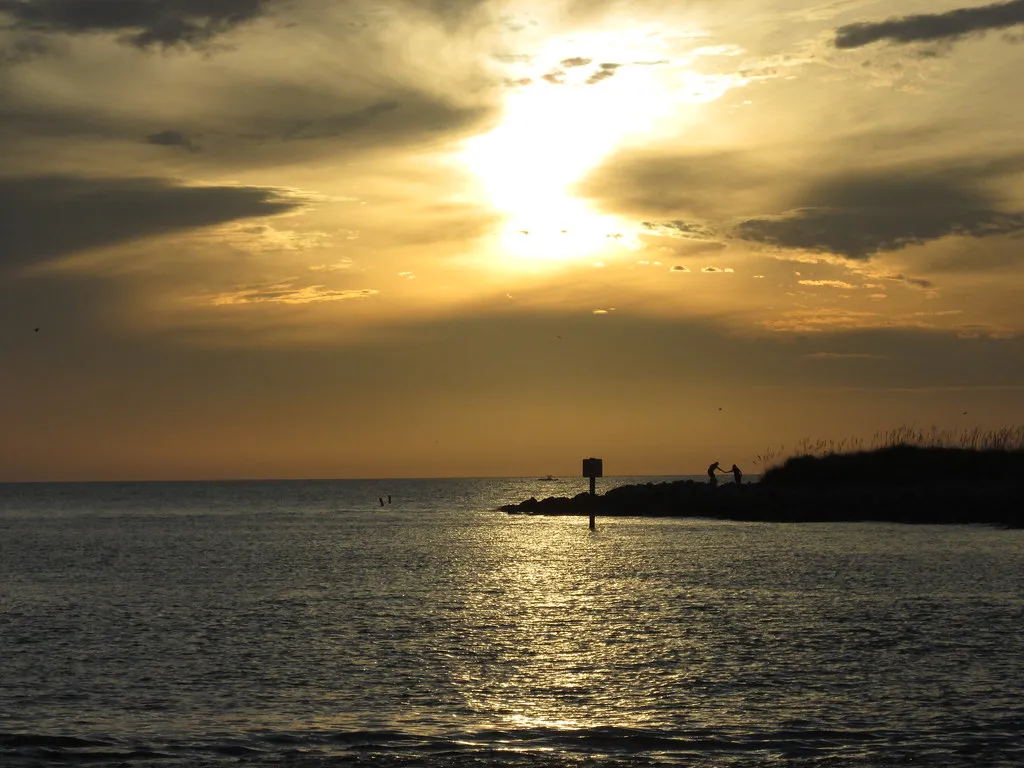
If you want a Florida sunset that feels a little wild around the edges, Blind Pass Beach delivers exactly that. The shoreline here is less polished than the postcard beaches, and that is part of the charm. You get stronger currents, shifting sand, and glowing reflections that seem to change by the minute.
The pass creates texture in the scene, so the sunset never feels flat or predictable. Instead of one calm strip of color, you get ripples, streaks, and flashes of orange, pink, and gold. It’s a noticeably different experience from the manicured beaches further up the island.
For a sunset with drama, texture, and a strong sense of place, Blowing Rocks Preserve is a true hidden standout in the broader region, but Blind Pass holds its own as a spot where the environment genuinely participates in the light show. The moving water, the shells, the shorebirds all catch the color in their own way. Locals know to arrive about forty minutes before the horizon touches the sun, not after.
Why These Places Stay Secret
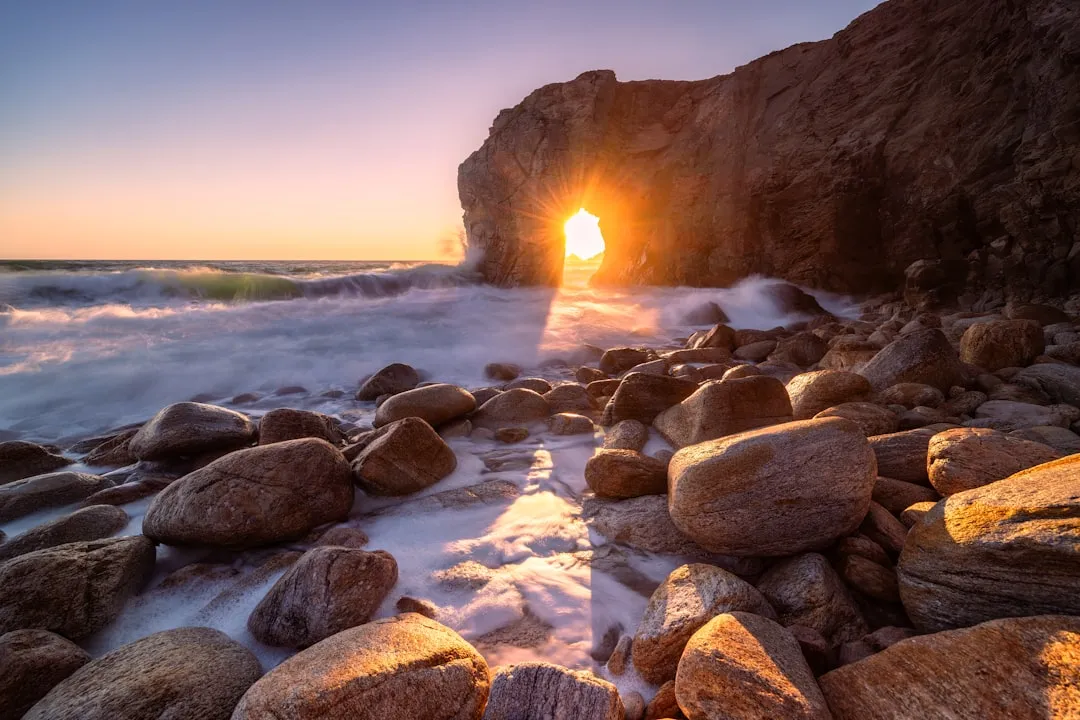
Florida, like much of the American South, has no shortage of famous sunset spots. The same is true of California’s coast. The places that stay local favorites are often not the most dramatic or the most photogenic in an obvious sense. They’re the ones that require a small act of effort: a walk down a bluff, a drive to the end of an island, a willingness to sit in a public park without a menu in hand.
There’s also a social dimension worth acknowledging. When a place feels like it belongs to the people who visit it regularly, those people tend to protect it. They pick up trash. They come back. They don’t share the exact coordinates on social media. That quiet stewardship is what keeps these spots feeling the way they do.
A Note on Timing and Light
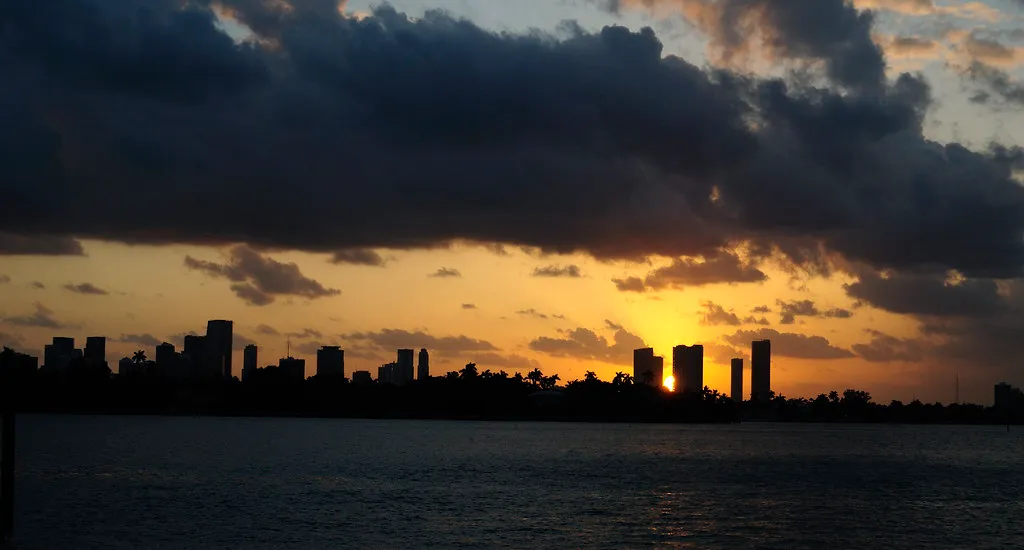
Golden hour, the soft warm window just before sunset, typically lasts between thirty and sixty minutes depending on the season and latitude. At lower latitudes like South Florida, the sun drops faster and the window is shorter, which makes arriving early more important. At higher latitudes like coastal North Carolina, the light lingers longer and the color palette shifts more gradually.
The quality of light also depends heavily on atmospheric conditions. Humid coastal air, thin high clouds, and particles from distant weather systems can all intensify the color range considerably. Some of the most memorable sunsets at places like Roanoke Island or Matheson Hammock happen after overcast afternoons, when the cloud layer breaks just above the horizon. That’s something no app will predict for you.
How to Approach a New Spot Respectfully
When visiting a place that locals consider their own, the right posture is quiet appreciation rather than enthusiastic documentation. Some of these spots sit near residential neighborhoods or fragile ecosystems. Matheson Hammock Park, for instance, includes vast stretches of Florida mangroves and hardwood forests, and foot traffic off marked paths causes real harm to those systems.
Carry out what you carry in. Leave the speaker at home. If there are other people already settled in and watching, find your own space. These aren’t revolutionary ideas, but they’re the difference between being a guest and being an intrusion.
What Locals Actually Know That Visitors Don’t
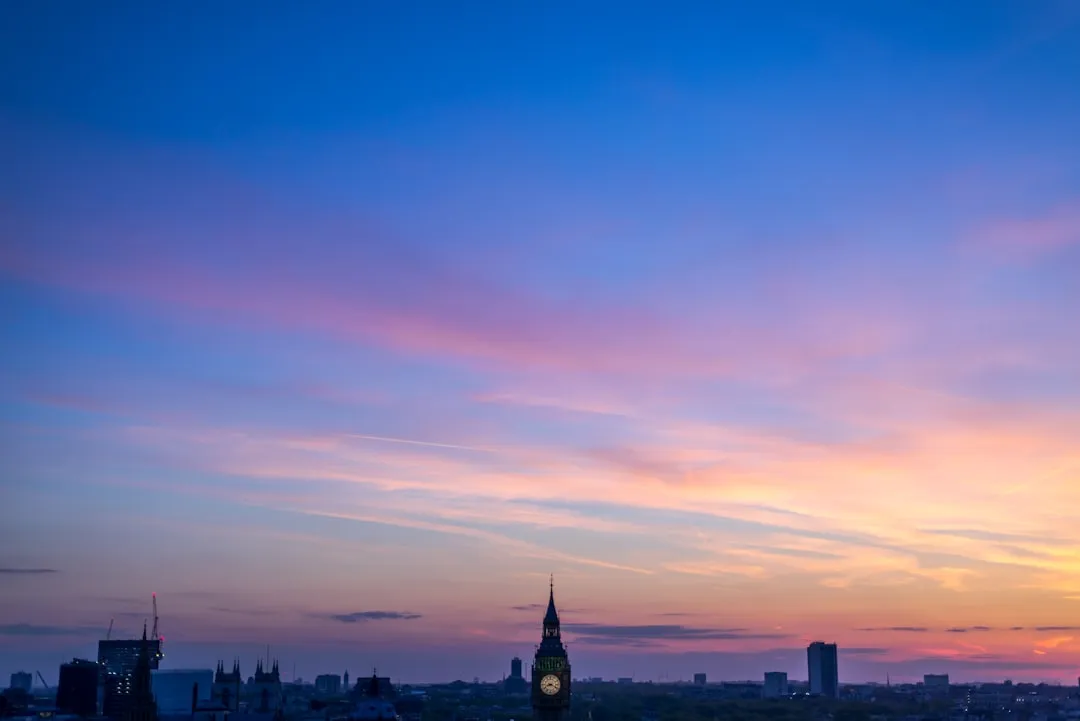
Beyond the specific locations, what long-time visitors to these spots understand is rhythm. They know which evenings in which seasons produce the most vivid color. They know where to stand within the spot, not just which spot to choose. Many experienced visitors stay for a while after the sun goes down, as that is usually when the sky gets the most spectacular colors.
That post-sunset window, sometimes called civil twilight, can produce deep purples, rich magentas, and smoky blues that the golden-hour crowd misses entirely by leaving too early. It lasts roughly twenty to thirty minutes after the sun clears the horizon. Bring a layer. Stay a little longer than you think you need to.
The Takeaway
The six spots in this piece share one quality that no headline can fully capture: they reward patience. Not the patience of waiting in line or booking months ahead, but the quieter kind. The patience of sitting still, watching the sky do something it has done every evening for longer than anyone can remember, and letting that be enough.
These places exist because people loved them well and didn’t make too much noise about it. That’s worth honoring, wherever you end up watching the sun go down.
AI Disclaimer: This article was created with the assistance of AI tools and reviewed by a human editor.