

A Well-Stocked First Aid Kit Built for Both Generations
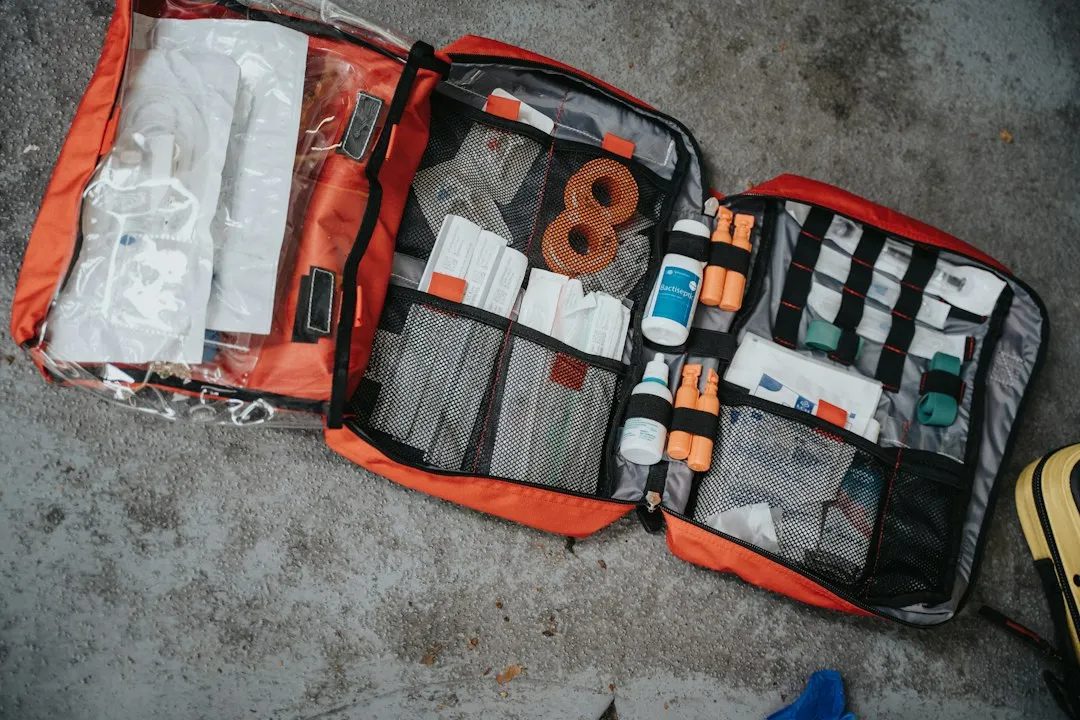
A travel first aid kit is arguably the most important thing a grandparent can carry, and it needs to serve two very different sets of needs. Medications to pack should include children’s and adult pain relievers such as acetaminophen or ibuprofen, antihistamines for allergies or bites, motion sickness or anti-nausea medicine, and any prescription medications in their labeled containers.
The Red Cross recommends making copies of all prescriptions so that if you run out, or they get lost or damaged, refills are easier. It’s worth adding antibiotic ointment, adhesive bandages in multiple sizes, a digital thermometer, and instant cold packs. Restock and check expiration dates before every trip.
Don’t forget to include basic emergency information in your first aid kit, such as insurance info and doctor and dentist phone numbers. A small but complete kit, kept easily accessible in a carry-on, covers the vast majority of everyday travel mishaps.
All the Essential Medical and Travel Documents
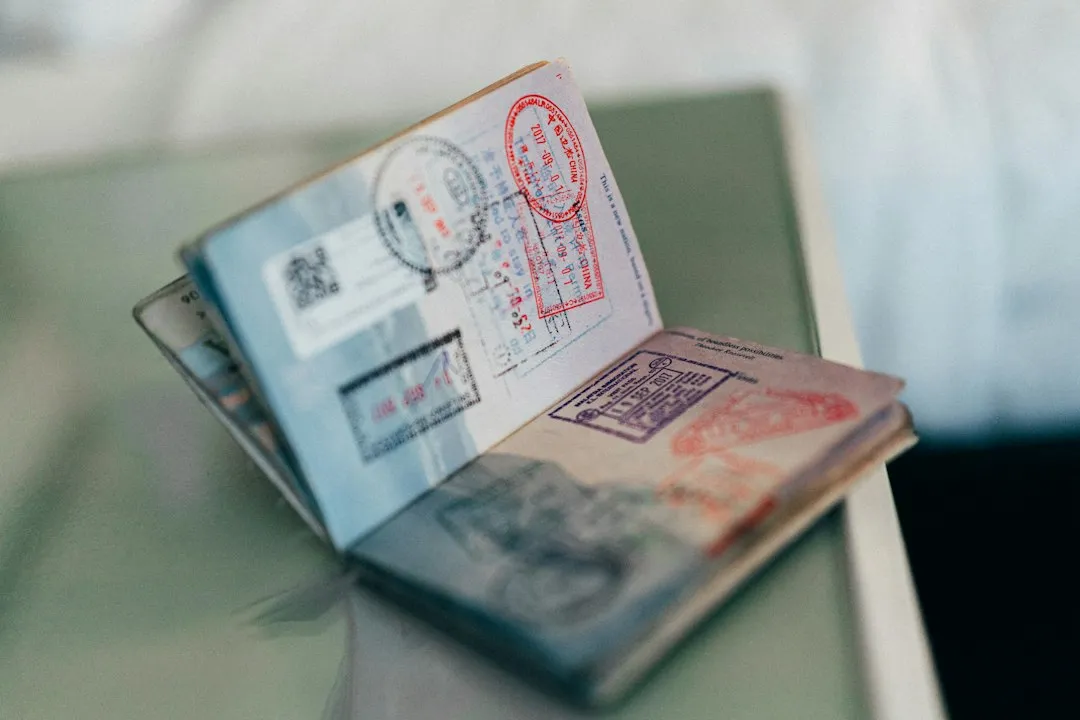
Documents may not feel like a “packing” item in the traditional sense, but forgetting them can derail a trip faster than almost anything else. Make sure you have all essential information such as emergency contacts, the child’s doctor’s information, parents’ phone numbers, food allergies, drug allergies, medications, and any other important details.
If you’re flying overseas and the parents are not coming along, you’ll need to get a notarized parental letter of consent. You should also carry copies of the child’s birth certificate and have their health insurance information in the event of an emergency.
Make copies of important documents like passports and your driver’s license, just in case you lose them. Keep one set of copies in your carry-on and another tucked into checked luggage, separate from the originals. It’s a small habit that can save significant stress.
Sunscreen, Bug Repellent, and Skin Essentials
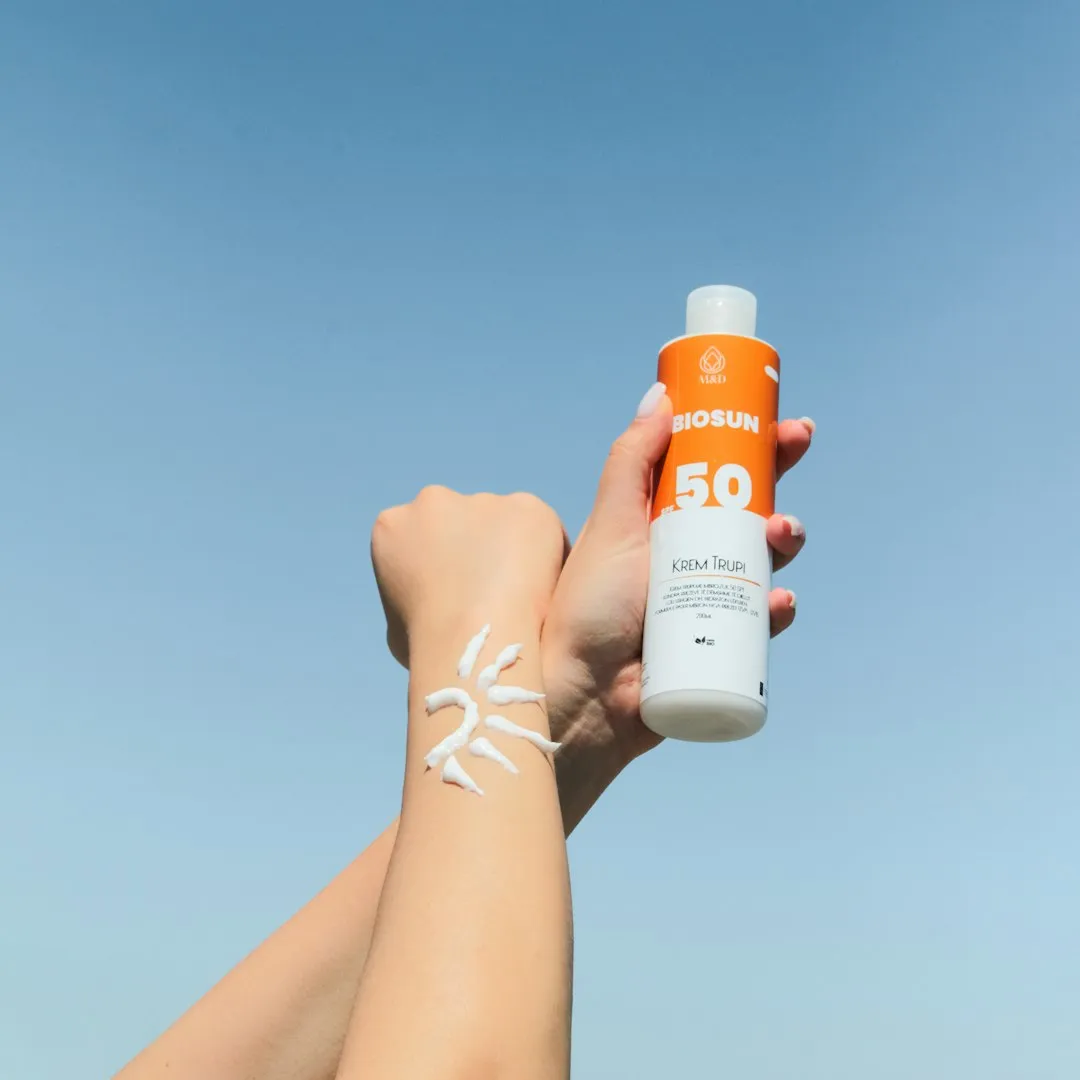
Sun protection is non-negotiable when you’re spending active days outdoors with kids who rarely slow down long enough to reapply. Travel-specific must-haves include broad-spectrum sunscreen at SPF 15 or higher, aloe vera gel or after-sun lotion, and insect repellent or wipes.
Insect repellents appropriate for use on children should contain 10 to 30 percent DEET, while those for adults should contain 30 to 50 percent DEET or up to 20 percent picaridin. Don’t use insect repellent on infants two months of age or younger.
Hydrocortisone cream for rashes and calamine lotion for bug bites round out a solid skin care kit. These items are lightweight and compact, yet they handle a surprising number of common travel discomforts that kids encounter when exploring new environments.
Comfort Items and Familiar Favorites from Home
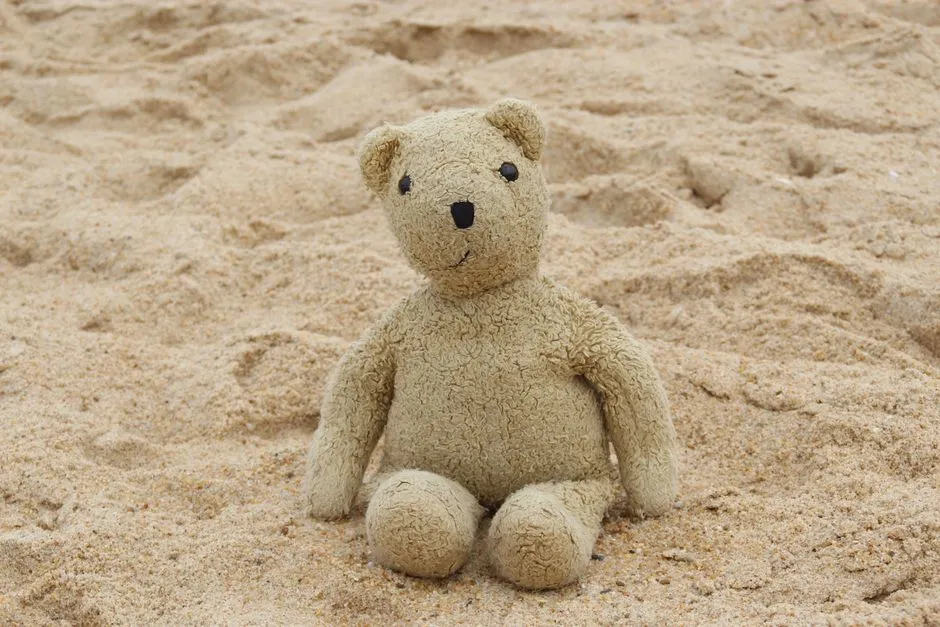
Young children in particular regulate their emotions partly through familiar objects, and travel can feel disorienting even when it’s exciting. If your grandchild sleeps with a lovey or a favorite teddy bear, make sure they pack it along, and don’t forget their favorite snacks.
Bringing comfort items such as a favorite book, small game, or familiar item can help younger travelers feel at ease. These aren’t luxuries; they’re tools for emotional steadiness. A child who feels secure is far more open to new experiences.
Easy-to-pack arts and crafts, such as markers, crayons, blank paper, and stickers, are also worth including. They’re lightweight, keep little hands busy during transit, and don’t need batteries or Wi-Fi. A calm child during a long layover is worth every inch of bag space those items take up.
Smart Snacks to Keep Everyone Going

Hunger is a fast-moving variable on family trips. Meal times shift, waits stretch long, and even the most good-natured grandchild can unravel if their blood sugar dips at the wrong moment. When traveling, having long gaps between meals is likely, and experiences can be ruined if overshadowed by hungry children, so pack a few healthy snacks to help everyone stay happy and energized.
Fill zippered bags with grab-and-go treats like granola bars and crackers. Portable snacks that don’t require refrigeration and won’t make a mess in a bag are ideal. Think trail mix, dried fruit, rice cakes, or individual nut butter packs alongside the family favorites.
It’s also worth checking with the parents ahead of time about any allergies or dietary rules. Snacks can be things only grandparents get away with, but make sure parents know what you’re bringing and agree on the best time to give treats to the kids. A little coordination prevents any disagreements mid-trip.
Layered, Flexible Clothing Suited to Every Situation

Packing clothes for a trip with grandkids means planning for a wide range of activity levels, weather shifts, and the inevitable spill or muddy adventure. Pack layers for flexibility, as weather can change quickly, especially in national parks and coastal areas.
Try to pack a capsule wardrobe, meaning each piece can work with all the others. Pack layers you can take on and off as the weather changes, and choose clothes that can easily dress up or down. This approach keeps bags manageable while still covering all scenarios.
One practical trick worth knowing: make mornings easier by putting each day’s outfit in a labeled ziplock bag, including underwear, socks, a t-shirt, and shorts or jeans, so grandparents won’t have to search for any necessities. It sounds simple, but it genuinely reduces friction during the morning rush of a busy travel day.
Recent Photos of the Grandkids (Both Digital and Physical)
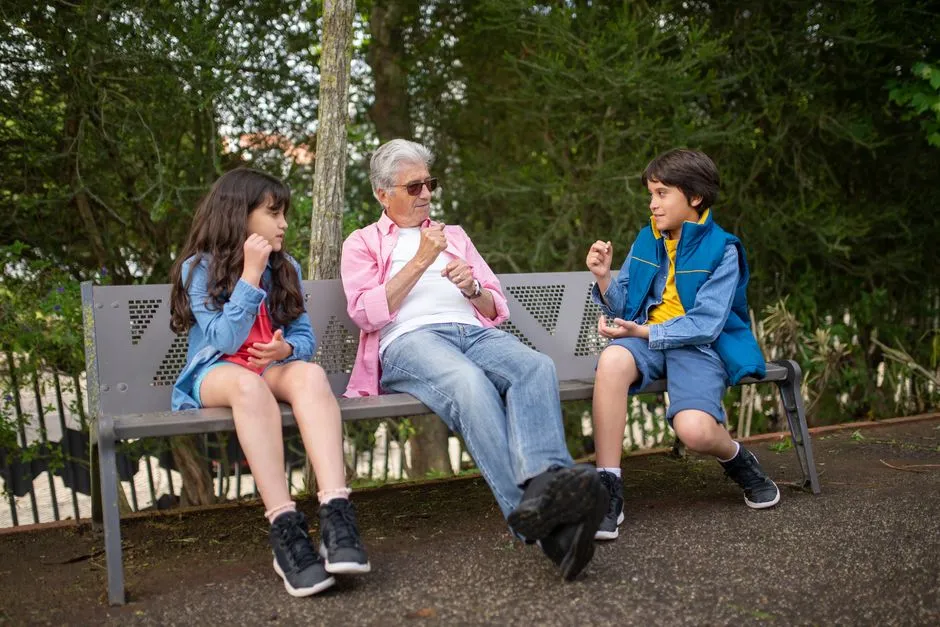
This one often gets overlooked until you’re mid-trip and realize you wish you had it. Make sure grandma and grandpa have a few recent photos of the kids, in case of emergency, both physical and digital. A current photo can be invaluable if a child becomes separated in a crowd.
In busy airports, theme parks, or unfamiliar city streets, having a clear, recent image of your grandchild makes communicating with security or local authorities far more efficient. Prioritize safety by sharing itineraries, choosing daytime arrivals, setting meetup points, and using GPS tags for bags.
Pairing recent photos with a simple written card carrying your contact details, kept in an older grandchild’s pocket or on a wearable wristband for younger ones, adds an extra layer of reassurance. It costs nothing and gives peace of mind that’s genuinely hard to put a price on.
Entertainment and Quiet-Time Activities

Transit time is one of the trickiest parts of traveling with children. Whether it’s a four-hour flight or a long car ride through beautiful scenery, kids need something to do when they can’t be exploring. Be sure to pack books, games, and small novelties to keep them entertained throughout the trip, and even cards and on-the-go board games are great ideas that keep them away from a screen.
Bring things like audiobooks or games to keep everyone entertained. Age-appropriate audiobooks are particularly useful for grandparents and grandkids to enjoy together, creating a shared experience rather than each person retreating into their own device.
Keep the activity bag accessible in carry-on luggage rather than checked bags. Rotating what you offer throughout the journey, rather than giving everything at once, helps hold attention for longer stretches. A new sticker book pulled out two hours into a flight can feel like magic.
A Complete Emergency Contact and Medical Information Card
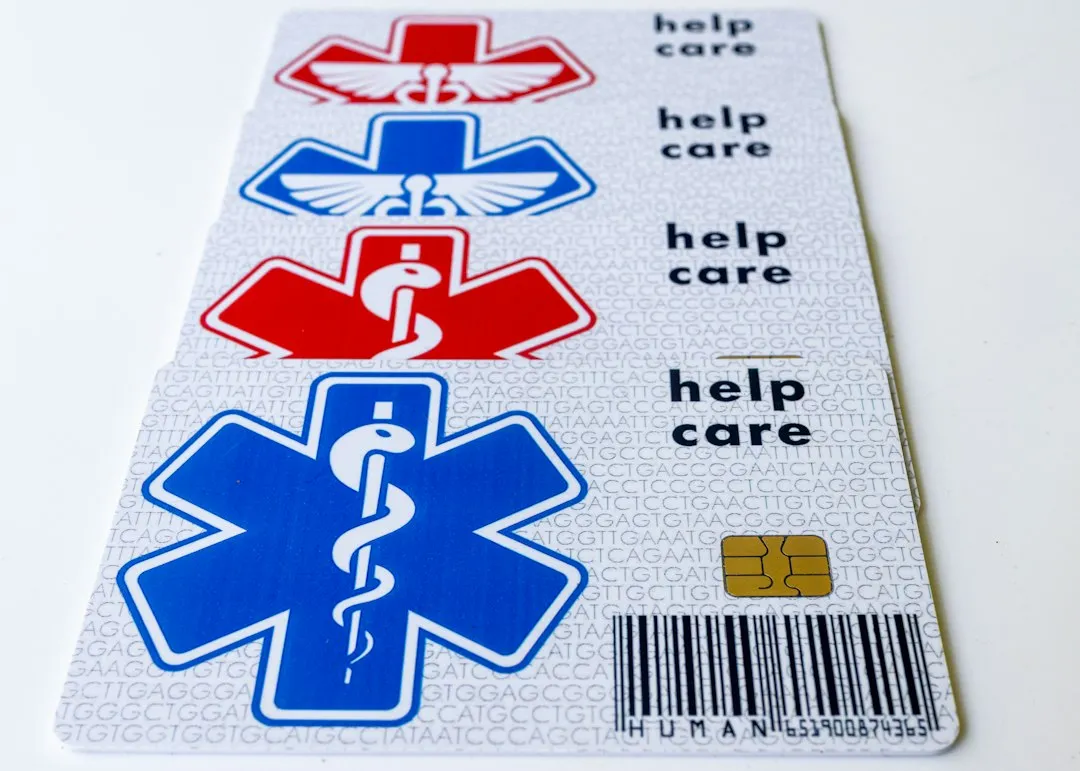
Beyond the official documents, a simple handwritten or printed card with key information can be carried separately and accessed in seconds. This card should list the child’s pediatrician’s name and after-hours number, the parents’ contact details, any known allergies, current medications and dosages, and the child’s blood type if known.
Don’t forget to include a copy of the child’s insurance information, phone numbers for the child’s pediatrician and dentist, the Poison Control Hotline at 800-222-1222, and the child’s current weight for medication dosing. These details become critically important if a medical professional needs to act quickly.
For added peace of mind, print a list of urgent care centers along the vacation route that take the family’s insurance. A few minutes of research before departure can save enormous stress if the unexpected happens far from home.
A Memory-Making Kit: Journal, Camera, or Both
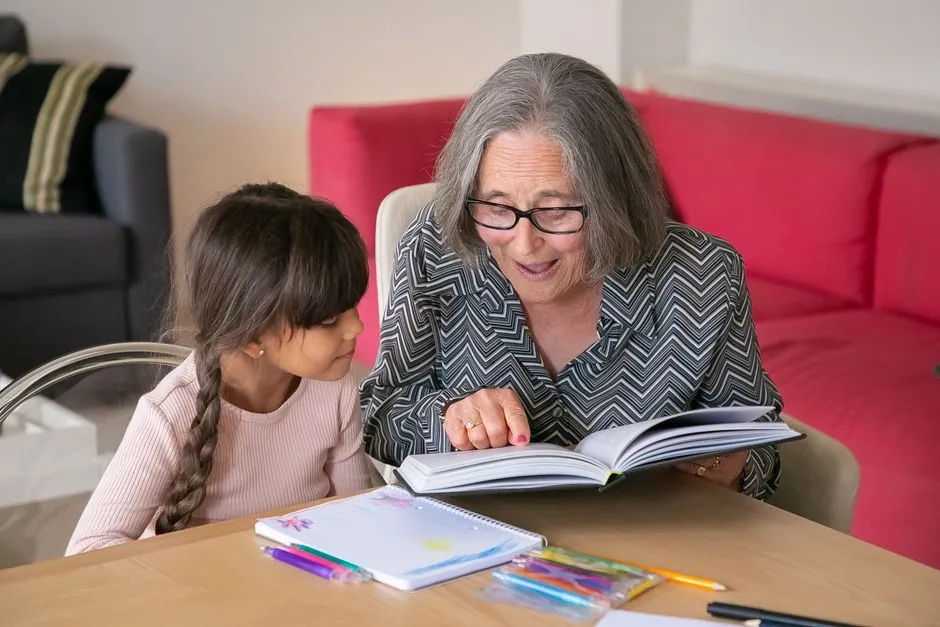
This last item is less about logistics and more about legacy. A camera and a journal are two items that prove invaluable during grandparent-grandchild travel; taking pictures and writing things down are great ways to preserve important facts and memories.
Giving a grandchild their own small notebook and encouraging them to sketch, write a line or two each night, or paste in a ticket stub creates a personal record of the trip that they’ll return to for years. It also cultivates a habit of reflection that serves children well long after the trip is over.
Travel is widely considered one of the best gifts you can give grandchildren, as it enriches their lives and allows them to learn, and children who traveled with their grandparents on family vacations say they feel closer to their grandparents. A journal or photo album turns that closeness into something they can hold.
The Takeaway
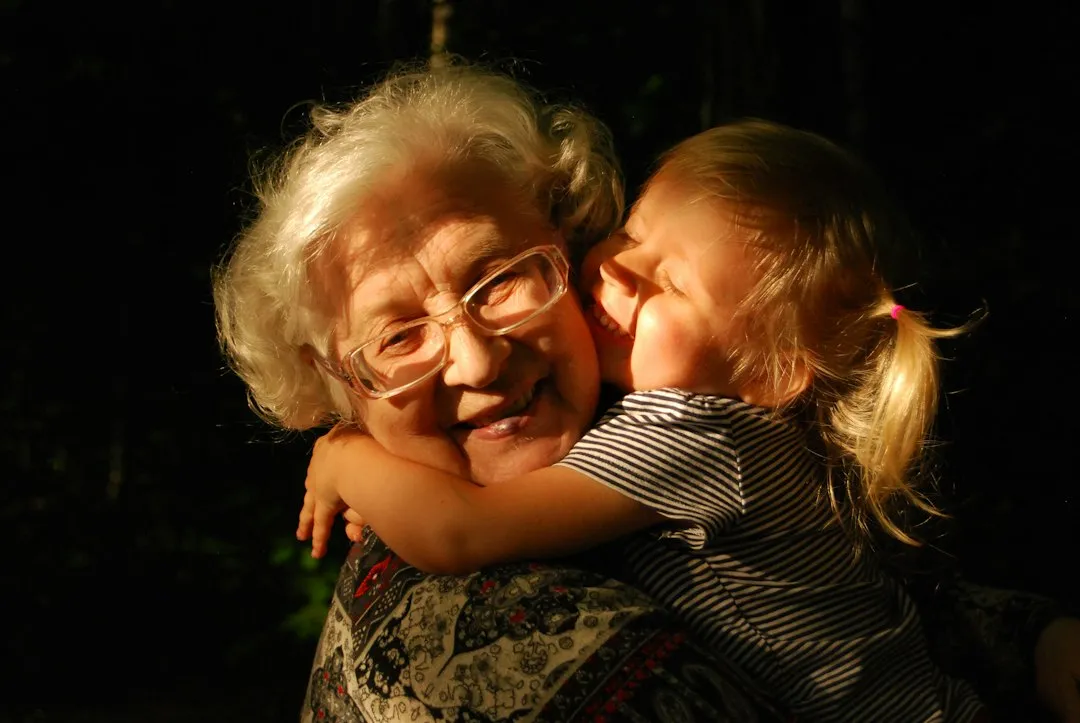
Multigenerational travel is genuinely surging. Multi-generational trips of three or more generations are a major trend, with 71 percent of grandparents having taken one recently. That momentum reflects something real: time with grandchildren is irreplaceable, and travel accelerates the depth of those bonds in ways that ordinary routines simply cannot.
Packing thoughtfully, with documents, medical supplies, comfort items, snacks, smart clothing, and memory-making tools all in order, removes friction and creates space for the actual point of the trip: being present together. The best souvenir from any grandparent-grandchild trip isn’t something you buy at an airport shop. It’s the story you both tell for the rest of your lives.
AI Disclaimer: This article was created with the assistance of AI tools and reviewed by a human editor.