
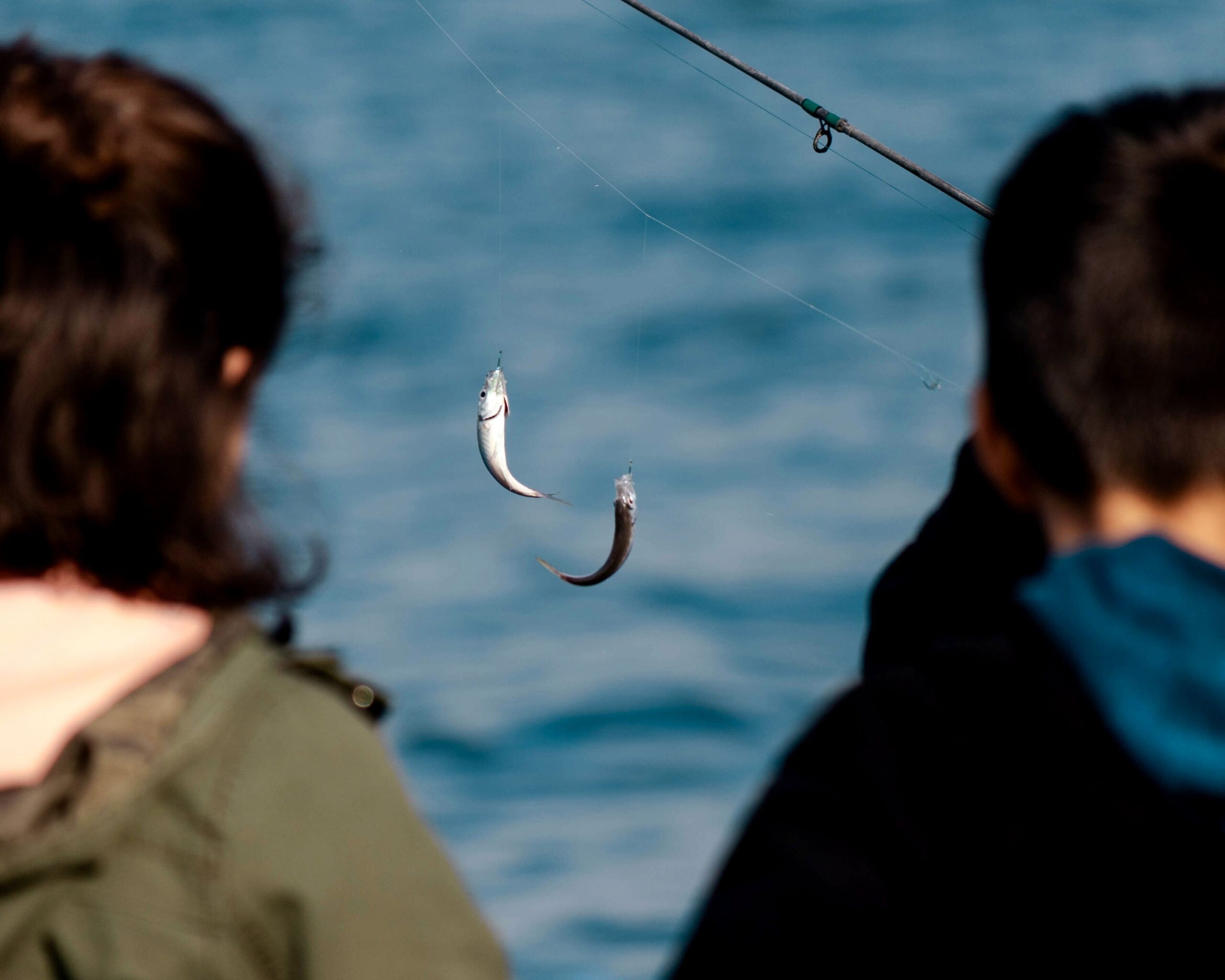

Fishing is one of those activities that rewards preparation more than almost any other outdoor pursuit. Forget the right gear, and even a picture-perfect morning on the water can unravel fast. In 2024, a record 57.9 million Americans went fishing, including 5.1 million first-timers who made up roughly nine percent of all participants. That’s a lot of people heading out to the water, and a good number of them probably wondered at some point whether they packed everything they needed.
The truth is, you don’t need a truckload of gear to have a great day on the water. What you do need are the right fundamentals, thoughtfully chosen. This guide covers the six most important things to bring, and why each one matters more than you might expect.
1. Rod, Reel, and the Right Fishing Line
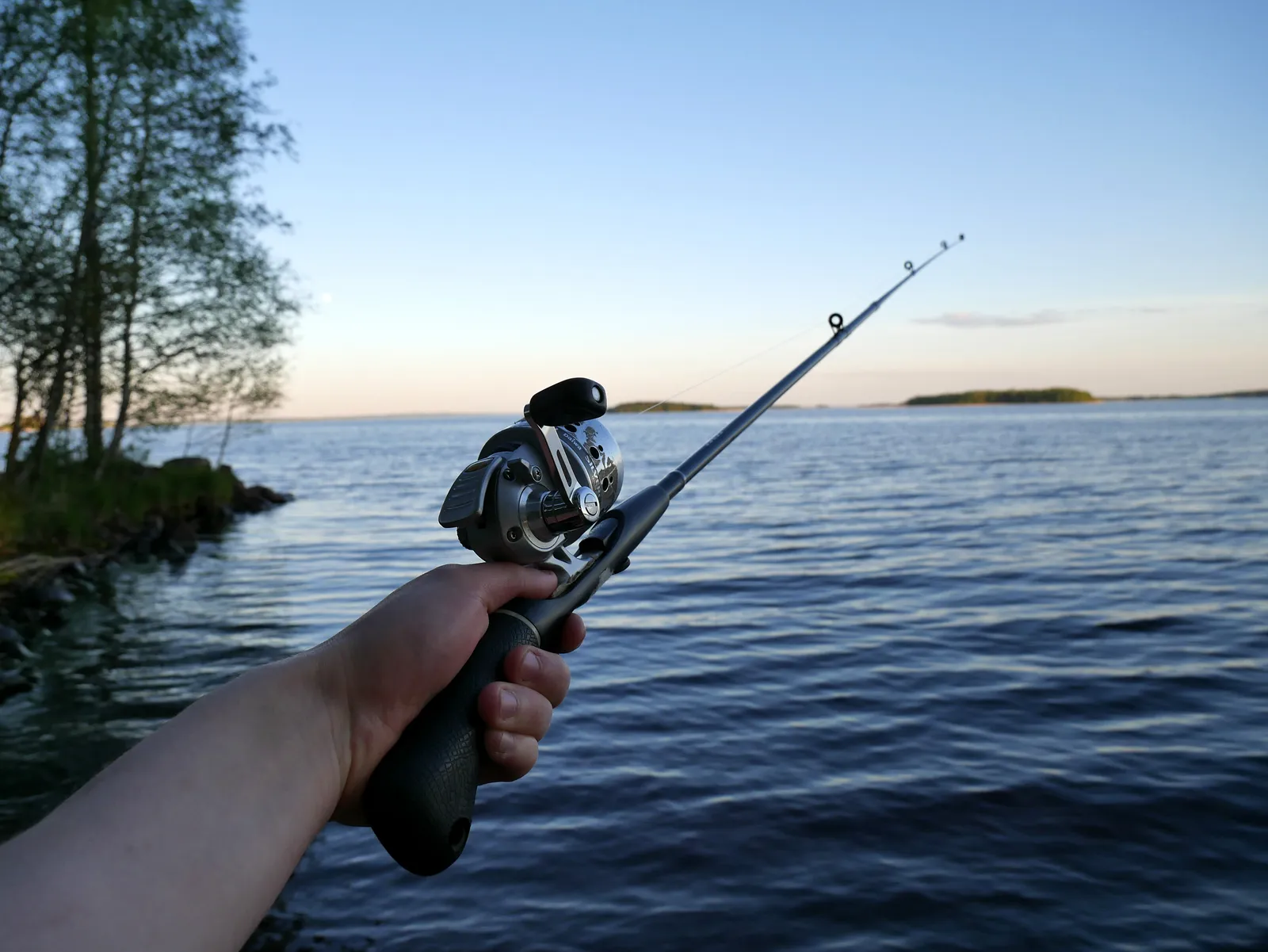
For most kinds of recreational fishing, the pole is the most important piece of gear. Different types of fish require different poles, so you’ll need to swap setups for fly fishing or large saltwater fish. It’s also smart to bring a backup. While you’ll need at least one rod and reel, it’s wise to pack an extra setup in case anything happens to your primary rig.
Selecting the right fishing line is equally crucial. There are different line types to consider, and factors such as line strength, visibility, and stretch all play a role when choosing between monofilament, fluorocarbon, or braided lines. Packing a few spools of extra line to replace any that break is always a solid move.
Spinning reels remain the most popular option, accounting for over half of global sales in 2024. Their simplicity makes them an ideal starting point for newer anglers, while experienced fishers often carry multiple setups tailored to the species they’re targeting that day.
2. A Well-Stocked Tackle Box
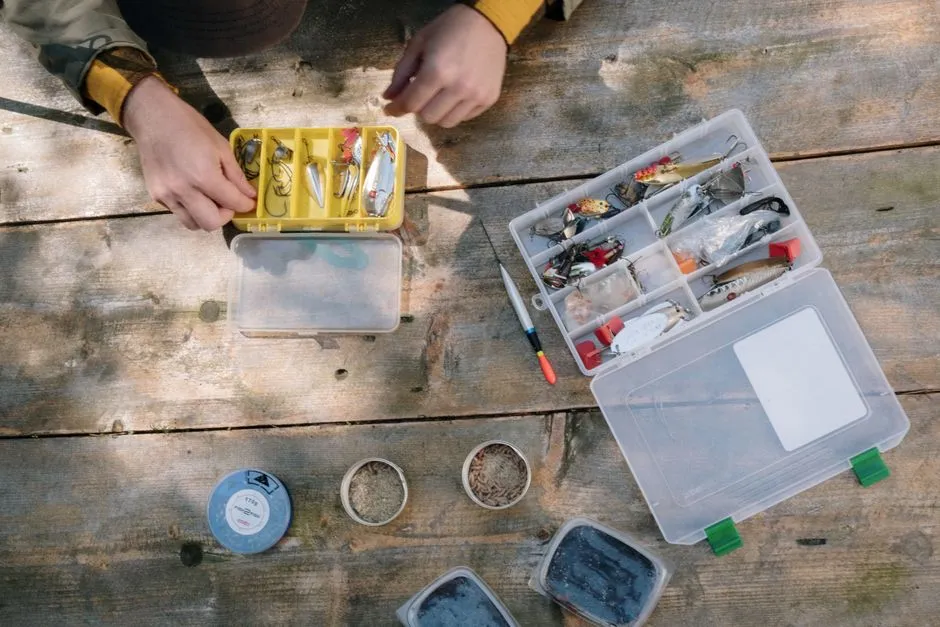
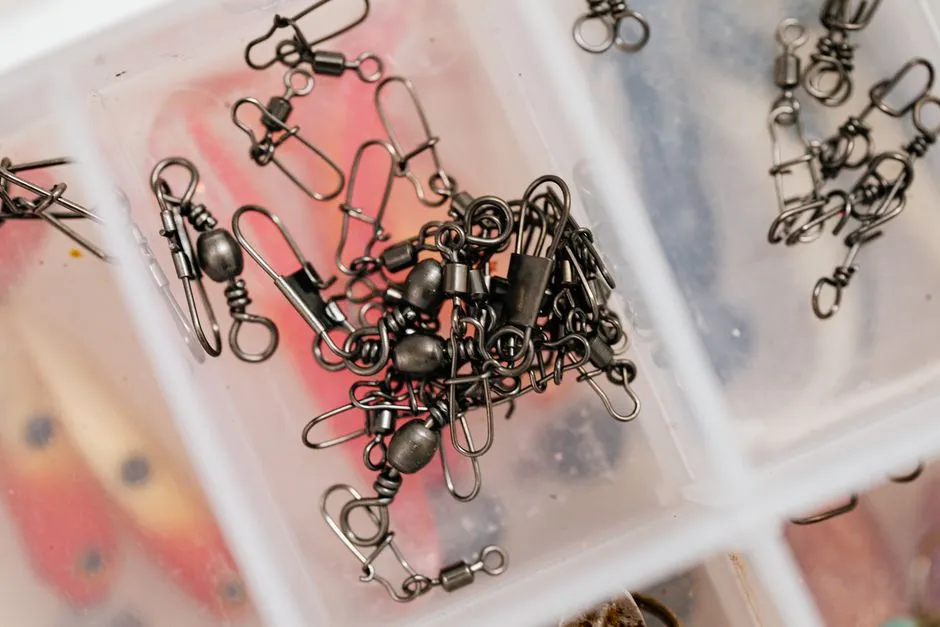
No angler wants to arrive at the fishing spot only to realize an important piece of gear was left behind. A well-stocked tackle bag is vital for being ready to handle whatever each fishing trip throws your way. Keeping your hooks, sinkers, swivels, and other terminal tackle sorted in a tackle box streamlines your entire fishing experience.
Including a variety of lines, hooks, weights, and floats helps you adapt to changing conditions and techniques. Bobbers and floats are simple yet effective tools that help suspend your bait at the desired depth and alert you to bites, so choose ones suited to your fishing environment.
The key is to tailor your tackle bag to the fishing environment and target species, while still including core essentials for versatility. Resist the urge to overpack with every lure you own. A focused, organized box is far more useful than a chaotic one.
3. A Valid Fishing License
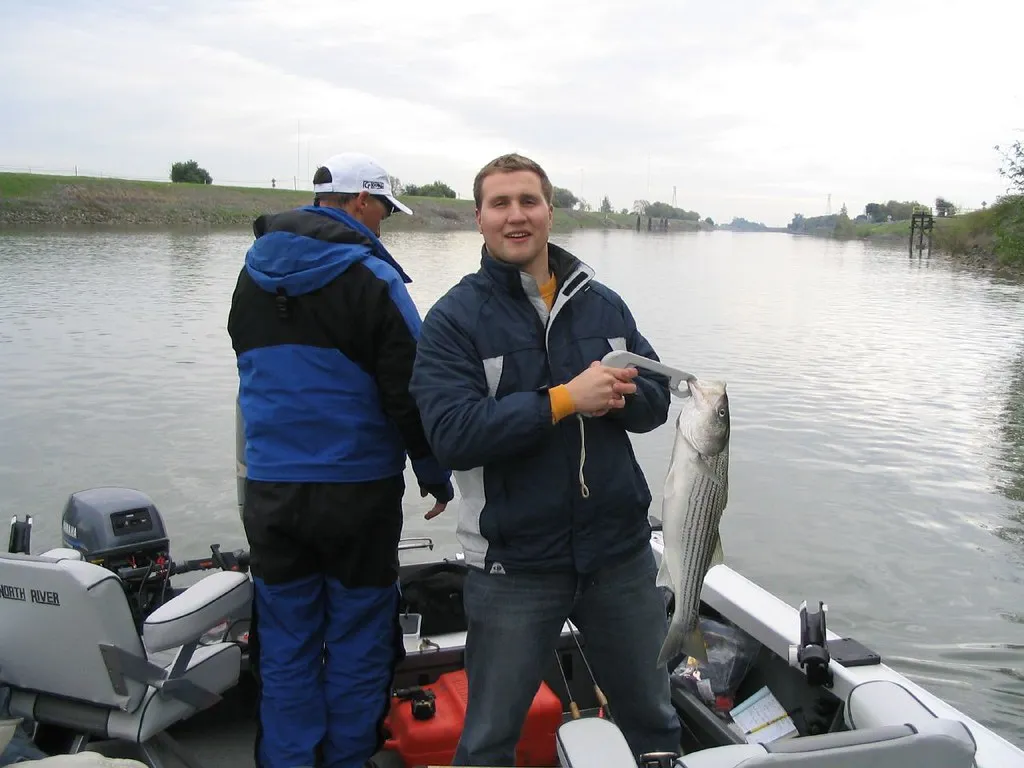
All anglers, beginners to experienced, must obtain a fishing license before they catch a single fish. Licenses for recreational fishing are required in every state in the United States. Keep your current license with you at all times to avoid fines for non-compliance.
Age requirements vary by state. The most common threshold is age 16 and older, covering more than 40 states, though some states set the bar at 15 or as high as 18. Beyond purchasing a license, you also need to know the regulations and laws related to fishing in the specific state where you plan to fish, since regulations can vary significantly by jurisdiction.
Your purchase directly supports habitat protection, fish stocking, research, and enforcement, so it’s genuinely more than just a legal requirement. Think of it as your contribution to keeping the fishery healthy for every trip after this one.
4. Sun Protection and Weather-Appropriate Clothing
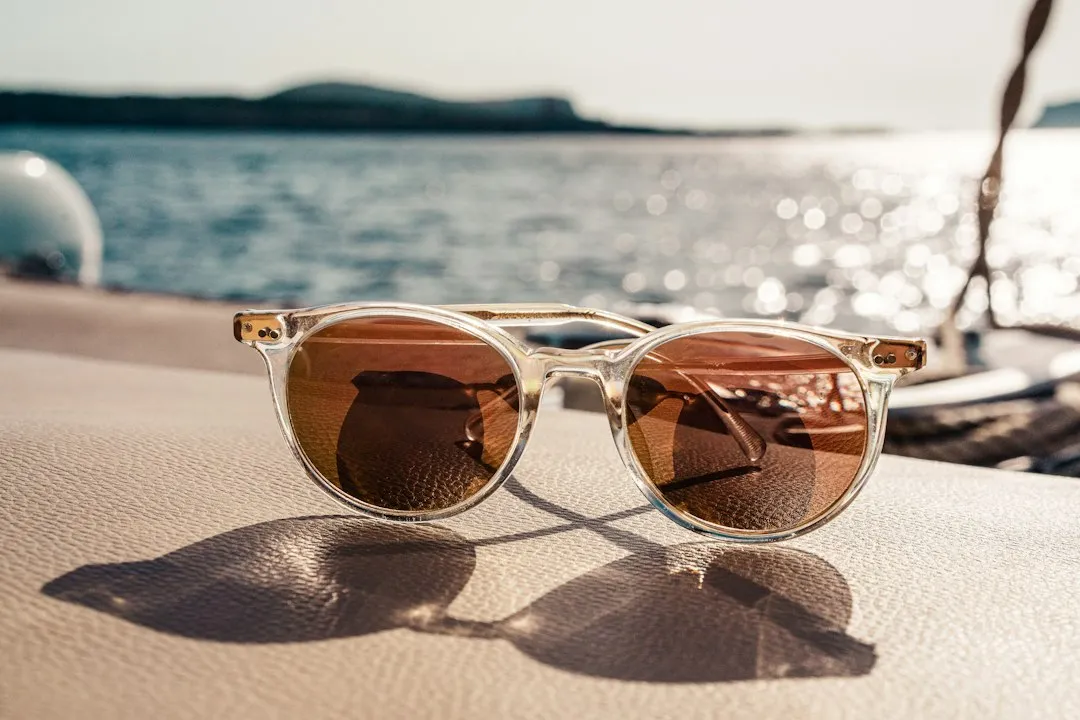
Between reflected sunlight off the water and hours of continuous exposure, anglers face some of the highest cumulative UV exposure of any outdoor hobbyist. Proper apparel isn’t about looking the part – it’s genuinely protective gear that prevents sunburn, heat exhaustion, and long-term skin damage.
No matter where you’re traveling, it’s always important to pack extra layers, especially if you’re planning on fishing in open water. Even the warmest places can experience large temperature drops when you head out offshore. Lightweight, long-sleeved shirts offer sun protection, while a packable rain jacket handles sudden downpours and a brimmed hat shields your face from the sun.
The most important sun and weather items to bring on a fishing trip include polarized sunglasses, sunscreen, and non-slip shoes along with layered clothing. Polarized lenses cut water glare dramatically, which matters more than people realize until the first time they try spotting fish without them.
5. First Aid Kit and Safety Essentials
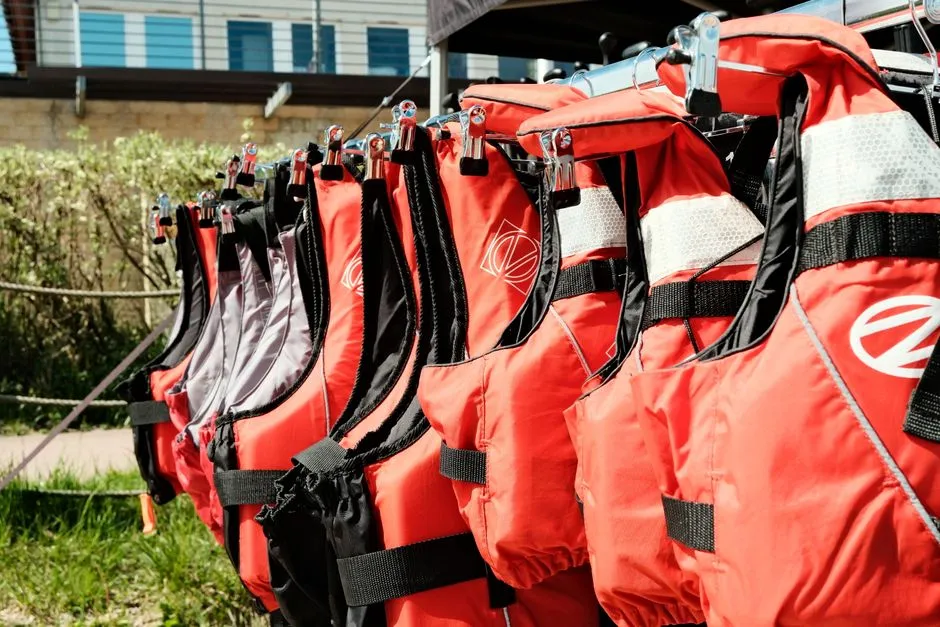
Pack a personal flotation device for everyone on board, ensuring they are properly sized and comfortable to wear. According to the U.S. Coast Guard, roughly three quarters of fishing-related boating fatalities involve people not wearing life jackets. That’s a sobering number that makes a properly fitted life jacket one of the most important items you can bring.
Beyond a life jacket, a first-aid kit, water, sun and weather protection, a charged phone, and emergency information round out your safety essentials when boating. A small first aid kit with band aids and antiseptic cream should be standard. While some boats may carry one, it’s easier for everyone if you bring your own means of dealing with minor cuts and grazes.
Tell someone where you are going and when you expect to return. It sounds obvious, but it’s one of the most consistently overlooked safety habits among day-trip anglers. It costs nothing and matters enormously if something unexpected happens.
6. Food, Water, and a Cooler
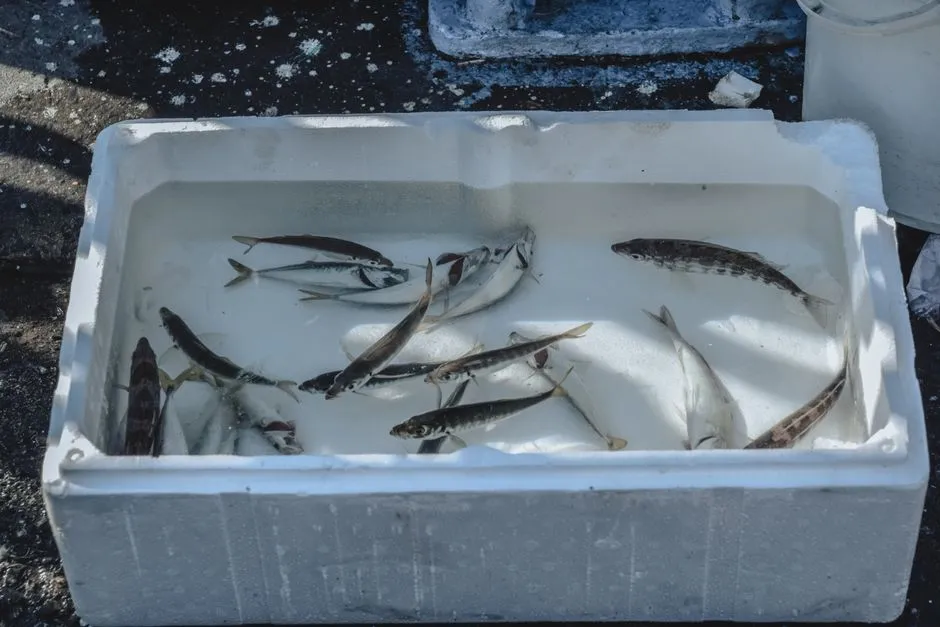
Keeping your energy up and staying hydrated is essential for a great fishing trip. Hours on the water in open air and direct sun burn through energy faster than most people anticipate, especially on full-day outings. Nothing ruins a day of fishing faster than hunger or dehydration, so bring simple, mess-free snacks and keep everything cool and organized.
Bring more water than you think you’ll need, especially on hot days. Bring appropriate containers such as buckets or coolers if you plan to use live bait. If you want to keep your catch, you’ll also need needle-nose pliers for hook removal, a sharp fishing knife, zip-top bags for storage, and a cooler to keep your fish fresh.
A well-packed cooler serves double duty: it keeps your food and drinks cold on the way out, and your catch fresh on the way home. Choose a size that fits your mode of transport without becoming a burden to carry.
The Takeaway
A successful fishing trip rarely comes down to the fanciest gear on the market. Almost no experienced angler bought everything at once. Kits are built incrementally, prioritized by what actually limits your ability to fish, not by what looks impressive. Start with these six fundamentals and build from there as you learn what each specific body of water and target species demands.
Good preparation is quiet confidence. When you’ve got your license sorted, your tackle organized, your safety gear in place, and something good to eat, you can focus on the one thing that actually matters once you’re out there: the water in front of you.
AI Disclaimer: This article was created with the assistance of AI tools and reviewed by a human editor.