


There’s a particular kind of hunger that only high-elevation hiking produces. It comes on fast, feels deeper than ordinary exertion, and it doesn’t forgive poor preparation. When you’re grinding through several thousand feet of vertical gain, what’s in your pack matters just as much as your boots or your poles.
Seasoned hikers know this well. They don’t grab whatever energy bar is closest on the shelf. They think in terms of calorie density, digestion, and timing. The six snacks below are what experienced trail-goers actually reach for on big elevation days, and the reasons behind each one are grounded in how the body actually performs under altitude and sustained effort.
1. Trail Mix: The Original Macro-Balanced Powerhouse
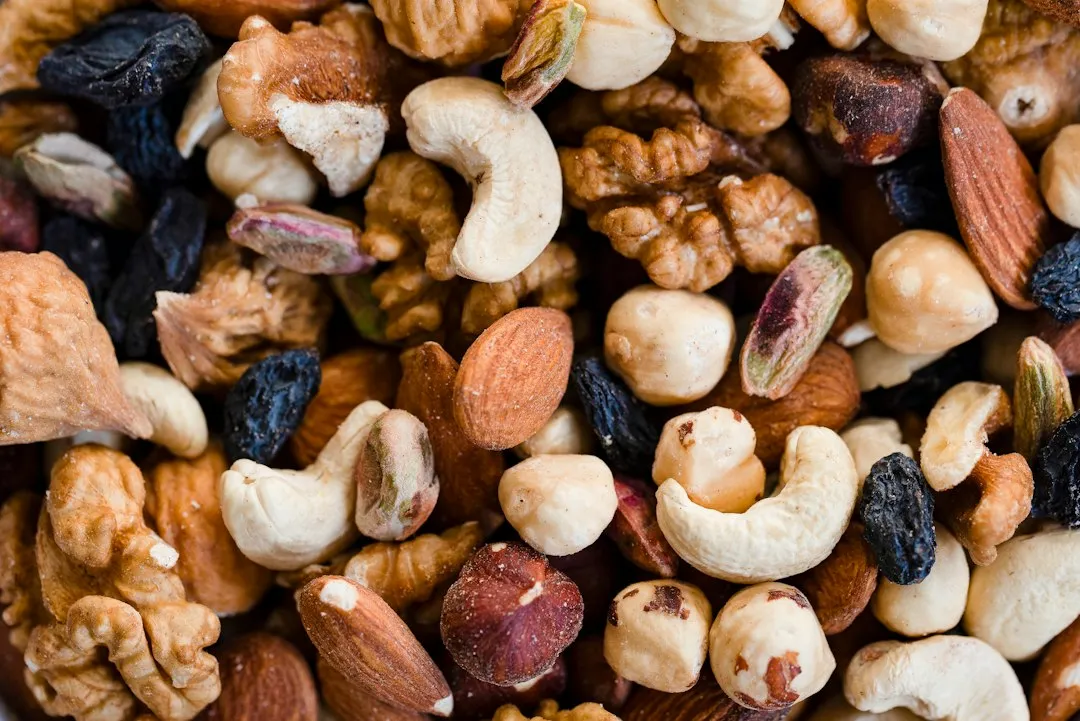
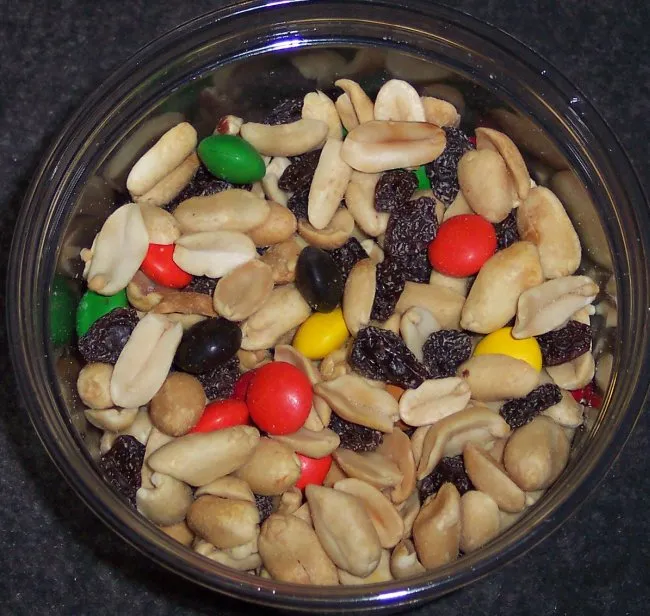
Trail mix earns its place as the ultimate hiking snack because it’s calorie-dense, nutrient-rich, and endlessly customizable. That flexibility is the whole point. You can tailor it to your specific output, your taste preferences, and even the weather conditions you’re expecting on summit day.
Cashews, almonds, pistachios, pumpkin seeds, and sunflower seeds provide healthy fats and protein in compact form, while combining them with dried fruit delivers both quick and sustained energy. On long climbs, having both fuel types available in one handful is a real practical advantage.
Nuts and seeds provide long-lasting energy from healthy fats and are packed with minerals like magnesium, zinc, and potassium. Dried fruit adds quick-burning carbohydrates to keep energy up on the climb. A lightly salted mix without added oils or refined sugar is the cleanest version to carry.
2. Nut Butter Squeeze Packs: Compact, Calorie-Dense, and Surprisingly Versatile
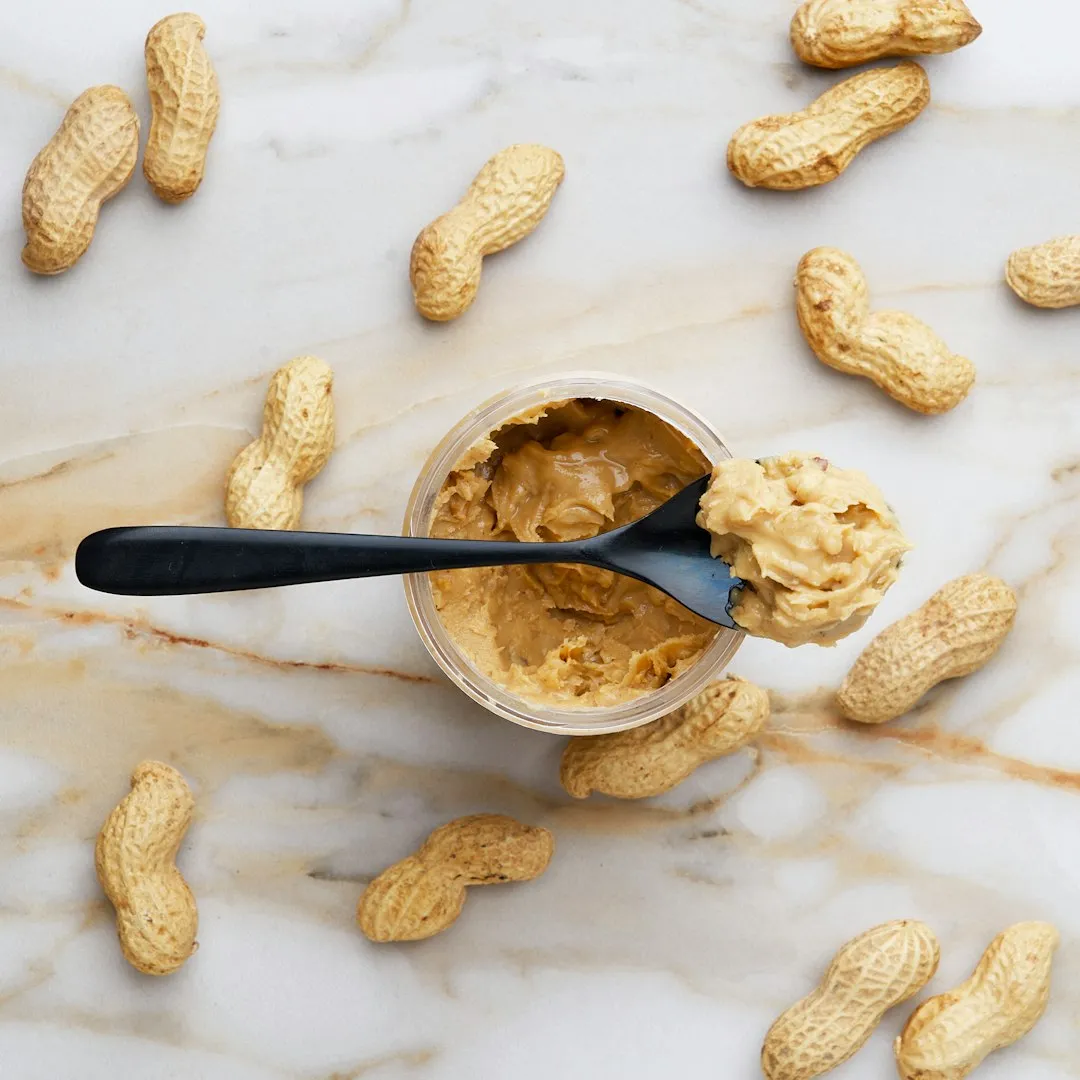
Squeezable nut butter packs offer a concentrated, high-fat, and high-protein burst of energy that is easy to digest mid-move. That ease of digestion matters more than most hikers expect when they’re breathing hard above ten thousand feet. Heavy foods eaten on the move tend to sit wrong.
Justin’s single-serve almond butter and peanut butter packets run around 190 calories each at roughly 1.1 ounces, and they pair with anything from crackers to apple slices. They offer one of the highest calorie-per-ounce ratios available in a packaged food.
Nut butters offer a compact, high-calorie snack with a great balance of fat, protein, and fiber, and single-serve packets are perfect for the trail. On a steep ascent where stopping to fumble with packaging is a real cost in time and warmth, that convenience adds up quickly.
3. Energy Bars with Real Ingredients: Reliable, No-Fuss Fuel
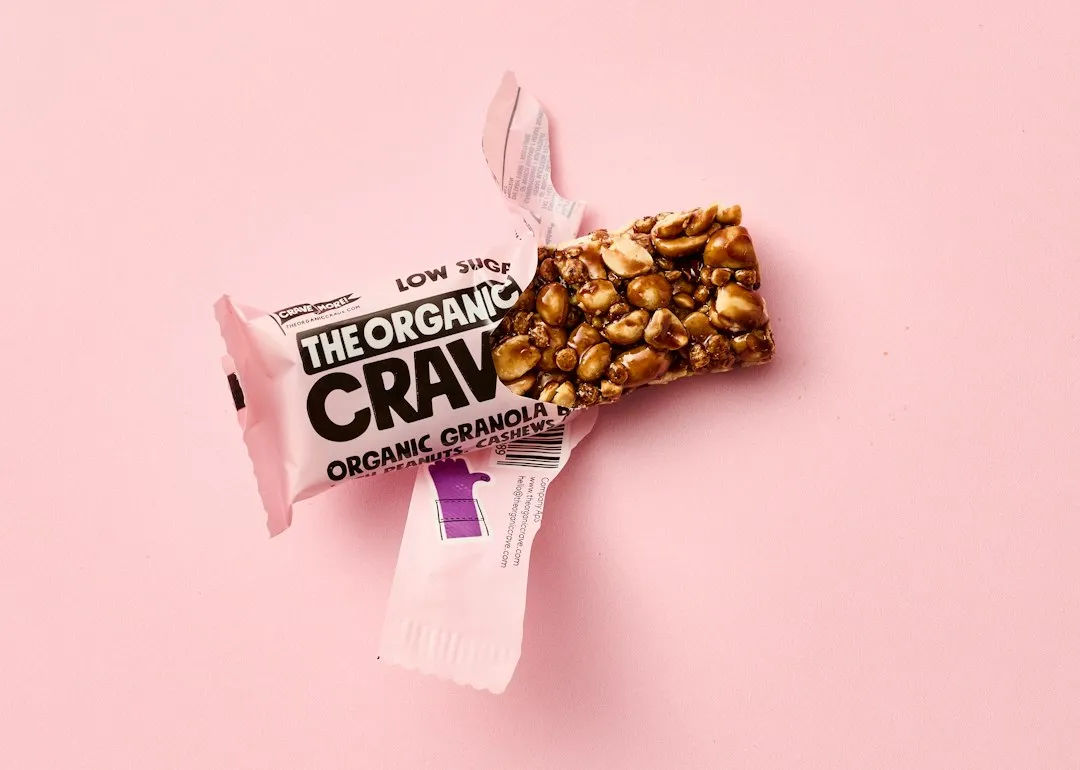
Energy bars work well when you need a no-fuss snack with a reliable balance of nutrients. The best ones use real ingredients such as nuts, oats, and dried fruit, with minimal added sugar. That’s a meaningful distinction, since a lot of popular bars load up on sweeteners that cause an energy spike followed quickly by a crash.
Clif Bars deliver around 250 calories and are mostly carbohydrate-focused for sustained effort; RXBARs offer around 210 calories with whole food ingredients and no coating, so they don’t melt in heat; Larabars come in at roughly 220 calories and are date-based, making them a good option in warmer conditions.
Carbohydrates are the main fuel during steady movement, especially on climbs and faster-paced days, and sports nutrition guidance commonly recommends 30 to 60 grams of carbohydrate per hour for multi-hour hiking. A bar doesn’t need to cover that whole target by itself, but it should make a meaningful contribution. Think of it as one tile in a larger fueling mosaic rather than a complete solution.
4. Beef Jerky and Meat Sticks: The Savory Reset Hikers Rely On
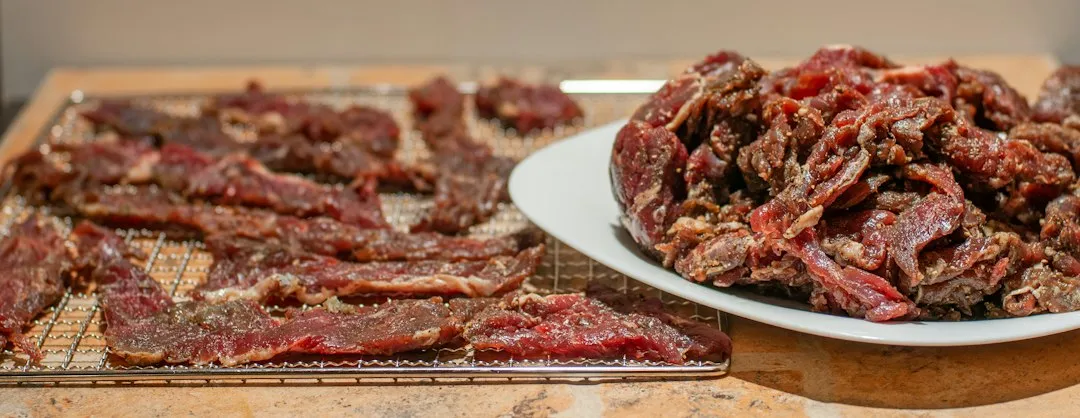
Sweet fatigue is real. After hours of energy chews, bars, and dried mango, something savory becomes almost a physical craving. This is exactly where quality jerky earns its spot in an experienced hiker’s pack.
When the palate fatigues from sweet trail mixes and sticky bars, the savory hit of a beef stick becomes a welcome reset. The best versions are crafted from sustainably sourced protein and skip the fillers, nitrates, and added sugars found in many gas-station jerkies.
Protein is important for recovering from your hike and can prolong satiety when paired with carbohydrates. For most hikers, eating about 15 to 20 grams of protein per meal and 5 to 10 grams per snack is enough to meet daily protein needs. A couple of good meat sticks alongside some crackers or dried fruit hits that snack-level target cleanly.
5. Medjool Dates and Dried Fruit: Fast Carbohydrates When You Need Them Most
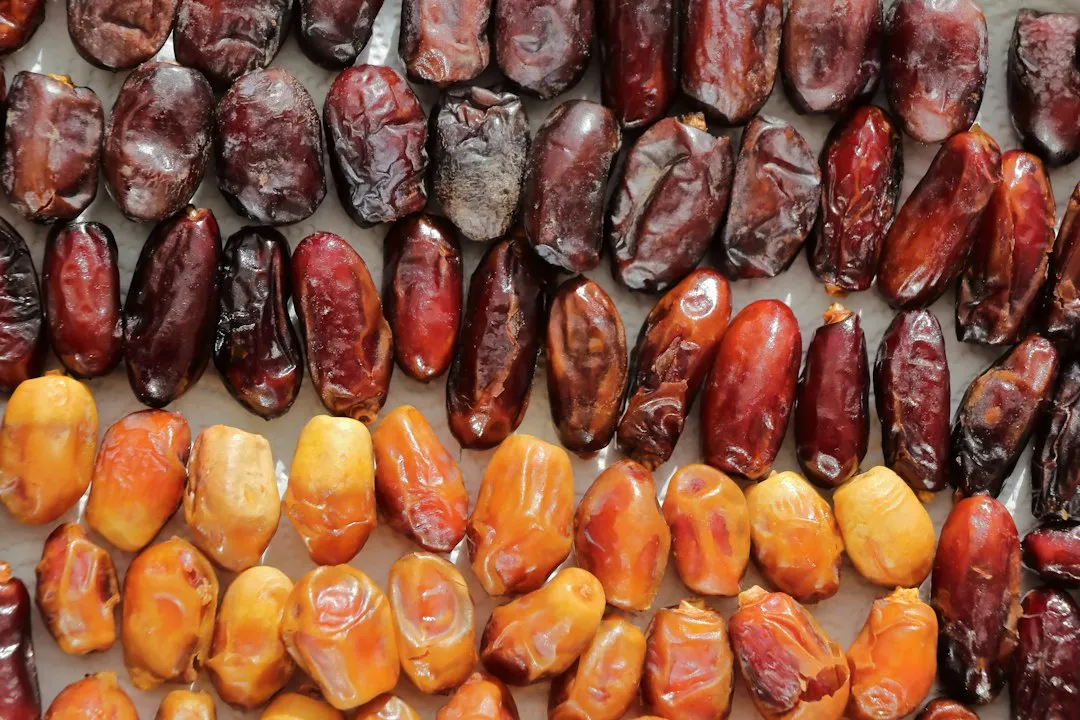
For quick energy on climbs, fast carbs like dried fruit are among the most effective immediate-use options. The body can access simple sugars quickly, which is exactly what you want during a hard push before a false summit or through a sustained switchback section.
Medjool dates are exceptional for the trail: naturally high in sugar, surprisingly filling, and they don’t taste like diet food. Dried mango and apricots are excellent options as well. Medjool dates run about 66 calories per date, making them a very efficient source of quick fuel in a tiny package.
Dried mango, apricots, cranberries, raisins, figs, and dates are lightweight, calorie-dense, and don’t spoil, making them ideal for quick energy before a climb or during the final push to the summit. The fact that they require zero preparation and survive being crushed in a pack pocket makes them almost foolproof trail food.
6. Salty Snacks and Electrolyte Support: The Overlooked Performance Factor
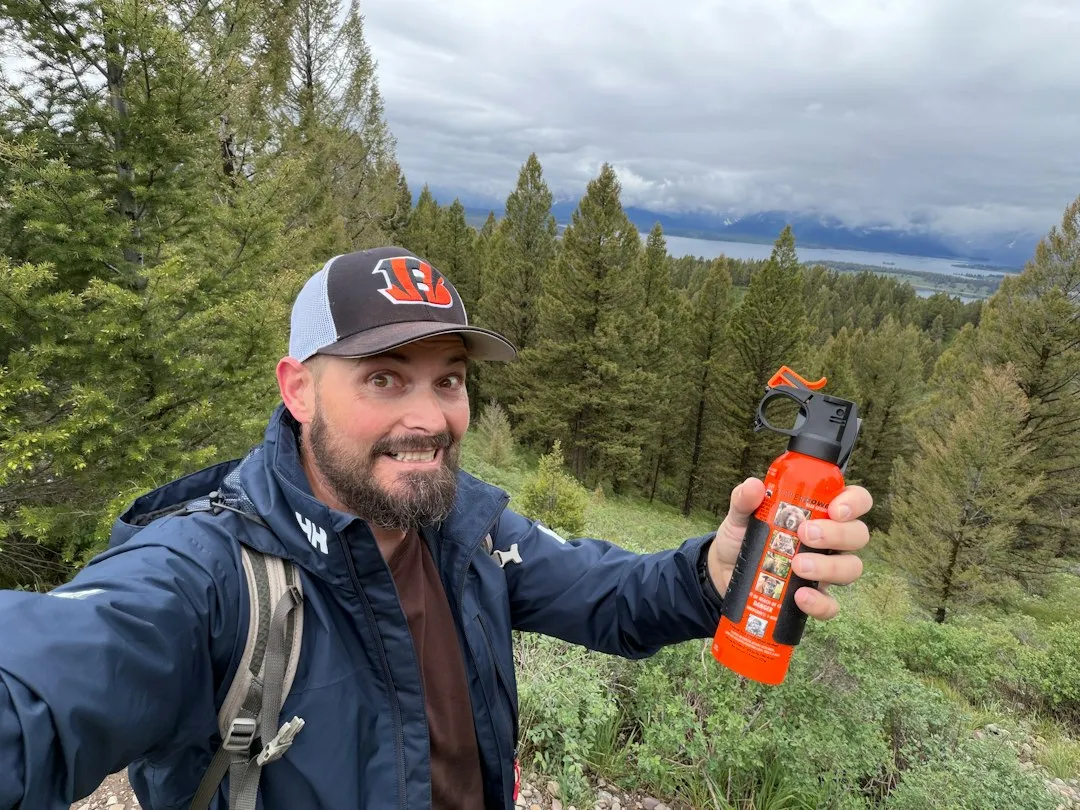
Most hikers understand carbohydrates and protein. Far fewer pay enough attention to sodium and electrolyte replacement on big elevation days, even though the consequences of getting it wrong are fast and unpleasant.
Water alone is insufficient for hikes exceeding two hours or any hiking in hot weather, at altitude, or with heavy packs. Faster breathing and more urine output at altitude raise losses of sodium, potassium, and magnesium beyond normal daily levels. Salty crackers, pretzels, and similarly sodium-forward snacks serve a real physiological function beyond simply being satisfying.
Sodium, potassium, and magnesium help regulate fluid balance, nerve signaling, and muscular contraction. When these systems drift, the body may show it through fatigue, cramps, dizziness, poor coordination, rising heart rate, or declining movement economy. Pairing salty snacks with an electrolyte packet is a strategy many seasoned alpine hikers treat as non-negotiable on days with serious elevation gain.
How Much Should You Actually Eat on the Trail?
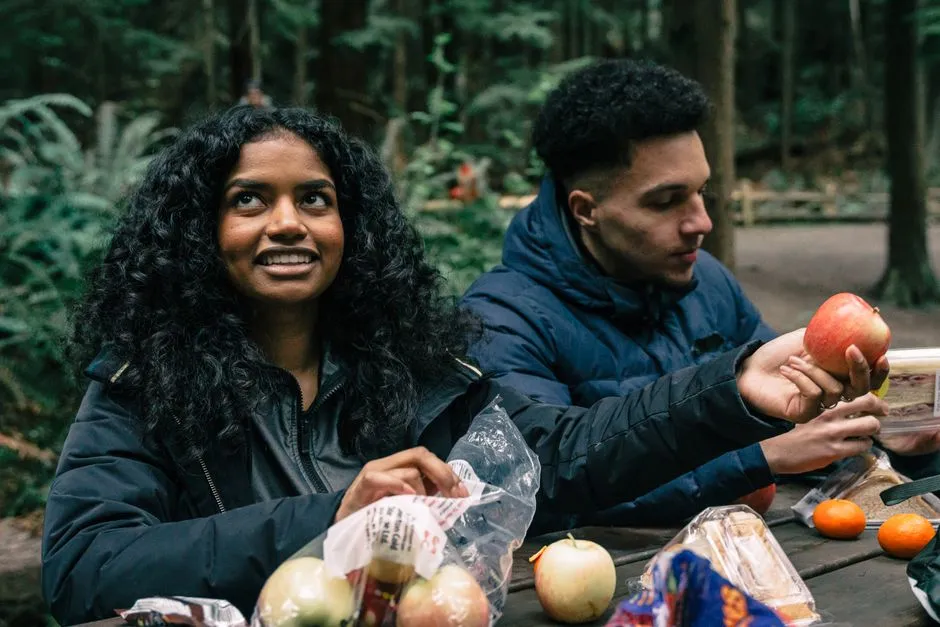
Hiking can burn anywhere between 300 to 500 calories per hour. On a big elevation day with a heavy pack or technical terrain, the upper end of that range is realistic for a sustained stretch. Moderate hiking burns 300 to 600 or more calories per hour, and rugged, full-day treks can easily top 4,000 calories total.
On strenuous or full-day hikes, the focus should be on calorie density and frequent snacking. Energy demands rise quickly, so packing multiple small, high-carb snacks you can eat every 45 to 60 minutes is a sound strategy. Including protein and salt for balance rounds out the approach.
A useful baseline is planning for 100 to 200 calories per mile, adjusted for elevation gain and body weight. A fit 160-pound person doing a moderate six-mile hike needs roughly 800 to 1,200 trail calories. Add serious elevation change and that number climbs meaningfully.
The Macro Ratio That Experienced Hikers Aim For
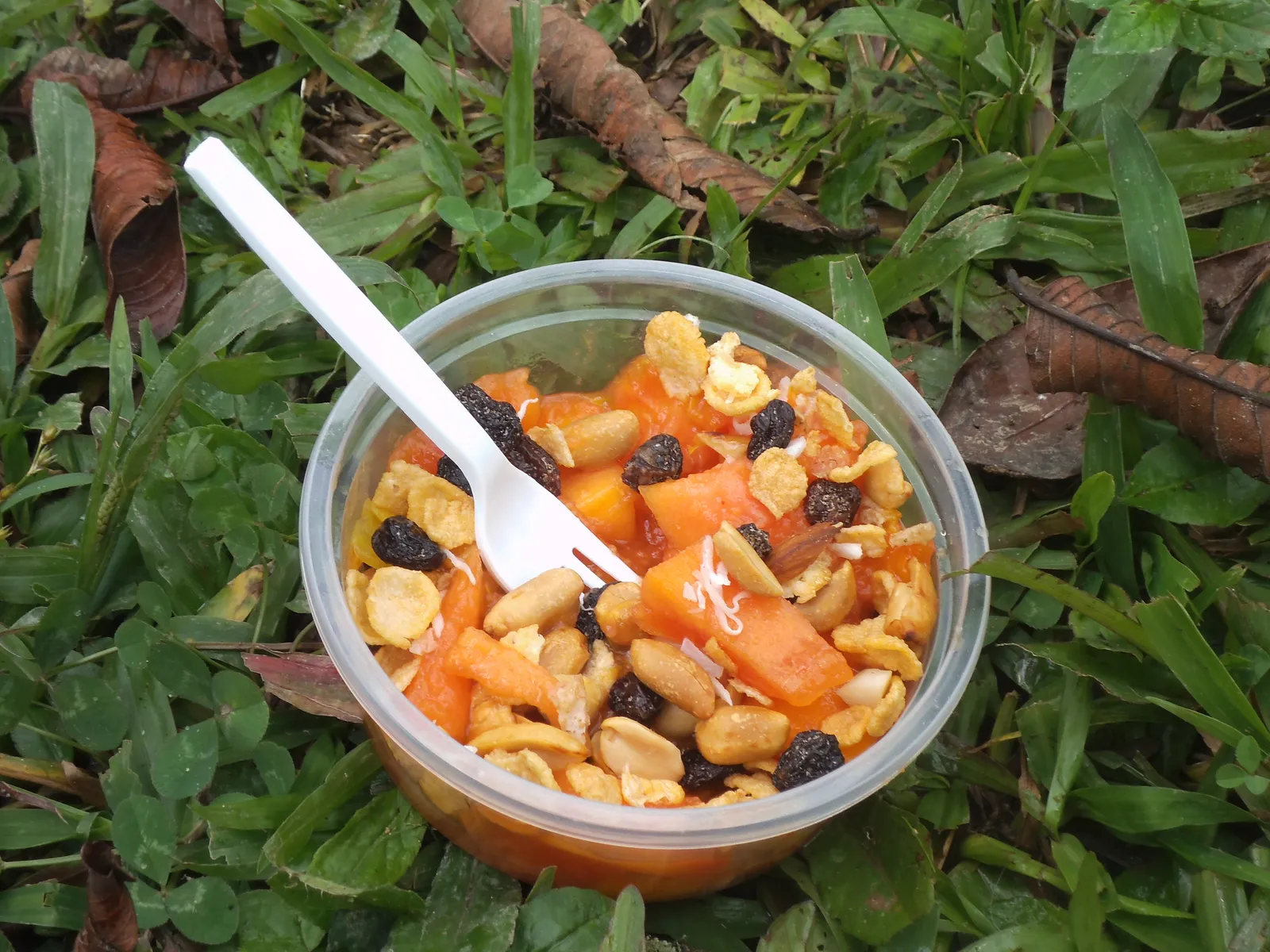
A general good hiking snack strategy focuses on carbohydrates making up roughly 45 to 55 percent of intake, fats around 35 to 40 percent, and protein covering 10 to 15 percent. Those ratios shift slightly depending on the intensity and duration of the effort, but they hold as a reasonable baseline for full-day mountain hiking.
A handful of almonds paired with a few dried apricots is far superior to just eating sugary candy or pure fat alone. This combined approach ensures both immediate power and lasting fuel. Simple pairings like that are what experienced hikers have dialed in through trial and error over many mountain days.
Consuming protein and carbohydrates together will help prolong satiety and keep you going longer. It’s a deceptively simple principle, but it’s the backbone of smart trail fueling regardless of distance or altitude.
Calorie Density: The Metric That Changes Everything
The best hiking snacks are calorie-dense, aiming for around 100 or more calories per ounce, easy to eat with one hand, and matched to conditions. When you’re covering serious vertical and your pack is already at its comfortable limit, every ounce of food you carry needs to earn its weight.
One gram of fat contains about 9 calories, while a gram of carbohydrates or protein contains only about 4 calories. This makes fatty snacks the most efficient way to carry energy. Nuts, nut butters, and seeds consistently top the calorie-per-ounce rankings for this reason.
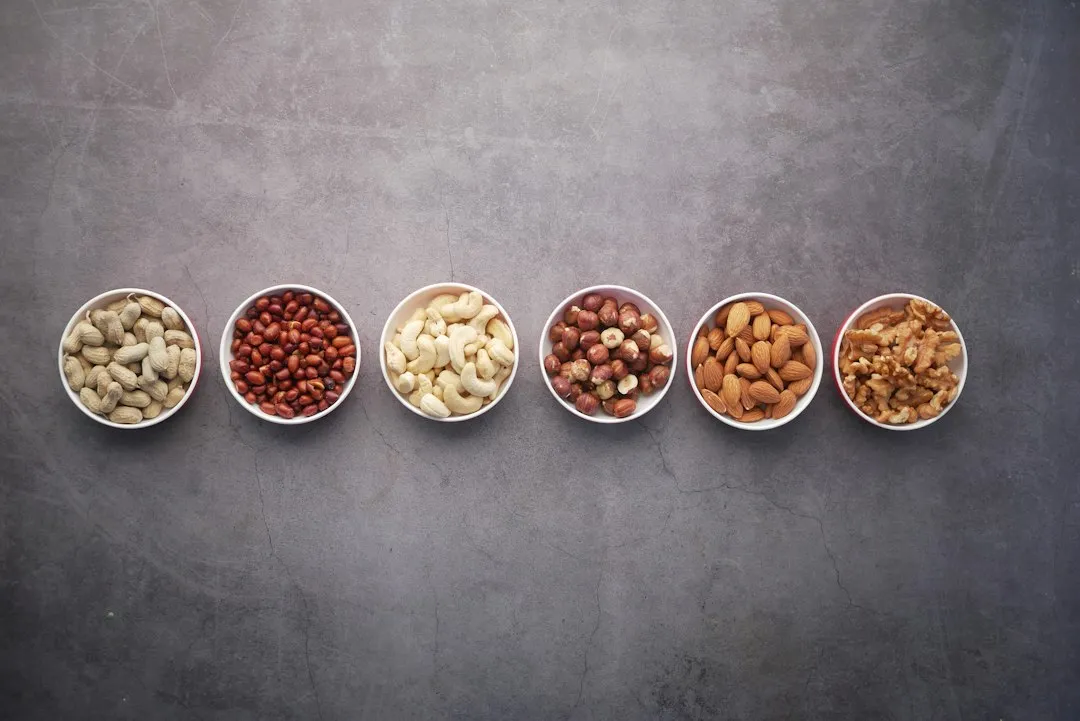
Nuts are about as perfect a trail food as you can get, easy to pack, full of nutrients, and stuffed with energy. Macadamia nuts run about 203 calories per ounce, walnuts about 185 calories per ounce, almonds about 165 calories per ounce, and cashews roughly 163 calories per ounce. These numbers matter when you’re calculating pack weight for a long objective.
Timing Your Snacks: Eat Before You Feel Hungry

One of the most consistent pieces of advice from experienced alpine hikers is to eat before hunger arrives. By the time you feel hungry on a steep climb, your glycogen stores are already running low and your performance has likely already dipped.
To delay fatigue and maintain endurance, aim to consume 30 to 60 grams (120 to 240 calories) of carbohydrates per hour while hiking. For most people on a big elevation day, that means eating something every 45 minutes or so, whether you feel like it or not.
If hiking for more than two and a half hours, try to consume 60 to 90 grams of carbohydrates (240 to 360 calories) per hour. That’s a meaningful target that’s easy to hit if you’ve packed a thoughtful mix of the snacks listed here, but very easy to miss if you’ve only tossed in one bar and hoped for the best.
The Takeaway
Big elevation days reward preparation in ways that shorter, flatter hikes simply don’t expose. The hikers who feel strong at the summit, and who recover well afterward, tend to be the ones who thought carefully about what went into their pack the night before.
The six snack categories here, trail mix, nut butter packs, quality energy bars, savory protein, fast-carb dried fruit, and salty electrolyte-supporting snacks, cover the full spectrum of what your body needs across a long vertical day. None of them require elaborate meal prep. All of them are grounded in how the body actually burns fuel under sustained aerobic stress at elevation.
Pack thoughtfully, eat consistently, and your legs will carry you further than willpower alone ever could.
AI Disclaimer: This article was created with the assistance of AI tools and reviewed by a human editor.