
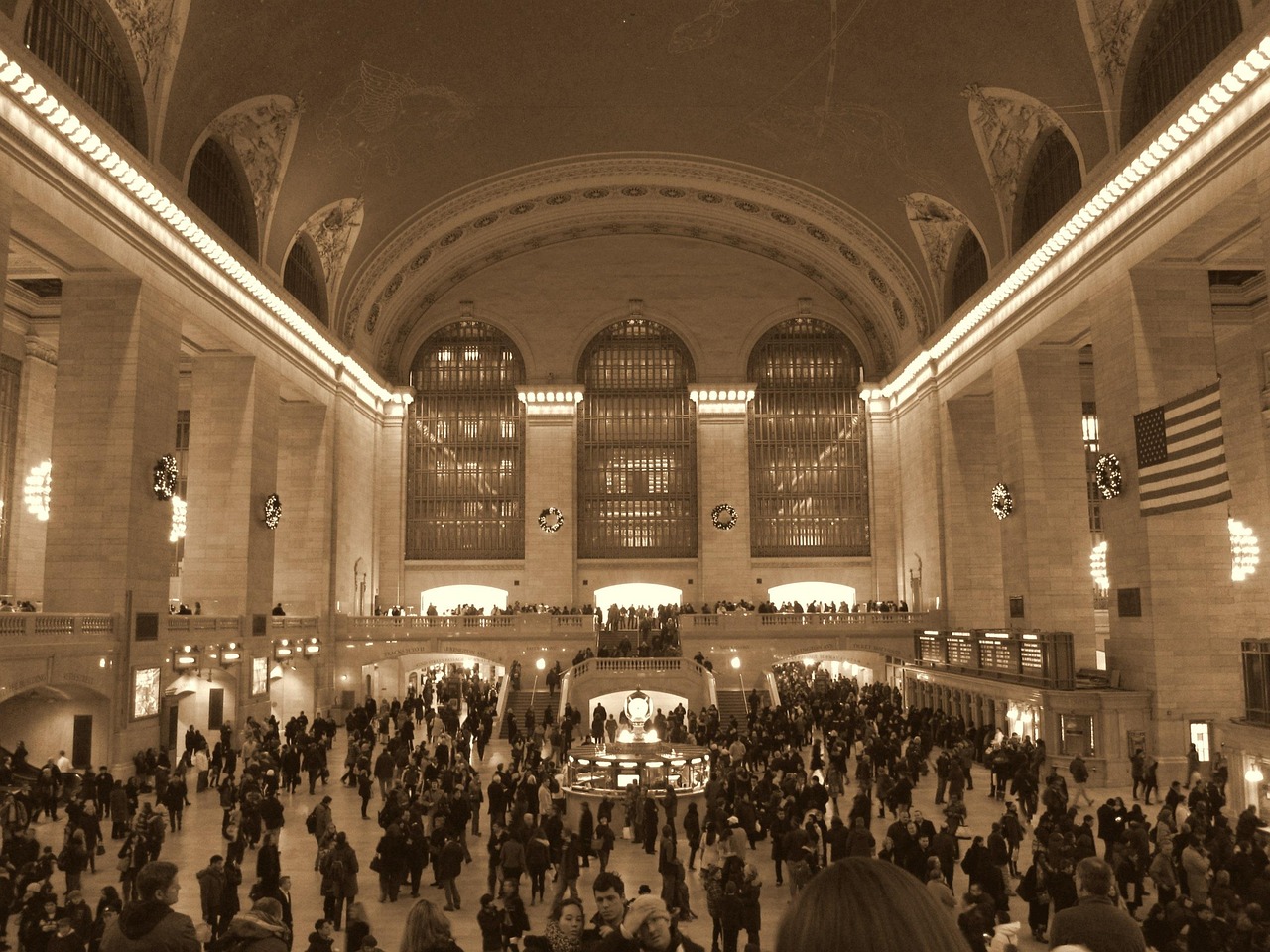

There’s a particular kind of magic that happens when a building built for pure function becomes a destination in its own right. Train stations were never supposed to compete with cathedrals or palaces, yet some of them have done exactly that. Travelers have been known to arrive early, linger long after their trains depart, and in some cases, visit with no train journey planned at all.
These six stations, spread across three continents, represent something bigger than rail travel. They are architecture, history, culture, and civic pride all under one roof. Some are centuries old; others are breathtakingly contemporary. Each one earns its status as a genuine tourist attraction.
1. Grand Central Terminal, New York City, USA
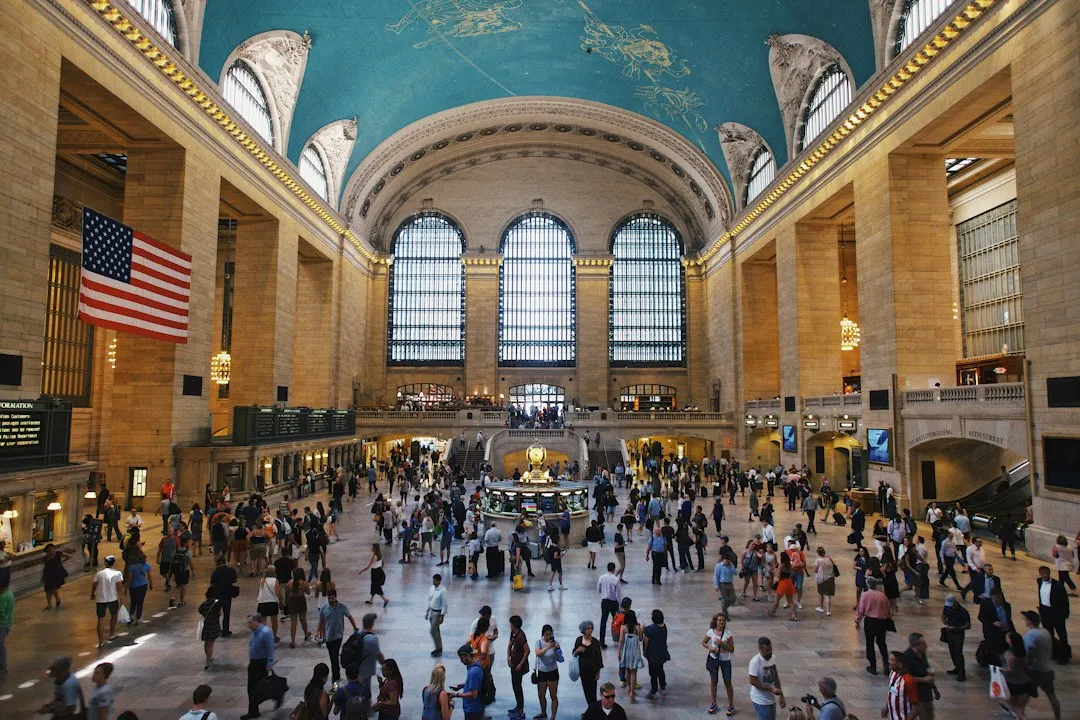
Grand Central Terminal is a stunning example of Beaux-Arts architecture, sitting at the heart of Manhattan and serving as a major transportation hub for commuters and travelers alike since it opened in 1913. It is one of the world’s ten most-visited tourist attractions, welcoming roughly 21.6 million visitors in 2018, not counting train and subway passengers.
The terminal is renowned for its magnificent celestial dome, adorned with a mural of the night sky, which captivates visitors upon entry. Other highlights include the opal-faced clock above the Information Booth, valued at an estimated 20 million dollars. Visitors can also explore the Whispering Gallery, where the acoustics create a unique experience, allowing whispers to travel across the archway.
Grand Central is a shopping, dining, and cultural destination featuring over 80 shops and restaurants along with a vibrant calendar of public events. If you’ve only seen it on a film screen, the real thing is still more impressive.
2. St. Pancras International, London, UK
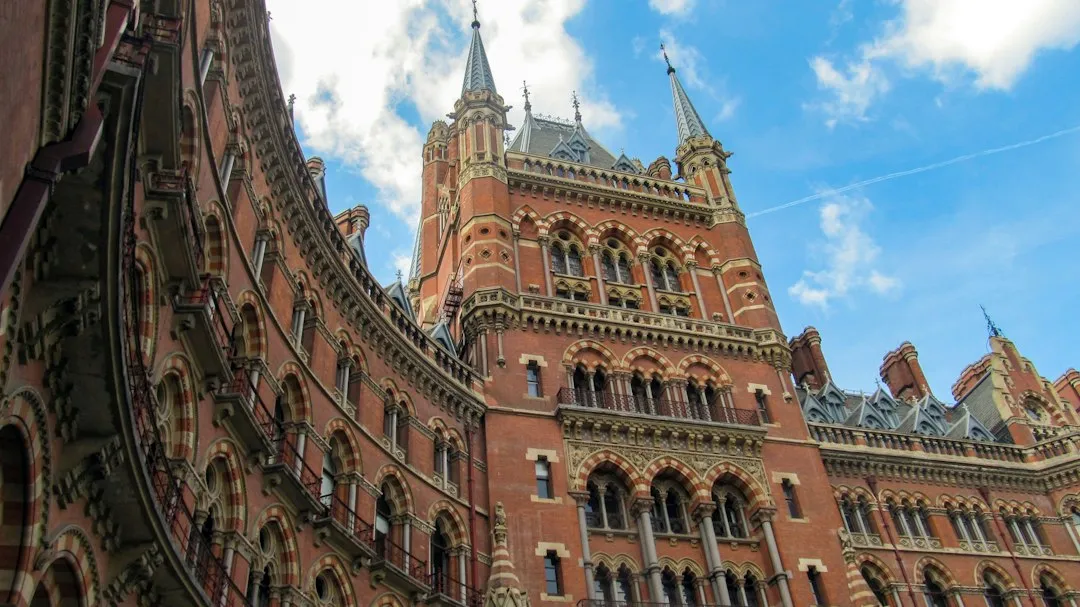
Welcome to St. Pancras International, an iconic London landmark and the gateway to high-speed travel across the UK and Europe – a station that is, in its own right, a destination. It is one of London’s most iconic landmarks, celebrated for its magnificent Victorian architecture and world-famous Gothic façade.
Opened in 1868, the station is the hub for the Eurostar service that connects London to Continental Europe. It is the British capital’s only international station, with Eurostar services connecting the city with destinations in mainland Europe. As the home of Eurostar and high-speed rail in the UK, it welcomes millions of visitors each year and functions as a vibrant destination for shopping, dining, and culture.
Visitors particularly appreciate the station’s Booking Office 1869 bar and the Grand Staircase, both of which are beloved landmarks within the building. The St. Pancras Renaissance Hotel, nestled within the original Gothic station building, adds yet another layer of grandeur worth experiencing even without a train ticket in hand.
3. Antwerpen-Centraal, Antwerp, Belgium
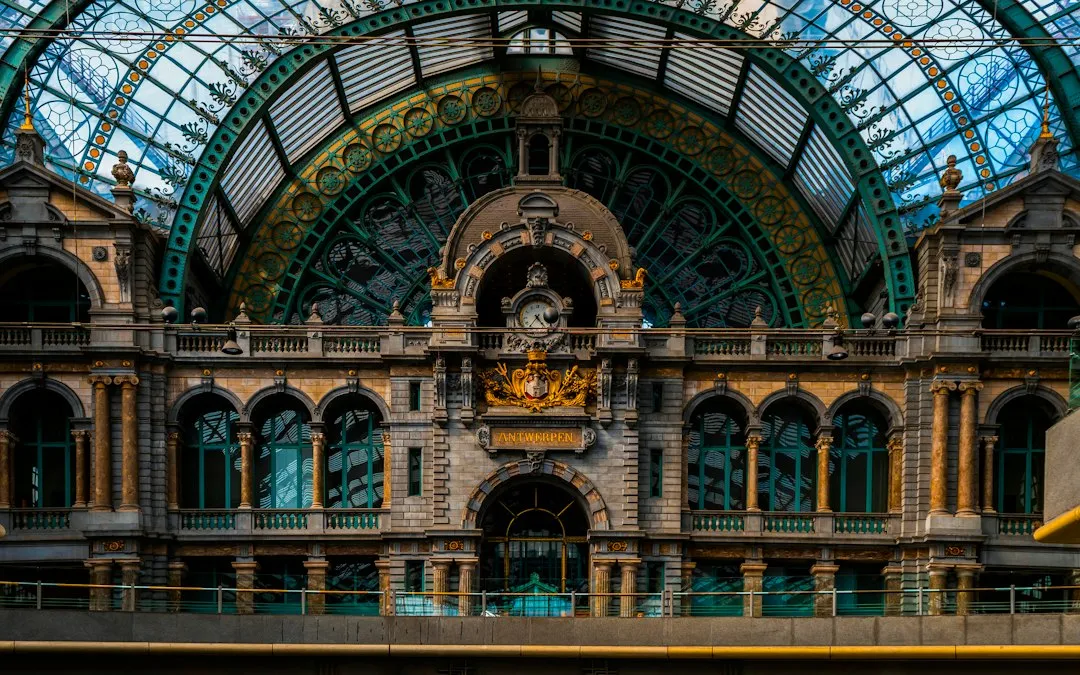
The original terminal station building was constructed between 1895 and 1905 and is widely regarded as the finest example of railway architecture in Belgium. In 2014, the British-American magazine Mashable awarded Antwerpen-Centraal first place for the most beautiful railway station in the world.
The waiting hall is roofed by a 75-meter high dome, and the skylights and windows fill the station with glorious light. The station spans three levels, with trains arriving at different heights in what was an engineering marvel of its time. Completely renovated between 1998 and 2009, it transformed from a terminus into a through-station without sacrificing its historical grandeur.
Antwerpen-Centraal is an eclectic, ornate building from the outside and an engineering masterpiece from the inside. It rewards slow exploration. Walking through it feels less like catching a train and more like stepping into a grand European opera house.
4. Liège-Guillemins, Liège, Belgium

An important hub for high-speed trains travelling between Paris, Frankfurt, and Dortmund, the breathtaking Liège-Guillemins station in Belgium is a modern masterpiece designed by Spanish architect Santiago Calatrava. Completed in 2009, it has a vaulted glass, steel, and white concrete canopy that covers five platforms and extends more than 476 feet.
As the gateway to a city famed for traditional crafts, the station perfectly balances innovation with cultural respect. Where Grand Central speaks the language of a gilded past, Liège-Guillemins is entirely of the present, almost startlingly so.
The new station was officially opened on 18 September 2009, with a show by Franco Dragone. The arching white ribs of the roof, filtering natural light down onto the platforms below, create an atmosphere that feels more like a contemporary art installation than a rail stop. Few places reward a deliberate, unhurried visit quite like this one.
5. Chhatrapati Shivaji Maharaj Terminus, Mumbai, India
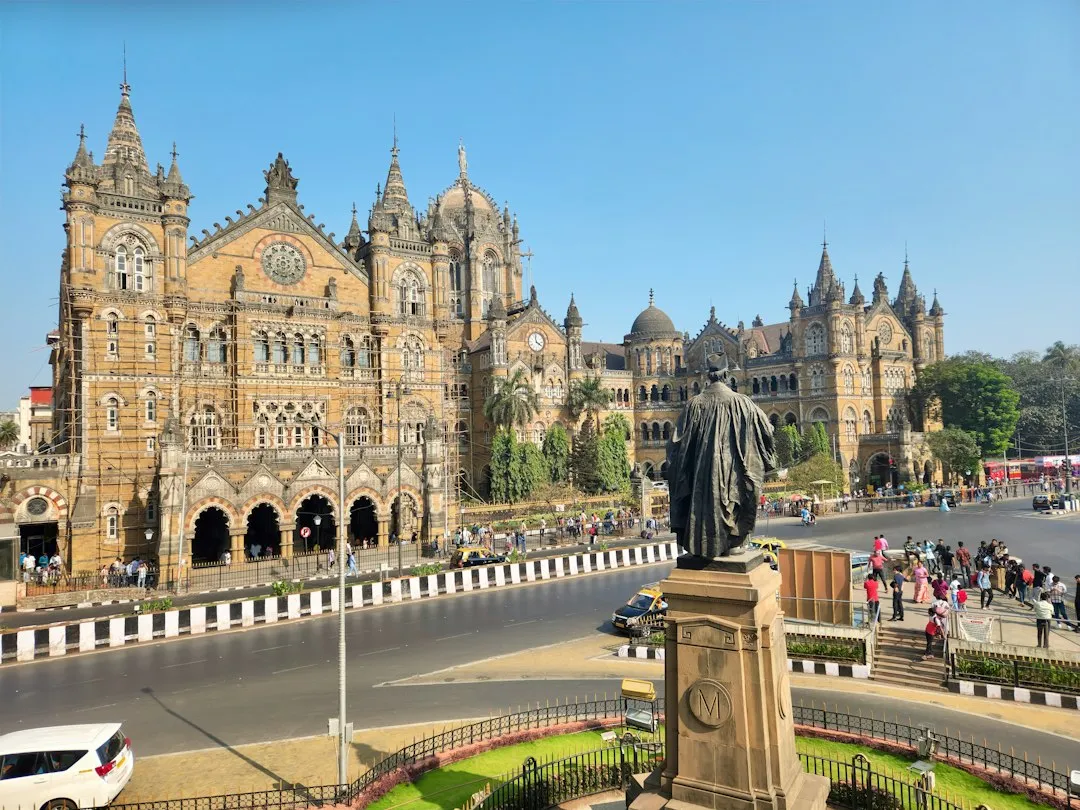
The Chhatrapati Shivaji station in Mumbai was built in 1888 in neo-Gothic Victorian style and is one of the oldest stations in the whole of India. British architect F. W. Stevens worked with local craftsmen to fuse the then-popular Victorian Gothic style with Indian influences, creating the elaborate structure seen today.
Built in the late 19th century, it combines towers, spires, stained-glass windows, sculptures, domes, and extraordinarily intricate ornamentation. It is recognized as a UNESCO World Heritage Site and is one of the finest examples of Victorian Gothic architecture adapted to Indian architectural traditions.
More than three million passengers pass through it every day, making it one of the busiest railway stations on Earth. That number alone is staggering. Yet somehow the architecture holds its own against the daily tide of people, remaining one of Mumbai’s most photographed and celebrated landmarks regardless of the crowds around it.
6. Kanazawa Station, Kanazawa, Japan
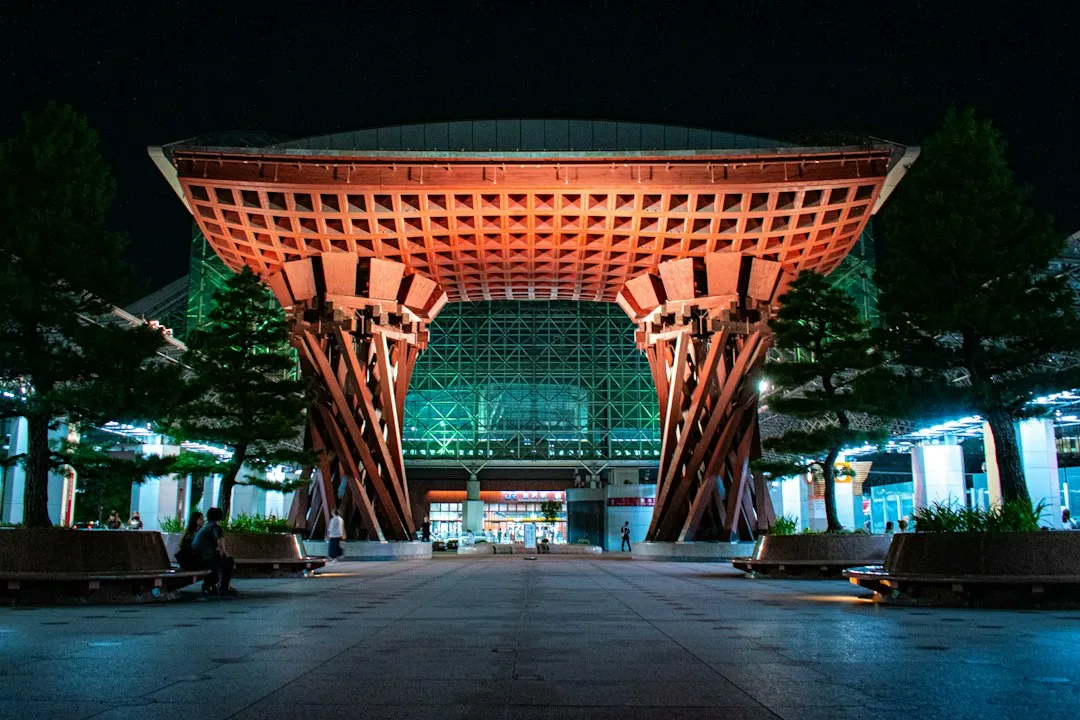
Kanazawa Station was opened on 1st April 1898 and is located in Kanazawa, Ishikawa, Japan. It is famous for the Tsuzumi-mon Gate and Motenashi Dome. It is a perfect blend of modern architecture and tradition, with symbolism and connections to the city’s history visible in both the exterior and interior details.
Its best-known feature is the Tsuzumi Gate, a massive wooden structure inspired by the hand drums used in traditional Noh theater. The wooden gate is modeled to resemble a traditional torii gate, which is also found at the entrance to Japanese shrines. From afar, the building takes on the shape of a traditional samurai helmet, and Kanazawa’s heritage crafts of woodwork and ceramics are reflected throughout the station.
Kanazawa Station proves that beautiful train stations needn’t be stuck in the past. It is a station that honors where it comes from while looking confidently forward, and that balance is precisely what makes it so worth seeking out.
The Takeaway
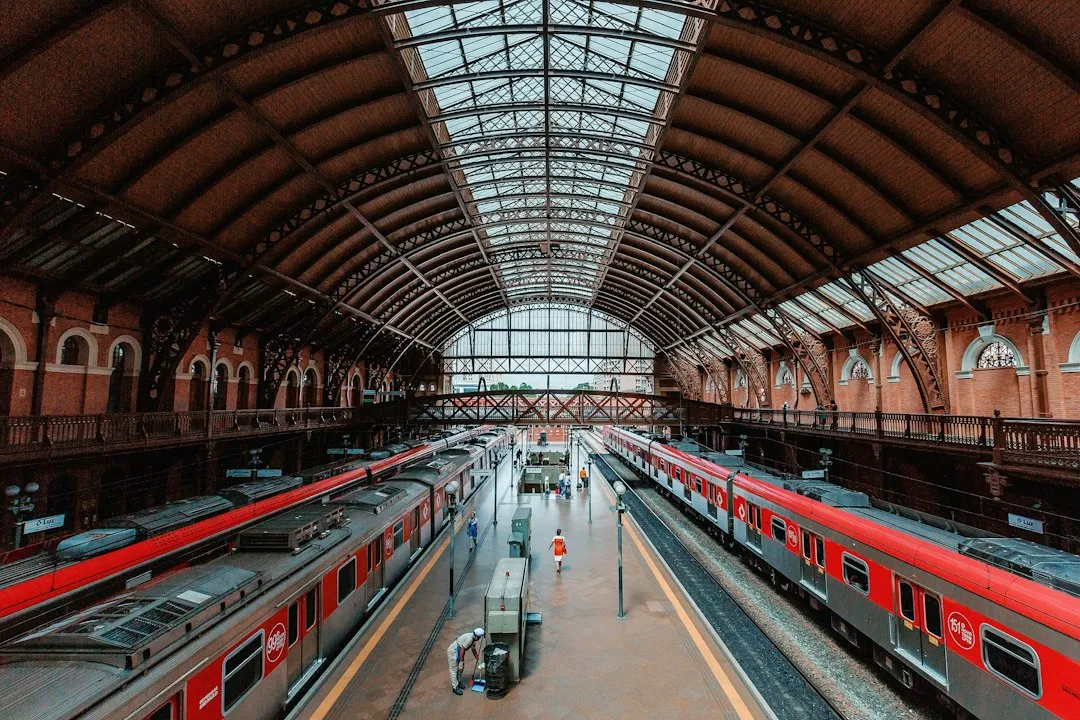
What unites these six stations is a shared ambition that went far beyond the practical. Each one was built, or reimagined, to mean something. They were meant to communicate civic pride, cultural identity, and a sense of arrival that would stay with a traveler long after the journey ended.
Visiting them is a reminder that architecture at its best is always more than shelter. It tells a story about the era that built it and the people it serves. Whether you’re passing through or showing up purely to look, these stations make the case that the journey itself, not just the destination, is worth celebrating.
AI Disclaimer: This article was created with the assistance of AI tools and reviewed by a human editor.