
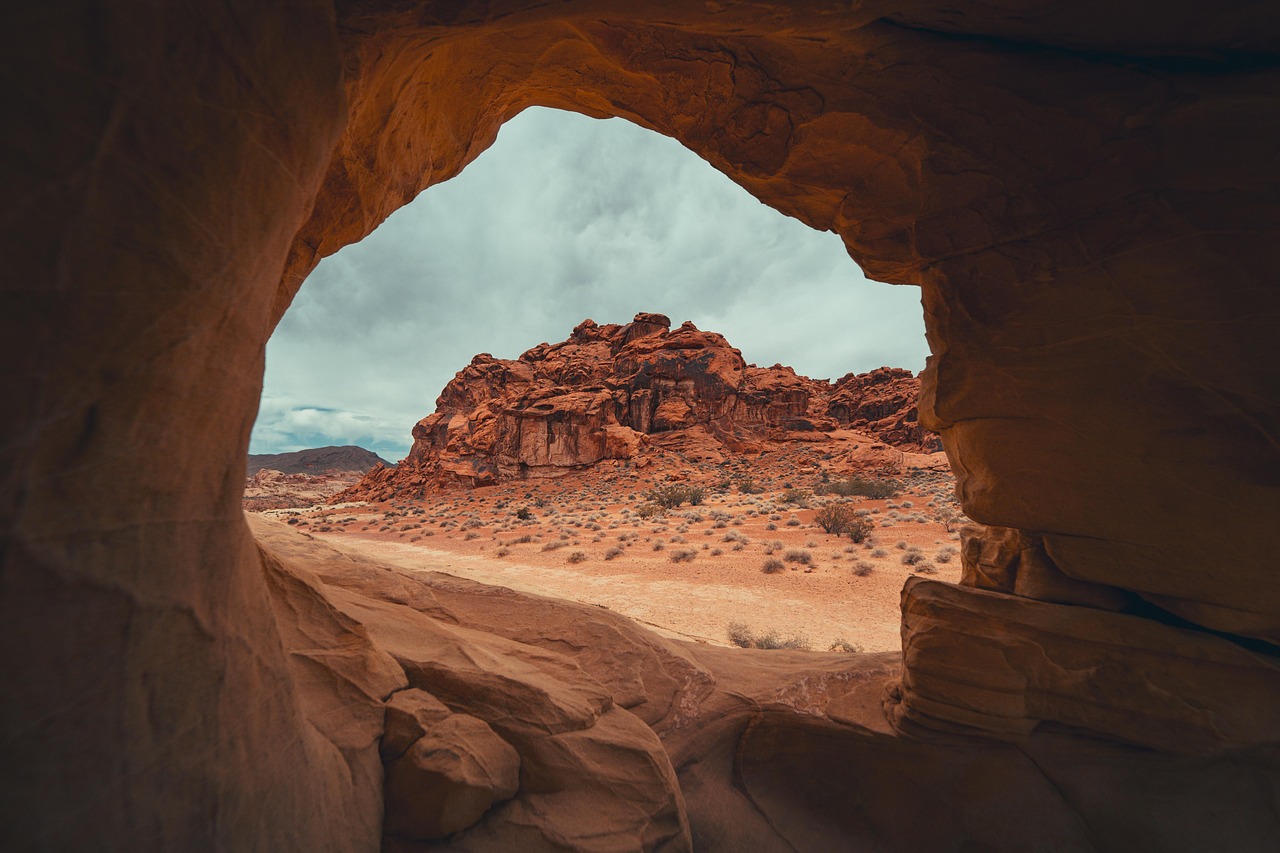
Most people think of America’s wild landscapes as something you look out at from a mountain peak or across a canyon rim. What hides underneath the surface is a different story entirely. The country’s cave systems rank among the most extraordinary natural spaces on Earth, full of ancient formations, total darkness, and a strange, suspended silence that doesn’t exist anywhere above ground.
From Kentucky to Nevada to the Black Hills of South Dakota, these seven caves and caverns each have their own character, their own geology, and their own version of the otherworldly. They’re worth knowing about before you plan your next trip.
1. Mammoth Cave National Park, Kentucky: The Longest Cave System on Earth
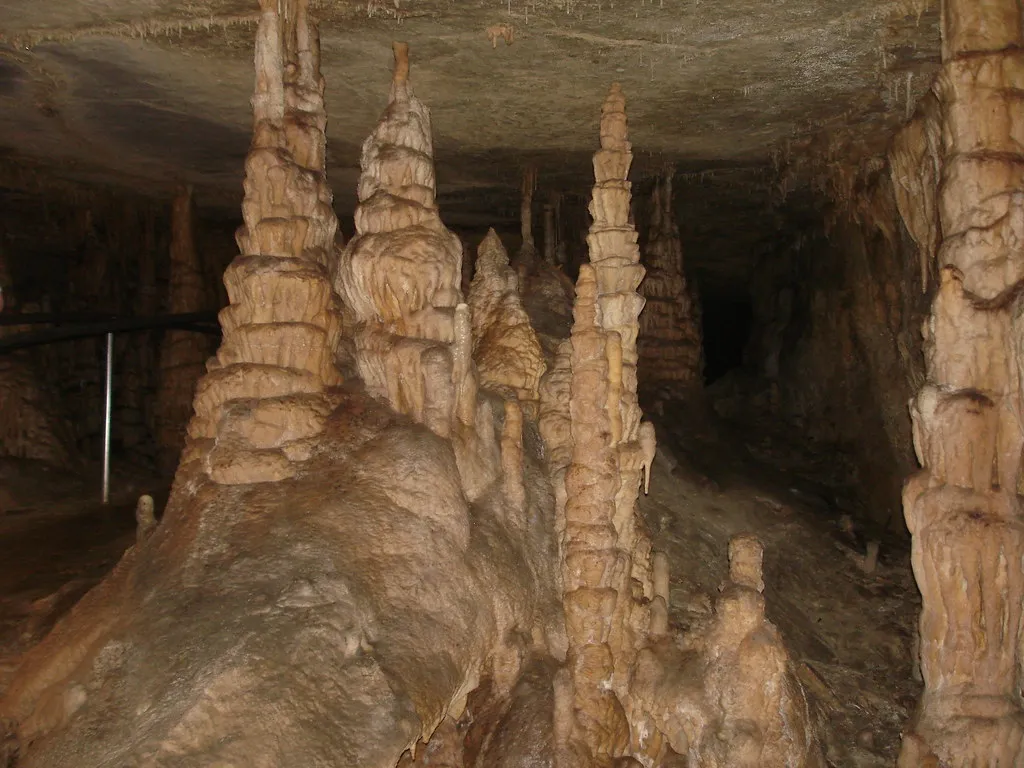
Under the rolling hills of south-central Kentucky sits the longest known cave system on Earth. Surveyors have mapped more than 426 miles of passages beneath Mammoth Cave National Park, and the explorers who keep pushing into the dark like to say there is no end in sight.
As of 2025, those 426 mapped miles make it over one and a half times longer than the second-longest cave system, Mexico’s Ox Bel Ha underwater cave. That single number is staggering, but the experience inside – cathedral-like chambers, gypsum formations, and passages that have been walked for thousands of years – is what stays with visitors.
The 2024 Visitor Spending Effects Analysis confirmed that 747,042 people visited the national park that year and spent $73.2 million in surrounding communities. The cave maintains a temperature of around 54 degrees Fahrenheit year-round, and it holds dual UNESCO designations as both a World Heritage Site and the core of the Mammoth Cave Biosphere Region.
2. Carlsbad Caverns National Park, New Mexico: The Big Room Beneath the Desert
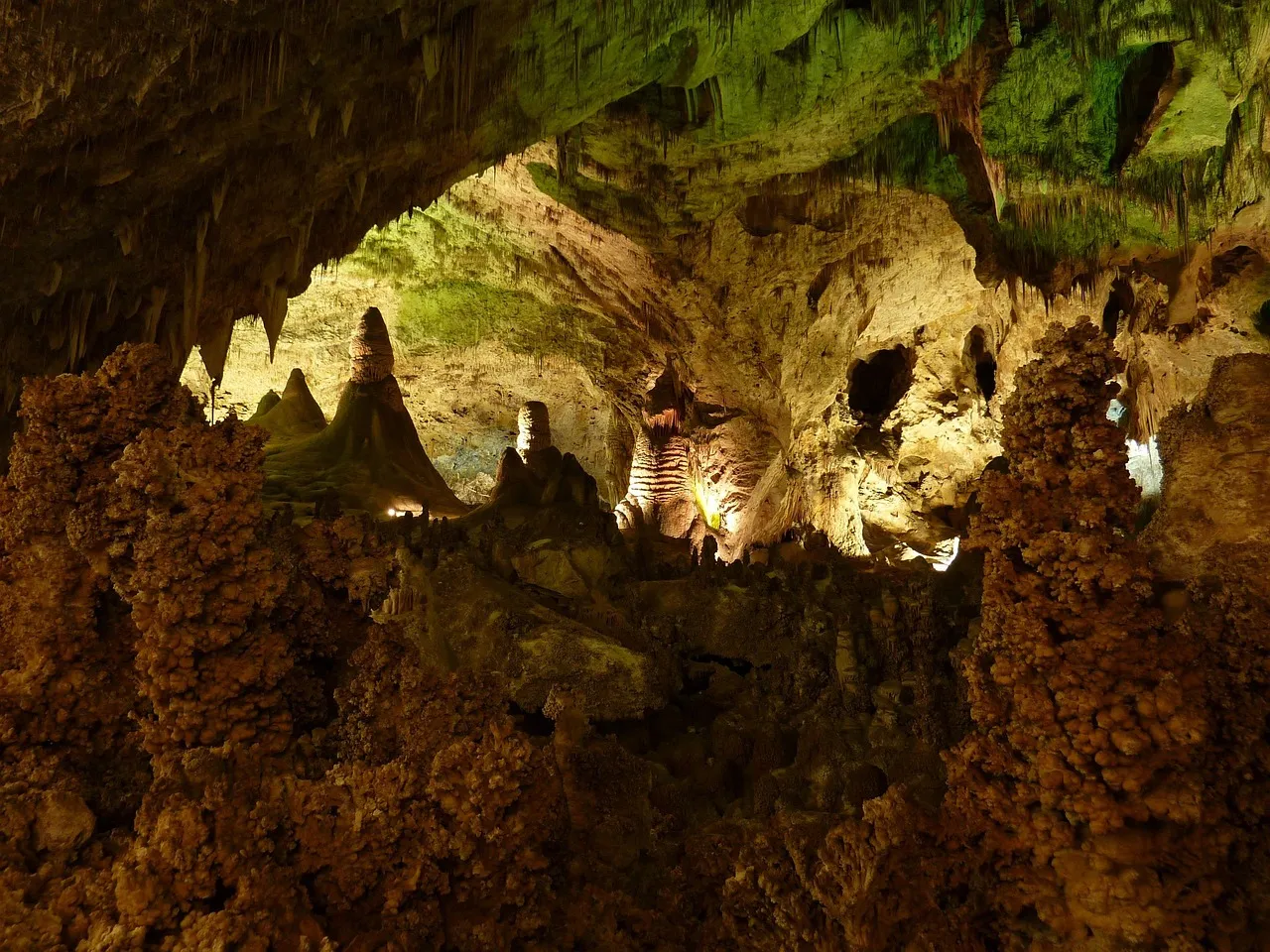
Carlsbad Caverns National Park sits in the Guadalupe Mountains of southeastern New Mexico, where an ancient reef system has been slowly carved by millions of years of sulfuric acid dissolution. The result is one of the most spectacular underground rooms in the world.
The Big Room, a natural limestone chamber, runs almost 4,000 feet long, 625 feet wide, and reaches 255 feet at its highest point. It is the third-largest chamber in North America and the seventh-largest in the world. Walking through it feels genuinely humbling in a way that photographs simply can’t convey.
Each summer, roughly 400,000 Brazilian free-tailed bats emerge from Carlsbad Cavern at dusk – a spectacle that draws its own crowd of admirers waiting at the natural entrance. The park received 410,778 visitors in 2025, and it remains one of the most visited cave systems in the country.
3. Jewel Cave National Monument, South Dakota: Walls That Sparkle Like Gems
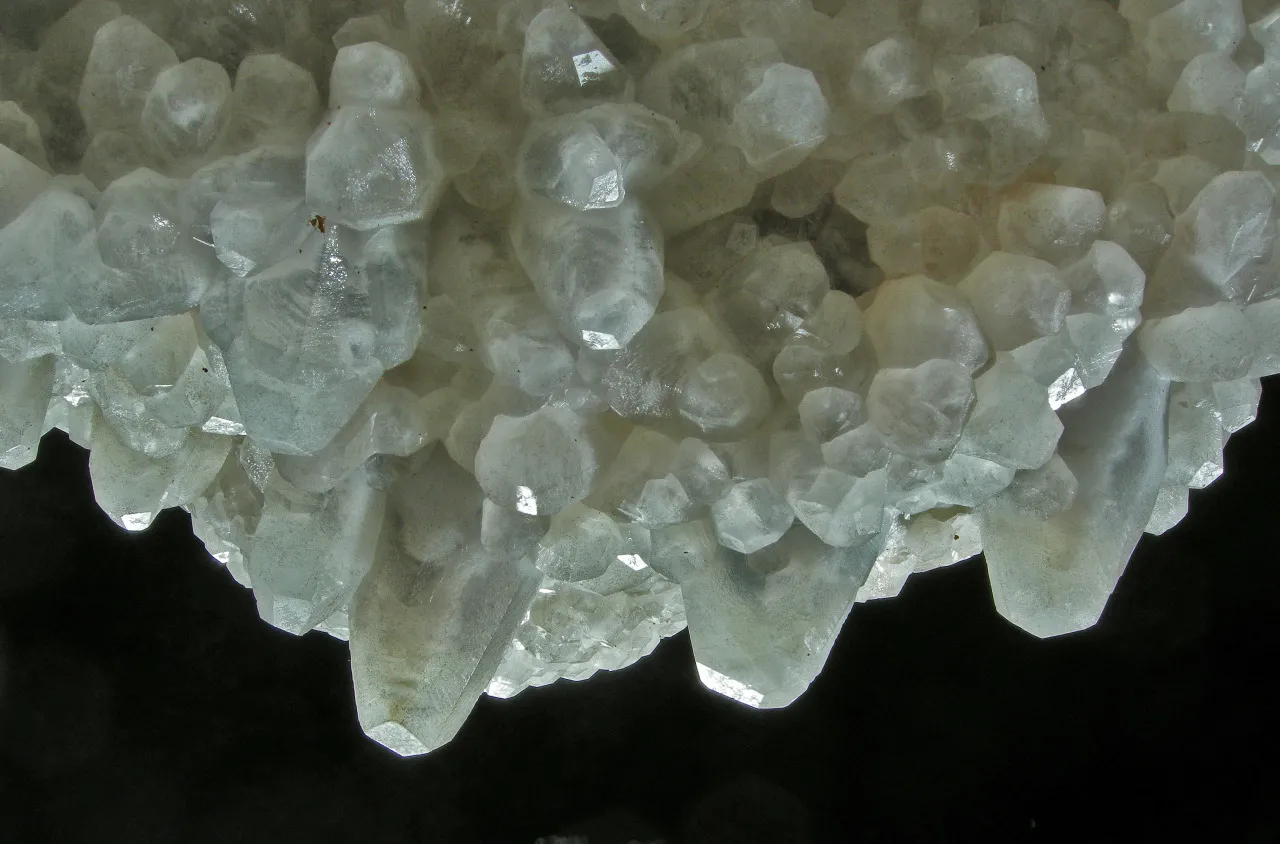
Jewel Cave National Monument, located in Custer County, South Dakota, currently holds the title of fifth longest cave in the world and second longest cave in the United States, with 220.33 miles of mapped passageways as of July 2025.
The name comes from the cave’s glittering walls, which are lined with sparkling calcite crystals that look covered in jewels when a flashlight hits them just right. Visitors also encounter formations like popcorn, flowstone, and delicate frostwork. The variety of textures on a single wall is something that takes a moment to fully absorb.
Studies of the amount of air displaced from the cave when it “breathes” indicates that there are likely hundreds of miles not yet discovered. The monument welcomed 145,332 visitors in 2024, a relatively intimate crowd for a cave system of this scale and significance.
4. Wind Cave National Park, South Dakota: A Living, Breathing Underground Maze
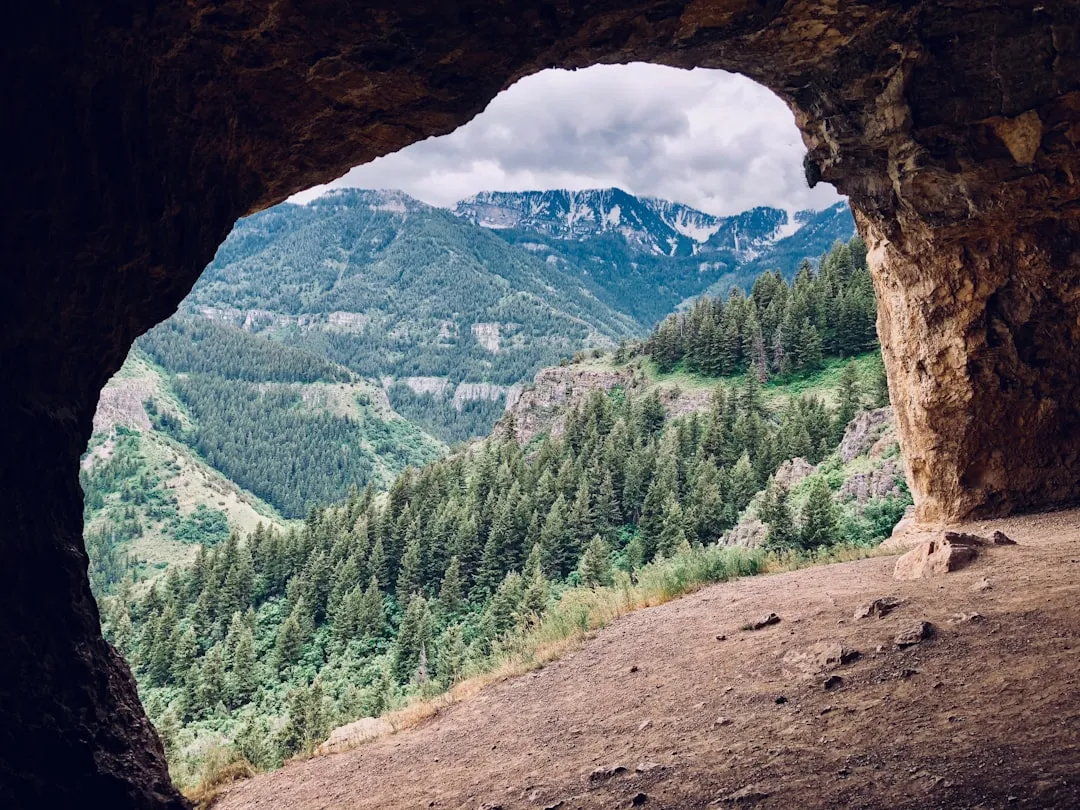
Wind Cave is a rare type of cave in which the atmospheric pressure difference between the inside and outside causes air to flow in or out. This airflow is actually how the cave was discovered by white Americans in 1881. The Lakota people have their own deep cultural history with this site that stretches back far longer.
Boxwork, a honeycomb-like structure of thin, intersecting blades of calcite that project from cave walls and ceilings, is Wind Cave’s most distinctive feature. Wind Cave contains about 95% of the world’s known boxwork. It’s an extraordinary concentration of a formation found almost nowhere else on the planet.
Rangers lead tours that guide visitors into these hidden worlds, offering stories of both geology and Lakota culture. The cave maintains a consistent temperature of 54 degrees Fahrenheit year-round, regardless of what’s happening above ground. The contrast between the open prairie above and the labyrinth below gives this place a dual identity unlike any other in the national park system.
5. Luray Caverns, Virginia: A Musical Instrument Built by Nature
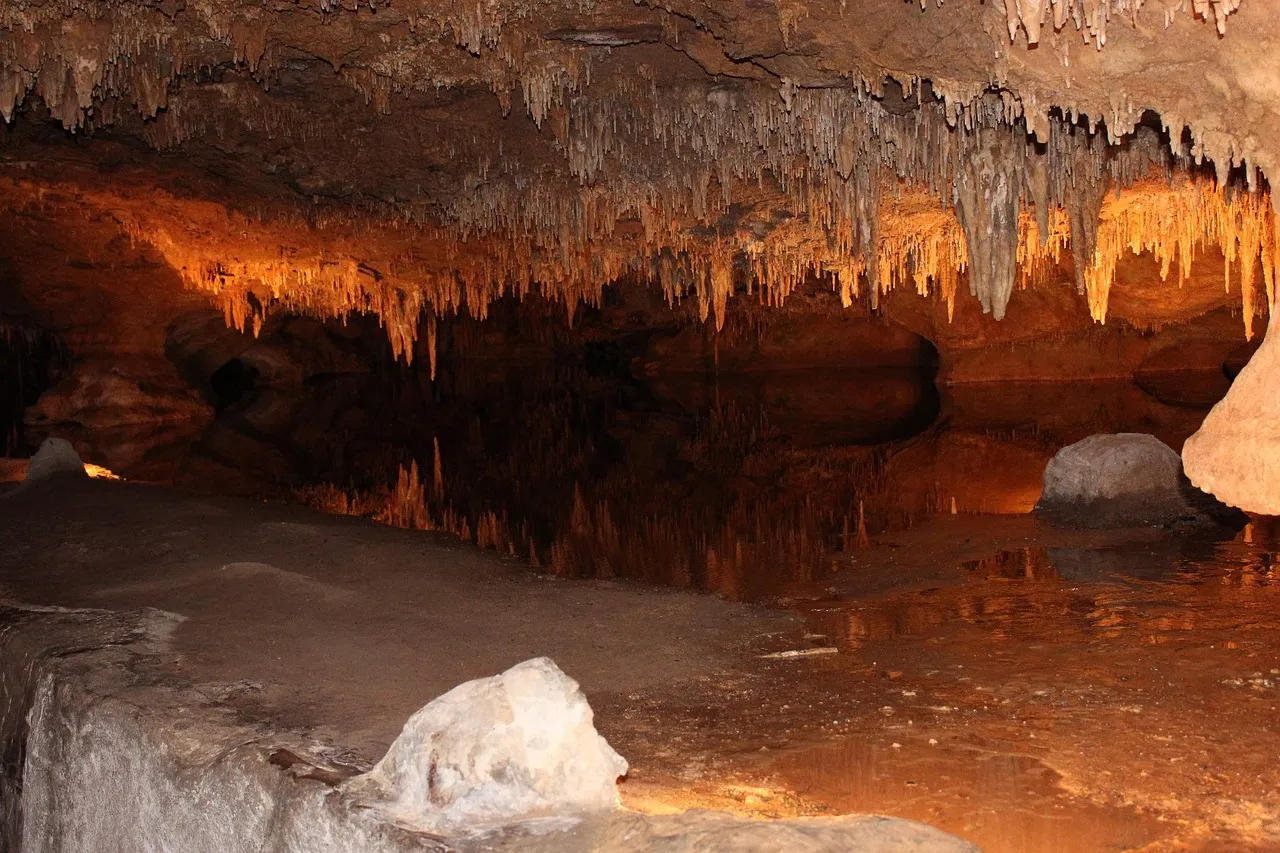
Luray Caverns is a series of limestone caves in Page County, northwestern Virginia, near the town of Luray. Covering 64 acres, the caverns were discovered in 1878 and were formed millions of years ago by underground rivers and seepage.
The biggest cavern in the eastern United States, Luray is home to a lake as clear as a mirror, pure white veils of calcite, and the 47-foot-tall Double Column. The real star, however, is the Great Stalacpipe Organ – at three acres, it’s the world’s largest musical instrument. It works by triggering stalactites of different sizes and ages, each producing a distinct tone.
As you wander through the chambers, mirror-like pools reflect the intricate beauty above, and each chamber reveals a new spectacle of colors and shapes. For a cave in the mid-Atlantic region, the scale of these chambers consistently surprises first-time visitors.
6. Kartchner Caverns State Park, Arizona: A Living Cave Hidden in the Desert
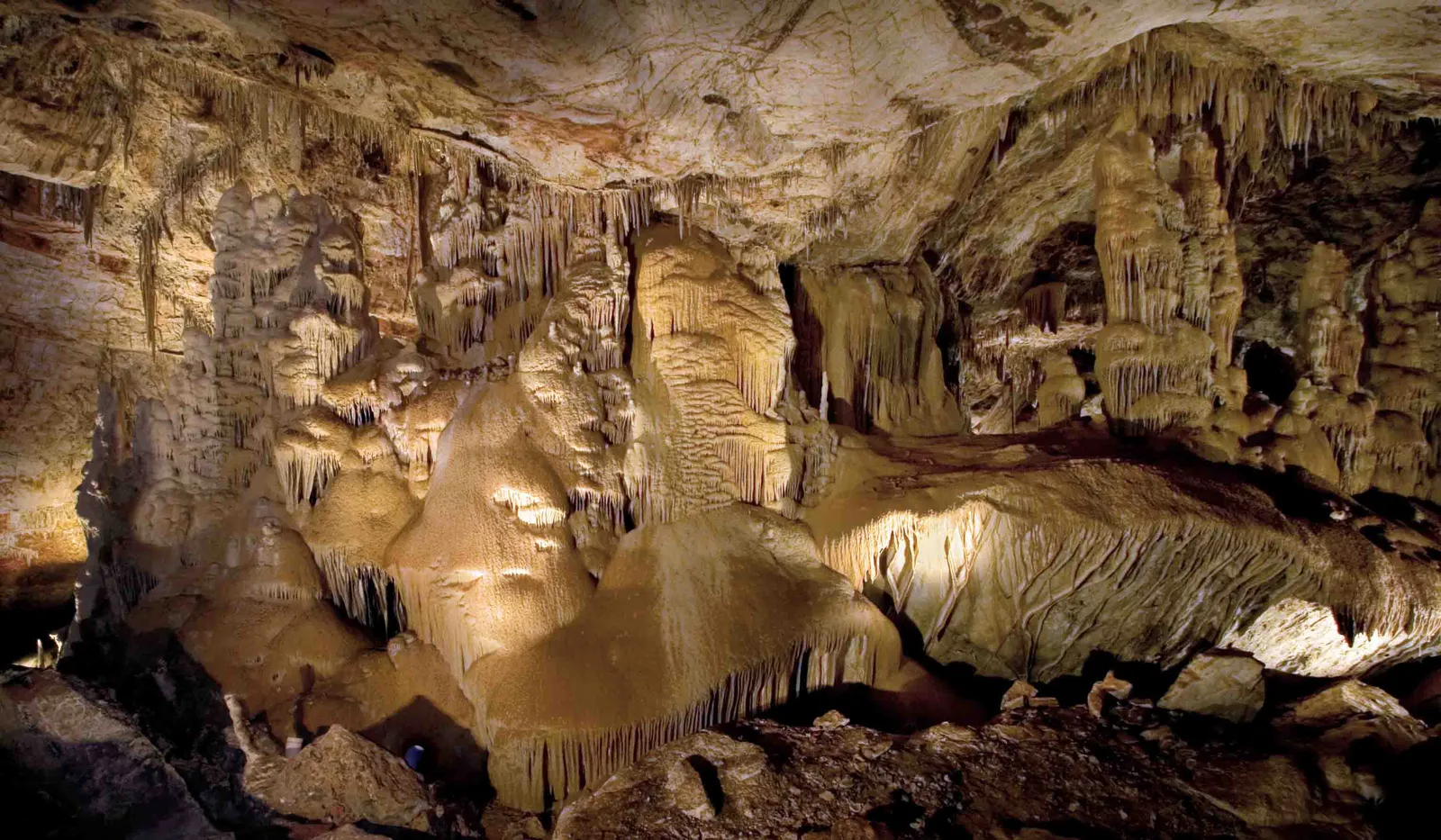
In November 1974, two young cavers named Gary Tenen and Randy Tufts were exploring the limestone hills at the base of Arizona’s Whetstone Mountains. In the bottom of a sinkhole, they found a narrow crack leading into the hillside. Warm, moist air flowed out, signaling the existence of a cave.
The caverns are carved out of limestone and filled with spectacular speleothems that have been growing for 50,000 years or longer, and are still growing today. Delicate soda straw stalactites, among some of the world’s longest, waves of moonmilk representing the world’s most extensive deposits, and the towering Kubla Khan column – Arizona’s biggest – make Kartchner’s underground formations record-breaking marvels.
The park recorded 107,509 visitors in 2024, a number kept intentionally modest to protect the cave’s living ecosystem. Much of the cavern is wheelchair accessible, making it available to a wide range of visitors. The care that went into its development, from discovery through opening in 1999, is part of what makes Kartchner one of the most well-preserved show caves in the country.
7. Lehman Caves, Nevada: Nevada’s Longest Cave Inside a Remote National Park
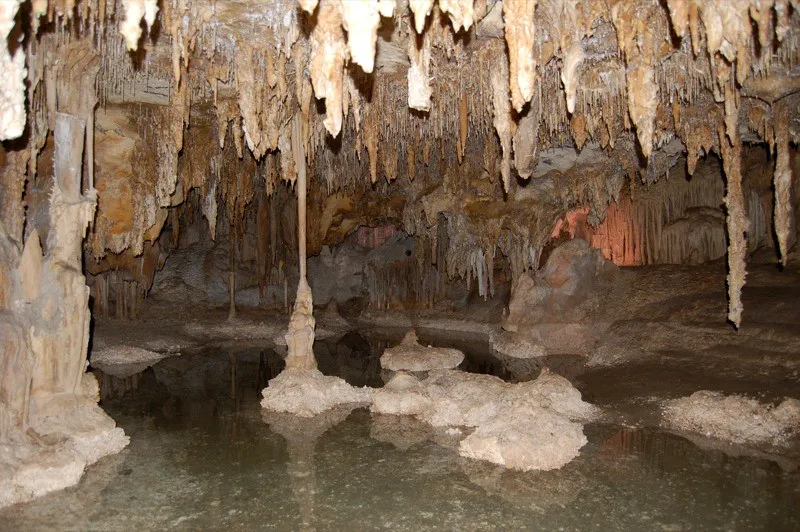
Lehman Caves, set within Great Basin National Park, is Nevada’s longest cave and is well known for its numerous shield formations, which offer amazing views of fantastic speleothems. The park itself sits in a remote corner of eastern Nevada, close to the Utah border, which means the cave sees far fewer crowds than most on this list.
Lehman Caves is renowned for its Parachute Shield, a rare and delicate shield-like formation that captivates those lucky enough to witness its fragile beauty. The cave is also adorned with stalactites, stalagmites, and rare shield formations that captivate spelunkers and casual visitors alike.
Cave tours are offered daily year-round, except for Thanksgiving Day, Christmas Day, and New Year’s Day. Park rangers lead all tours and explain the history, ecology, and geology of the caves. Cave tours regularly sell out, so reservations are strongly recommended. The remoteness of this cave, within one of the least-visited national parks in the lower 48 states, is part of its particular appeal.
A Note on Visiting Any of These Sites Responsibly
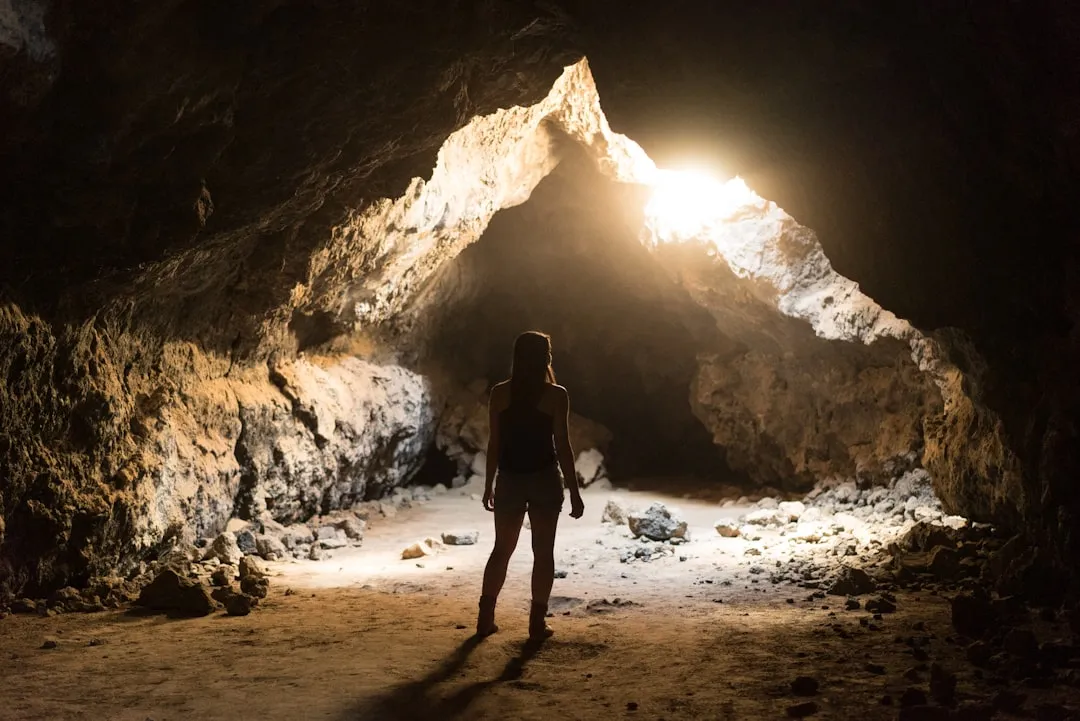
Caves are fragile in ways that aren’t always obvious. The formations you see inside some of these systems took tens of thousands of years to grow, and a single touch can stop that growth permanently. Every park and monument on this list has specific rules around lighting, trail access, and behavior underground – all of them exist for a reason.
Timed entry systems, advance reservations, and ranger-led tours are increasingly the norm rather than the exception. At Carlsbad Caverns, for instance, timed entry tickets are required to experience the cavern and are available online in advance. Planning carefully before you arrive isn’t just a logistical consideration – it’s part of being a thoughtful visitor to a place that cannot replace what gets damaged.
How to Choose Which Cave to Visit First
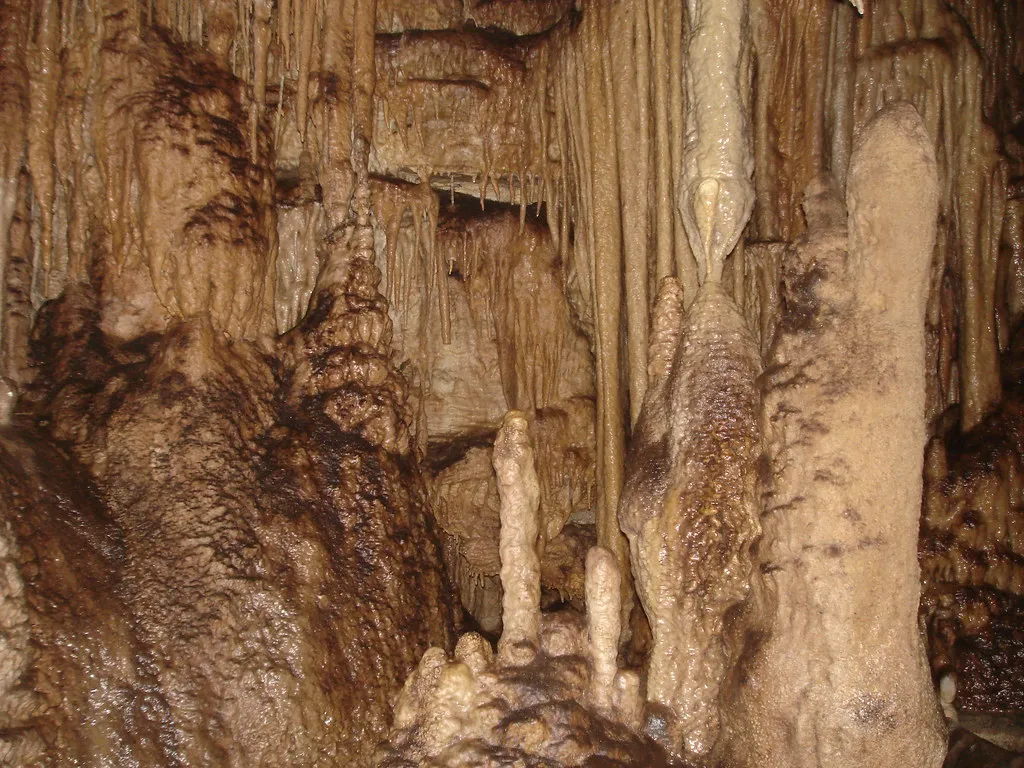
The honest answer is that each of these seven destinations rewards a different kind of curiosity. Mammoth Cave offers sheer geological scale and recorded human history. Carlsbad impresses with grandeur and its evening bat flight. Jewel Cave and Wind Cave, only about 30 minutes apart in South Dakota’s Black Hills, can reasonably be combined into a single trip. Luray suits those who want beauty, accessibility, and a touch of the theatrical. Kartchner rewards those who appreciate conservation alongside natural wonder. Lehman is for travelers willing to go a little out of their way for something genuinely quiet and rare.
None of them are overrated. Each one earns its reputation underground, in the dark, where the geology has been working without interruption for millions of years.
The Takeaway
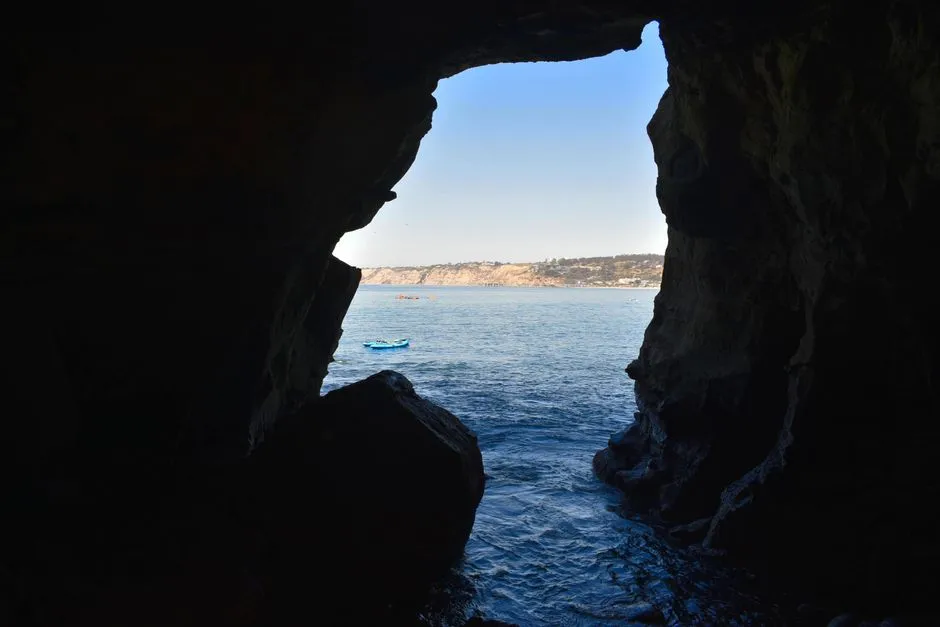
There’s something quietly profound about stepping into a space that has existed, untouched, for longer than human civilization. These seven American caves offer exactly that, and they do it in seven completely different ways. The stone doesn’t care whether you’ve traveled far to see it – it will be there long after every visitor has gone back to the surface. That indifference, in its own way, is part of what makes going underground feel so remarkable.
AI Disclaimer: This article was created with the assistance of AI tools and reviewed by a human editor.