
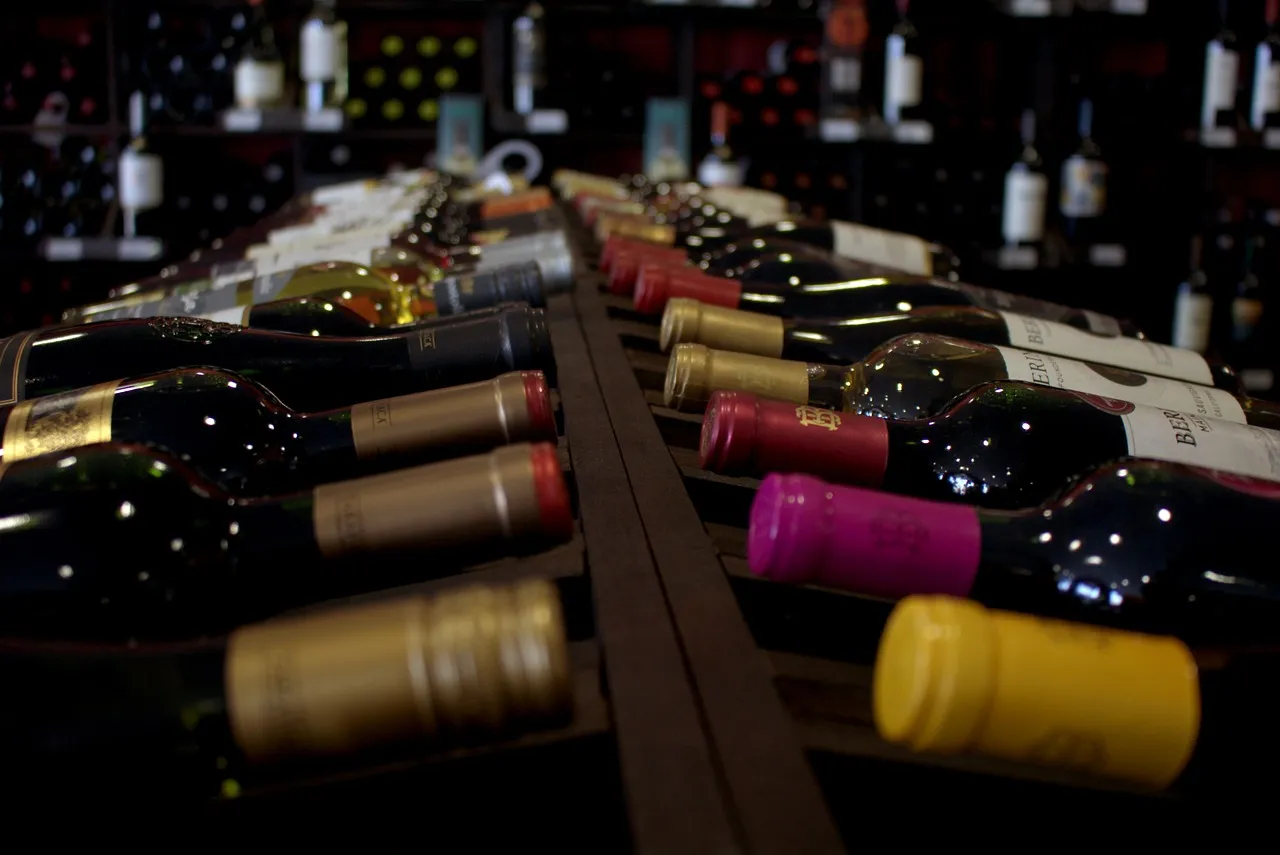

Wine tourism is quietly undergoing a shift that goes well beyond the glass. Travelers are increasingly skipping the sprawling commercial estates in favor of smaller, family-operated properties where the people who grow the grapes are the same ones greeting you at the cellar door. It’s a more personal kind of experience – and, as it turns out, a more responsible one too.
Wine tourism has evolved from a niche interest into a dynamic driver of rural development, consumer engagement, and winery competitiveness, according to the Global Wine Tourism Report 2025, which drew on responses from 1,310 wineries across 47 countries. The numbers tell a clear story: sustainability is gaining strategic importance across regions and winery sizes, with two-thirds of wineries considering it important or very important today, and its relevance is expected to increase markedly over the coming years. Here are seven family-run vineyard regions proving that good wine and genuine stewardship can share the same roots.
Sonoma County, California: The Region That Certified Sustainability First
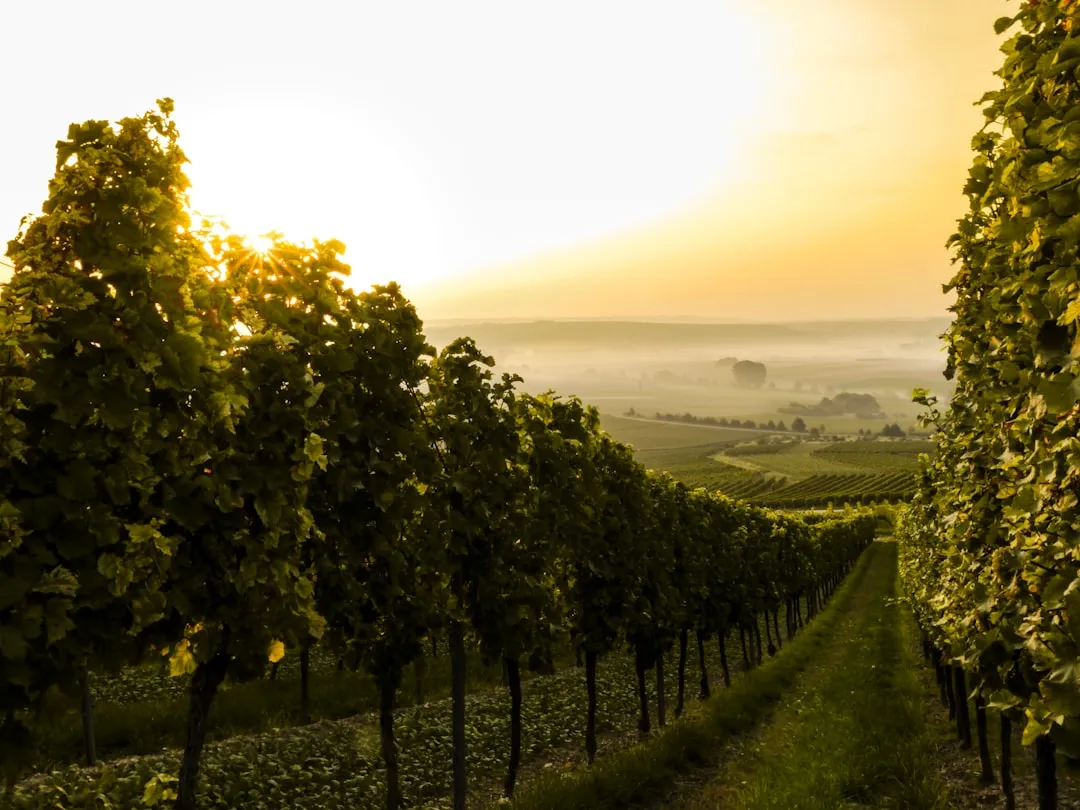
In Sonoma County, the word “sustainable” is more than an eco-friendly catchphrase. Most of the county’s 425 wineries, and 99% of its 60,000 vineyard acres, are certified sustainable, having passed a rigorous review of their management of energy, soil, water, and more – as well as their efforts to preserve land for natural habitat. That’s a remarkable regional commitment, and it didn’t happen by accident.
Benziger Family Winery puts families as well as the environment first, and is now known as one of the most forward-thinking and sustainable vineyards in the region. For visitors with children, Benziger features hourly biodynamic vineyard tram tours, while parents can enjoy organic wines during a quiet picnic on the vineyard’s beautiful grounds. Sonoma is also notable for being, according to regional tourism sources, the first wine region in the world to earn sustainable certification.
Tuscany, Italy: Family Estates Leading Organic Farming
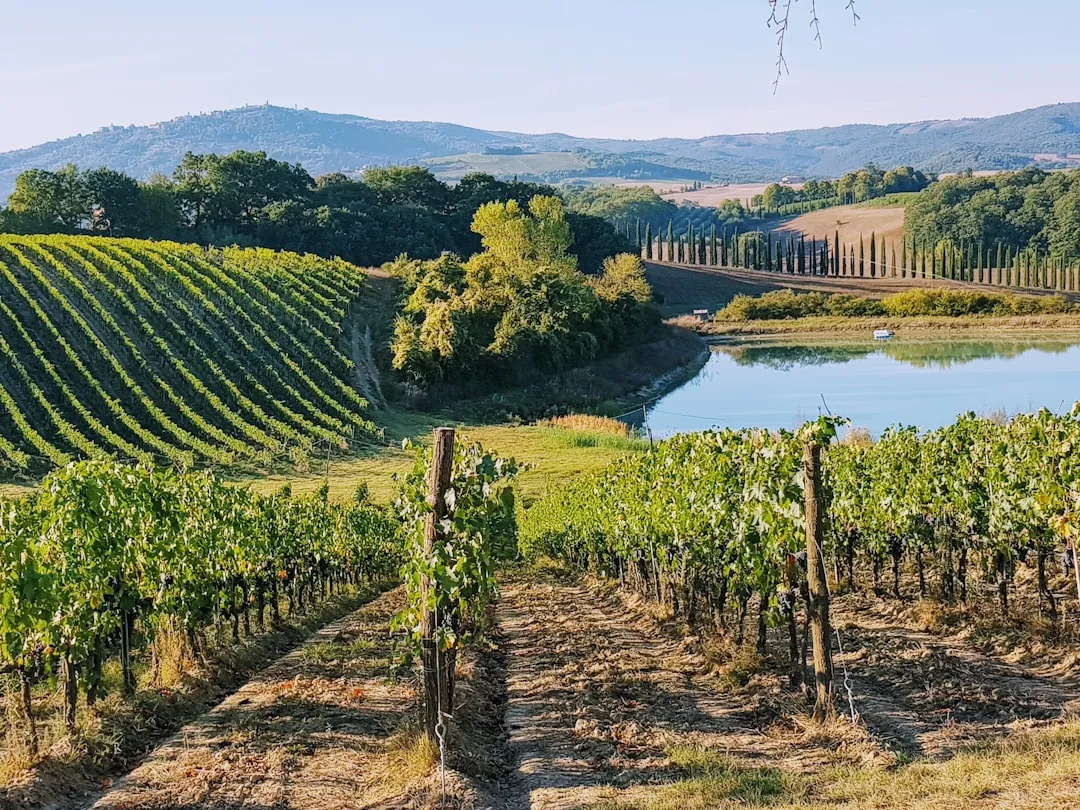
Italy’s wine tourism sector is a significant contributor to the European economy, with destinations such as Tuscany and Piedmont attracting large numbers of foreign visitors who seek close-up, interactive experiences with local vintners and historic vineyards. Tuscany remains the anchor of this, but sustainability is becoming increasingly central to the region’s family estate identity.
Among the major trends influencing this market is an increase in environmentally friendly and sustainable vineyard practices, such as in the Chianti Classico region, where wineries are embracing organic and biodynamic farming methods. Tuscany draws roughly 14 million visitors annually, many of them drawn by the landscape as much as the wine. Tourists are increasingly seeking intimate, learning-rich, and sensory wine experiences that connect them to the terroir and culture of the region.
Rioja, Spain: Record Visitors and a Family-Driven Culture
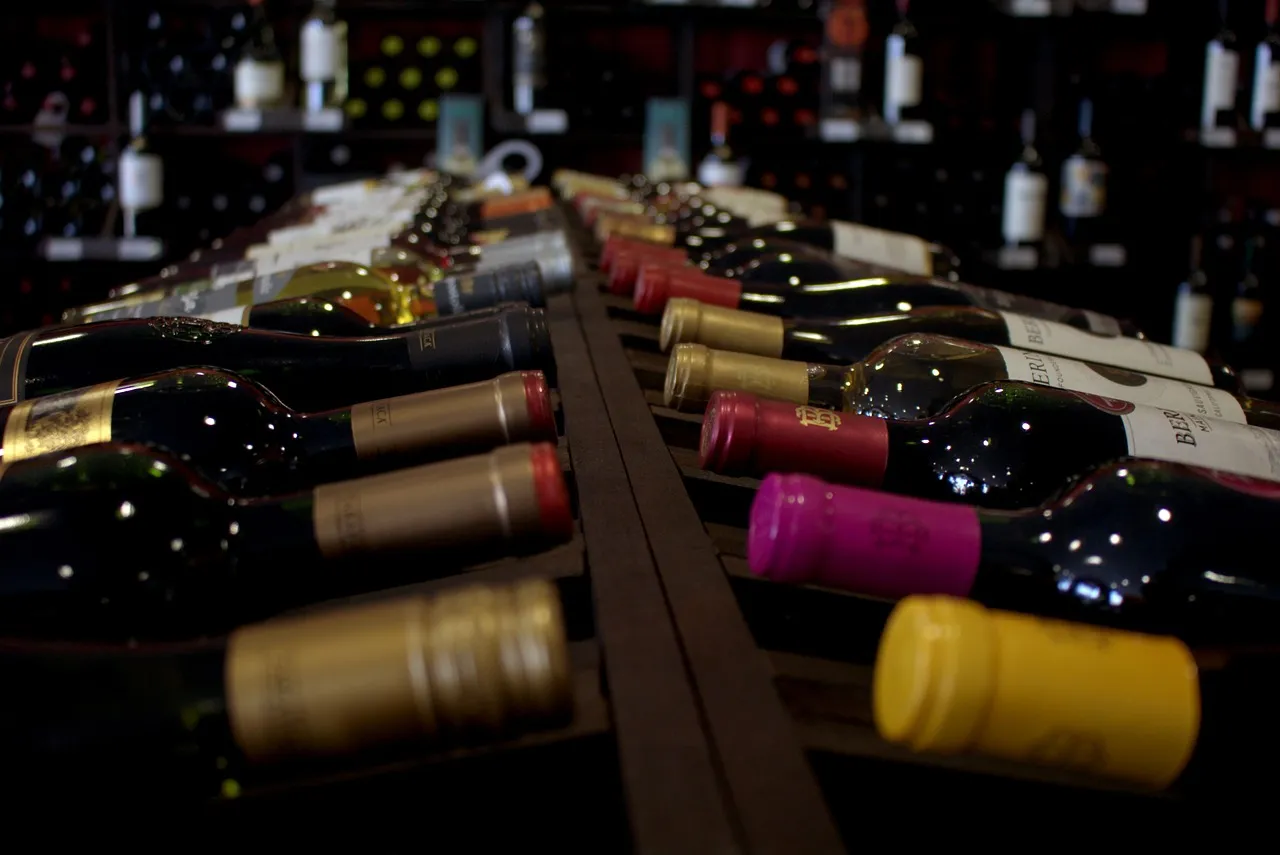
Rioja welcomed 912,000 visits in 2024 – a record high – with international visitors rising from 33.4% to 36.3% of total arrivals, and US visitors leading the way at 29%. That growth didn’t happen in spite of sustainability values; in many ways, it happened because of them. Family estates in the region have long anchored tourism in something more personal than prestige labels.
Initiatives such as the Spanish Wine Routes, certified by the Spanish Association of Wine Cities, have become successful models for integrating wine production with hospitality, gastronomy, and cultural activities. Marqués de Murrieta, founded in 1852 and holding a Pearl 4 Star Prestige rating in 2025, represents the traditional wing of Rioja at its most committed, with long-aged wines, estate-grown fruit, and a tasting experience shaped by more than 170 years of unbroken practice. Rioja’s family producers are the quiet spine of what makes the region such a consistently rewarding destination.
Mendoza, Argentina: Growing Tourism Through Community Roots
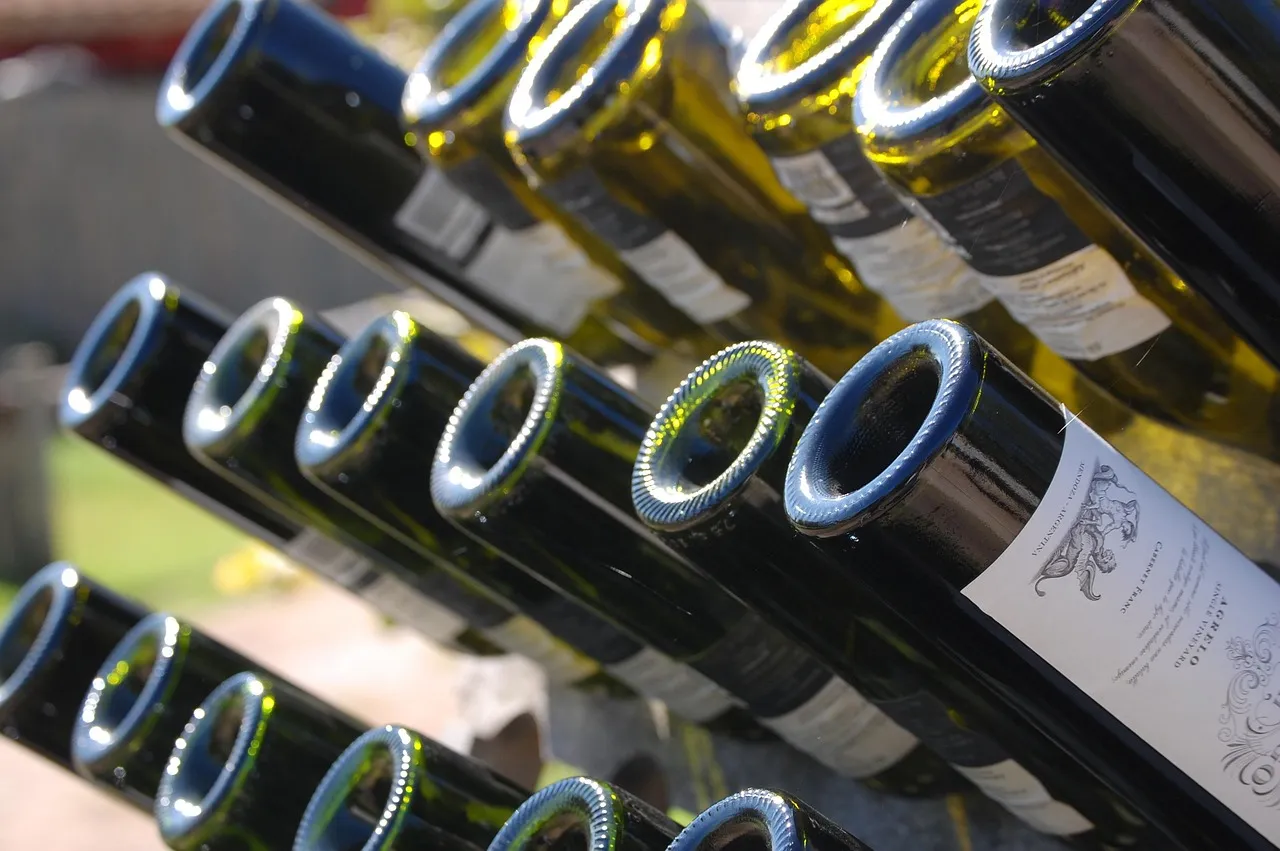
Mendoza welcomed 1.59 million visits in 2024, a 27.8% increase compared to 2018, with the Eastern Region recording extraordinary growth of nearly 94%. Much of that momentum has been built not by corporate investment but by family-rooted wineries with a genuine connection to the land. Research published in 2025 reveals that wine tourism in Mendoza generates high-margin revenues, supports brand development, and fosters local economic linkages, while in social and environmental terms it contributes to employment stabilization, cultural valorization, community engagement, and the gradual integration of sustainable practices.
Finca El Paraíso carries Luigi Bosca’s century-plus winemaking history into one of Maipú’s most agriculturally rooted estate settings, earning a Pearl 2 Star Prestige rating in 2025. A visit there is as much about understanding how vineyard management shapes the Malbec character of the sub-appellation as it is about tasting the finished wines. These are estates where the agricultural story is just as compelling as what’s in the glass.
Stellenbosch, South Africa: Regenerative Farming Meets Family Tradition
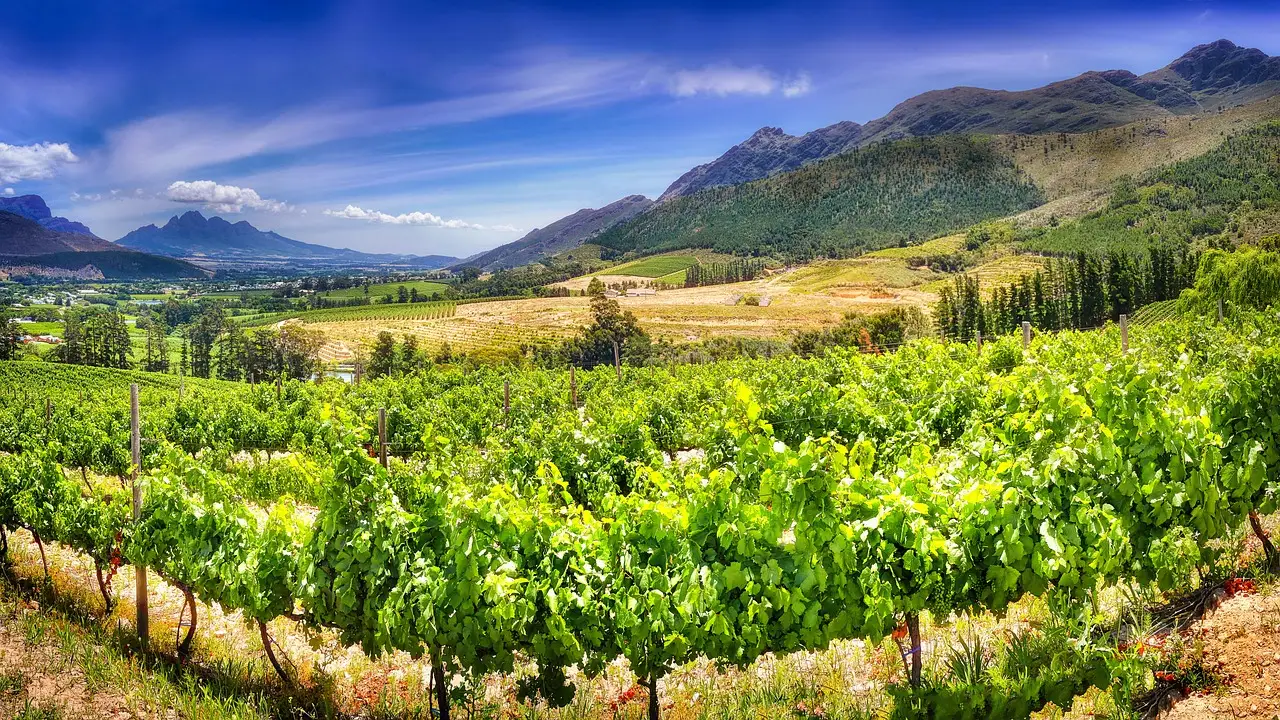
Stellenbosch earned the number one spot as a wine tourism destination in 2025, welcoming 570,000 foreign tourists and contributing R13.1 billion to the local economy. The region’s family-run estates have increasingly embraced regenerative farming, moving well beyond basic organic certification. Reyneke Wines was the first farm in South Africa to achieve biodynamic certification, treating the vineyard as a living, breathing organism and using natural composts, cover crops, and integrated animal grazing to enrich the soil and create a thriving ecosystem.
Spier Wine Farm has long been a leader in sustainability, with regenerative farming practices including composting, organic pest control, planting indigenous trees, and encouraging natural wildlife corridors – a commitment woven into every part of the farm and reflected in the wines themselves. The quintessential historic Stellenbosch wine farm setting, complete with Cape Dutch buildings, vineyards, a regenerative farming philosophy, and a river running through it, is packed with attractions for the whole family.
Willamette Valley, Oregon: Family Stewardship at Scale
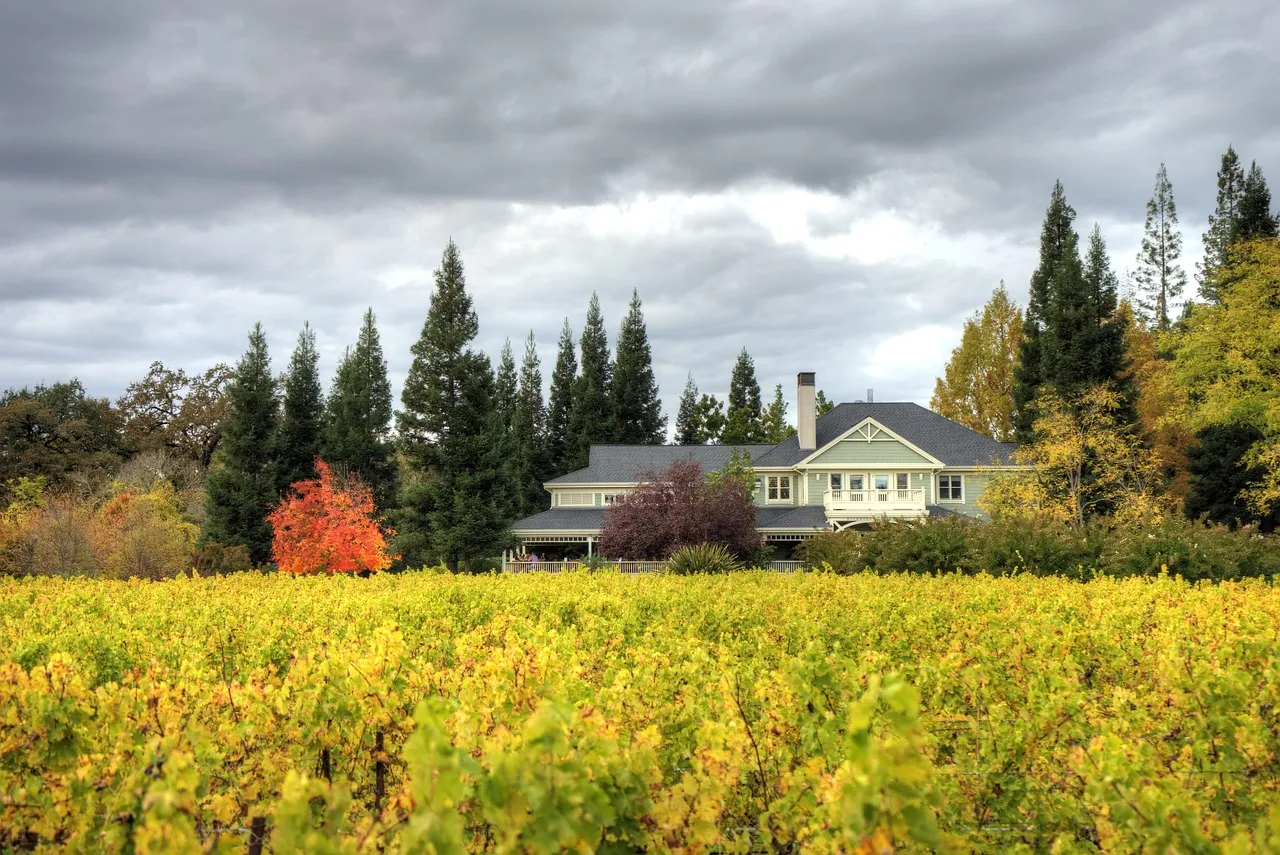
Oregon’s Willamette Valley is celebrated for its more than 700 wineries, and in addition to wine grapes, there are over 170 other crops produced in the region. Family-run farms and vineyards there have given rise to farm-to-table restaurants, craft breweries and distilleries, local markets, and food trails. Sustainability here isn’t a marketing angle – it’s built into the legal and cultural framework of how many estates operate.
Left Coast Estate is a family-owned and operated winery and vineyard specializing in sustainable, all-estate wines, striving to be good stewards of the land through ecological restoration and sustainable farming practices. Certified sustainable through LIVE, the estate maintains over 200 acres of ecological compensation areas including more than 100 acres of old growth white oak forests – some oaks up to 450 years old – and has partnered with the US Department of Fish & Wildlife to restore these forests under long-term conservation care.
Champagne, France: Small Growers Redefining the Region’s Identity
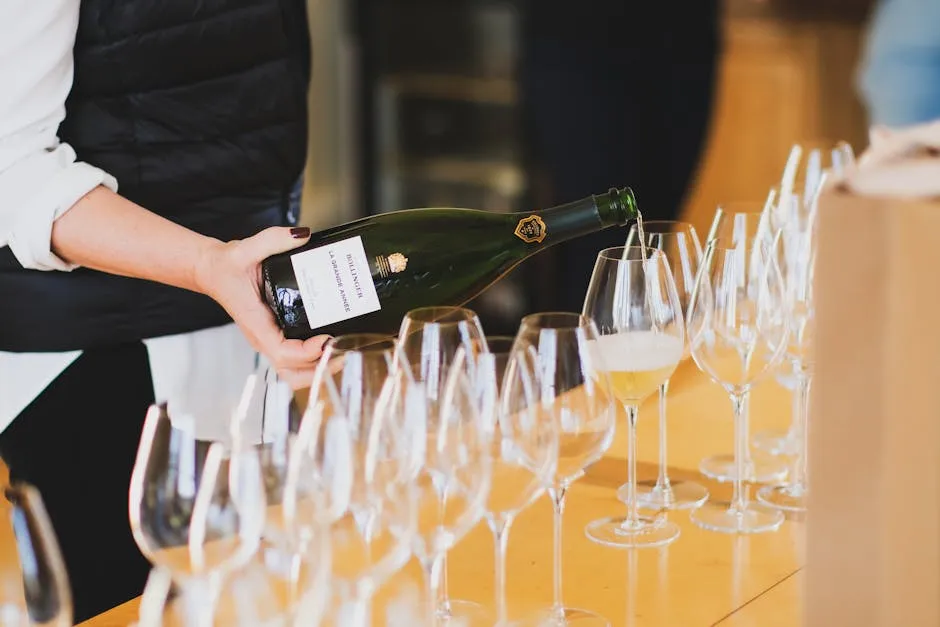
Visiting family-owned vineyards in Champagne offers the rare opportunity to walk the land with those cultivating it. Often, these family-run estates have been farming the same plots for centuries, giving them an intimate understanding of the land and its nuances. The shift toward small grower Champagne producers has accelerated in recent years, and sustainability is often what distinguishes them from the large houses.
Family-owned Champagne estates are often at the forefront of sustainable farming and winemaking, with many smaller producers embracing organic or biodynamic practices and emphasizing the preservation of their land for future generations. Champagne is a popular destination for tourists due to its proximity to Paris, and while famous houses can be overcrowded especially during peak seasons, family-owned vineyards offer a refreshing respite – smaller estates tend to attract fewer visitors, allowing for a less-rushed, calmer, and more intimate experience. France counts roughly 10 million wine tourists annually, with around 5.2 billion euros in income tied to wine tourism activities.
What’s Driving the Broader Shift Toward Sustainable Wine Tourism
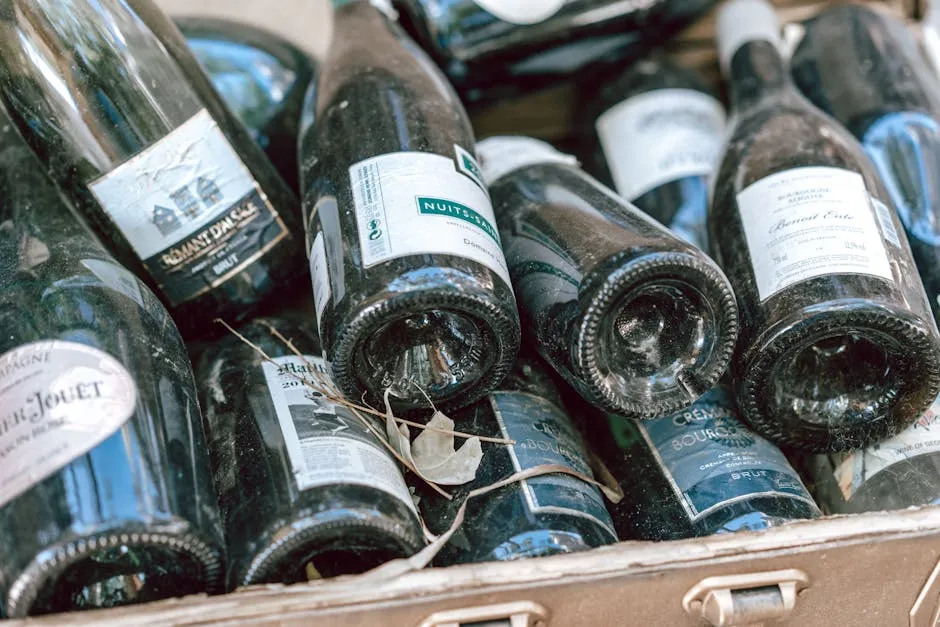
Roughly 60% of millennial and Gen Z consumers are willing to pay extra for eco-friendly wine products and experiences. That consumer pressure is reshaping investment priorities across the sector. Wine tourism is increasingly focused on authentic, local experiences, with travelers gravitating toward smaller, family-run wineries that offer a taste of local culture and traditions, coupled with a farm-to-table culinary experience. This trend is about more than just wine – it’s about community engagement, ethical perception, and connecting more deeply with the local environment.
Sustainability has become a core value proposition, with wineries adopting organic and biodynamic practices, water conservation measures, and renewable energy use to appeal to environmentally conscious tourists. Consumers are now seeking more than just sustainability accreditation from wine brands – they want clear communication about progress toward sustainability goals and the impact on the local environment and community, indicating a shift toward more transparent and accountable practices.
The Economics: Why Sustainability Makes Business Sense

Two out of three wineries describe their tourism activities as profitable or very profitable, with around 25% of total winery revenue now stemming from tourism, including direct sales. For small family operations, this is not a trivial figure. Wineries emphasize that tourism strengthens brand visibility and builds long-term relationships, while on a regional scale, wine tourism stimulates employment, supports local identity, and contributes to sustainable rural development.
Wine tourism has grown significantly over the past decade, becoming a dynamic and profitable part of the global wine industry, contributing to sustainable development by diversifying rural economies, creating jobs, and preserving cultural and natural heritage. The wine tourism market is forecast to expand from USD 108.3 billion in 2025 to USD 358.6 billion by 2035, at a projected annual growth rate of 12.7%. For family estates that have long prioritized the land over volume, that economic trajectory is validation of a long-held philosophy.
What Visitors Can Do to Support Sustainable Family Wineries
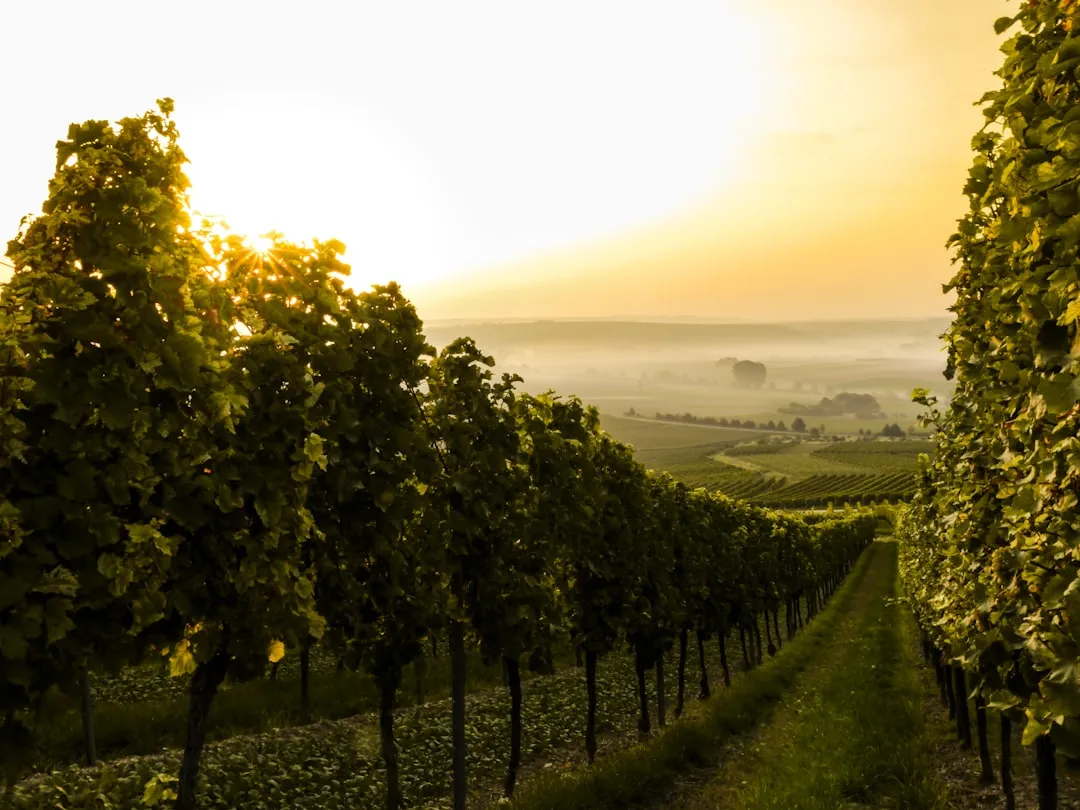
Travelers increasingly gravitating toward smaller, family-run wineries are also making a choice about where tourism dollars land – supporting local culture and farm-to-table experiences rather than feeding large commercial operations. That connection is real and consequential. Visitor expectations are shifting toward deeper and more meaningful experiences, reflecting a desire for immersive encounters that connect visitors emotionally with the people and stories behind the winery.
Sustainable wine tourism, deeply rooted in local culture and environment, fosters community participation, which is essential for its advancement, and supports rural development by creating jobs, boosting local product sales, enhancing regional tourism infrastructure, and stimulating investment across sectors. Choosing a family estate over a mass-market tour, asking your host about their farming practices, and buying directly from the cellar door – none of it is complicated, but all of it adds up. The most sustainable glass of wine is often the one poured by someone who can tell you exactly which row of vines it came from.
AI Disclaimer: This article was created with the assistance of AI tools and reviewed by a human editor.