
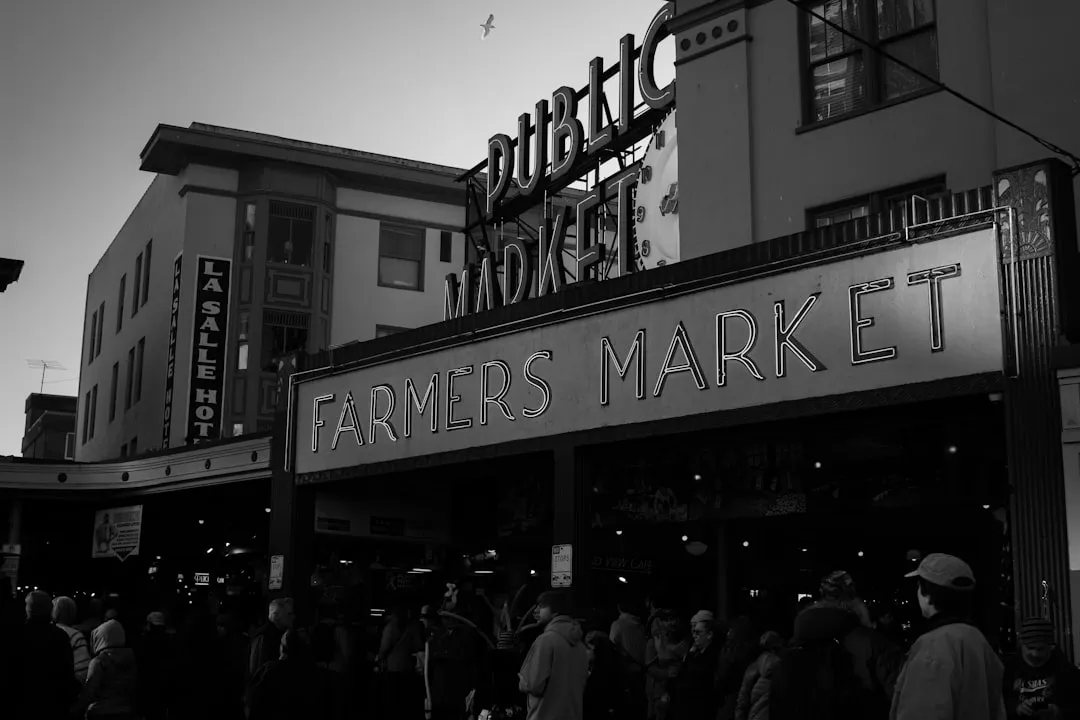

There’s a version of travel where you visit a city’s landmarks, take photos, and leave knowing exactly what you saw on the brochure. Then there’s the version where you wander into a covered market at eight in the morning and end up eating something you can’t name but will think about for years. Historic food markets occupy a rare space in how we experience places. They aren’t built for tourists, even when tourists flood them. They were built to feed people.
Food and culinary experiences are increasingly becoming an integral part of travel and tourism, and as travelers look for new and authentic ways to experience local culture, food travel continues to open up new opportunities. These seven markets are proof that the best way to understand a city is through what it chooses to eat.
La Boqueria, Barcelona, Spain
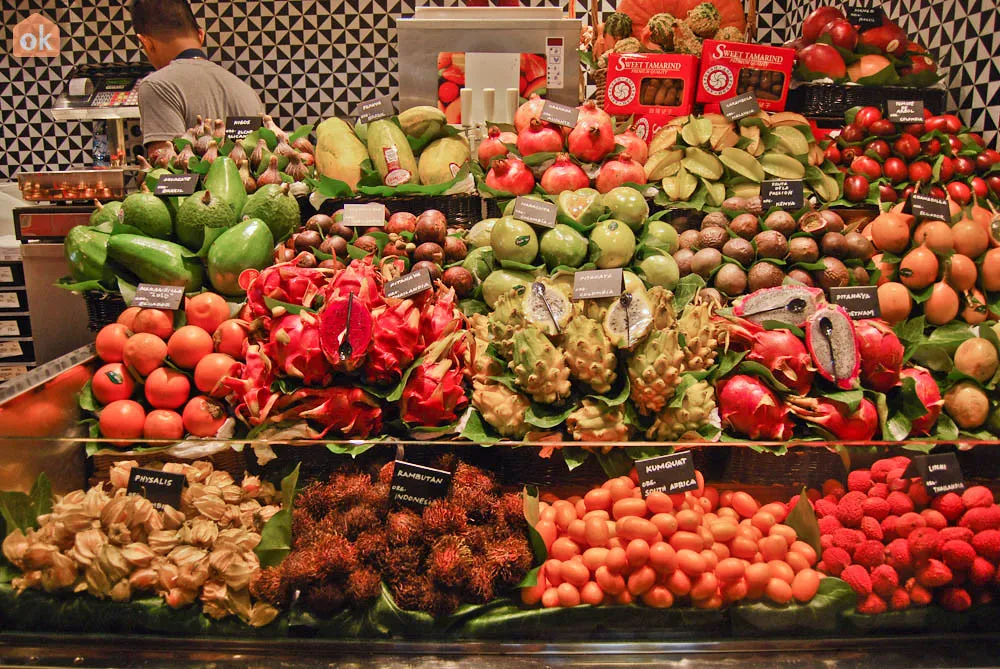
The current building dates from 1836, but La Boqueria’s commercial function dates back to the 12th century. On the area of the Pla de la Boqueria, an open-air street market was established where farmers and traders from surrounding villages came together to sell their products, set up outside the city walls to avoid taxes on bringing goods into the city.
Officially known as the Mercat de Sant Josep, built on a former monastery site, La Boqueria is home to more than 300 stalls renowned for selling some of the freshest produce, including meats, vegetables, cold cuts, sweets, and seafood. It is Barcelona’s biggest food market, with around 40,000 visitors a day.
Most of La Boqueria’s top food stalls are owned by fourth and fifth generation heirs. Early morning visits are recommended to enjoy a calmer environment and fresher offerings. The jamón ibérico de bellota and fresh seafood tapas remain the true signatures of this market, alongside the vivid fruit smoothie stalls that line the entrance.
Pike Place Market, Seattle, USA
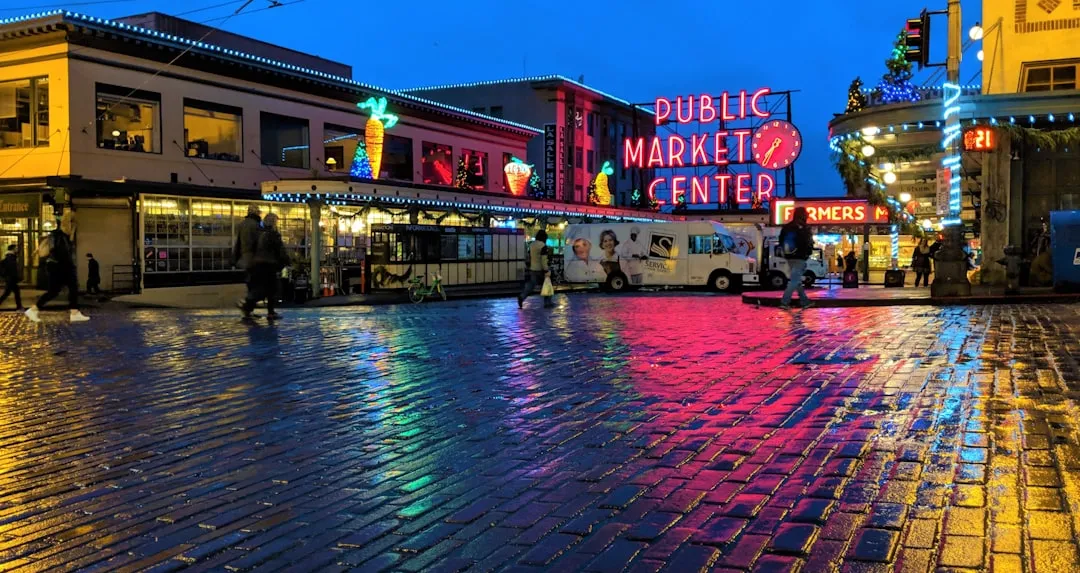
Pike Place Market was officially founded on August 17, 1907, at the top of a planked bluff overlooking the industrial waterfront. It began based on an exorbitant swell in the price of fresh produce; onions jumped from 10 cents a pound to a dollar, farmers were cut out of profits, and both producers and customers were up in arms.
Today the market is the oldest continuously operating public market in the United States, as well as the most historically authentic, and is Seattle’s most popular tourist attraction. The market includes more than 220 independently owned shops and restaurants, over 180 craftspeople, more than 70 farmers, and 60-plus permitted buskers.
Overlooking Elliott Bay, Pike Place Market is known for its flying fish vendors and artisanal products, offering a delightful mix of local produce, baked goods, and handcrafted souvenirs, and it is also a cultural hub with street performers and historic charm around every corner.
Lancaster Central Market, Pennsylvania, USA
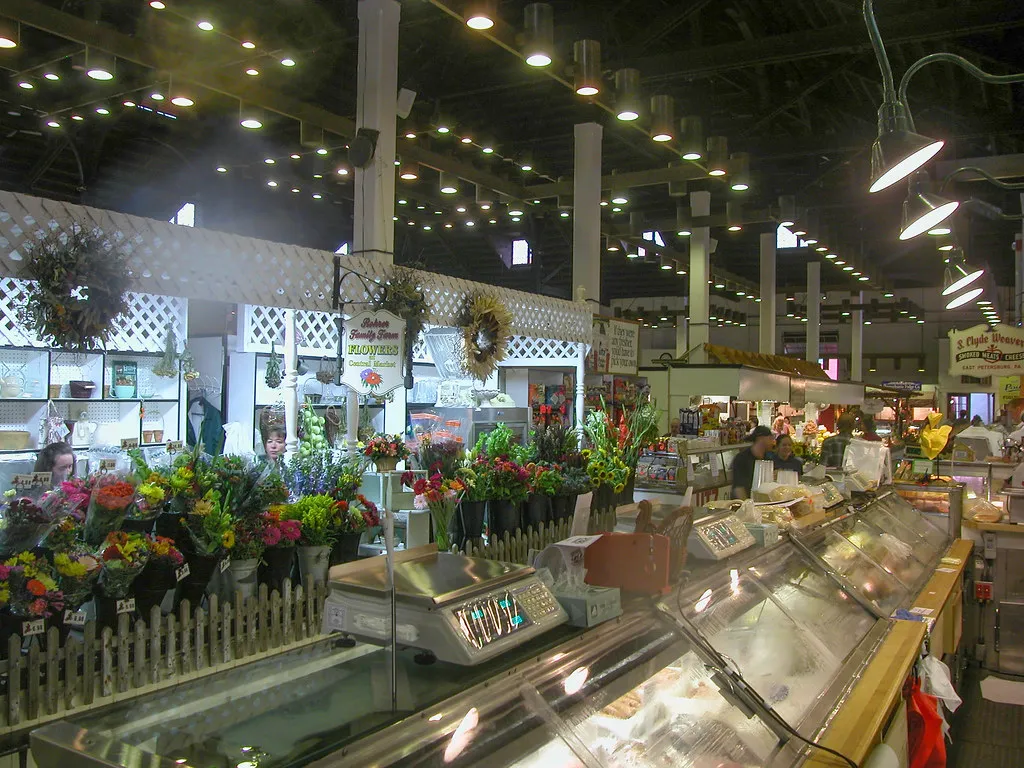
In 1742, King George II of England officially chartered Central Market, bestowing on Lancaster the status of a “royal market town,” a coveted title and a longstanding tradition dating to medieval times. The building known today as Central Market wasn’t built until 1889, nearly 160 years after the market itself was founded.
Food and Wine recently ranked Lancaster Central Market number one on its list of America’s most historic markets. Since 1730, generations of shoppers have wandered its aisles, now filled with 70 vendors offering everything from global street foods to traditional Pennsylvania Dutch recipes and pasture-raised meats.
With more than 60 vendors offering food options from local classics to international favorites, Central Market has been a cornerstone of Lancaster’s food scene for generations, with literally thousands of shoppers visiting each week. It’s the kind of place where vendors know their regulars by name, and that dynamic is still very much alive.
Borough Market, London, UK
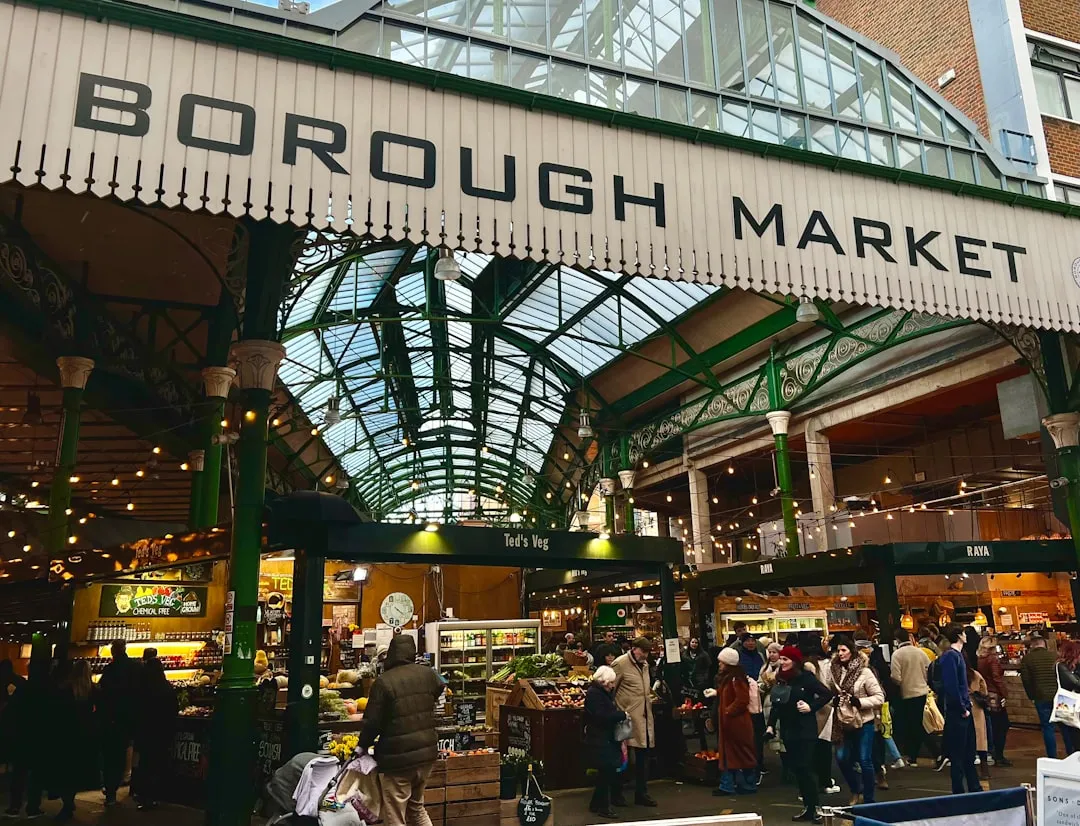
Borough Market is a staple in London’s urban fabric. Located in Southwark on 8 Southwark Street, this market has been around since the 13th century and is notable for its rich history and stunning Victorian architecture.
Found under Victorian railway arches, Borough Market is London’s premier destination for gourmet food, home to a community of artisanal vendors offering everything from handmade cheeses and baked goods to global street food, with a focus on high-quality, sustainable produce that makes it a favorite for both chefs and everyday food lovers.
With its charming, historic ambiance and diverse range of goods, Borough Market is a favorite spot for both locals and international tourists, and it is also a popular filming location, having appeared in famous films such as “Bridget Jones’s Diary” and “Harry Potter and the Prisoner of Azkaban.” The market is twinned with La Boqueria in Barcelona, reflecting the shared values both markets hold around food culture and community.
Tsukiji Outer Market, Tokyo, Japan
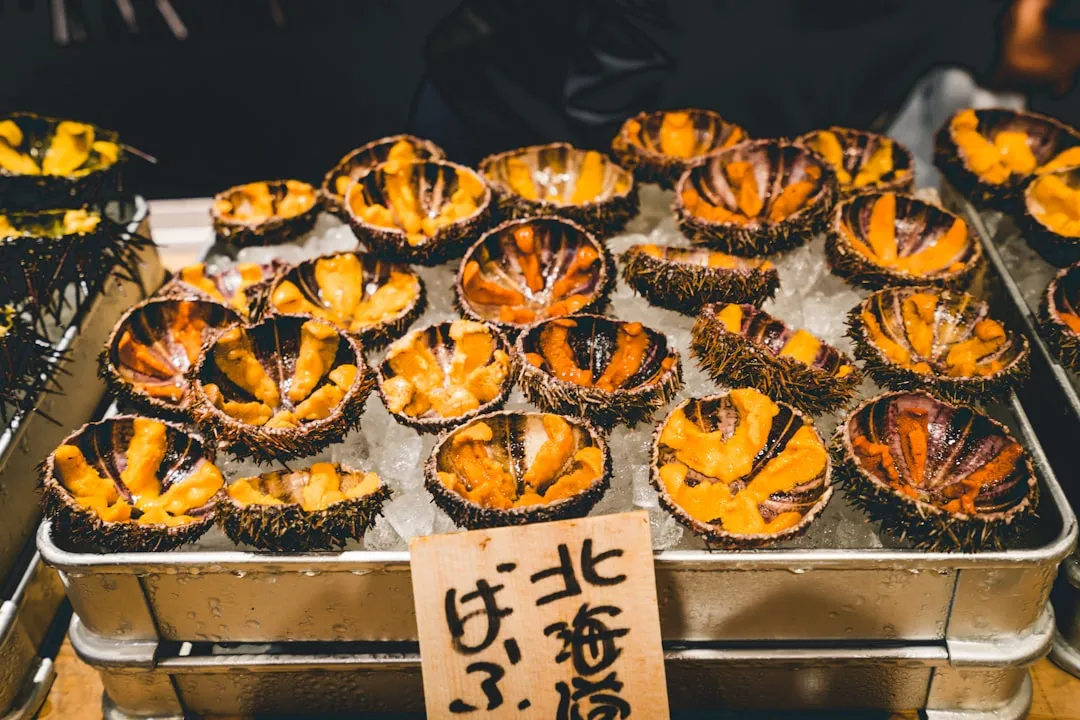
In 1923, the Great Kanto Earthquake caused widespread devastation across Tokyo, destroying the Nihonbashi Fish Market, which led to its relocation to Tsukiji, opening for business in 1935. You can still get a sense of this history, with several buildings more than 80 years old.
The wholesale market of Tsukiji, also known as the “inner market” and famous for its tuna auctions, closed on October 6, 2018 and moved to a new site in Toyosu. Tsukiji’s outer market with its many shops and restaurants did not close and remains in business. The market once handled more than 480 different kinds of seafood as well as 270 types of other produce, ranging from cheap seaweed to the most expensive caviar, and from tiny sardines to 300-kilogram tuna.
Tsukiji’s outer market remains a bustling and thriving area of approximately 460 shops. Visit before noon to join the throngs of hungry shoppers scouring the streets for the best breakfast sushi, or grab a snack, as hot tamagoyaki on sticks are a local favorite.
Chatuchak Weekend Market, Bangkok, Thailand
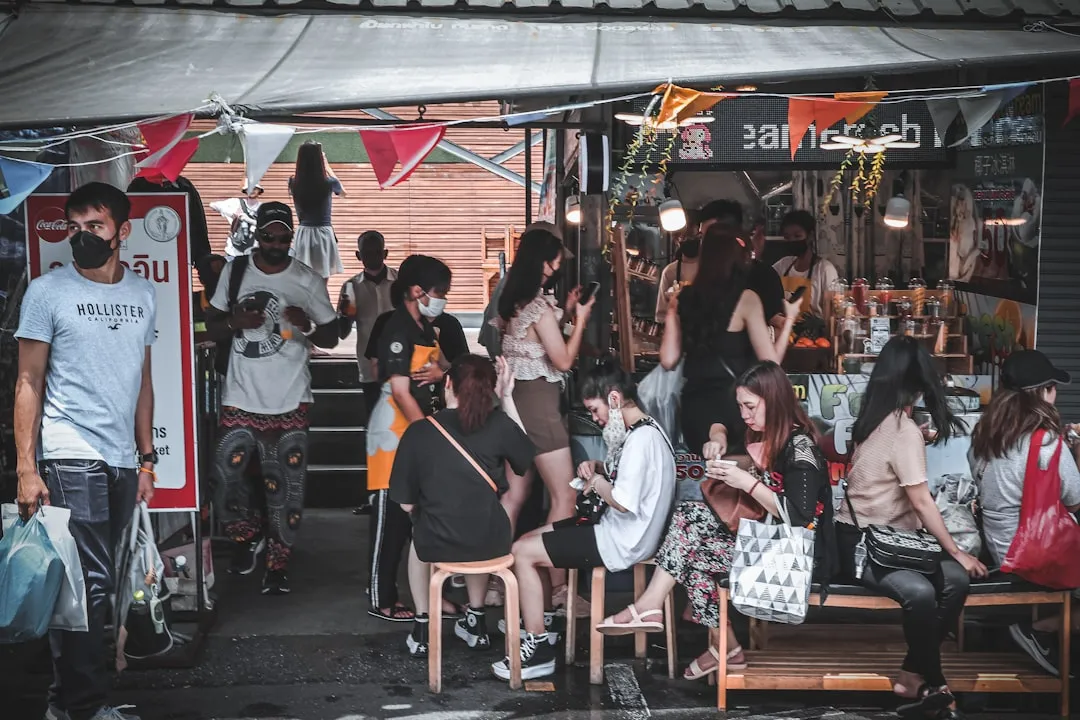
Chatuchak Market in Bangkok is renowned as the world’s largest weekend market. Spanning 35 acres, this bustling marketplace boasts over 15,000 stalls, and each weekend it attracts over 200,000 visitors.
With 15,000 stalls set up across 35 acres, exploring Chatuchak is a marathon, not a sprint. Every weekend, about 200,000 people visit the market to pick up fresh produce, clothing, accessories, and home goods, and bartering is part of the deal. Popular culinary delights include khao man gai (chicken and rice), khao moo daeng (red pork with rice), pad thai, and mango sticky rice.
Chatuchak is a shopping paradise offering everything from trendy clothes and antiques to exotic pets and traditional Thai food, and it is more than just a market, it is an experience of Thai life, color, and energy in one sprawling labyrinth of local commerce. Arriving early is the move, especially in the warmer months when the midday heat makes long exploration uncomfortable.
Jemaa el-Fna, Marrakech, Morocco
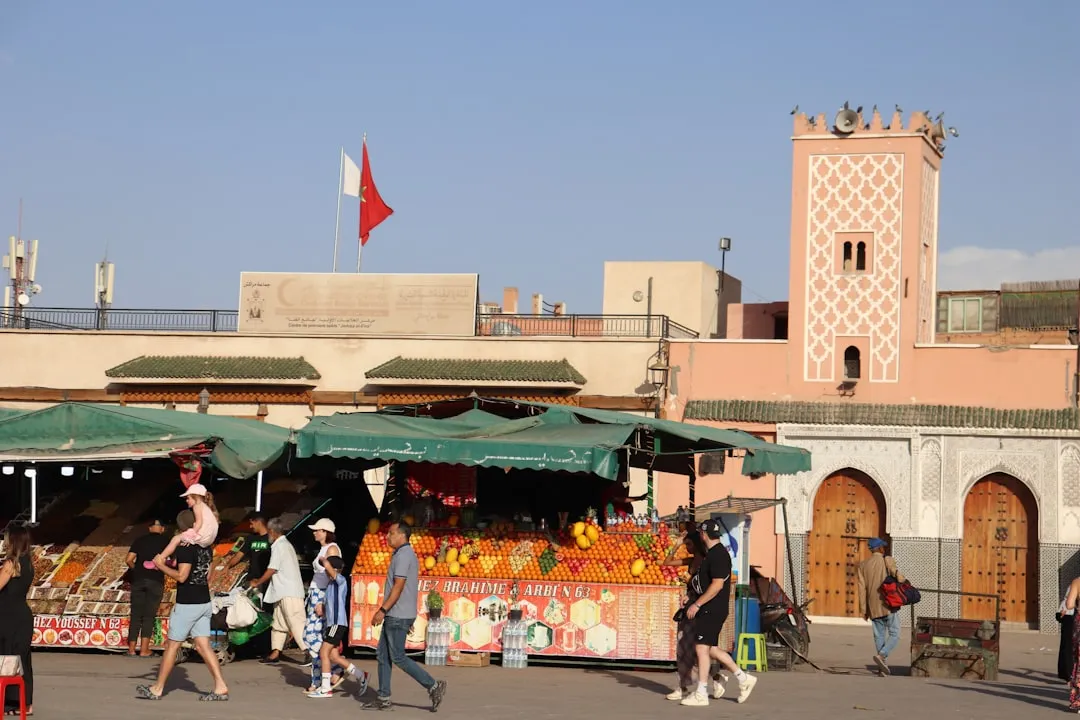
Any traveler visiting Morocco must stop by the famous Jemaa el-Fna square market. This square is the heart of Marrakech, a gathering place for snake charmers, monkey trainers, and street vendors during the day, and as night falls, the square transforms into a vibrant marketplace filled with stalls, storytellers, magicians, and traditional medicine sellers.
The market becomes livelier as more food stalls open, and this is when it reaches its peak of excitement and crowds. In Morocco, Jemaa el-Fna is the place for spiced lamb, tagines, and sweet mint tea. The square is a UNESCO-recognized piece of intangible cultural heritage, acknowledged as a space where oral tradition and living culture are kept alive nightly.
Dozens of open-air cook stations produce harira soup, merguez sausages, and fresh-grilled fish under clouds of fragrant smoke. The scale of it, and the sheer noise of vendors calling out, musicians playing, and crowds pressing through, makes it unlike any other food experience on this list. It is not a polished market. That is entirely the point.
What These Markets Share
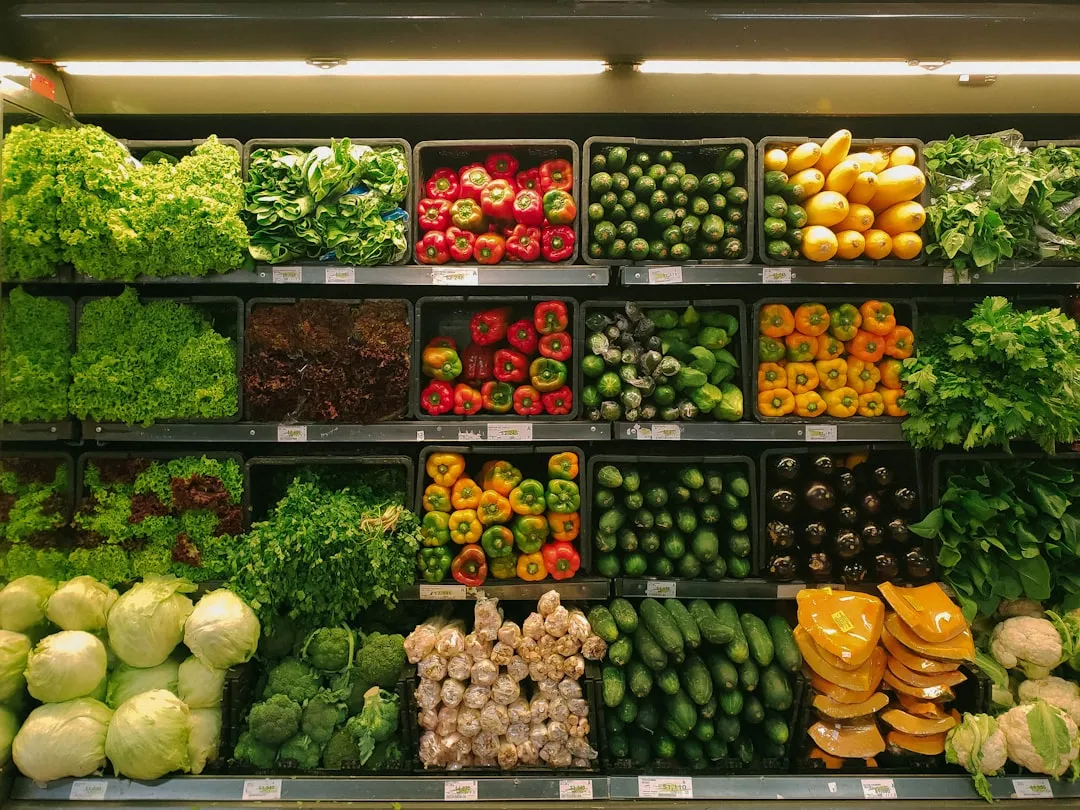
A key factor driving food tourism is the increasing demand for authentic local culinary experiences. Travelers today are not satisfied with standard tourist attractions; they seek deeper connections with the culture of their destinations, with authentic food experiences allowing them to engage with a place’s heritage and traditions.
Traveling to new places is no longer just about sightseeing but also tasting diverse foods that tell the story of culture. People want authentic cooking experiences that allow them to peek into how local communities cook and eat, which provides a deeper feeling of immersing into a destination and connecting with locals on a more human level.
Each of the seven markets on this list has survived urban development, war, changing economies, and shifting consumer habits. That kind of longevity is not accidental. It reflects the way food markets are woven into the social fabric of the places they serve, as daily rhythms, meeting points, and living archives of a city’s taste and memory.
How to Navigate Historic Markets Like a Local
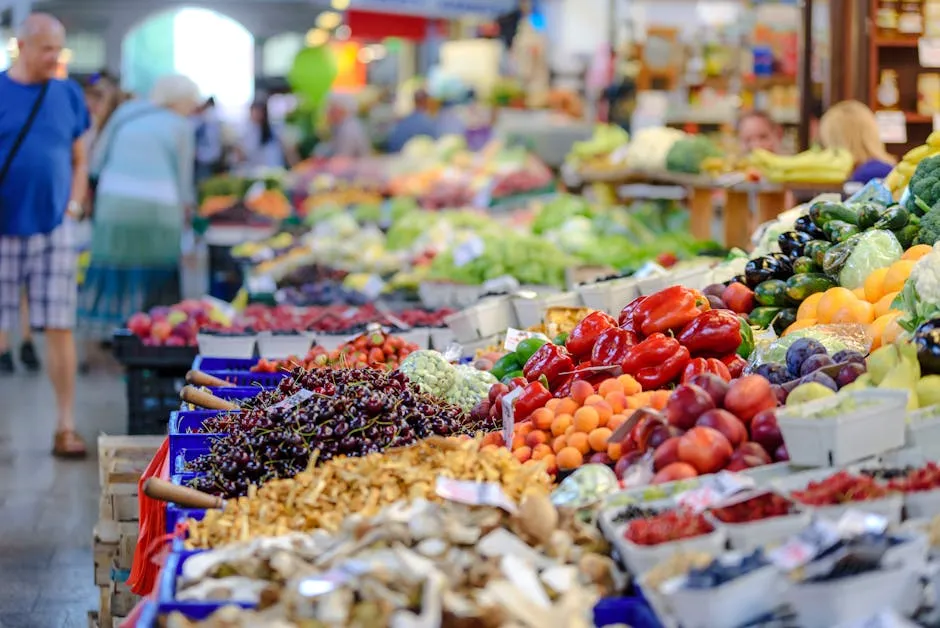
The most common mistake at any of these markets is arriving too late. The vendors who serve the local trade are often packed up and gone well before midday. Morning hours mean fresher produce, shorter queues, and a crowd that actually lives nearby rather than one that arrived on a tour bus.
Skipping the front stalls is equally important. At every market on this list, the most tourist-facing vendors tend to occupy the most visible positions. Moving deeper into the market, past the obvious photo spots, is where the more interesting and often more affordable food tends to be found.
Carrying cash, being patient, and eating at the counter rather than packing something to go will consistently produce a better experience. These markets were designed for people who take their time.
Why These Markets Still Matter in 2026
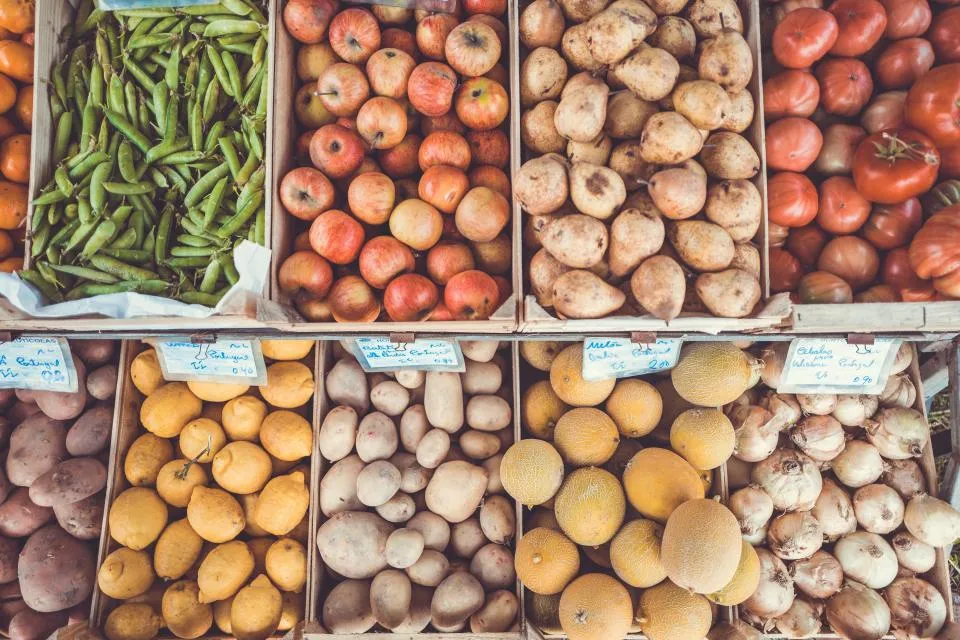
Food tourism, often called culinary tourism, refers to traveling with the primary purpose of exploring local cuisine, food culture, and authentic dining experiences. The global food tourism market was valued at USD 3.2 billion in 2024 and is projected to expand at a compound annual growth rate of 10.3 percent.
This trend goes beyond traditional restaurant dining, offering activities such as visits to local food markets, with immersive food tours where travelers not only taste local specialties but also learn about the history, production, and sourcing of ingredients becoming increasingly popular.
Historic markets are not relics. They are among the most economically and culturally active spaces in the cities they inhabit, and the interest in them continues to grow. In an age of delivery apps and curated dining experiences, there’s something quietly radical about a place where food is still handled by people who grew it, caught it, or made it by hand. That’s not nostalgia. That’s just a better way to eat.
Planning Your Visit
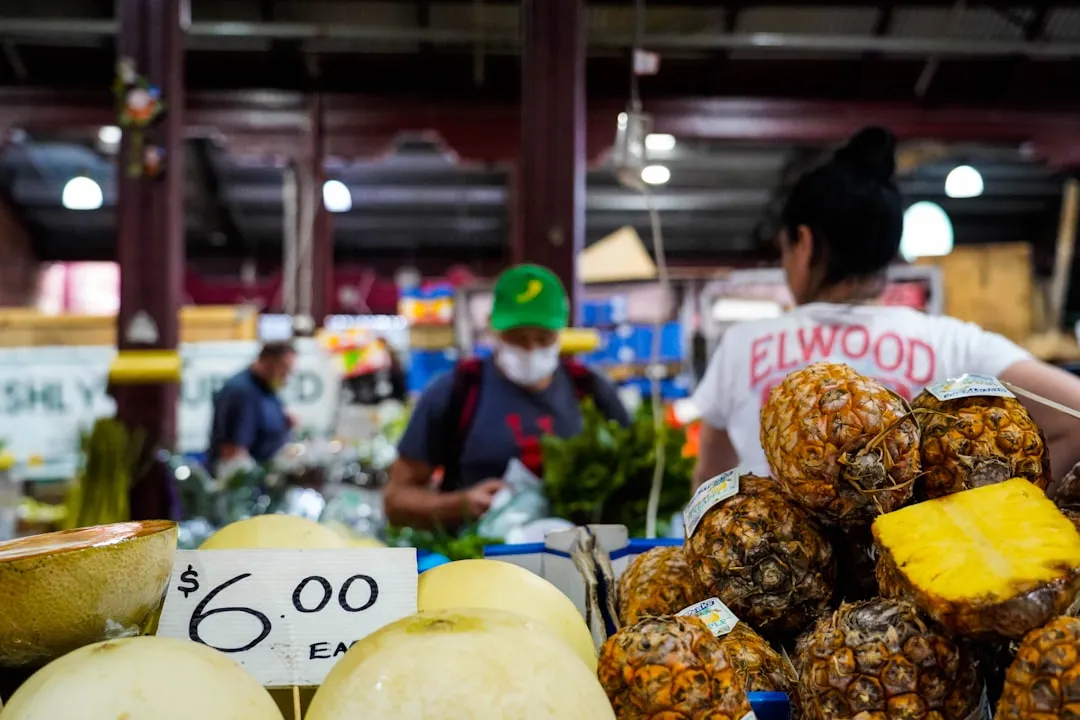
Most of these markets operate on partial schedules, which is worth checking before you travel. Tsukiji’s outer market is generally closed on Sundays and some Wednesdays. Chatuchak is a weekend-only experience. Lancaster Central Market runs on Tuesdays, Fridays, and Saturdays. Borough Market closes on Sundays and Mondays. Getting the timing right makes a genuine difference.
None of these markets require a guide or a tour. Walking in with nothing but curiosity and an appetite is usually enough. The vendors are often more than happy to tell you what you’re eating and where it came from, provided you show genuine interest rather than treating the stall as a backdrop for a photograph.
The meals you’ll remember longest from any trip are rarely from restaurants. They tend to come from a stool at a market counter, in the middle of the morning, with no particular plan in mind.
AI Disclaimer: This article was created with the assistance of AI tools and reviewed by a human editor.