
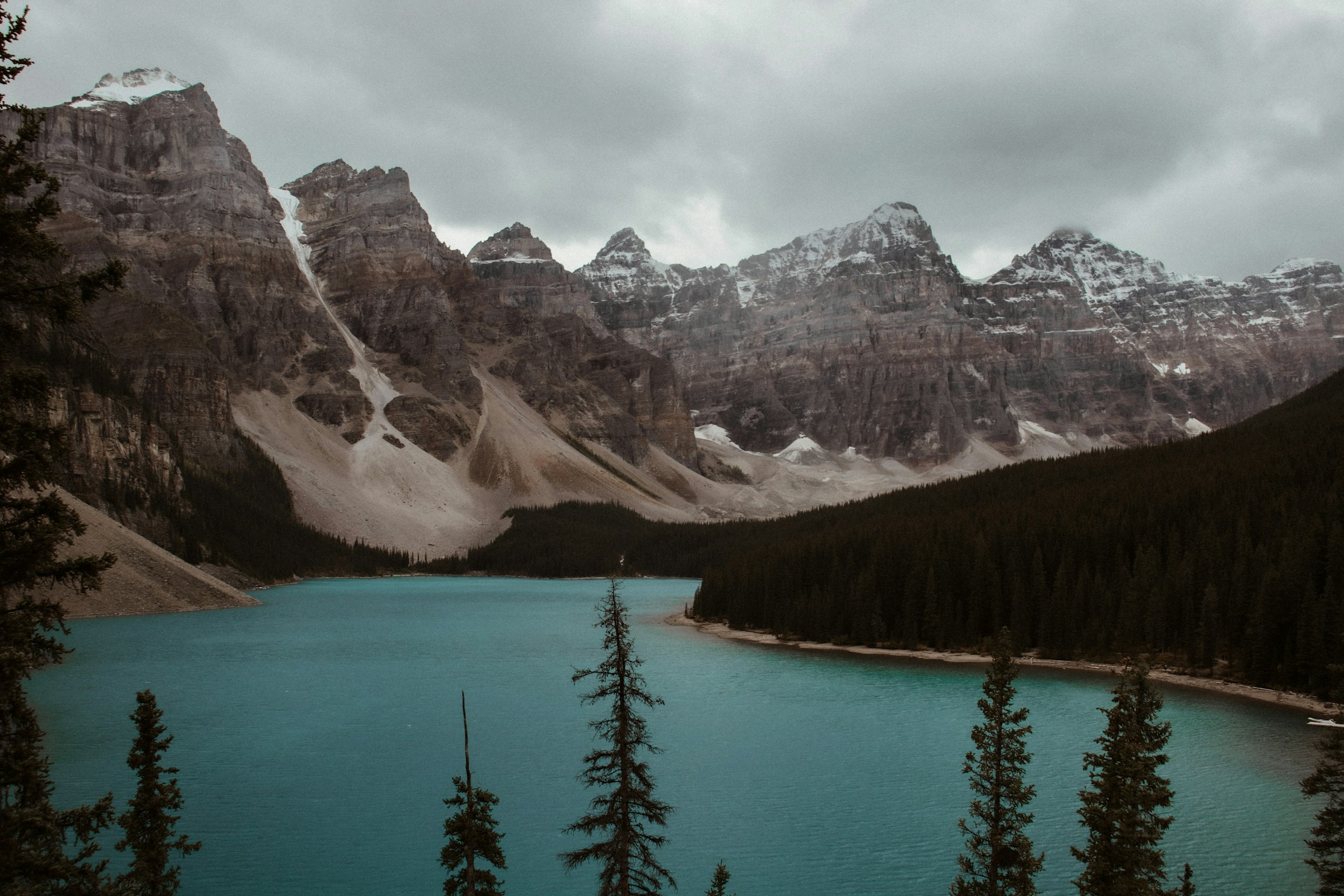

Canada doesn’t quietly sit in the background of global travel. It commands attention – through raw scale, extraordinary diversity, and a quieter kind of beauty that rewards patience. Stretching from the Pacific shores of British Columbia all the way to the Atlantic coastline of Nova Scotia and Newfoundland, it covers nearly ten million square kilometers of some of the most varied terrain on Earth.
What makes a coast-to-coast journey through Canada genuinely remarkable isn’t just the scenery. It’s the way the country shifts – in culture, landscape, cuisine, and pace – almost every time you cross a provincial border. Whether you travel by rail, road, or a careful combination of both, Canada keeps revealing new reasons to slow down and look more closely.
1. The Scale of the Landscape Is Hard to Fully Comprehend
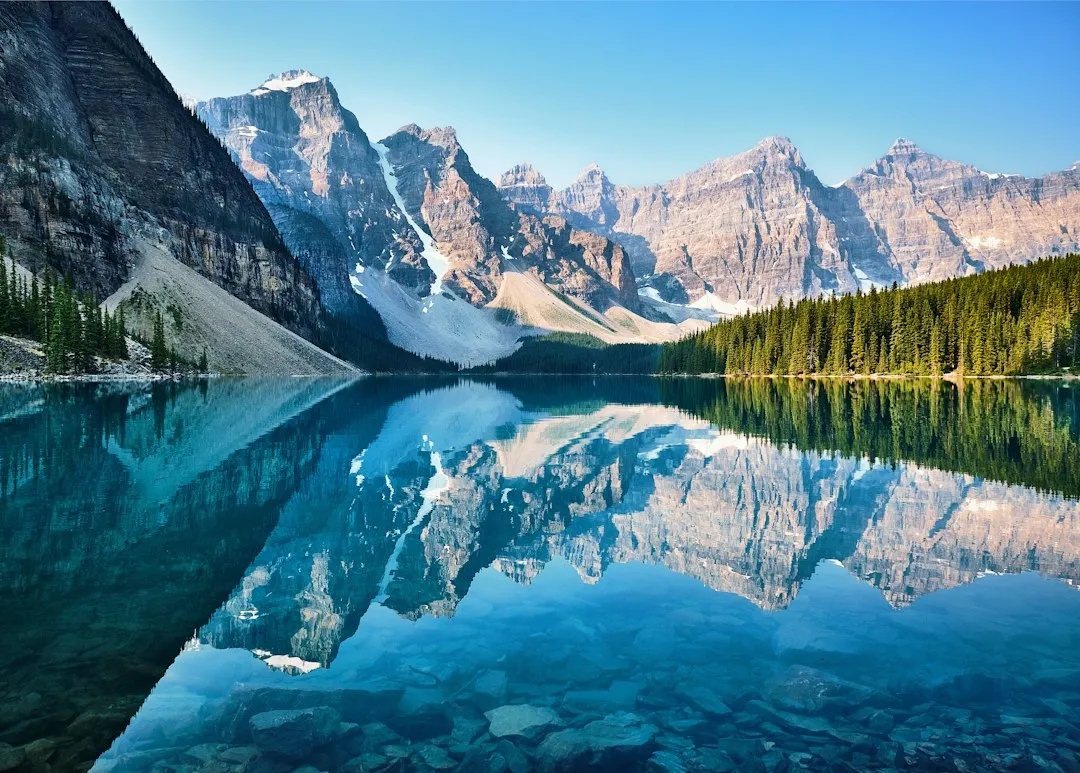
Canada is the world’s second-largest country, and a full overland journey from the Pacific Coast to the Atlantic is one of the most expansive travel experiences available anywhere on the planet. The sheer range of what you encounter along the way is staggering. Starting in Vancouver, a coast-to-coast route takes travelers through jaw-dropping Rocky Mountains, rushing rivers, glacial lakes, and pristine forests before crossing the vast plains and grasslands of the interior.
Wide, well-maintained roads carve through remote and uncompromised wilderness, allowing travelers to skirt the icy feet of glaciers, wind through forests populated by foraging megafauna, and explore storm-sculpted coastlines where ocean waves are plied by migrating cetaceans. No other country on Earth packages these transitions quite so dramatically.
2. The National Parks System Is Among the Best in the World
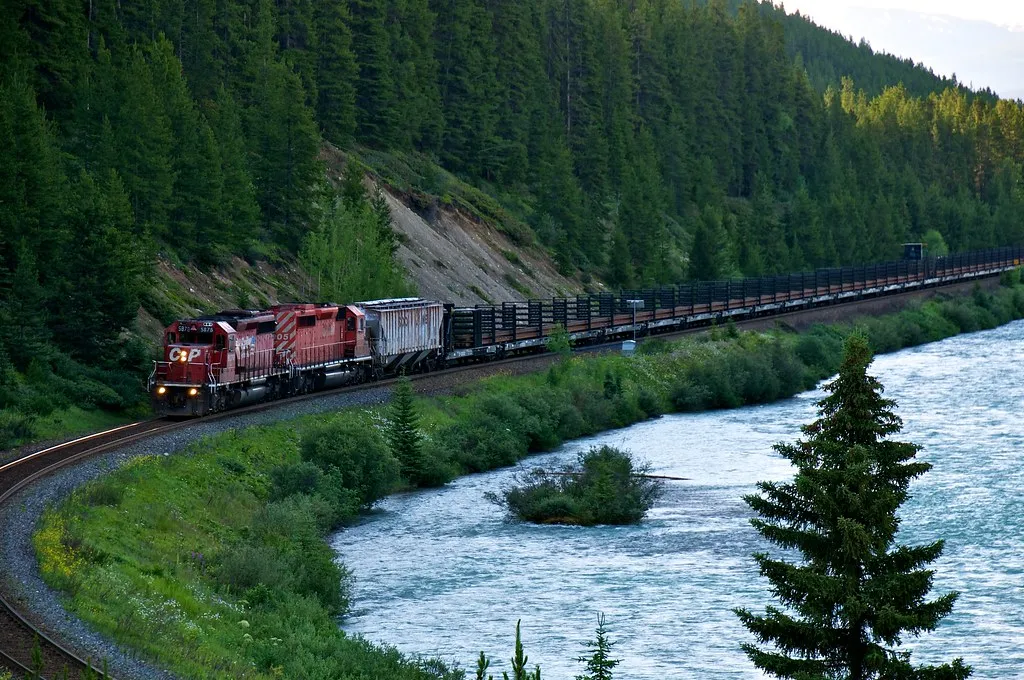
Canada has 39 national parks and eight national park reserves, with British Columbia alone accounting for seven of them – more than any other province. These parks span everything from coastal rainforests and towering mountain ranges to boreal wetlands and ancient volcanic rock. In 2024/25, over fifteen million people visited Canada’s national parks, with Banff National Park drawing more than four million visitors on its own.
Notably, around ninety-three percent of visitors to Canada’s national parks report enjoying their experience. That’s a remarkable satisfaction rate by any measure. The parks themselves are carefully stewarded, and responsible visitor guidelines have helped preserve ecosystems that would otherwise face serious pressure from rising tourist numbers.
3. The Indigenous Cultural Experiences Are Deeply Meaningful

Indigenous tourism is growing globally, with the World Travel and Tourism Council projecting it will add sixty-seven billion dollars to the global travel economy by 2034, and Canada is considered the world leader in this space, where 1.8 million people identify as First Nations, Inuit, or Métis. These communities are not museum artifacts – they’re vibrant, living cultures actively sharing their histories, food, and knowledge with the world.
The Indigenous culinary movement is gaining real momentum in Canada, with First Nations, Inuit, and Métis chefs reclaiming traditional foodways and bringing them to broader audiences. The federal government has backed this growth through a twenty-million-dollar Indigenous Tourism Fund investing in both large and small Indigenous-led projects across the country. Travelers across every province can now find meaningful Indigenous-led experiences, from guided wilderness immersions in Manitoba to cultural centres in British Columbia and aurora-viewing ranches in Yukon.
4. The Train Routes Offer Some of the Most Scenic Journeys on Earth
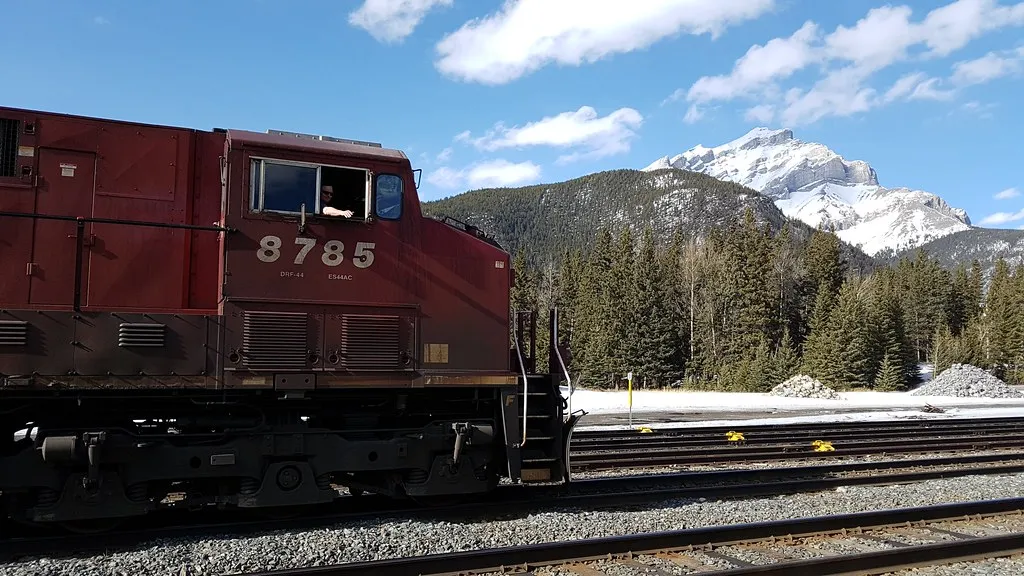
VIA Rail’s transcontinental service known as “The Canadian” has been in operation since 1955 and remains one of the world’s truly great train journeys. The route threads through landscapes that are genuinely inaccessible by any other means. Travelers cross Canada’s heartland aboard a premier transcontinental train, observing sparkling lakes, pristine forests, golden prairies, and winding rivers from refurbished art-deco sleeper and domed observation cars.
A flight from Halifax to Vancouver takes six to seven hours, while the coast-to-coast train journey takes twenty days and showcases seven provinces, two coastlines, vibrant cities, the Canadian Rockies, and some of the country’s most spectacular scenery. That contrast says a great deal about what you gain by choosing pace over speed. The appeal isn’t simply getting from one side of Canada to the other – it’s experiencing the landscapes and wildlife along the way.
5. The Cities Are Genuinely Diverse and Culturally Rich
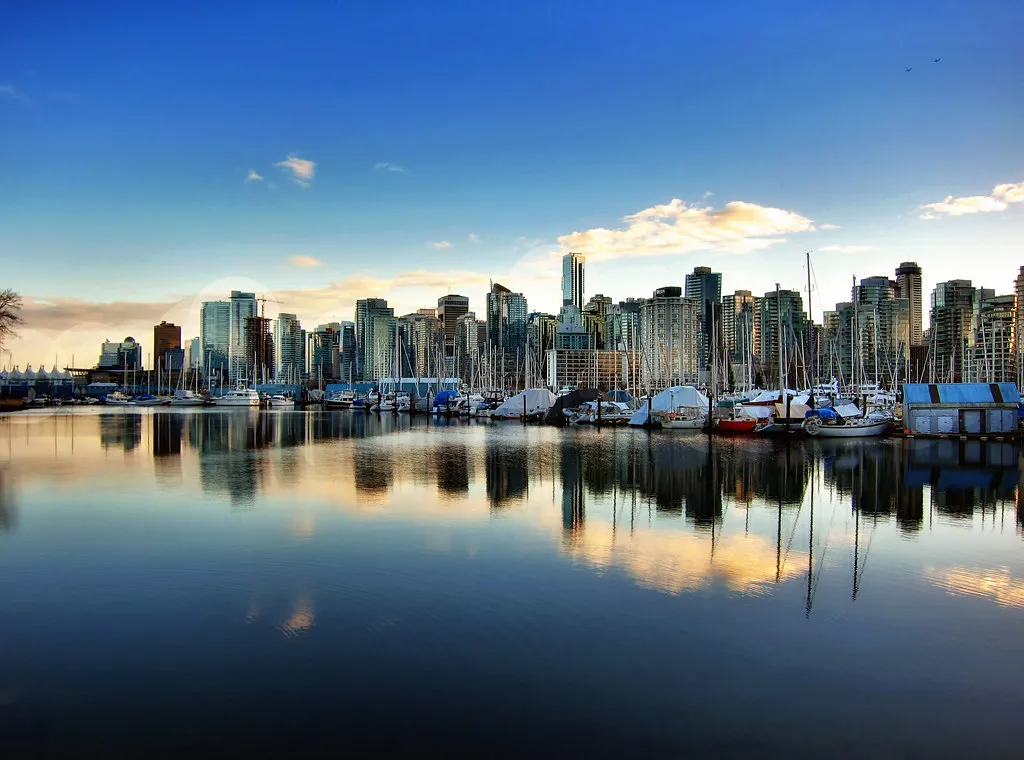
Vancouver is regarded as one of the world’s most desirable places to live, thanks to its charming atmosphere amid the incredible setting of mountains and the Pacific coast. Move eastward and the character of Canada’s cities transforms completely. Toronto is one of the most ethnically diverse cities on Earth, and Montreal carries centuries of French-influenced architecture, cuisine, and civic life that feels distinctly European in texture.
Tourism in Canada supports approximately ten percent of the national labor force, with the sector sustaining nearly 1.8 million jobs and drawing nearly thirty million international trips in 2024. Much of that activity flows through the cities, where food markets, arts institutions, and festival culture have matured considerably in recent years. Tourism and supporting industries contributed over one hundred billion dollars to the Canadian national economy in 2024.
6. Domestic Travelers Have Rediscovered Their Own Country
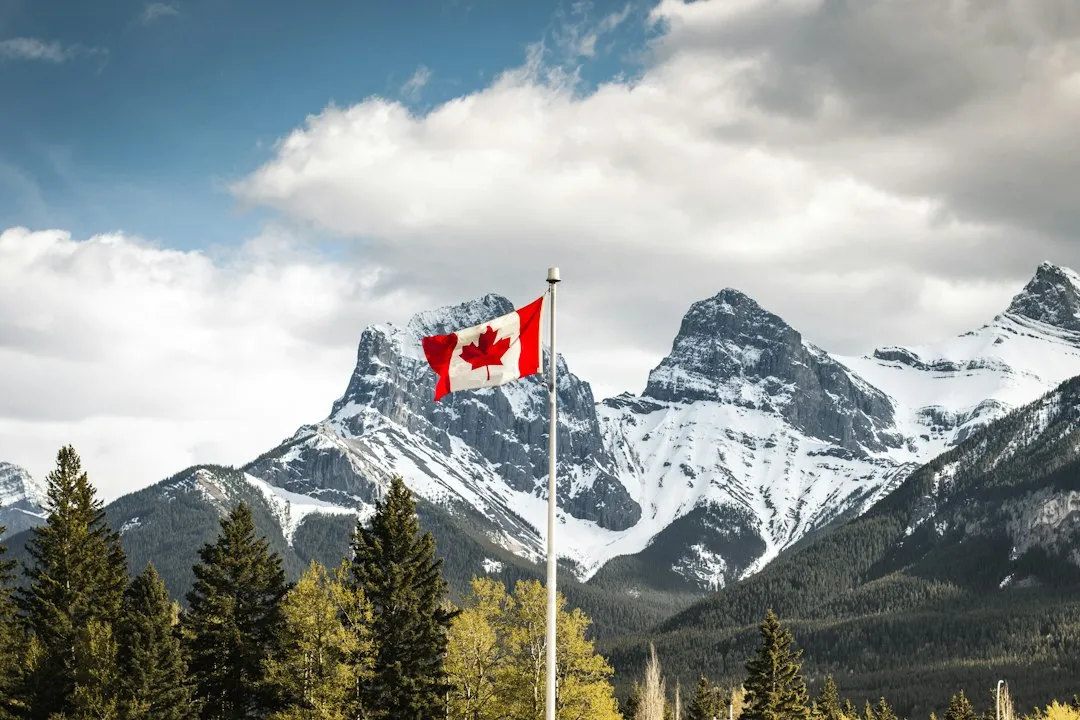
Domestic tourism in Canada is the principal economic driver of the tourism sector, with statistics indicating that in 2024, roughly seventy percent of all tourism spending came from Canadian residents exploring their own country. That’s a significant shift in attitude and one that has quietly strengthened local communities, small businesses, and regional hospitality industries from coast to coast.
Many Canadians are choosing to travel within their own borders, and the effect has been a meaningful boost to domestic tourism across multiple provinces. For international visitors, this matters: it means the infrastructure, accommodation quality, and visitor experience across even smaller Canadian towns has improved considerably in response to growing demand. A country that invests in its own travel culture is always a better destination for those arriving from abroad.
7. The Wildlife Encounters Are Genuinely World-Class
Vancouver Island alone is known for its population of black bears and offers a remarkable blend of culture and wilderness, with both rugged landscapes and charming cities. That combination of accessible wildness and comfortable infrastructure is something Canada does particularly well. Saskatchewan’s wild plains are home to deer, eagles, and occasionally antelope, moose, and bison – species that feel almost mythological to travelers from more densely populated parts of the world.
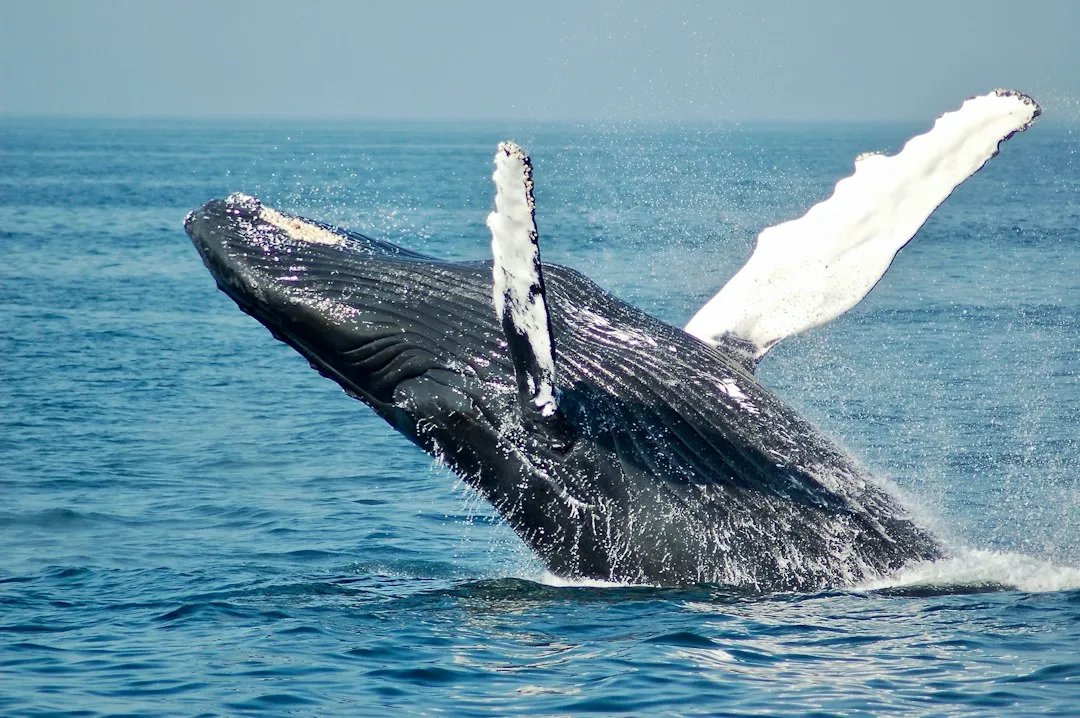
Further east, the marine environments of Atlantic Canada bring their own extraordinary wildlife. Whale watching off the coasts of New Brunswick, Newfoundland, and Nova Scotia puts travelers within reach of humpback, minke, and fin whales during summer and early autumn months. These aren’t curated zoo experiences – they’re encounters with wild animals in genuinely wild spaces, and Canada has worked deliberately to protect them through its national parks framework and marine conservation areas.
The Takeaway
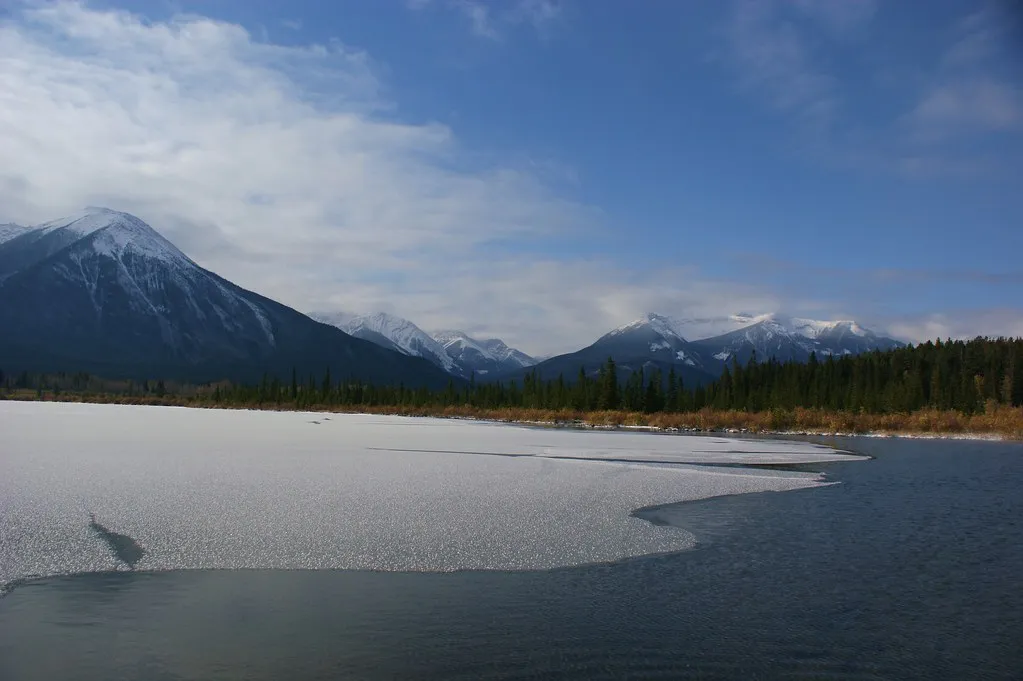
Canada is a country that earns your attention slowly, across distance. No single city or landscape defines it, and that is precisely the point. The rewards of traveling coast to coast accumulate gradually – a glacial lake in Alberta, a Cree-Métis kitchen in Saskatchewan, a fog-wrapped fishing village in Nova Scotia – each one adding something the others couldn’t.
Canada is well-known for its natural spaces, authentic Indigenous experiences, and environmental commitment and stewardship – and these qualities translate directly into the kind of travel that stays with you. The country is big enough to spend a lifetime exploring and still find something genuinely new. That’s not a marketing claim. It’s just geography, culture, and a landscape that doesn’t run out of surprises.
AI Disclaimer: This article was created with the assistance of AI tools and reviewed by a human editor.