
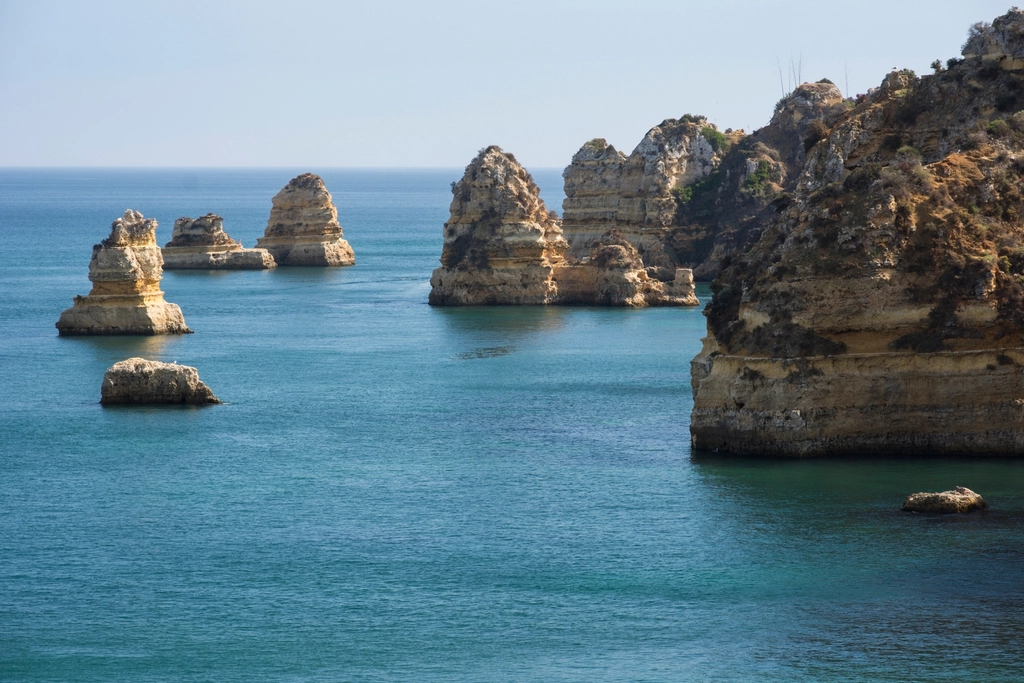

There’s a particular quality of light in Portugal that photographers keep chasing. It falls differently here, softer along the coast, warmer in the Douro Valley, almost golden over Lisbon’s terracotta rooftops. It’s one of those intangible things that draws people back, but the reasons to visit Portugal are anything but vague. They are specific, documented, and increasingly hard to ignore.
The numbers reflect that clearly. The number of non-resident tourists in Portugal reached 29 million in 2024, a 9.3% increase compared to 2023. Something is drawing people here in record numbers, and it isn’t just the light.
A Coastline That Actually Lives Up to the Hype
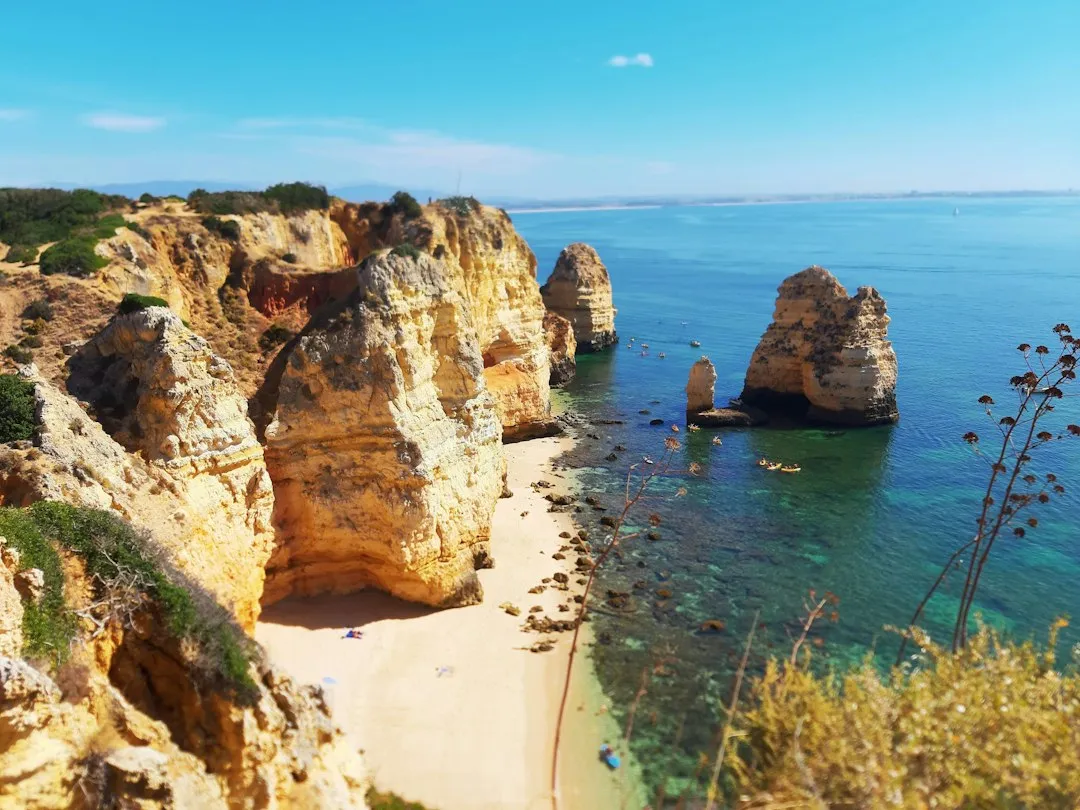
Portugal’s coastline is one of the most decorated in the world when it comes to verified beach quality. From the 2025 Blue Flag Awards, Portugal can now boast over 400 beaches with a Blue Flag, marking an increase of six from the previous year. That’s not a marketing claim. It’s a measurable standard.
The Blue Flag is a prestigious international award given to beaches, marinas, and sustainable boating tourism operators who meet and maintain exacting standards for environmental sustainability, education, safety, and accessibility. In practical terms, it means clean water, lifeguards during the bathing season, and responsibly managed shorelines.
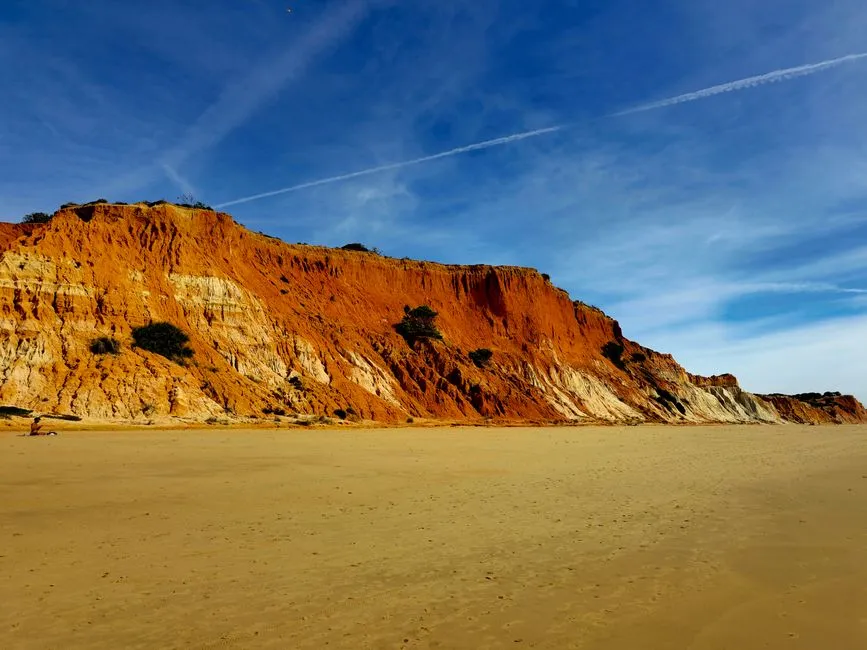
Portugal ranks sixth among the 51 countries that develop the Blue Flag Programme, considering the award-winning locations. The Algarve alone holds the highest concentration, and Albufeira’s stunning Praia da Falésia was hailed the best beach in the world in the 2024 edition of TripAdvisor’s Travelers’ Choice Awards.
Remarkable Value in a Western European Country
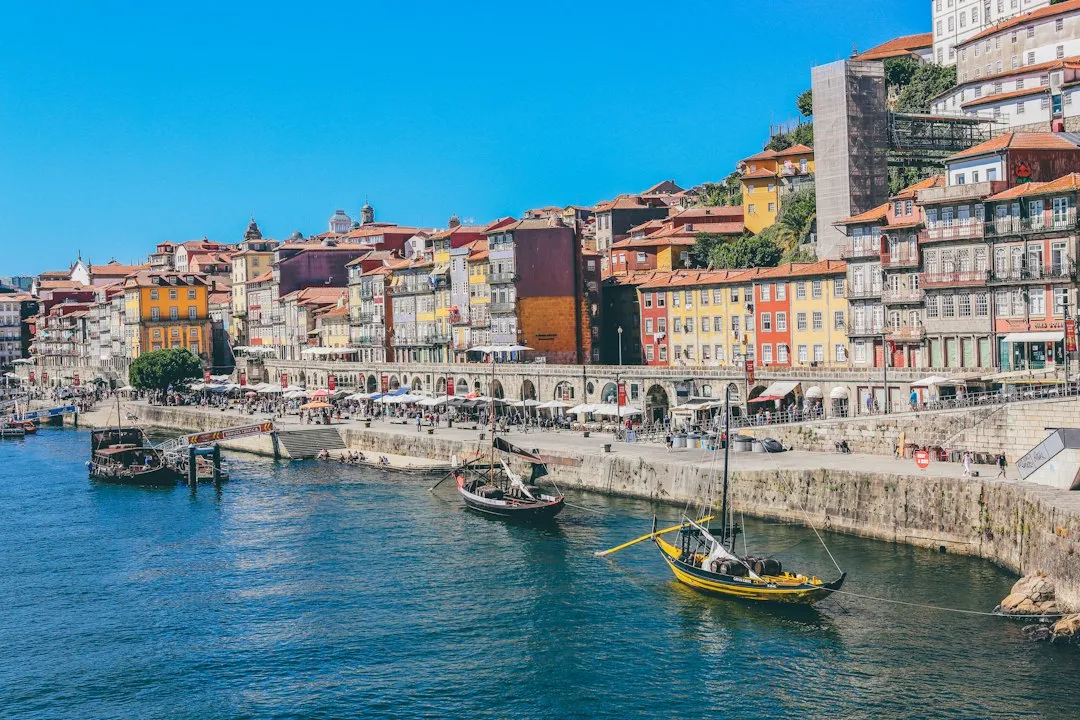
Portugal sits in Western Europe but doesn’t cost like it. On average, Portugal is 30 to 40% cheaper than the United Kingdom, placing it among the most affordable countries in Western Europe. For travelers arriving from North America or the UK, that gap is felt immediately at restaurants, in cafés, and on public transport.
Despite some price increases in recent years, the cost of living in Portugal remains less expensive than other European countries such as France, Germany, and the Netherlands, with rental costs in Lisbon roughly 30% lower than in Paris. These comparisons hold for visitors too, not just residents.
Portugal offers a high standard of living at a fraction of the cost of other European countries. A proper sit-down meal with local wine, fresh seafood, and bread still costs less here than a casual lunch in many northern European cities. That reality shapes the entire travel experience in a very pleasant direction.
One of the Densest Collections of UNESCO Sites in Europe
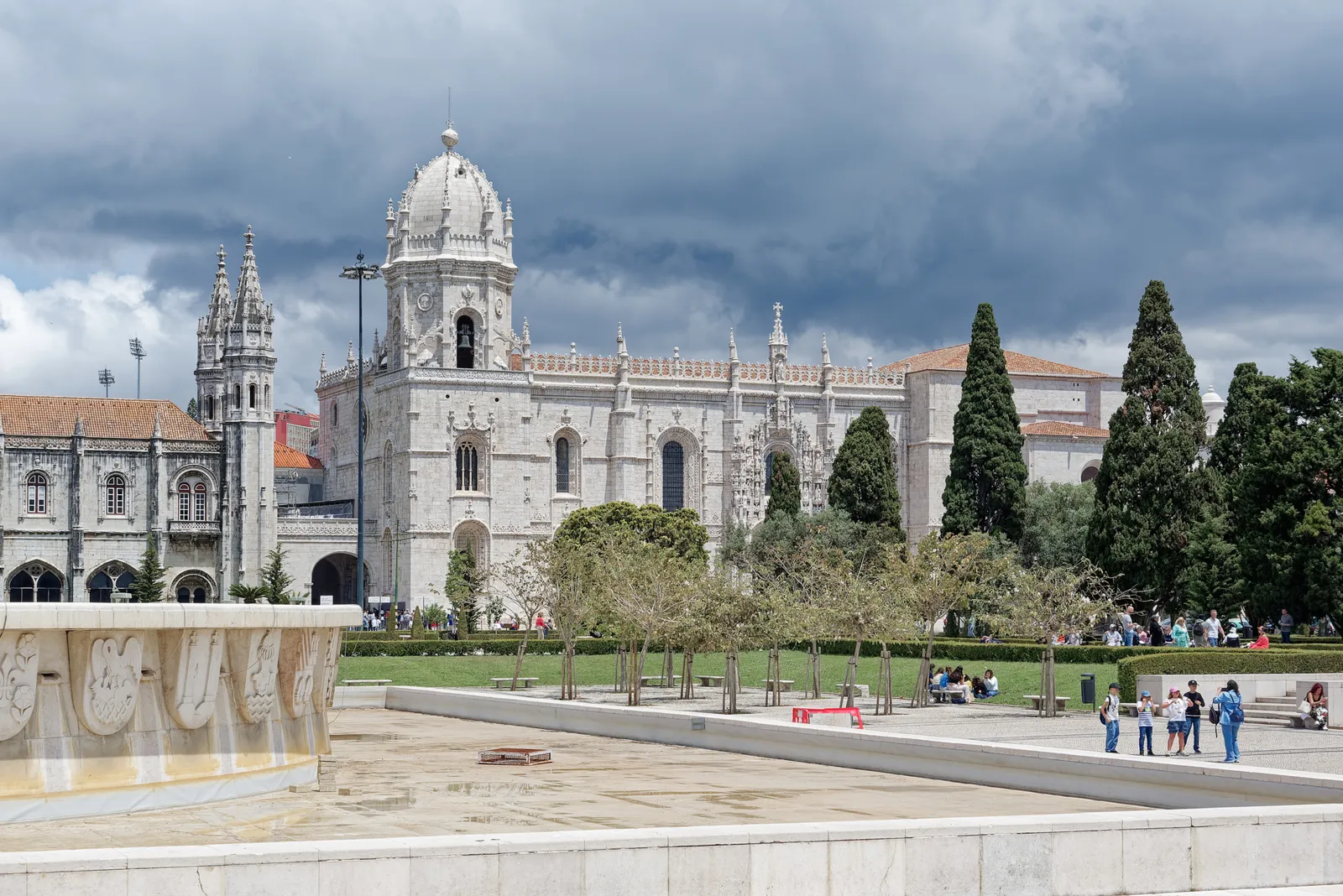
History in Portugal isn’t confined to museums. It’s in the streets, in the vineyards, in the skyline. The oldest country in Europe, Portugal’s cultural heritage is vast, and it is home to 17 World Heritage Sites as listed by UNESCO. That number is remarkable for a country of its size.
There are 17 UNESCO World Heritage sites in Portugal, 14 in continental Portugal, 2 in the Azores and one on Madeira, with a further 19 on the tentative list. The range is extraordinary: from prehistoric rock art in the Côa Valley to the ornate Jerónimos Monastery in Lisbon, to entire historic city centers like Évora and Guimarães.
Portugal has a wine tradition that travels back for centuries, with two regions protected by UNESCO as World Heritage Sites, making it one of the most interesting destinations for wine tourism in the world. Those two regions, the Alto Douro Wine Region and the Pico Island Vineyard Culture in the Azores, offer travel experiences that are genuinely unlike anywhere else on Earth.
Food and Wine That Belong on Any Serious Culinary Map
Portuguese cuisine is not flashy. It doesn’t announce itself. It earns its reputation through freshness, simplicity, and deep regional identity. Portuguese gastronomy is an experience in itself, with fresh seafood, traditional dishes like bacalhau (salt cod), and the world-famous pastel de nata as centerpieces. Every region has its own food story, and every coastal town has its own way with fish.
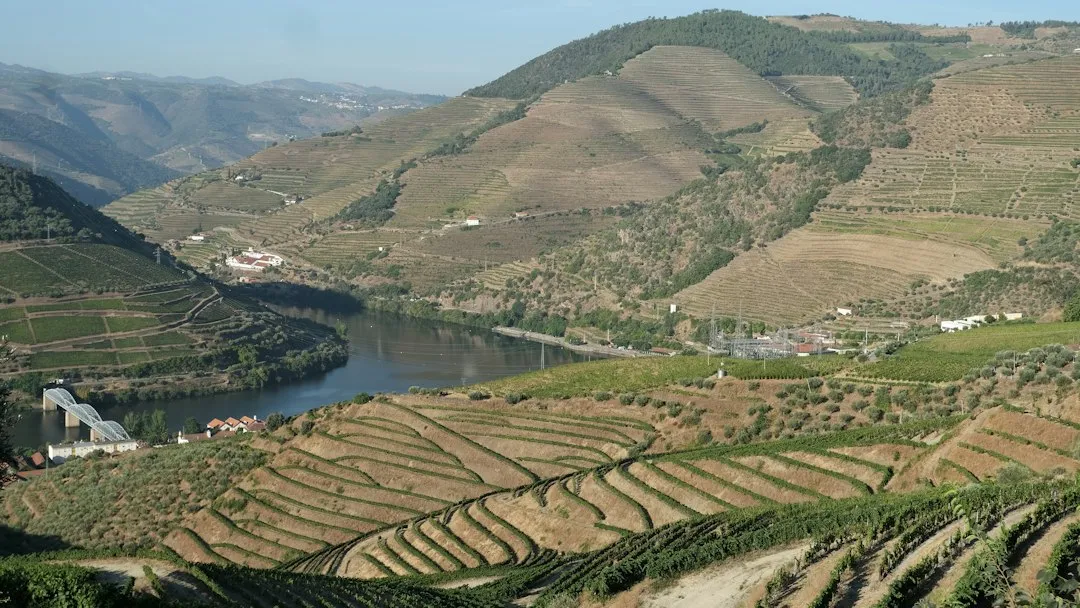
The Alto Douro Wine Region, near Porto, has been producing wine for over 2,000 years and was made a World Heritage site in 2001, covering over 250,000 hectares of which 20% is used for wine production. A river cruise through those terraced vineyards, with a glass of Port in hand, is the kind of afternoon that stays with you long after the trip ends.
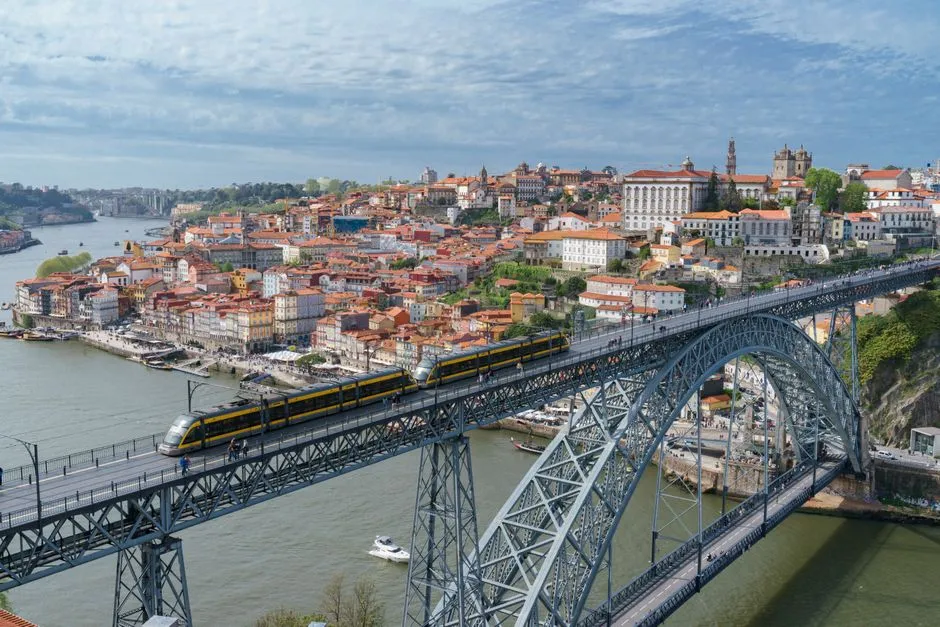
Porto, as the birthplace of port wine, offers an exciting food and wine experience in its traditional taverns and world-class wine cellars dotting the picturesque hillsides. The food culture here rewards curiosity and slow travel in equal measure.
A Climate That Makes Year-Round Travel Genuinely Practical
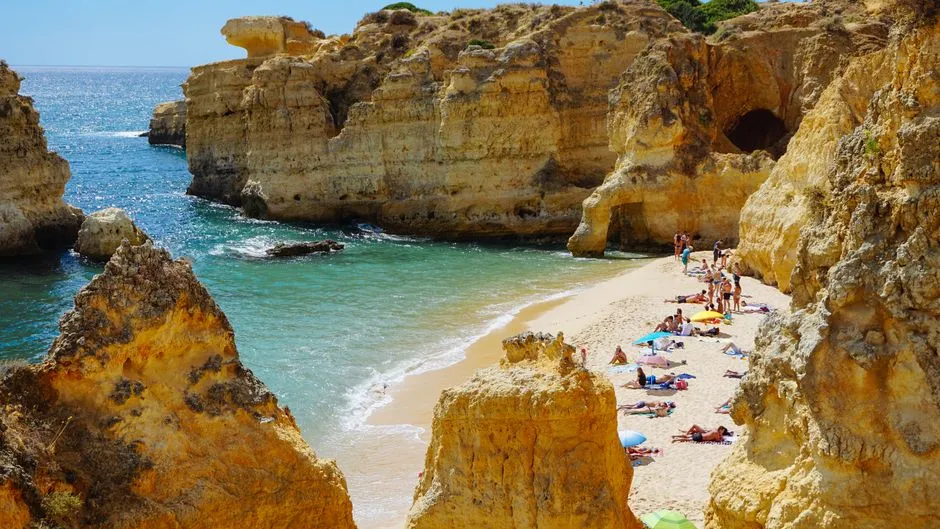
Portugal’s weather is one of its most underappreciated advantages. With over 200 days of sunshine per year and an extension of more than 800 kilometers of beaches, Portugal has become one of today’s leading travel destinations. The south of the country regularly surpasses that figure.
The Algarve region in southern Portugal is a sunny paradise, with golden beaches, rugged cliffs, and charming coastal towns, enjoying a Mediterranean climate with over 300 days of sunshine annually. That means shoulder seasons, spring and autumn, are genuinely pleasant rather than just tolerable. Crowds thin out, prices drop, and the landscape shifts color in a way that summer visitors never get to see.
The north of the country offers a different experience entirely. The region has a warm Mediterranean climate on the coast and a hot Mediterranean climate along the Douro Valley, with northwestern Portugal having temperate summers and mild winters, influenced by the Atlantic Ocean. For travelers who enjoy green valleys and dramatic fog-draped hillsides, the north and the Minho region offer a softer, quieter version of the country.
A Tourism Economy That Is Genuinely Thriving
When a destination’s tourism sector is healthy and well-managed, it shows. Infrastructure improves, cultural investment follows, and visitors benefit from that momentum. In 2024, travel and tourism in Portugal welcomed 22.0 million international arrivals and contributed $65.9 billion to the national economy, representing 21.3% of GDP, placing Portugal first among the 42 economies tracked in the WTTC Economic Impact Research 2025.
The tourism sector in Portugal supports approximately 1.2 million jobs, roughly 23% of employment, and contributed around €60.6 billion to the economy. That level of economic dependence means tourism infrastructure is taken seriously. Airports, transport links, accommodation options, and visitor services have all grown to meet sustained international demand.
Tourism revenue hit approximately €27 billion in 2024, underscoring the sector’s economic importance, and the year kicked off strong with €1.54 billion in visitor spending in January 2025, up 8.7% year-on-year. Year-round demand is good news for travelers too, since it drives consistent investment in quality and service across all seasons.
The Algarve: A World-Class Beach Destination by Independent Measure
The Algarve has received global recognition that goes beyond travel influencer lists. The region has over 100 beaches spread across its beautiful 200-kilometer coastline on its southern and western shores, with 86 Blue Flag beaches assessed by the quality of the water, safety, cleanliness, and the diversity of services on offer. That’s one of the highest concentrations anywhere in Europe.
The Algarve remained Portugal’s top destination, with 3.2 million overnight stays in August 2024 alone, more than any other region, with Lisbon following with over 2 million stays. The numbers speak to real, sustained appeal rather than a passing trend. Families, couples, solo travelers, and surfers all find something different here, often within the same stretch of coast.
Praia da Falésia stretches for over six kilometers and is famous for its dramatic, deep-orange cliffs that create a stunning contrast with the white sand and blue Atlantic. It’s the kind of scenery that photographs can’t fully capture, which is perhaps the strongest argument of all for going to see it yourself.
The Takeaway
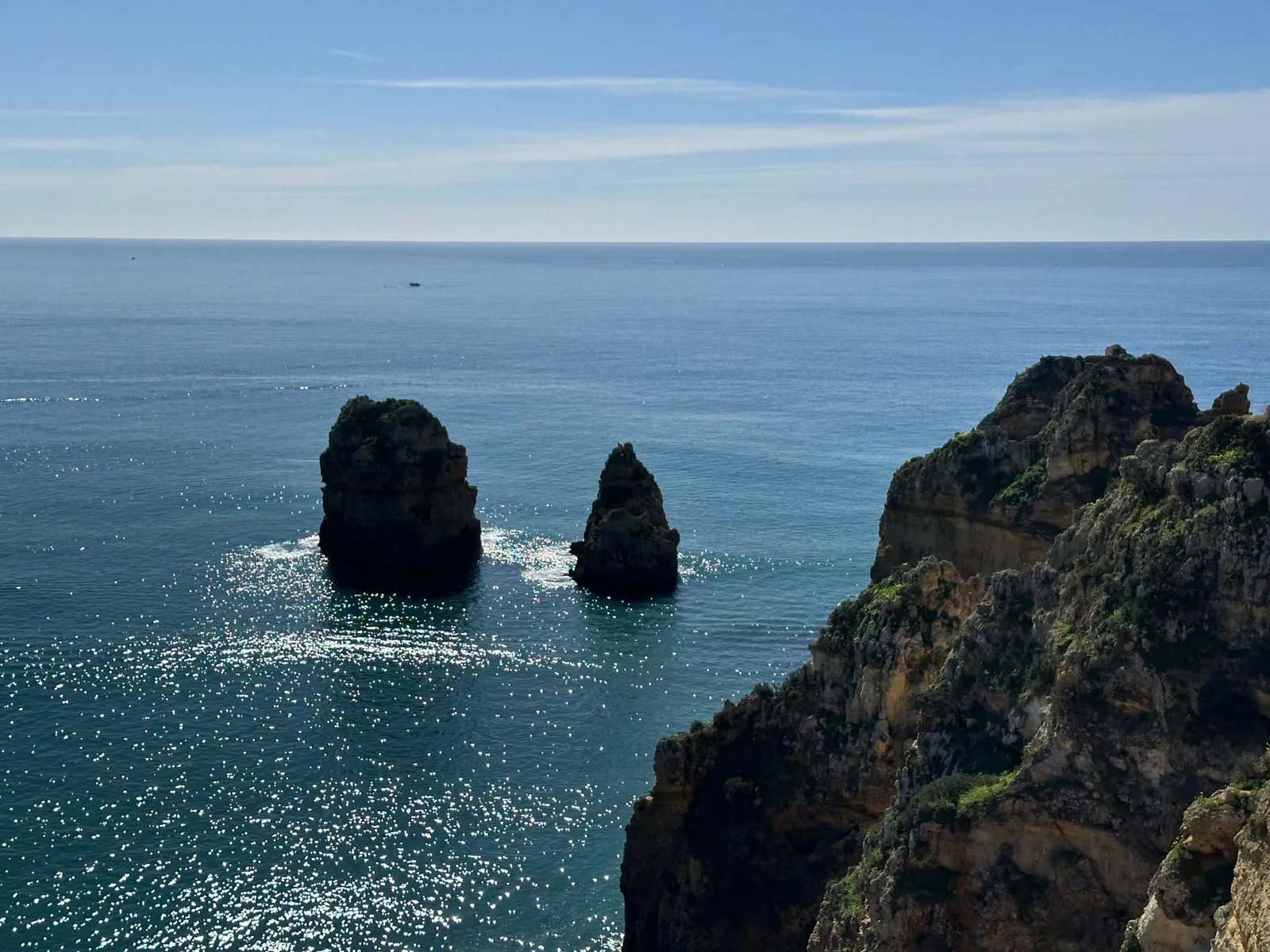
Portugal has moved well beyond being a hidden gem. Portugal continues to establish itself as a top-tier destination in Europe, welcoming approximately 31.6 million guests and achieving 80.3 million overnight stays in 2024, setting new records. The world has taken notice, and the data is clear on that point.
What the numbers don’t capture is the texture of the place: the sound of fado drifting from a small restaurant in Alfama, the particular slowness of a Douro Valley afternoon, the way the Atlantic feels enormous when you stand on the westernmost cliffs of continental Europe. Some things you simply have to go and see for yourself. Portugal makes that very easy to justify.
AI Disclaimer: This article was created with the assistance of AI tools and reviewed by a human editor.