
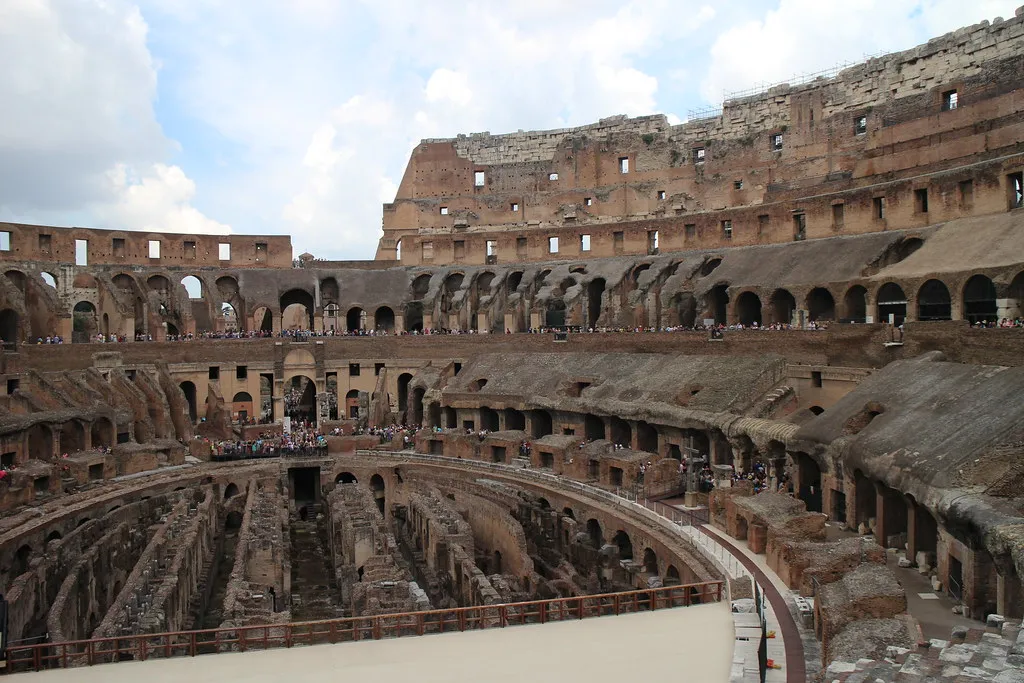

Italy drew roughly 71 million visitors in 2024, a figure that keeps climbing year on year. The country welcomed a record-breaking 65 million international visitors in 2024, surpassing pre-pandemic levels by a substantial margin. Nearly all of that traffic funnels into the same handful of postcard cities. Rome’s Colosseum alone welcomed nearly 15 million visitors in 2024, an all-time high.
The real Italy, though, isn’t always where the tour buses stop. There are destinations that are established enough to have comfortable places to stay and eat, but they are mostly small in size, huge in charm, and not on most foreign tourists’ radar. These seven towns prove that point rather well.
1. Brisighella, Emilia-Romagna: The Village That Time Forgot
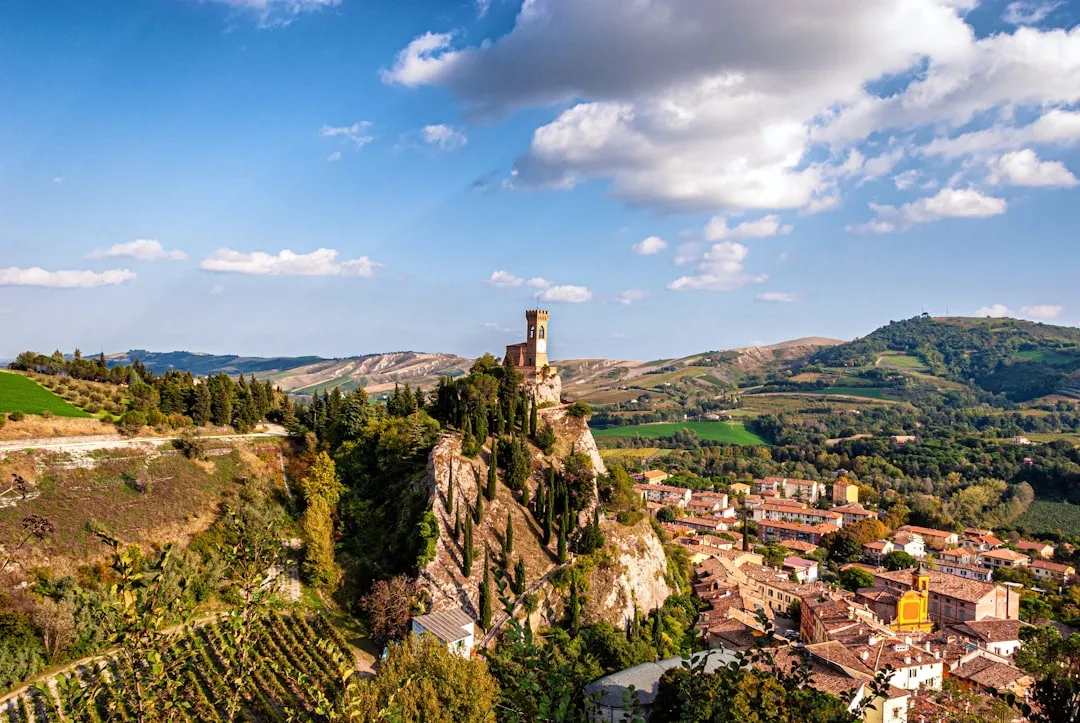
Brisighella in Emilia-Romagna might be the most beautiful Italian settlement you probably haven’t heard of. Tucked into the foothills where Tuscany meets Romagna, the village sits beneath three dramatic rocky peaks, each topped by a different structure from a different century. Each rock offers something unique on top: a 19th-century clock tower, a 14th-century fortress, and an 18th-century sanctuary.
Brisighella was built around the trade of gypsum, a valuable mineral. Walking down Via Naldi and Piazza Marconi, you enjoy colorful medieval buildings that seem to have been gracefully curved to offer visitors the most perfect view. These buildings were actually built on top of the ancient city wall.
Inside these buildings you find an elevated street called Donkey Street, Via degli Asini. In the past, donkeys actually walked here to transport gypsum from nearby quarries in the hills. The local olive oil is equally extraordinary. There are 70,000 olive trees in a small area around Brisighella, delivering one of the best olive oils in the world.
2. Atrani, Campania: Italy’s Smallest Village on the Amalfi Coast
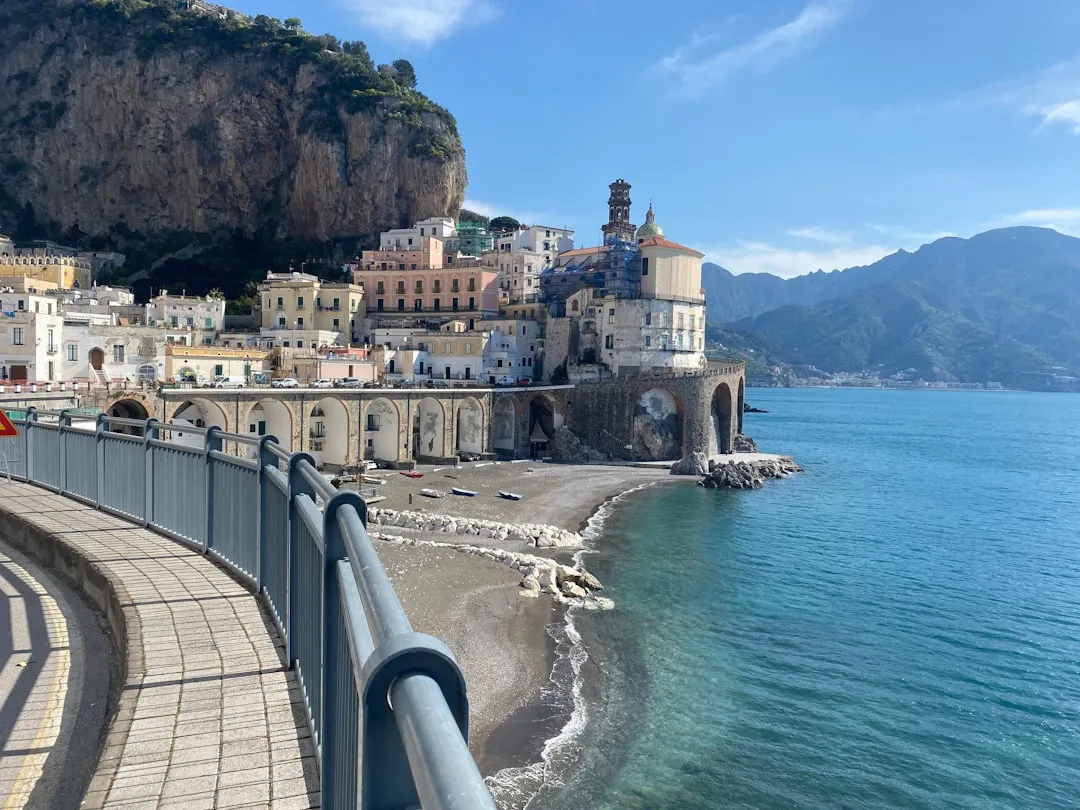
Officially Italy’s tiniest village, Atrani has a surface area of just 0.12 sq km. On Italy’s Amalfi Coast, UNESCO World Heritage-listed Atrani is a little bubble of medieval beauty. Just ten minutes on foot from the famous town of Amalfi, it still manages to feel like a completely different world. Ten minutes away, Amalfi was buzzing with tourists, but in Atrani, only a handful of local shopkeepers were milling around.
The centro storico is pinch-yourself pretty, with its higgledy-piggledy assortment of whitewashed alleys, arches, courtyards, pastel-hued houses, and stairways. The village gained some unexpected attention recently. Since the village popped up in the 2024 Netflix series Ripley, more visitors are flocking here than ever.
Atrani makes a great low-key base for striking out along the Amalfi Coast. The town of Amalfi, with its sunny piazzas, beach, and neo-Moorish cathedral, is just a 10-minute walk around the headland, while Ravello is a 10-minute drive away. Visiting in spring or autumn still means having its narrow lanes mostly to yourself.
3. Ascoli Piceno, Le Marche: The Marble Square Nobody Talks About
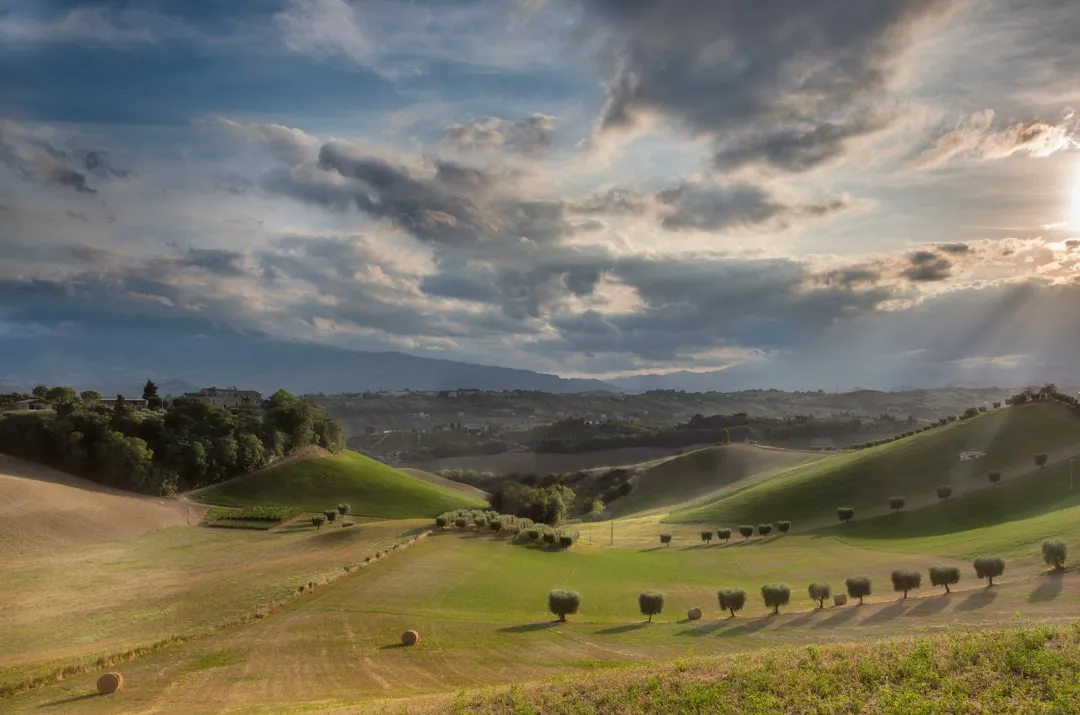
Le Marche, just east of Umbria, is one of the most underrated Italian regions. Home to spectacular landscapes, pretty hamlets, and turquoise waters, Ascoli Piceno is one of the most important towns of the region and sits close to the spectacular Monti Sibillini National Park. Despite all that, it remains stubbornly overlooked by international travelers.
Tourists don’t seem to have quite gotten the memo about Ascoli, and that makes it all the more special when you get the chance to pound its medieval streets and gaze at the Titian masterpieces in the 17th-century Pinacoteca. Plus, the food is sensational: try olive all’ascolana, meat-stuffed fried olives, and cacciannaz, focaccia served with mortadella.
Nicknamed the ‘City of Travertine’, Ascoli Piceno occupies a position at the junction of the Castellano and Tronto rivers. Rising above the city are almost 50 medieval towers. A terrific, less-touristy alternative to Siena’s overcrowded Palio is Ascoli Piceno’s La Quintana in August, with knights in armor, flag throwers, parades, jousting, and thousands of locals in medieval garb.
4. Carloforte, Sardinia: A Ligurian Village on a Sardinian Island
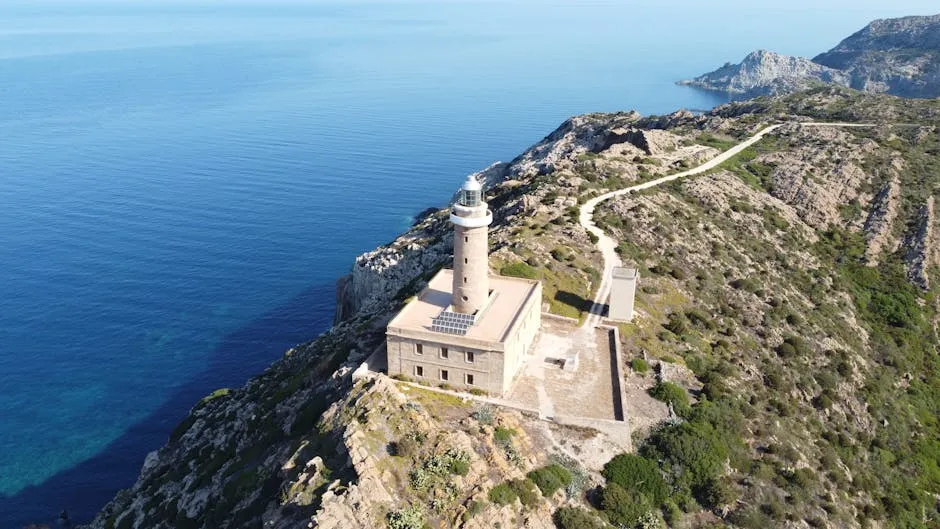
The only town on the Isola di San Pietro, a little island just off the coast of Sardinia, Carloforte might be one of Italy’s best-kept secrets. The town’s origins are genuinely unlike anywhere else in Italy. Carloforte was founded in the 18th century by around 30 families of coral fishers, descendants of people from the Ligurian town of Pegli, near Genoa, who had eventually found plenty of coral off the Sardinian west coast. They asked the King of Piedmont-Sardinia Charles Emmanuel III for permission to settle on the once uninhabited San Pietro Island, and when he granted it, the island was colonized in 1739.
The musicality of the Carlofortino dialect is one of the most fascinating aspects of this community. One hears not only the echoes of a Ligurian past, but also a synthesis of Arab and Sardinian influences, which make the local language even more special.
Ligurian fishermen settled here in the 18th century, painting the town’s buildings pastel shades of pink, yellow, green, and blue. Historically, the main industry was tuna fishing, and to this day, nearly every restaurant in town serves tuna in more ways than you can imagine. By its little coves are a handful of beaches where you can find some of the most crystalline water in the Mediterranean. Between May and June, an international gastronomic event known as the Girotonno promotes local specialties with culinary competitions and live cooking shows.
5. Neive, Piedmont: Wine Country Without the Crowds
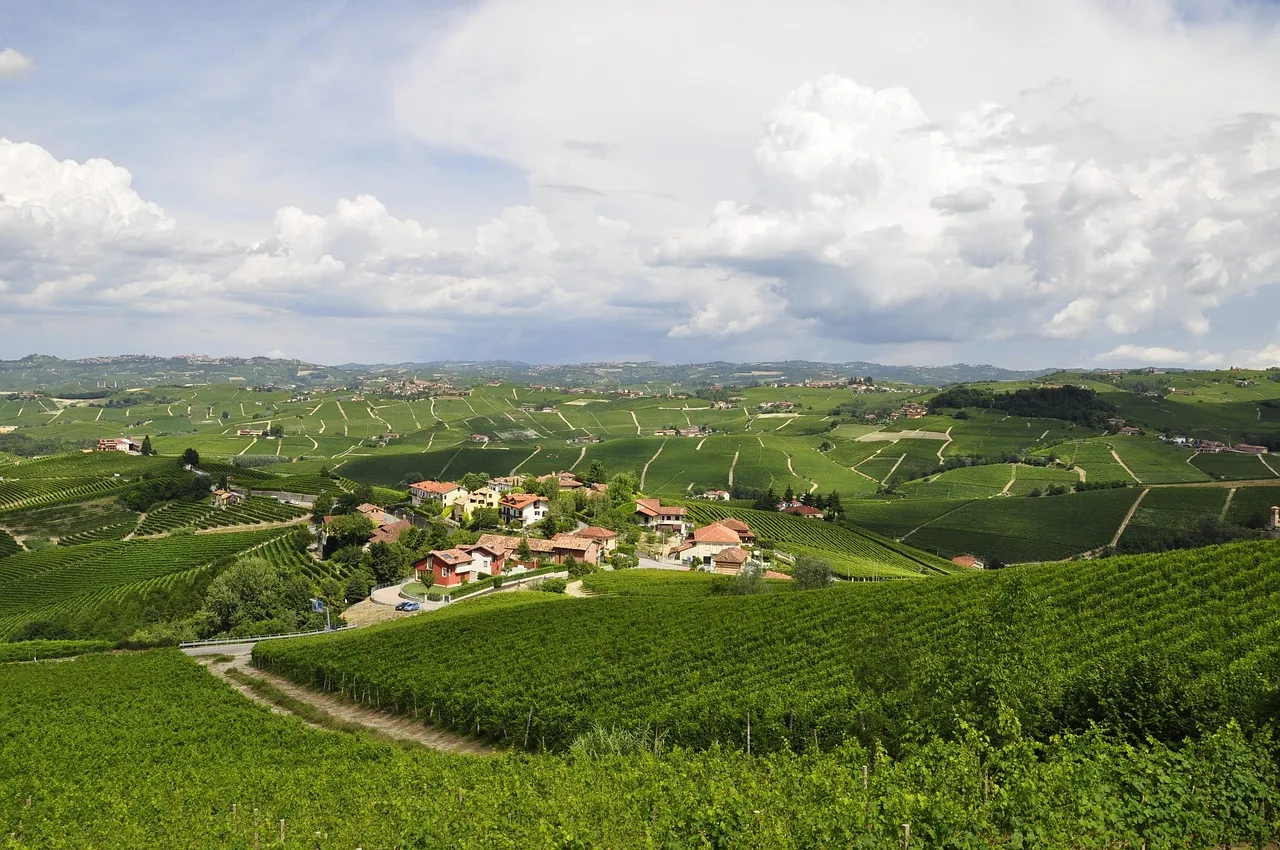
What Neive, about 60km from Turin, lacks in obvious tourist appeal, it more than makes up for in classic Italian looks and charisma, ranking it as one of Italy’s borghi più belli, the most beautiful towns. Days unfold at a blissfully slow pace here in Piedmont, with rambles through historic alleyways, sunny piazzas, and vineyards.
Neive is known for its four signature wines: Dolcetto d’Alba, Barbaresco, Moscato, and Barbera d’Alba. You can sample them with a cellar tour and tasting at La Cassetta del Castello, an enoteca enclosed within medieval castle walls, or go for an alfresco aperitivo at Al Nido Della Cinciallegra.
While neighboring Alba attracts crowds during the famous truffle season, Neive sits largely undisturbed just a short drive away. The hilltop position means the views stretch across the rolling Langhe landscape in every direction. It is the kind of place where you can genuinely spend an afternoon doing very little and feel entirely justified.
6. Sperlonga, Lazio: The White Village Rome Forgot
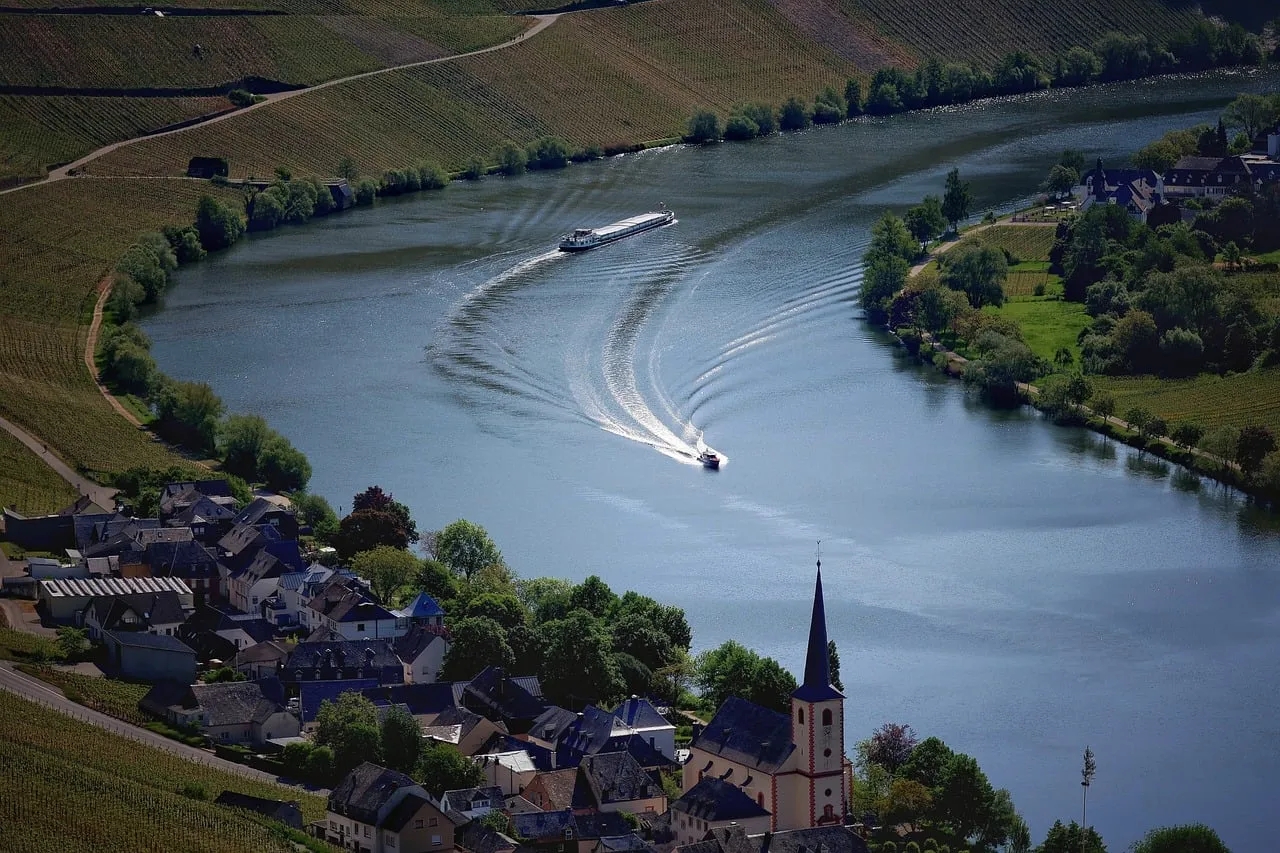
When the late-afternoon sun beats down on bougainvillea-draped white walls, casting long shadows across the narrow alleyways and steep steps in Sperlonga’s medina-like center, you feel as though you’ve stepped onto a film set. Hugging a rocky promontory above a long curve of golden beach lapped by the turquoise Tyrrhenian Sea, Sperlonga has miraculously sidestepped the tourist spotlight.
The emperor Tiberius had a villa in this coastal town halfway between Rome and Naples. Sperlonga’s beaches are awarded with a Blue Flag by the Foundation for Environmental Education for their cleanliness and sustainability, while the town’s whitewashed buildings are filled with restaurants, bars, and shops.
The historic center is perched on a rocky crag overlooking the Tyrrhenian Sea, and on summer evenings, the streets come alive with people taking a passeggiata, visiting the shops, and enjoying an aperitivo or dinner on the restaurant terraces. Sperlonga is midway between Rome and Naples, both about a 2-hour drive, making it ideal for combining a culture-loaded city break with a stint by the sea.
7. Conversano, Puglia: The Quiet Alternative to Puglia’s Famous Hotspots
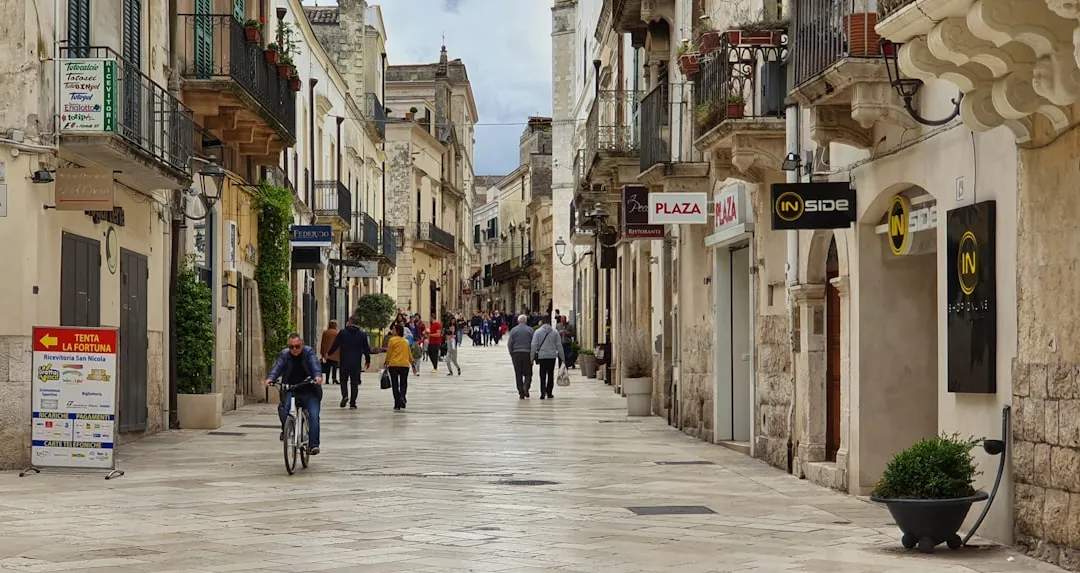
Conversano is a haven of peace compared with Puglia’s famous nearby tourist honeypots. Attractive old buildings, little museums, and a real sense of history make this an authentic little treasure of a destination. While Alberobello and Ostuni pull in the tour groups, Conversano simply gets on with being itself.
Only a 25-minute drive from Alberobello, this town might be the epitome of a traditional southern Italian borgo. A clock tower watches over the main piazza, while narrow lanes with whitewashed buildings jut off from it. Residents decorate their homes and shops with flowers and potted plants.
The town’s Norman castle dominates the skyline from almost every angle, and a Romanesque cathedral sits just a short walk below it. Puglia as a whole has been growing in popularity as travelers respond to travel advisors actively recommending the region as an alternative to Italy’s overcrowded northern hubs. To reduce crowding in Italy’s busiest cities, travelers are increasingly exploring hidden gems like Puglia, Sardinia, and other small towns. This boosts local economies and offers unique, authentic adventures. Conversano catches very little of that overflow, which for now remains its greatest asset.
Why These Towns Stay Secret
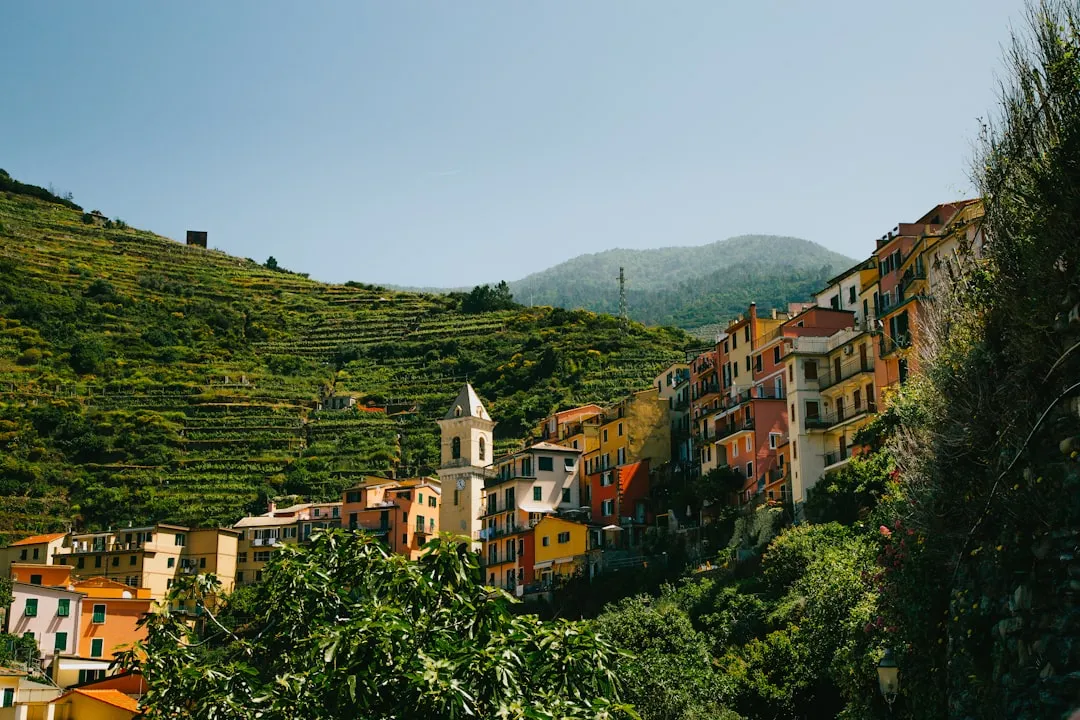
Popular tourist destinations like Rome and Venice face overcrowding, which puts immense pressure on infrastructure and public services. This also damages historical sites and reduces the overall visitor and local experience. The towns on this list exist in a quieter Italy that most itineraries simply don’t budget time for.
The struggle with overtourism experienced by cities like Venice and Rome suggests that understanding how to keep attracting visitors without overloading its iconic destinations will be one of the country’s biggest priorities in the years ahead. The seven towns here offer a natural release valve, places where the infrastructure exists, the food is real, and the experience feels earned rather than manufactured.
Italy’s travel industry is also shifting. Beyond sightseeing, travelers increasingly seek unique experiences, such as cooking classes, wine tastings, food and wine tours, and off-the-beaten-path adventures. Small-town Italy delivers exactly that, without the entry queues. The secret to finding the country at its best has always been the same: slow down, take a wrong turn, and resist the urge to follow the crowd.
AI Disclaimer: This article was created with the assistance of AI tools and reviewed by a human editor.