


The American road trip has never lost its grip on the national imagination. It’s still one of the most reliable ways to shake off the week, cover genuine ground, and return home with a full memory card and a slightly stiff back. The good news is that you don’t need a two-week stretch of PTO to pull it off.
When U.S. travelers were asked what types of trips they had planned in 2024, over 30 percent said they were going to take a road trip, making it the third most popular type of vacation. And most of those trips are shorter than you’d think. According to a 2024 study, roughly three out of ten respondents planned to take road trips lasting three to four hours, while about a quarter opted for trips between five and seven hours. That puts a surprising number of genuinely spectacular drives well within weekend range. Here are seven of the best.
1. Blue Ridge Parkway, Virginia to North Carolina
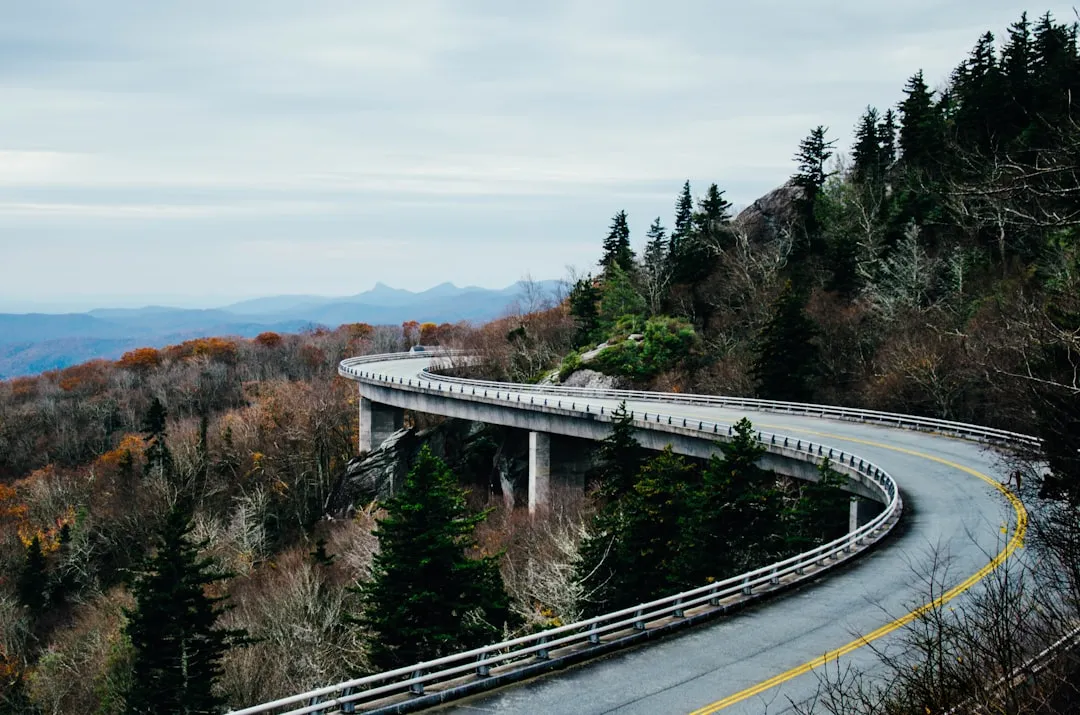
This 469-mile highway, also known as “America’s Favorite Drive,” is a unit in our National Park System, running north and south, connecting Shenandoah National Park in Virginia and Great Smoky Mountains National Park in North Carolina. It’s a route that moves slowly by design. With a speed limit of 45 mph, the Blue Ridge Parkway sacrifices directness for mile after mile of untamed alpine beauty.
With two or three days, focus on half the route, either the northern section down to Blowing Rock or the southern section from Blowing Rock to the Smokies. That makes a tight weekend genuinely workable. The Blue Ridge Parkway counts a total of 272 overlooks, scenic pull-offs designed to take in the view, with an overlook every 1.7 miles on average, so stunning views are always around the corner.
Located at Milepost 176, Mabry Mill is a historic mill that’s so picturesque it looks like a scene from a storybook. The rustic mill, with its large waterwheel, sits by a pond with the forest as its backdrop, much as it did when owners Ed and Lizzie Mabry operated the gristmill in the early 1900s. The quintessential image of rural Appalachia, the Mabry Mill hosts cultural demonstrations on weekends in the summer and fall. It’s one of those stops that slows you down for all the right reasons.
2. Pacific Coast Highway: San Francisco to Monterey, California
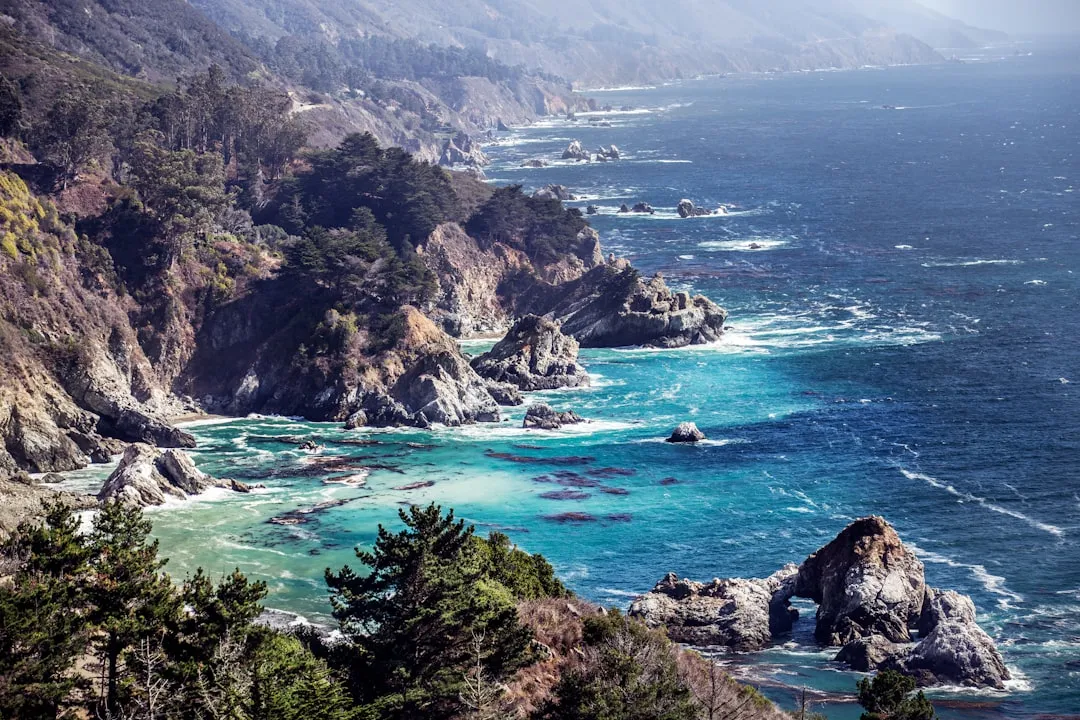
The most famous section of Highway 1 is between San Francisco and Los Angeles, with highlights being the dramatic landscapes around Big Sur. For a proper weekend trip, though, the stretch from San Francisco to Monterey is the sweet spot. There are about 112 miles from San Francisco to Monterey if you take the fastest route, and avoiding the highway to follow the coast adds about 20 miles to that number.
The often overlooked section of the PCH runs from San Francisco to Monterey via San Gregorio and Pescadero State beaches, and this leg is noticeably quieter than the Monterey to San Simeon section. Quieter, but no less breathtaking. The Pacific Coast Highway follows closely behind Route 66 in popularity, with roughly 4.5 million road trips taken along it annually, offering breathtaking coastal views, cliffside highways, and scenic stops.
Stop and snap a picture of the breathtaking Big Sur vistas before driving on toward Monterey and Santa Cruz. Take some time to explore the aquarium, Cannery Row, and Old Fisherman’s Wharf that make Monterey one of the best stops along the coast. Come spring, the promontories along this stretch of the coast are also good for spotting grey whales as they migrate along the California coast between December and May.
3. Scenic Highway 30A, Florida
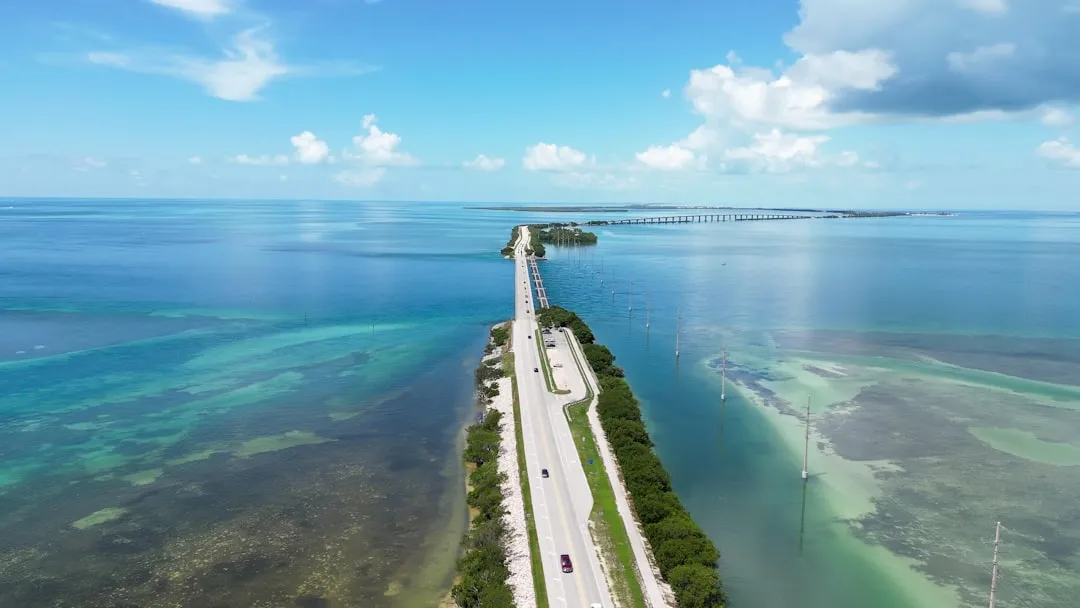
Florida is full of places to cruise with the top down, but it’s hard to beat a drive along Scenic Highway 30A through northwest Florida, home to a postcard-perfect stretch of seaside towns known as South Walton. The highway is compact enough to drive end-to-end in a morning, yet varied enough to fill a full weekend of wandering. Florida ranks as the top U.S. state for road trips taken, attracting approximately 45 million road trips in 2024.
The towns along 30A each have distinct characters. Seaside, Grayton Beach, and Rosemary Beach offer everything from white-sand Gulf Coast shoreline to independent restaurants and boutique shops, all strung together along a single, unhurried road. The drive itself rarely exceeds 30 miles from end to end, which means you spend your time actually stopping rather than just passing through.
Timing matters here. Travel editors don’t recommend similar Southern drives as summer road trips and instead suggest them as trips for spring or fall, as temperatures at some points along the drive can top 100 degrees Fahrenheit in the summer. Spring is particularly rewarding along 30A, with mild temperatures and fewer crowds than the peak summer season.
4. Bryce Canyon to Capitol Reef, Utah
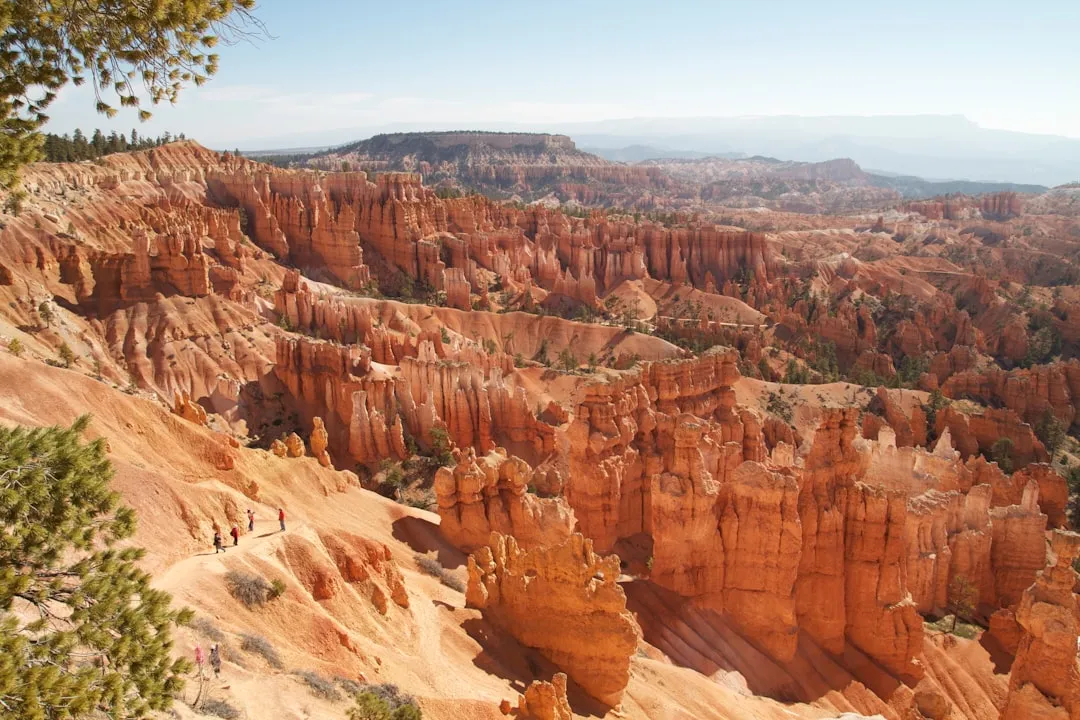
Southern Utah feels like a different planet, and this backroads route, from Bryce Canyon National Park to Capitol Reef National Park, takes you through the best scenery this geologically diverse state has to offer, covering approximately 122 miles. That’s a distance that fits almost perfectly into a two-day itinerary. Start your journey in the town of Panguitch, right outside of Bryce Canyon, then follow the road through red-rock canyons, historic towns and pine forests, finishing in Torrey, gateway to Capitol Reef National Park and one of the West’s best-kept secrets.
From Torrey, it’s an easy drive of about two hours and thirty minutes to Moab, Canyonlands and Arches, making these routes the best way to see Utah’s “Mighty 5.” If you have a little extra time to stretch Sunday evening, that option alone makes the drive even more compelling. The landscape shifts constantly along this route, from the orange-pink spires of Bryce to the pale, almost lunar formations near Capitol Reef.
5. Texas Hill Country Loop from San Antonio
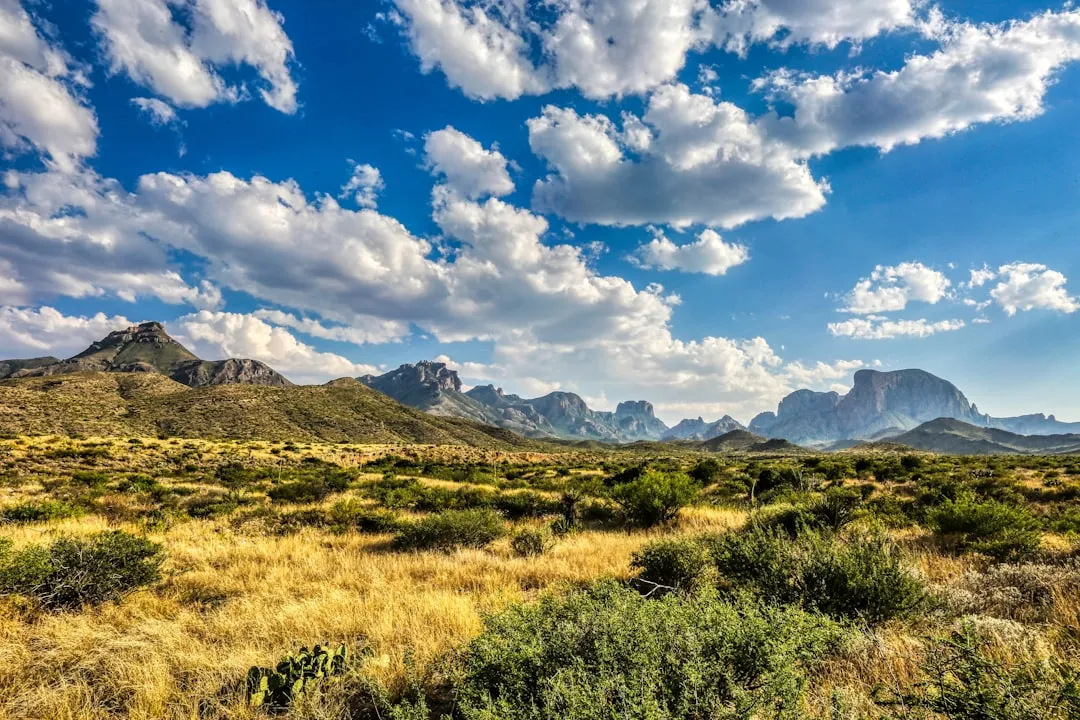
This Texas road trip starts and ends in San Antonio with stops in small towns like Bandera, Boerne, and a stop in Fredericksburg, which was named one of AFAR’s best places to go in 2024. The loop covers manageable ground and rewards slow driving. Over a few days, you’ll find opportunities to stroll in a Japanese tea garden in San Antonio, relax along the Sabinal and Frio Rivers by inner tube, and explore the region’s deeply rooted culinary culture.
Fredericksburg sits at the cultural heart of the region. The town’s German heritage is still visible in its architecture and food scene, and the surrounding Hill Country Wine Trail has grown considerably in recent years. It’s a genuinely different Texas than most visitors expect, rolling and green rather than flat and vast.
A leisurely road trip through this part of Texas is also a good time to indulge a passion for food, with a barbecue crawl through the Texas Hill Country featuring prominently on the road trip menu for many travelers. The loop is typically around 300 miles total, depending on how many detours you take, making it very manageable across a full weekend.
6. New England Coastal Route: Boston to Acadia, Maine
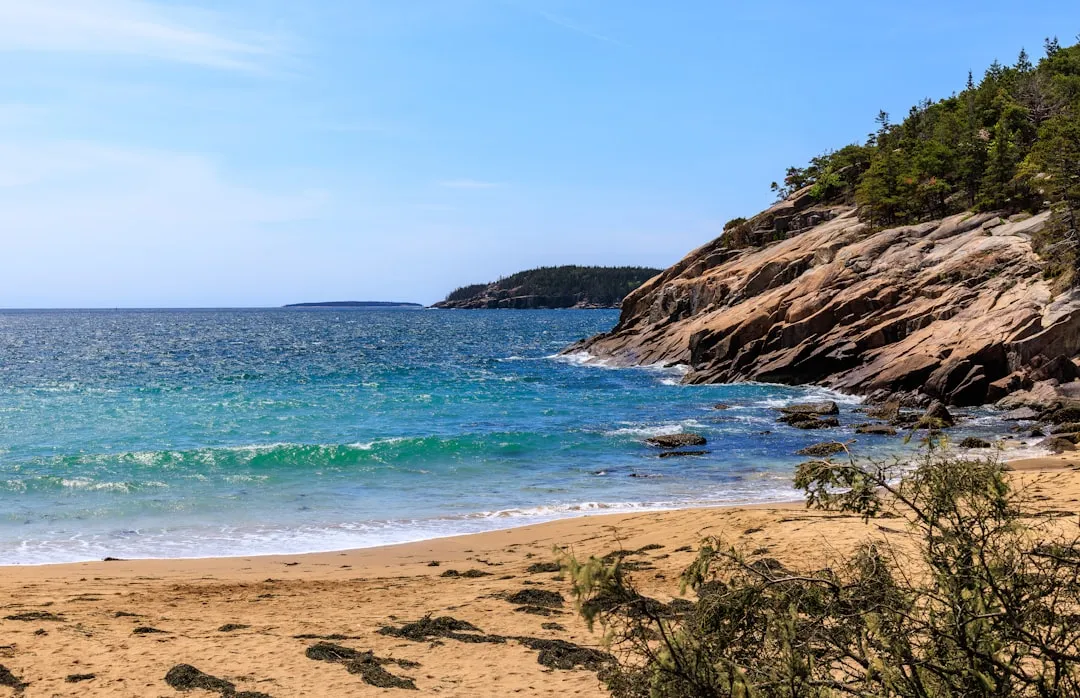
The northeast region of New England is one of the best places for a road trip in the USA, featuring historic cities, adorable small towns, a rugged coastline, gorgeous harbors, and plenty of lighthouses, sporting a charm and culture all its own. The drive from Boston north to Portland, Maine and beyond is one of those trips that rewards a relaxed pace. Consider starting and ending your New England road trip in Boston, the region’s largest city and airport hub, where you can walk the Freedom Trail, stroll cobblestone lanes, and visit some of the most impressive universities and museums in the country.
From there, make your way to beautiful Acadia National Park in Maine, stopping at charming coastal villages like Portsmouth, New Hampshire, and Kennebunkport, Maine along the way, plus of course a stop in the charming city of Portland. Distance from Boston to Acadia is approximately 280 miles, making it perfectly suited to a Friday-to-Sunday schedule, especially if you leave early on Saturday morning.
New England’s Fall Foliage Route sees roughly 3.8 million road trips taken each year, popular for its autumn leaves and picturesque small towns in states like Vermont and Massachusetts. Autumn is the obvious peak season, but the same coastal drive in summer or early spring is far less crowded and equally atmospheric in its own, quieter way.
7. Olympic Peninsula Loop, Washington State
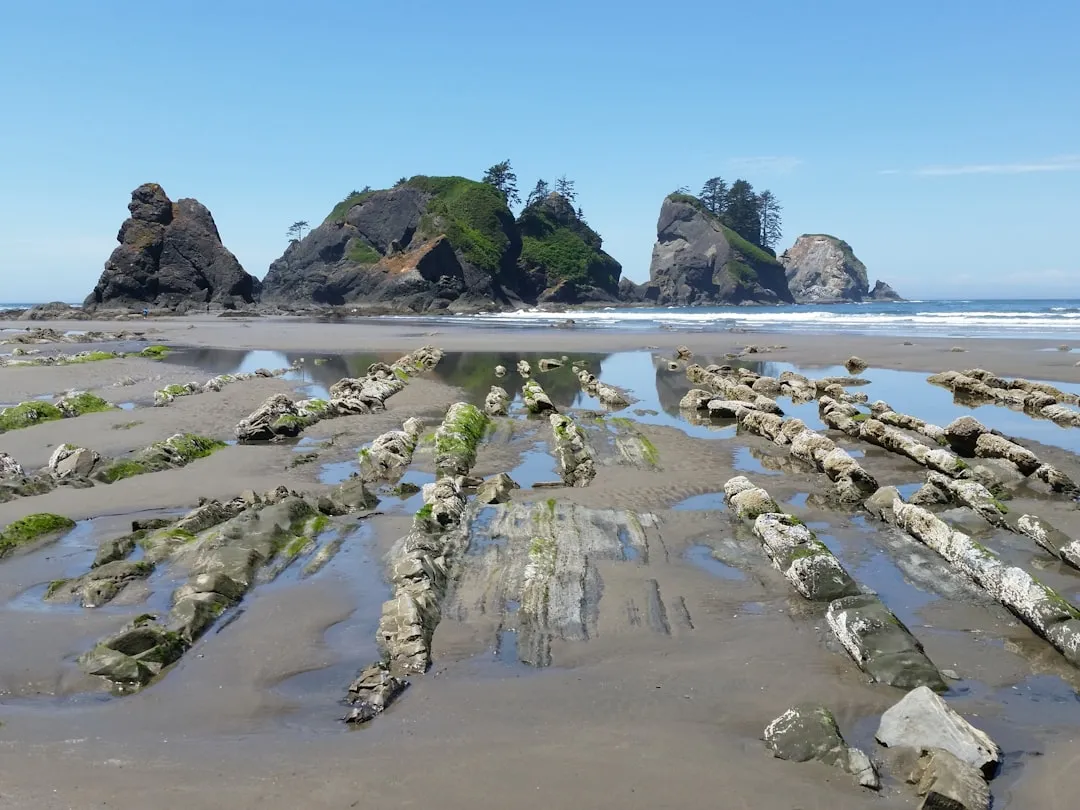
The Olympic Peninsula is just a short drive from Seattle, making it a great weekend camping trip, or a good addition to a longer Pacific Northwest road trip. The loop circles one of the most ecologically diverse national parks in the country, moving from temperate rainforest to rugged Pacific coastline to alpine meadow within a surprisingly short distance. Once you’re on the road, make your way to Hurricane Ridge where you can enjoy epic mountain views and explore the trails in Olympic National Park, and on a clear day, you can even see the ocean.
In the morning, head inland to explore Lake Crescent and Sol Duc Falls before making your way back to the coast. Lake Crescent in particular tends to stop drivers cold. The water is an almost impossible shade of deep blue-green, ringed by forested slopes that drop steeply to the shoreline.
The full loop around the peninsula runs roughly 330 miles, meaning a Friday evening departure from Seattle sets you up comfortably for two full days of exploring before the drive home Sunday evening. The quickest way to get to the Olympic Peninsula is by taking the ferry to Bainbridge Island, which itself becomes part of the experience rather than just a logistical step.
How To Make Any Weekend Road Trip Actually Work
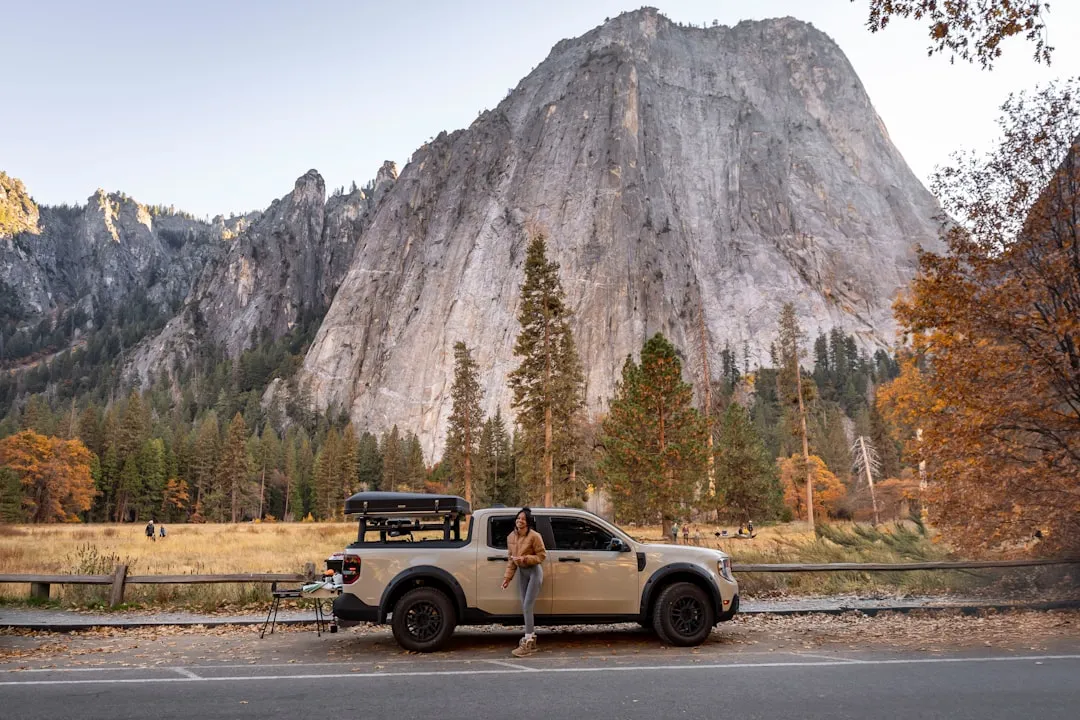
The difference between a weekend trip that feels rushed and one that feels genuinely restorative is almost always planning, not distance. There are great weekend getaway road trip options in every state, so you can decide either by location or how many hours you’re willing to spend on the drive and see where that lands you on the map. Keeping total driving under five or six hours per day leaves plenty of time for the stops that actually make a trip memorable.
In 2024, the most common amount of time U.S. travelers planned to drive on a road trip was between six to ten hours total. That aligns neatly with what most of these routes demand if you split them across two days. Front-load your driving on Saturday and leave Sunday for slower exploration, and you’ll come home feeling like you actually went somewhere, not just drove.
Pack lightly, download offline maps for any stretches with limited cell service, and check road conditions before you leave. Cellphones will not always have reception on the more remote stretches, so it’s a good idea to have a paper map and a general idea of your route. The rest, as any experienced road tripper will tell you, tends to sort itself out once you’re moving.
The Weekend Trip Mindset
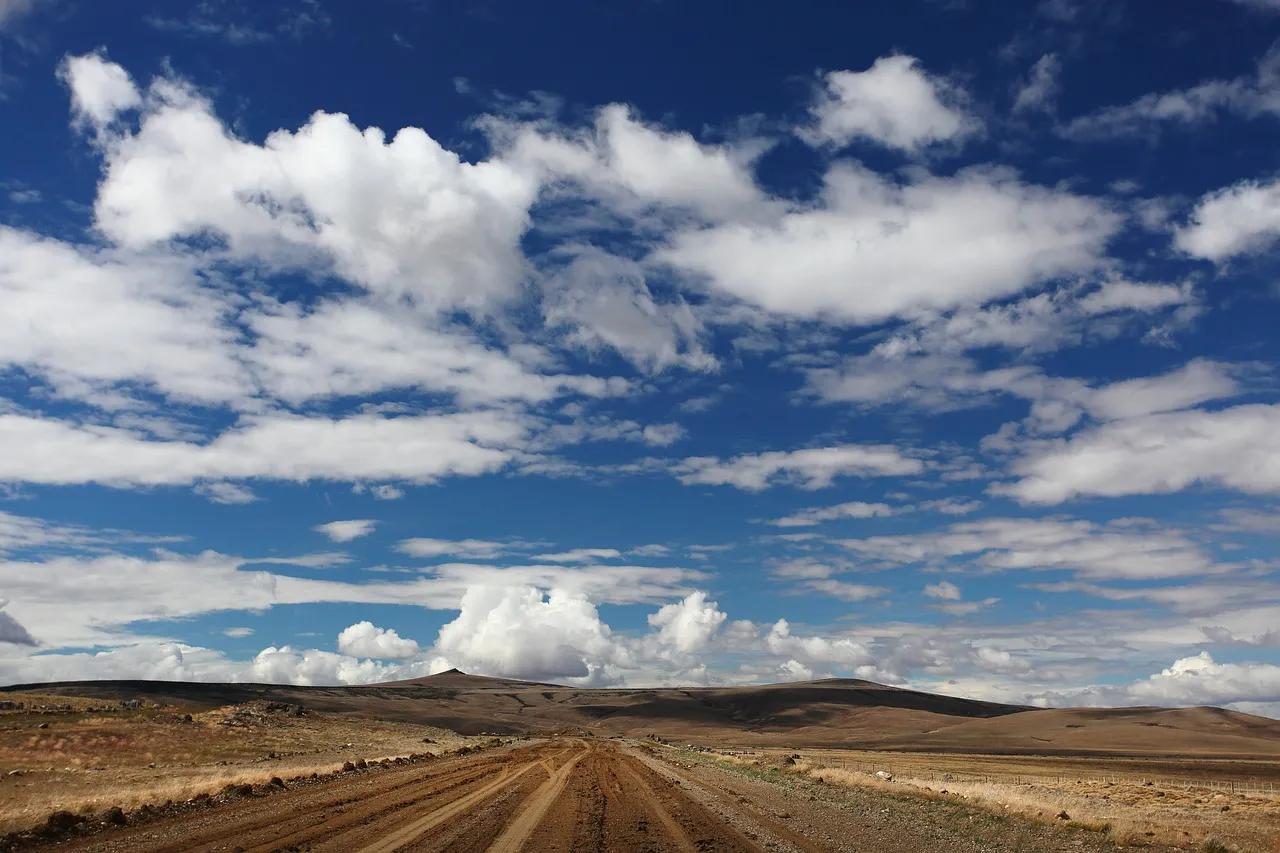
There’s something worth saying about why short road trips have held such cultural weight in the United States. Seventy-five percent of Americans intend to take at least one road trip this summer, most driving somewhere within 100 miles of their home. The appetite is enormous. The barrier, for most people, is simply convincing themselves that two days is enough. It is. Often, it’s exactly enough.
Road trips are one of the most popular travel choices in the U.S., with an estimated 1.95 billion road trips taken in 2024. That number suggests something most seasoned travelers already know: the open road doesn’t require weeks of vacation time to deliver something genuinely worthwhile. A single well-chosen weekend, aimed at the right stretch of highway, can hold more than you expect.
The seven routes above are each proof of that. None demand a special vehicle, a huge budget, or an elaborate itinerary. They just require leaving Friday with a full tank, a rough plan, and the willingness to pull over whenever something looks worth stopping for. That, more than anything, is the whole point.
AI Disclaimer: This article was created with the assistance of AI tools and reviewed by a human editor.