
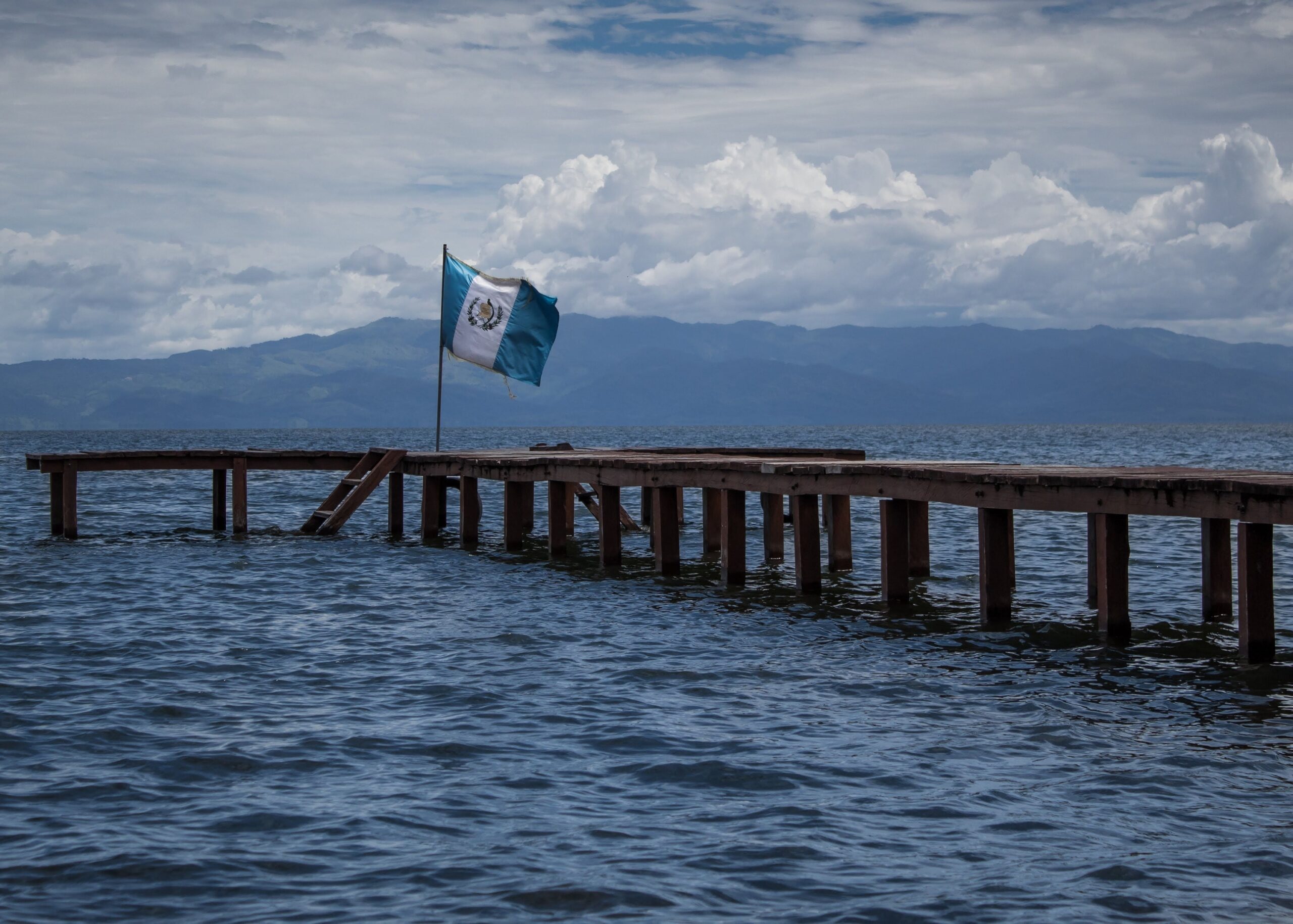

Tikal: A Jungle City That Refuses to Stay Hidden
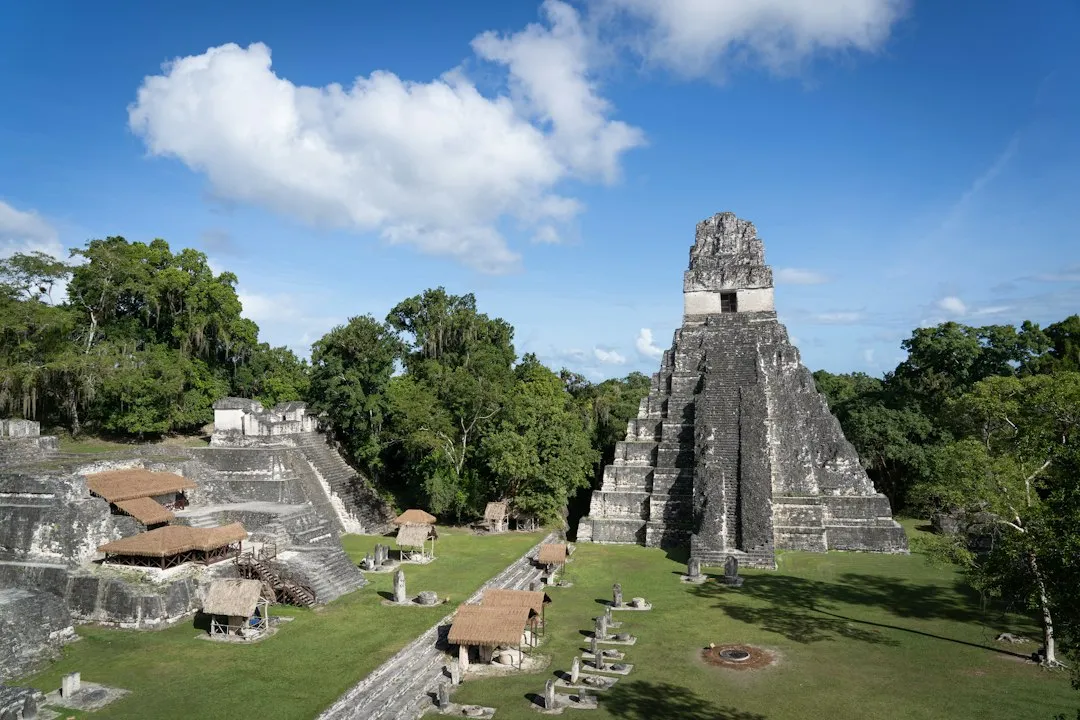
There’s a reason Tikal keeps appearing on every serious traveler’s shortlist. It is one of the largest cities of the Mayan civilization, and within the park there are over a thousand structures, including temples, pyramids, plazas, and palaces, though archaeologists believe they have uncovered only a fraction of what the Maya truly left behind. Standing at the base of Temple IV before sunrise, with toucans calling through the canopy, is an experience that exists entirely outside the ordinary.
Tikal, one of the largest and most important Mayan cities, is located in Guatemala’s Petén region and was declared a UNESCO World Heritage Site in 1979. The park is also a mixed-designation site, meaning it’s recognized for both its cultural and natural value simultaneously. Very few places in the world hold that distinction.
Lake Atitlán: The Deepest and Most Discussed Lake in Central America
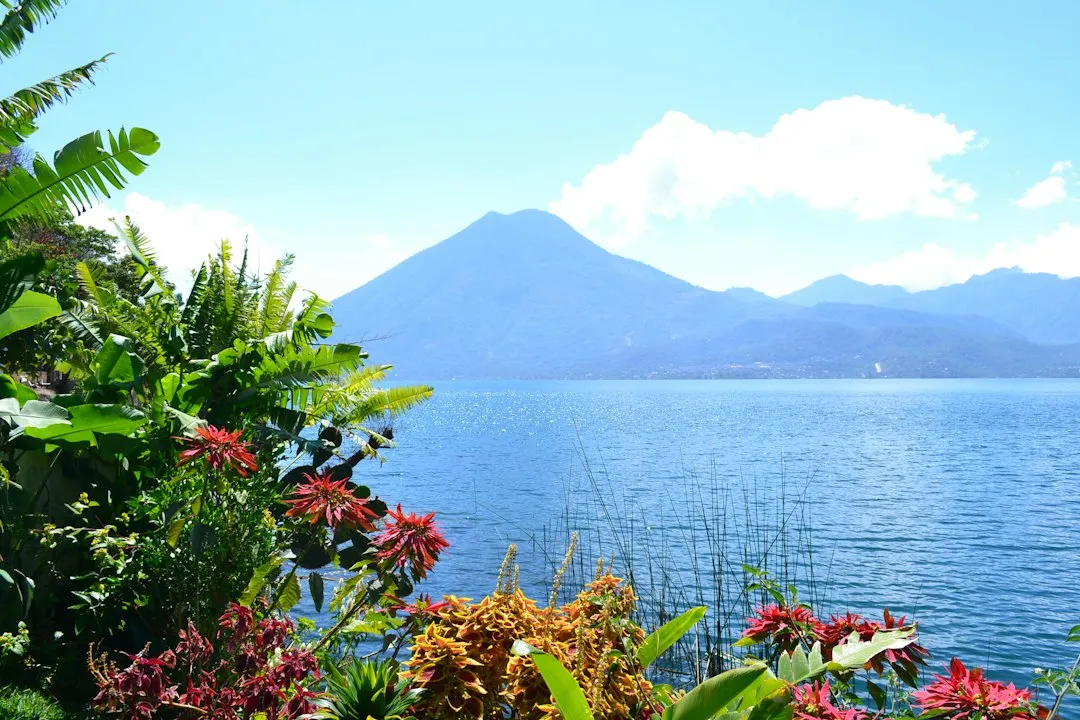
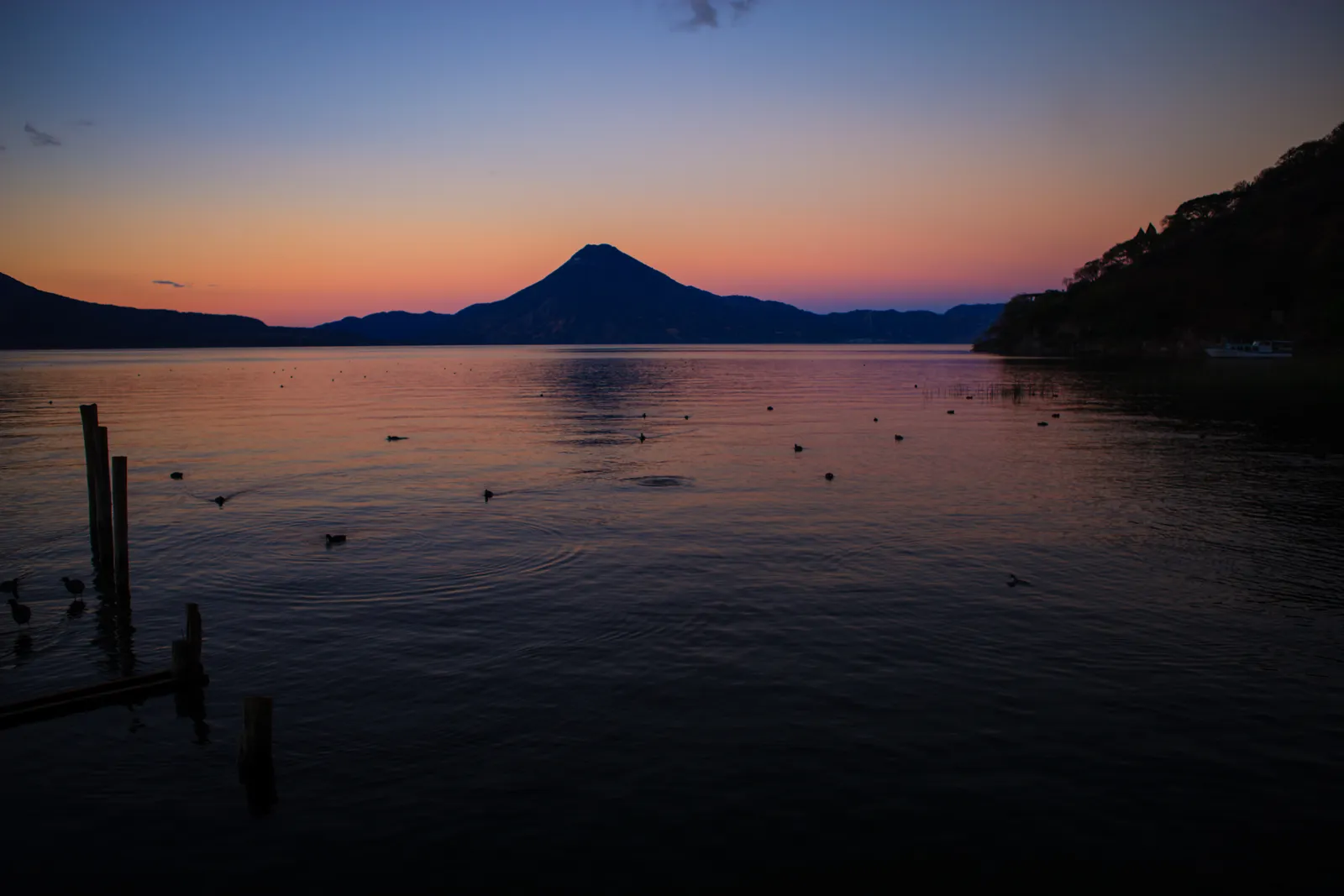
Often called the world’s most beautiful lake, Lake Atitlán plunges to depths exceeding 1,000 feet, making it the deepest lake in Central America. It was formed by a massive volcanic eruption approximately 84,000 years ago and is surrounded by three imposing volcanoes: San Pedro, Atitlán, and Tolimán. The view from the water’s edge, especially at dusk, is genuinely difficult to describe without reaching for clichés.
What truly sets Lake Atitlán apart is the vibrant tapestry of indigenous cultures that call its shores home. The lake is encircled by traditional Mayan villages, each possessing its own distinct character and customs. These aren’t reconstructed heritage attractions. They are living communities with their own languages, weaving traditions, and spiritual practices.
Antigua Guatemala: Colonial Architecture Preserved in Amber
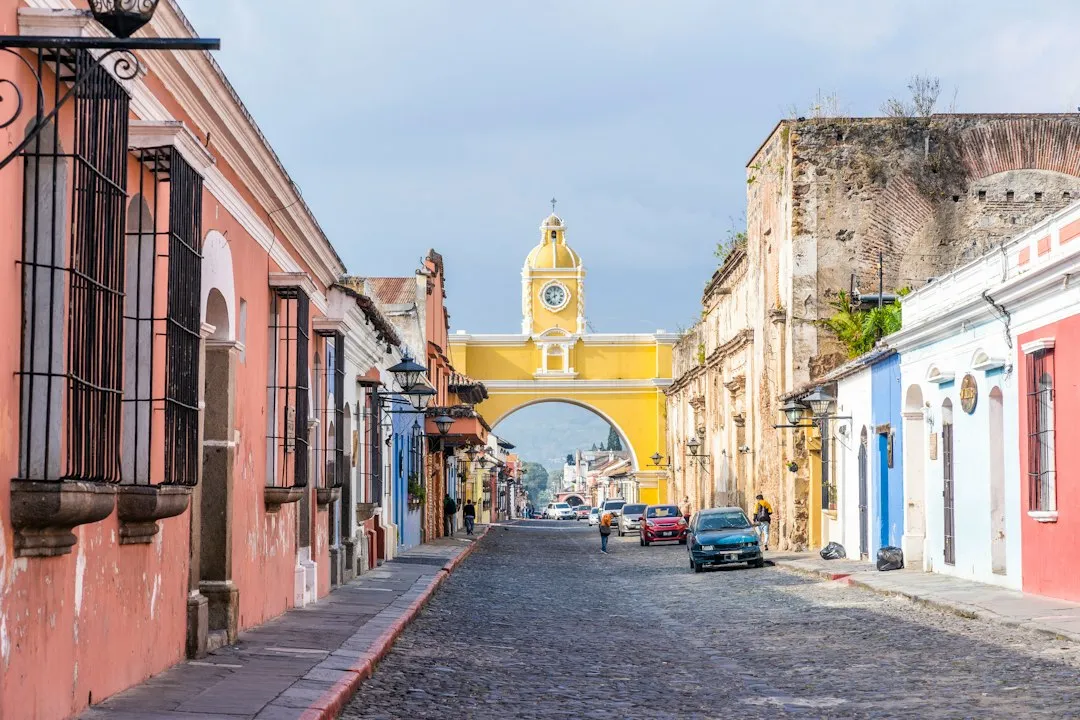
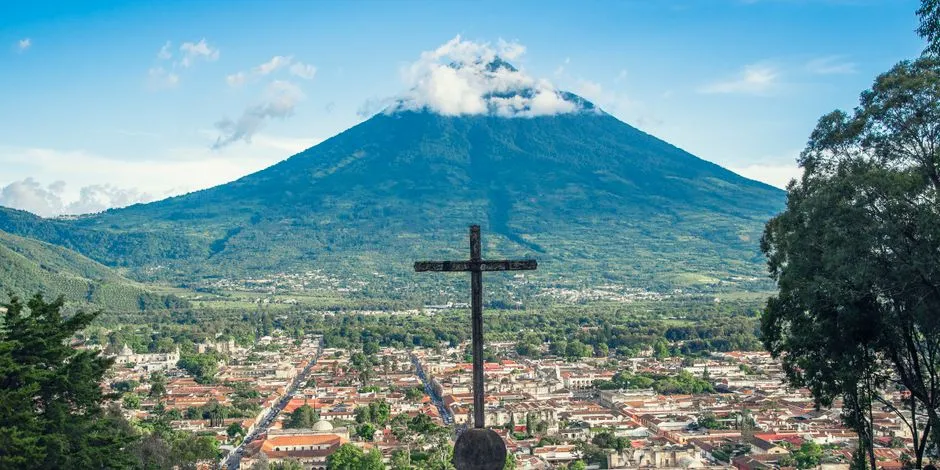
Declared a UNESCO World Heritage Site in 1979, the colonial-era town of Antigua was largely damaged by earthquakes, including a major one in 1773 that led to the capital being moved. Fortunately, Antigua never really died and was extensively rebuilt and restored, becoming today the number one destination for holidays to Guatemala. The cobblestone streets, colorful facades, and the atmospheric ruins of churches make it feel like time here moves differently.
UNESCO recognized Guatemala’s Holy Week celebrations in Antigua in 2022 as an Intangible Cultural Heritage of Humanity. Every year, thousands of visitors and Guatemalans alike gather to witness the hand-crafted alfombras, the elaborate processions, and the extraordinary collective devotion that takes over the city’s streets for an entire week.
37 Volcanoes and the Right to Choose Your Adventure
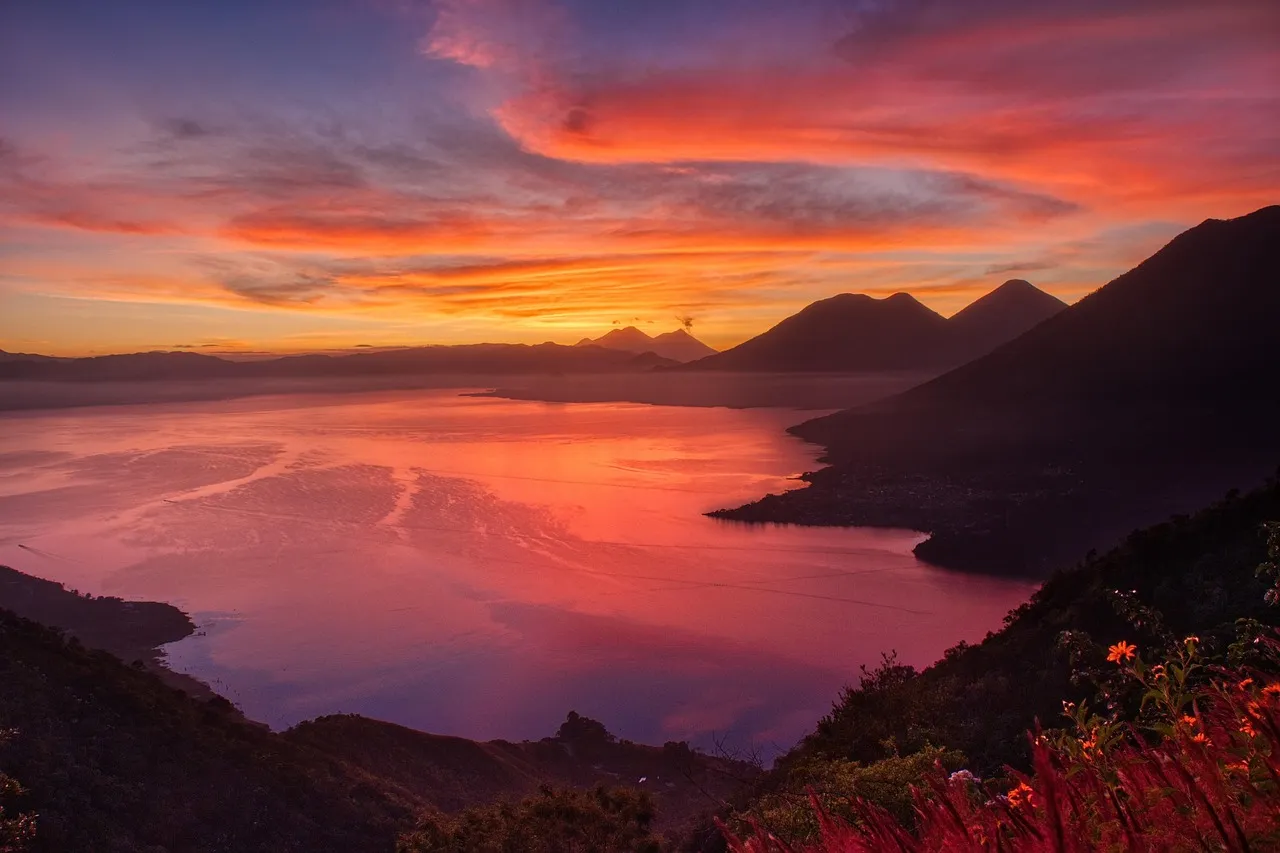
Guatemala has 37 volcanoes, of which three remain active: Pacaya, Fuego, and Santiaguito. While volcanic activity poses real risks, particularly from Volcán de Fuego, these same volcanoes create the fertile soils that support Guatemala’s agricultural economy and contribute to the country’s dramatic landscape beauty. For travelers, the volcanoes offer a range of experiences that go from challenging multi-day treks to accessible afternoon hikes.
Pacaya is the most commonly hiked by visitors because it’s the most predictable in terms of activity. On a clear summit day, the views stretch across the highland plateau in every direction. Guatemala’s highest point is Volcán Tajumulco, standing at 4,220 meters above sea level, making it also the highest peak in all of Central America.
A Living Indigenous Culture Unlike Anywhere Else in the Americas
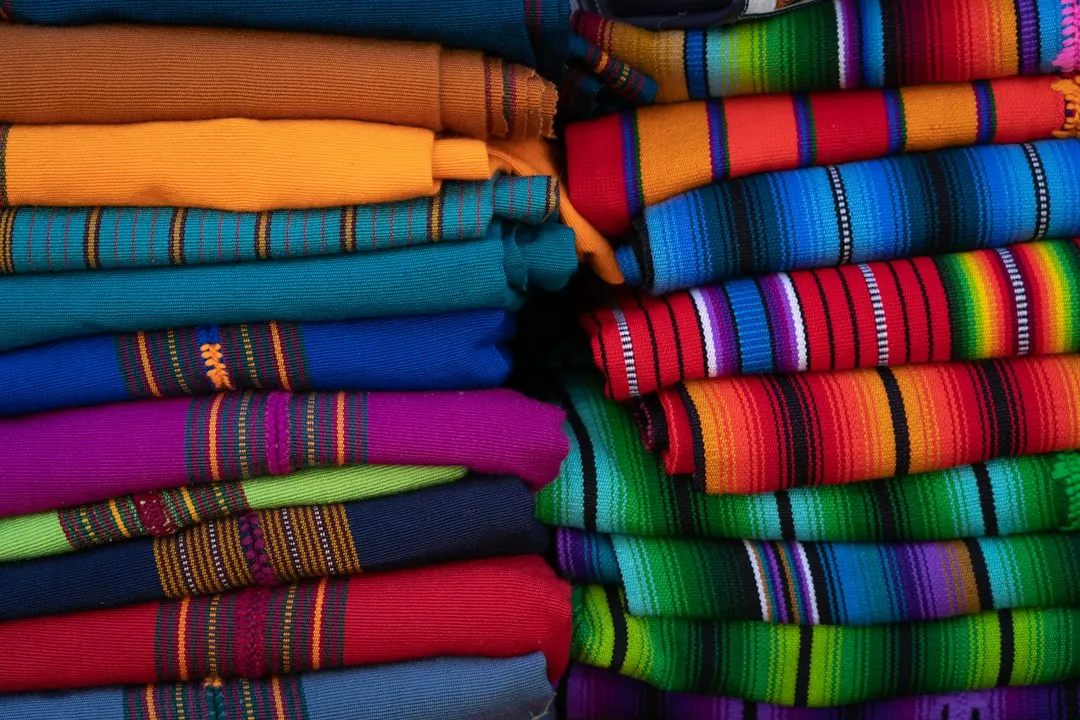
Guatemala recognizes 24 indigenous Maya languages, including K’iche’, Q’eqchi’, Kaqchikel, and Mam, alongside the Xinca and Garífuna languages spoken in specific regions. This linguistic diversity makes Guatemala one of the most multilingual countries in the Americas. Language here isn’t just communication. It’s a marker of identity, community, and continuity across centuries.
The Chichicastenango market, held every Thursday and Sunday, offers one of the most direct encounters with that living culture. Guatemala’s colorful markets, like the one in Chichicastenango, offer a sensory experience of sights, sounds, and smells that takes time to fully absorb. Textiles, ceramics, and handwoven huipiles carry patterns that are specific to individual villages, each one telling a story if you take the time to learn it.
Remarkable Biodiversity Packed into a Small Territory
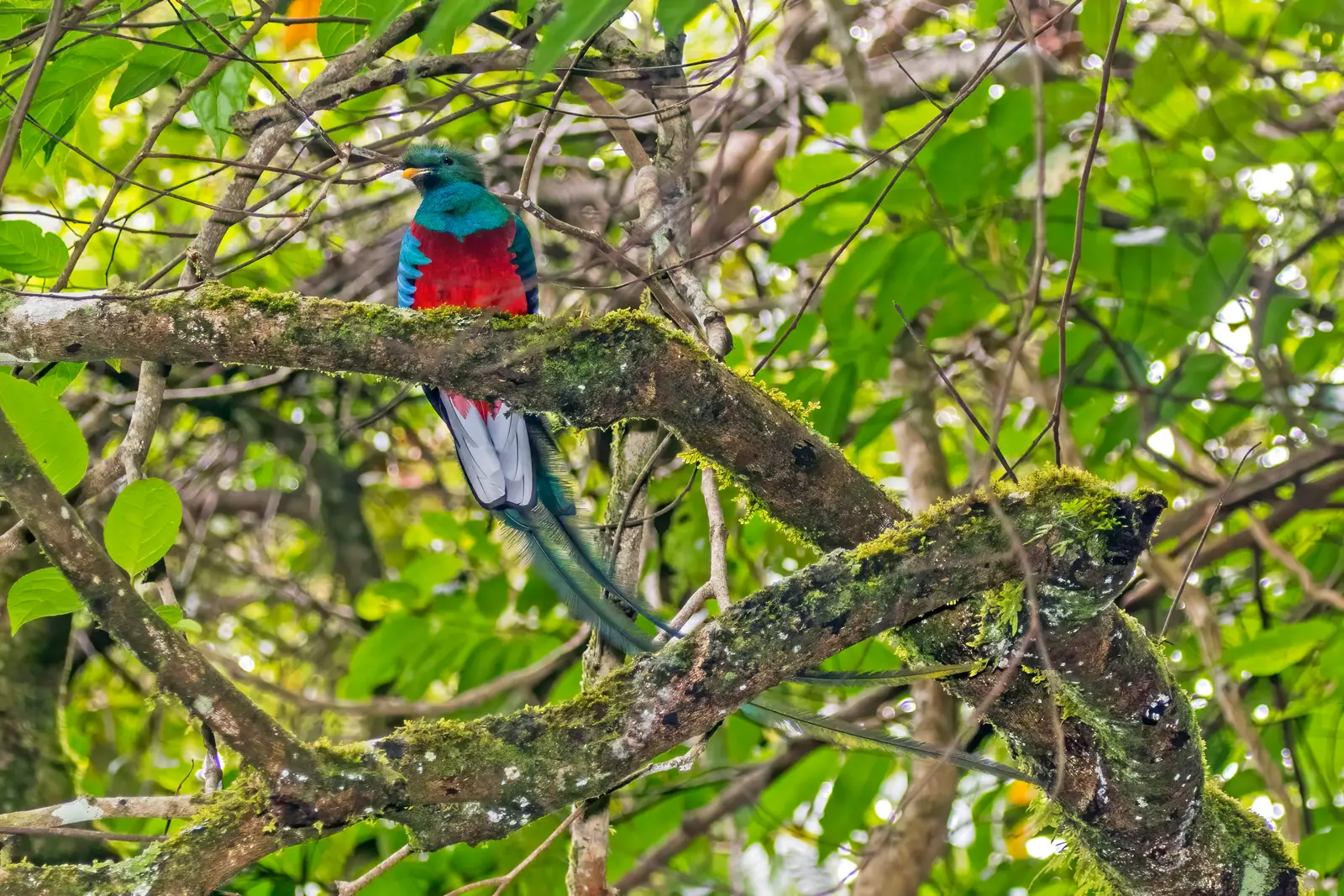
From cloud forests and mangrove swamps to tropical rainforests and alpine meadows, Guatemala packs incredible biodiversity into its relatively small territory. This ecological diversity supports numerous endemic species and creates over 300 distinct microclimates throughout the country, making it one of the world’s most biodiverse nations per square kilometer. Birdwatchers in particular find Guatemala extraordinary: the resplendent quetzal, the national bird, can still be spotted in the cloud forests of the Biotopo del Quetzal reserve.
The Petén region in northern Guatemala contains the largest tropical rainforest in Central America, home to diverse wildlife and ancient Mayan ruins. The country also has 14 distinct eco-regions, including mangrove forests, cloud forests, and tropical rainforests, which means that within a single week of travel, you can move through entirely different ecosystems without leaving the country.
A Food Culture Rooted in Ancient Mayan Tradition

Guatemala’s culinary heritage is drawing increased interest from global travelers. Traditional dishes such as pepián, a spiced meat stew, tamales wrapped in banana leaves, and street foods like rellenitos, sweet plantains filled with black beans, offer authentic tastes of the country’s identity. Local markets are also popular for their fresh produce and handmade chocolates. The flavors are earthy, layered, and unmistakably Guatemalan.
Guatemalan cuisine is typically packed with spice and is said to have been heavily influenced by Mayan culture. The cacao traditions run especially deep here. The ancient Maya drank chocolate, often mixed with chili, rather than eating it as a solid, and specialty cacao producers in the Verapaz and Izabal regions are now reviving those traditions for a new generation of curious visitors.
A Tourism Sector Built on Sustainable Ambition
The 2025 results strengthen the starting point for implementing Guatemala’s Sustainable Tourism Master Plan 2026 to 2036, which aims to consolidate tourism as a driver of economic growth through its ability to generate foreign exchange, employment, and productive activity across regions. This is a meaningful shift: a government-level commitment to managing tourism growth carefully rather than just chasing volume.
Tourism spending in Guatemala is expected to reach over USD 2.6 billion by 2035, with significant job support, including around 541,000 jobs supported in 2024. Visiting Guatemala today means participating in an economy that is actively working to distribute those benefits more broadly across local communities and ecosystems, not just cluster them in a handful of hotspots.
Semuc Champey: Nature’s Most Underrated Masterpiece
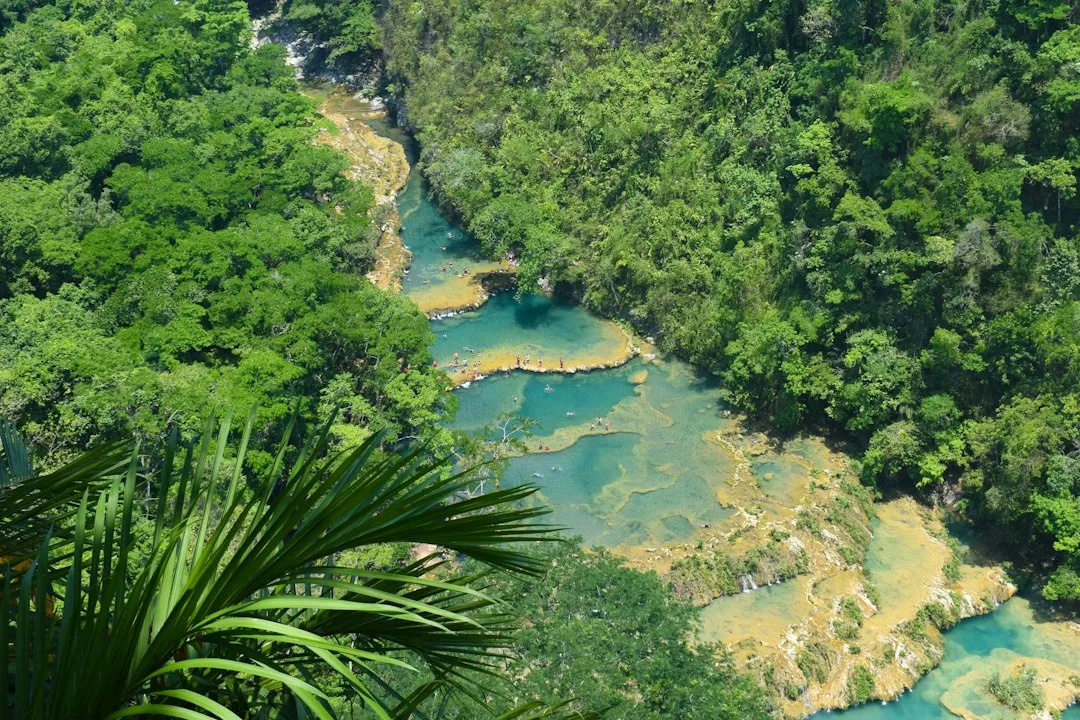
Semuc Champey is a 300-meter-long limestone bridge over the Cahabón river, and the turquoise pools in the river are popular for swimming in remarkably clear waters. It sits in the Alta Verapaz region, surrounded by dense jungle and accessible after a journey that itself becomes part of the experience. The effort involved in getting there keeps it from feeling overrun.
For travelers willing to go a bit further off the main circuit, Semuc Champey rewards the extra effort with scenery that feels genuinely untouched. The surrounding forest is home to wildlife that most visitors don’t expect: river otters, toucans, and spider monkeys have all been spotted nearby. It’s the kind of place that makes you recalibrate your sense of what “beautiful” actually means.
Four UNESCO World Heritage Sites and Counting
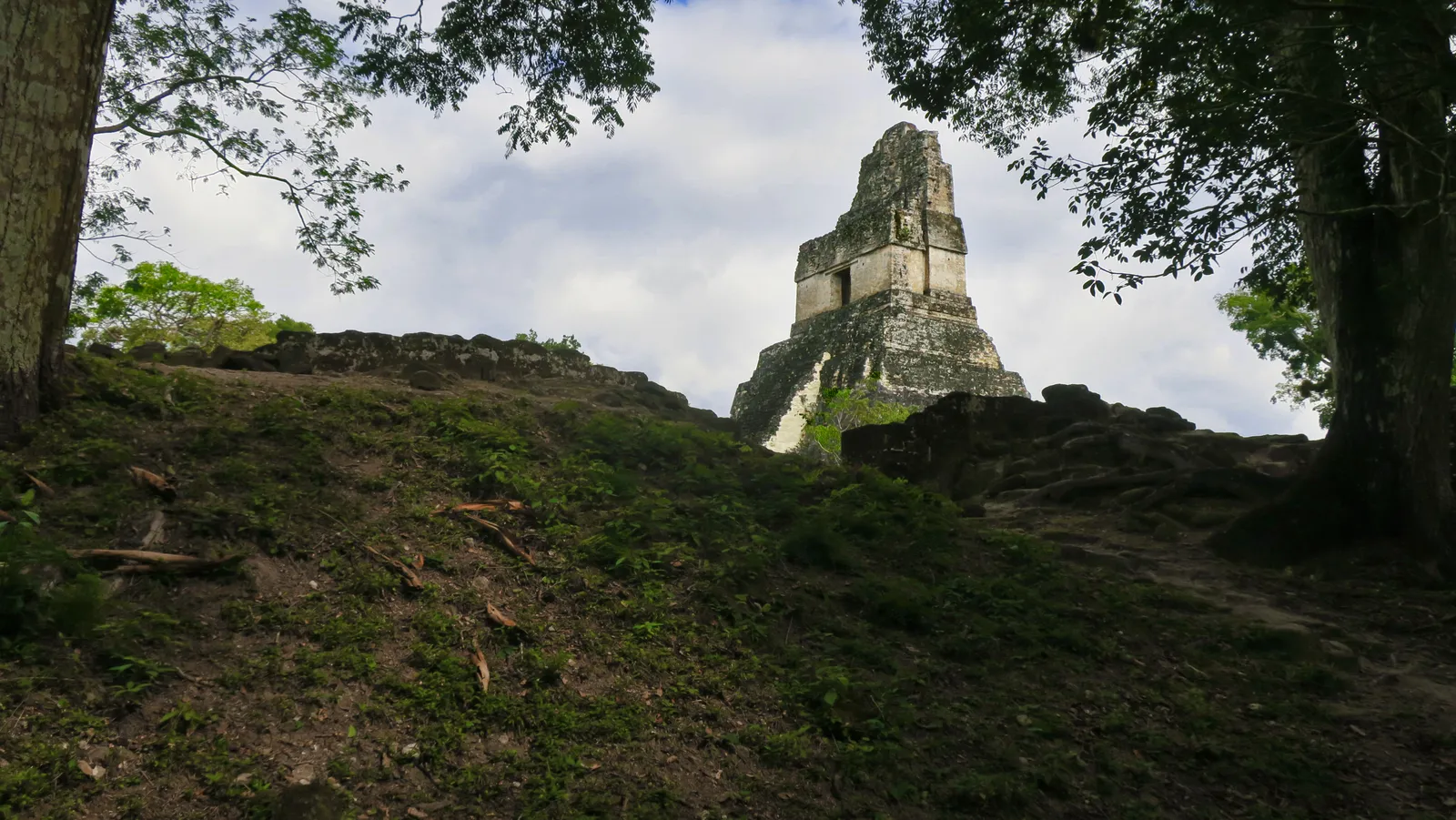
Guatemala has been a State Party to the World Heritage Convention since 1979 and, with four inscribed properties, maintains a well-established presence on the World Heritage List. The majority of its sites are cultural properties, reflecting a strong emphasis on historical and architectural heritage. Those four sites are Antigua Guatemala, the Archaeological Park of Quirigua, Tikal National Park, and the National Archaeological Park Tak’alik Ab’aj, the latter added in 2023.
In 2024, UNESCO also recognized the technique of making the giant kites of Santiago Sacatepéquez and Sumpango as Intangible Cultural Heritage, a tradition tied to the Day of the Dead celebrations in November. Guatemala also has 22 properties on the UNESCO Tentative List, suggesting that the country’s recognized cultural and natural wealth is still very much in the process of being formally acknowledged on the world stage.
Why Guatemala Stays with You
Guatemala doesn’t present itself to you in a tidy package. The country is complex, layered, and occasionally challenging in ways that make it more meaningful rather than less. It asks something of the traveler: a willingness to slow down, to listen, to look more carefully than you might elsewhere.
What you receive in return is difficult to reduce to a single reason. It might be the morning light on the caldera of Lake Atitlán. It might be a grandmother weaving cloth in a pattern her community has used for generations. It might simply be the dense, humid air of Tikal as the jungle wakes up around you at dawn. Guatemala doesn’t hand these moments over easily. It keeps them for people who actually show up.
AI Disclaimer: This article was created with the assistance of AI tools and reviewed by a human editor.