
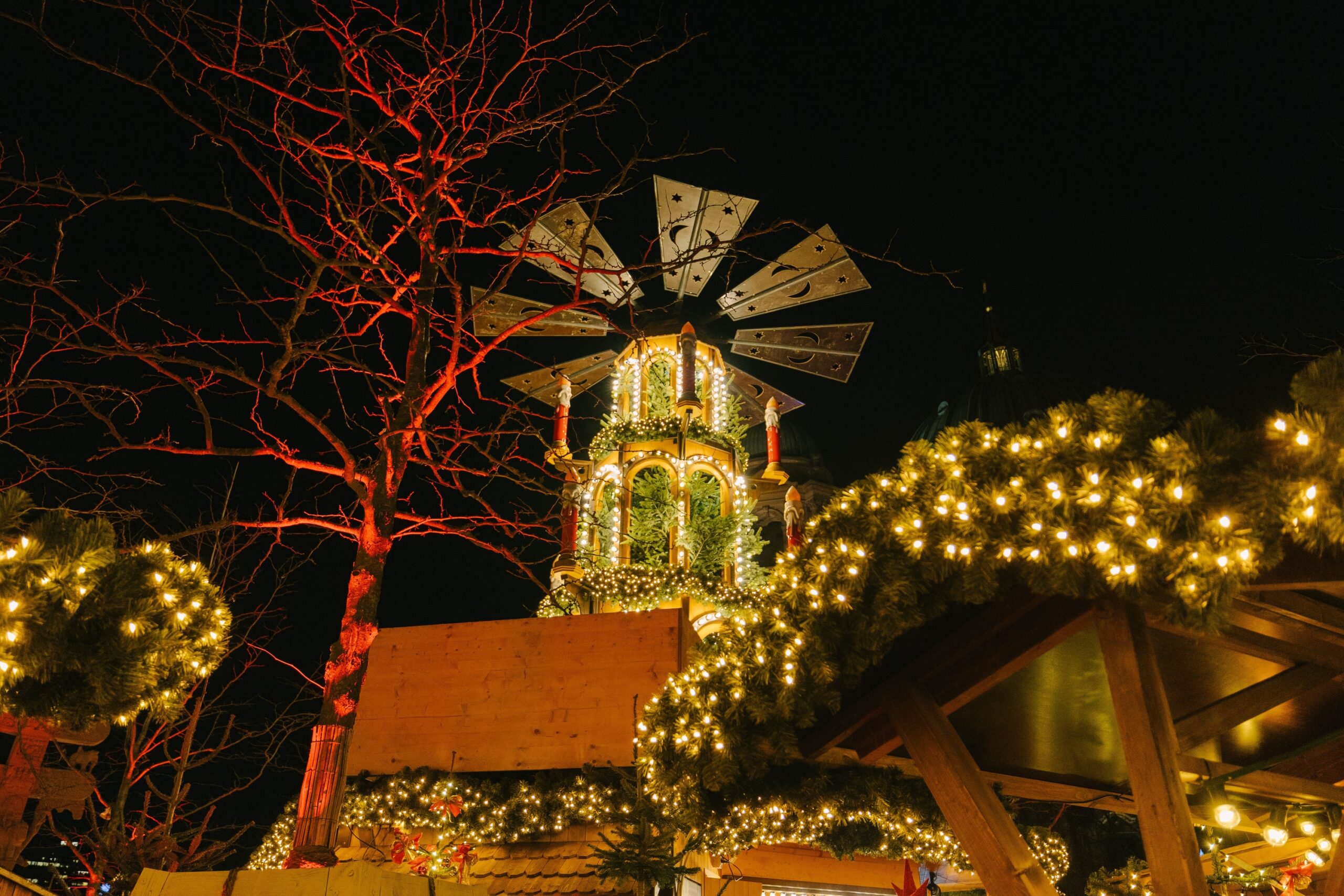

Each year, tens of millions of people descend on European city squares to sip warm drinks, browse handcrafted stalls, and breathe in the scent of roasting chestnuts and spiced wine. A Data Appeal Company and Mabrian analysis forecasts 17.3 million visits and nearly 987 million euros in spending across top Central European Christmas markets in 2025 alone, led by Cologne, Hamburg, and Strasbourg. That’s not a niche seasonal tradition anymore. It has become one of the most significant travel events on the European calendar.
There are more than 1,500 Christmas markets in Europe, and this year more than 800,000 travellers voted for their favorites via the European Best Destinations platform. With that many people crowding into centuries-old city squares in November and December, what you pack matters more than you might expect. A poorly chosen coat or the wrong bag can quietly ruin what should be a genuinely memorable trip.
1. A Serious, Weather-Ready Winter Coat
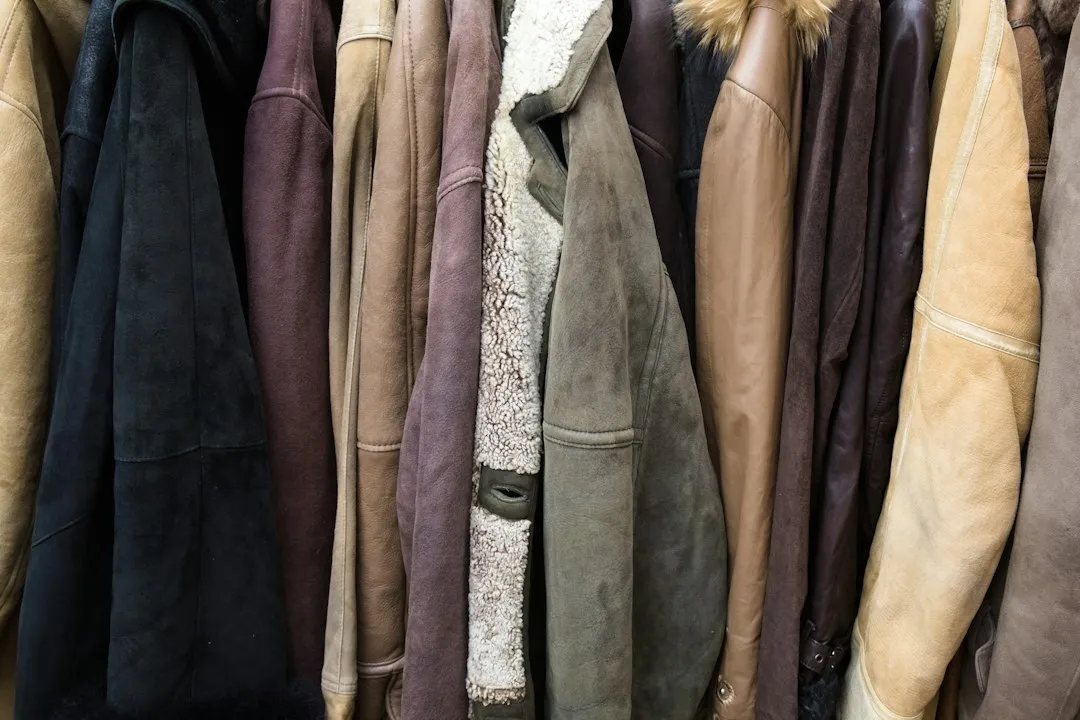
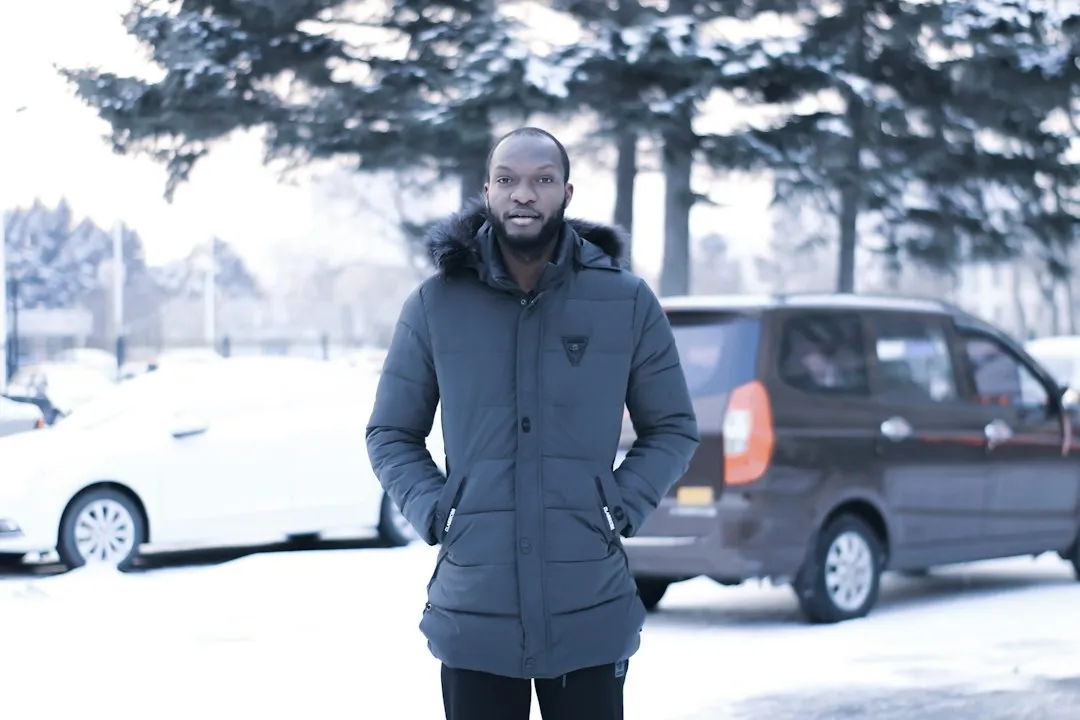
This is the single most important item on any Christmas market packing list, and it is worth treating it that way. These are outdoor events that go on in rain, shine, or snow, which means packing a warm winter coat, gloves or mittens, a stocking cap, and waterproof boots is truly imperative. European Advent weather, particularly in Germany, Austria, and France, can swing between damp and grey to genuinely bitter cold within the same afternoon.
Your base layer is the clothing worn directly against your skin, and its job is to regulate temperature and wick away moisture. A coat that looks good but lets wind through will leave you miserable by your second mug of Glühwein. Make sure your coat is warm enough for temperatures around 40 degrees Fahrenheit, and bring a rain jacket too, because rain at these markets is genuinely common.
Hoods are worth prioritising. A hood saves you from having to carry an umbrella in packed markets, which matters when both hands are holding a hot drink and a paper bag of ornaments.
2. Thermal Base Layers You Can Actually Move In
Base layers tend to be the most underestimated item on a packing list. People bring them as an afterthought, then end up wearing them every single day. Aiming for a light to mid-weight base layer, with a mid-weight sweater and a heavier jacket on top, allows you to remove the heaviest layers indoors without sweating, while staying warm enough when you are outside.
You’ll want thermal leggings or long underwear, along with merino wool or synthetic base layer tops, and it’s important to avoid cotton, which traps moisture. Merino wool, in particular, is a strong choice. It insulates well, resists odour, and dries quickly. For bottoms, putting a merino wool base layer under jeans or pants and fleece-lined leggings under skirts and dresses is a practical and effective approach.
3. Waterproof Boots with Real Grip

Christmas market cobblestones are beautiful and, when wet or lightly iced, genuinely treacherous. This is one item where comfort and safety genuinely overlap. Waterproof boots are essential; a nice leather boot or insulated winter hiking boots both work well, even if the hiking option marks you as a tourist. Warmth and grip matter far more than appearances on a slick Nuremberg square at dusk.
Chelsea-style waterproof boots work well for market days, and having a second pair of running or tennis shoes for days with more walking is also a smart addition. Your feet will be on cold, hard ground for hours at a stretch. Don’t negotiate on this one.
4. Cold-Weather Accessories: Gloves, Hat, and Scarf

A hat, scarf, and gloves are easy to wave off as minor, until you’re standing in a Cologne market at seven in the evening with numb ears and stiff fingers. Even with a hood, having something tightly wrapped around your ears will really help you retain heat. These three items take up almost no suitcase space and return enormous value in on-the-ground comfort.
One specific detail worth getting right is glove compatibility. Touchscreen-compatible gloves are important because you’ll want to take photos or use Google Maps without freezing your fingers, and standard gloves make that experience genuinely frustrating. Hand warmers are another small but worthwhile addition. They can feel like overkill to pack, but they are genuinely helpful after spending hours upon hours outside in the cold.
5. A Secure, Zippered Crossbody Bag
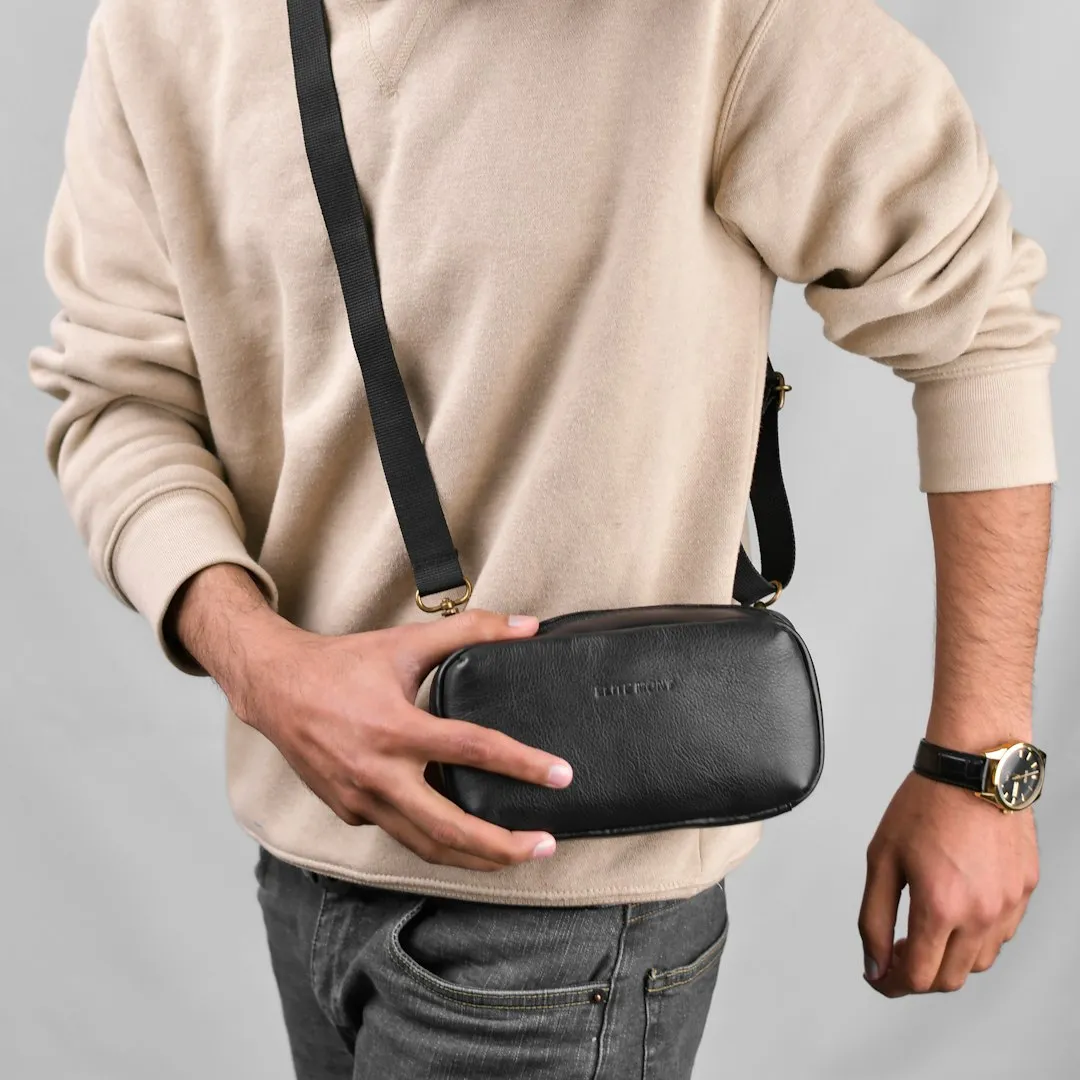
Christmas markets are wonderful. They are also dense, bustling, distraction-rich environments, which makes them attractive territory for opportunistic theft. Risk concentrates in specific locations where distraction is the theft mechanism, and a practical defense is choosing the right gear, such as a money belt under clothing or a cross-body bag worn to the front. A secure bag is a simple, low-effort way to travel more confidently.
Opting for a bag with zippers is among the most important practical tips for European travel, since too many visitors walk through busy areas with bags that don’t seal shut. A theft-proof crossbody bag or backpack will give you peace of mind in the crowds, and a zippered waterproof tote will keep your purchases dry. Wearing your bag to the front in particularly crowded areas is a small habit that makes a real difference.
Situational awareness, meaning being observant of your surroundings and the people in them, is the single most effective tool against pickpocketing in Europe, more effective than any piece of gear alone.
6. A Universal Power Adapter and a Charging Hub
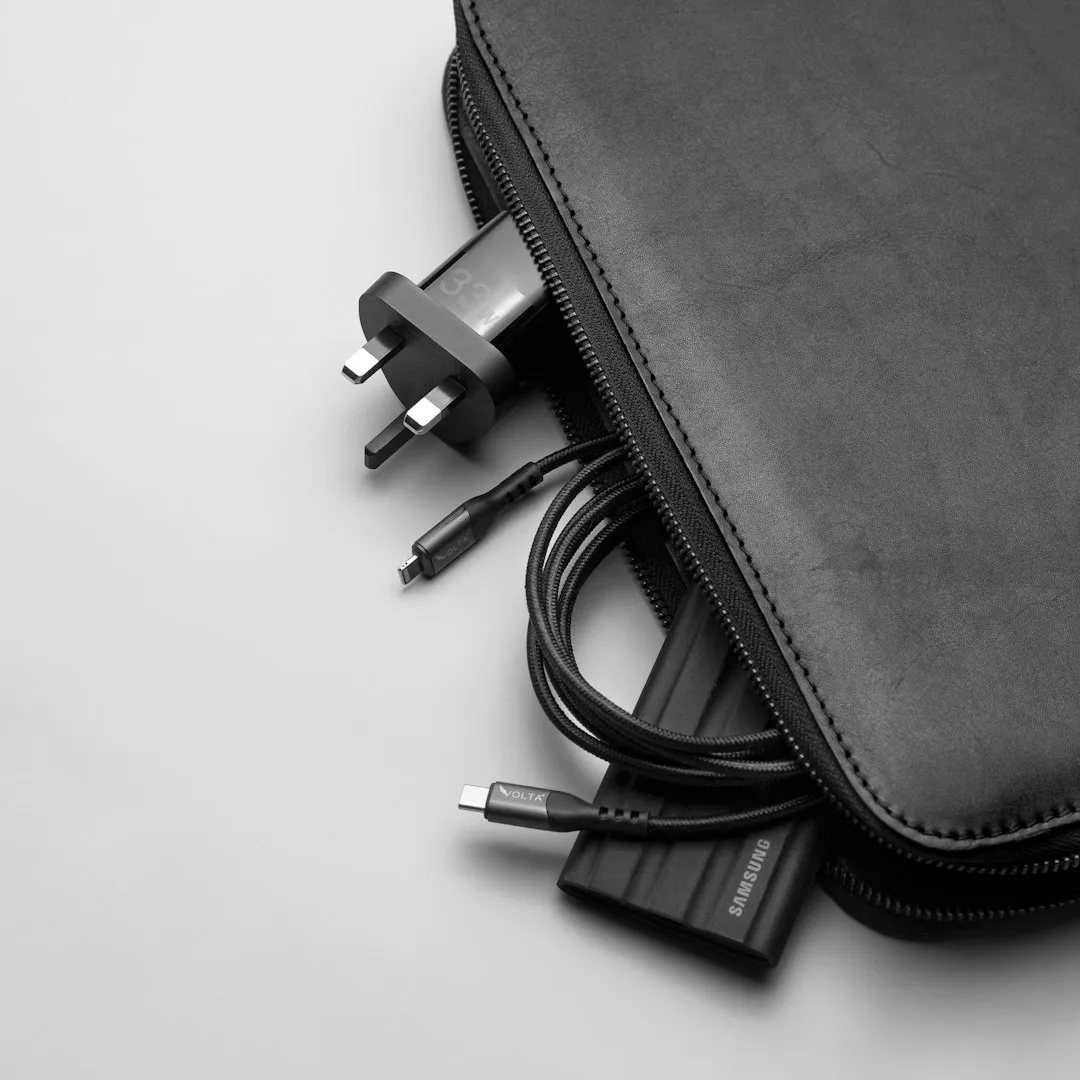
This is the item most people forget until they’re standing in a Frankfurt hotel room with a dead phone. Most European countries use Type C sockets operating at 230 volts, which differ from North American and British plugs. For 2026, the best adapters are multi-port GaN chargers with at least one USB-C power delivery port at 65 watts or higher, along with several USB-A ports for added flexibility.
Single-voltage items such as certain hair dryers, curling irons, or electric razors from the US, rated only for 110 or 120 volts, will be damaged if plugged into a 230-volt European outlet without a step-down voltage converter. Check your devices before you travel. A travel-sized umbrella, a charging hub, and a European outlet adapter are all sensible companions to keep in your carry-on bag.
7. A Collapsible Shopping Bag (and a Little Bubble Wrap)
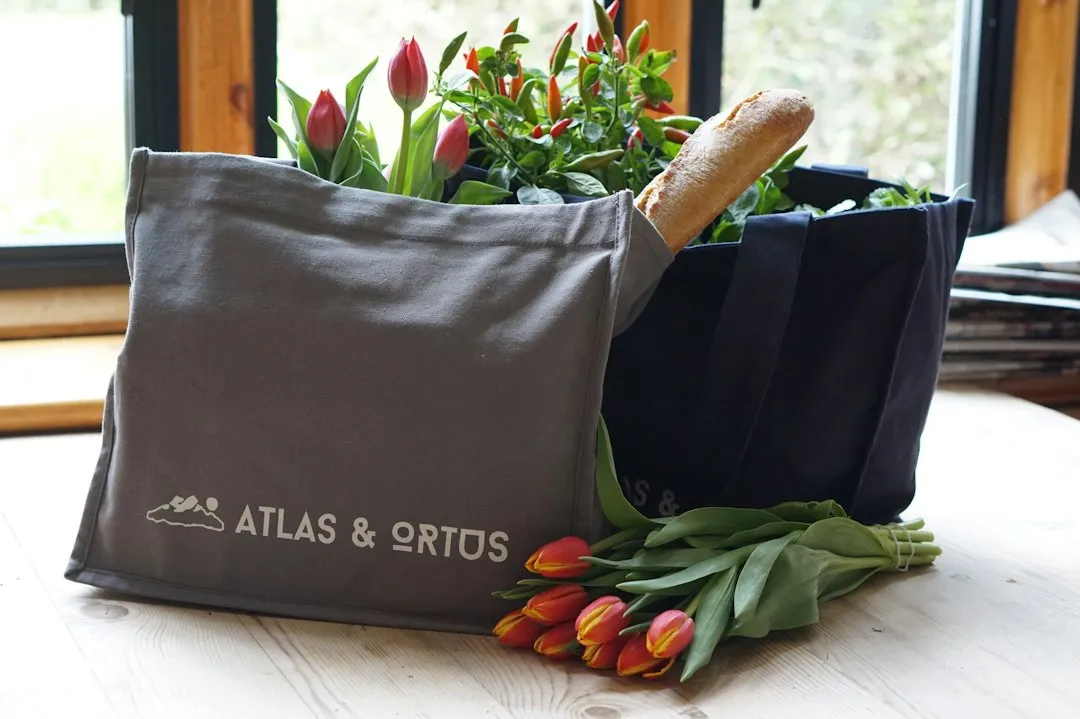
Almost everyone who visits a European Christmas market comes home with more than they planned to buy. The craftsmanship at these stalls is genuinely distinctive, and there’s a quiet joy in carrying something handmade back across the continent. Packing a packable duffel bag for the return trip is strongly worth considering, and bringing bubble wrap for breakables and a reusable shopping bag for use at the markets themselves is a practical idea.
On every market trip, packing both a canvas tote bag and a crossbody provides two useful options each day, and the tote can be neatly folded and stored in your suitcase until it’s needed. A collapsible bag weighs almost nothing on the way out and earns its place on the way back, tucked between a hand-blown glass bauble and a bag of spiced biscuits.
A Note on the Markets Themselves
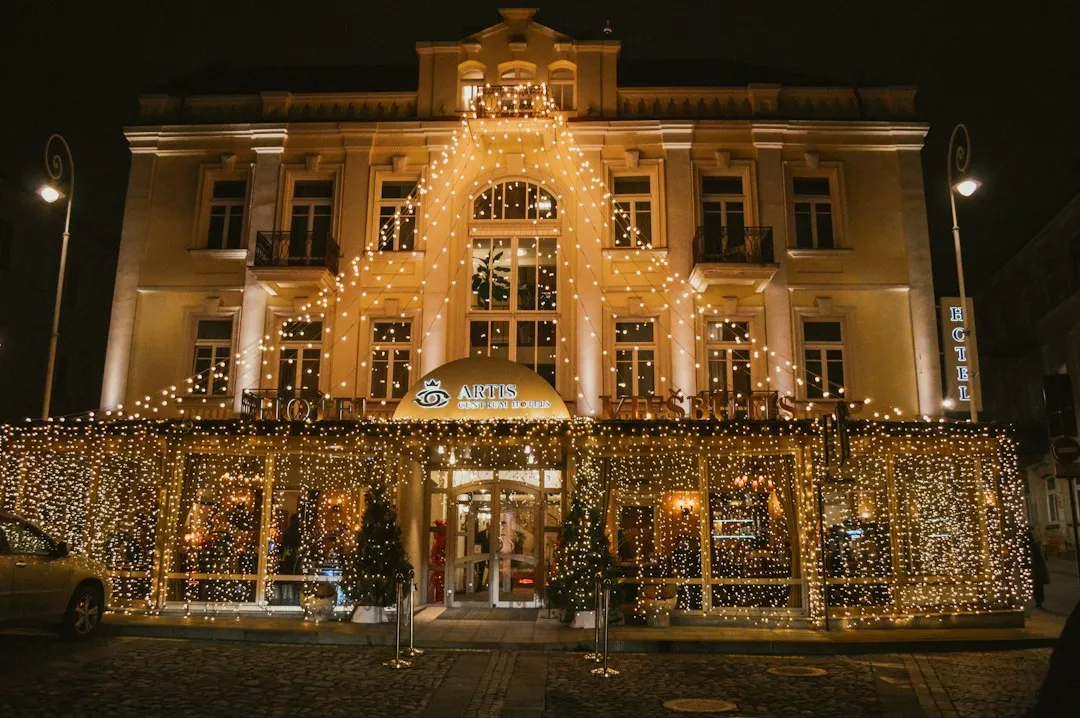
Hotels in top Christmas market destinations like Strasbourg, Vienna, and Prague often sell out months in advance around Advent weekends, so the trip deserves as much logistical thought as the packing list does. United Airlines reported a 30 percent surge in bookings to European cities with Christmas markets between November and December 2024, which illustrates just how much momentum this kind of travel has built. Booking early is no longer optional advice; it is simply how this type of trip works now.
Markets usually open from mid-November and run until Christmas Eve or early January, but each city is different and many have special holiday opening times, so confirming dates on official city or tourism sites before booking is essential. Getting the logistics right gives the packing list something meaningful to support.
The Takeaway
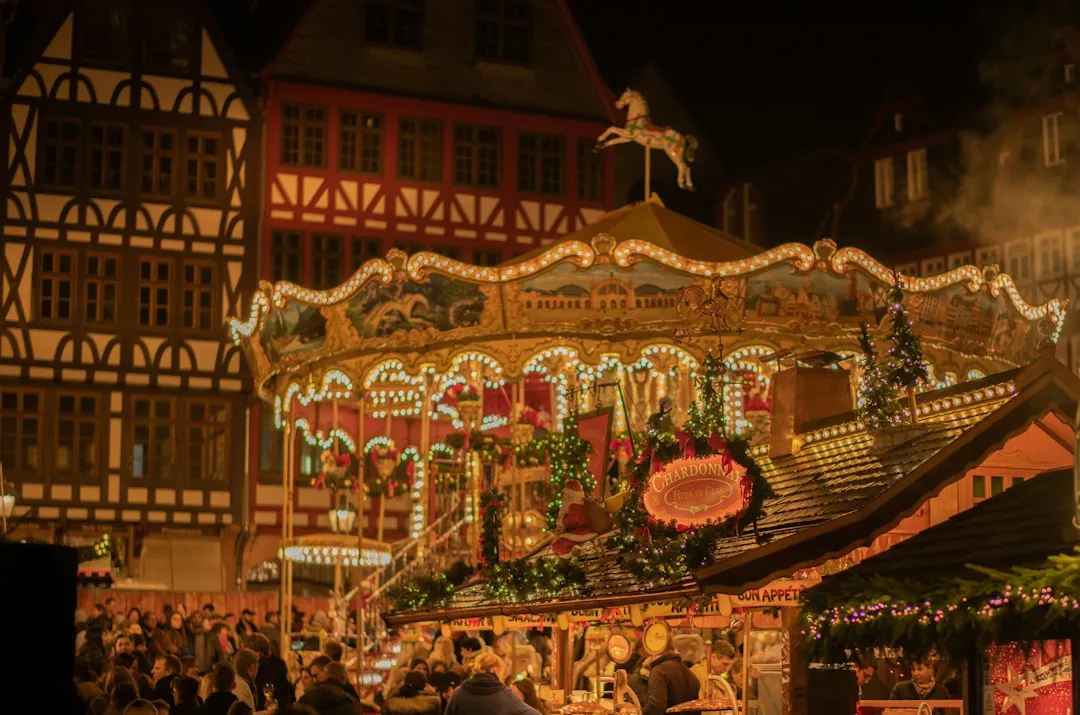
Packing for a European Christmas market trip is less about assembling a perfect list and more about understanding what the experience actually involves: long hours outdoors in cold, wet, crowd-filled settings, followed by the kind of evenings that make the whole journey worth it. The right coat, layering system, footwear, and bag take the friction out of the cold, leaving space for the parts that actually matter.
Pack practically. Book early. Then show up ready to wander slowly, spend freely on things made by hand, and let the smell of spiced wine do its quiet, persuasive work.
AI Disclaimer: This article was created with the assistance of AI tools and reviewed by a human editor.