
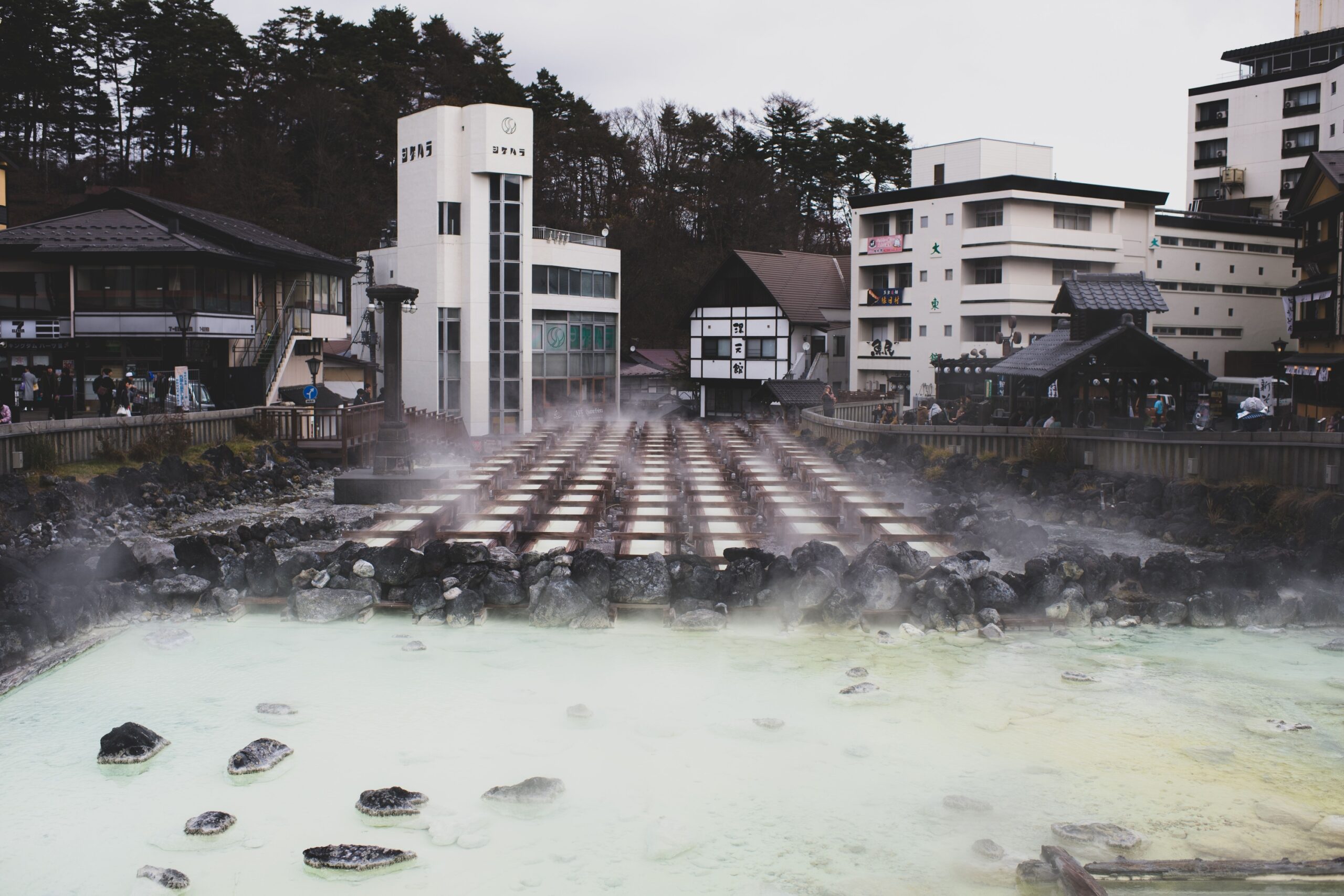

Hot springs tourism is having a genuine moment. According to the Global Wellness Institute, thermal and mineral springs tourism is expected to grow by roughly fourteen percent through 2027, driven by travelers who are genuinely seeking rest, mineral-rich water, and a slower pace. Whether you’re heading to a developed resort or a remote backcountry pool, the difference between a transcendent soak and an uncomfortable afternoon often comes down to what you brought with you.
Packing for a hot springs trip is deceptively simple on the surface, but there are a few things most first-timers get wrong. This gallery-style guide covers the essentials, with context on why each one actually matters.
1. Two or Three Swimsuits (Not Just One)
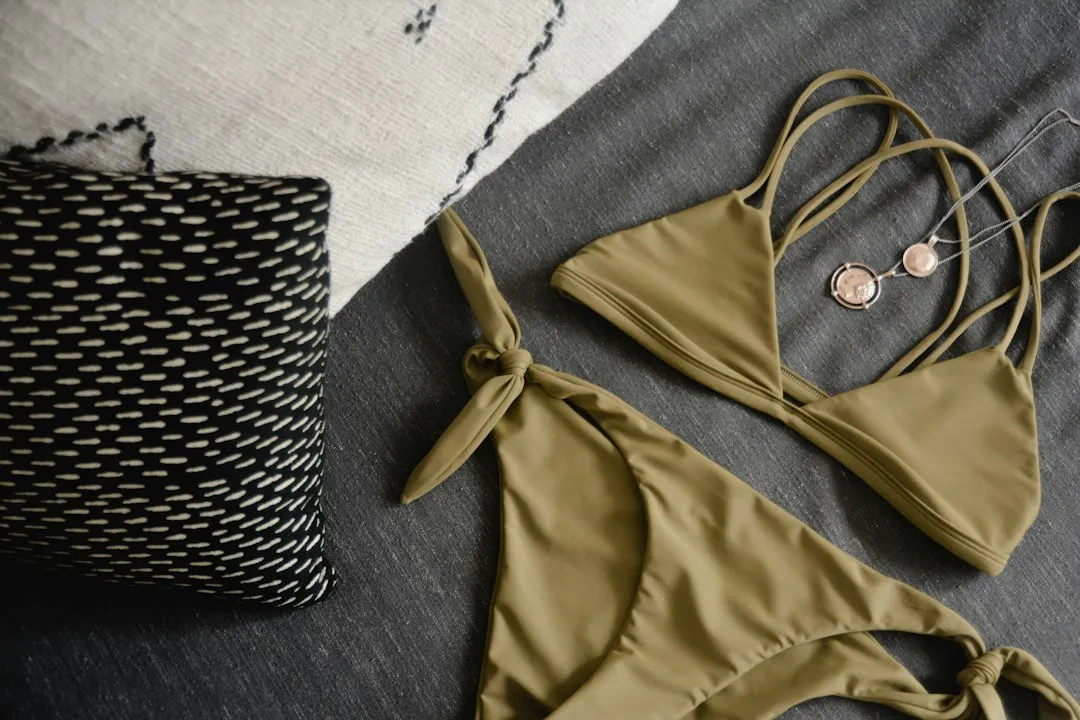
A wet suit simply won’t dry between morning and evening sessions, and soaking in a damp one is deeply unpleasant. Most guests find their skin feels softer afterward, but the combination of heat, minerals, and dry air is more drying over two days than you’d expect. Bringing at least two lets you rotate properly.
For wild or natural springs, it’s worth packing swimwear you don’t mind retiring. Iron-rich and sulfur waters stain, so a darker, older suit makes far more sense for those settings.
The mineral chemistry in geothermal water is genuinely hard on fabrics. Delicate materials, silk, and fine knits have no business near a soaking deck. Pack things you can throw in a bag while still damp and not worry about.
2. A Quality Microfiber Towel
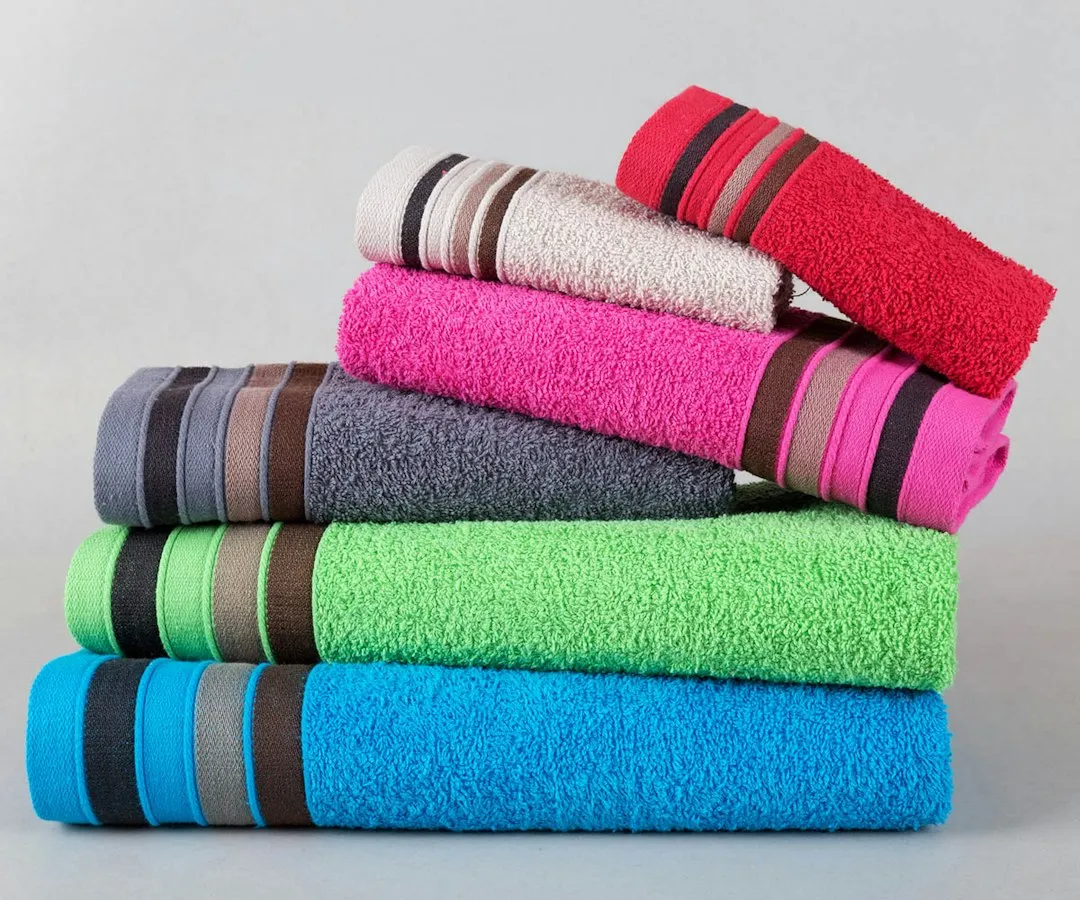
Just any bathroom towel is too bulky and not practical to fit in a day pack. For a hot springs trip, you need something lightweight, that dries quickly, and packs well. Microfiber towels are the modern answer.
A microfiber towel packs small and dries fast, making it essential when you’re hopping between pools. At resort settings with lockers, you might get away with a second standard cotton towel for the changing room. At backcountry pools, the microfiber is non-negotiable.
3. Water Shoes or Slip-Resistant Sandals
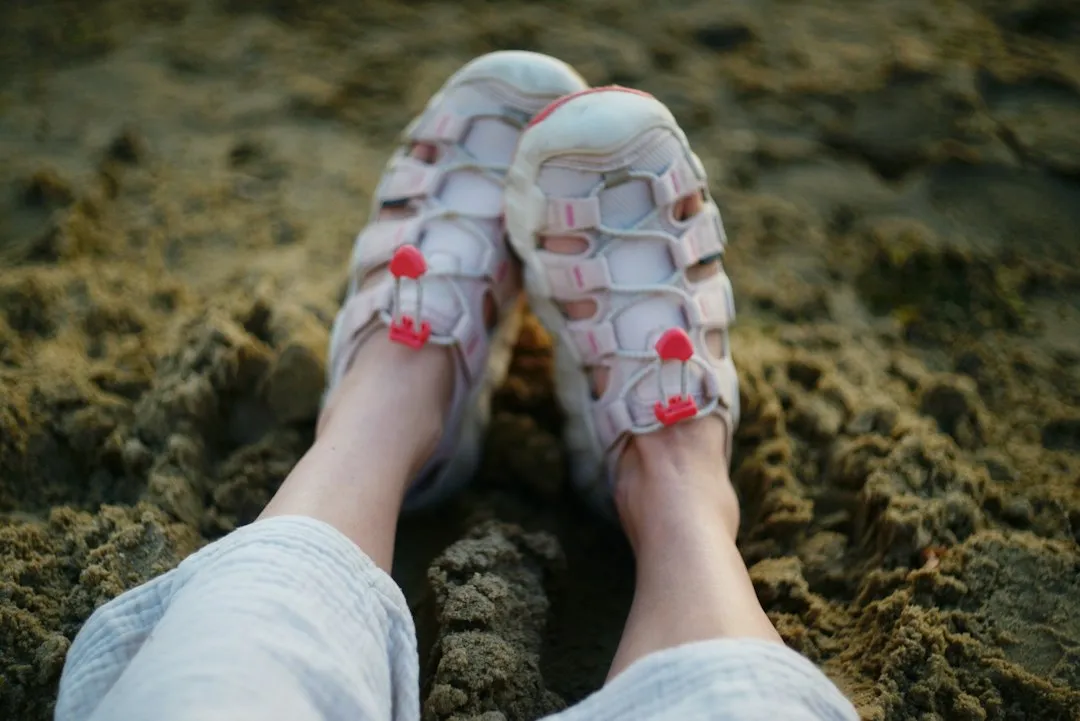
Hot springs areas can have slippery rocks, muddy paths, sharp gravel, or dangerously hot surfaces. Sandals or water shoes make it significantly safer to move between the changing area, pool, and surrounding terrain.
Most resort decks ban outdoor shoes but still require footwear between pools, so slip-resistant sandals work in both worlds. For natural springs, travertine, river rock, and hot sand are both slippery and sharp, making water shoes non-negotiable at natural sites.
4. A Dry Bag or Wet Bag
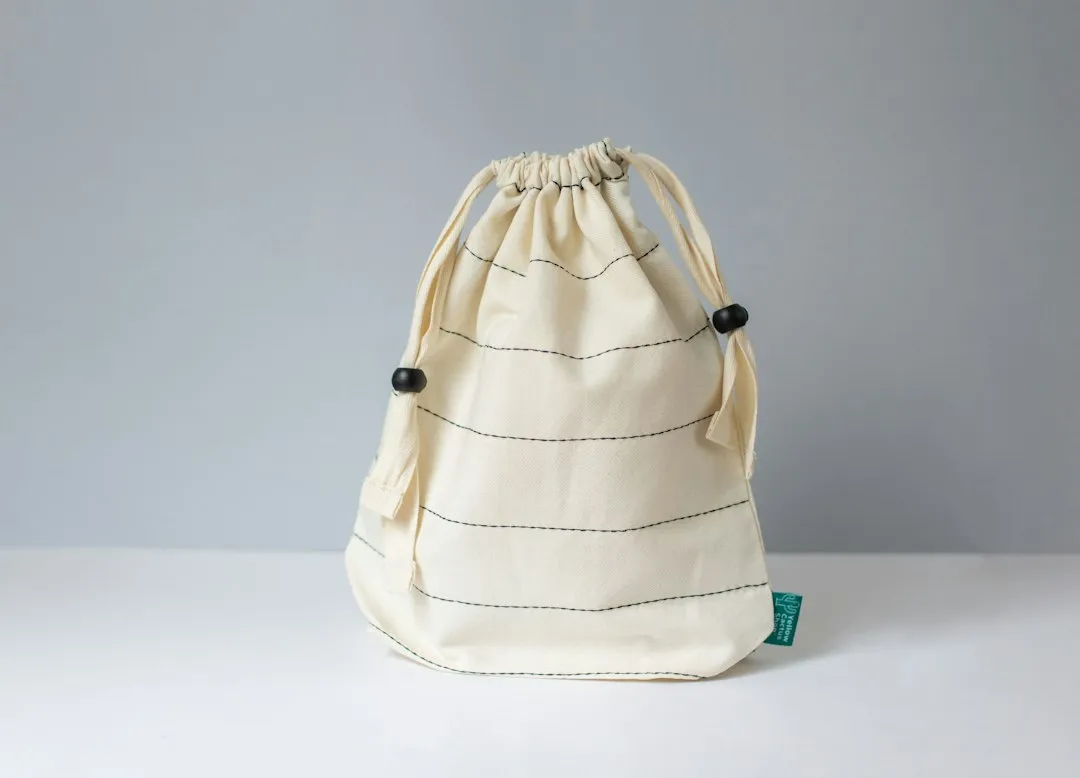
A dry bag keeps your phone, keys, and dry clothes safe at pools with no lockers, which describes most wild springs. At managed resort pools, a simple waterproof pouch still protects your valuables from poolside splashing and damp surfaces.
You’ll finish the weekend with multiple damp swimsuits and nowhere convenient to put them without a wet bag. Some travelers opt for a simple garbage bag as a lightweight alternative, which works just as well for backcountry trips where you’re trying to keep your pack light.
5. A Large Reusable Water Bottle (and Electrolytes)
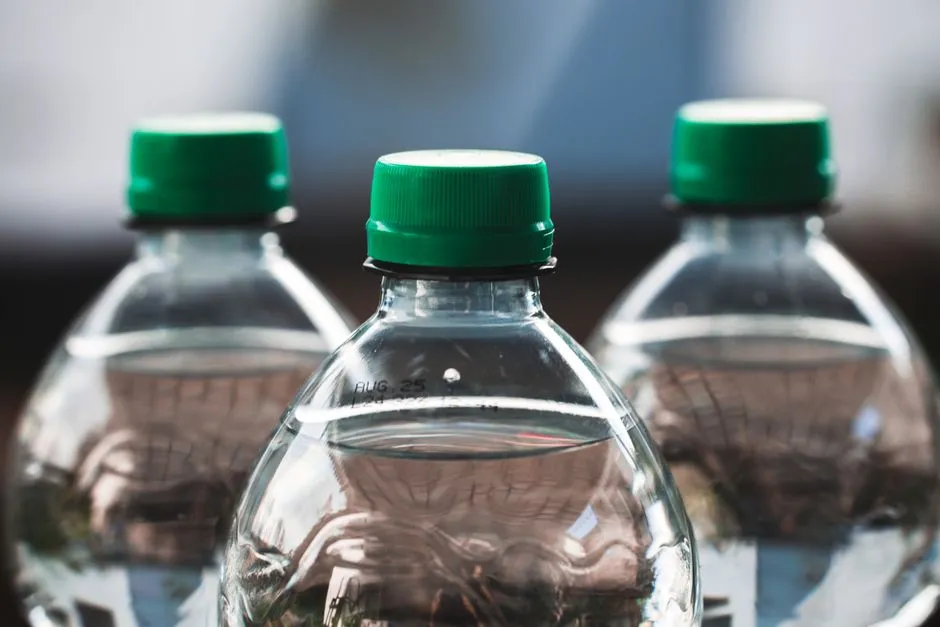
Hot water dehydrates you faster than you’d expect. The guidance from experienced soakers is to drink before, during, and after your time in the water. This is especially relevant in outdoor settings where you’re also exposed to sun and dry air at the same time.
Mineral pools dehydrate fast even in winter, so a water bottle and electrolyte packets are worth adding to the resort checklist as well. The science backs this up: water at the temperatures typically used in balneotherapy widens blood vessels and sends more blood to the muscles and skin, a process that increases your body’s demand for hydration throughout.
6. Reef-Safe Mineral Sunscreen
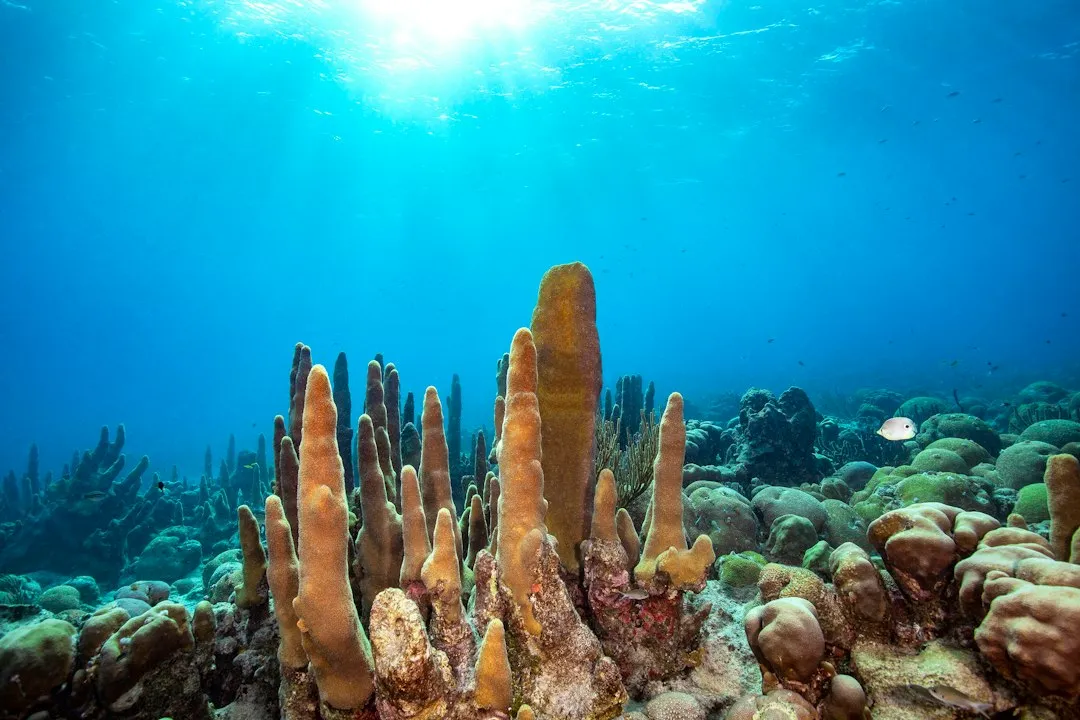
Outdoor hot springs, particularly those set in open landscapes, expose you to significant UV radiation, often more than you expect because the warmth of the water masks how long you’ve actually been in the sun.
Mineral sunscreens aren’t just better for natural water environments. The FDA only recognizes zinc oxide and titanium dioxide as safe and effective UV filters for human use. Many hot springs resorts now specifically require reef-safe formulas in their pools. According to the National Park Service, mineral-based sunscreens using zinc oxide and titanium dioxide are much less likely to harm aquatic ecosystems and the biodiversity they support.
Zinc oxide and titanium dioxide sit on the skin surface and reflect UV light physically. They do not absorb into the bloodstream the way chemical filters do, which is why dermatologists recommend mineral filters for people with sensitive skin. The benefit runs in both directions: less irritation for the person wearing it, and less toxicity for the water they’re soaking in.
7. Moisturizer, Lip Balm, and a Hair Conditioner
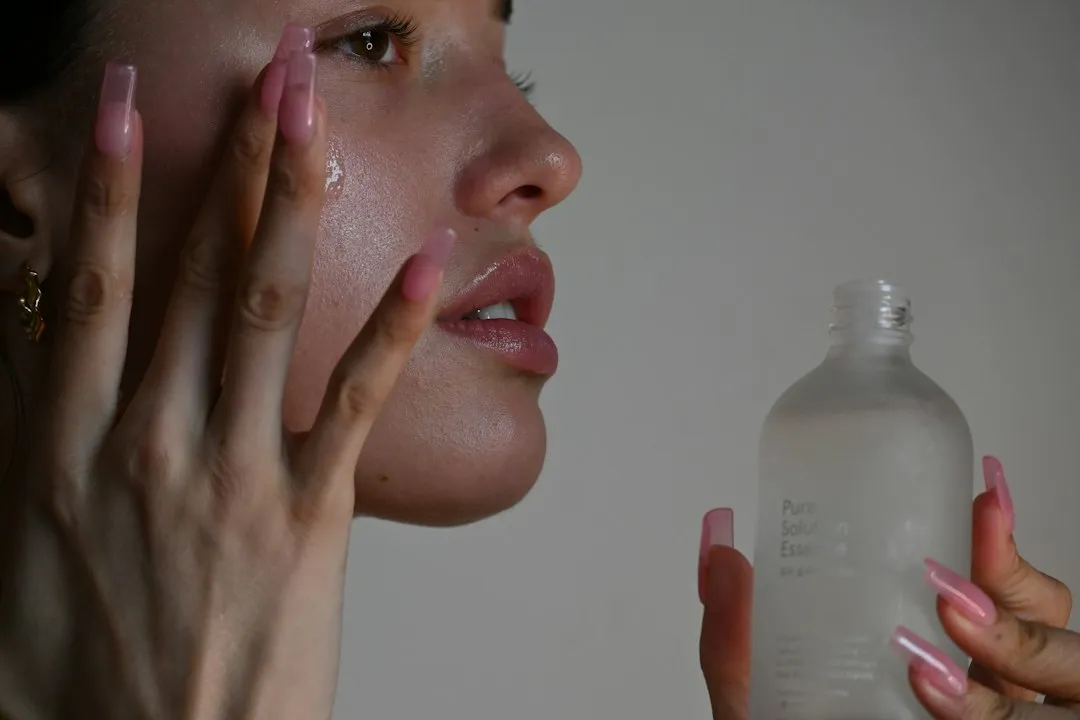
If you tend to get dry after hot springs or saunas, bring lotion, emulsion, and lip balm. This is especially helpful in winter or after bathing in acidic or sulfurous waters that can feel irritating to the skin.
Hair is particularly vulnerable. Silica-rich water, such as that found in Iceland or New Zealand’s geothermal springs, can turn hair to straw. Coating your hair with conditioner before you get in is a practical preventive step.
Lip balm is easy to forget but heat and dry air do more to your lips than you expect. A good rich body moisturizer applied after soaking helps counteract the drying effect of mineral-rich water, even when your skin initially feels wonderfully soft right after you step out.
Bonus: A Headlamp for Early Mornings or Dusk Soaks
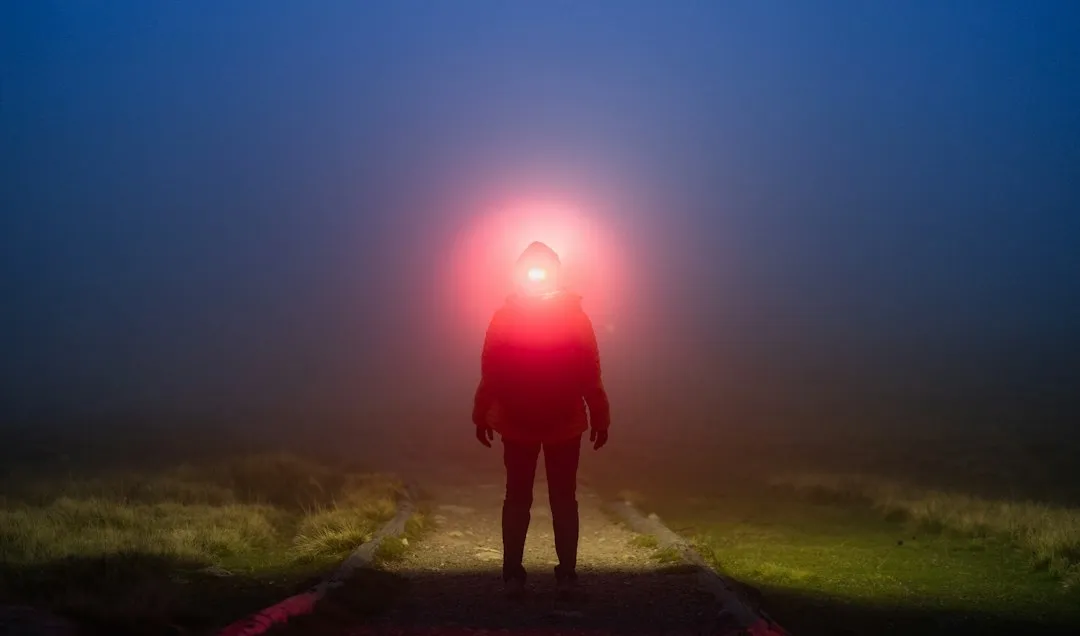
A headlamp is worth packing for dawn missions, dusk soaks, and simply finding your shoes afterward. Many travelers find that soaking under a night sky or at sunrise is among the most memorable parts of the experience, and stumbling around a dark pool deck without light takes the magic out of it quickly.
For backcountry visits especially, natural hot springs often require more preparation than resort settings, since services may be limited or nonexistent, and conditions can change depending on weather, access roads, water flow, and local rules. A headlamp belongs in that kit without question.
What You’re Really Packing For
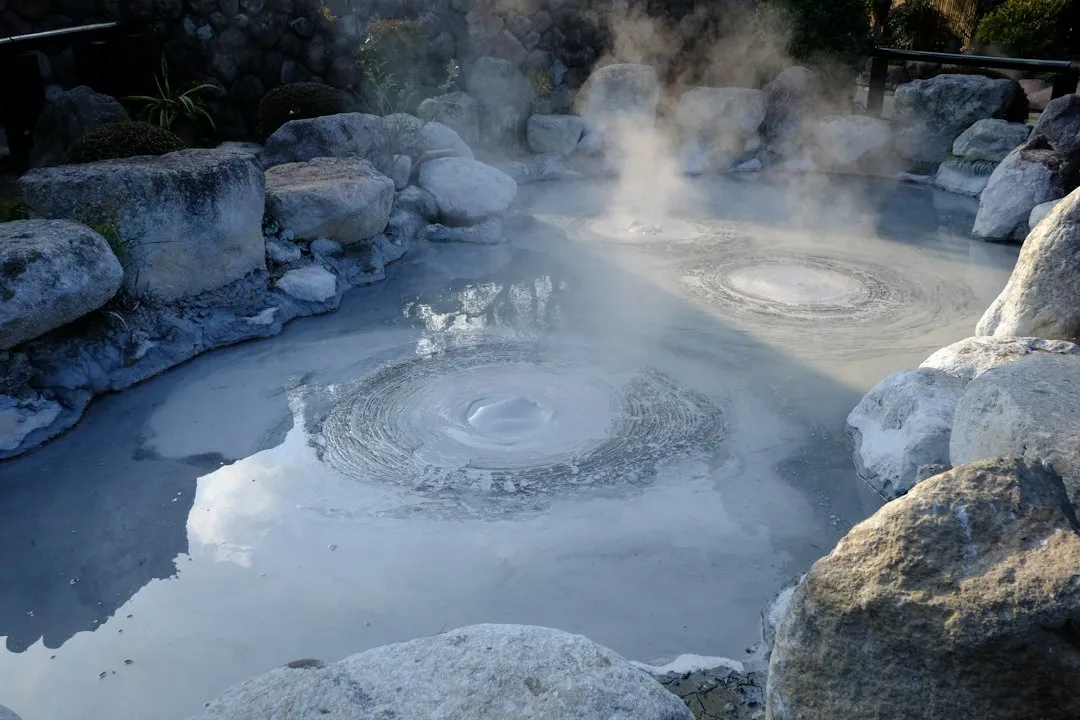
Hot springs tourism has been gaining real popularity since around 2015, driven by more people booking wellness vacations to disconnect from daily life. The appeal isn’t just aesthetic. A 2024 systematic review and meta-analysis found that balneotherapy reduces pain intensity in fibromyalgia patients, with effects sustained for up to six months after treatment, and shows measurable improvements in physical function for chronic musculoskeletal pain, arthritis, and joint disorders.
Immersion in water has been shown to decrease levels of the stress hormone cortisol and keep them below initial levels for hours afterward. Stepping into a hot spring forces you to slow down and allow your body to relax and soften, offering gentle, science-backed relief for those dealing with chronic conditions or simply the toll of everyday stress.
The right gear doesn’t distract from any of that. It just removes the friction so you can actually arrive at the water and be present in it.
A Few Things Best Left at Home
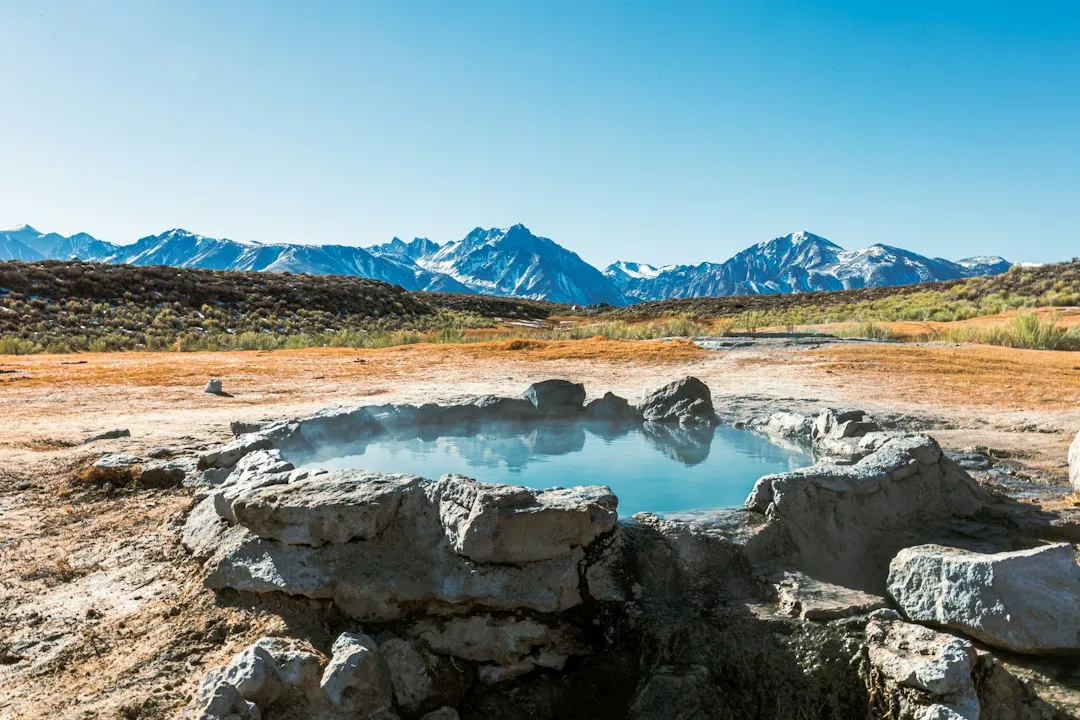
Skipping jewelry is a smart call, since some minerals in the water can cause tarnishing. Glass containers are banned at most pool areas for obvious safety reasons, so leave glass bottles behind entirely. Delicate electronics belong in the dry bag or the car.
The most important thing is to check what your specific facility provides and bring only items that suit your skin and health. On a hot springs trip, it’s more important not to forget the genuinely necessary items than to over-prepare with gear you won’t use. Keep it considered, keep it light, and the springs will do the rest.
The Takeaway
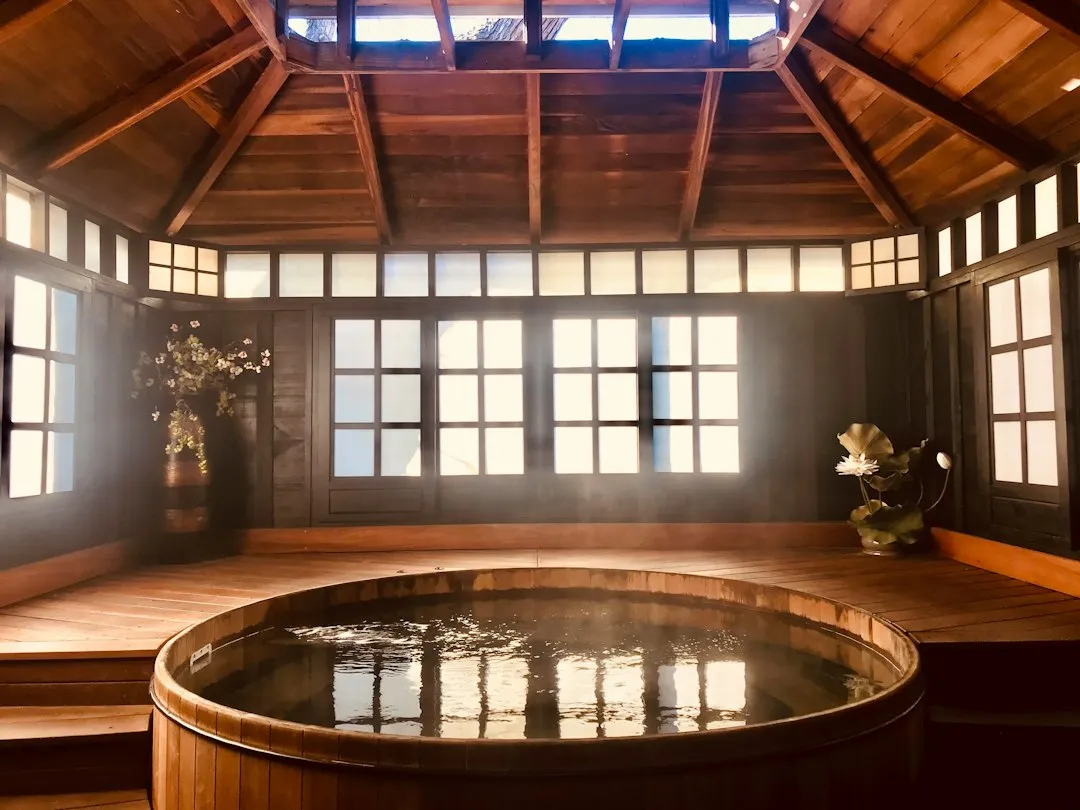
A hot springs getaway rewards the traveler who thinks a little before they pack. Two swimsuits, a microfiber towel, water shoes, a dry bag, a proper water bottle, mineral sunscreen, and good moisturizer cover nearly every scenario, from a luxury resort pool to a remote wilderness soak reached by trail.
The wellness case for this kind of travel is increasingly well-supported, and the experience itself tends to be quietly transformative in a way that’s hard to plan for. The packing list you bring just determines how comfortable you are when you get there.
AI Disclaimer: This article was created with the assistance of AI tools and reviewed by a human editor.