
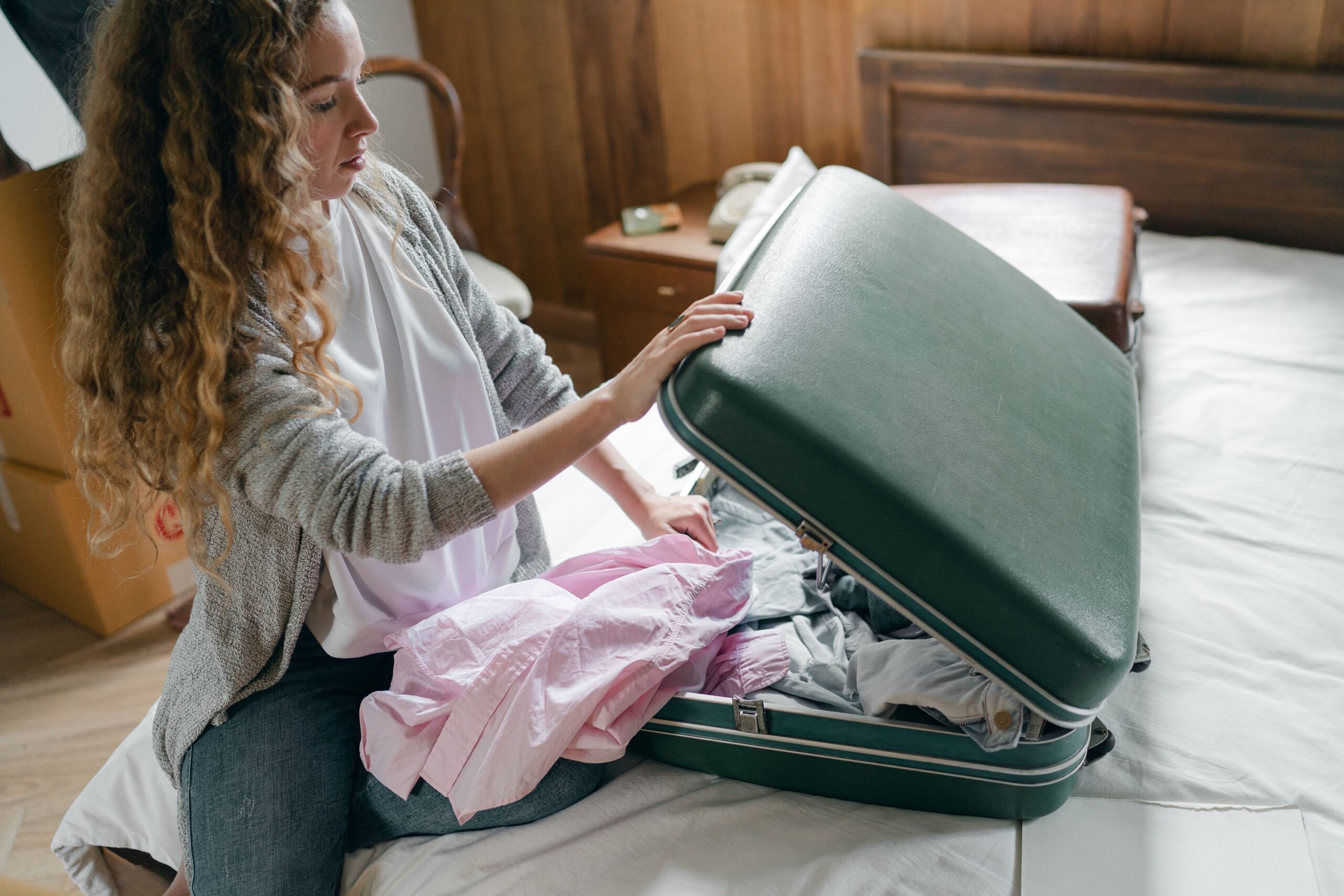

There’s a particular kind of optimism that goes with booking a red-eye. You save a hotel night, keep your daytime hours intact, and theoretically arrive somewhere new with the morning still ahead of you. A red-eye flight departs at night and arrives the next morning, often with insufficient time for passengers to get a full night’s sleep. The math is appealing. The execution, though, is almost entirely about what you decide to put in your bag before you leave home.
Most people underpack for overnight flights, grabbing a neck pillow as an afterthought and hoping for the best. The travelers who actually step off the plane looking human are the ones who prepared with intention. What follows are the seven things genuinely worth bringing along.
A Supportive Neck Pillow That Does Its Job
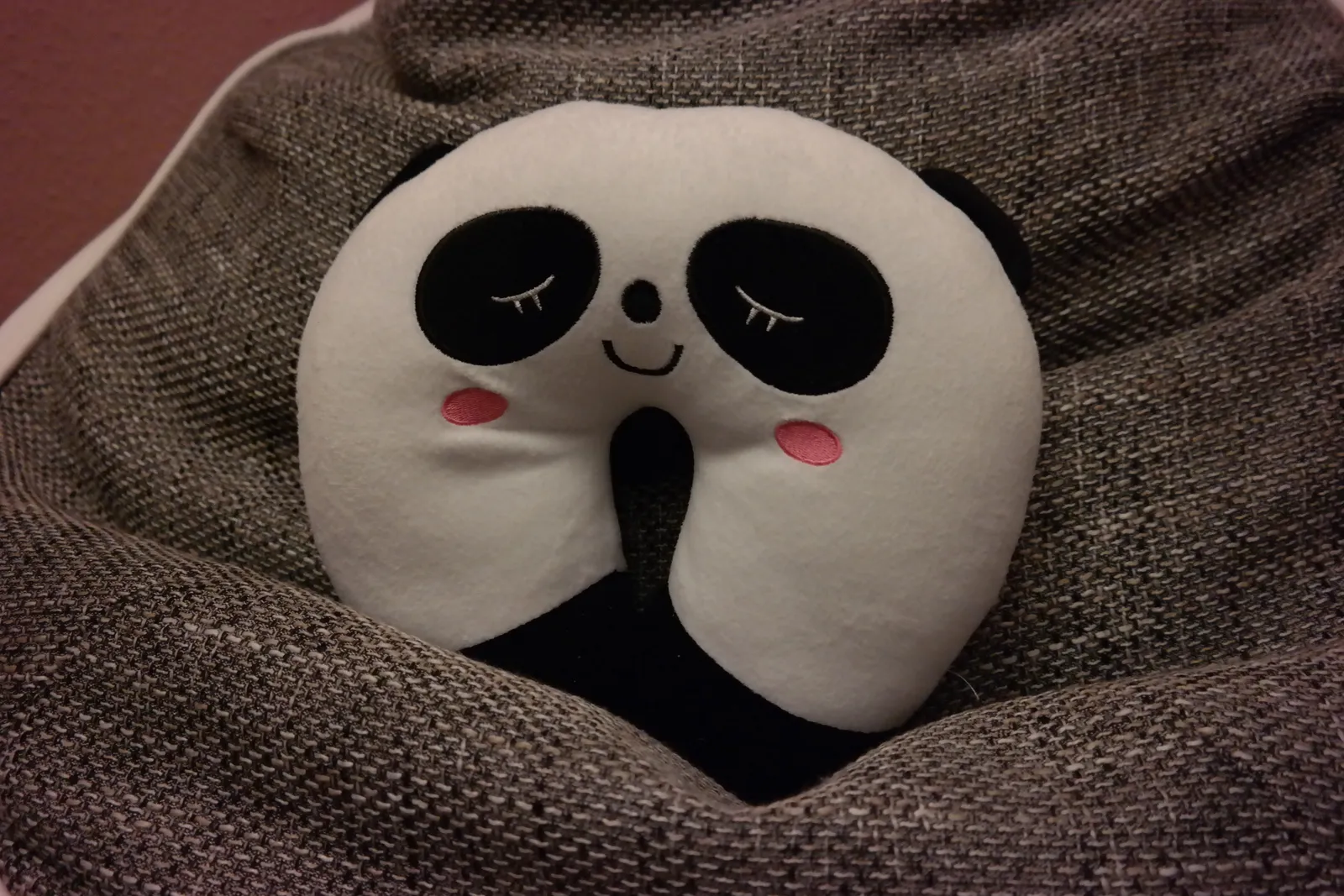
Our heads weigh close to ten pounds, and they flop around the neck when sleeping upright. That’s not a trivial problem over a six-hour flight. Neck pillows keep the back straight and provide cushioning, and without one, travelers may experience soreness and pain in the muscles.
Sleeping upright without sufficient neck support affects soft tissues rather than posing a serious injury risk to bones, but the muscle strain is real, similar to sleeping in an awkward position in bed. A good-quality travel pillow, preferably with memory foam, can prevent that soreness.
A supportive neck pillow specifically prevents the head-drop wake-ups that fragment sleep throughout the night. Memory foam options that compress into a carry bag tend to be the most practical, balancing bulk against actual support on longer routes.
A Genuinely Blackout Eye Mask
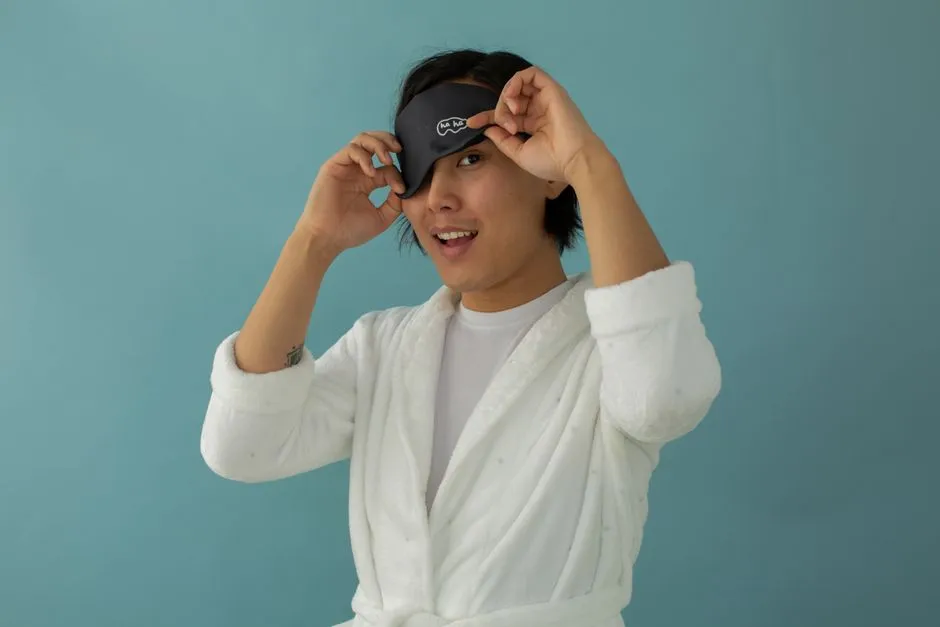
Complete darkness signals the brain to produce melatonin, the hormone responsible for sleepiness, yet most airplane eye masks are flimsy pieces of fabric that let light leak through the edges. The distinction matters more than people realize on a plane, where cabin lights cycle unpredictably and fellow passengers keep their reading lights on.
Cup-style masks create a seal around the eyes without pressing on the eyelids, allowing comfortable blinking. Clinical studies confirm that combining eye masks with earplugs dramatically improves sleep quality in noisy, bright environments like airplane cabins.
A contoured mask that sits away from the eyelids is also more comfortable for side-sleepers who shift position during the flight. This is a small item that earns its keep in a way that far more expensive gear sometimes doesn’t.
Noise-Canceling Headphones or Foam Earplugs
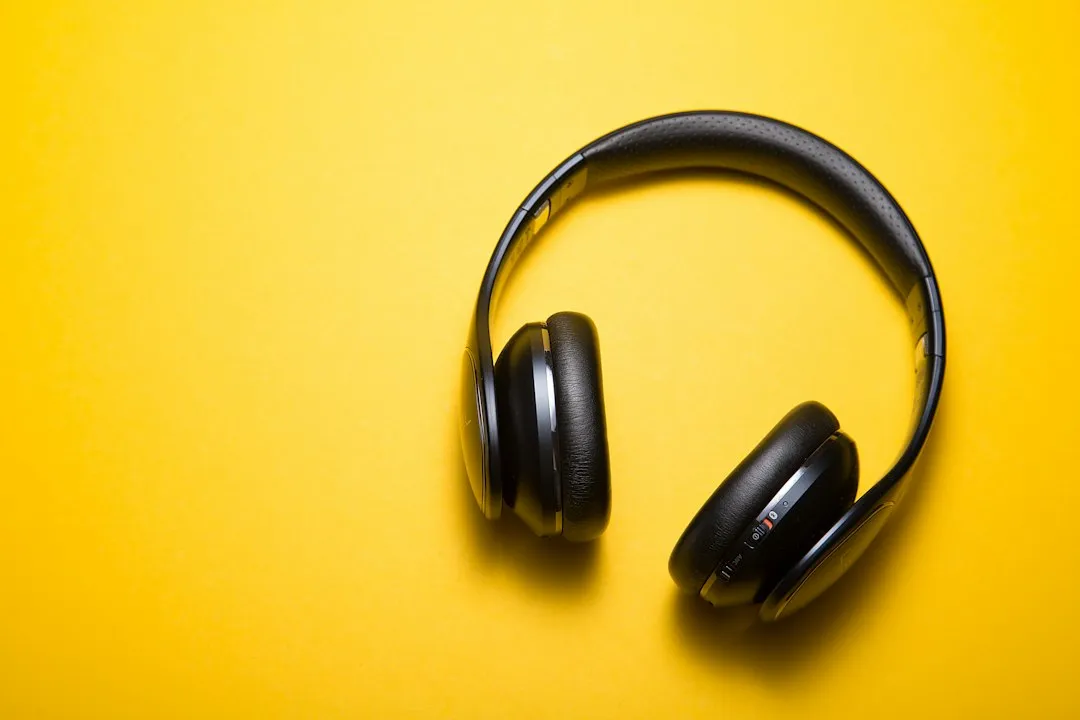
Airplane engines create a constant roar in the range of 75 to 85 decibels during cruise, with louder spikes during takeoff and landing. That noise level makes quality sleep nearly impossible without some form of protection.
Active Noise Cancellation technology specifically targets the low-frequency engine hum that penetrates regular earplugs, and sleep experts consistently recommend ANC headphones as essential airplane sleep aids. For travelers who prefer a lighter option, foam or silicone earplugs fit snugly in the ear canal, muffling engine sounds and chatty neighbors, and they adjust to fit comfortably.
Research published in Nature confirms that reducing ambient noise significantly improves sleep onset and quality, making earplugs essential for airplane rest. If budget allows, a good pair of over-ear headphones doubles as useful protection in loud airport terminals both before and after the flight.
A Reusable Water Bottle
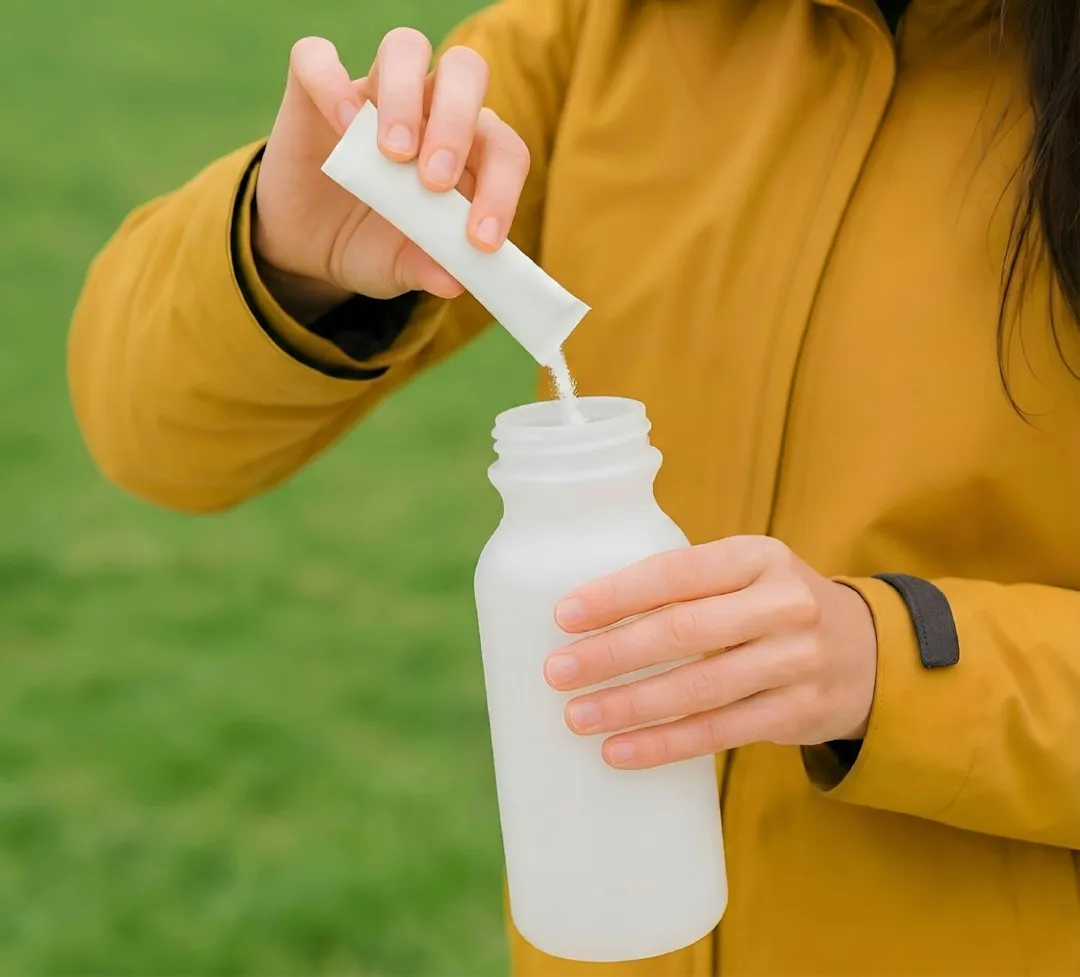
Aircraft cabin air contains humidity levels of just six to twenty percent, significantly lower than the forty to sixty percent relative humidity found in most comfortable indoor environments, and drier than many of the world’s desert regions. That gap is not a minor inconvenience. It actively draws moisture from your body throughout the flight.
Mild dehydration can occur with the loss of just one and a half percent of your body’s water level, and the low humidity in airplane cabins also dries out sinuses and mucous membranes, which play an important role in protecting the body from airborne diseases.
Bringing an empty bottle through security and filling it before boarding solves this quietly and cheaply. Avoid drinking too much caffeine or alcohol, as they make it more challenging to get the rest you need. Water does more for how you feel on landing than almost any other variable you can control.
A Carry-On Skincare Kit
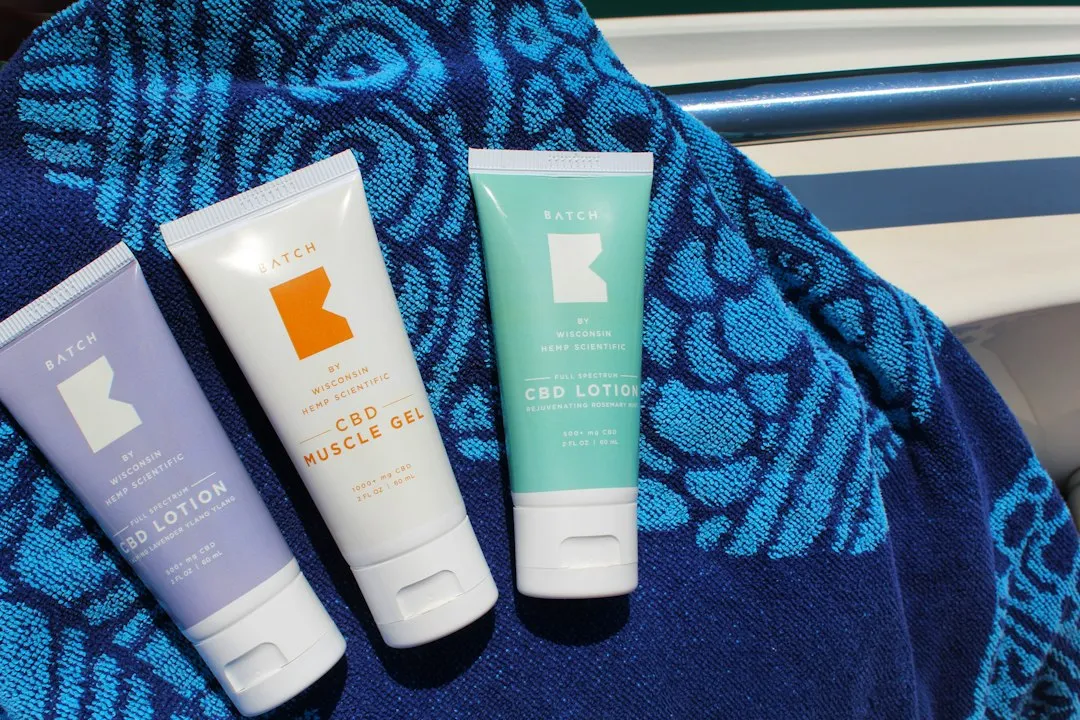
Researchers who measured skin hydration on long-haul flights found skin capacitance dropping fast on both the face and forearms, with the cheeks losing up to roughly a third of their surface hydration. That’s the kind of deficit that shows up visibly when you land and walk into your first meeting or step into bright airport light.
Aircraft cabins typically maintain humidity levels below twenty percent, far lower than most indoor environments. Low humidity accelerates transepidermal water loss, which can lead to skin dehydration, tightness, irritation, and worsening of sensitive skin conditions.
TSA limits carry-on liquids, aerosols, gels, creams, and pastes to containers of 3.4 ounces or 100 milliliters or less in a quart-sized bag, so mini-sized versions of your usual moisturizer, lip balm, and face mist are the practical format. Look for formulations that combine humectants like glycerin with emollients such as shea butter or squalane, as these ingredients help maintain hydration and reduce transepidermal water loss in the extremely dry cabin environment.
A Fresh Change of Clothes for Arrival

Packing an outfit for the day in your carry-on lets you quickly change into fresh clothes suitable for your activities, which provides a boost of confidence and comfort after the flight. The goal is to deviate as little from your routine as possible despite being in transit, which helps reduce travel stress and maintains a sense of control over your schedule.
This one is easy to skip when you’re trying to minimize bag weight, but it genuinely changes the quality of your first few hours. Clothes that spent the night crumpled against a seat read clearly on your body, and swapping into something fresh before you clear the terminal takes less than five minutes.
Packing your toothbrush, dental floss, and favorite face wash to feel refreshed after the flight, along with any skincare or makeup from your daily routine, helps you feel put-together and ready for the day ahead. Group these with the clothing change in a single small bag that stays accessible throughout the flight.
A Comfort Layer for Cabin Temperature
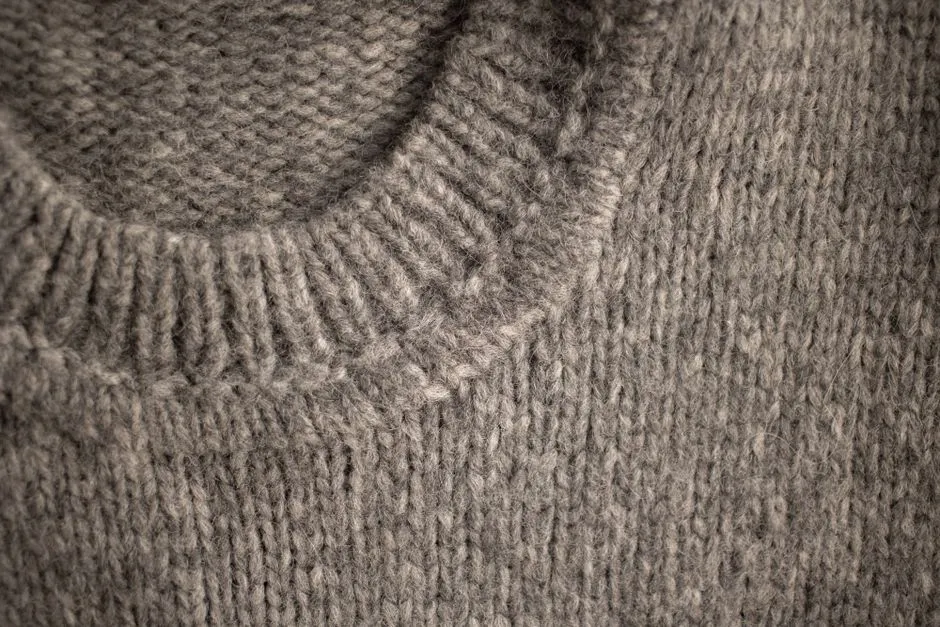
Cabin temperatures swing wildly on overnight flights, so a long-sleeve shirt plus a sweater or large scarf that can double as a blanket covers every scenario. Airlines do hand out thin blankets on some overnight routes, but coverage is inconsistent and the blankets rarely provide enough warmth once the cabin cools down in the early morning hours.
A soft, packable layer also serves as extra cushioning between you and the window if you’re leaning against it, and it avoids the need to ask a flight attendant to pull something from the overhead bin at two in the morning. Merino wool in particular works well because it regulates temperature in both directions and packs surprisingly small.
Keeping your sleep items reachable is worth planning deliberately. Put an eye mask, earplugs, a layer for cabin temperature, and anything else you will use after takeoff in the personal item under the seat, not deep in an overhead bag. This small habit alone removes a surprising amount of friction once the lights go down.
The Takeaway
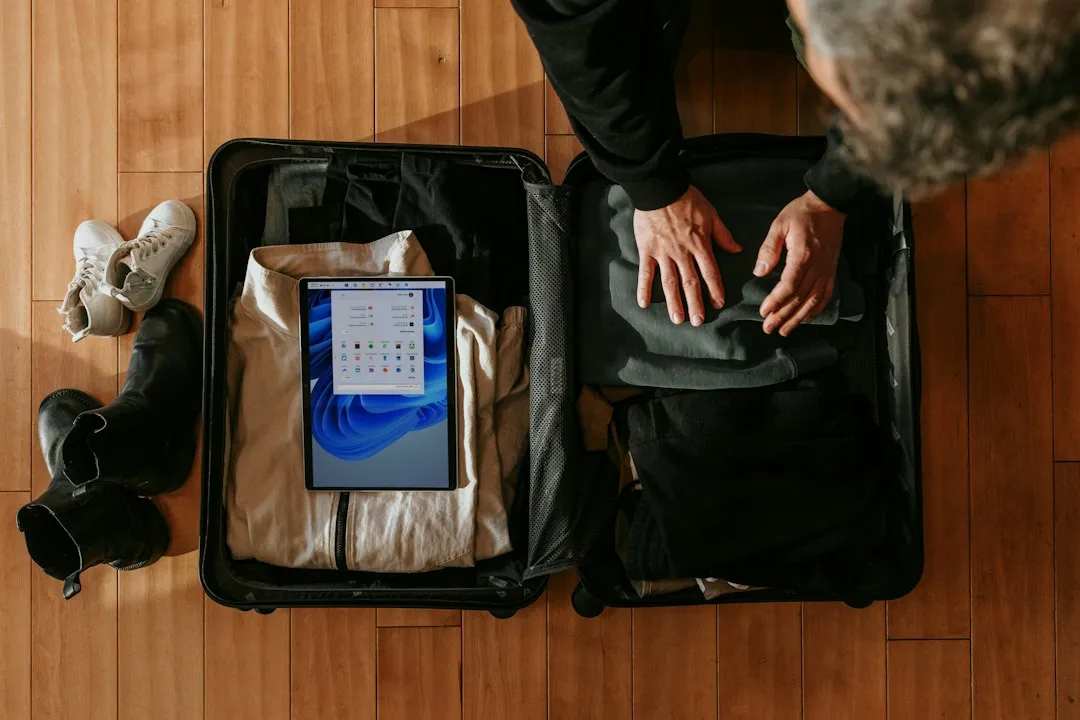
A red-eye can work in your favor, but only if you treat it as something to prepare for rather than something to endure. The difference between stepping off the plane feeling wrecked and stepping off ready to move is rarely about the flight itself. It’s almost always about what was, or wasn’t, in the bag.
None of the seven items above require a lot of money or much space. What they do require is thinking through the flight before you get to the gate. Pack light, pack smart, and the morning on the other side becomes something to look forward to rather than survive.
AI Disclaimer: This article was created with the assistance of AI tools and reviewed by a human editor.