
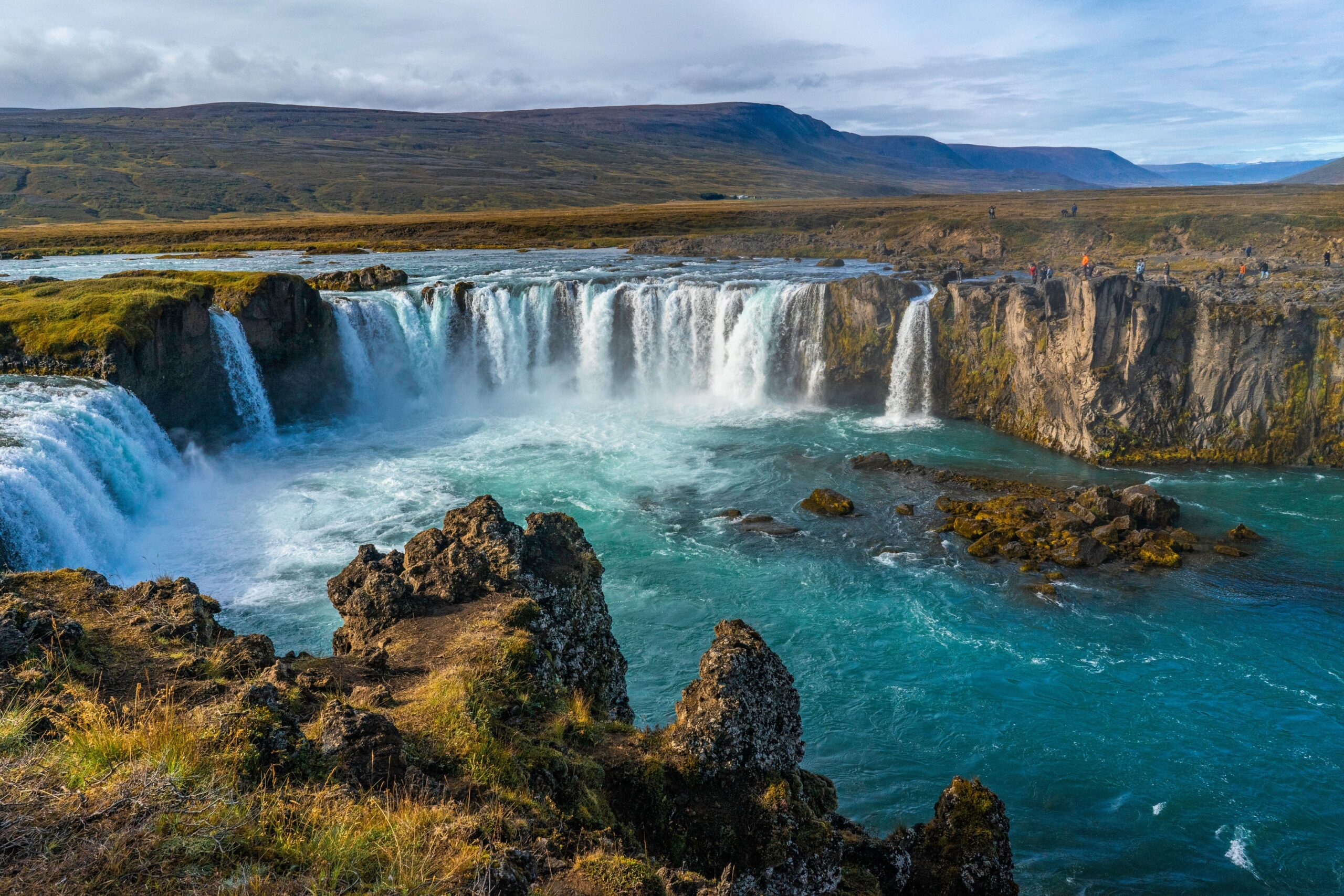

Iceland has somewhere in the region of 10,000 waterfalls, though only a few dozen are large, well-marked, and fully reachable by road. Of those, around 30 to 35 are large, well-marked, and reachable by paved or gravel routes. Driving between them, whether along the South Coast or circling the entire Ring Road, is one of the most rewarding road trips on the planet. The catch is that the landscape is genuinely unforgiving if you’re underprepared.
The land of fire and ice has amazing landscapes and weather that can change in minutes. Packing well is not a luxury here. It’s the difference between a trip you’ll remember for the right reasons and one you’ll spend shivering in a parking lot.
A Fully Waterproof Shell Jacket
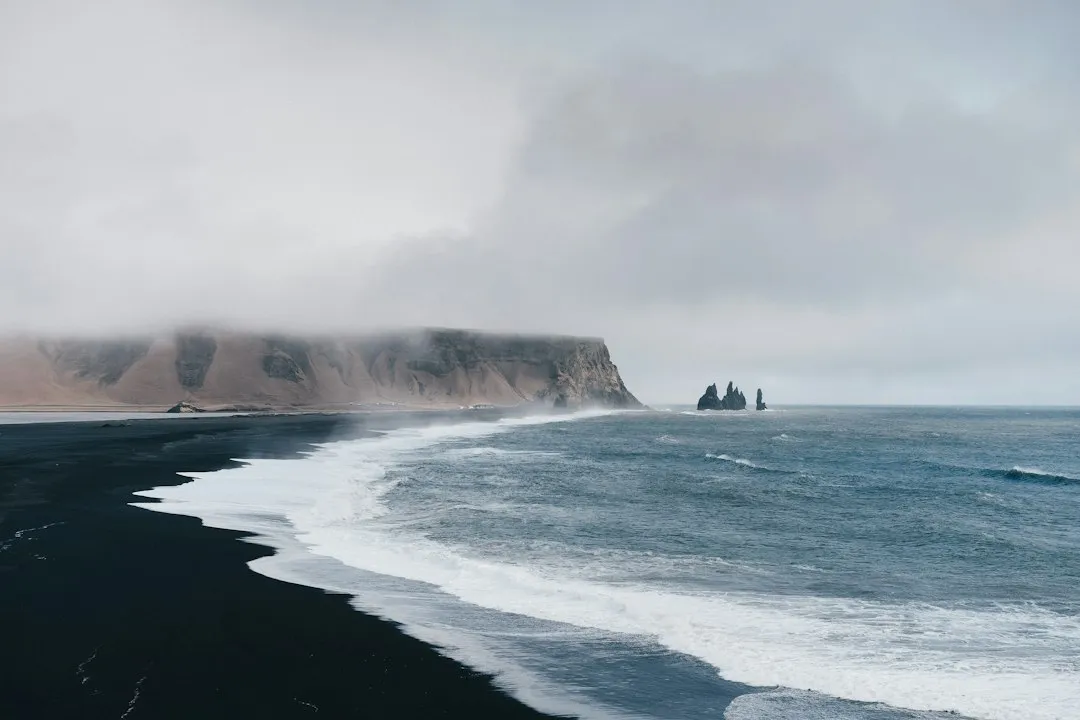
A fully waterproof rain jacket is absolutely essential in Iceland. Not “water-resistant.” Not “weatherproof.” Fully waterproof. Between waterfall mist, sudden rain showers, and constant wind exposure, this is the item you’ll likely wear the most.
September is the rainiest month in South and West Iceland. Reykjavik averaged nearly four inches of rain in September from 2000 to 2025. The South Coast station near Vik collected nearly eight inches in the same month. That tells you something meaningful about what standing next to Skógafoss or Seljalandsfoss feels like during peak travel season.
Gore-Tex or similar materials are worth the money, as cheaper options often fail in Iceland’s constant rain. Look for a hood that cinches tightly and a fit that layers comfortably over a fleece. This jacket will essentially become your second skin from the moment you park the car at a waterfall trailhead.
Waterproof Hiking Boots with Real Grip
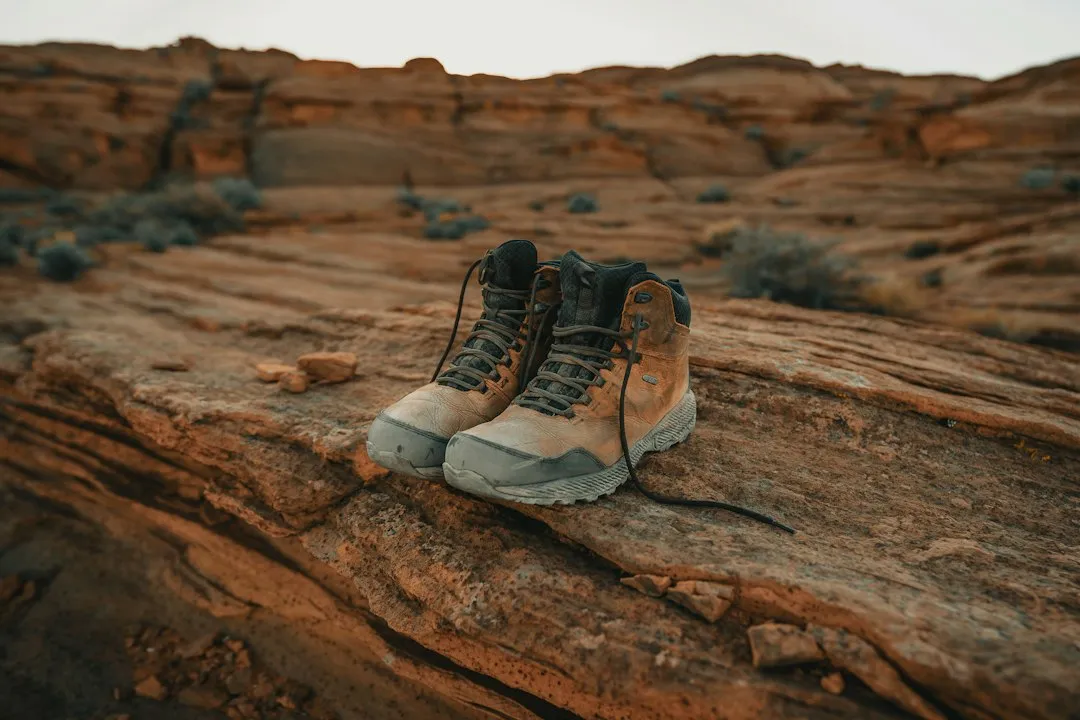
Comfortable, waterproof shoes are a must in Iceland. You’ll likely be walking on wet rocks, gravel, mud, uneven terrain, and slick boardwalks near waterfalls. Sneakers are simply not built for this environment, and the consequences of slipping near rushing water can be serious.
The terrain in Iceland is rugged and often wet. You’ll want closed-in, waterproof shoes or hiking boots with great grip. Falls are common around waterfalls or icy paths, so good traction is a must.
Waterproof hiking boots with good ankle support and grip for uneven, slippery terrain are the right choice. Break them in before your trip. Arriving with brand-new boots and then hiking six kilometers to a remote waterfall is a reliable recipe for blisters.
A Thermal Base Layer System
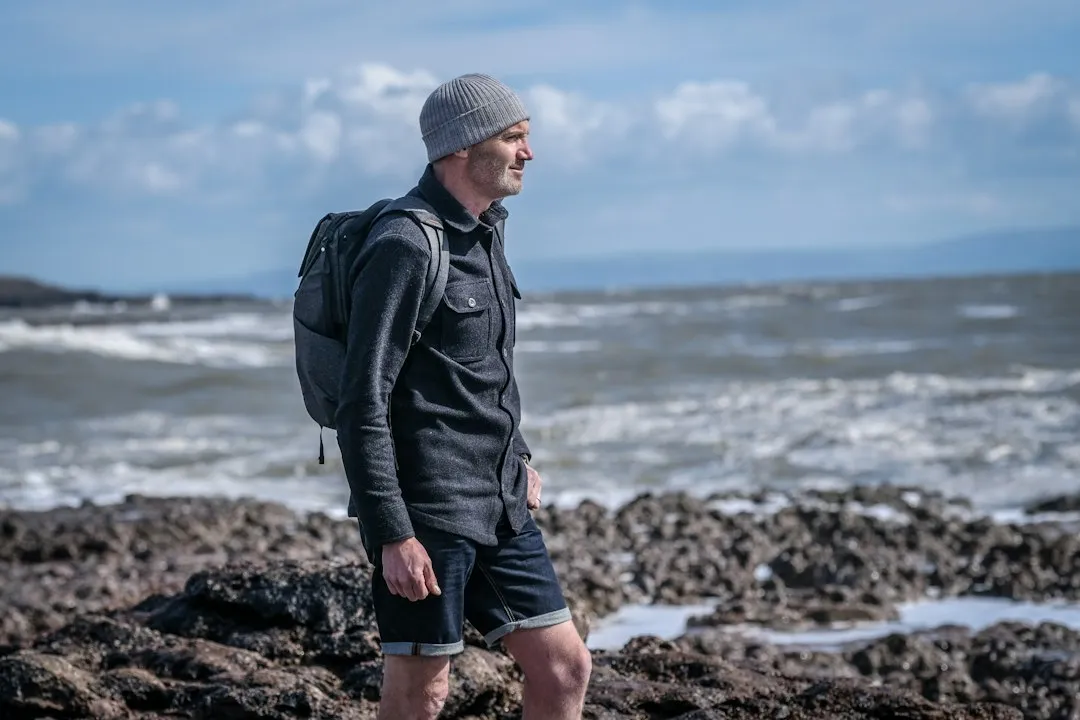
Layering is everything in Iceland. Pack a thermal base layer (top and bottom), a mid-layer like a fleece or merino wool jumper, and a waterproof outer shell. The logic behind this system is that each layer serves a distinct purpose, and together they adapt to wildly shifting conditions throughout a single day on the road.
At least one set of moisture-wicking tops and bottoms is essential. Merino wool is ideal as it regulates temperature and doesn’t hold odors. That last point matters more than it sounds on a multi-day road trip with limited access to laundry facilities.
Bring at least one or two sets of merino or synthetic thermals that wick moisture and trap body heat. These help regulate your temperature whether you’re exploring waterfalls or sitting in the car. Pack three to five pairs of wool socks. Unlike cotton, wool insulates even when wet, and extra pairs can save a day ruined by damp feet.
A Dry Bag for Electronics and Valuables
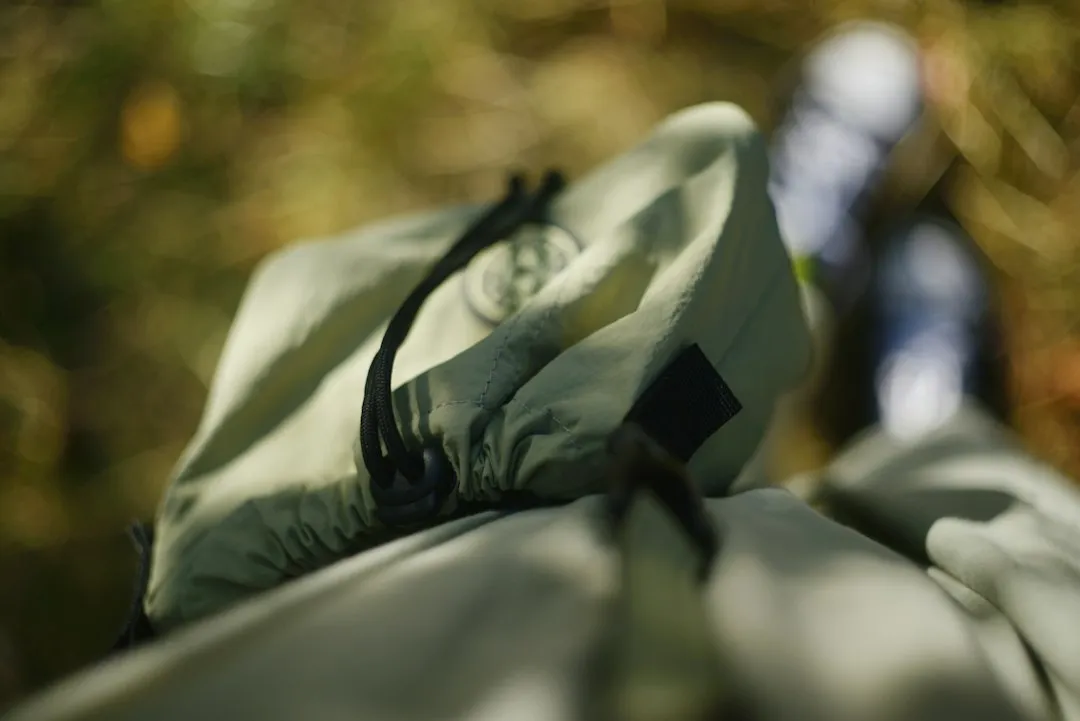
A small waterproof dry bag is incredibly useful for protecting electronics, wallets, or spare layers from waterfall mist and sudden rain. Iceland’s waterfalls are powerful and the spray they generate travels farther than most visitors expect. Walking behind Seljalandsfoss, for instance, means getting thoroughly soaked.
Keep your phone and camera in a waterproof case or dry bag. Water from the falls can damage your electronics quickly. A dry bag is also far lighter and more packable than a hard case, which makes it a practical choice for road trippers who are already managing limited boot space.
A dry bag to store your camera in until you’re ready to use it will come in handy. You will get misted as you walk behind the waterfall. This is true even at some of the more accessible waterfalls along the South Coast, not just the remote ones deep in the highlands.
A Compact Daypack with a Rain Cover
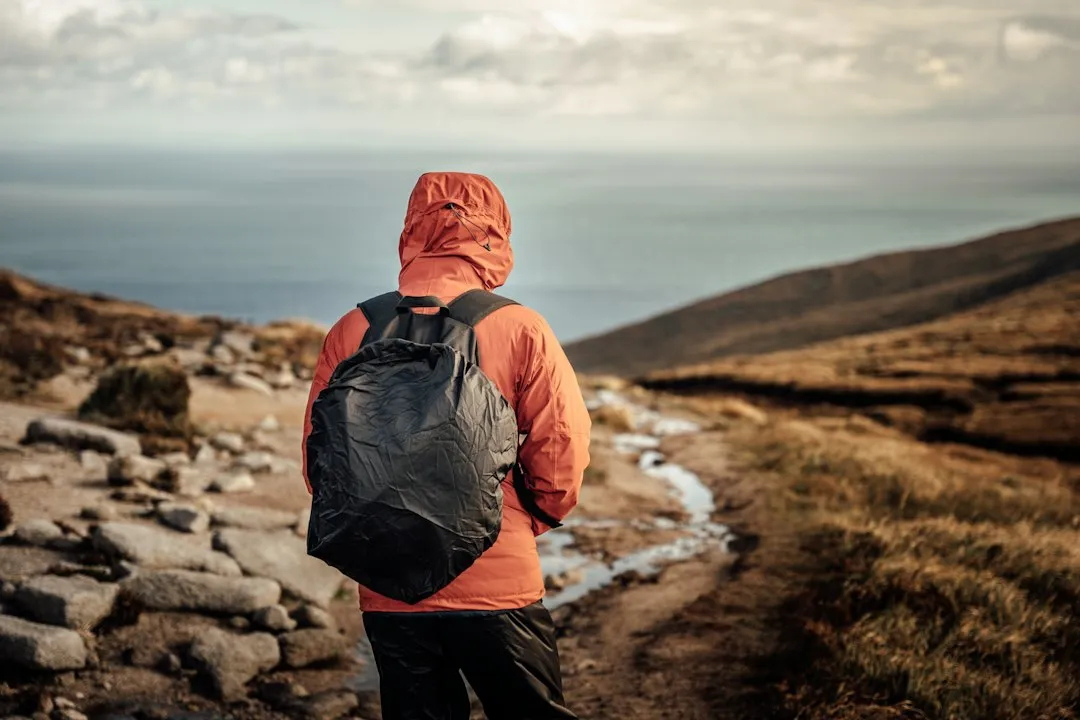
A small waterproof daypack is a smart addition to your Iceland road trip packing list. You’ll want a bag to carry extra layers, snacks, a reusable water bottle, your camera, and personal items like your wallet or phone. Between stops, your daypack lives in the backseat. At each waterfall, it comes with you.
A 20 to 30 litre daypack with a rain cover is ideal for carrying water, snacks, layers, and camera gear throughout the day. That volume is generous enough to hold what you need without being so large that you’re tempted to overload it on hikes.
A comfortable daypack is ideal for carrying extra layers, snacks, water, and camera gear throughout the day, with something lightweight but structured enough to distribute weight well. Many Iceland waterfall trails involve uneven ground, so a well-fitting pack with a proper back panel makes a real difference over the course of a long day.
Offline Navigation Maps Downloaded Before You Arrive
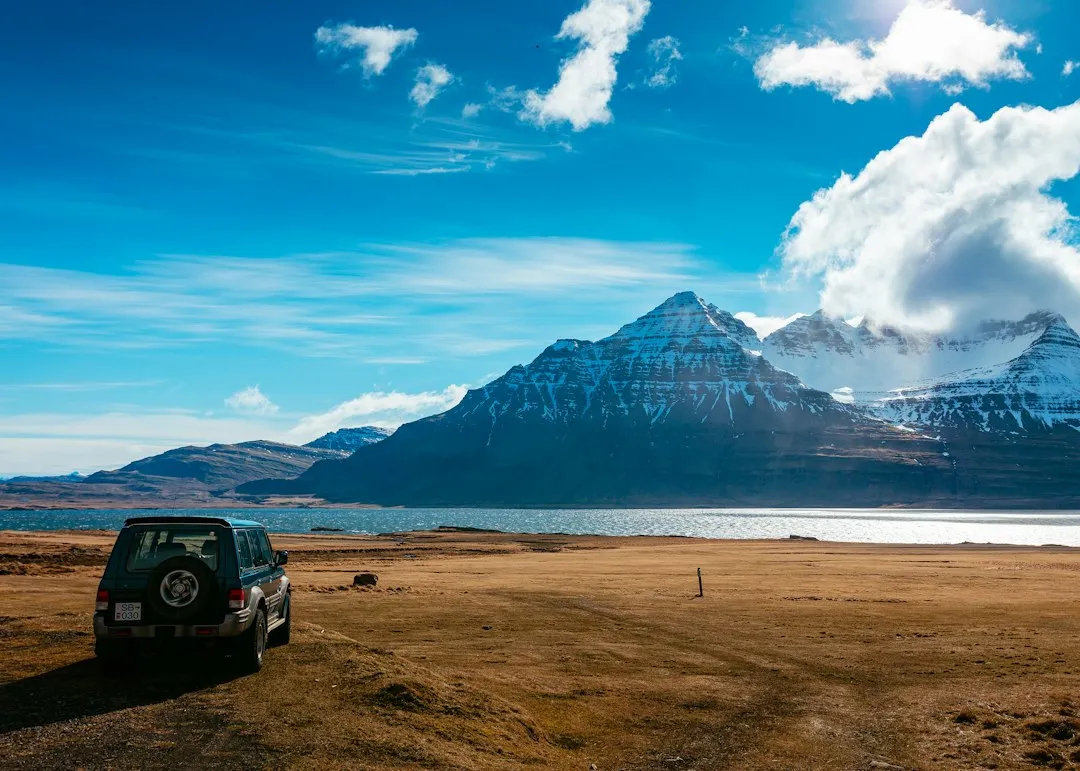
Iceland has some of Europe’s largest mobile dead zones. Download offline maps before you arrive, as your safety depends on it. This is not an exaggeration. Signal disappears in deep canyons, along quieter coastal routes, and throughout most of the interior highlands where some of Iceland’s most spectacular lesser-known waterfalls are located.
A phone mount for navigation is worth having. Downloading offline maps before you set out is worth doing every single day you’re driving somewhere remote, since signal drops out in parts of the interior and along some of the quieter coastal routes.
Download your offline maps at home on WiFi. Do not wait until you land in Iceland, as airport WiFi is slow and inconsistent. Apps like OsmAnd and Organic Maps handle Iceland’s terrain well and accept GPX waypoint files, which can include precise parking coordinates and trail access notes for individual waterfalls.
A Quality Reusable Water Bottle and Insulated Thermos
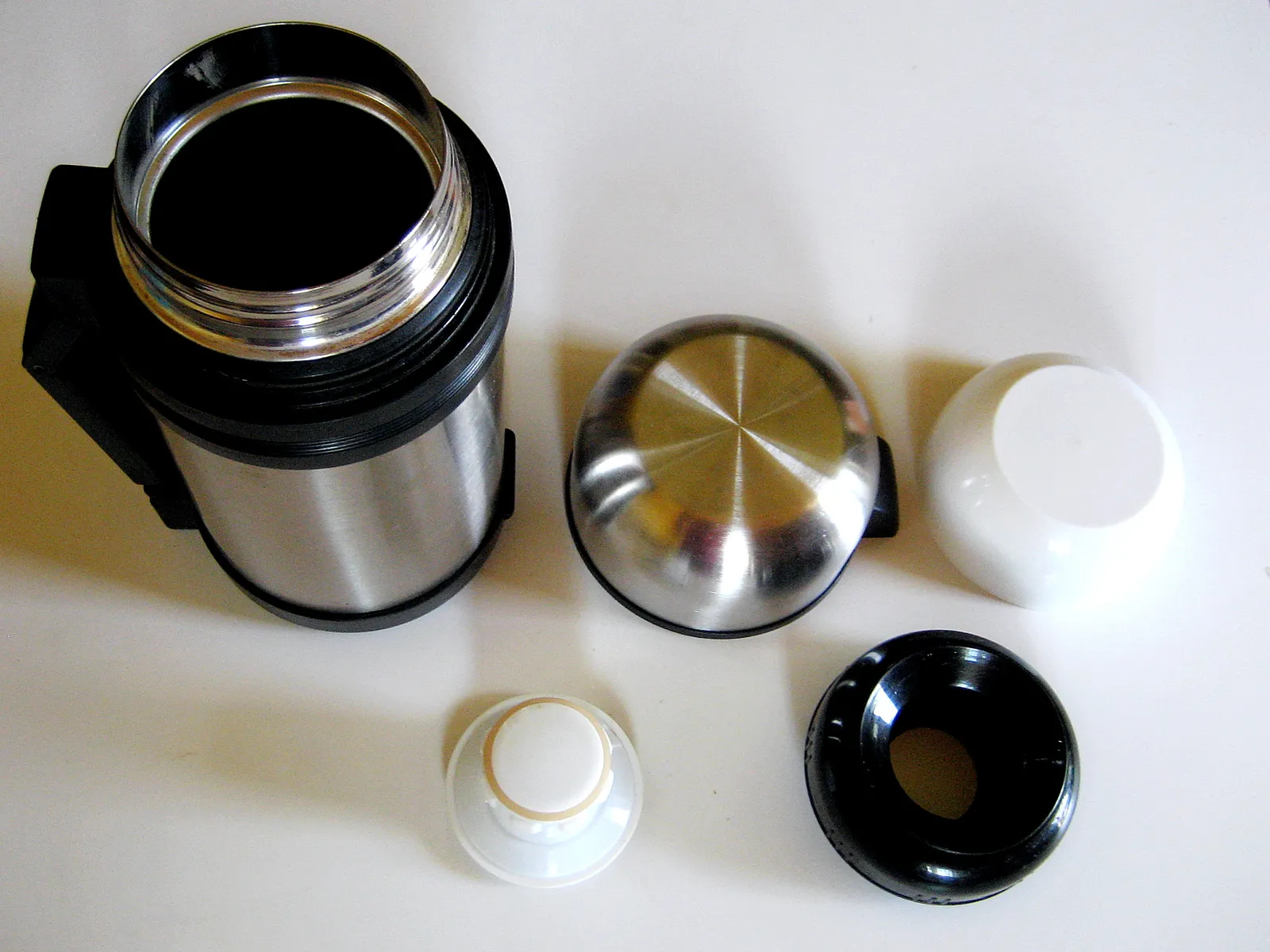
Tap water in Iceland is some of the cleanest in the world, and it’s free. Carrying a reusable bottle on a waterfall road trip isn’t just a sustainability choice. It’s genuinely practical in a country where you can refill at almost any tap, guesthouse, or petrol station sink without hesitation.
Icelandic water is fresh and delicious. An insulated thermos is worth adding alongside a standard bottle, especially in autumn and winter when temperatures drop and a warm drink mid-hike becomes something you genuinely look forward to. The year 2024 was remarkably cold compared to temperatures of this century, a trend that makes hot coffee or tea between waterfall stops far more than a comfort habit.
For reference, Reykjavík gets around 800 mm of rain yearly, spread out over roughly 147 rainy days. Staying hydrated matters just as much in wet, cool conditions as it does in heat. Carrying your own vessel means you never have to rely on plastic bottles along the way.
Waterproof Trousers or Rain Pants
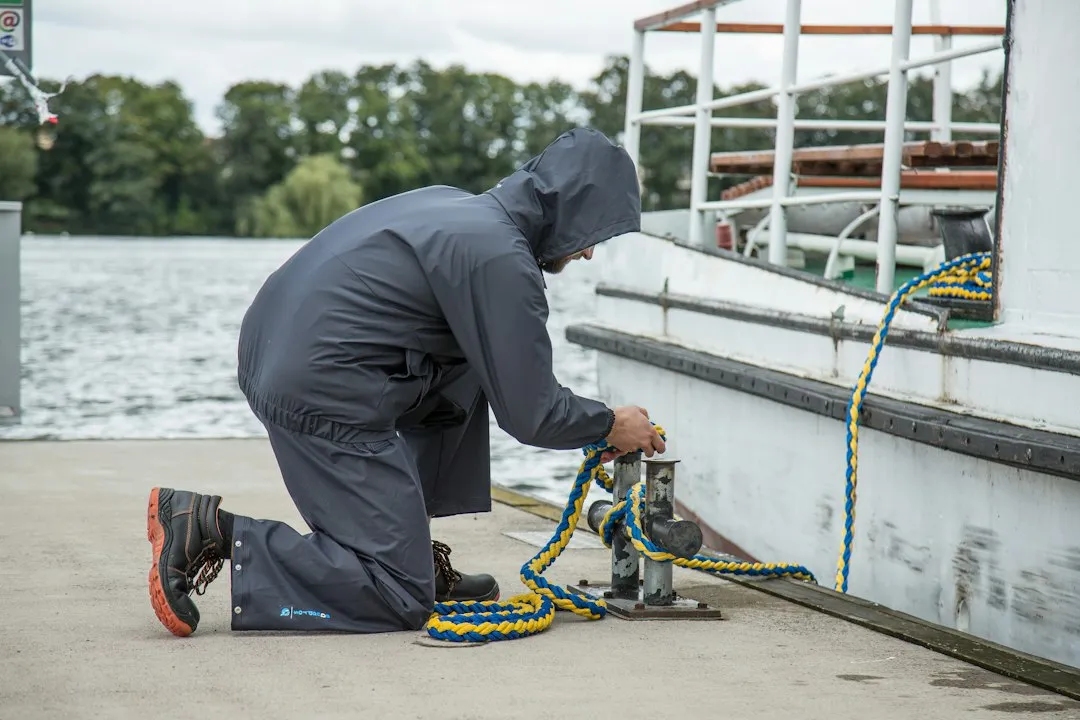
Waterproof pants are essential for rainy days and visiting waterfalls where spray soaks everything nearby. Most travellers pack a great jacket and forget entirely about their legs, only to spend the afternoon in wet denim after walking to a cascade. Waterproof trousers are lightweight, packable, and absolutely justified.
A waterproof jacket and a pair of waterproof trousers are worth the luggage space in July just as much as in January, since a sudden shower can turn a pleasant walk to a waterfall into a downright unpleasant one if you’re not prepared. This applies equally to any month of the year on the South Coast.
Most of Iceland’s activities involve moving around, whether that’s hiking on glaciers, going to see waterfalls, or horseback riding. Lightweight hiking pants that you can wear over a pair of thermal underwear or leggings are a better choice than too many pairs of jeans. Waterproof overpants can go on and come off in seconds, which is ideal when conditions shift every half hour.
A Portable Power Bank
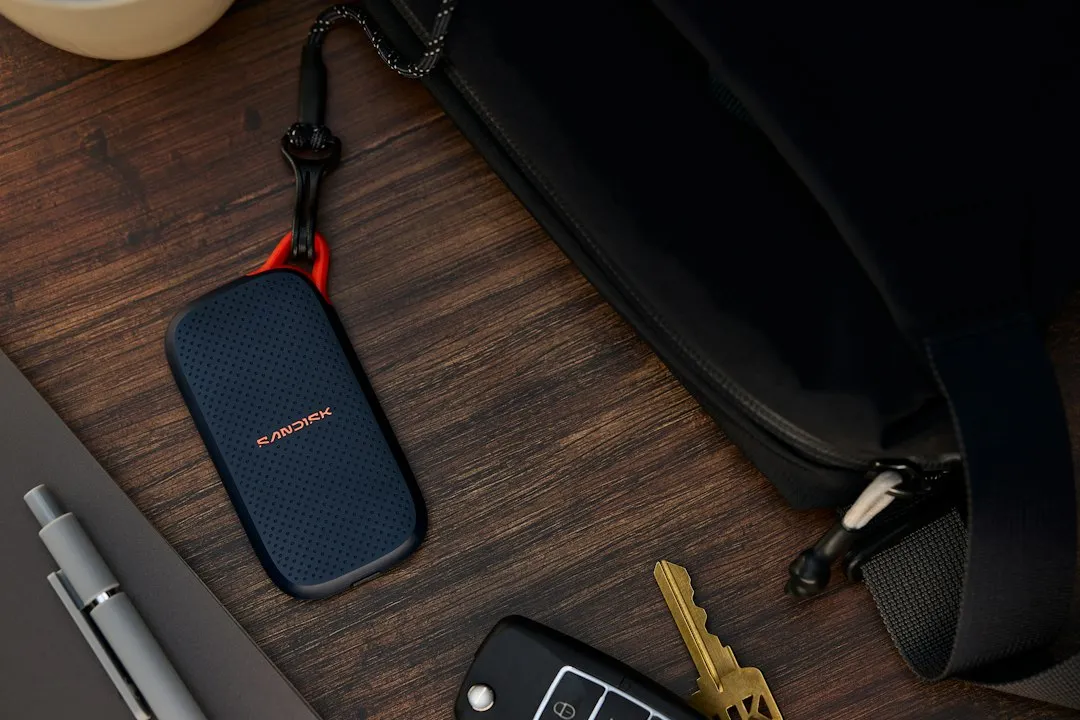
Cold weather drains batteries quickly, especially when using navigation apps. Iceland’s temperatures, combined with the near-constant use of GPS, camera, and connectivity apps during a waterfall road trip, can deplete a phone battery within a few hours. A high-capacity power bank is not optional in this environment.
Iceland uses European plugs (Type C/F) with 230V electricity. If you’re travelling from the US, UK, or Australia, bring the correct adapter and charge your power bank each evening at your accommodation. Arriving at a remote Highland waterfall with a dead phone and no offline maps is a situation worth planning to avoid entirely.
Pack enough medication, key travel documents, and backup phone chargers. A power bank with a capacity of 20,000 mAh or more will typically see most smartphones through a full day of heavy use without needing a wall socket, which matters most on those long driving days between East Iceland’s more remote waterfalls.
A Basic First Aid Kit and Personal Medications
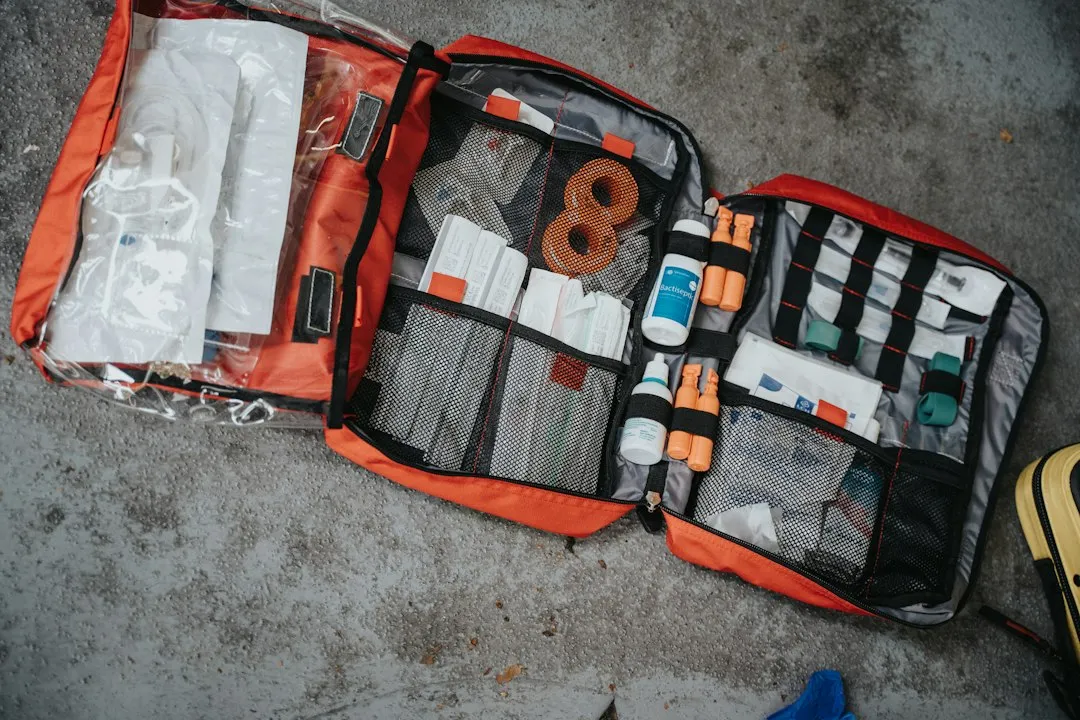
A compact, go-anywhere medicine kit is essential. Iceland is remote in parts and pharmacies may not always be open, especially outside Reykjavik. Bring any prescription meds you need, plus basics like paracetamol, ibuprofen, antihistamines, cold and flu tablets, rehydration salts, travel sickness tablets, bandaids, hand sanitiser, and wet wipes.
A small first aid kit should include band-aids, pain relievers, fever reducer, motion sickness tablets, cold and flu medicine, hand sanitizer, sterile gauze pads, pocket tissues, and allergy medicine. Waterfall trails in Iceland are often slippery and uneven, so minor cuts and twisted ankles are more common than people expect when planning from home.
Some sections of Iceland have more than 200 kilometres between fuel stations, and medical facilities can be similarly spread out. Self-sufficiency with a first aid kit is a simple, low-weight precaution that trips are far better for having.
The Road Ahead
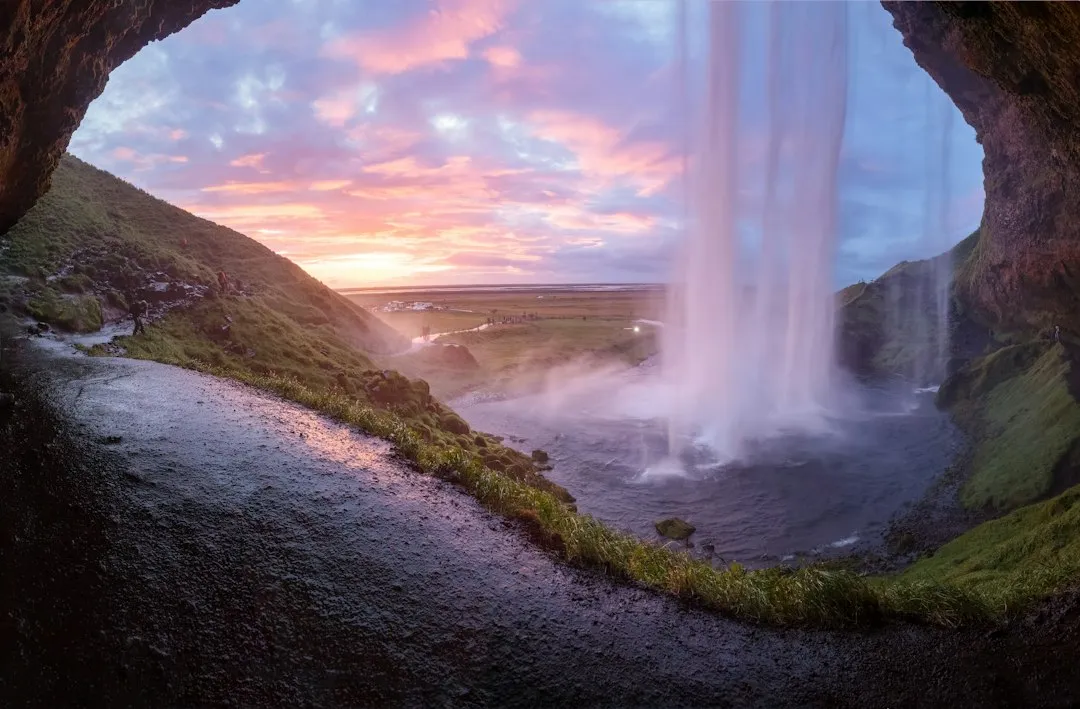
Iceland’s waterfalls aren’t just photo stops. They’re the whole point. Standing close enough to feel the cold mist on your face, watching glacial water drop into basalt pools, pulling over on an empty road because something enormous just appeared through the fog. It’s a specific kind of travel experience that rewards preparation.
None of what’s on this list is complicated or particularly expensive. It’s simply the difference between being genuinely present in one of the world’s most dramatic landscapes and spending your energy managing discomfort. Pack carefully, download your maps before you board, and let the road take care of the rest.
AI Disclaimer: This article was created with the assistance of AI tools and reviewed by a human editor.