
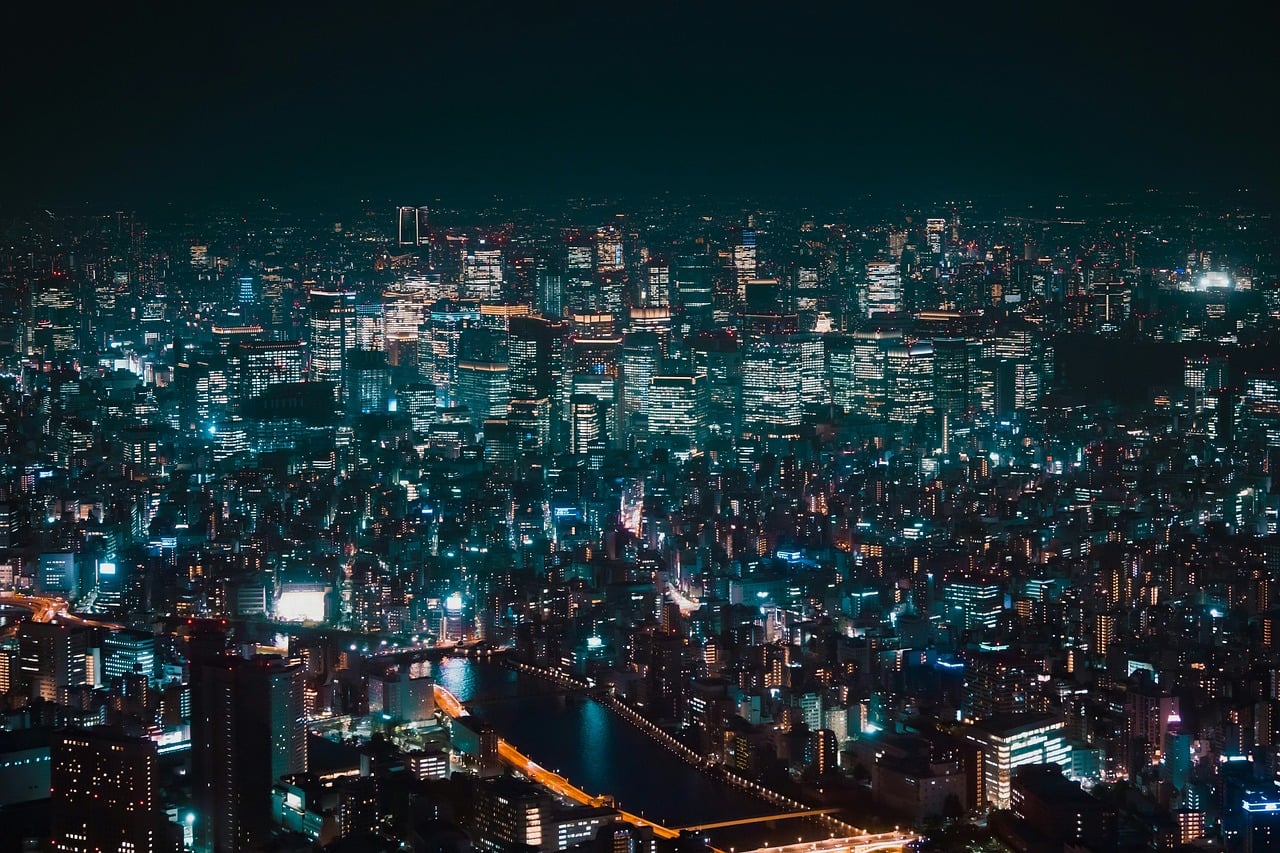

Tokyo doesn’t behave like most cities. It doesn’t have one center, one mood, or one face. It’s a bafflingly huge metropolis with more inhabitants than most countries, made up of dozens of different areas with their own vibe and function. That structural quality, where the city organizes itself into clusters of personality rather than radiating outward from a single core, is precisely what makes it so remarkable to explore over multiple visits.
In 2024, Tokyo welcomed approximately 524 million total visitors, a 14% increase from 2023. Plenty of those visitors arrived expecting one Tokyo and left having discovered several. The seven neighborhoods below capture that range with particular clarity. Each one carries a distinct identity, and none of them quite prepares you for the next.
1. Asakusa: Old Tokyo, Still Breathing
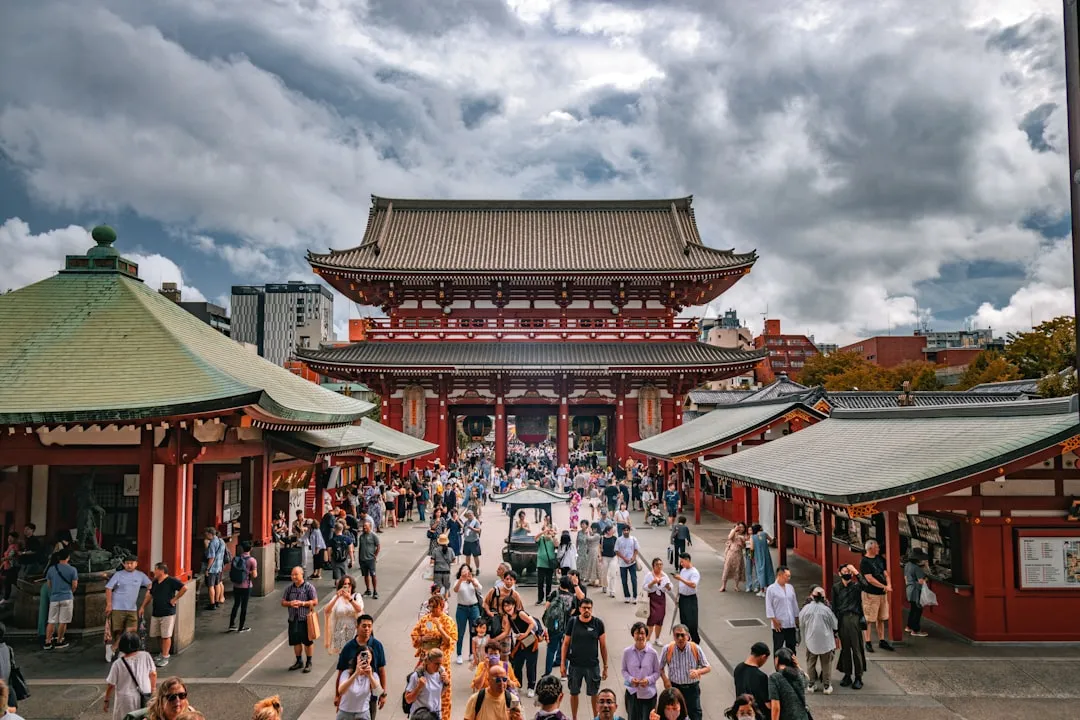
Asakusa exemplifies the charm and old-world sensibility of the low city, with traditional temples and austere shopping streets that feel rooted in a much earlier era. The great Senso-ji temple complex anchors the neighborhood, but the surrounding streets deserve equal attention.
The headline sights can be seen in a focused half day, but Asakusa rewards a slower pace. Come early to beat the crush, eat your way down Nakamise, duck into the side streets, and stay for a beer on Hoppy Street as the lanterns come on.
A short hop north, the temple-and-cemetery quarter of Yanaka preserves a low-key shitamachi mood with far fewer tourists, making it a good half-day pairing if you want to see how everyday old Tokyo actually lives. Asakusa works beautifully as a first neighborhood precisely because it teaches you to slow down.
2. Yanaka: The Neighborhood That Time Forgot
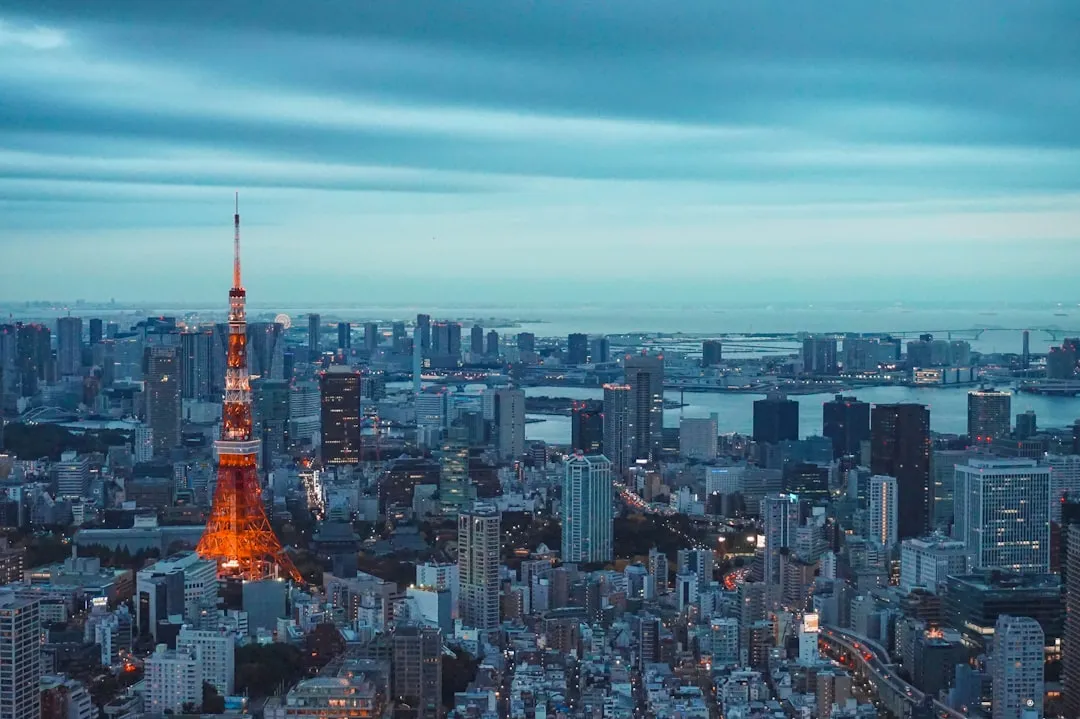
Yanaka is one of the few Tokyo neighborhoods that survived the 1923 Great Kanto Earthquake and WWII firebombing largely intact. That history shows in every lane and roofline. The result is a neighborhood that feels like stepping back in time, with narrow lanes, wooden houses, small temples on every corner, and an elderly population that maintains traditions the rest of Tokyo has largely abandoned.
Yanaka Ginza, the neighborhood’s main shopping street, is a 170-meter stretch of small family-run shops selling everything from handmade pickles to cat-themed souvenirs. The street’s Yuyake Dandan stairs offer a beautiful sunset view that locals have cherished for generations.
Part of the greater Yanesen area, comprised of the three lovely historical districts Yanaka, Nezu, and Sendagi, Yanaka is full of temples and generations-old shops. It’s the kind of place you wander without a plan, and it gives back more than most planned stops do.
3. Shimokitazawa: Where the Music Never Stops
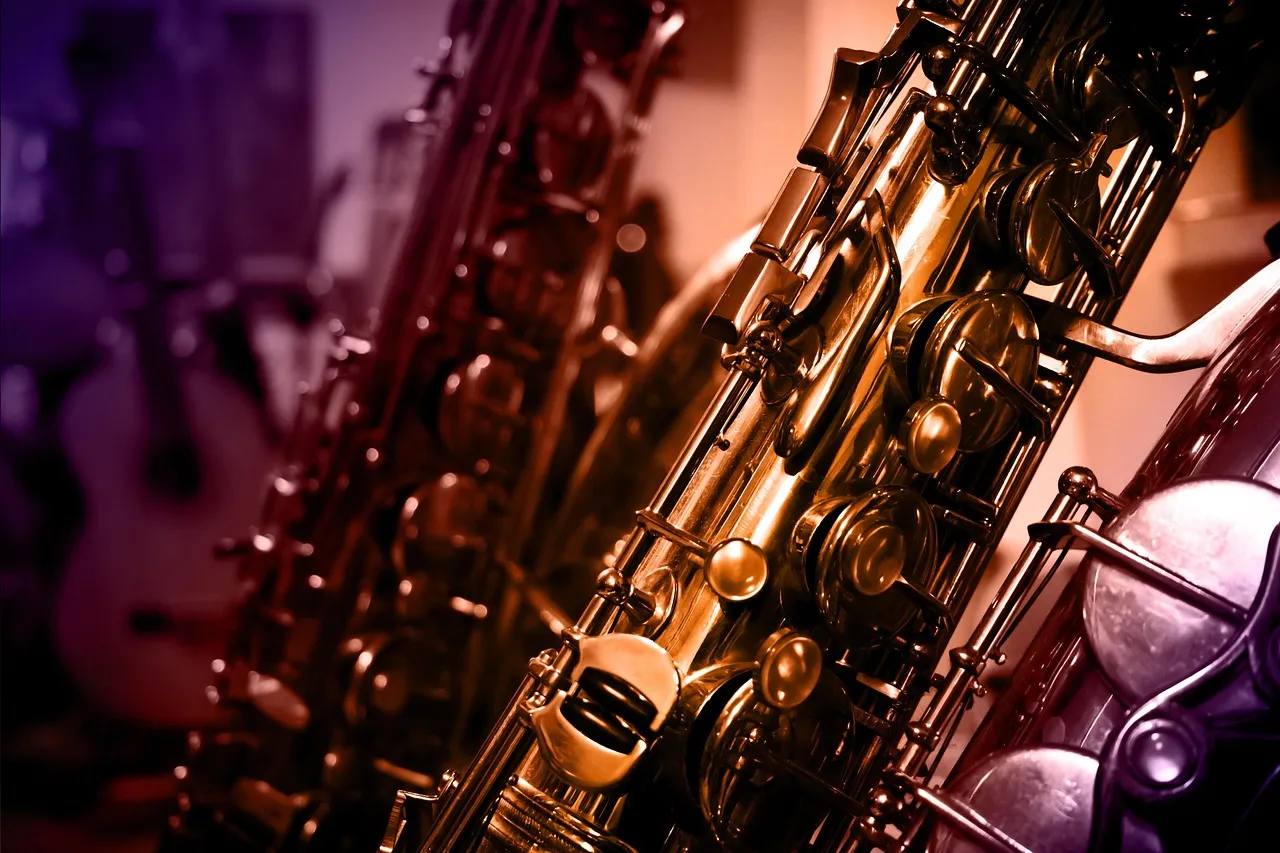
Shimokitazawa is well known for the density of small independent fashion retailers, cafes, theaters, bars, and live music venues. The neighborhood sits in Setagaya ward, about a 15-minute train ride from Shibuya, and the distance feels emotional as much as geographical. It’s a world apart from the corporate polish of Tokyo’s major shopping hubs.
Known for its bohemian vibe, this neighborhood is a treasure trove of vintage shops, indie theaters, and cozy cafes. As you stroll through the narrow streets, you’ll encounter quirky boutiques filled with retro fashion, eclectic home goods, and one-of-a-kind finds.
The vintage Americana and indie music scene in Shimokitazawa can be discovered with a record shop owner, alongside the minimalist boutiques and hidden coffee roasters of neighboring Daikanyama. The creative energy here feels organic rather than curated, and that’s the point.
4. Shibuya: Kinetic Energy and Unexpected Depth
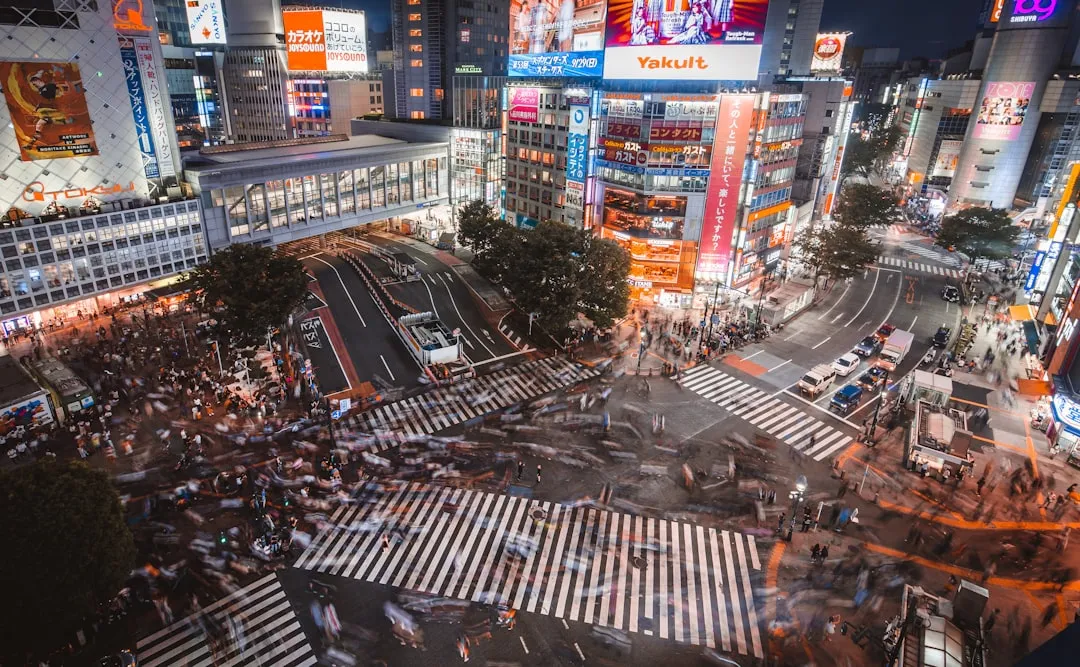
Known for its iconic Shibuya Crossing, where thousands of pedestrians cross at once, this district is a sensory overload of neon lights, trendy shops, and lively eateries. Most visitors spend a few hours, photograph the crossing, and move on. That’s understandable, but it misses quite a bit.
Shibuya is famed for the world’s busiest intersection, operating as a fashion and culture hub in Tokyo, with over a dozen major department stores in the area. The Omotesando stretch, which straddles both the Shibuya and Minato wards, is a particular highlight.
You can shop in the latest fashion boutiques or enjoy some of the best dining experiences in Tokyo, with everything from traditional izakayas to chic cafes. The neighborhood rewards those willing to look past the famous intersection and wander its quieter residential edges, where small galleries and specialty coffee shops fill the gaps between the louder landmarks.
5. Koenji: Tokyo’s Counterculture Heartland
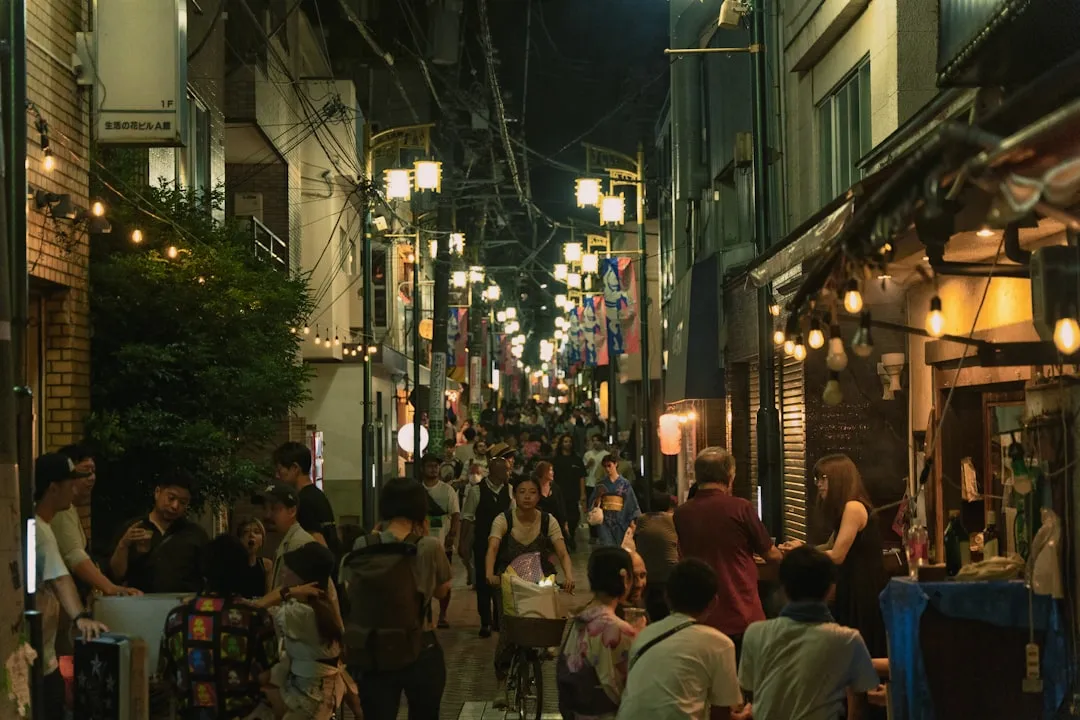
Koenji exudes an edgy, animated atmosphere. There’s a punk-like mindset that runs parallel to the generations-old neighborhood establishments. This is a neighborhood where a decades-old rice shop sits comfortably next to a shop selling obscure vinyl imports, and neither seems out of place.
Packed with vintage stores, independent shops, and lively bars, this west-of-Shinjuku neighborhood is a magnet for creatives. Even on rainy days, its covered shopping streets make exploring a delight.
Koenji is sometimes referred to as a less touristy version of Shimokitazawa. That comparison is fair in terms of vibe, but Koenji has its own distinct character, one that feels more rooted and slightly rawer. Whole clusters of long-standing establishments can be found around the Shinkoenji streets, adding a historical twist to the counterculture this part of Tokyo has become so famous for.
6. Shinjuku: The City Within the City
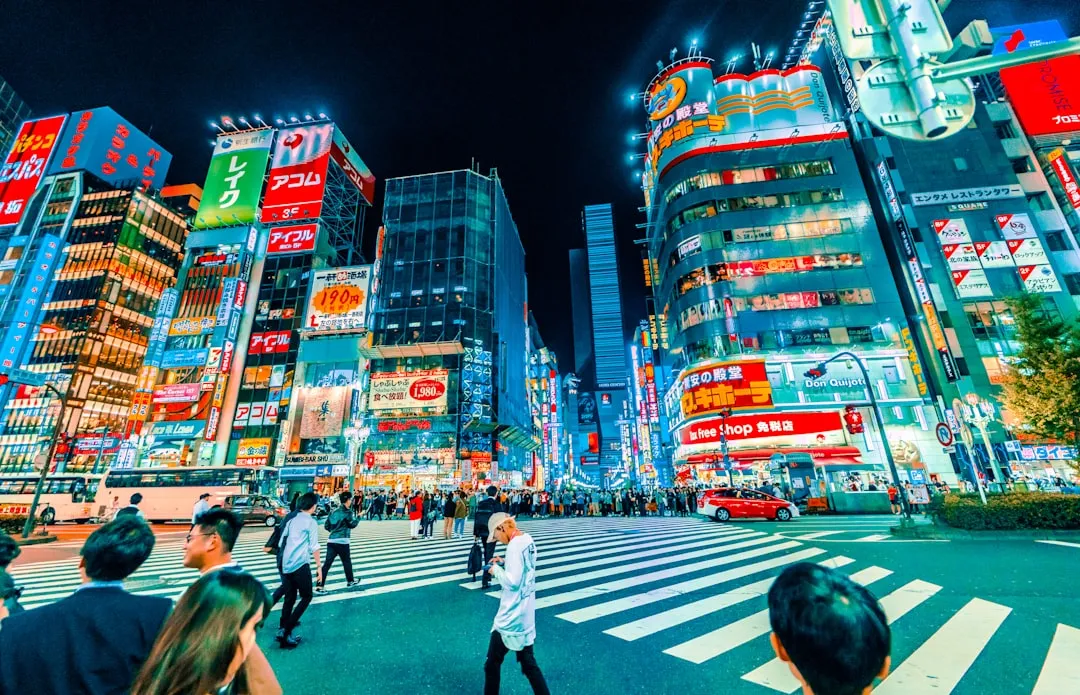
Shinjuku showcases the kinetic energy and buzz of the high city, through its neon glow and layered complexity. Few places in the world pack as much variety into as small a footprint. Shinjuku contains one of the busiest train stations on earth, a meticulously kept national garden, a concentrated nightlife district, and quiet back streets that local residents have called home for generations.
Here, you can stroll through the lush landscapes of Shinjuku Gyoen National Garden or explore the vibrant streets filled with towering skyscrapers and bustling shops. The contrast between those two things, encountered within the same afternoon, tells you something essential about how Tokyo works.
Shinjuku serves as the best transportation hub for first-time visitors to Tokyo, offering convenient access to nearly every other neighborhood. That practicality is part of its appeal, but Shinjuku earns its place in any list on its own terms: it’s genuinely one of the most layered neighborhoods in the city, worth returning to at different times of day and night.
7. Akihabara: A Subculture With Its Own Gravity
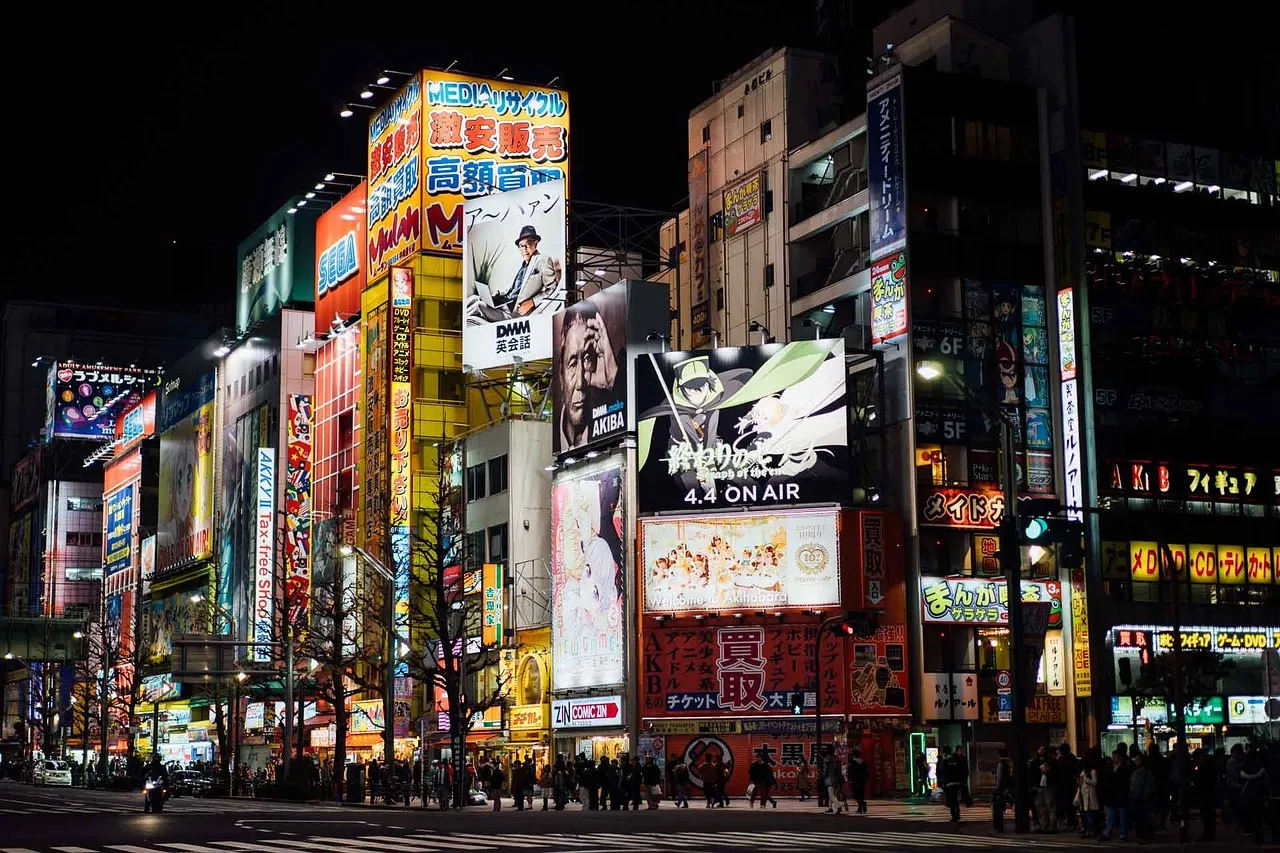
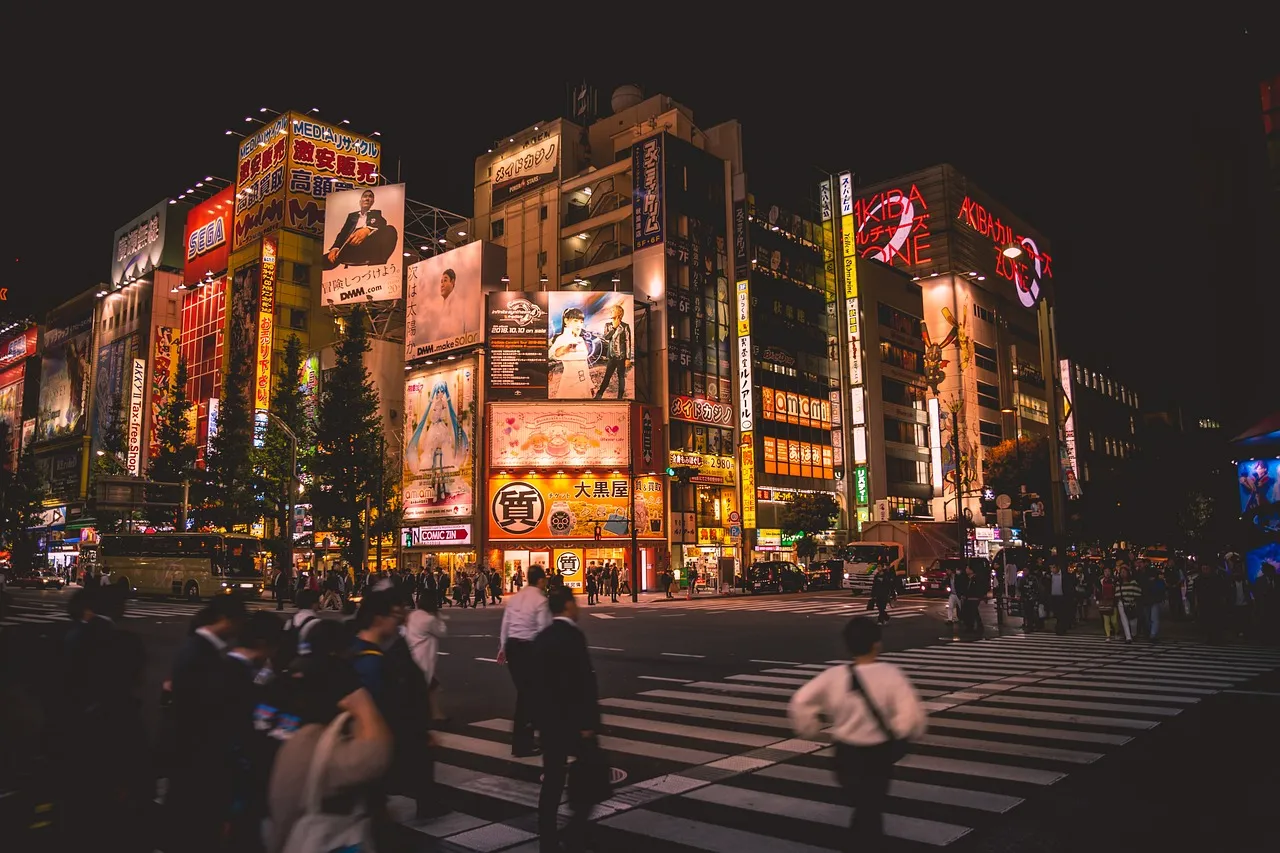
Akihabara is a dream destination for manga, anime, video games, and idol culture fans. This neighborhood has a whole culture unto itself as it emerged as a center of Japanese otaku and anime culture. To dismiss it as niche would be to misread just how large and genuinely fascinating that culture has become.
From the latest gadgets to themed cafes, this neighborhood is a vibrant celebration of pop culture. You can spend hours exploring the countless shops filled with anime merchandise, video games, and collectibles. The multi-story electronics buildings are an experience in themselves, with entire floors devoted to categories of goods that don’t exist in that concentration anywhere else on earth.
The blocky buildings are filled with large advertisements for virtual idols, colorful billboards, and bright neon lights. Akihabara makes no apologies for what it is, and that confidence is part of its appeal. Whether this subculture resonates with you personally or not, walking through it feels like entering a self-contained world, which is perhaps the highest compliment you can pay to any neighborhood.
The Scale That Makes It All Work
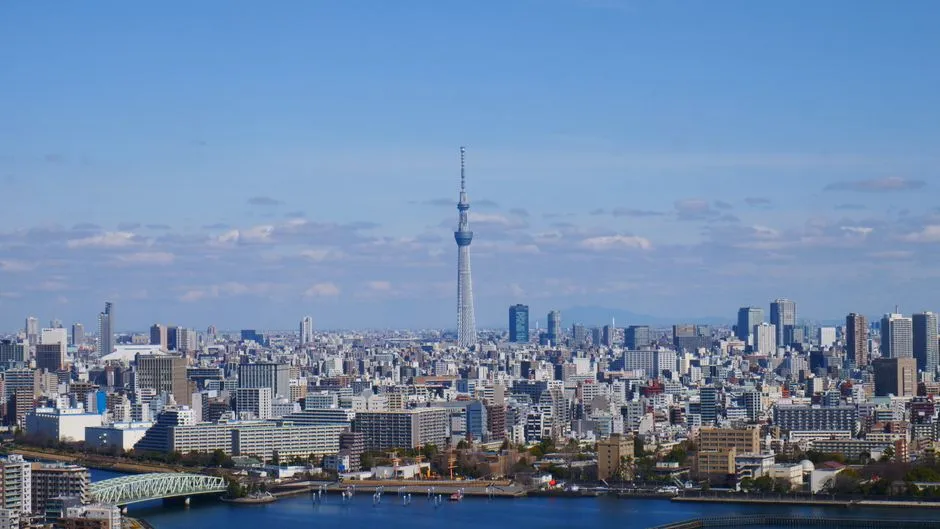
Part of what makes Tokyo’s neighborhoods feel so different from one another is the sheer scale of the city that contains them. In 2024, Tokyo received approximately 24.8 million foreign travelers, a 26.9% increase compared to the previous year, according to the Tokyo Metropolitan Government’s Survey on the Number of Tourists in Tokyo. That volume of visitors spreads across dozens of distinct districts, which means even well-known neighborhoods rarely feel overwhelmed in the way that smaller cities’ tourist zones often do.
Unlike the majority of European capitals, Tokyo has no actual, specific downtown. That lack of a singular center is precisely what enables the neighborhood system to thrive. Each area developed its own commercial streets, its own transit links, and its own community identity, long before tourism entered the picture.
Japan welcomed a record 42.7 million foreign visitors in 2025, breaking through the 40 million threshold for the first time. As more travelers arrive and linger longer, the diversity of Tokyo’s neighborhoods becomes not just a curiosity but a practical asset. No single corner of the city has to absorb everything.
Planning Your Own Neighborhood Journey
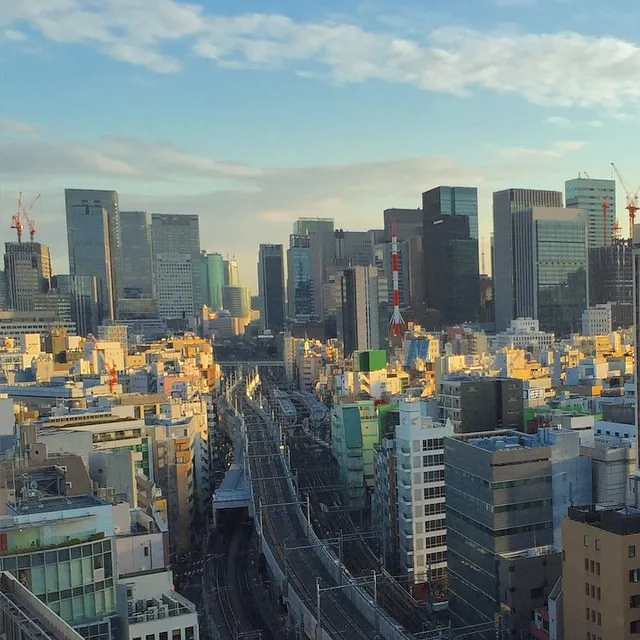
The most common mistake in Tokyo is treating the city as a checklist rather than a series of distinct experiences. Each of these neighborhoods rewards a different pace. Asakusa and Yanaka suit a slow morning. Shimokitazawa and Koenji come alive in the afternoon and into the evening. Akihabara is perhaps best experienced mid-afternoon on a weekday, when the regulars outnumber the tourists.
First-time visitors are well-served starting with Shinjuku as a transportation base, Shibuya for iconic Tokyo energy, and Asakusa for traditional culture. These three neighborhoods capture Tokyo’s range and are easy to navigate. From there, the less-visited areas open up naturally once you’ve found your bearings.
The city’s train network, one of the most comprehensive in the world, makes moving between these worlds surprisingly seamless. The distance from Asakusa to Shimokitazawa takes roughly 40 minutes by train. The psychological distance between them is considerably greater, which is exactly the point.
A Final Thought
Tokyo’s neighborhood diversity isn’t a marketing construct. It’s a structural reality built across centuries of the city growing outward in clusters rather than inward toward a single center. Each of the seven neighborhoods covered here developed its own logic, and that logic is still visible today in its architecture, its residents, and the kind of morning light it lets through.
The most rewarding approach is to resist the instinct to cover everything and instead give two or three neighborhoods the time they actually deserve. Tokyo is one of those cities where slowing down reveals more than speeding up ever could.
AI Disclaimer: This article was created with the assistance of AI tools and reviewed by a human editor.