

Europe drew more than 750 million international tourist arrivals in 2024, according to Statista, making it the world’s most visited region. The lion’s share of those visitors pile into the same handful of destinations. Spain topped the EU ranking with over 322 million nights spent in tourist accommodation, and the five most visited regions in the EU included Mallorca, Rome, Barcelona, Tenerife, and Venice. When the crowds get that dense, the case for going somewhere quieter becomes hard to ignore.
The good news is that Europe’s lake geography is vast and varied. There are so many lakes in Europe it’s actually hard to get an exact count, with estimates ranging from around 500,000 to well over a million, and the continent holds some of the most incredible lakes in the world – glacial lakes that look almost too blue to be real, ancient deep-water lakes in the Balkans, Scottish lochs wrapped in mist, and warm shallow waters in Hungary. Most of them get almost no international foot traffic at all. Here are seven that are genuinely worth the detour.
1. Walchensee, Bavaria, Germany – The “Bavarian Caribbean”
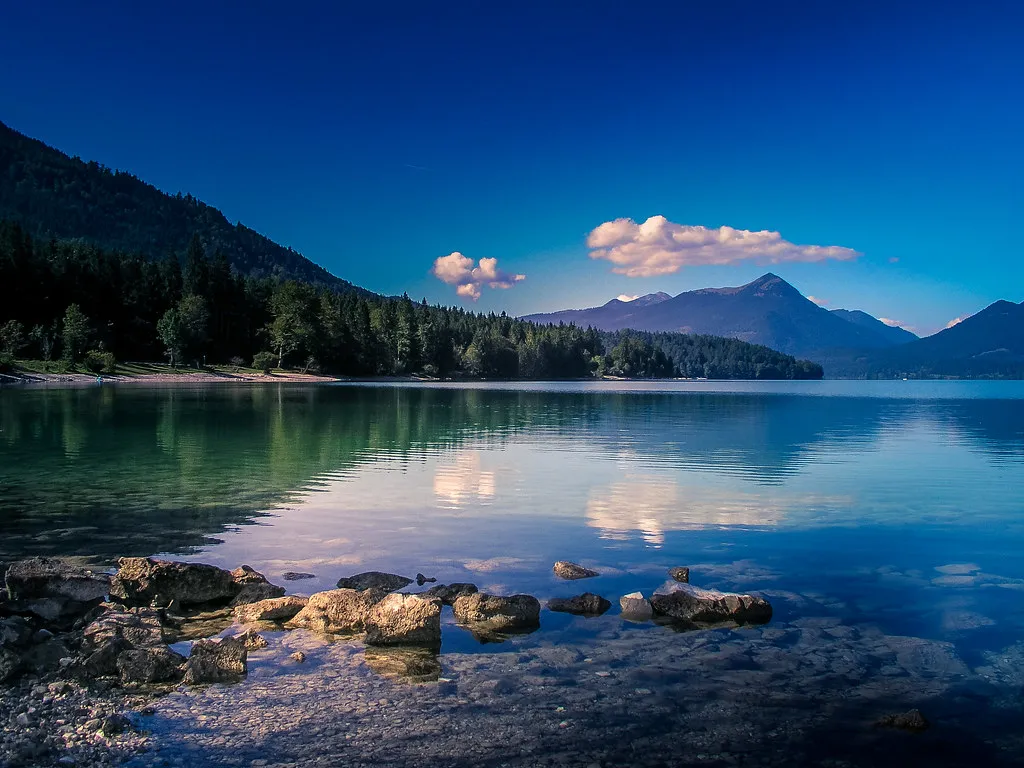
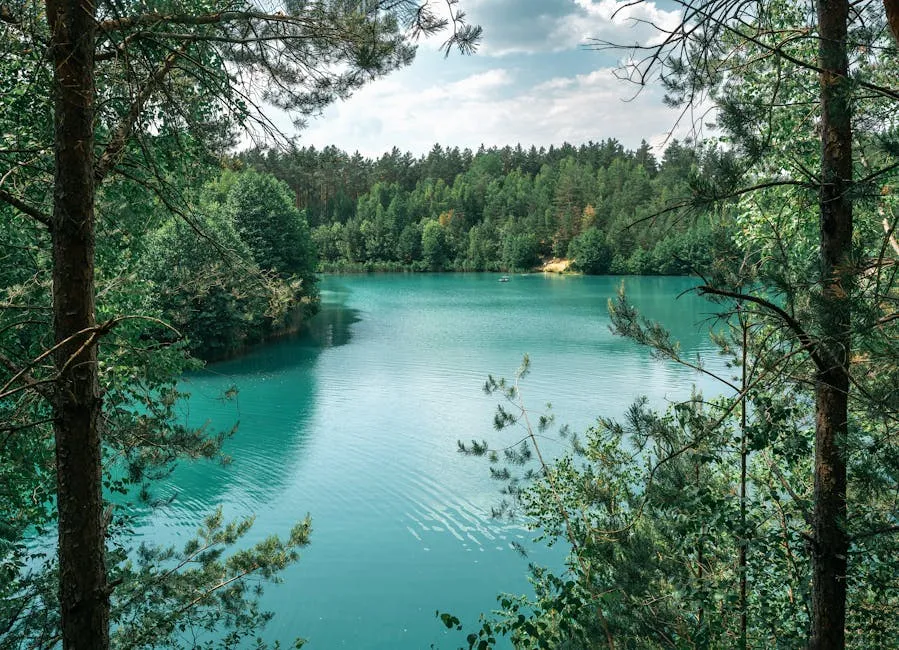
Walchensee, also known as Lake Walchen, is one of the deepest and largest alpine lakes in Germany, with a maximum depth of 192.3 metres and an area of 16.4 square kilometres. Its striking color is not a trick of the camera. The reason Walchensee in Bavaria has such a brilliantly green and blue color is its relatively high proportion of calcium carbonate, which comprises crystals that, in combination with pure Alpine water, reflect the sun and give the lake its extraordinarily beautiful blue-green color.
Walchensee is called the “Bavarian Caribbean” because of its particularly clear and turquoise-green shimmering water. Since no motor boats are allowed here, the water meets the requirements of class I water quality. That ban on motorboats is part of what keeps the atmosphere calm and the shoreline largely undeveloped.
Sailing, windsurfing, kite surfing, and diving are all popular activities, as is hiking. The Herzogstand mountain is the most well-known, offering views of both Walchensee and Lake Kochelsee. The view is astounding, and it’s worthwhile whether you hike or take the cable car up instead. While it’s a popular lake with Germans, it still feels under-the-radar for international visitors.
2. Lake Orta, Piedmont, Italy – The One the Crowds Keep Missing
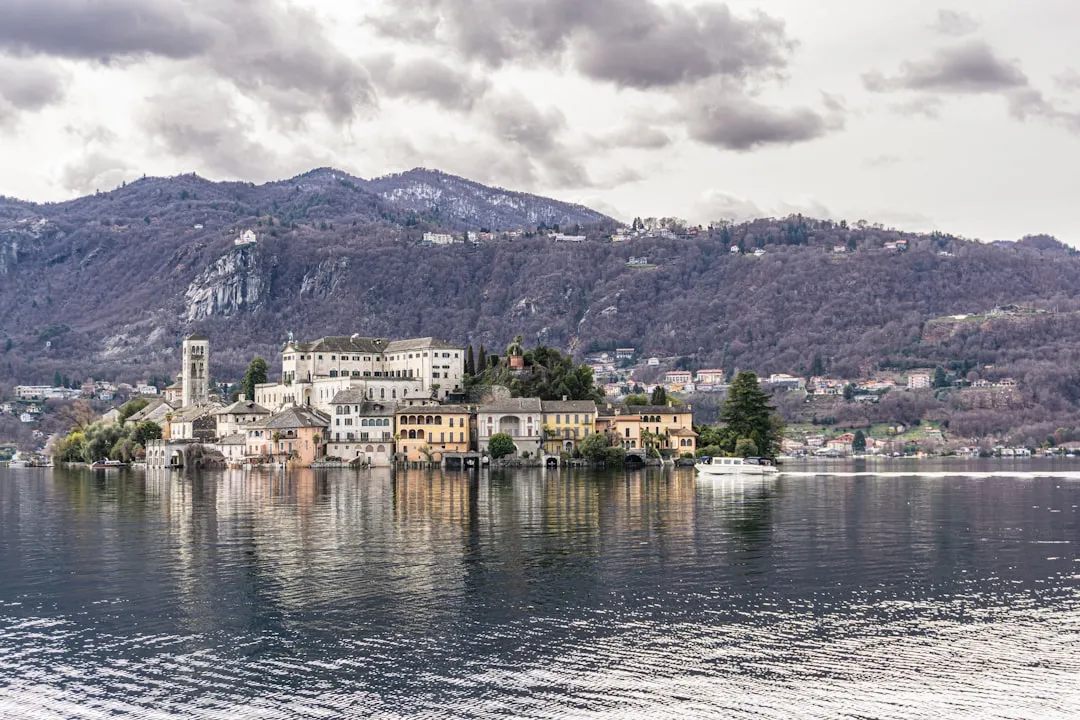
While Lake Como gets worldwide recognition, the equally mesmerizing Lake Orta in northern Italy falls under the radar. Considered one of Europe’s cleanest lakes, Orta dazzles visitors with its blue water and surrounding greenery, and there’s no shortage of cultural and historic sites along its shores.
Be sure to stop at Orta San Giulio, a medieval village with cobblestone streets and Baroque architecture. The town is also home to the Gardens of Villa Motta, a botanical garden situated on a 19th-century private villa. Visitors should also check out Isola San Giulio, an island monastery with a gorgeous walking path, as well as the Basilica di San Giulio, a 12th-century church.
Isola San Giulio is a serene island situated on Lake Orta in the Piedmont region of Italy. Known for its tranquil ambiance and rich history, the island is often referred to as the “Island of Silence.” Those interested in historic religious sites can also head to Sacro Monte di Orta, an old pilgrimage site with 20 chapels, along with sculptures and frescoes.
3. Lake Prespa, North Macedonia / Albania / Greece – A Three-Country Secret
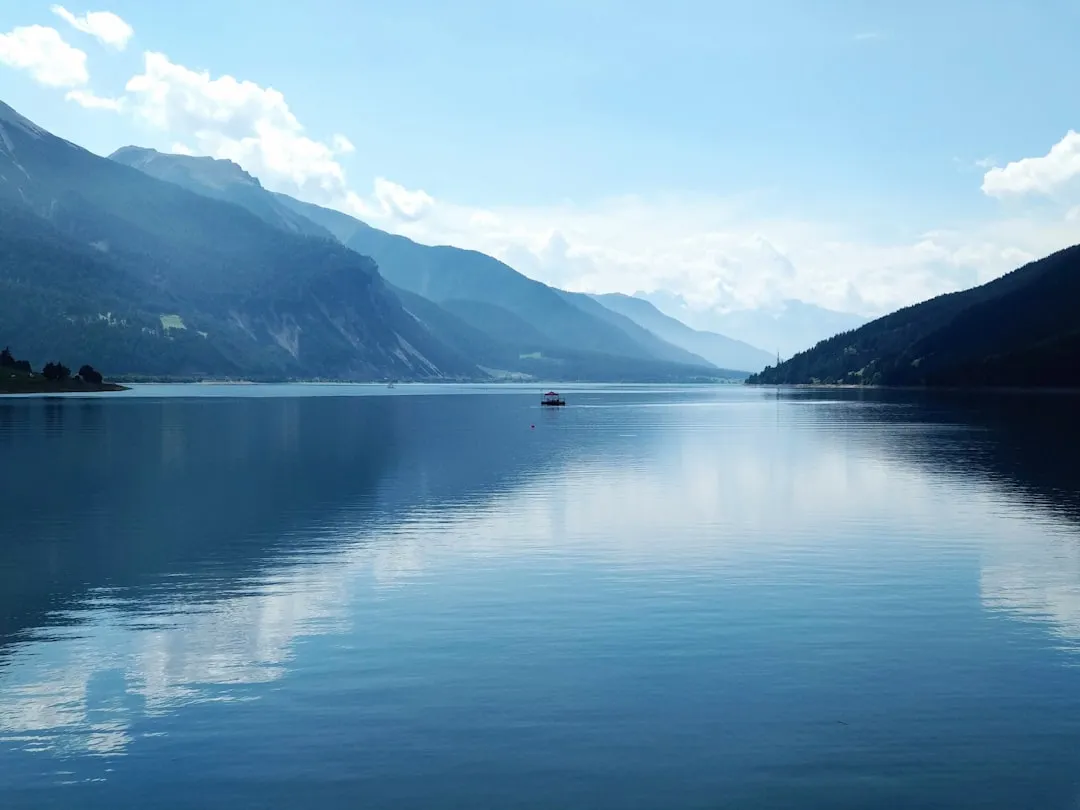
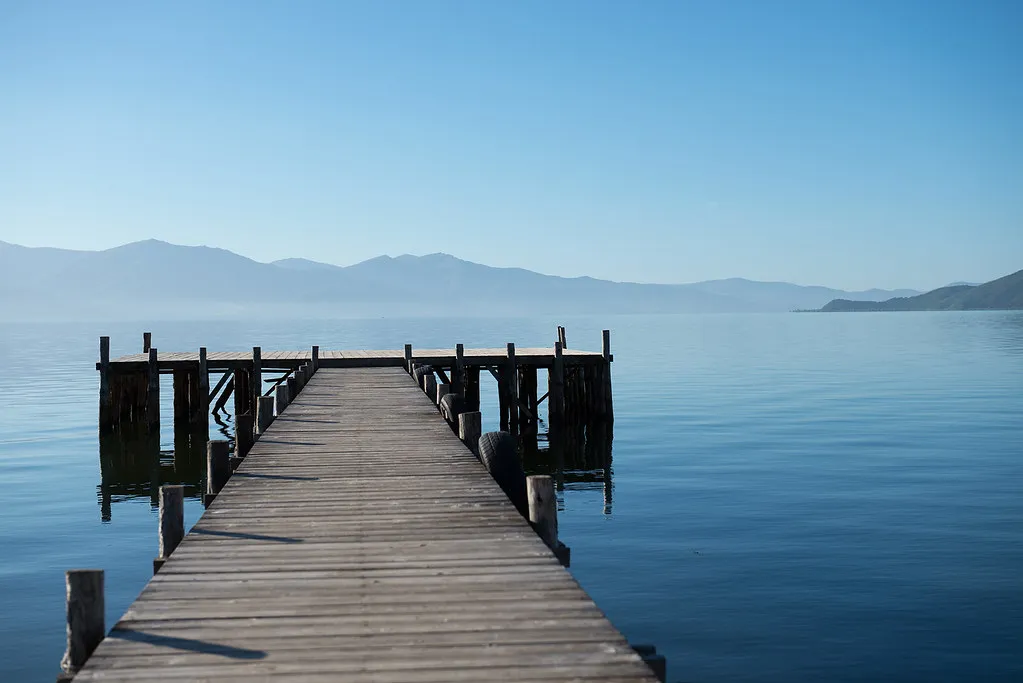
Lake Prespa sits in a remote corner of southwestern North Macedonia where three countries meet – North Macedonia, Greece, and Albania – sharing the lake between them. It is one of the least-visited significant natural areas in the Balkans, and one of the most rewarding for those who make the effort to reach it.
Lake Prespa is one of the oldest tectonic lakes in Europe, and also the highest tectonic lake on the Balkan Peninsula, located at an altitude of 853 meters. In 2014, the Ohrid-Prespa Transboundary Biosphere Reserve between Albania and North Macedonia was added to UNESCO’s World Network of Biosphere Reserves. The political history is remarkable too: in 2018, Great Prespa Lake was the setting for the signing of the Prespa Agreement, signed on 17 June 2018 in a ceremony at the Greek border village of Psarades, by the two foreign ministers of the Republic of Macedonia and Greece, and in the presence of the respective prime ministers.
Prespa is considered one of Europe’s top 10 birdwatching destinations. Key locations include reed beds near Asamati and Nakolec – good for pygmy cormorants, herons, and warblers – and Pelister mountain slopes where raptors including golden eagles are spotted. Tourism around this lake is much less developed than on Ohrid and you won’t encounter the same trickle of hotels or restaurants on its shores, so if you prefer something a bit more wild, this is the place for you.
4. Lake Saimaa, Finland – Europe’s Labyrinthine Lakeland
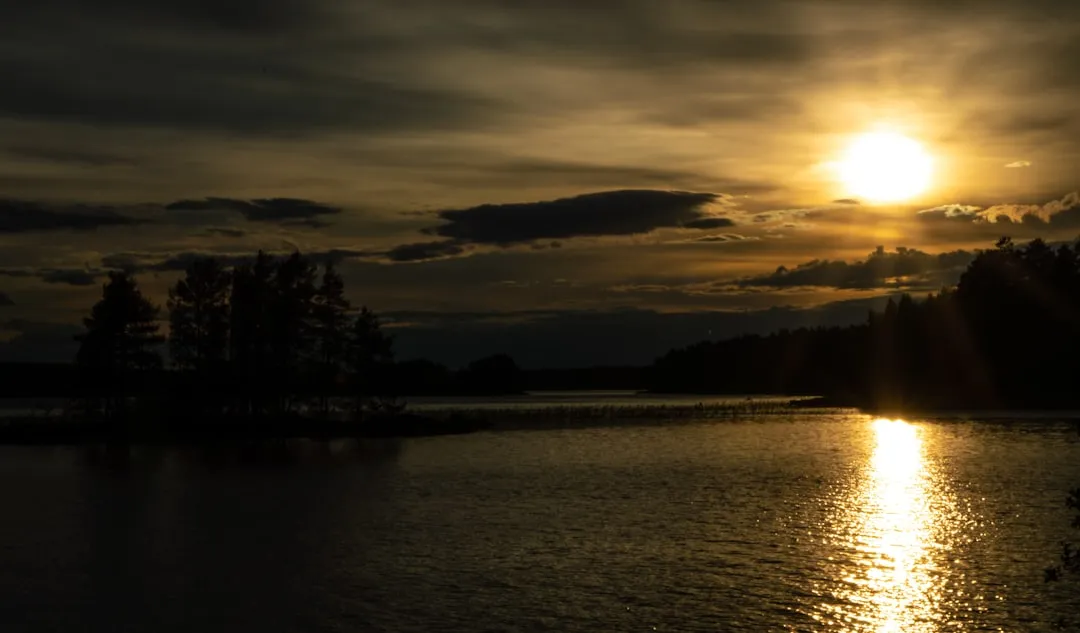
Located in eastern Finland, Lake Saimaa is Finland’s largest lake and the fourth largest natural freshwater lake in Europe. Boasting the longest lake coastline in the world, Lake Saimaa is home to a maze of almost 14,000 islands glistening with untouched natural beauty. The scale of it takes a moment to fully register.
Lake Saimaa is home to the very rare Saimaa ringed seal, a seal species found only here, with around 480 individuals. The region around Lake Saimaa has been awarded the title “European Region of Gastronomy 2024” by IGCAT, where you’ll find fresh fish, wild berries, traditional dishes, and modern twists.
Lake Saimaa was voted the European Region of Gastronomy 2024, with the tasty vendace fish being a staple in local restaurants. Those who enjoy cultural monuments shouldn’t miss Olavinlinna, a medieval island fortress built by a Danish knight. Whether it’s summer kayaking, lakeside saunas, or winter ice and snow, Lake Saimaa works in all seasons.
5. Lake Skadar, Montenegro / Albania – The Balkan Peninsula’s Largest Lake
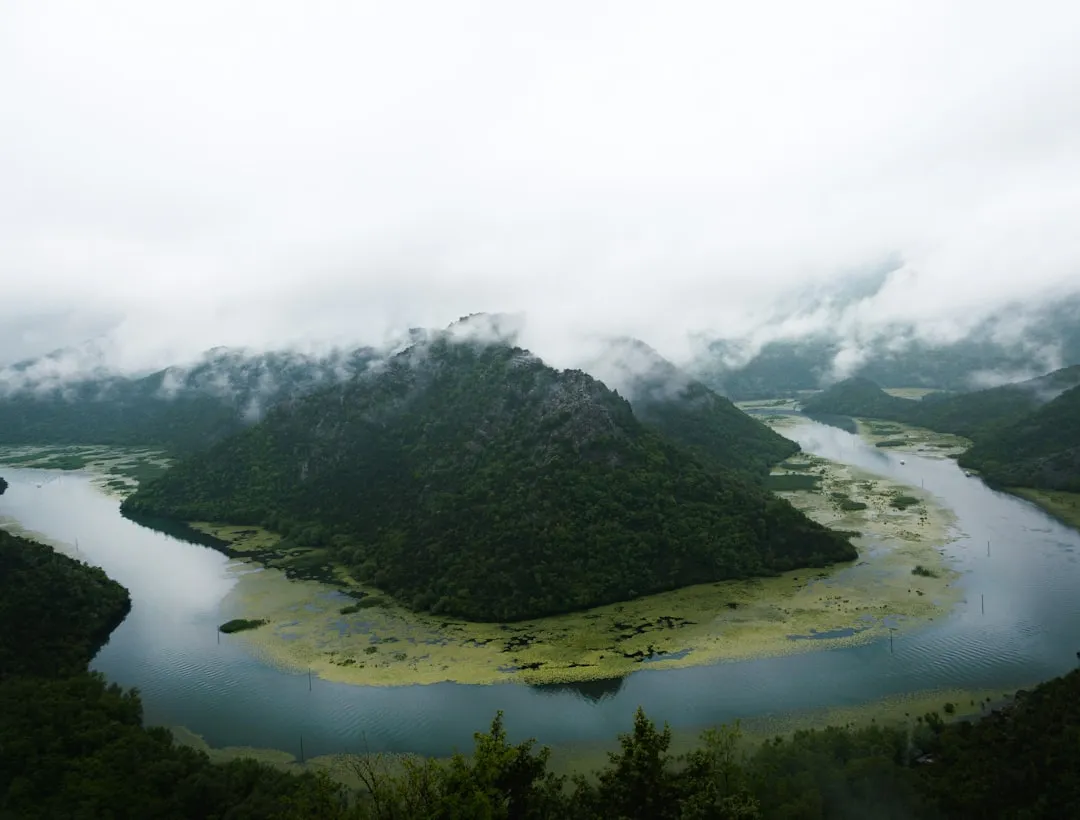
Shared between Albania and Montenegro, Lake Skadar is the largest lake in the Balkan Peninsula. This haven for wildlife is particularly known for its diverse birdlife, making it a paradise for birdwatchers. Its surface area varies seasonally, ranging from approximately 370 to 530 square kilometres.
The largest lake in Southern Europe straddles the border between Montenegro and Albania, dotted with island monasteries and floating meadows set against a dramatic backdrop of karst mountains. There are more than 270 species of birds calling the region home, including the endangered curly pelican.
The area cultivates a diverse ecosystem, supporting many species of migratory bird and fish, as well as wild tortoises, boar, and water lilies. The rich cultural heritage here results in melting-pot local towns and villages with shared Albanian, Serbian, Montenegrin, and Ottoman influences. Long underestimated, Montenegro on the Adriatic is becoming one of the most exciting vacation destinations in Europe, with nature that is surprisingly diverse: turquoise-blue water, emerald-green lakes, dense forests, and imposing mountain landscapes.
6. Lake Aiguebelette, Savoie, France – The Warm, Quiet Alpine Alternative
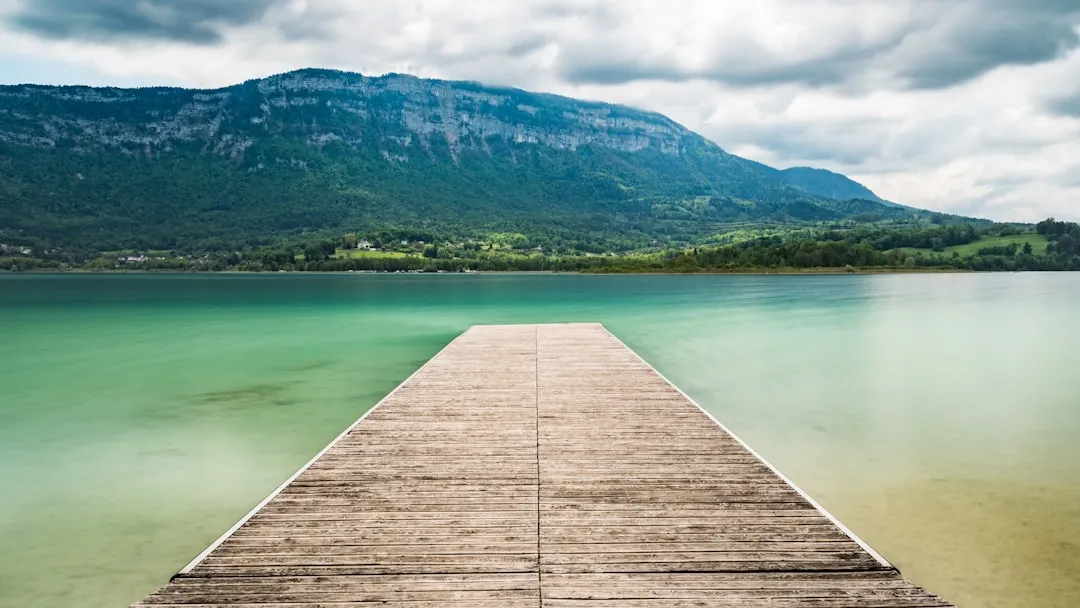
Lake Annecy has hardly escaped the notice of travelers, reportedly attracting even more yearly visitors than Como. To experience what BBC called “an under-the-radar alternative,” you can add the other French Alpine lakes of the area – Leman, Bourget, and Aiguebelette – to your itinerary, all three coming with beautiful scenery, towns to explore, and lots of opportunities for outdoor activities.
Among those three, Aiguebelette stands out as the quietest of the group. It is one of the warmest natural lakes in France, making it particularly appealing for swimming in summer. The lake sits in a natural basin surrounded by forested hills in the Savoie department, and motor boats are banned here too, which keeps the water exceptionally clear and the atmosphere peaceful.
The surrounding villages are small and functional rather than touristy, which means prices stay reasonable and the infrastructure remains local in character. For travelers who want that classic French alpine scenery without the crowds that flock to Annecy, Aiguebelette offers a genuinely quieter version of the same landscape. Late spring and early September tend to be the most pleasant times to visit.
7. Lake Ohrid, North Macedonia – Ancient, UNESCO-Listed, and Still Manageable
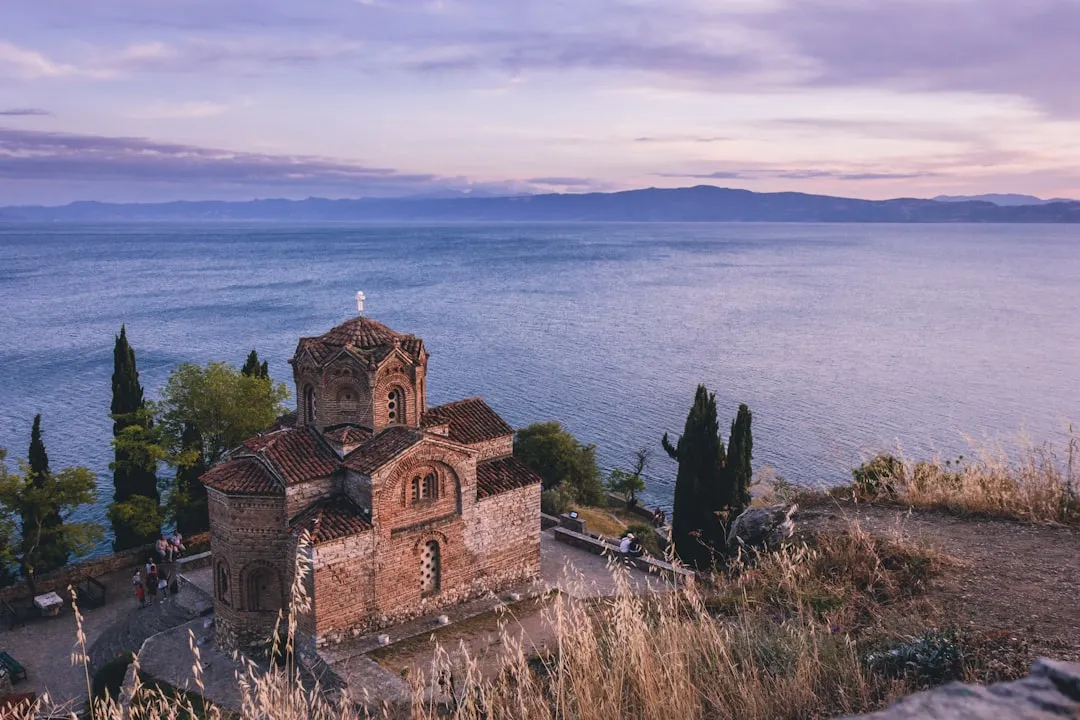
The country is home to beautiful lakes, such as Lake Ohrid, one of the oldest and deepest lakes in Europe, and UNESCO World Heritage sites like the ancient city of Ohrid, known for its well-preserved churches and monasteries. Lake Ohrid, a UNESCO World Heritage site, is one of Europe’s oldest and deepest lakes, offering crystal-clear waters and historic monasteries along its shores.
You can spend your days exploring the Old Town, visiting the stunning, cliffside Church of St. John at Kaneo, or taking a boat to St. Naum Monastery, where you’ll find natural springs and peacocks wandering the grounds. The water of Lake Ohrid is so clear you will want to dive right in, and there are many beautiful spots around the lake where you can.
The best time to visit Lake Ohrid is in late spring or early autumn when it is warm but still quiet. Summer is another great time to visit as the lake is warm enough for swimming. There are more crowds in summer, but it is never as crowded as other European lakes. It can be a tidbit for travelers thanks to the vast amount of unexplored territory and the lack of large crowds of tourists. However, because the country is a candidate for the European Union, its popularity may soon grow significantly.
Why These Lakes Fly Under the Radar
In 2024, Europe alone accounted for over half of international tourist arrivals worldwide, with inbound arrivals exceeding 750 million. Yet that traffic concentrates heavily. Five countries together accounted for nearly two thirds of the total nights spent by non-residents in the EU, while the least common EU destinations in terms of nights spent were the relatively smaller countries Latvia, Lithuania, Luxembourg, and Estonia, with less than 4 million nights spent by international tourists each.
The pattern reveals something important: most international travelers stick to an extremely narrow set of destinations. The lakes listed in this guide sit in the overlooked zones, whether that’s the quietly undervisited Baltic-adjacent countries, the relatively unknown corners of the western Balkans, or the less-publicized Alpine regions. As Europe’s popularity among tourists keeps growing, dealing with overtourism, rather than with a potential decline in visitors, will likely be the most pressing challenge for the region in the years ahead.
That makes timing matter more than ever. The windows of genuine quiet at these lakes are real, but they’re not guaranteed to stay that way indefinitely as travel patterns shift and word spreads.
When to Go and What to Expect
In 2024, EU residents showed a preference to travel in the summer months, with roughly one third of their trips made in July or August. For anyone hoping to avoid those peaks, late spring and early autumn remain the best windows at most of the lakes on this list. Water temperatures are still comfortable from late May onward at most Alpine and Balkan locations, and the crowds are noticeably thinner.
Infrastructure varies considerably across these seven spots. Lake Saimaa and Lake Walchensee have comfortable visitor amenities. Lake Prespa, by contrast, is deliberately minimal. The nearest tourist infrastructure is minimal, reaching Prespa requires a car, there is no meaningful public transport, and the road access, while good, means a rental vehicle is the only practical option for visitors staying in Skopje or Ohrid.
That’s part of the appeal for some travelers, of course. Knowing what you’re getting into helps you plan appropriately rather than arriving disappointed. The wilder the setting, the more self-sufficient you’ll want to be.
A Note on Overtourism and Responsible Visiting
2024 was the best tourism year on record for the EU, with 3 billion tourism nights spent at tourist accommodation. The growth is real, and so is the pressure it puts on fragile natural areas. Lake Prespa, for instance, faces documented environmental stress. The lake faces challenges such as water level decline due to droughts, which impact both the local ecosystem and tourism.
Visiting responsibly matters more at these under-the-radar destinations precisely because they lack the buffer infrastructure that larger tourist regions have built over decades. Staying in locally owned guesthouses, eating at local restaurants, and staying on marked paths keeps the money in the community and the ecosystem intact. These are not arguments against visiting – they’re arguments for visiting thoughtfully.
The lakes covered here are all genuinely rewarding in different ways: wild and birdlife-rich at Prespa and Skadar, architecturally layered at Ohrid, cleanly beautiful at Orta and Walchensee, vast and quietly absorbing at Saimaa, and peacefully Alpine at Aiguebelette. None of them require you to fight for a sunlounger or book a year in advance. That alone puts them in a different category from most of what fills the travel feeds right now.
Conclusion: Quiet Water Is Still Out There
The instinct to go where others go is understandable. Familiarity feels safe, and popular destinations are popular for reasons. But the lakes on this list suggest that the truly memorable moments at the waterfront often come from the places that weren’t trending yet – from arriving at a clear, cold Alpine lake before the parking lot fills, or standing at the edge of a Balkan tectonic lake that sits in three countries at once and feels entirely its own.
If you’re looking at named, sizeable lakes that you’d actually travel to visit, Europe has several hundred major ones spread across about 30 countries. Seven of them are profiled here. The other several hundred are waiting.
The best time to visit a place before it changes is always now – or close enough to it that the gap doesn’t really matter.
AI Disclaimer: This article was created with the assistance of AI tools and reviewed by a human editor.