
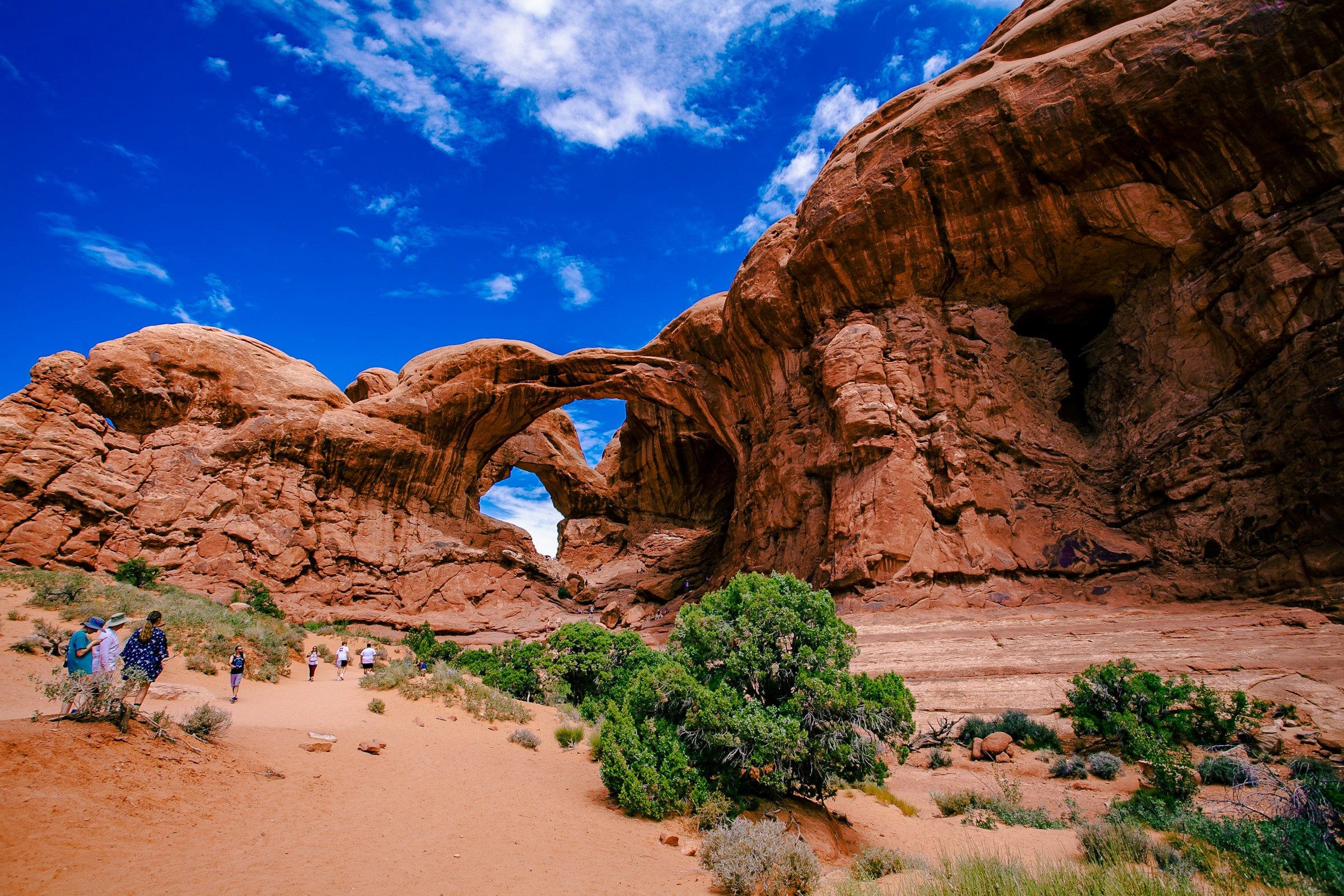

America’s national parks have never been more visited. In 2024, the National Park Service recorded a historic milestone with nearly 331.9 million recreation visits across more than 400 sites. That’s a staggering number, and it tells a simple story: people want to be in these places. The challenge, of course, is that getting in can cost money you might not have set aside.
The good news is that the NPS has a long tradition of opening its gates for free on specific days throughout the year. Each year the National Park Service hosts free days where entrance fees are waived to parks across the country that normally charge a fee, with 106 national parks and monuments taking part in 2026. If you plan around these dates, you can experience some of the most extraordinary landscapes in the world without spending a single dollar on entry.
What the 2026 Free Entry Days Actually Look Like

In 2026, the number of free days has risen back up to 10. The calendar shifted considerably from previous years, with both new additions and notable removals. New in 2026, Memorial Day, Flag Day, Independence Day weekend, the NPS’s birthday, Constitution Day, and Theodore Roosevelt’s birthday have been added as free days.
The full list of fee-free days runs as follows: February 16 for Presidents Day, May 25 for Memorial Day, June 14 for Flag Day, July 3 through 5 for Independence Day weekend, August 25 for the 110th birthday of the National Park Service, September 17 for Constitution Day, October 27 for Theodore Roosevelt’s birthday, and November 11 for Veterans Day.
One important change that took effect in January 2026: beginning in 2026, free entrance on these days will be for U.S. citizens and residents only. This is a new development worth knowing before you visit.
Yellowstone National Park – The Geothermal Wonder of Wyoming
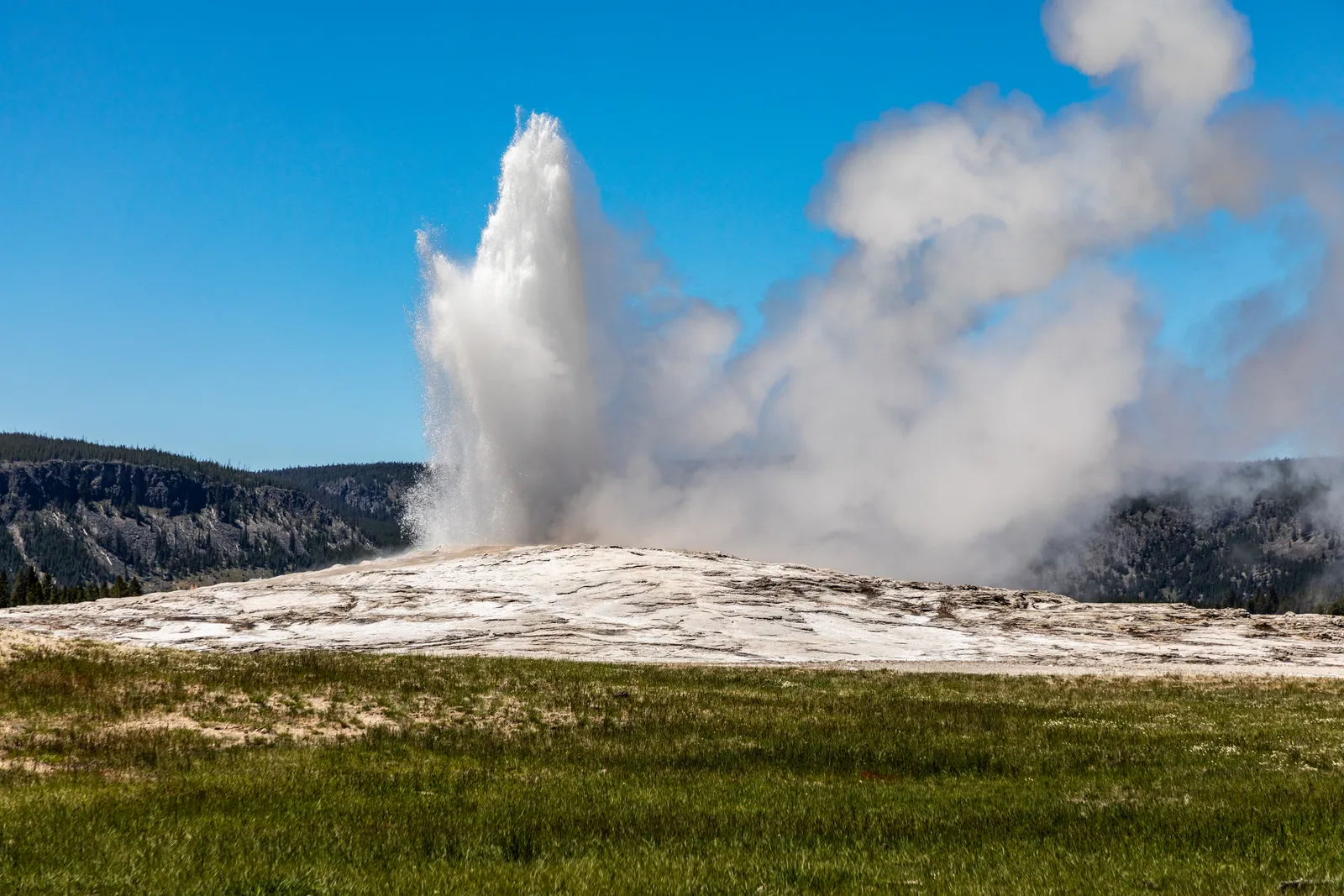
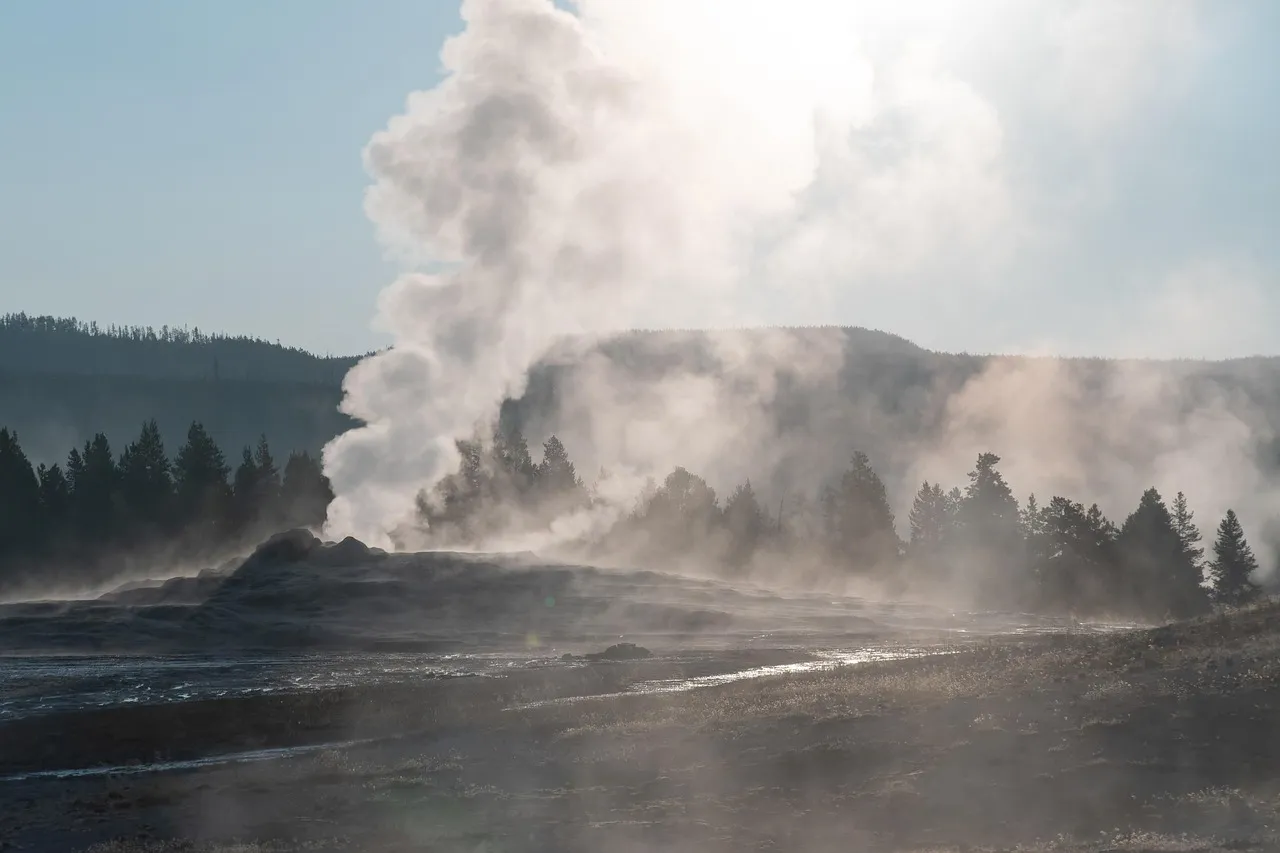
Yellowstone is a place that earns every superlative thrown at it. Known as the world’s first national park, it features more geothermal activity than anywhere else in the United States, including the celebrated Old Faithful geyser and the Grand Prismatic hot spring, as well as famous wolf packs and bison. The park drew nearly 4.74 million visitors in 2024 alone, making it one of the most visited parks in the country.
Yellowstone does not require timed entry reservations in 2026. You’ll still need to pay the entrance fee or use a valid park pass, but there is no general timed entry system for private vehicles. That makes a free entry day here genuinely seamless to enjoy.
Yosemite National Park – California’s Granite Cathedral
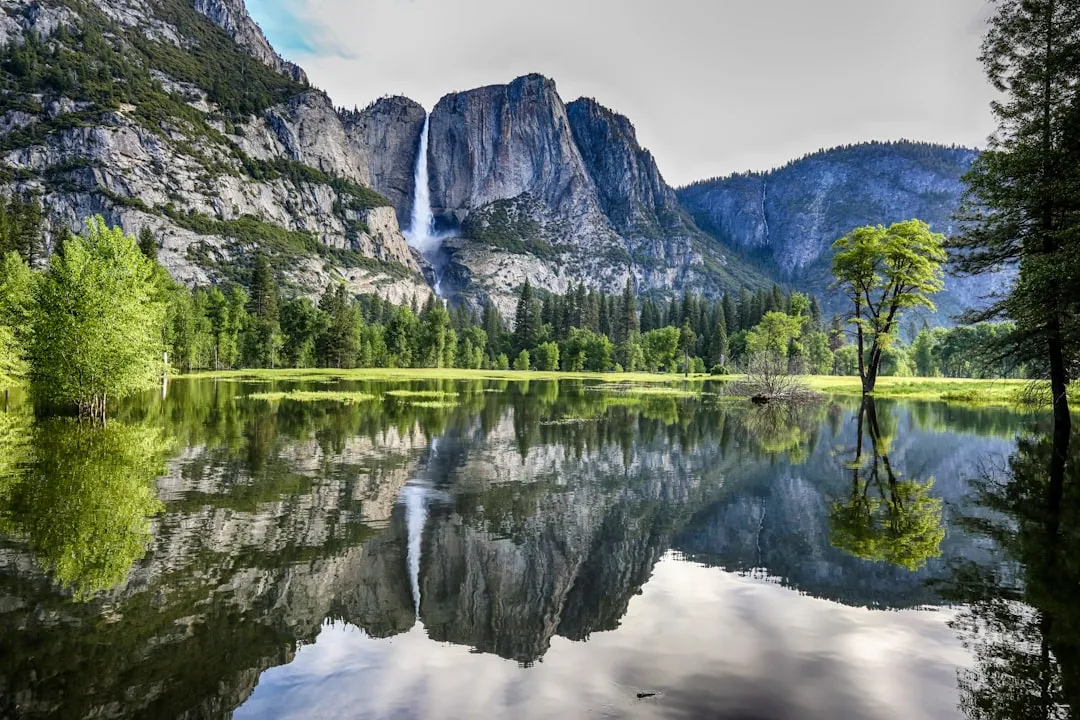
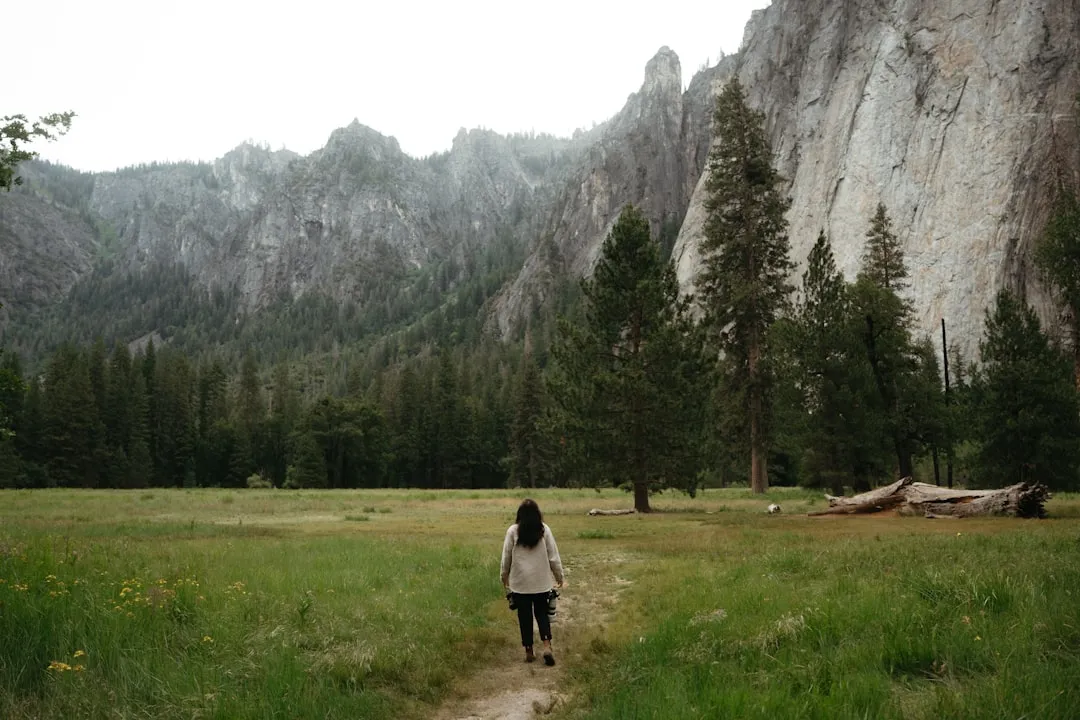
Yosemite’s valley floor is one of those places that can feel almost unreal the first time you see it. Yosemite provides incomparable mountain scenery, with late spring offering the most powerful waterfall views. The park welcomed 4.12 million visitors in 2024.
A welcome change for 2026: Yosemite will not require timed-entry reservations for 2026, and they do not have a timed-entry reservation system in place. Visiting on a free day is more accessible than it has been in recent years. Arriving early in the morning still makes a meaningful difference for parking and trail access, particularly in summer.
Grand Canyon National Park – Arizona’s Ancient Abyss
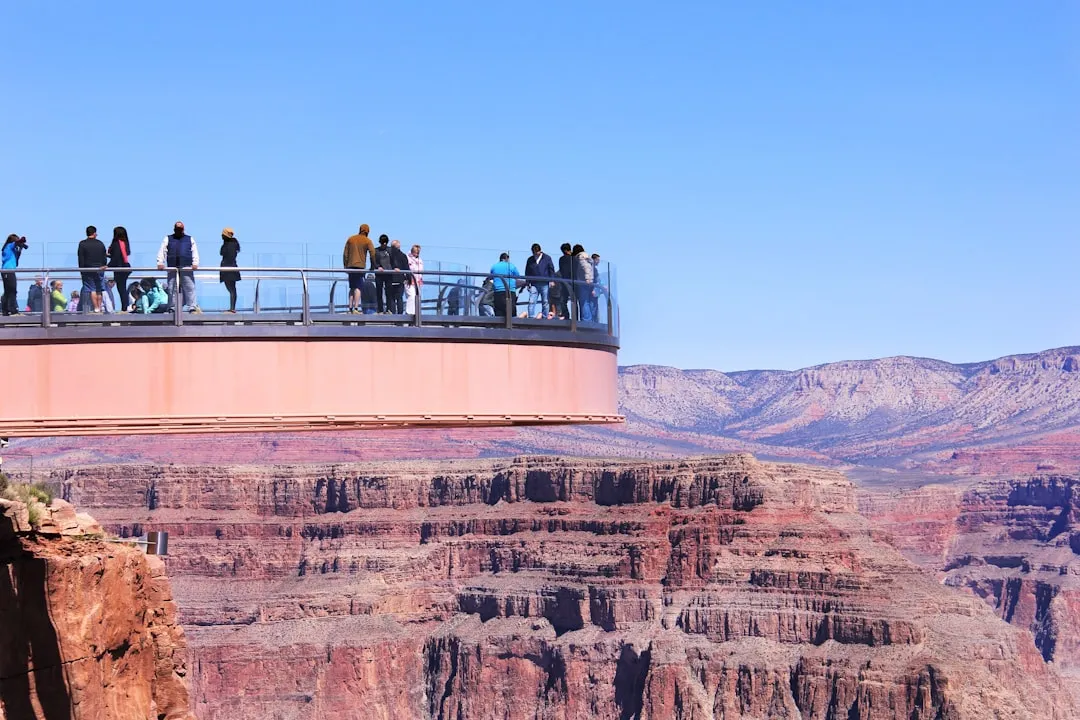
There are few experiences in nature quite as disorienting, in the best way, as standing at the rim of the Grand Canyon for the first time. Grand Canyon is widely considered essential for any inaugural national parks journey, with Desert View Drive offering secluded perspectives. The park attracted approximately 4.91 million visitors in 2024.
The basic entrance fee at Grand Canyon is thirty-five dollars per private vehicle, thirty dollars per motorcycle, and twenty dollars per person. On a free day, that savings can make a real difference for a family. Note that overnight camping at the canyon floor involves a separate lottery system through Recreation.gov.
Glacier National Park – Montana’s Crown of the Continent
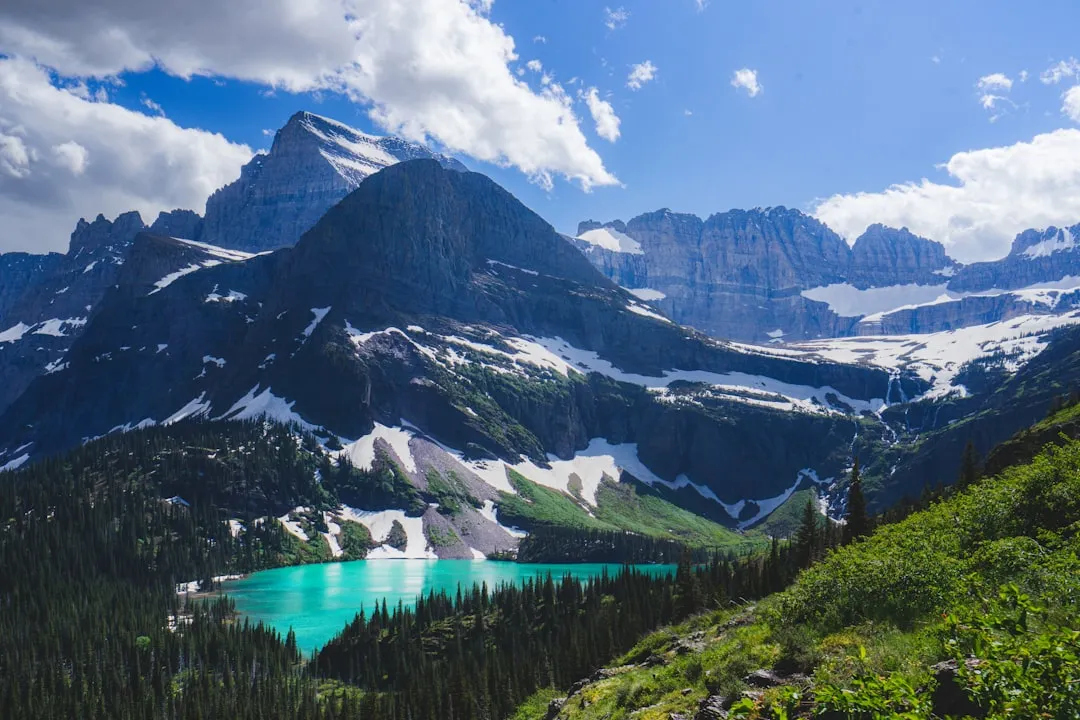
Glacier is one of those parks where the landscape does something to your internal pace. The mountains are immense, the lakes are impossibly blue, and the wildlife is genuinely wild. Glacier National Park in Montana made the top ten most visited list in 2024, with just over 3.2 million recreation visits.
The National Park Service will not require reservations to enter Glacier in 2026. That’s a shift from prior years, when vehicle reservations were required to drive the Going-to-the-Sun Road during peak season. As of mid-2026, the Going-to-the-Sun Road is open again following some flooding, though the Many Glacier area still has some closures including the campground and some hikes, with status changing regularly. Always check the official park site before you travel.
Acadia National Park – Maine’s Atlantic Masterpiece
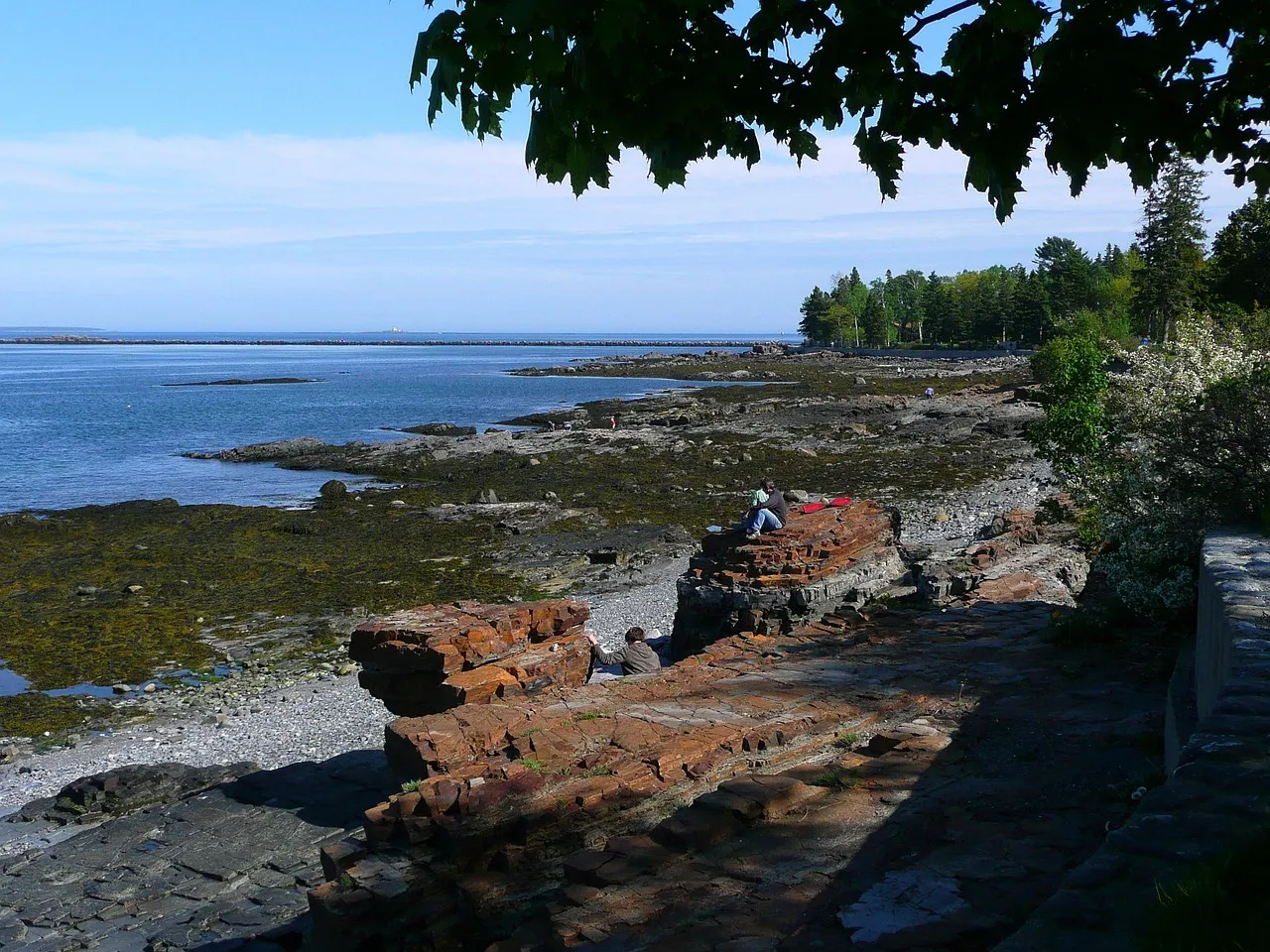
Acadia sits on the rugged Maine coast and offers a rare blend of mountains, ocean, and forest. The park drew nearly 3.96 million visitors in 2024. It’s one of the most beloved parks in the eastern United States, and for good reason.
A new 26-million-dollar Acadia Gateway Center opened in Trenton, featuring 300 free parking spaces to reduce congestion on Mount Desert Island, Island Explorer bus connections, and ranger staffing. Additional 2026 improvements include 33 million dollars in new maintenance facilities and renovated exhibits at the Hulls Cove Visitor Center. Visiting on a free day and using the free Island Explorer shuttle is a genuinely smart and low-impact way to explore the park.
Rocky Mountain National Park – Colorado’s High-Alpine Playground
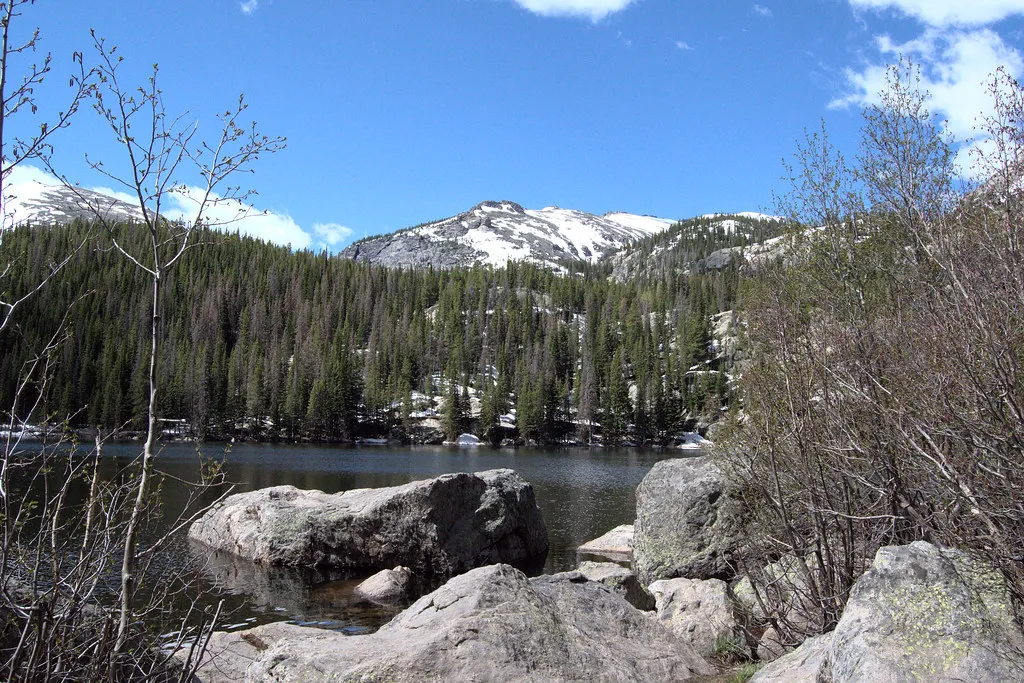
Rocky Mountain National Park is where the Front Range of Colorado rises into genuine alpine terrain. Elk are a common sight, trails wind up above the treeline, and Trail Ridge Road offers one of the highest paved road experiences in the country. The park welcomed 4.15 million visitors in 2024.
Vehicle reservations are still required for Rocky Mountain National Park during peak hours, depending on which area you visit. Fee-free days waive entrance fees, but they do not waive timed entry reservation fees. It’s worth noting the distinction: free entry day means no entrance fee, but if the timed entry system is active during your visit window, you still need that reservation.
Zion National Park – Utah’s Red Rock Labyrinth
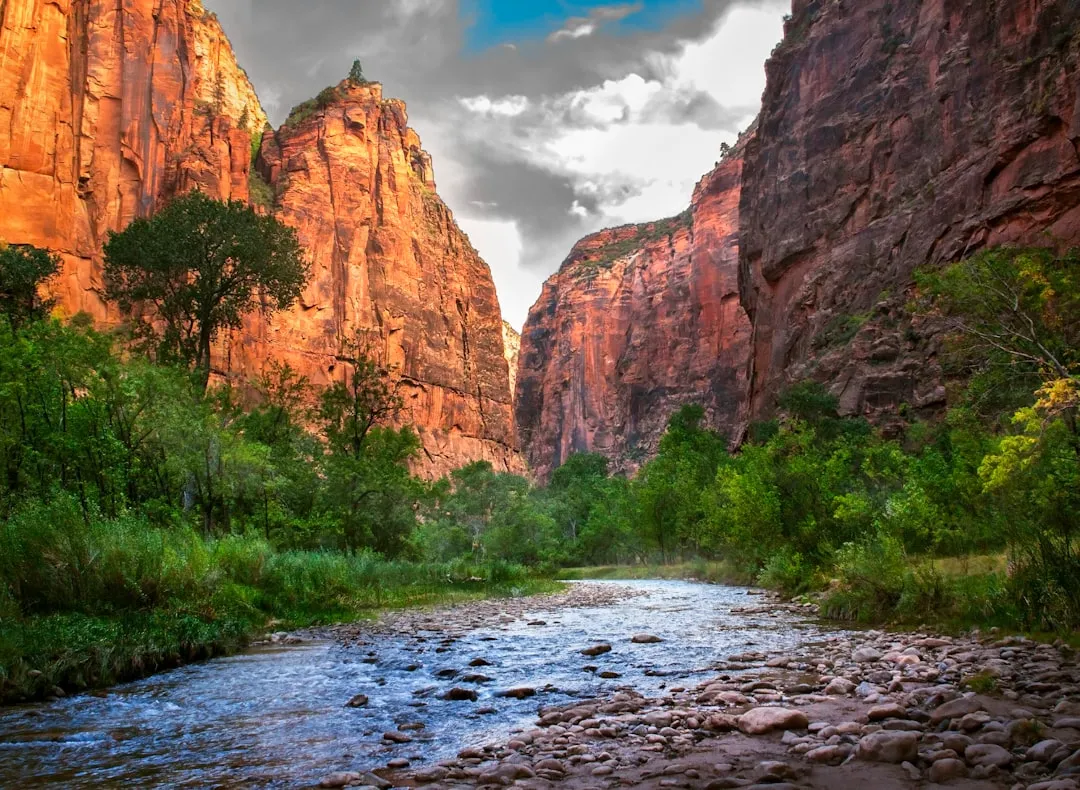
Zion rewards patience. The canyon walls are extraordinary, and the Narrows, where the Virgin River carves through ancient sandstone, is one of the most photographed natural corridors in the country. Zion attracted nearly 4.94 million visitors in 2024, making it the second most visited national park in the country that year.
The park’s biggest draw is The Narrows, a remarkable stretch of Zion Canyon where red sandstone has been eroded and smoothed by the Virgin River, unlike anything found in most of the country. The free shuttle system running through the canyon floor is available to all visitors and remains one of the most efficient ways to move through the park responsibly on busy days.
The Important Fine Print on Free Days
Free entry doesn’t mean free of everything. The entrance fee waiver for fee-free days does not cover amenity or user fees for activities such as lodging, camping, boat launches, transportation, or special tours. Plan accordingly, especially if you’re hoping to camp or take a guided ranger tour.
At least 80 percent of all entrance fee revenue stays in the park where it was collected. That context matters: paying fees on non-free days directly funds the trails, visitor centers, and maintenance crews that make the parks functional. The free days are a genuine opportunity, not an invitation to avoid supporting the parks altogether.
Your Best Alternative: The America the Beautiful Pass
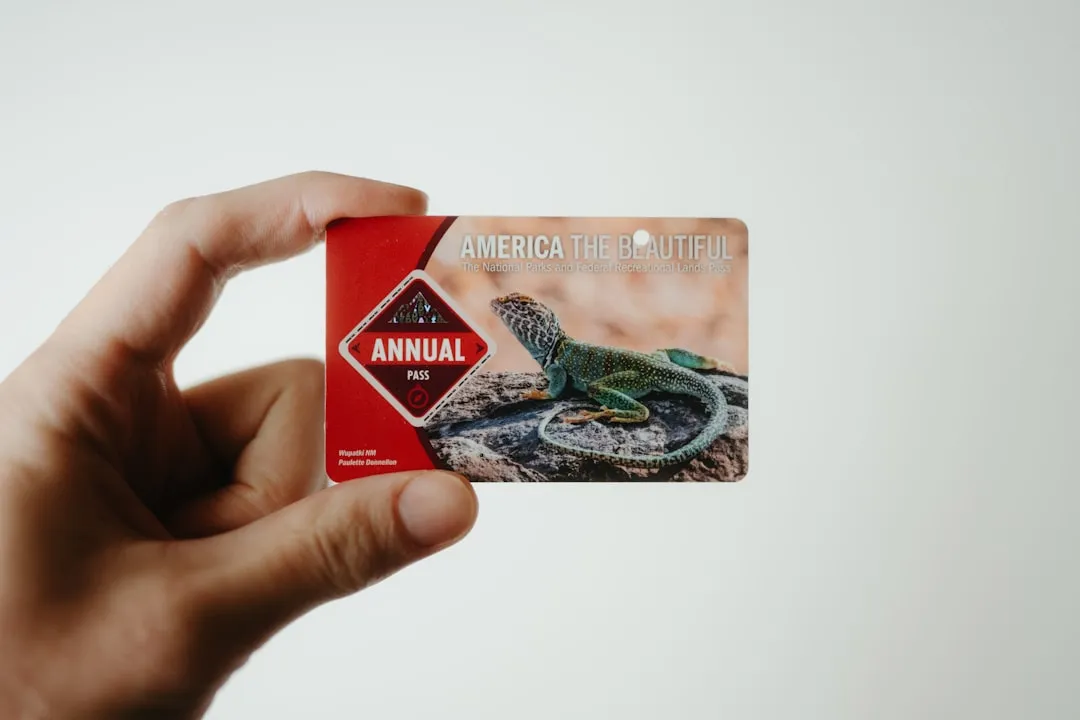
If the specific free day dates don’t align with your travel window, the annual pass is the clearest path to unlimited access. Beginning January 1, 2026, the Annual Pass costs 80 dollars for U.S. residents, ensuring that American taxpayers who already support the National Park System receive the greatest benefit.
The America the Beautiful pass gets you into any of the 424 National Park Service sites and works at over 2,000 recreation sites that charge a daily admission fee, covering everyone in the car for per-vehicle sites and up to four adults for per-person sites. For families planning even two or three visits a year, the math works strongly in favor of the pass.
Planning Your Visit: A Few Grounded Tips
Free entry days at the most popular parks tend to draw larger crowds than usual. When planning a visit to a national park, always check if you need a reservation, as some parks use a timed entry system to manage vehicle traffic. Arriving early in the morning, before peak access windows begin, remains the single most reliable strategy for beating crowds.
The free days are not the only way to access national parks at no cost. Annual passes for seniors aged 62 and older remain available at 20 dollars for the year or 80 dollars for a lifetime, while active-duty military members, fourth graders, and people with disabilities continue to receive free passes. The system has real equity built into it, if you know where to look.
Why These Places Still Matter
In 2024 alone, visitors spent 1.4 billion hours at national park sites, with more than half of all parks recording above-average visitation even during the slower months of February through June and October through December. That’s not a trend driven by marketing. It reflects something genuine: people are hungry for these landscapes, for quiet, for scale, for experiences that can’t be replicated on a screen.
The free days are a small but meaningful invitation. They lower a real barrier. And whether you show up on Presidents Day in February or Veterans Day in November, the park itself will be exactly as it always was, vast, unhurried, and entirely worth the drive.
AI Disclaimer: This article was created with the assistance of AI tools and reviewed by a human editor.