

Most people cross a bridge without thinking twice. You’re in a car, the river disappears beneath you, and thirty seconds later you’re on the other side. Walking changes that completely. You feel the sway, the wind, the scale of the thing. You actually see what the engineers built, and why.
With over 600,000 bridges across the fifty states, most of them are purely functional. A small number, though, reward the person who gets out of the car. These eight earn that distinction – each for its own reason.
1. Brooklyn Bridge, New York City
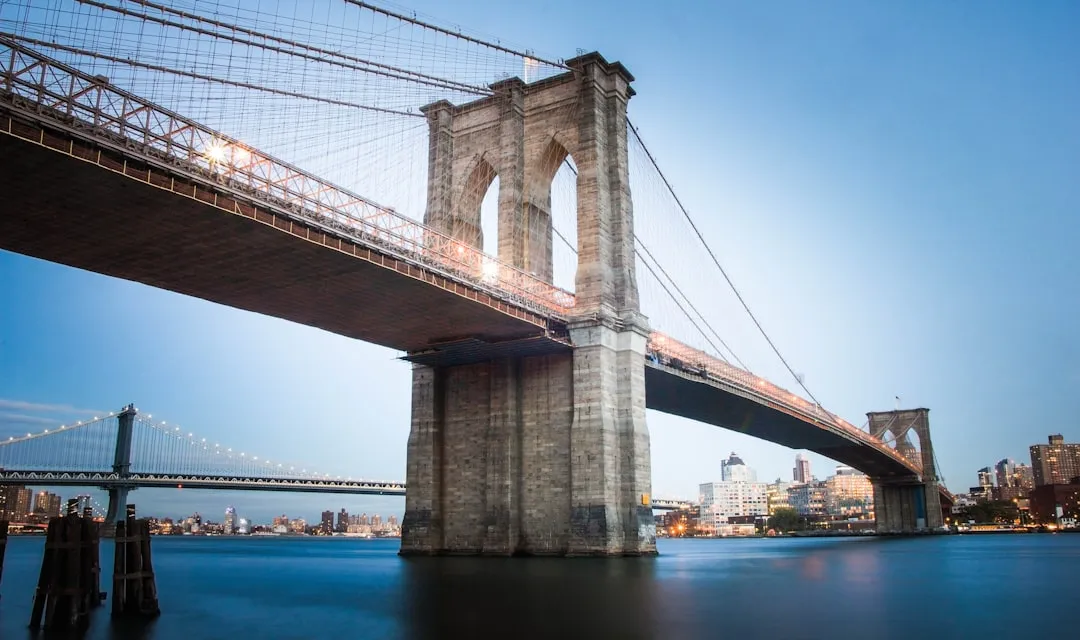
The iconic Brooklyn Bridge connects Lower Manhattan and Brooklyn Heights, supporting five lanes of vehicles, a pedestrian promenade, and a protected bicycle path. Walking it feels like stepping into a city’s living memory.
As of 2024, an average of 103,051 vehicles, 28,845 pedestrians, and 5,504 cyclists travel over the Brooklyn Bridge each day – numbers that underscore just how central this span remains to daily New York life.
You can start on either side and walk about 1.1 miles across, with the path clearly marked and open around the clock to walkers and cyclists. Almost 13,000 planks of wood make up the legendary path, and the views of the Manhattan skyline from that wooden boardwalk are genuinely hard to beat.
The bridge measures 6,016 feet in total length, with a main span of 1,595.5 feet. Construction began in 1869 and was completed in 1883. At the time, it was the longest suspension bridge in the world.
2. Golden Gate Bridge, San Francisco, California
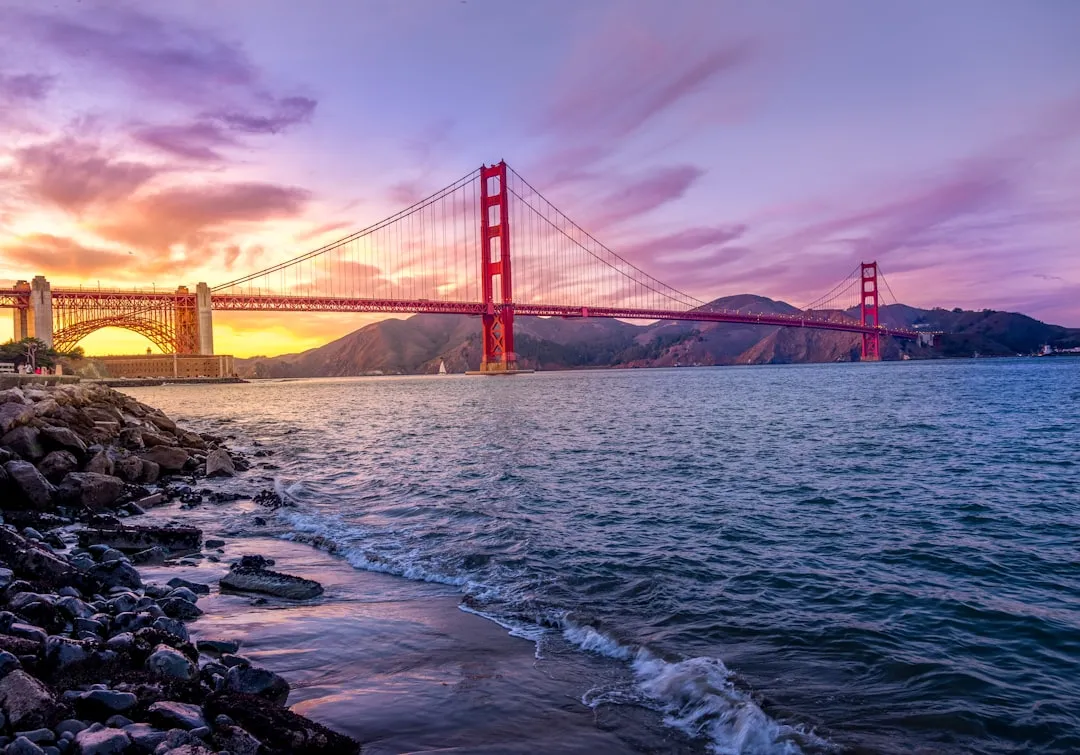
The bridge is 1.7 miles long, and walking every foot of it is worth the effort. You’ll enjoy panoramic views of the San Francisco skyline, Alcatraz Island, and the Marin Headlands – three of the most photogenic landmarks on the West Coast, all visible from a single span.
It’s free to walk or bike across the Golden Gate Bridge. The pedestrian walkway is the east sidewalk that runs along the bay side of the bridge.
The Golden Gate Bridge remains one of San Francisco’s top attractions, with over 10 million visitors annually, according to the San Francisco Travel Association, and the bridge’s pedestrian walkway has seen increased foot traffic as outdoor activities have grown in popularity.
A marine-grade stainless steel net was installed 20 feet below the sidewalk as a suicide deterrent system, completed in January 2024, and has proven highly effective in saving lives. It’s a sober reminder of the bridge’s full human story.
3. Gatlinburg SkyBridge, Tennessee
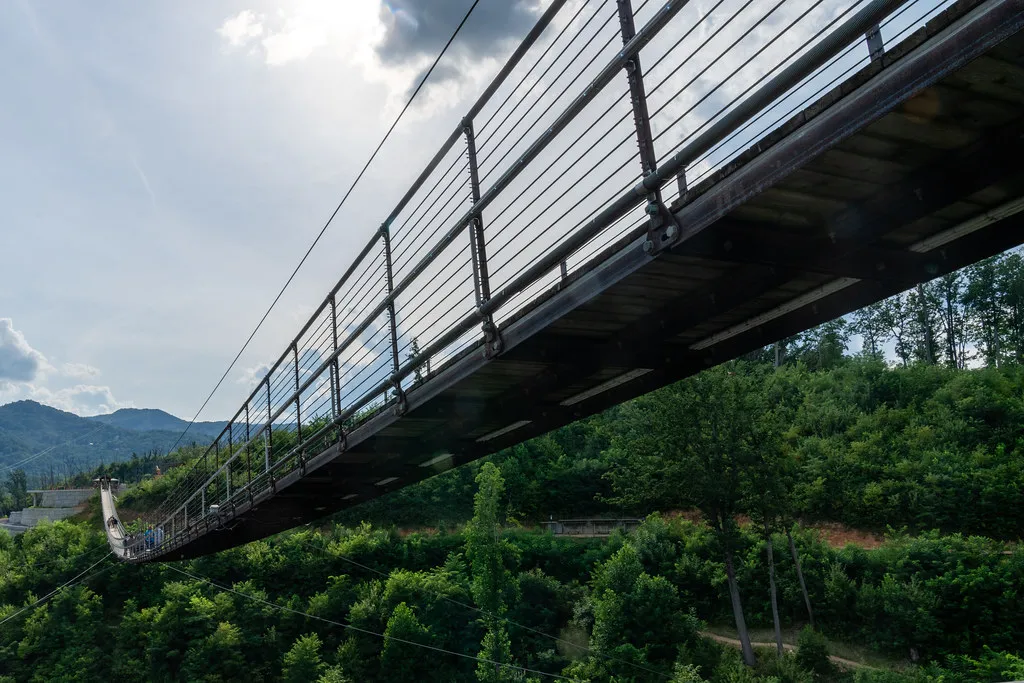
Located at the top of the iconic SkyLift, 1,800 feet above sea level, the Gatlinburg SkyBridge is the longest pedestrian cable bridge in North America and the most unique experience in the Smokies.
The SkyBridge spans an impressive 680 feet across a picturesque valley, suspended 140 feet above the ground at its highest point, offering panoramic views of the surrounding mountains, forests, and the town of Gatlinburg.
A standout feature of the bridge is a section of glass-floor panels located at its center, through which you can peer straight down into the canopy below. From the SkyBridge, you can see unmatched views of the Smoky Mountains, the three highest peaks in the Smokies, and the entire downtown parkway of Gatlinburg.
Opened in May 2019, it quickly captured national attention as the longest pedestrian suspension bridge in North America, constructed as part of the revitalization of the area following the 2016 wildfires.
4. Royal Gorge Bridge, Cañon City, Colorado
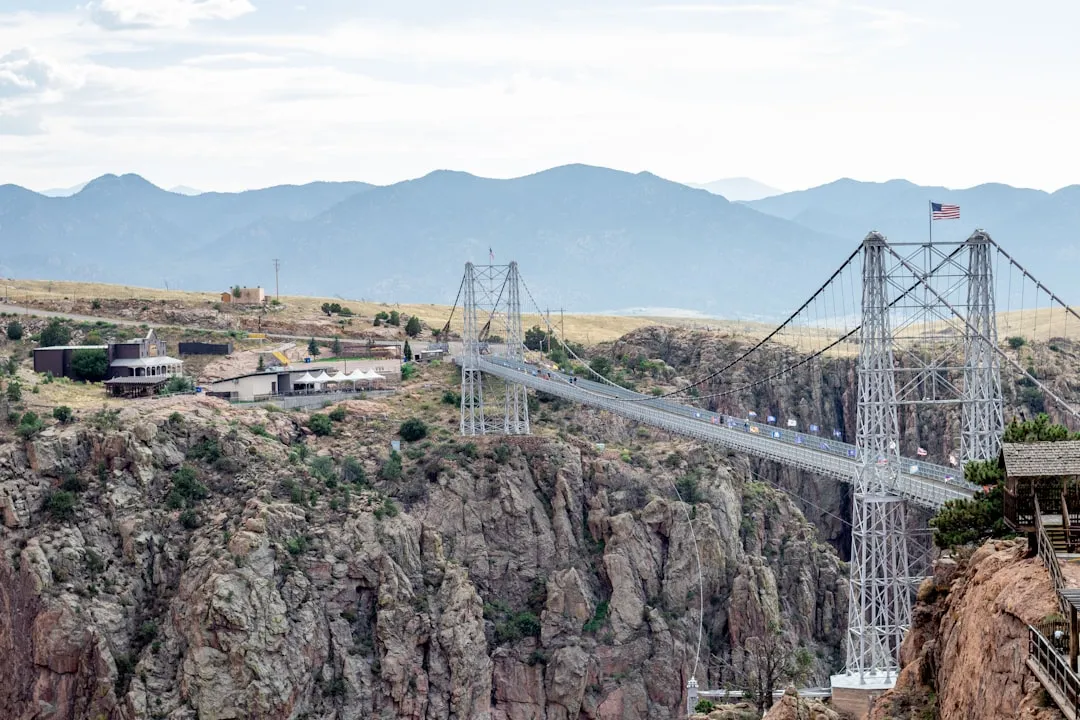
Along with once-in-a-lifetime destinations like Great Sand Dunes and Mesa Verde, southern Colorado is home to the Royal Gorge Bridge and Park, whose suspension bridge may not be the longest, but is the highest in America, towering more than 950 feet over the flowing Arkansas River below.
The bridge carries pedestrians across the Arkansas River and has a clearance below of 955 feet. That number is worth sitting with. Standing mid-span, looking down at the river, the scale is almost impossible to process.
The bridge stretches 1,260 feet in total length with an 880-foot main span, and its timber deck gives it a texture and sound underfoot that steel alone could never replicate. It is also a National Historic Civil Engineering Landmark.
Construction began in June 1929 and was completed by November of the same year – a remarkably fast build for a structure of this height and ambition.
5. John A. Roebling Suspension Bridge, Cincinnati, Ohio
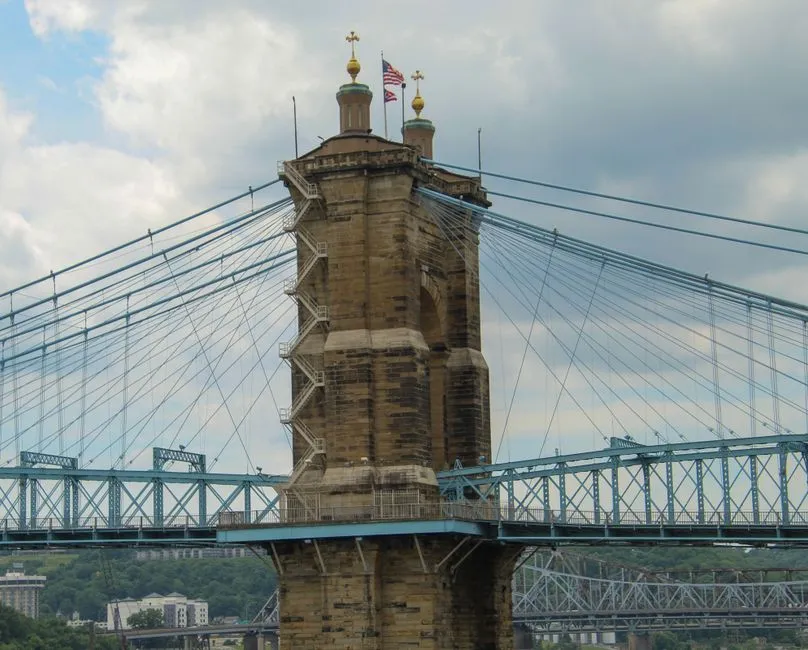
This one carries a particular weight of history. When the Roebling Suspension Bridge opened to traffic on January 1, 1867, its 1,057-foot span made it the longest suspension bridge in the world, a record it retained until 1883 when Roebling’s most famous project, the Brooklyn Bridge, opened.
The John A. Roebling Suspension Bridge spans 1,075 feet across the Ohio River. It was the longest bridge in the world when built in 1867 and utilized new bridge-building techniques, including large suspension cables made of 5,180 individual wires. It is now a National Historic Civil Engineering Landmark and a pleasant walking destination providing access to parks and excellent views of the Cincinnati skyline.
Although the Roebling span shares the riverfront with several bridges today, it remains a major thoroughfare for pedestrians and vehicles, with many using it to get to work each day or as the path of choice to enjoy the bars and restaurants along both the Covington and Cincinnati riverfronts.
The suspension bridge also provides the best view of the Cincinnati cityscape, especially at night when thousands of lights illuminate downtown.
6. New River Gorge Bridge, West Virginia
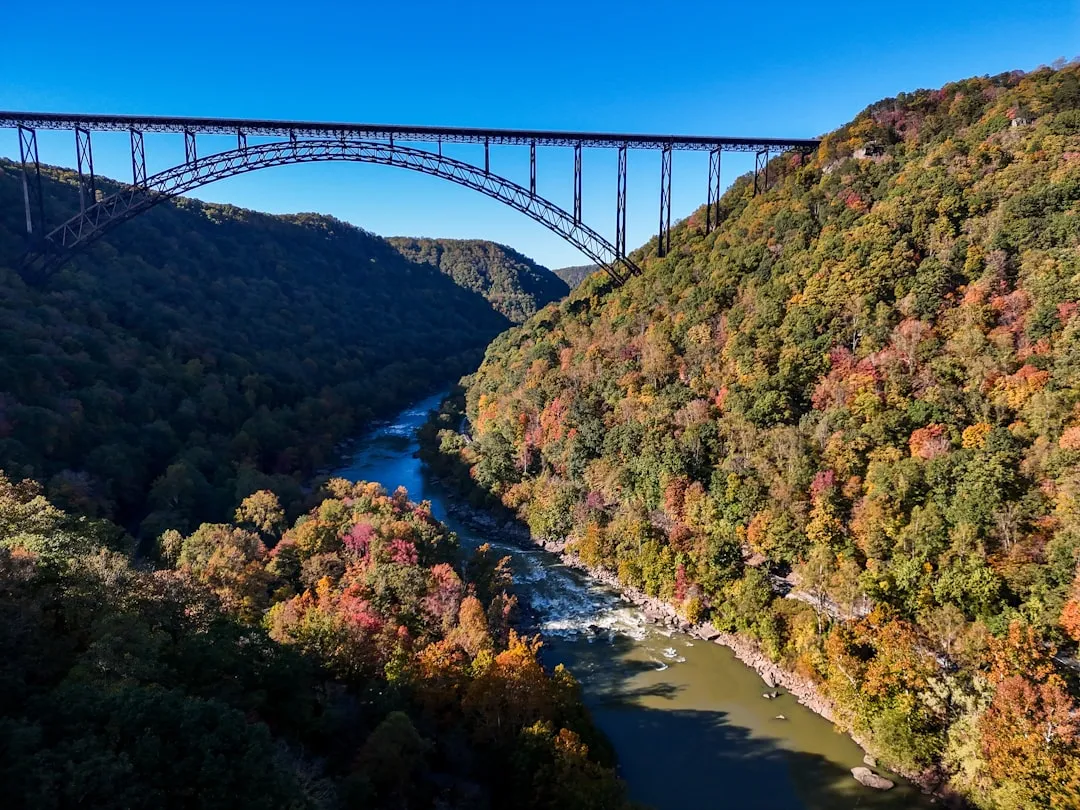
Although the New River Gorge Bridge was not originally built for pedestrians, it now offers one of the most exhilarating walking experiences in the country. The Bridge Walk allows visitors to traverse a catwalk beneath the bridge deck, suspended 851 feet above the New River. The guided walk includes harnesses and safety gear, and while it’s not technically a pedestrian bridge in the traditional sense, it’s a walkable experience across one of America’s longest and highest spans.
The view of the gorge, river, and lush forests is unmatched. The word “unmatched” gets overused in travel writing, but here it honestly fits – the New River Gorge is a place of deep geological drama, and seeing it from beneath a bridge deck makes that drama viscerally clear.
It is also a National Historic Civil Engineering Landmark, recognized not just for its beauty but for the engineering achievement it represents.
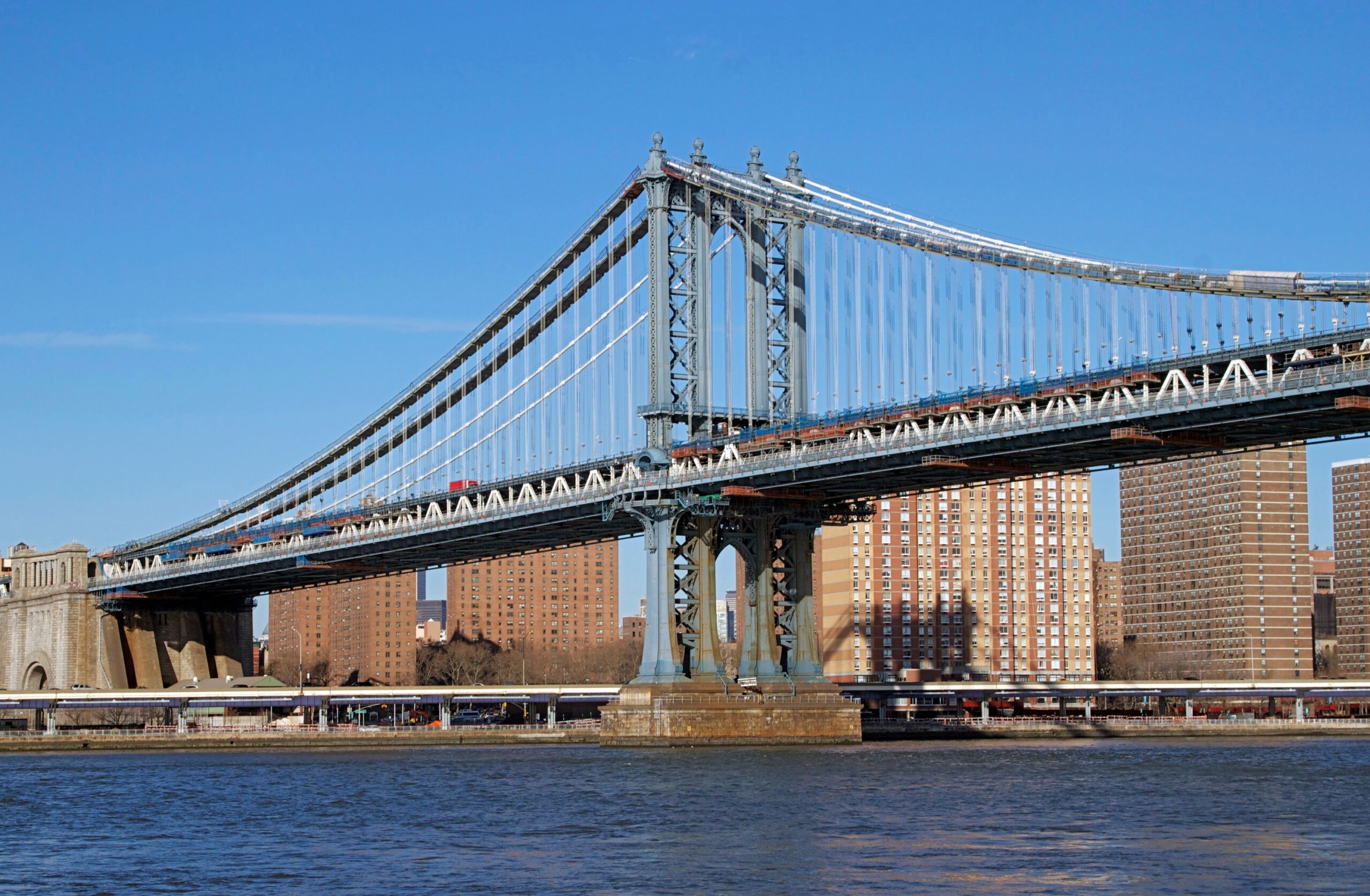
7. Manhattan Bridge, New York City
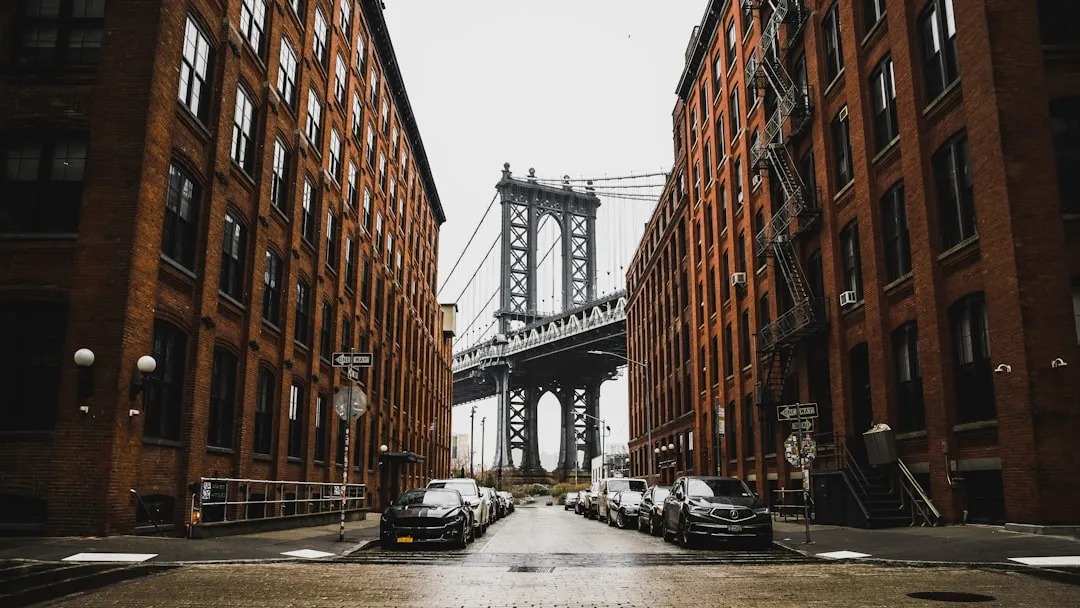
The Brooklyn Bridge draws the crowds, but the Manhattan Bridge offers something quieter and arguably more honest. The Manhattan Bridge connects Chinatown in Lower Manhattan and Downtown Brooklyn, supporting seven lanes of vehicular traffic, four transit train lines, a pedestrian walkway, and a separate bikeway.
As of 2024, an average of 70,293 vehicles, 3,413 pedestrians, and 6,391 cyclists travel over the Manhattan Bridge each day. The cyclist numbers in particular reflect how seriously New Yorkers have taken this crossing as a practical commuting route.
The well-maintained pathway accommodates pedestrians and cyclists while offering informative signs about the bridge’s history, and reviewers mention the grandiose entrance, excellent views of Lower Manhattan and Brooklyn, and opportunities for great photos of the NYC skyline.
The Manhattan Bridge was completed in 1909 and is the youngest of the three NYC DOT East River suspension bridges, designed by Leon Moisseiff, who also assisted in designing the George Washington and Robert F. Kennedy bridges.
8. Bob Kerrey Pedestrian Bridge, Omaha, Nebraska
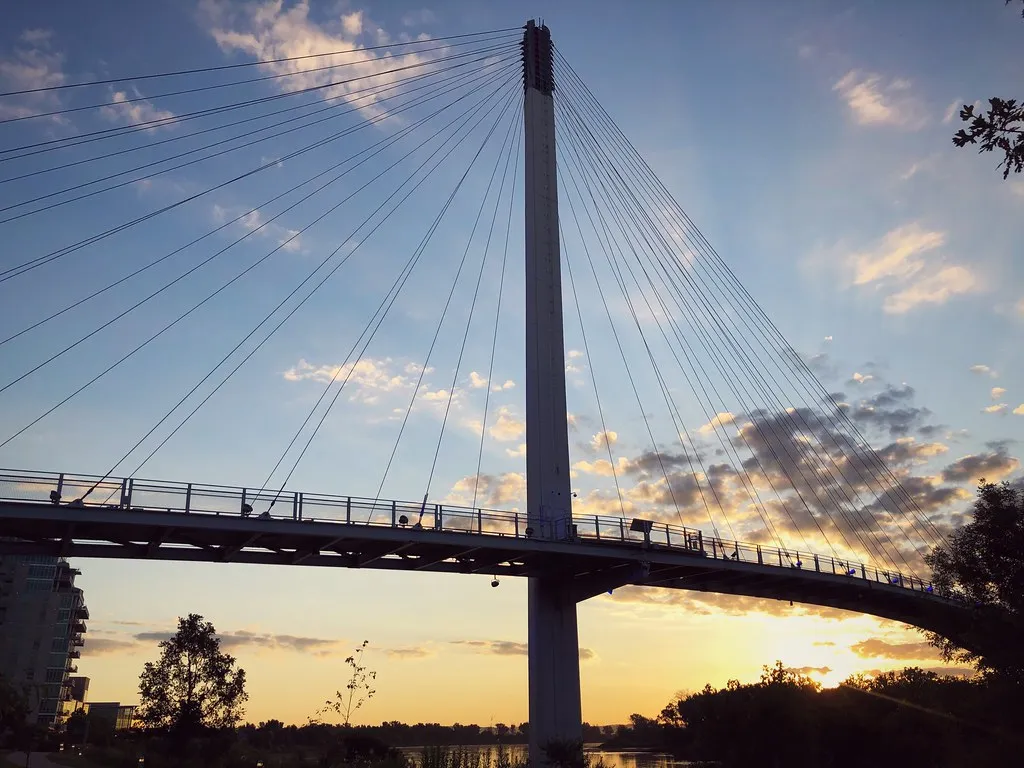
Not every memorable bridge walk needs soaring heights or a famous skyline. Sometimes it’s the purpose of the structure itself that makes it worth the crossing. The Bob Kerrey Pedestrian Bridge elegantly arcs over the Missouri River, linking Omaha, Nebraska with Council Bluffs, Iowa, and is one of the longest pedestrian bridges in the United States that connects two states.
Across the United States, pedestrian bridges are becoming major attractions. These elevated walkways are often built on former rail lines, suspended over deep river gorges, or designed alongside massive highway bridges to give pedestrians safe access to dramatic views. They serve practical purposes but also invite travelers to see the surrounding landscape from a new perspective.
The Kerrey Bridge is a clean, modern cable-stayed span that lets you stand in two states at once – a simple pleasure that never quite gets old. It’s especially striking at dusk, when the Missouri River catches the light and the two cities glow on either bank.
A Different Way to Cross
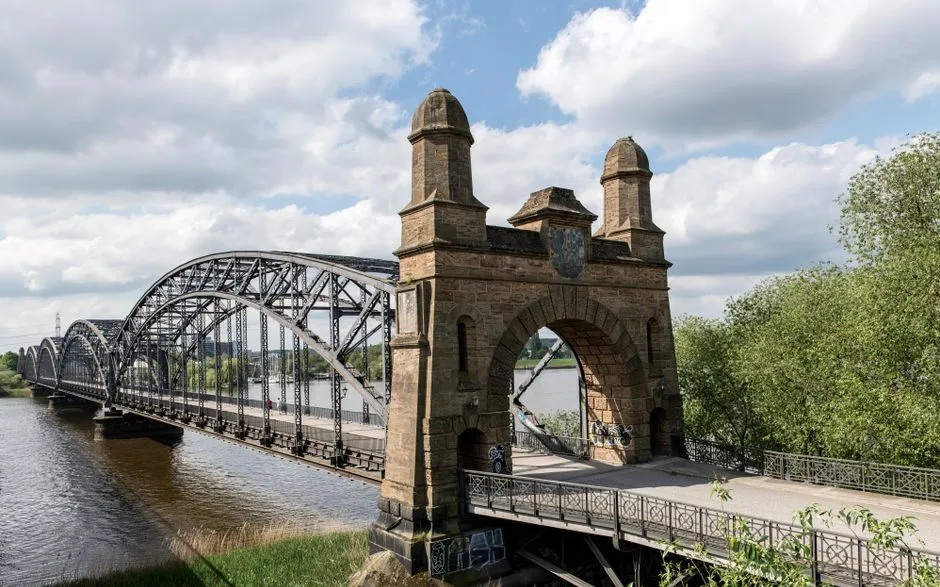
There’s a kind of travel that doesn’t require a flight or a resort reservation. There’s something timeless about a long walk or scenic bike ride over an old bridge – you feel the planks under your feet, sense the weight of history under each step, and maybe get a bit of a thrill peering over the side at the water rushing below. Across the United States, you can find bridges that date back to the 1800s and beyond, each telling a story from a different chapter of America’s path.
Walking a bridge doesn’t demand much. Comfortable shoes, a little time, and the willingness to slow down. What you get in return – the views, the engineering, the particular stillness of being suspended between two places – tends to stay with you far longer than the drive ever would.
AI Disclaimer: This article was created with the assistance of AI tools and reviewed by a human editor.