

1. Tourism Numbers That Belong to a Much Bigger Country
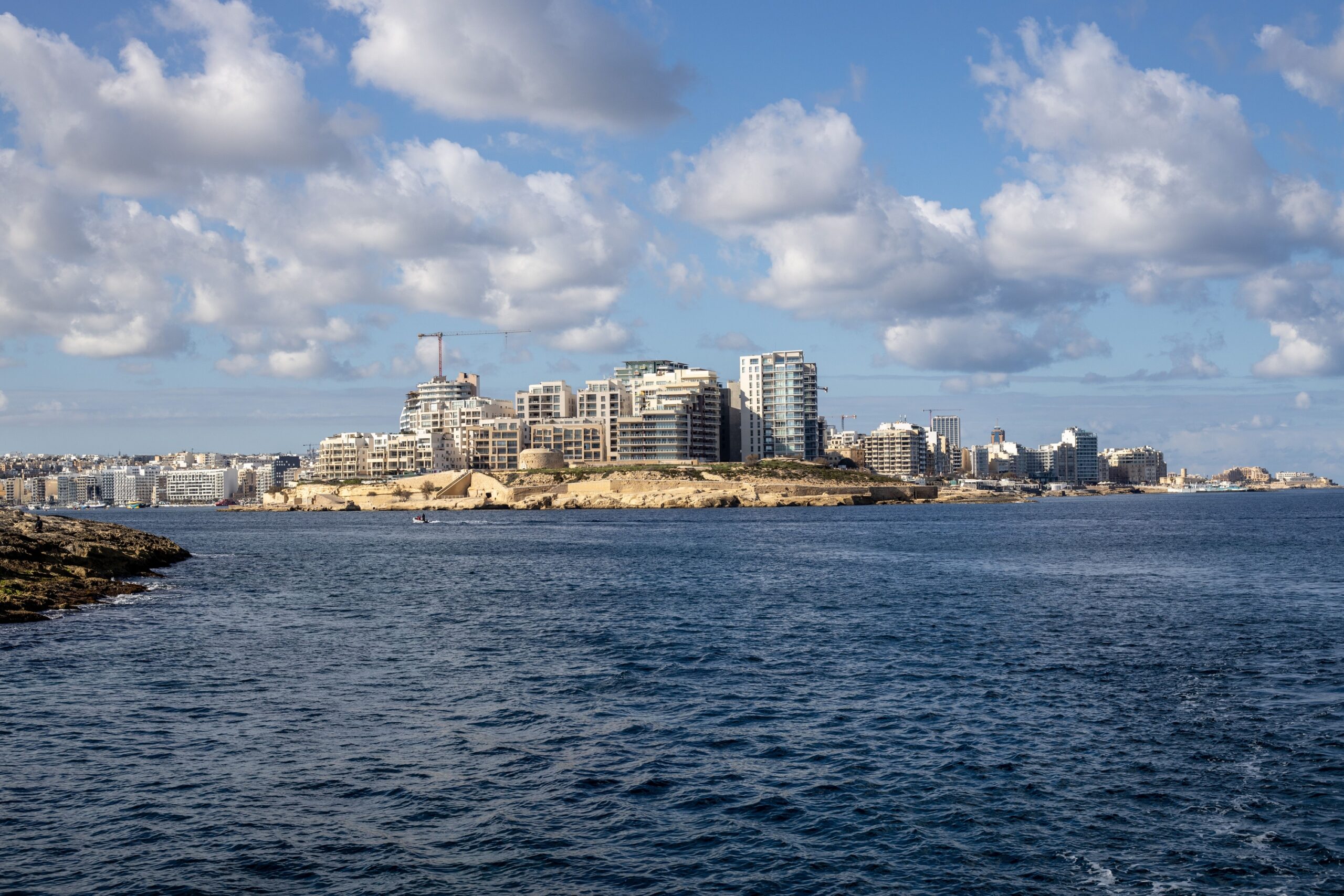
Malta experienced a record-breaking year for tourism in 2024, welcoming 3.56 million visitors. To put that into perspective, the country has a population of roughly 588,000 people, meaning it received nearly six times its own population in visitors within a single year. Between 2023 and 2024, tourism across Europe grew by about 5 percent, while Malta’s growth came in just shy of 20 percent.
Inbound tourists for 2025 reached over 4 million, an increase of nearly 13 percent over 2024, with total nights spent by inbound tourists reaching 25.4 million. Converting total tourists to population, Malta recorded more than 11 travellers per inhabitant, placing it clearly among the leaders in a global comparison. These are not the numbers of a small island drifting quietly under the radar.
2. Three UNESCO World Heritage Sites in 316 Square Kilometres
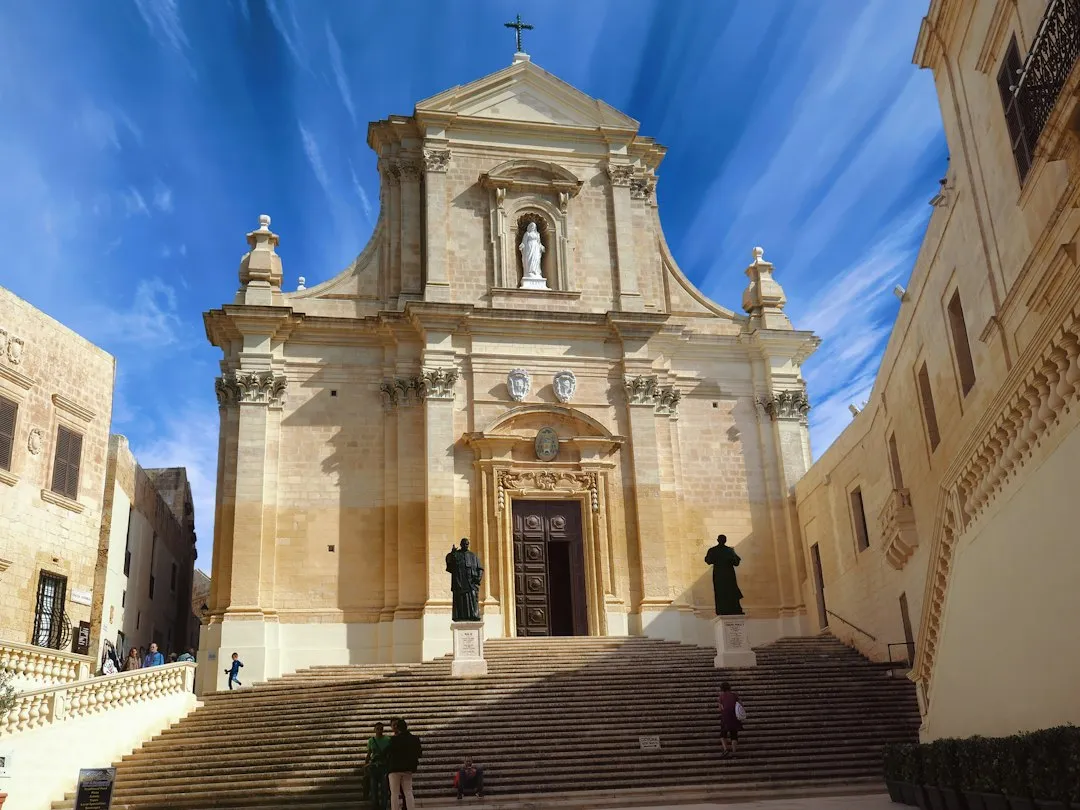
Malta boasts a 7,000-year history with prehistoric temples, a fortified city, and a prehistoric burial site. There are three UNESCO World Heritage Sites in Malta, all of which are cultural sites, found on the islands of Malta and Gozo. For context, many countries several hundred times Malta’s size hold fewer inscriptions.
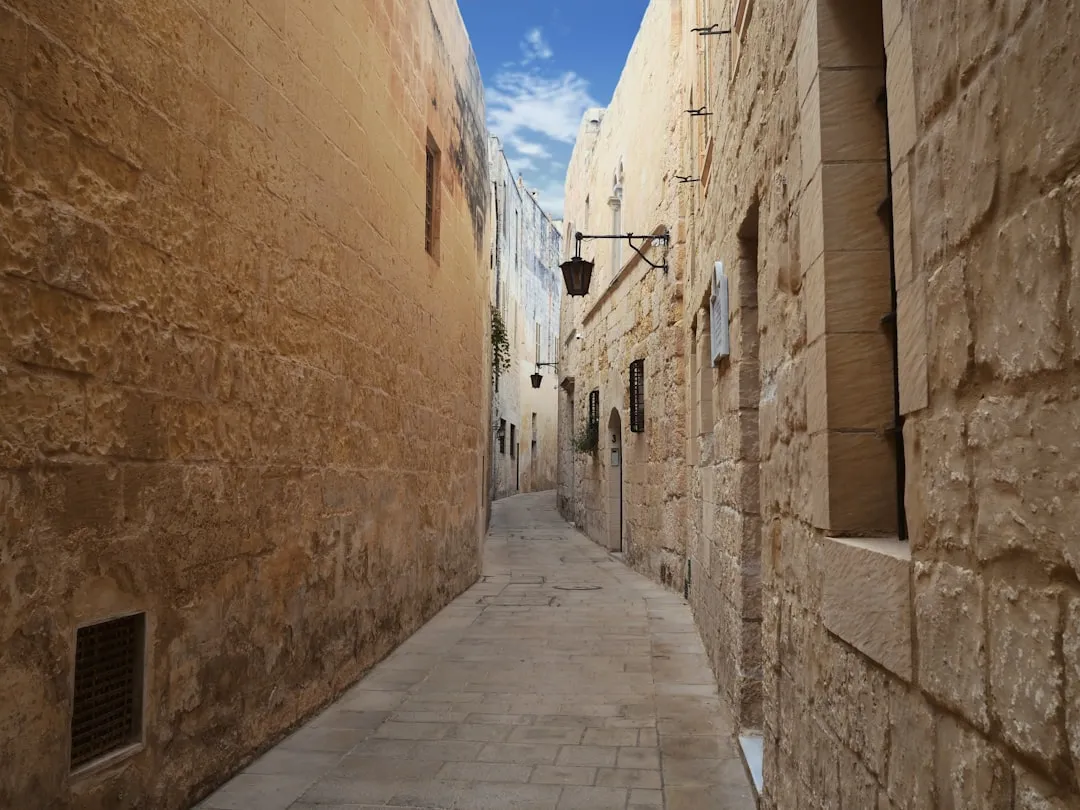
The Megalithic Temples are described by UNESCO as the oldest free-standing monuments on Earth and are dated further back than Stonehenge and the Egyptian Pyramids. Valletta is often described as an open-air museum, containing no fewer than 320 monuments scattered across its signature sloping streets and shallow steps. The Ħal Saflieni Hypogeum is a unique prehistoric underground temple and cemetery dating back to around 3600 to 2400 BC, recognised as a UNESCO site because it “bears a unique testimony to a civilisation which has disappeared.”
3. An Official Language That Makes Travel Remarkably Easy
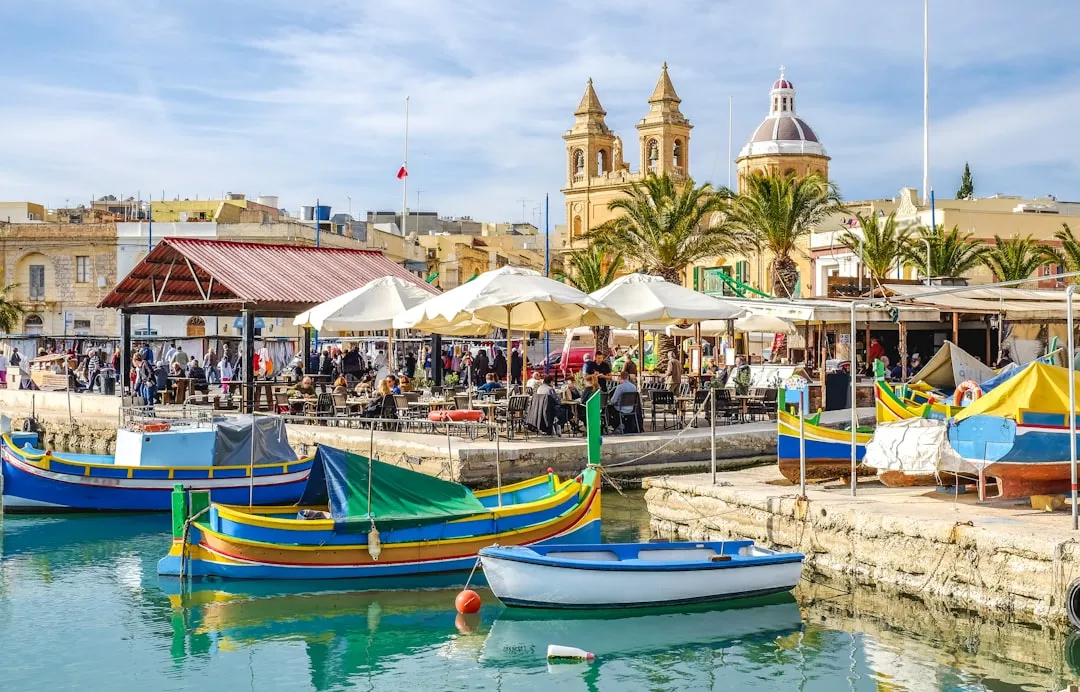
With English widely spoken, a safe environment, excellent infrastructure, and a year-round mild climate, Malta offers an inviting blend of authenticity, accessibility, and adventure. Both Maltese and English are official languages. This is a legacy of British colonial ties that proved deeply practical for generations of travellers from English-speaking countries.
Malta is known to be one of the top multilingual countries, with the entire population speaking Maltese, roughly 88 percent speaking English, and around 66 percent also speaking Italian. Navigating menus, transport, and conversations with locals rarely requires translation apps or patient miming. It is a genuine comfort that many Mediterranean destinations simply cannot offer.
4. A Cuisine That Tells the Story of Empires

Maltese cuisine combines Italian influences with Spanish, French, Provençal, and North African flavours. The result is a table that reads like a crossroads of civilisations, which is exactly what Malta has been for millennia. No single culture dominates; every dish is a quiet negotiation between histories.
The national dish is fenkata, a braised rabbit with potatoes. You might also try aljotta, a fish soup, or savour the warmth of kawlata, a traditional vegetable soup made of cabbage and pork. Pastizzi, a flaky pastry filled with ricotta or peas, remains one of the most beloved everyday foods. These are not tourist-facing inventions but genuinely lived food traditions that locals have eaten for generations.
5. A Sunshine Record That Puts Most of Europe to Shame
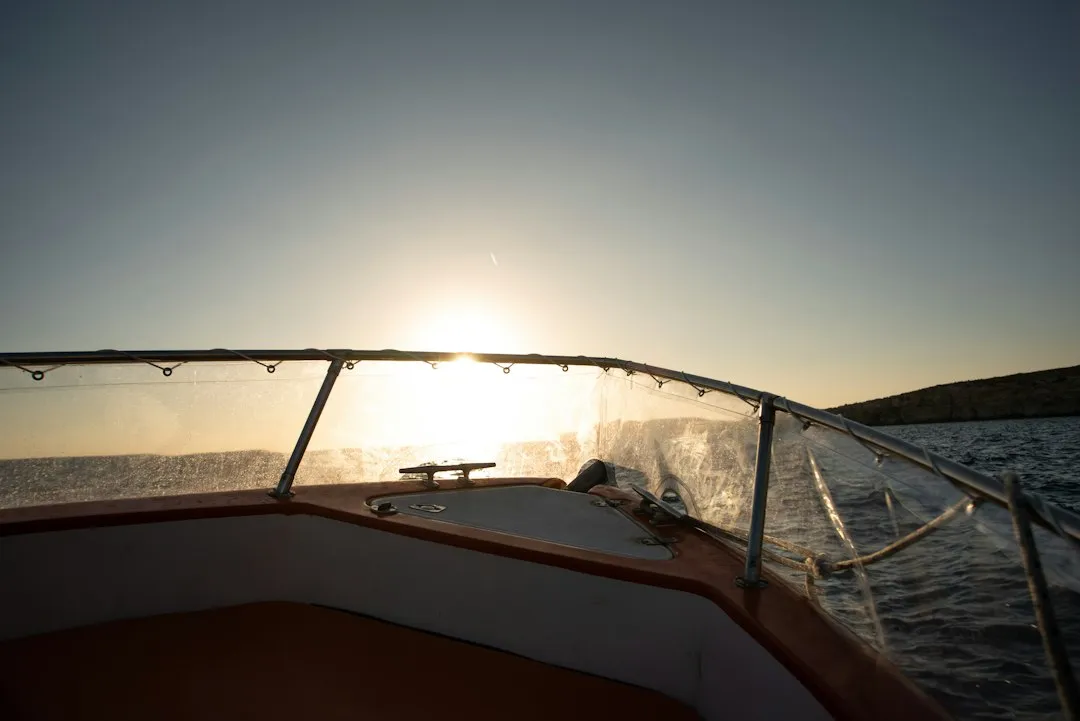
With more than 300 days of sunshine per year, the islands are perfect for basking in the sun, enjoying some of Europe’s best scuba diving, or strolling in the sea breeze during the off-season. That number matters practically. It means Malta is a credible destination from October through April, when much of northern and central Europe turns grey and cold.
Summer temperatures average around 32 degrees Celsius, with July and August being the hottest months. In winter, the average temperature sits around 14 degrees Celsius. The mild winter is part of the appeal. Many travellers discover that the quieter months bring cooler walking conditions, fewer crowds, and a more authentic view of daily Maltese life.
6. World-Class Diving in Compact Waters
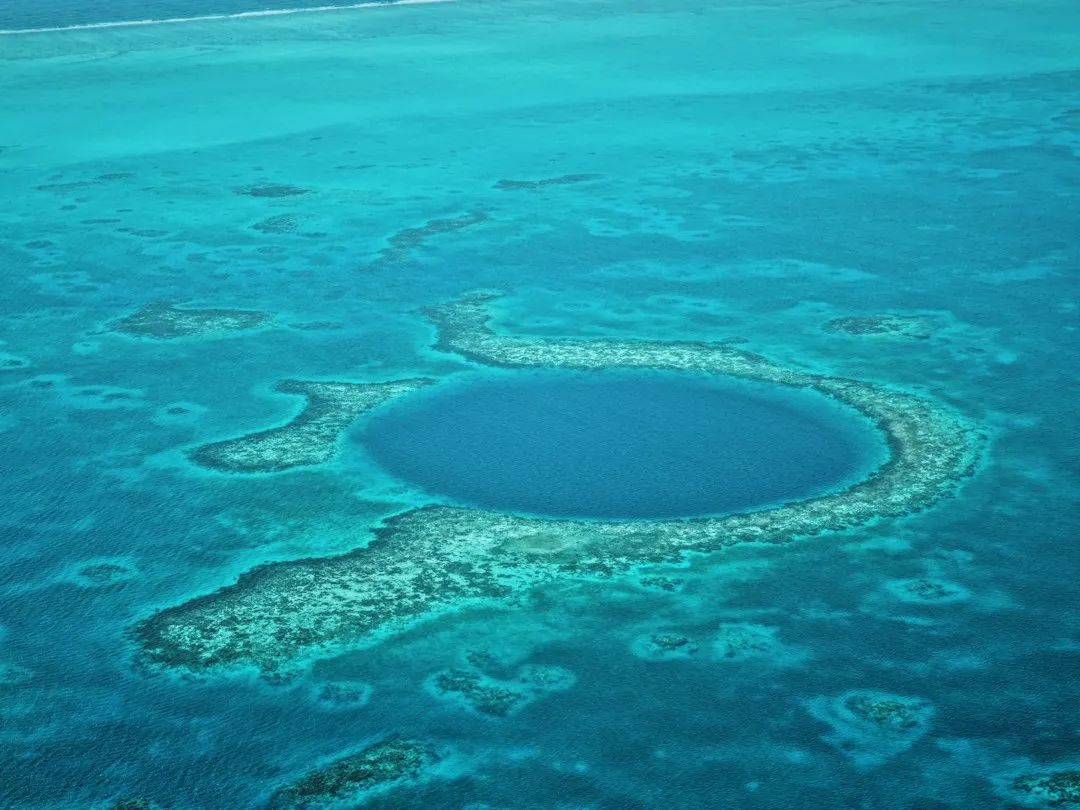
Gozo is exceptional for diving, with several world-class locations around the island. The Blue Hole on the west coast is a 50-foot deep tube-like rock formation filled by the sea, with an archway and cave at its bottom. Pass under the arch and you are in the open sea, making for a truly mesmerising dive.
You can dive the Blue Hole, a 25-metre deep underwater limestone chimney, with local dive operators such as Dwejra Divers. Scuba diving on the nearby scuttled wreck Um El Faroud and snorkelling along the coastline are among the most popular activities practised near the Blue Grotto area. Malta’s exceptional water clarity, consistent temperatures, and variety of dive sites have made it a recognised destination for divers of all experience levels.
7. Film Location Credentials That Span Decades
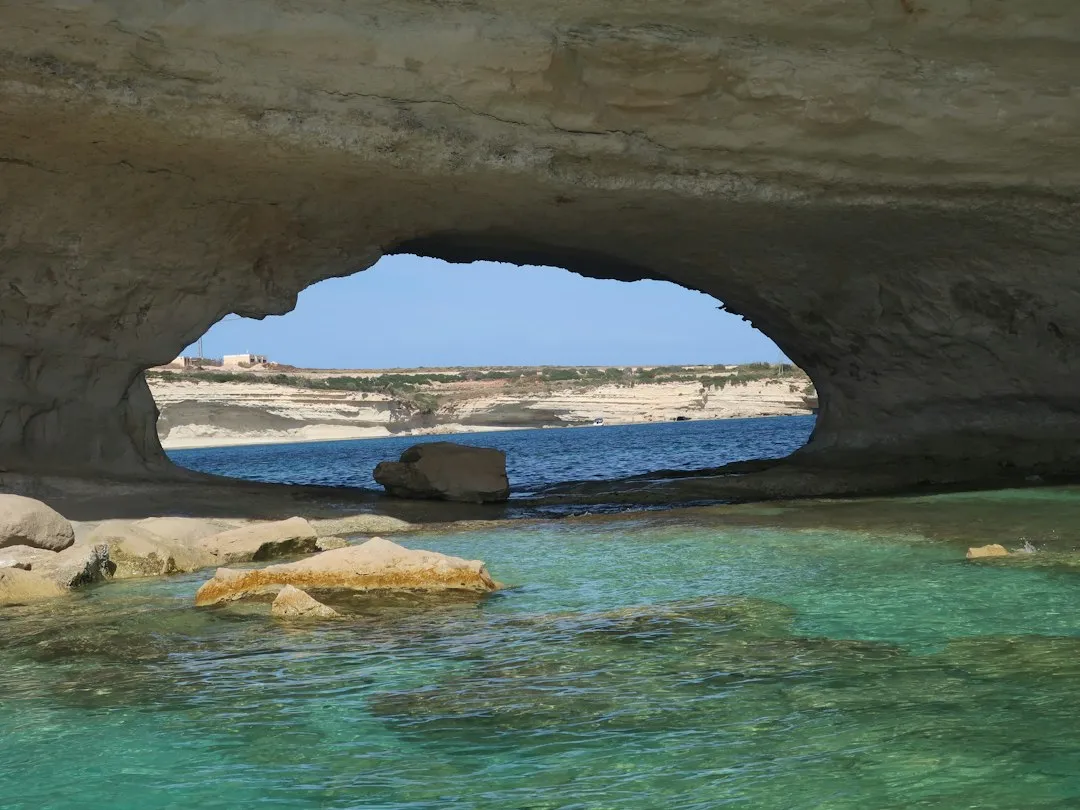
Malta is frequently used as a location for film shoots. Besides blockbusters like The Da Vinci Code and Troy, Malta served as the setting for the first season of Game of Thrones. The island’s ancient stone fortifications, harbour views, and dramatic coastline create an atmosphere that production companies have returned to repeatedly across different eras of filmmaking.
Malta is also home to the Popeye Village in Mellieħa, which was the actual film set for the 1980 film Popeye. Dwejra Bay in Gozo may also ring a bell for Game of Thrones fans, as Daenerys and Khal Drogo’s Dothraki wedding was filmed there. Walking through Malta’s streets often carries the curious sensation of moving through a landscape you have seen somewhere before.
8. An Economy That Outperforms Its Physical Footprint
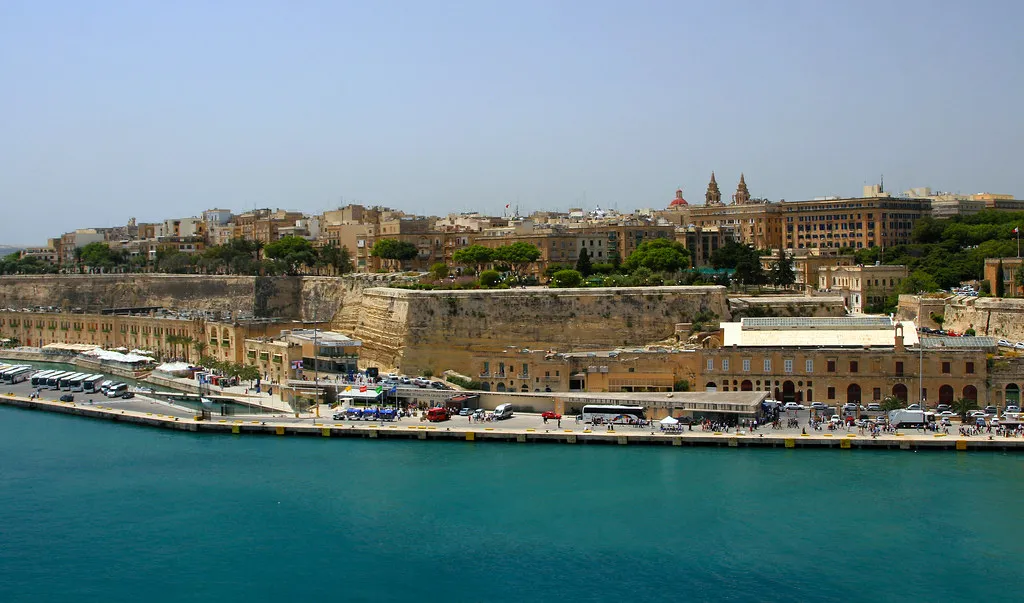
Tourism is a major pillar of the Maltese economy, contributing around 15 percent of GDP. This remarkable growth highlights the importance of tourism, which continues to contribute approximately 15 percent to the nation’s GDP. Yet tourism is far from the only engine. Malta has established itself as a global hub for iGaming and fintech, attracting international firms with its business-friendly regulations and EU membership.
Malta remains a high-income euro-area economy and one of the faster-growing in the EU. Real GDP rose about 6.8 percent in 2024. With a Human Development Index of 0.924, Malta counts as one of the highly developed economies by UN definition. With an average annual income of around 41,440 USD, it is among the high-income countries and, even accounting for purchasing power parity, sits among the 30 richest countries in the world. For travellers, that economic vitality translates into well-maintained infrastructure, a diverse hospitality industry, and a host nation with the confidence that comes from genuine prosperity.
The Takeaway
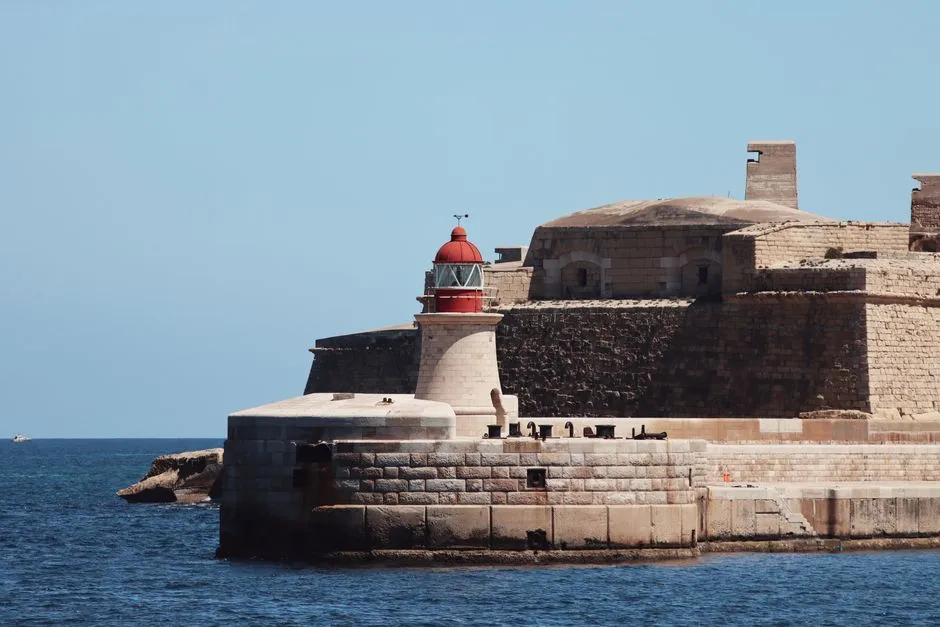
Malta is a reminder that scale and significance are different things entirely. The archipelago does not offer the sprawling landscapes of a continental destination, but it compensates with depth, layers, and a quiet intensity that many larger countries struggle to match.
Whether you arrive for the history, the food, the water, or simply the light, you will likely leave having experienced far more than the map suggested was possible. Malta is one of those rare places where the distance between expectations and reality runs firmly in the traveller’s favour.
AI Disclaimer: This article was created with the assistance of AI tools and reviewed by a human editor.