
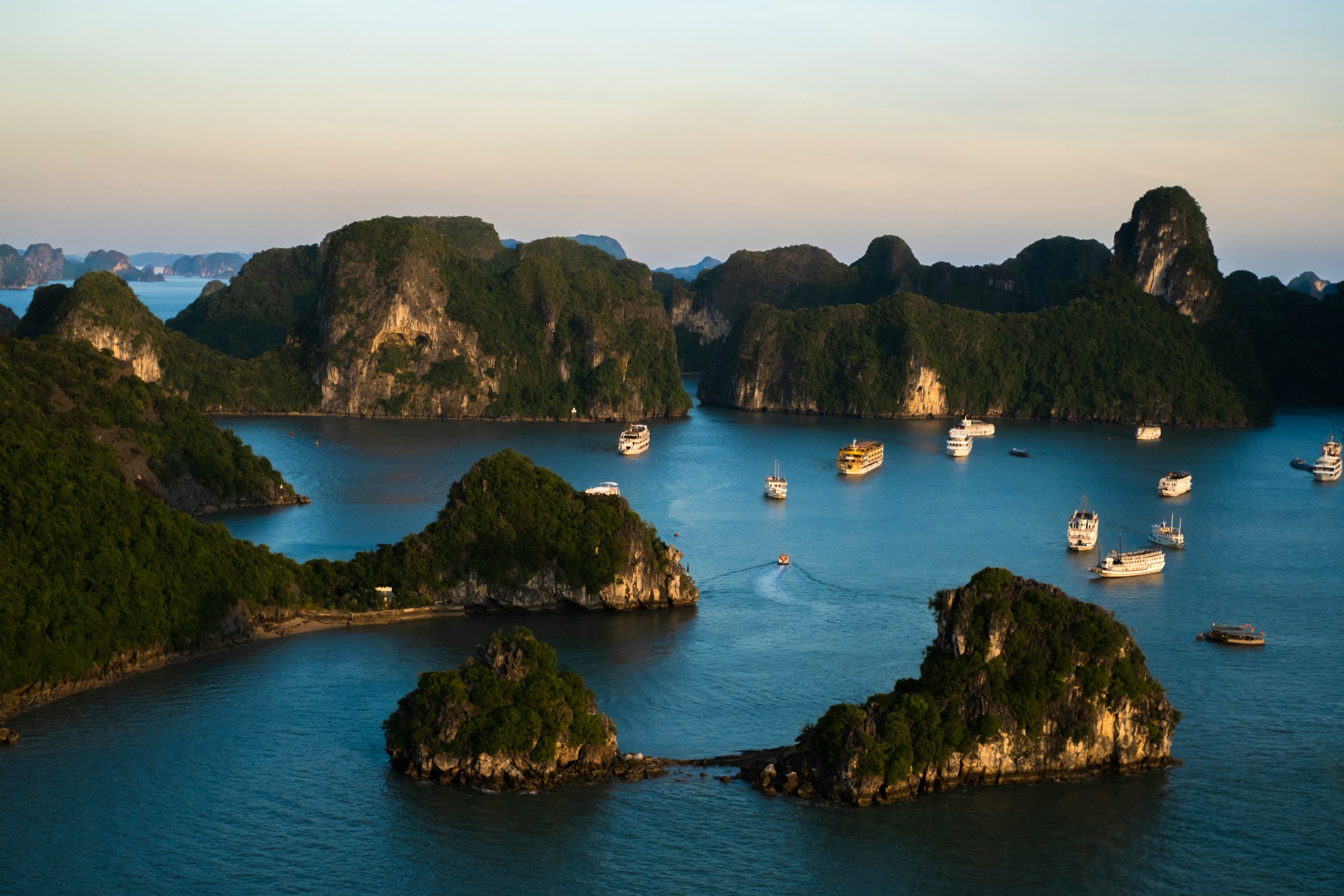

Vietnam does something unusual to people who visit. They come once, often on a whim or as part of a broader Southeast Asia loop, and then find themselves planning a return before the first trip is even over. It’s not a coincidence, and it’s not just the travel-brochure version of charm.
Vietnam’s tourism sector marked a milestone year in 2025, with international arrivals reaching nearly 21.2 million, up more than 20.4% from 2024 and the highest level ever recorded. Behind those numbers is a story that goes beyond marketing campaigns. These are the real reasons people keep coming back.
1. A Country with True Regional Diversity
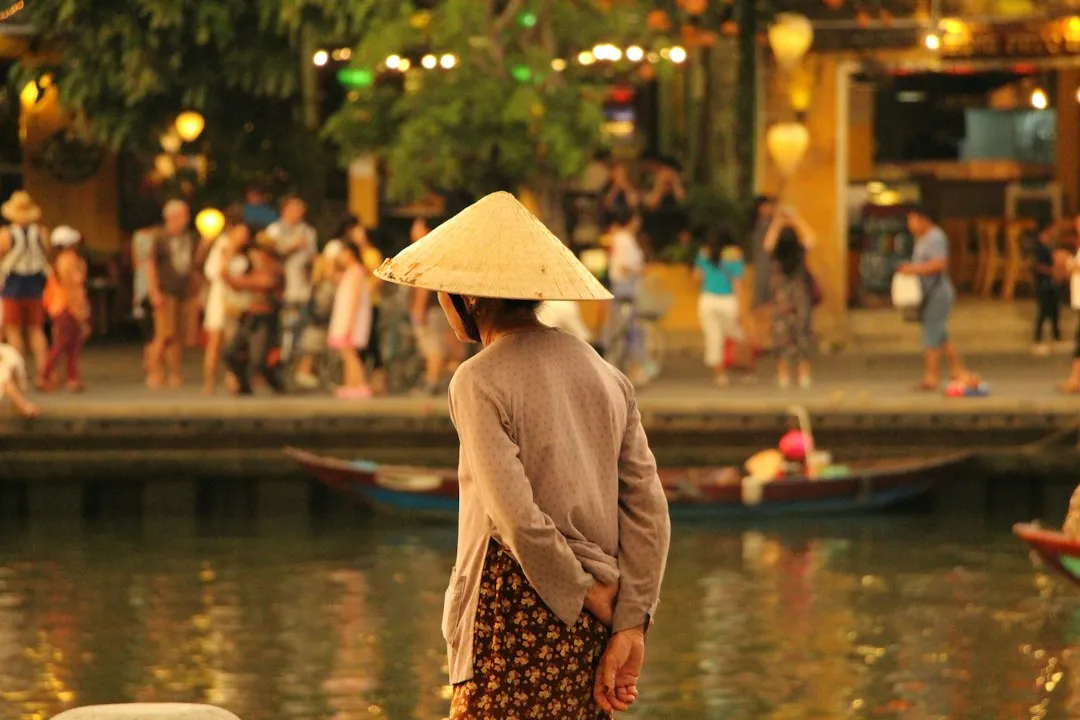
First-time visitors may focus on the famous attractions, but returning travellers often seek something deeper. Northern Vietnam provides mountains, heritage cities, and traditional culture. Central Vietnam offers beaches, historic towns, and coastal experiences. Southern Vietnam delivers dynamic cities, river landscapes, and island destinations.
This regional diversity gives visitors strong reasons to return. A week in Hanoi and Ha Long Bay is a genuinely different journey from two weeks through Hoi An, the Mekong Delta, and Phu Quoc. Most travellers only scratch the surface on a first visit, which is precisely why they feel compelled to go back.
2. An Extraordinary Culinary Scene
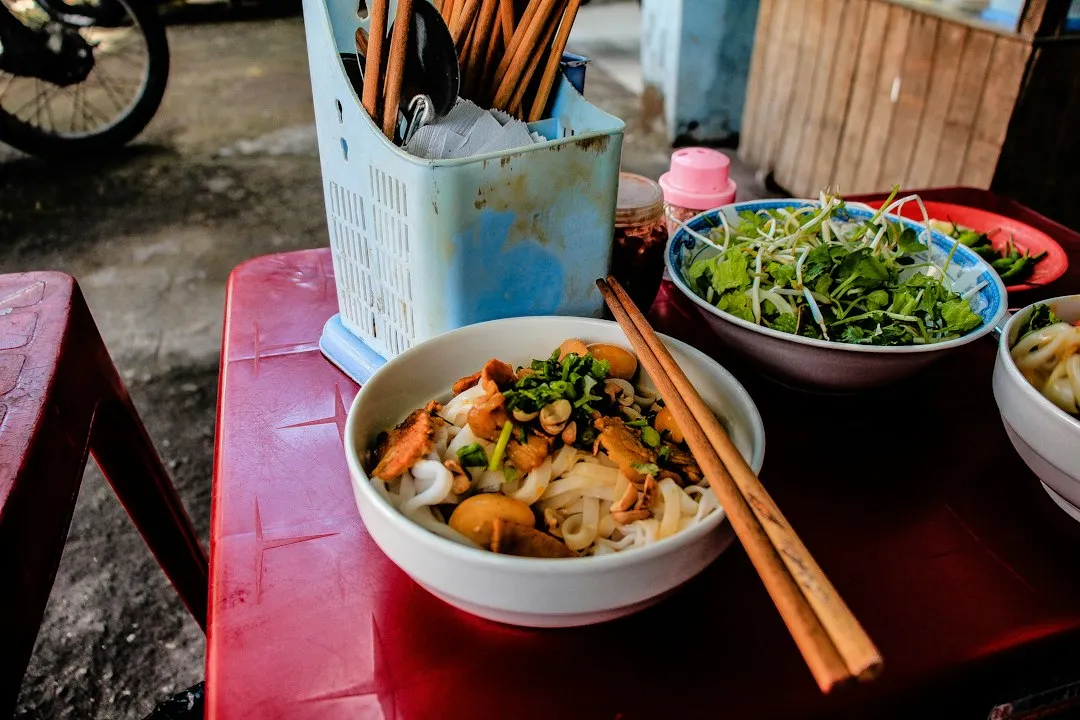
Vietnam’s culinary reputation was already strong, but the current restaurant scene gives it even more weight. The MICHELIN Guide’s 2025 Vietnam selection reached a record 181 establishments, including 9 One MICHELIN Star restaurants and 2 MICHELIN Green Star restaurants.
That recognition sits alongside one of the world’s most celebrated street food cultures. From the broth-heavy complexity of a proper Hanoi pho to the layered freshness of a Hoi An white rose dumpling, Vietnamese food rewards curiosity at every price point. The country is not coasting on pho and banh mi fame alone. Each region has its own culinary identity, which means every return trip opens a new chapter of flavour.
3. UNESCO World Heritage Sites that Genuinely Earn the Title
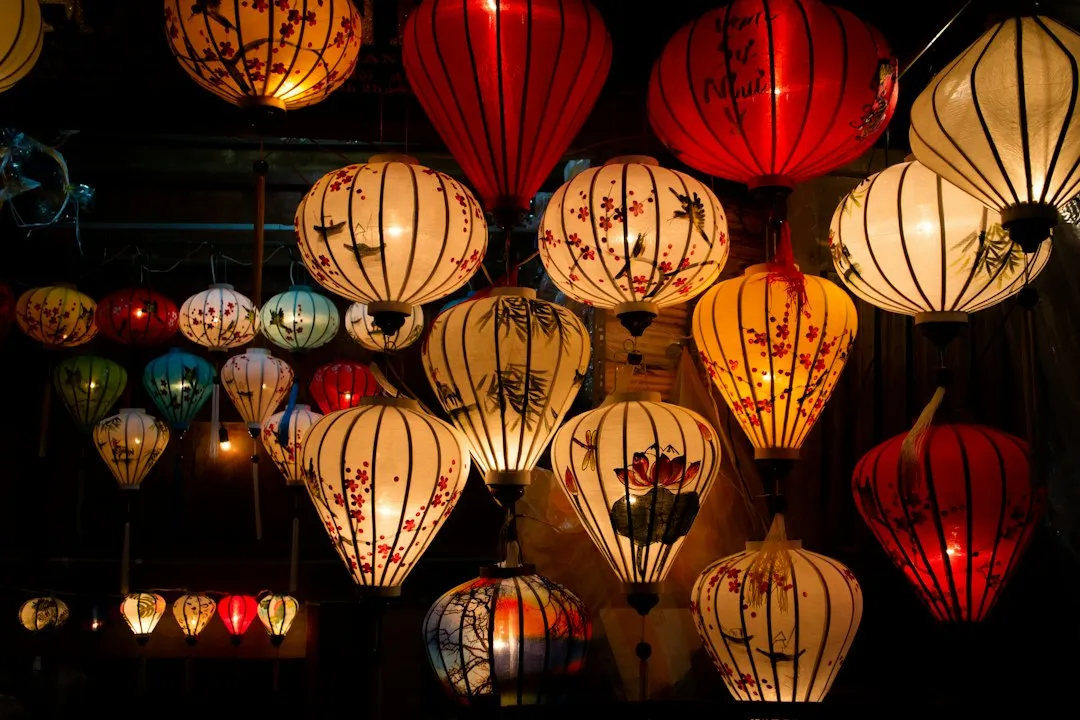
Vietnam has 8 UNESCO World Heritage Sites, including 3 cultural, 2 natural, 1 mixed, and 2 additional cultural inscriptions, plus 17 intangible heritage entries on UNESCO’s Representative List and Urgent Safeguarding lists. That is a remarkable density of protected heritage for a single country.
Hoi An alone welcomed 4.4 million visitors in 2024, making it the most-visited of the central cluster of heritage sites. Beyond the well-known entries, Son Doong Cave in Phong Nha-Ke Bang is considered to have the world’s largest natural cave passage. Sites of this scale take more than one visit to appreciate properly, and returning travellers often choose a single region and go deep rather than wide.
4. Visa Policies That Actually Encourage Longer Stays

Electronic visa policies introduced in 2023 eased the arrival process for tourists and allowed for stays as long as 90 days, triple the previous limit. Vietnam additionally authorized visa-free stays for more than a dozen countries, including France, Germany, Italy, Japan, Russia, South Korea, and Spain.
The official immigration portal confirms the e-visa can be valid for up to 90 days with either single or multiple entries. For travellers who want to slow down, rent a motorbike, stay in a fishing village for a week, or spend time learning to cook, a generous visa window makes that kind of trip genuinely possible. Practical access matters more than most destination guides admit.
5. Value for Money Without Sacrificing Quality
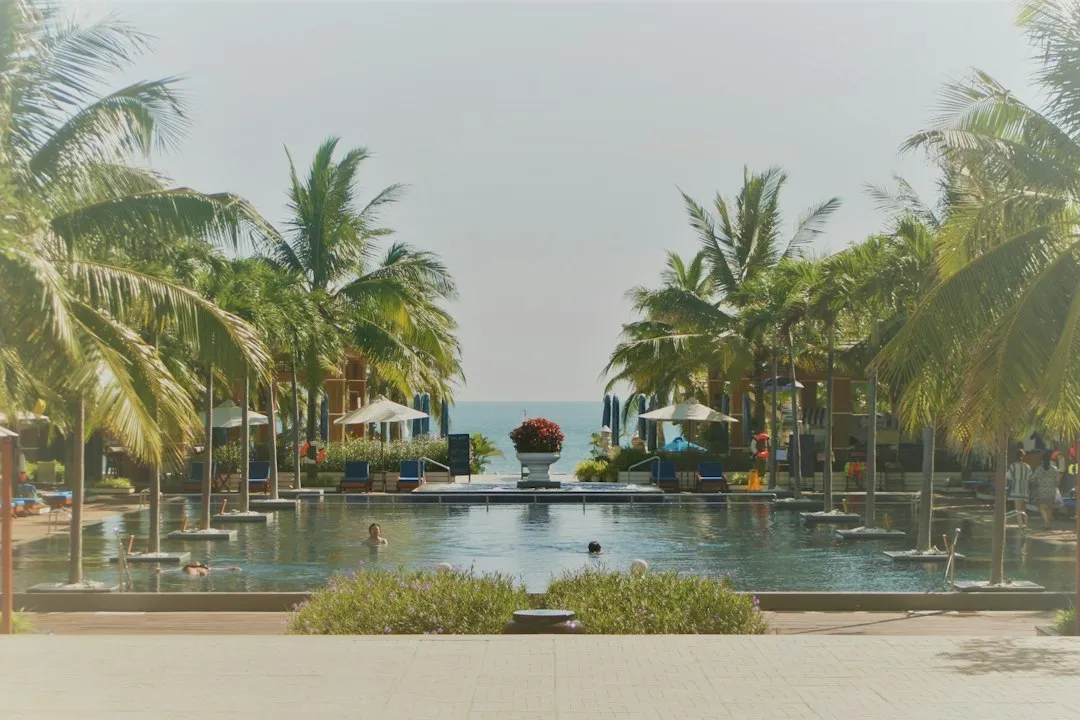
Vietnam has consistently offered strong value for money compared with several other Asian destinations. Competitive accommodation prices, affordable dining options, and a wide variety of experiences have helped attract travellers looking for quality holidays at reasonable costs.
Recent hotel openings have included the Regent Phu Quoc, Capella Hanoi, and JW Marriott Hotel and Suites Saigon, with additional properties from the Luxury Collection, Ritz-Carlton Reserve, and Park Hyatt all under construction. Vietnam now genuinely accommodates every kind of trip, from the budget backpacker to the luxury traveller, without either feeling out of place. That flexibility is rare, and it keeps people coming back at different stages of their lives.
6. Growing Air Connectivity
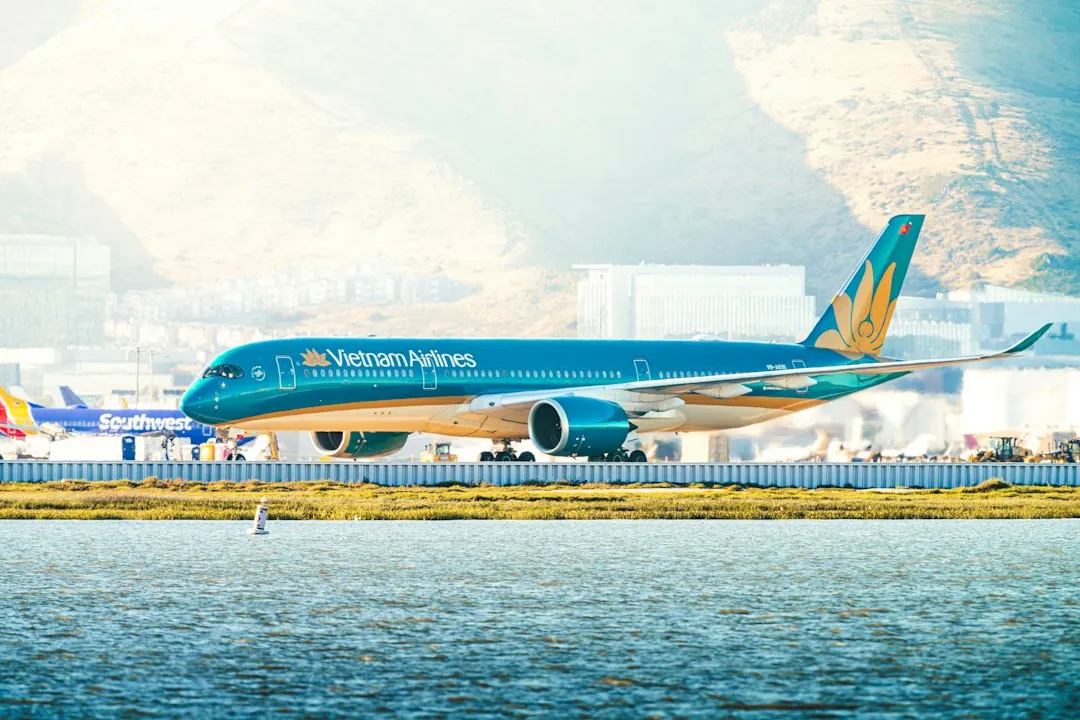
Some observers put Vietnam’s rapid tourism growth down to the loosening of visa policies and an increase in the number of nonstop flights to the country. According to the International Air Transport Association, Vietnam’s air transport market registered the highest growth rate amongst the top 10 markets in the Asia-Pacific region, expanding by 121 percent from 2014 to 2024.
Improved connectivity reduces the friction of return trips significantly. When a destination requires fewer connections and less transit time, people who are already familiar with it are far more likely to go back. Destinations such as Da Nang, Ho Chi Minh City, Hanoi, Nha Trang, and Phu Quoc are attracting growing numbers of returning guests, supported by strong connectivity, cultural attractions, coastal escapes, and expanding tourism services.
7. A Reputation for Safety and Stability
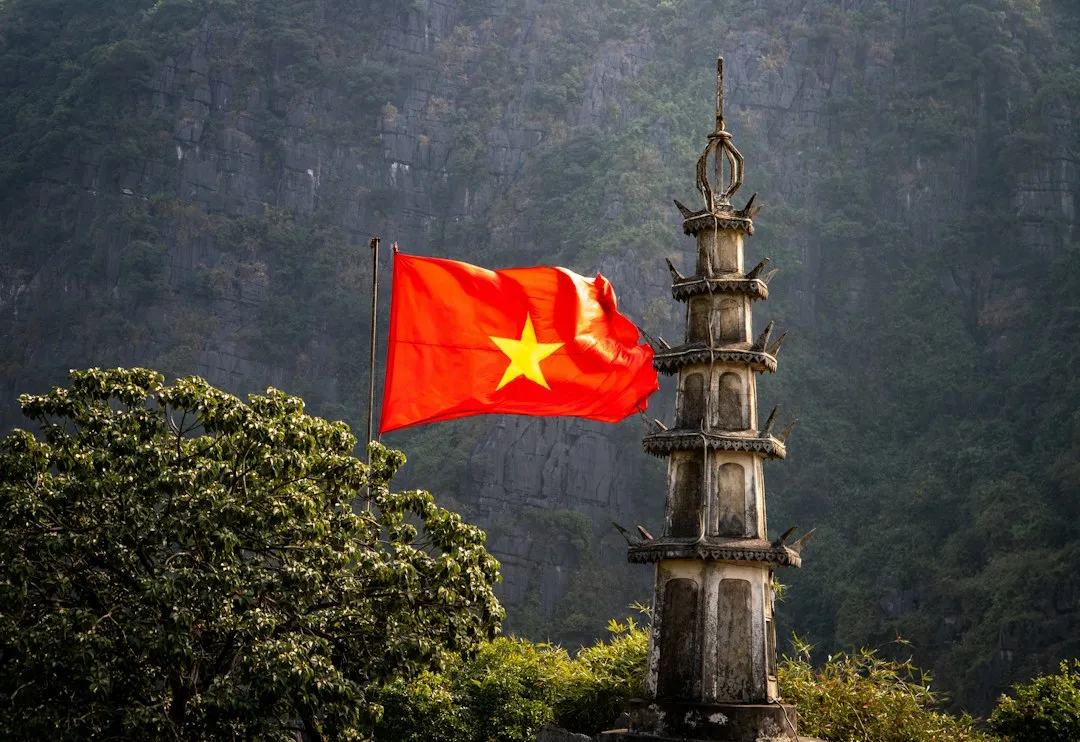
Travel Off Path named Vietnam the safest country to visit in Asia for 2024, a recognition based on the latest Global Law and Order Index, which ranked Vietnam as the most peaceful state in Asia and seventh worldwide, due to its low crime rates and impressive political stability.
For solo travellers, families, and older visitors alike, that sense of safety is not a minor footnote. It shapes how freely people move through a place, whether they feel comfortable staying out late, venturing into smaller towns, or exploring on their own terms. Travellers who have experienced that freedom firsthand tend to trust it on a second and third visit.
8. A Tourism Strategy Deliberately Built Around Return Visits
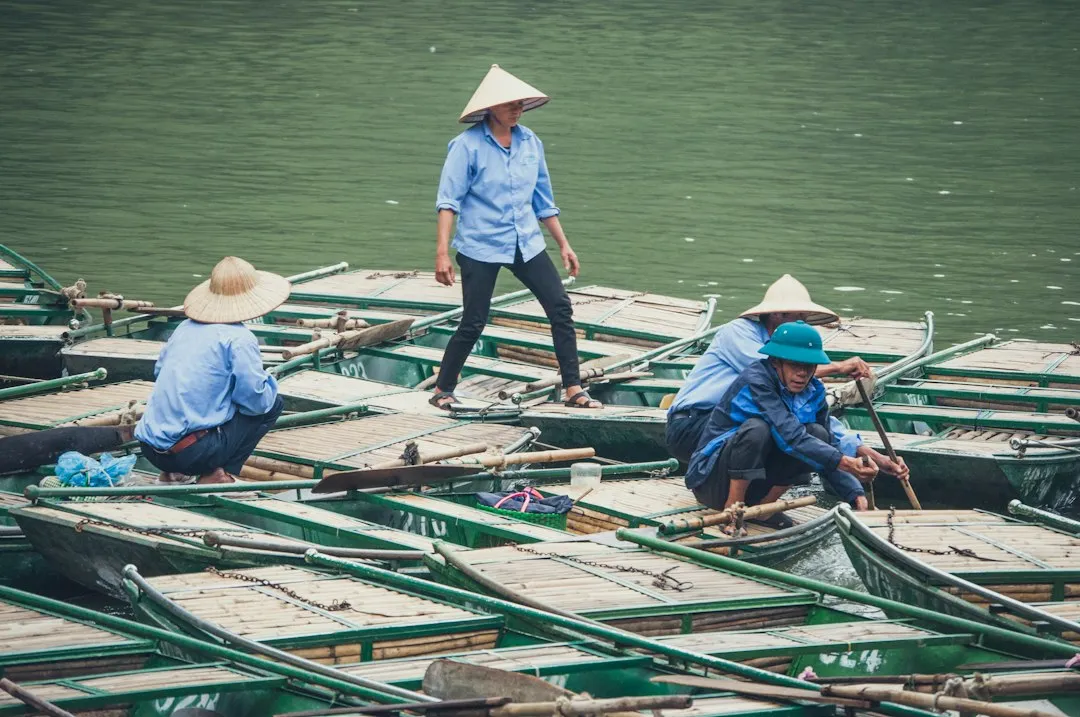
Vietnam’s tourism strategy is increasingly focused on encouraging longer stays and repeat visits rather than depending only on first-time arrivals. By developing coastal destinations, cultural attractions, nature tourism, and urban experiences, Vietnam aims to create more reasons for visitors to return.
Vietnam has set a major tourism ambition for the coming years, targeting 45 to 50 million international visitors annually by 2030. The goal reflects the government’s plan to position the country as one of Southeast Asia’s leading tourism destinations in terms of both visitor numbers and long-term growth. This is not a destination resting on its natural gifts. It is actively investing in becoming a place people choose again and again.
The Quiet Logic of Coming Back
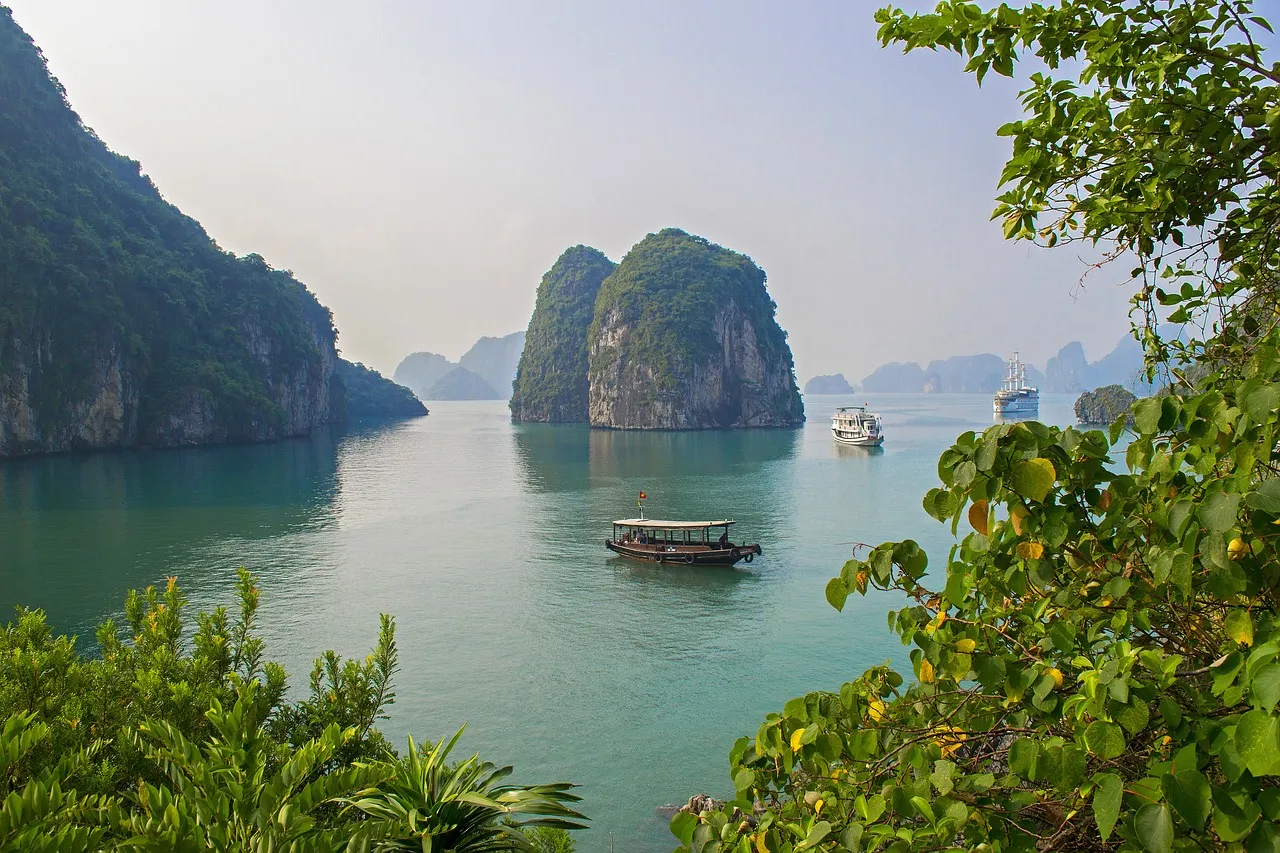
What makes Vietnam genuinely compelling for repeat travellers is not one single thing. It is the layering: a coastline that changes character every few hundred kilometres, a food culture rooted in place and season, a history that surfaces everywhere from cave systems to ancient town streets.
Vietnam is strengthening its position as one of Asia’s most attractive travel destinations as more international visitors return for second and multiple trips, with the country ranking among the top destinations in East and Southeast Asia for repeat foreign travellers. The numbers reflect what experienced travellers already know: some places reveal more of themselves the longer you look. Vietnam is reliably one of them.
AI Disclaimer: This article was created with the assistance of AI tools and reviewed by a human editor.