


There’s something that happens when you read a great novel in the city that made it. The streets stop being background and start becoming characters. The air feels different, or maybe you just notice it differently.
Around the world, readers are increasingly seeking out destinations that blur the line between fiction and reality, and according to Future Market Insights, global literary tourism is projected to grow by roughly half by 2034, reaching an estimated $3.3 billion. Set-jetting is set to be one of 2026’s biggest travel trends, with a striking share of Gen Z and Millennial travelers planning trips influenced by pop culture, including books, movies, and TV shows. What follows is a gallery of eight pairings worth making, one book, one city, one unforgettable read.
1. Ulysses by James Joyce – Dublin, Ireland
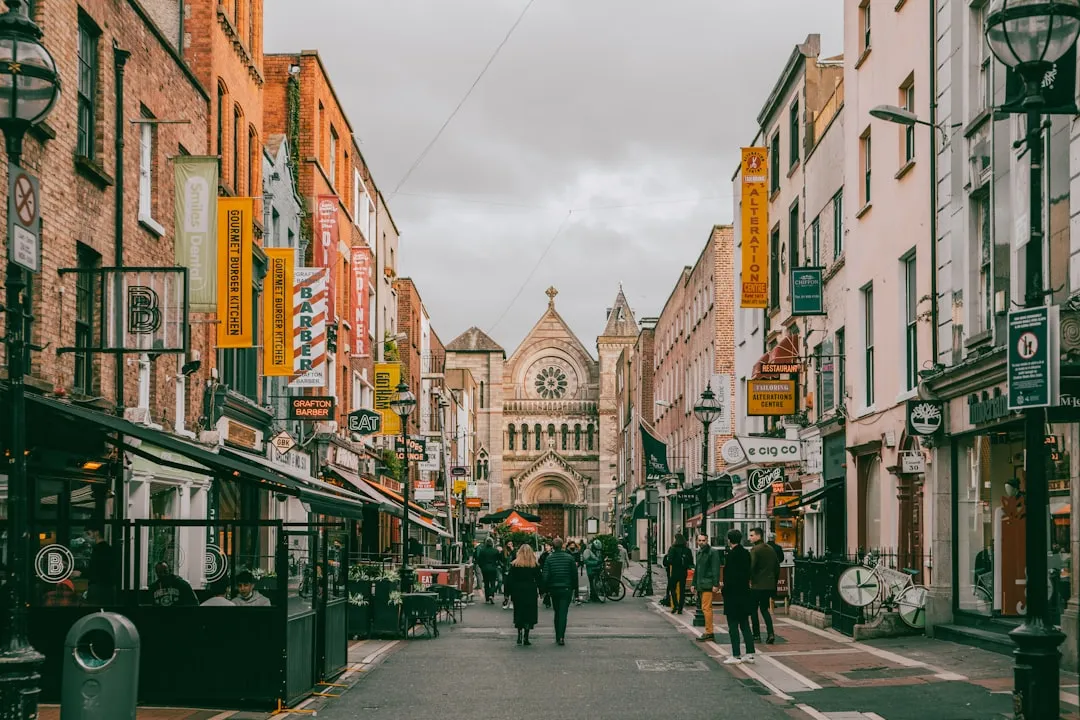
James Joyce’s brilliant, challenging novel brings us into the mind of Leopold Bloom as he walks around Dublin on 16 June 1904. Leopold Bloom’s travels around the city have passed from literature into legend, covering a distance of about 18 miles over the course of a single day, eight of them on foot.
Every 16th of June since 1954, Dublin has stepped into an alternate universe: establishments across the city serve up Ulysses-inspired dishes, fans take to the streets in period costume, and the words of a genius are brought to life. Sweny’s Pharmacy, a key stop in the novel, remained in operation until 2008 with an interior little changed from Joyce’s time; Bloom himself called in to pick up a tonic for his wife and bought some lemon soap, a bar of which you can still purchase there today.
Dublin has amassed over 15 million literary mentions, earning its place as one of Europe’s most written-about cities. Dublin is a city that doesn’t just remember Joyce – it lives and breathes him. If you’re willing to do a bit of digging, and a lot of walking, you’ll find him on every corner.
2. Oliver Twist by Charles Dickens – London, England
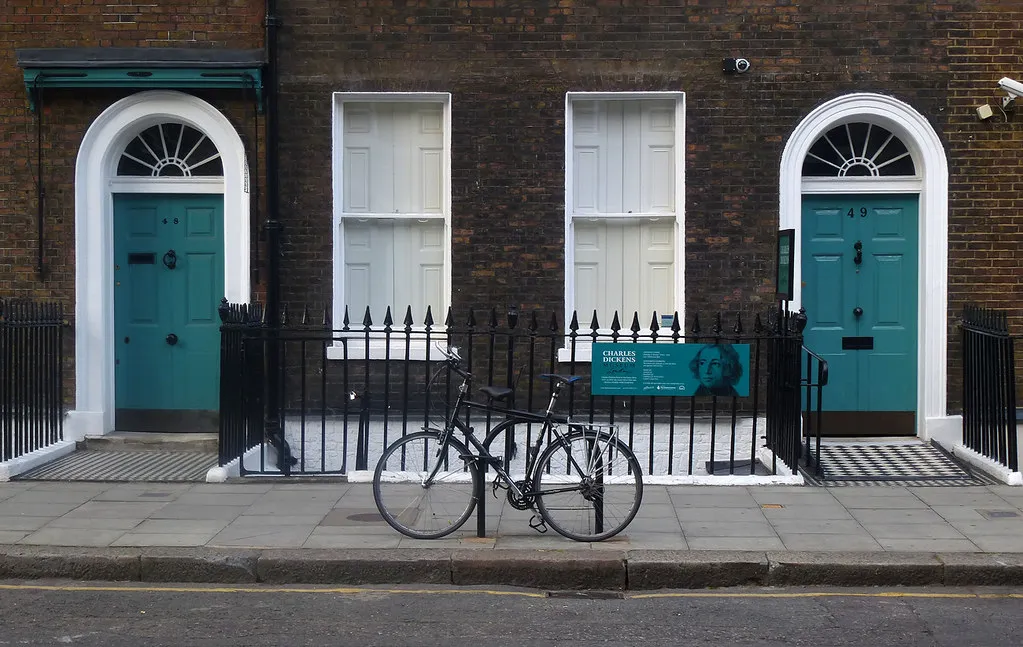
Charles Dickens is one of the most famous writers in the world, and it was his vivid portrayal of life in Victorian England through stories like Oliver Twist and A Christmas Carol that are said to have led to real social reform. It was behind the Georgian facade of 48 Doughty Street, a terraced house in Holborn, central London, that Dickens sat at his writing desk to pen not only Oliver Twist but The Pickwick Papers and Nicholas Nickleby too.
To this day, 48 Doughty Street is the Charles Dickens Museum, an immaculately preserved Georgian townhouse and capsule of Dickens memorabilia; he lived here between April 1837 and December 1839, beginning to build what would become a reputation as one of the most talented of Victorian novelists. Pear Tree Court is reported to be where Dickens imagined the Artful Dodger and his chum Charley Bates pick a pocket right before Oliver’s eyes, and to this day you can picture the scene vividly.
London towers over its European rivals as the most famous city in books, appearing in over 286 million literary mentions, nearly three times more than any other city on the continent. Such was Dickens’s eye for detail that it is still possible to take to the streets of London armed with Oliver Twist and see the city just as it would have appeared to the residents of the Victorian metropolis.
3. A Moveable Feast by Ernest Hemingway – Paris, France
A Moveable Feast is a memoir by Ernest Hemingway about his years as a struggling expatriate journalist and writer in Paris during the 1920s. The book chronicles Hemingway’s first marriage and his relationships with other cultural figures of the Lost Generation, including Sylvia Beach, F. Scott Fitzgerald, Gertrude Stein, and James Joyce.
The work mentions many bars, cafes, and hotels that still exist in Paris today, making it one of the most practically useful literary memoirs ever written. As a struggling young writer, Hemingway took in all the city had to offer, including art, cafes, and vibrant intellectuals, forming both himself and his writing under these influences.
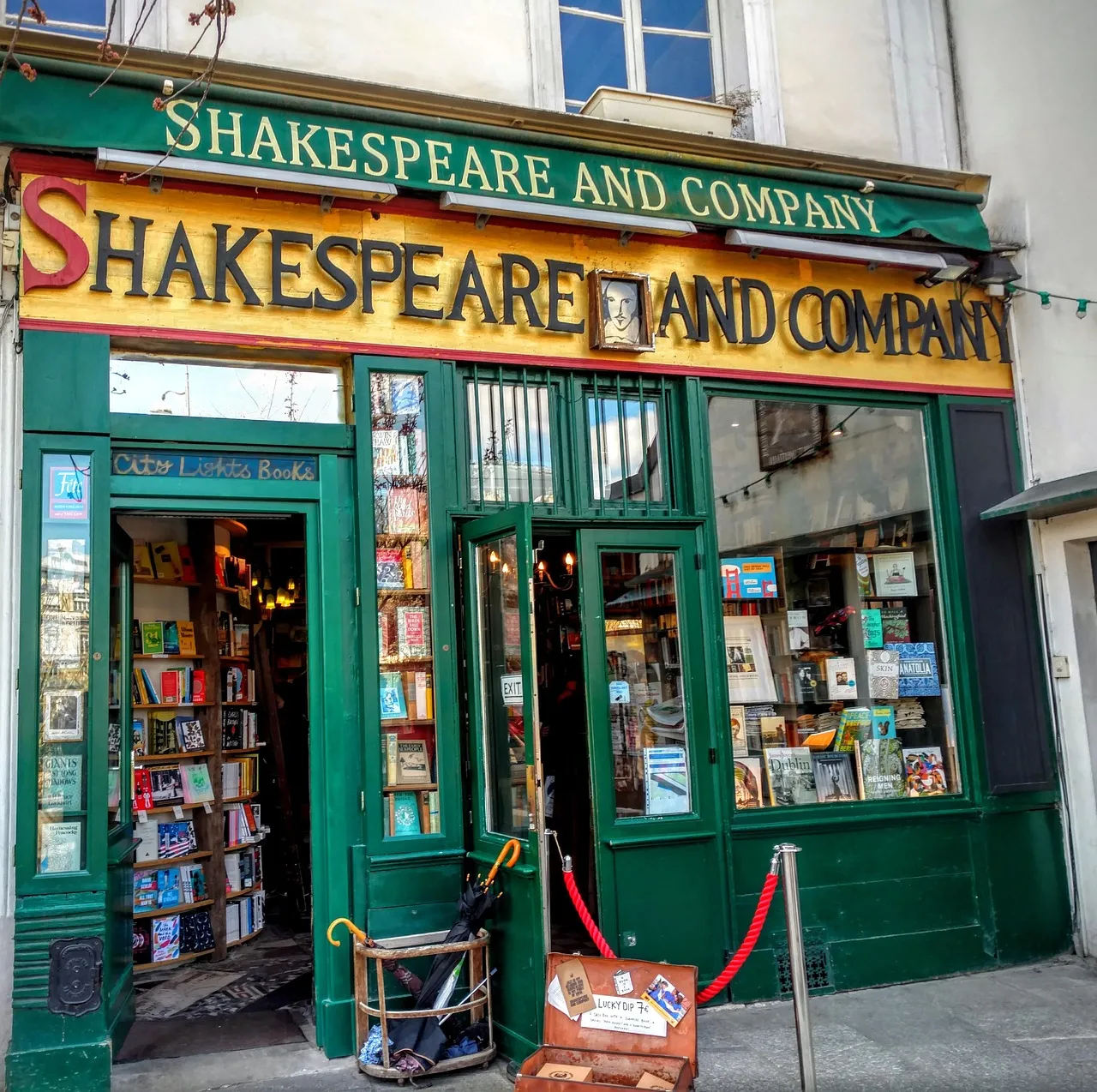
A Moveable Feast introduces readers to some of Hemingway’s favorite cafes to write in, his conversations with Gertrude Stein about writing, and his regular visits to the famous bookshop Shakespeare and Company, where he could borrow books, having no money to buy them. Paris shaped the writer before the writer shaped the world.
4. Pride and Prejudice by Jane Austen – Bath, England
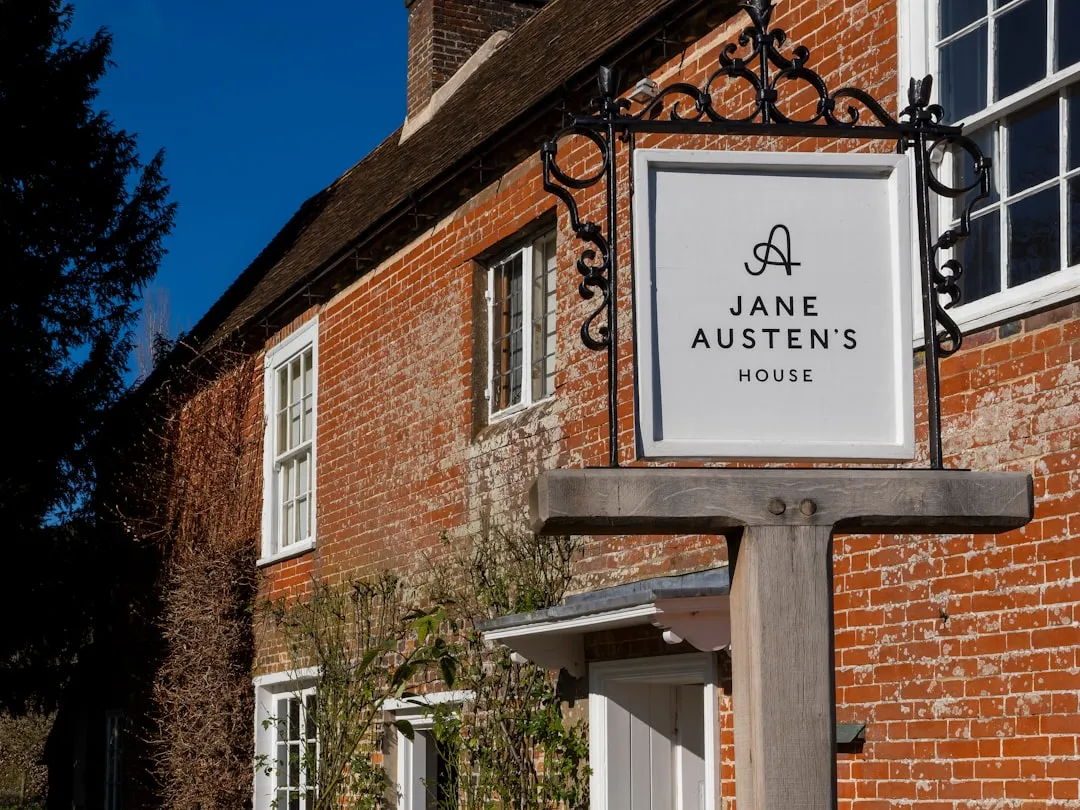
Jane Austen’s classic work Pride and Prejudice, released in 1813, explores themes of love, class, and social expectations in Regency-era England, tracking the astute and self-reliant heroine Elizabeth Bennet as she navigates her evolving relationship with the arrogant Mr. Darcy, offering sharp criticism of the restrictions imposed on women. Austen’s unwavering popularity has launched an untold number of book lovers’ getaways to Bath and Chawton, the two places the writer spent most of her life.
2025 marked the 250th anniversary of the birth of Jane Austen, and the appetite for her witty, sharp novels has only increased. Austen’s England made the New York Times’ 52 Places to Go in 2025 list, and the Smithsonian’s Jane Austen in Context tour visits Jane Austen’s House museum in Chawton, the village in South Downs National Park where she spent the final years of her life.
The museum is home to an unparalleled collection of Austen treasures, including personal letters, first editions of her novels, and the tiny writing table at which she wrote. Her beloved masterpiece Pride and Prejudice bursts with must-visit literary landmarks in Hertfordshire and Derbyshire, and the climactic road trip that Elizabeth takes with the Gardiners offers a list of locations now considered literary tourism hotspots, including Blenheim, Oxford, and Warwick.
5. Crime and Punishment by Fyodor Dostoevsky – St. Petersburg, Russia
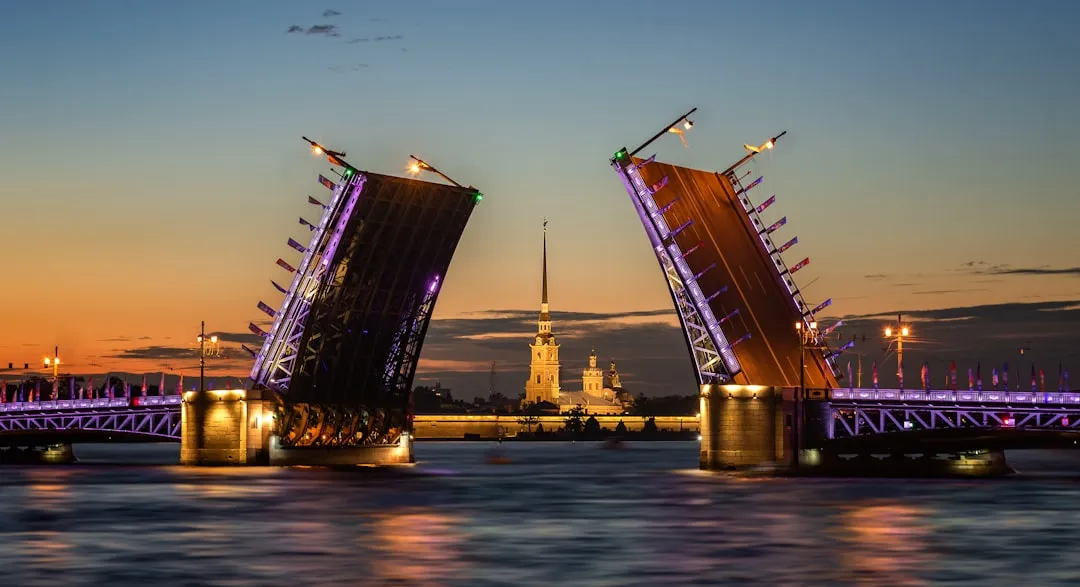
Crime and Punishment is often cited as one of the greatest works of world literature, following the mental anguish and moral dilemmas of Rodion Raskolnikov, an impoverished former law student in Saint Petersburg who plans to kill an unscrupulous pawnbroker. It was first published in the literary journal The Russian Messenger in twelve monthly installments during 1866.
Dostoevsky’s Petersburg is the city of unrelieved poverty, and he connects the city’s problems directly to Raskolnikov’s thoughts and actions. The crowded streets and squares, the shabby houses and taverns, the noise and stench, all are transformed into rich metaphors for states of mind.
The setting of St. Petersburg plays a crucial role in the novel, reflecting Raskolnikov’s mental state – the oppressive and gloomy atmosphere mirrors his guilt and despair, adding to the novel’s considerable psychological depth. Reading the novel while wandering the city’s canals and courtyards makes that suffocating interiority feel suddenly, uncomfortably real.
6. Anna Karenina by Leo Tolstoy – Moscow, Russia
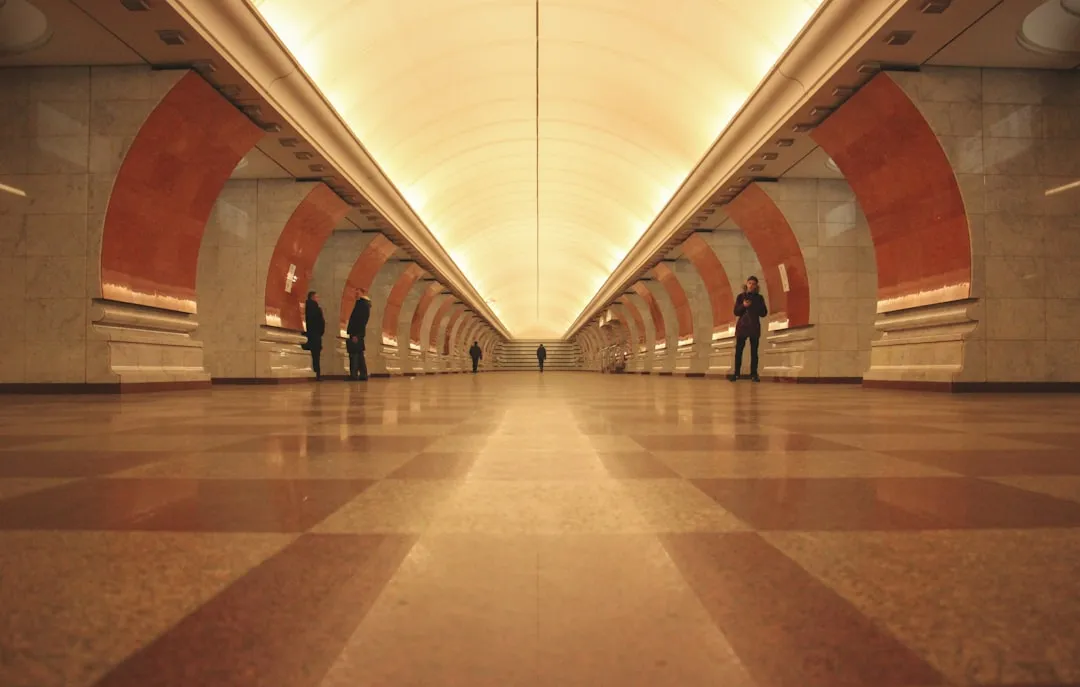
In Anna Karenina, both Moscow and St. Petersburg play a significant role in the novel’s plot. Anna herself lives in St. Petersburg but meets the fate-altering Vronsky at the Moscow train station during a trip to visit her brother, and the theme of trains and the escape they represent factors prominently throughout the peripatetic novel.
A legacy of powerful and varied literature has helped natives and foreigners alike make sense of Russia, and from Tolstoy to Bulgakov, Dostoevsky to Solzhenitsyn, the lives of people connected to Russia have been carefully transferred to the written word. Moscow, with its grand boulevards, gilded domes, and turbulent history, gives Anna Karenina a physical weight that no other city could replicate.
For those drawn to Russian literary geography, a visit to the Dostoevskaya metro station, which features a bust of the famous writer and murals re-enacting scenes from his most famous works, offers a brief but worthwhile excursion into the city’s deep literary consciousness. Tolstoy’s Moscow operates by the same principle – to walk its streets is to understand, in small ways, what drove his characters to such extreme choices.
7. Dubliners by James Joyce – Dublin, Ireland
Ulysses may be the most famous Joyce work, but his earlier book of short stories from 1914, Dubliners, is more accessible and much more widely read. The 15th and final story, “The Dead,” has been said to be the most perfect short story in literature, and was made into a film in 1987 by John Huston. Joyce set the story in a Georgian terraced house once lived in by his great-aunts at 15 Usher’s Island on the south quays.
Joyce once referred to Dublin as the “centre of paralysis,” a city that he felt was backward and repressive in contrast to the modern capitals of Europe. This idea found its expression in Dubliners, a short story collection that illustrates the effects of this restrictive atmosphere on the city’s population.
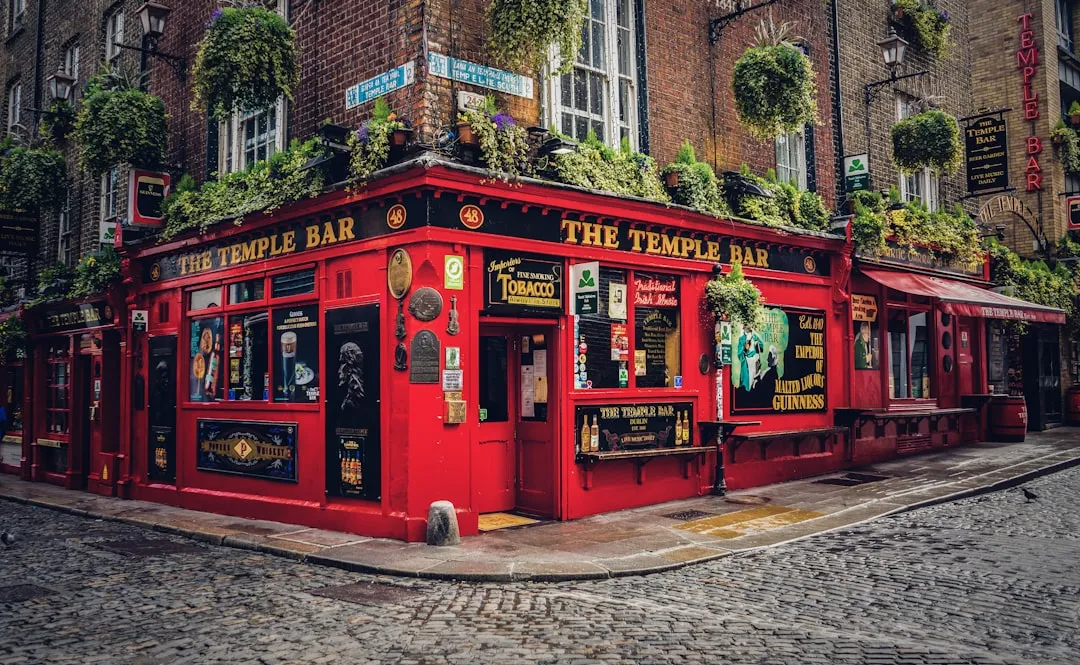
Many of the pubs Joyce wrote about are still there as living literary history, and you can visit them just as the author and his characters did. Joyce’s university was in Newman House on St. Stephen’s Green, now MoLI, the Museum of Literature Ireland, where you can soak up stories of Joyce and other famous Irish writers, and even get your photograph taken under the same ash tree where Joyce’s graduation photo was taken in 1902.
8. Bleak House by Charles Dickens – London, England
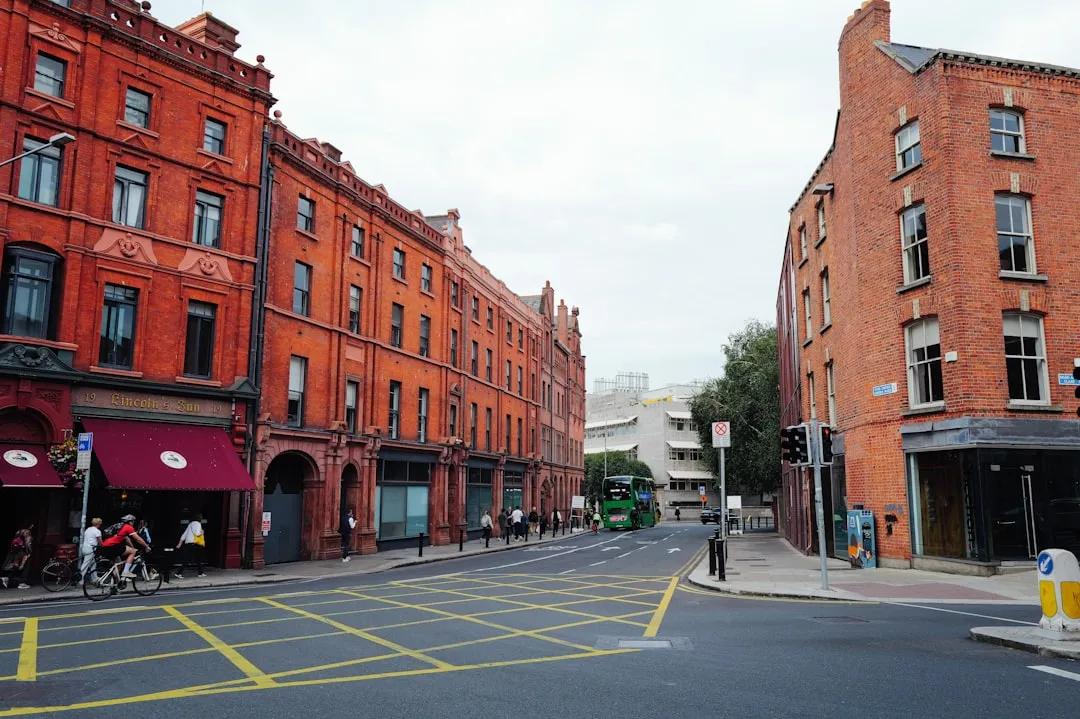
Though Dickens’s earthly remains are interred in the Poets’ Corner of Westminster Abbey, the creator of Great Expectations, David Copperfield, and Barnaby Rudge achieved literary immortality in no small part due to his imaginative mapping of London, fueling a boom in literary tourism that began before his death and continues into the present. Bleak House is perhaps his most atmospheric achievement in that regard.
Jarndyce and Jarndyce, the famous lawsuit at the heart of Bleak House, begins at the Court of Chancery at Lincoln’s Inn, and Gray’s Inn nearby is also where Dickens worked as a solicitor’s clerk in 1828. In Bleak House, Dickens describes the nearby Temple Bar as “a leaden-headed old obstruction,” a reference to how the edifice was once a big obstacle to the flow of traffic and a symbol of the activities of the City of London Corporation.
Standing outside Lincoln’s Inn Old Hall, the evocative opening scene from Bleak House, set in implacable November weather, still resonates with remarkable force for anyone familiar with the novel. If you visit in June, the nearby town of Broadstairs throws a Dickens Festival, which offers a compelling excuse to explore the broader world Dickens built around his London.
Why Reading on Location Still Matters

Enthusiasts, often referred to as literary tourists, seek out places associated with their favorite books and authors. This trend, known as bibliotourism, highlights the deep emotional and cultural connection that travelers form with literature. Like all of us, writers draw from their surroundings, and many iconic stories happen in the cities where they lived or traveled.
The ability to walk in the footsteps of legendary writers, visit their homes, and explore settings from iconic novels provides a compelling draw for tourists across the world. A city becomes a different kind of companion when you’re carrying the right book through it.
The eight novels above aren’t just great reads in the abstract. They are, in a meaningful sense, inseparable from the ground they grew out of. Bring the book to the city, or the city to the book, and something changes in both. That might be the simplest case for literary travel anyone can make.
AI Disclaimer: This article was created with the assistance of AI tools and reviewed by a human editor.