
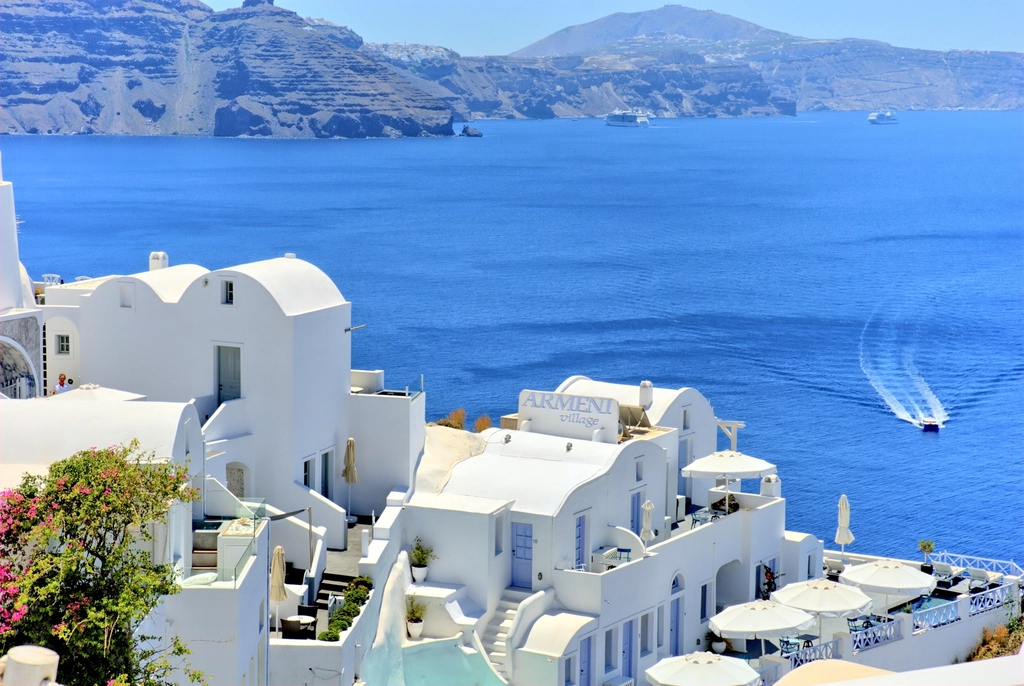

A Living Archive of UNESCO World Heritage
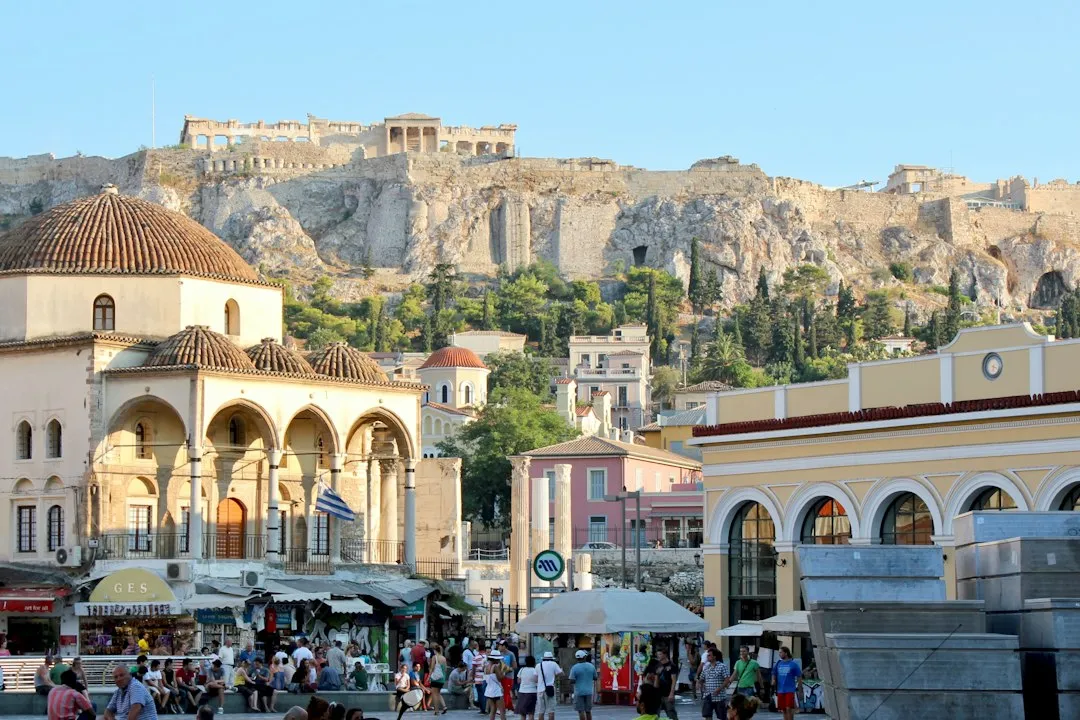
Greece is one of the most UNESCO-dense countries on the planet. There are 21 UNESCO World Heritage Sites in Greece, including world-famous landmarks like the Acropolis of Athens and the sanctuaries of ancient Delphi and Olympia, as well as Byzantine monasteries and even a collection of Zagori villages in Epirus, recognized for their traditional stonework.
The most recent addition to that list was the wider area of Mount Olympus, inscribed in 2026. That’s a remarkable breadth for a single country. Each site tells a genuinely different story, from ancient athletic culture at Olympia to early Christian spirituality on the island of Patmos.
Greece’s newest cultural addition celebrates Europe’s earliest advanced civilization – the Minoans – through six archaeological sites across Crete, including Knossos, Phaistos, Malia, Zakros, Zominthos and Kydonia, representing Minoan palatial centers that flourished between 1900 and 1100 BC. You could spend weeks working through this list and still feel like you’ve only scratched the surface.
The Birthplace of Democracy and Western Philosophy
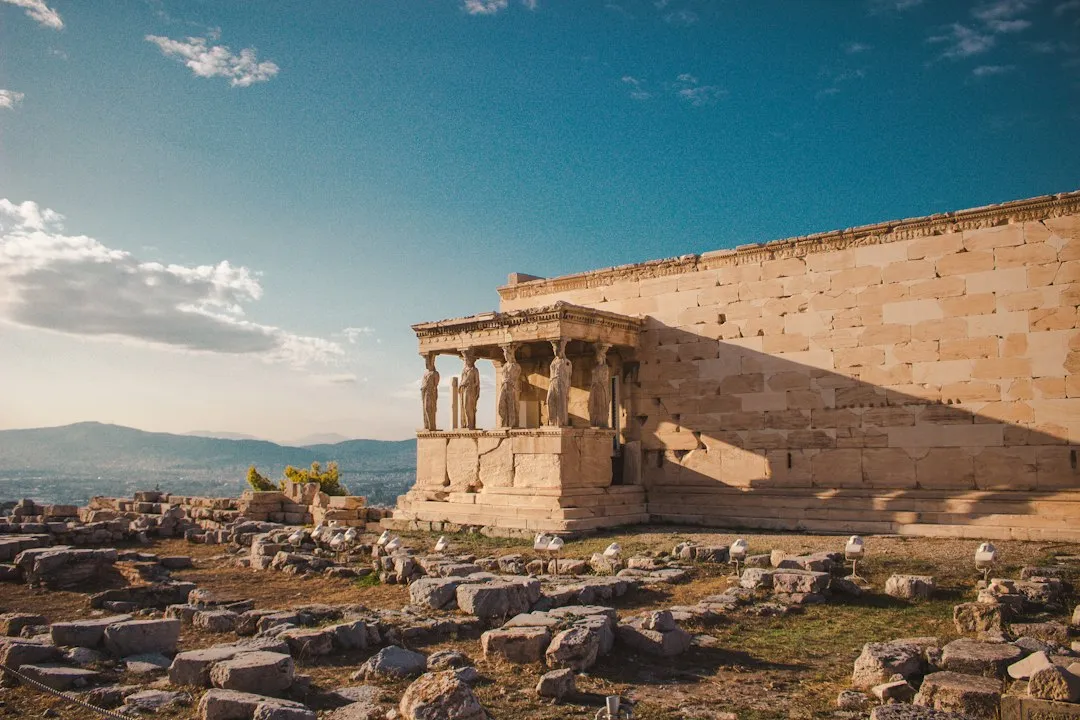
Athens is often called the “birthplace of democracy” and the “Cradle of Civilization” because it was home to the Platonic Academy and the Lyceum of Aristotle. Walking through the city, that history doesn’t feel distant or locked behind glass. It’s embedded in the street plan, the hills, the ruins visible from almost every neighborhood.
The Ancient Agora of Athens was the heart of the ancient city – the focus of political, social, administrative, and commercial activity, the cultural and religious center of the city and the seat of justice. Standing in that space, where Socrates once debated and citizens assembled to vote, has a quiet weight to it that no guidebook fully prepares you for.
In the 5th century BCE, Athenians developed a system where citizens could participate directly in decision-making through the Assembly, which held meetings on the Pnyx hill overlooking the city. This participatory form of government laid the groundwork for modern democratic systems worldwide. Greece doesn’t just teach history – it is history, still inhabitable and walkable.
Meteora: Monasteries Suspended Between Earth and Sky
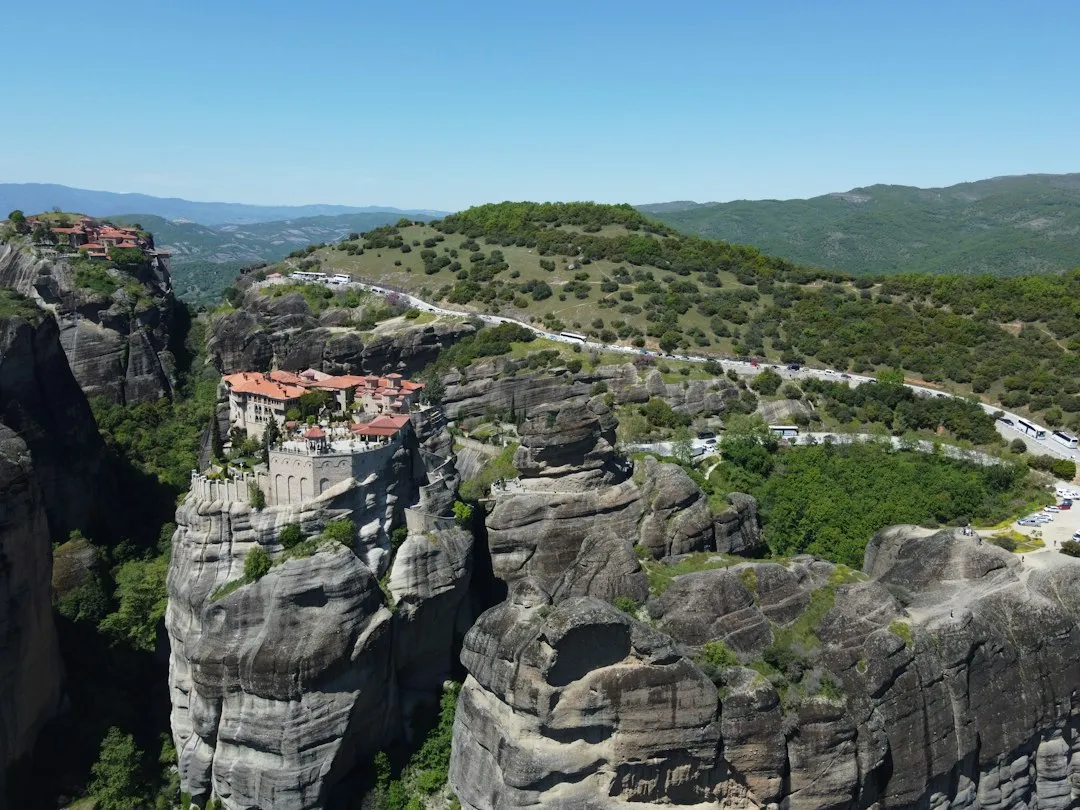
Rising like giants from the Thessalian plain in central Greece, the towering sandstone pillars of Meteora host a world that defies gravity and time – perched atop these surreal rock formations are some of the most astonishing monasteries on Earth, centuries-old sanctuaries that appear to float between heaven and earth.
Meteora, meaning “suspended in air,” is not only a geological marvel but a living monument to Orthodox Christianity. In the 14th century, monks fled into this natural fortress, scaling impossible cliffs to build monasteries atop the spires for refuge, worship, and peace. Today, six of the original 24 monasteries remain active.
The hiking routes through the area are genuinely spectacular too. The Great Meteoron and Varlaam Loop Trail covers roughly five kilometers and takes two to three hours, offering panoramic monastery views, natural rock formations, shaded pine forests, and access to both major monasteries. It’s the kind of place that feels simultaneously ancient and utterly alive.
The Ancient Theatre of Epidaurus and the Roots of Drama
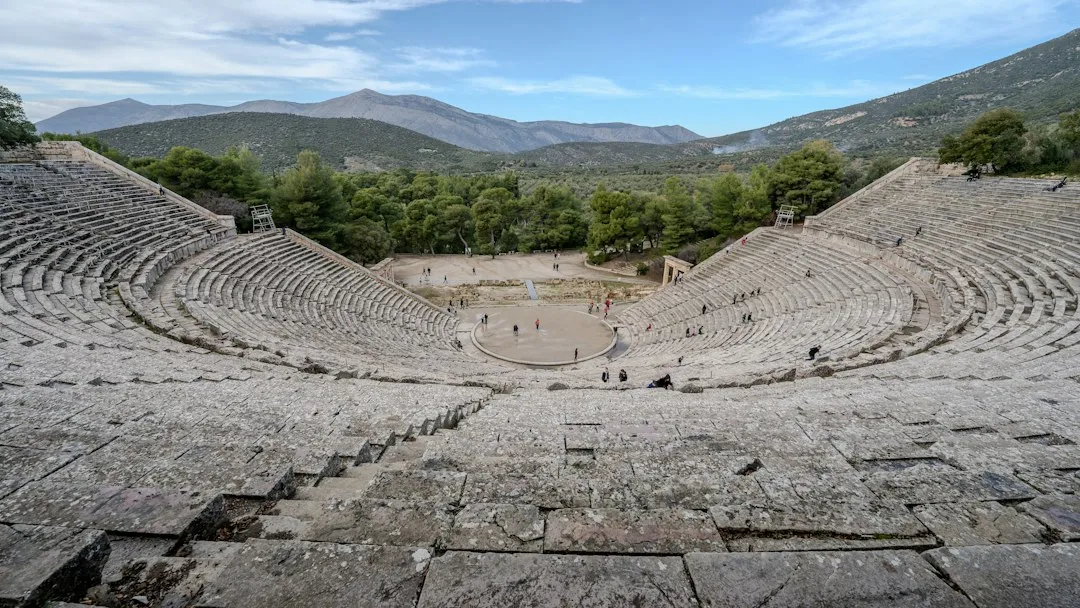
Constructed in the late 4th century BC, the Ancient Theatre of Epidaurus is considered to be the most perfect ancient Greek theatre with regard to acoustics and aesthetics. That’s not a modern travel-writing flourish – it’s a statement that archaeologists and acousticians have backed up consistently.
Located on the northeastern side of the Peloponnese, Epidaurus is mostly famous for its ancient theatre, constructed in the late 4th century BC to host religious ceremonial events in honor of the god Asclepius. Famous for its symmetry and incredible acoustics, this classical theatre is surrounded by lush greenery and gives a remarkable view of the valley below.
The roots of theatre in Athens can be traced back to the Archaic period of the 7th and 6th centuries BC, with cult festivals honoring Dionysus and ancient Greek chants known as the dithyrambos. Attending a summer performance at Epidaurus – under an open sky in a 2,400-year-old theater – is one of those rare travel experiences that earns the word unforgettable.
Greek Gastronomy: A Cuisine with Ancient Roots
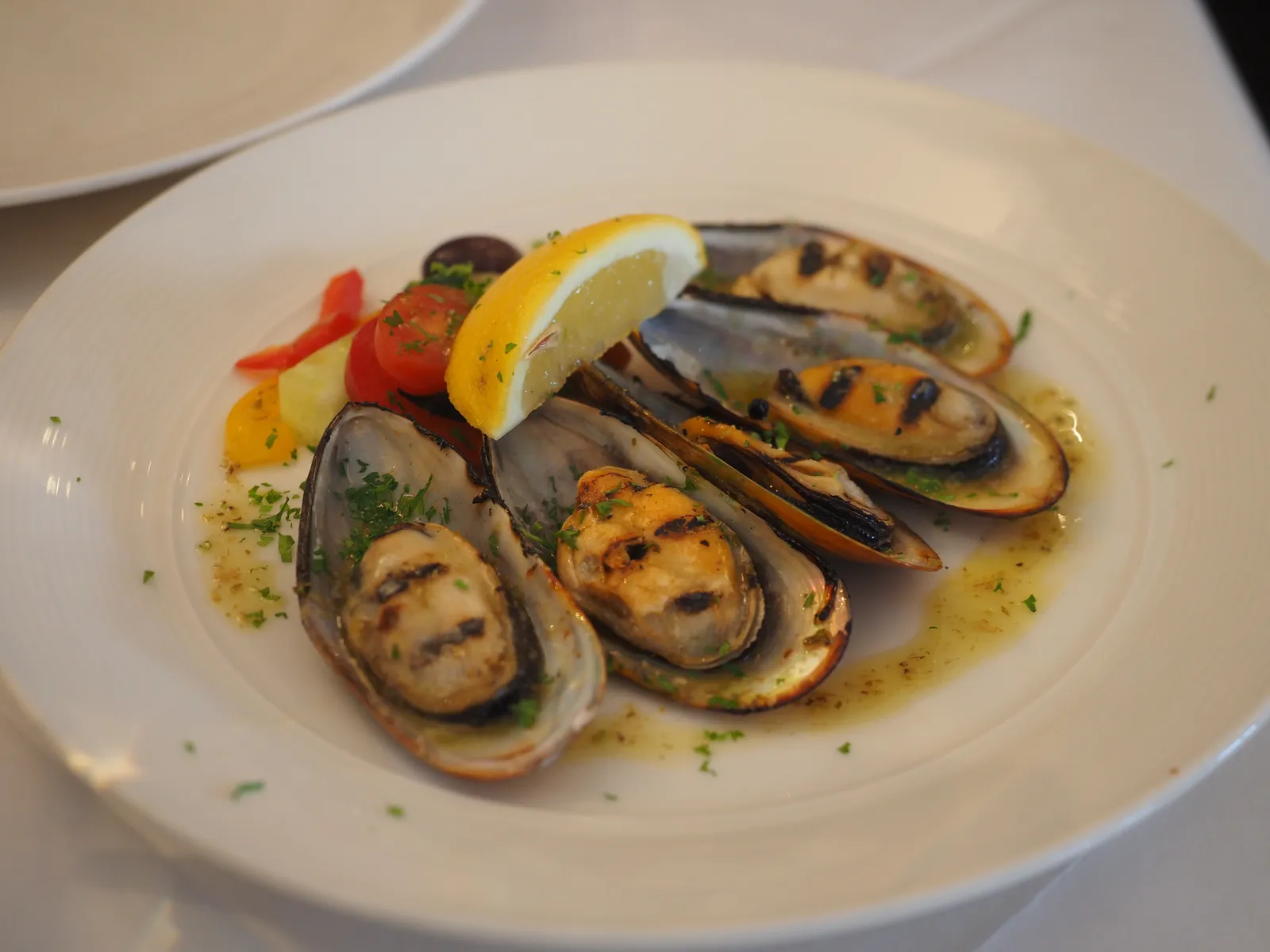
Greek gastronomy is known worldwide as one of the freshest and healthiest cuisines, with its signature Mediterranean diet featured in numerous countries. But experiencing it at the source, in a small taverna with a view of olive groves, is a different thing entirely from anything you’ve tried at home.
Fresh, simple, and rooted in centuries of tradition, Greek food is a celebration of regional produce, olive oil, seafood, and age-old recipes. Local tavernas across the islands serve classics like moussaka, dolmadakia (vine leaves stuffed with rice and vegetables), and gyros that rival any street-food experience worldwide.
Coffee culture is central to Greek social life – traditional kafenia (coffee houses) are where stories are shared, friendships form, and travelers taste the authentic rhythm of Greek conversation. Greek gastronomy isn’t just about the food. It’s about the rhythm around the table, which is an art form in its own right.
Thessaloniki: Culture, History, and Byzantine Grandeur
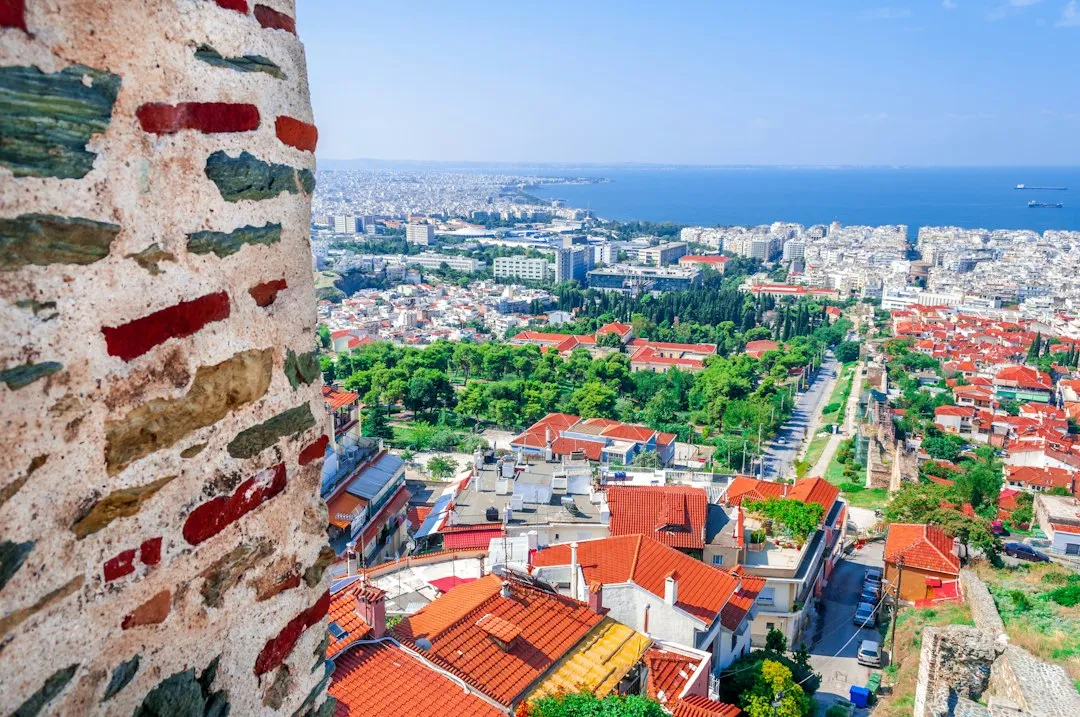
Greece’s second city is often overshadowed by Athens in travel conversations, but those who make the trip north tend to become quietly evangelical about it. Domestic tourism promotion has increasingly spotlighted off-the-beaten-path regions like Thessaloniki, Central Macedonia, and Epirus, where natural landscapes and authentic cultural experiences are gaining serious traction.
Thessaloniki made significant waves with its newly opened underground railway system, which uncovered over 300,000 archaeological finds during construction, now on display for the public. At Venizelou Station, visitors can view an exhibition featuring the Decumanus Maximus, the ancient Roman avenue, along with shops and houses that once lined the famous Via Egnatia.
This site is the largest international archaeological exhibition within a major modern underground infrastructure. Thessaloniki also holds its own UNESCO-listed Byzantine monuments, a thriving food scene rooted in multicultural tradition, and a waterfront energy that feels nothing like tourist-brochure Greece.
The Peloponnese: Myth, Ruins, and Mountain Villages
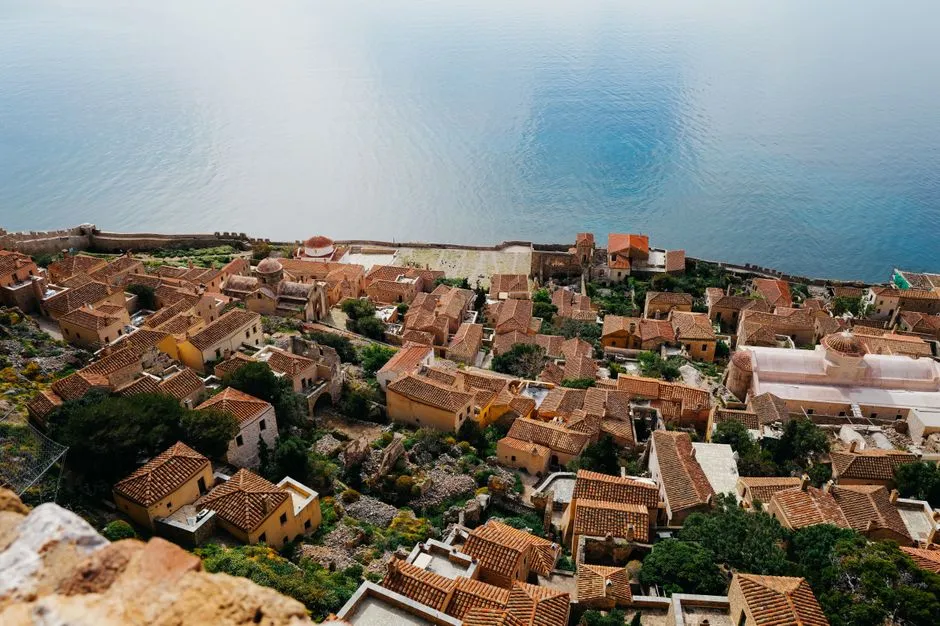
The Peloponnese peninsula is where so much of what we think of as “ancient Greece” actually unfolded. Athens provides access to museums and the Acropolis, but destinations across the Peloponnese combine archaeological heritage with mountains, villages, and coastline in a way that feels deeply immersive.
Among Greece’s UNESCO World Heritage Sites, the archaeological cities of Mycenae and Tiryns transport visitors to the heart of Mycenaean civilization, renowned for their monumental architecture including the iconic Lions’ Gate at Mycenae, which evokes tales of Homeric heroes such as Agamemnon.
Mycenae and Tiryns, two fortified cities on the Peloponnese peninsula, were major centers of the Mycenaean civilization, which flourished between the 16th and 12th centuries BC. Villages throughout the region still carry agricultural traditions, local wine production, and a pace of life that offers something very different from the island rush.
Delphi: Where the Ancient World Sought Answers
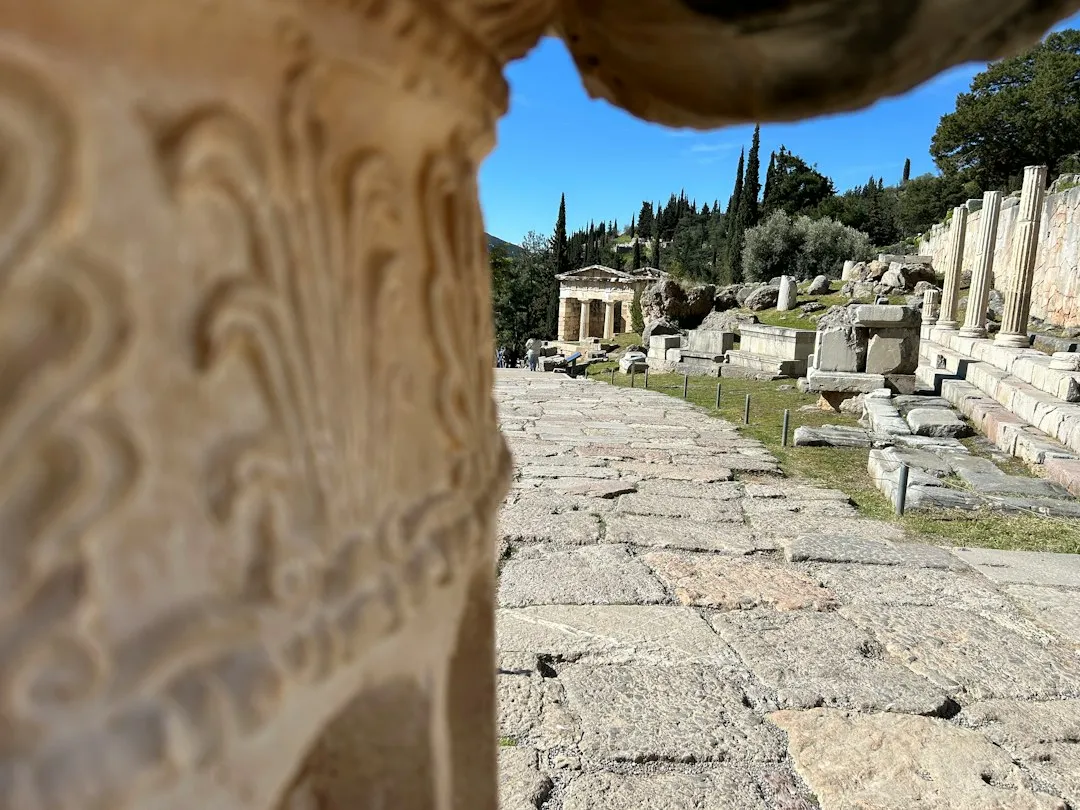
Nestled at the base of Mount Parnassus, Delphi was once regarded as the spiritual epicenter of ancient Greece, where pilgrims flocked for the oracles of Pythia. Today, the temple, theatre, and stadium ruins remain, surrounded by breathtaking scenery. There’s a reason the ancient Greeks considered this place the navel of the world.
The Delphi Archaeological Site, recognized under the World Heritage Convention, includes many ruins, among them the Temple of Apollo, the Stadium, and the Theatre of Delphi. The setting amplifies everything. Ruins on a steep mountainside, with valleys dropping away below and eagles occasionally circling overhead – it’s scenery that earns its mythology.
Data for 2024 and 2025 show increasing travel in spring and autumn, supported by milder weather and new flight connections. City breaks in Athens and Thessaloniki, hiking in mountainous regions, wine tourism, and visits to archaeological sites like Delphi are being promoted to distribute demand more evenly throughout the year. Visiting Delphi in spring or early autumn, when the crowds thin and the light turns golden, is about as close to timeless as modern travel gets.
The Corfu Old Town: Venetian, French, and British Layers in One Place
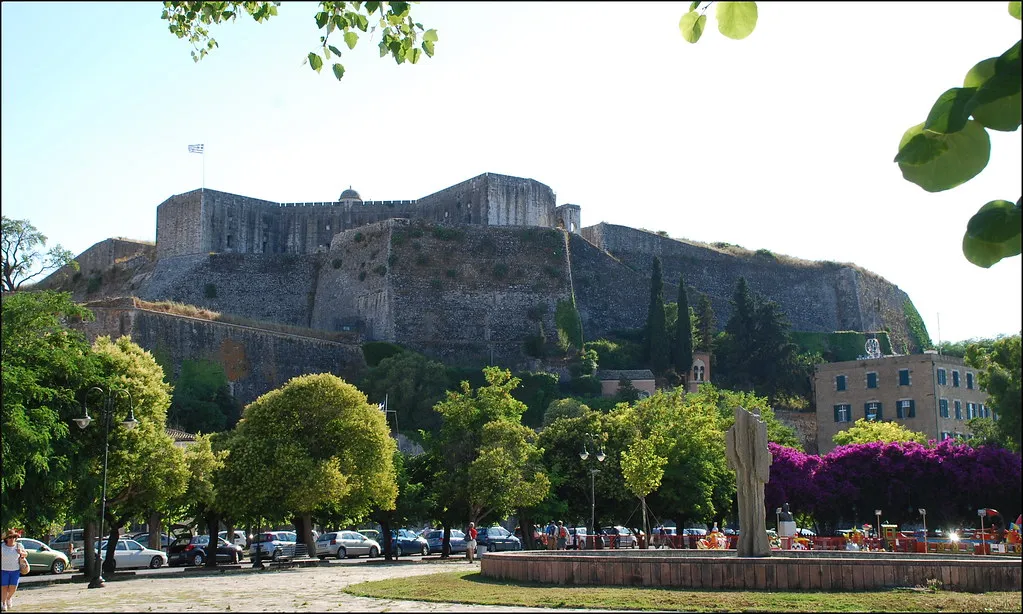
Greece’s relationship with history doesn’t begin and end with antiquity. Corfu’s Old Town is a compelling reminder that the country spent centuries shaped by the ambitions of European powers, each leaving something visible behind. The Old Town of Corfu, a UNESCO World Heritage Site since 2007, is a charming maze of narrow streets, Venetian-style buildings, and imposing fortresses. Its unique blend of architectural styles reflects the island’s rich history under Venetian, French, and British rule.
Corfu and the Ionian Islands offer another style of island travel, combining beaches with historic towns, green landscapes, and maritime experiences. The Old Town rewards slow exploration: a half-open archway, a doorstep worn smooth by centuries of use, a cafe tucked into what was once a Venetian loggia.
A New Era of Cultural Travel in Greece
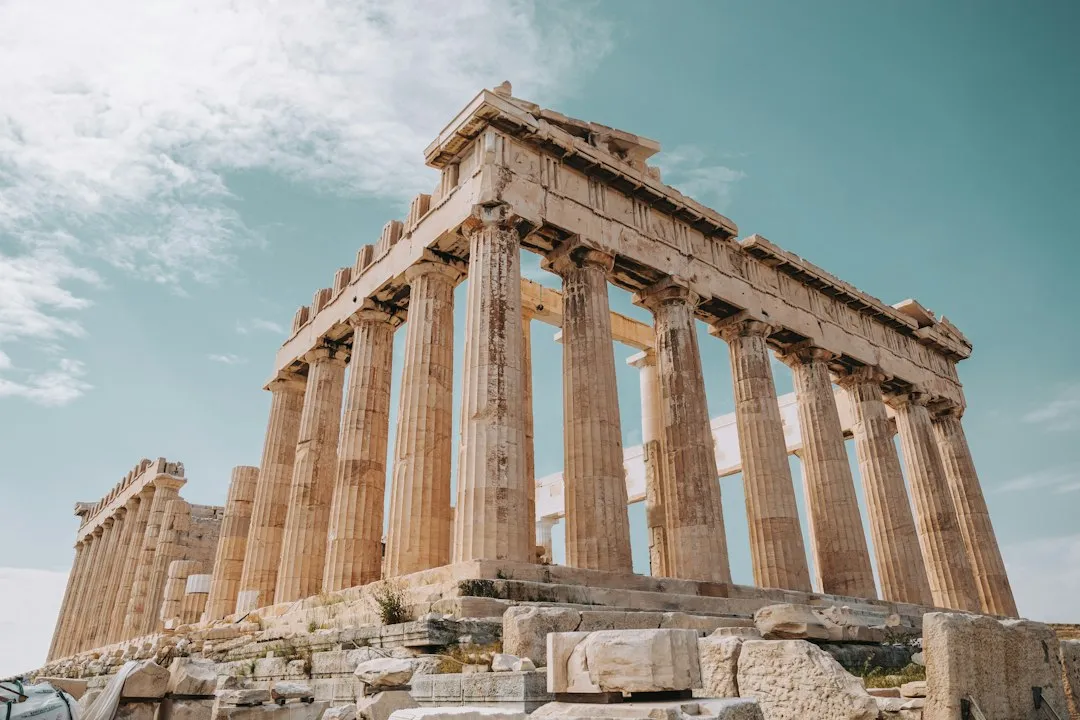
A 2024 U.S. News and World Report survey of over 17,000 people crowned Greece as the world’s finest cultural heritage destination, with respondents praising its historical depth, accessible landmarks, and Mediterranean cuisine. That kind of recognition reflects something real: Greece’s cultural offer is not a backup plan for rainy beach days. It’s an entire travel identity unto itself.
Cultural and heritage travelers, who typically visit Greece’s iconic islands, are increasingly interested in the mainland. This pattern is interpreted as evidence that Greece is moving away from a volume-only model toward higher-quality services, including boutique hotels, gastronomy, cultural experiences, and wellness tourism.
The beaches will always be there, and they’re worth it. But Greece holds something genuinely rare: a place where a short drive inland, a train journey north, or a ferry to a lesser-known island opens up layers of history, food, landscape, and human story that feel inexhaustible. The country’s greatest generosity might be how much it offers beyond the obvious.
AI Disclaimer: This article was created with the assistance of AI tools and reviewed by a human editor.