
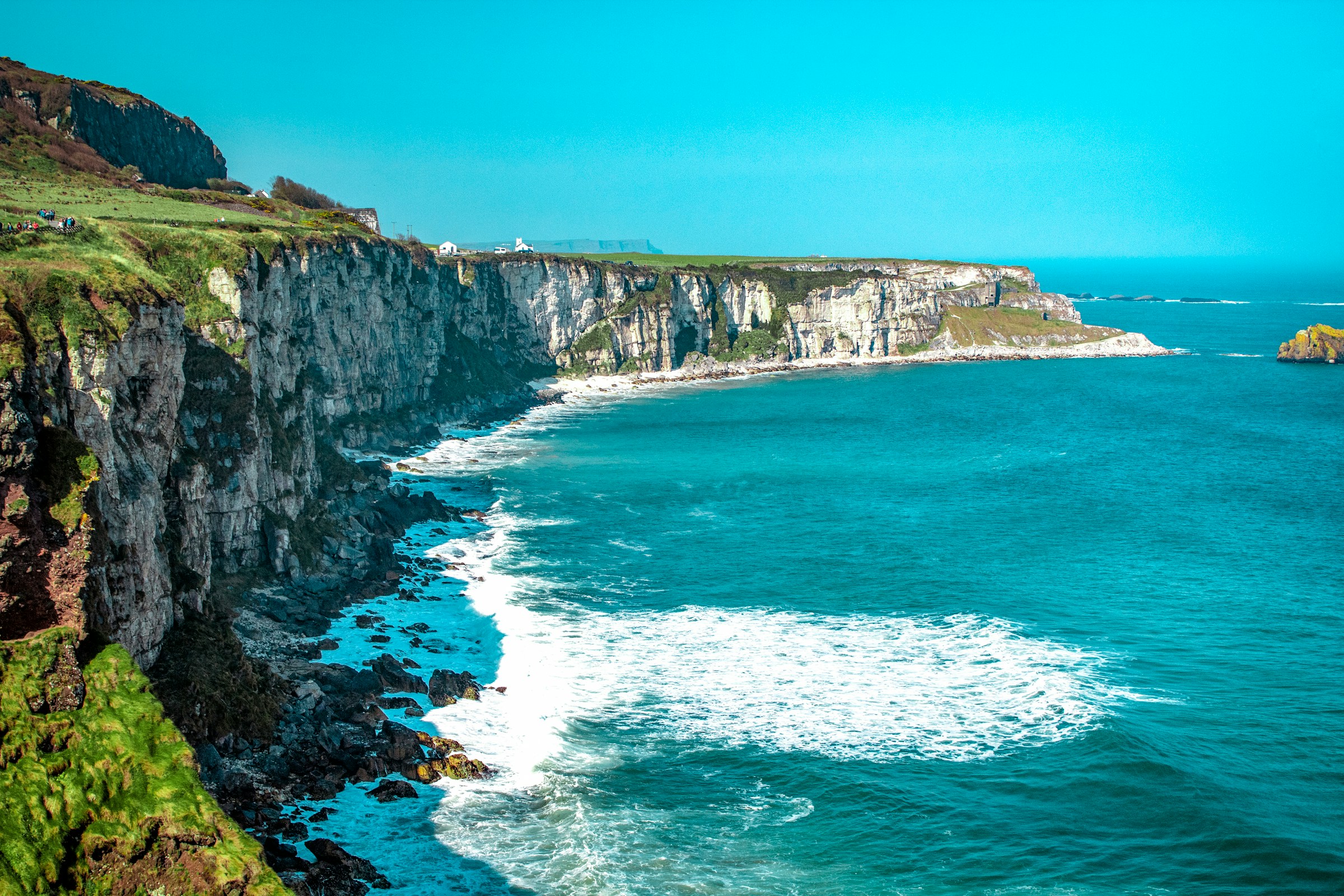

The Wild Atlantic Way: One of the World’s Greatest Road Trips
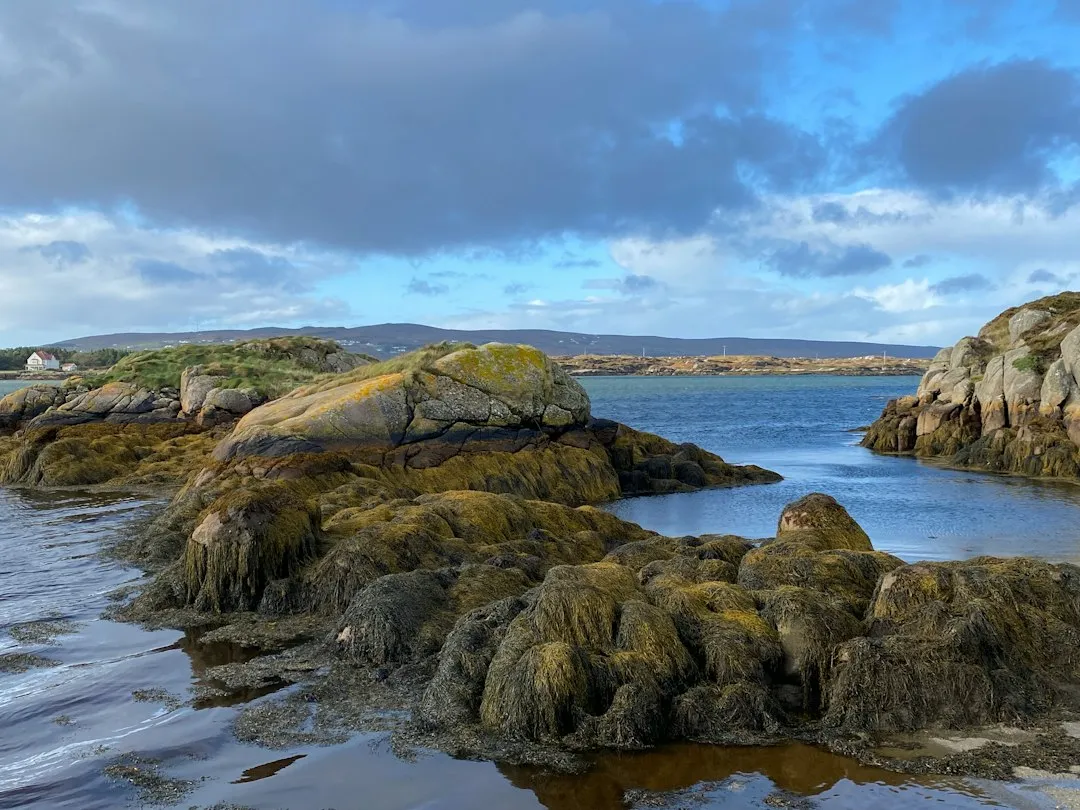
The Wild Atlantic Way is Ireland’s longest defined coastal touring route, and it earns that title with authority. It stretches 2,500 kilometres along the contours of Ireland’s great western seaboard, from County Cork in the south to County Donegal in the north.
With 188 Discovery Points along the way, the route has guided travellers for over a decade to previously off-grid west of Ireland locations, bringing with it nearly two million extra visitors every year, helping to shape a thriving tourism industry which supports 121,000 jobs and delivers roughly three billion euros to the economy per year.
In 2024, the Wild Atlantic Way was Ireland’s most popular tourism region, drawing over 2.3 million overseas visitors and generating approximately 2.37 billion euros in overseas visitor revenue, according to Fáilte Ireland data. The sheer variety of the landscape along the route, from the peninsulas of Cork and Kerry to the dramatic headlands of Donegal, means no two days of driving feel alike.
The Cliffs of Moher: Where the Island Meets the Ocean
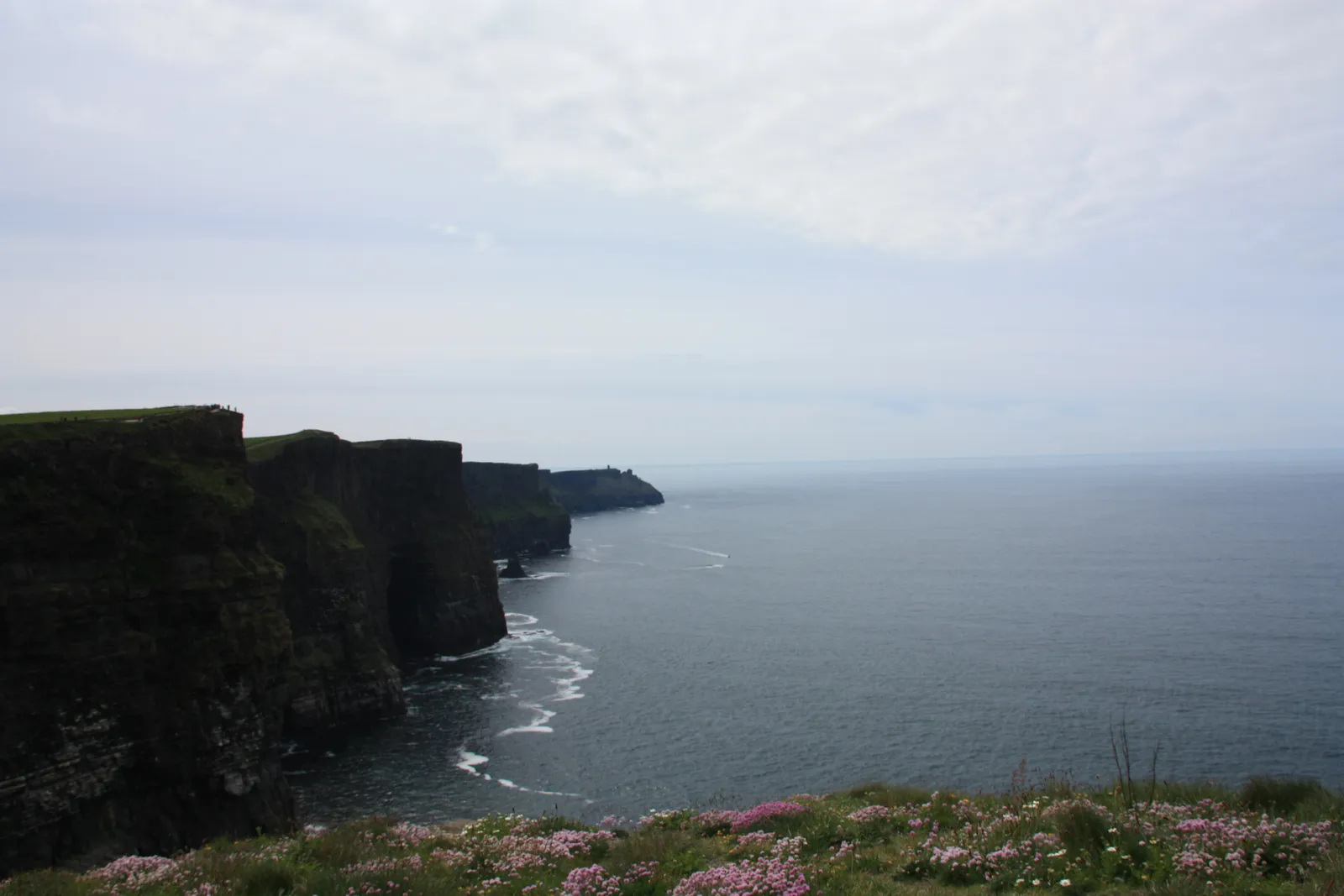
Standing at an impressive 214 metres, or 702 feet, high, the Cliffs of Moher stretch along the coastline of County Clare for eight kilometres and offer staggering sea views. They are, without question, one of Ireland’s most recognised natural landmarks.
The Cliffs of Moher alone draw more than 1.5 million visitors a year, making them Ireland’s most-visited natural attraction. That consistent draw isn’t just about the height or the drama of the drop. It’s the birds, the Aran Islands visible on a clear day, and the way the wind comes off the Atlantic with real conviction.
Various filmmakers have chosen the Cliffs of Moher to depict otherworldly settings, including Harry Potter and the Half-Blood Prince, in which the cliffs served as the location of the cave where Harry and Dumbledore searched for one of Voldemort’s horcruxes. Even stripped of cinematic context, they hold their own completely.
Traditional Irish Music: A Living, Breathing Heritage
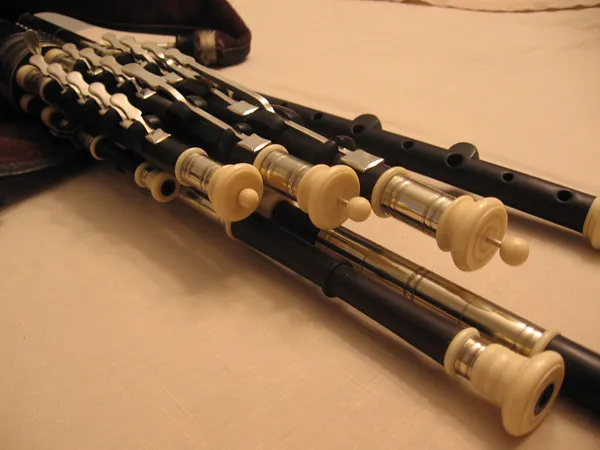
Traditional Irish music, featuring instruments like fiddles, harps, tin whistles, bodhráns, and uilleann pipes, fills homes, pubs, and festivals across the country, and the uilleann pipes and Irish harping are so integral to Irish identity that UNESCO has included them on its Representative List of the Intangible Cultural Heritage of Humanity.
The uilleann pipes date back to the 18th century and are often referred to as “the sound of Ireland.” In 2017, UNESCO placed them on its Representative List of Intangible Cultural Heritage of Humanity, underscoring their importance. Irish harping was added to that same list two years later.
Irish trad music has endured better than most European folk music and is simply everywhere. If you’re in a town with a few pubs, there’s likely to be traditional Irish music somewhere every night of the week, though it’s typically a late-night affair, usually not starting until nine or ten in the evening. Sitting in on a session in a small Clare pub, with no stage and no formality, is genuinely one of the great travel experiences available anywhere in Europe.
Skellig Michael: Ancient Monasticism at the Edge of the World
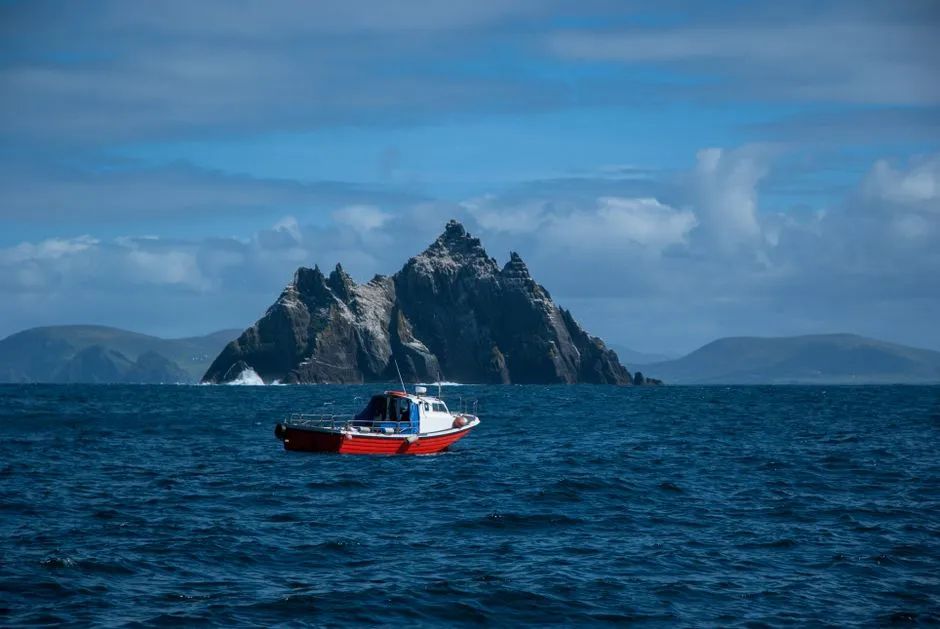
Skellig Michael is the larger of two uninhabited Skellig Islands located 11.6 kilometres west of the Iveragh Peninsula, and it became a UNESCO World Heritage Site in 1996. Getting there involves a small boat crossing across open Atlantic water, which already sets the tone.
Skellig Michael is a remote island home to an ancient monastery and a puffin nesting site, and for many visitors it ranks among the true highlights of any trip to Ireland. The beehive stone cells that early Christian monks constructed by hand, high on a windswept rock with nothing but ocean in every direction, are quietly astonishing.
The Ring of Kerry: Ireland’s Iconic Scenic Drive
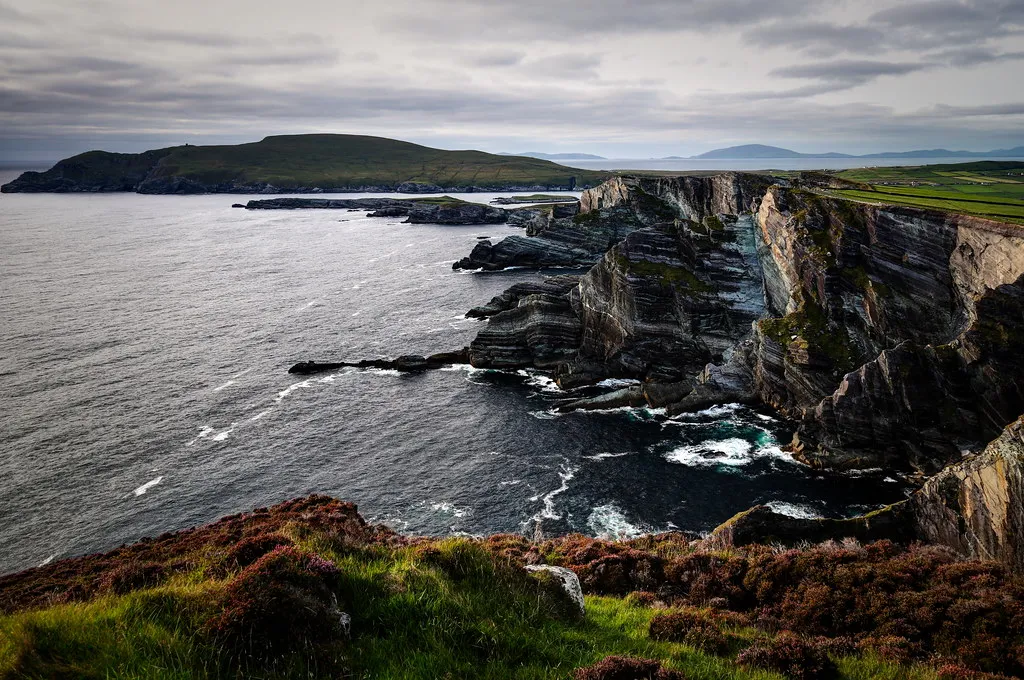
The Ring of Kerry is Ireland’s best-known scenic drive, a winding coastal road showcasing rugged mountains, sandy beaches, ancient ring forts, and enchanting villages. The 110-mile route circles the Iveragh Peninsula in the island’s southwest, with Killarney as the usual starting point.
Ireland’s most famous scenic drive covers 179 kilometres around the Iveragh Peninsula with mountain passes, glacier-carved lakes, and views of Skellig Michael. There are quiet detours that most visitors miss entirely, which is part of what makes it rewarding to slow down and wander rather than simply complete the circuit.
One of the Ring’s most scenic viewpoints is named Ladies’ View, a name commemorating the visit by Queen Victoria and her ladies-in-waiting in 1861. That alone tells you something about how long this landscape has been making an impression on people.
The Irish Pub: More Than a Place to Drink
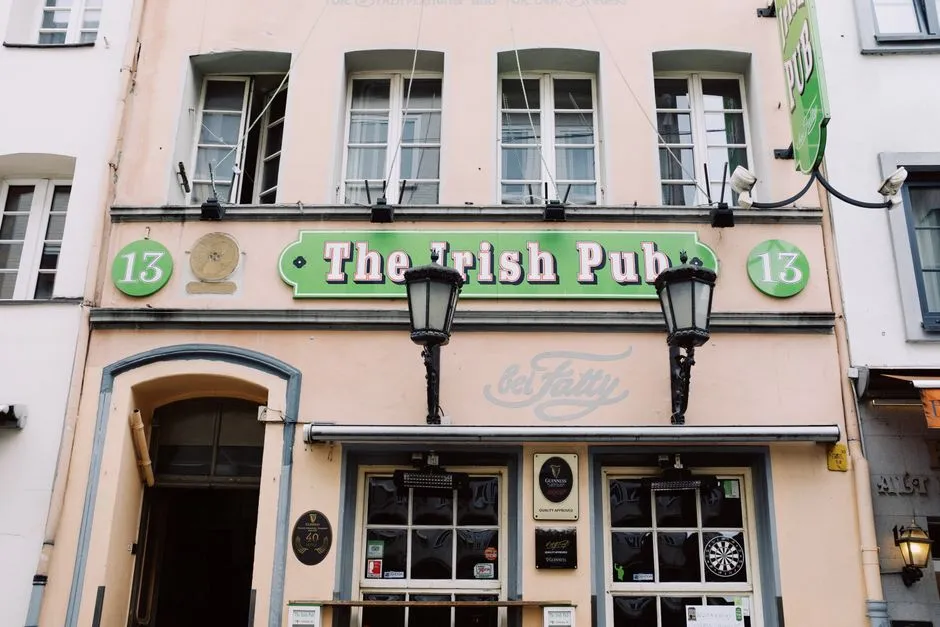
Irish pubs have a particular style to them, with lots of wood, a bit of darkness, an open fireplace or warm stove, a bar with an array of Irish beers on tap, a friendly barman, and regular patrons usually in the middle of a really good story. They function as community living rooms in a way that’s hard to replicate anywhere else.
Guinness began brewing in Dublin in 1759, the same year Arthur Guinness signed a 9,000-year lease for the four-acre property where the brewery stands. Since that founding, Guinness has remained a symbol of Ireland worldwide, with roughly 1.8 billion pints enjoyed globally every year.
There’s a long-standing debate over which pub is the oldest in Ireland, but according to the Guinness Book of World Records, it’s Sean’s Bar in Athlone, dating back some 900 years. Whether you end up there or in a music pub along the Wild Atlantic Way, the welcome tends to feel genuine rather than performed.
Ireland’s Ancient Heritage: Monuments That Predate Stonehenge
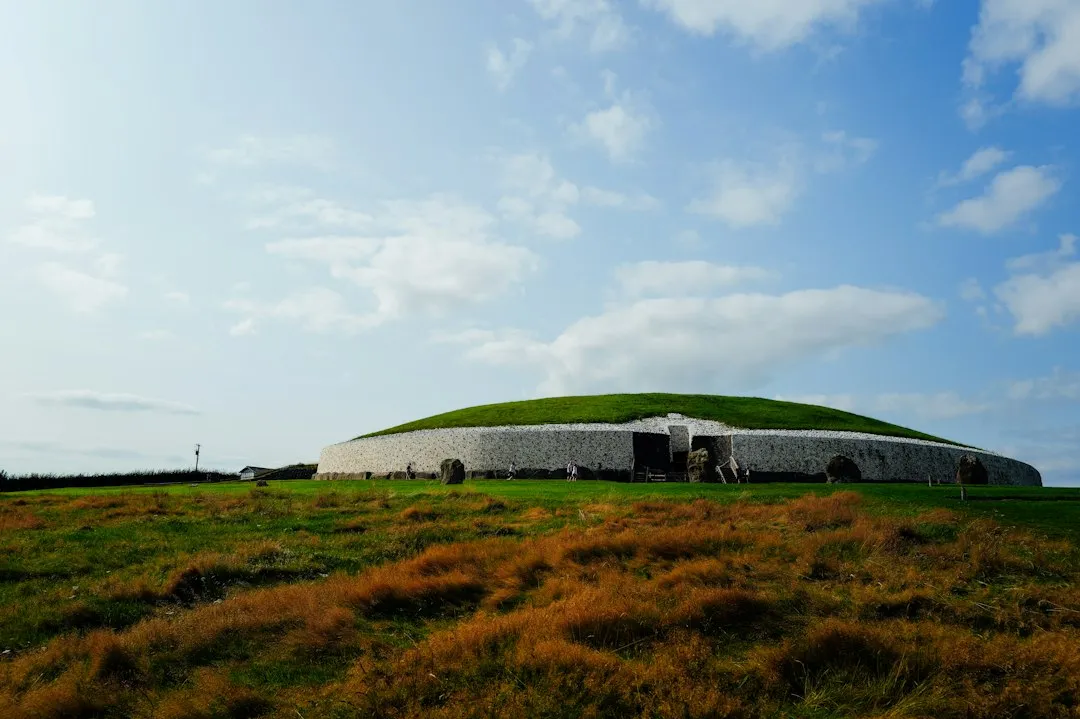
There are three UNESCO World Heritage Sites on the island of Ireland: the Giant’s Causeway, Brú na Bóinne, and Skellig Michael. Each one stands for a different chapter in a very long human story on this island.
Brú na Bóinne in County Meath, which includes the passage tomb at Newgrange, is older than the Egyptian pyramids and older than Stonehenge. It was built with a precision that still surprises researchers, aligned so that the winter solstice sun illuminates its inner chamber for just a few minutes each year. Standing at the entrance to that stone passage, built roughly five thousand years ago, makes the human timeline feel very different.
Ireland is the only country in the world to have a musical instrument as its national symbol, the harp, which reflects how deeply music and art have been woven into Irish identity since ancient times. That continuity between the deep past and the living present is something Ireland carries with unusual grace.
The Warmth of the Welcome: A Culture That Takes Hospitality Seriously
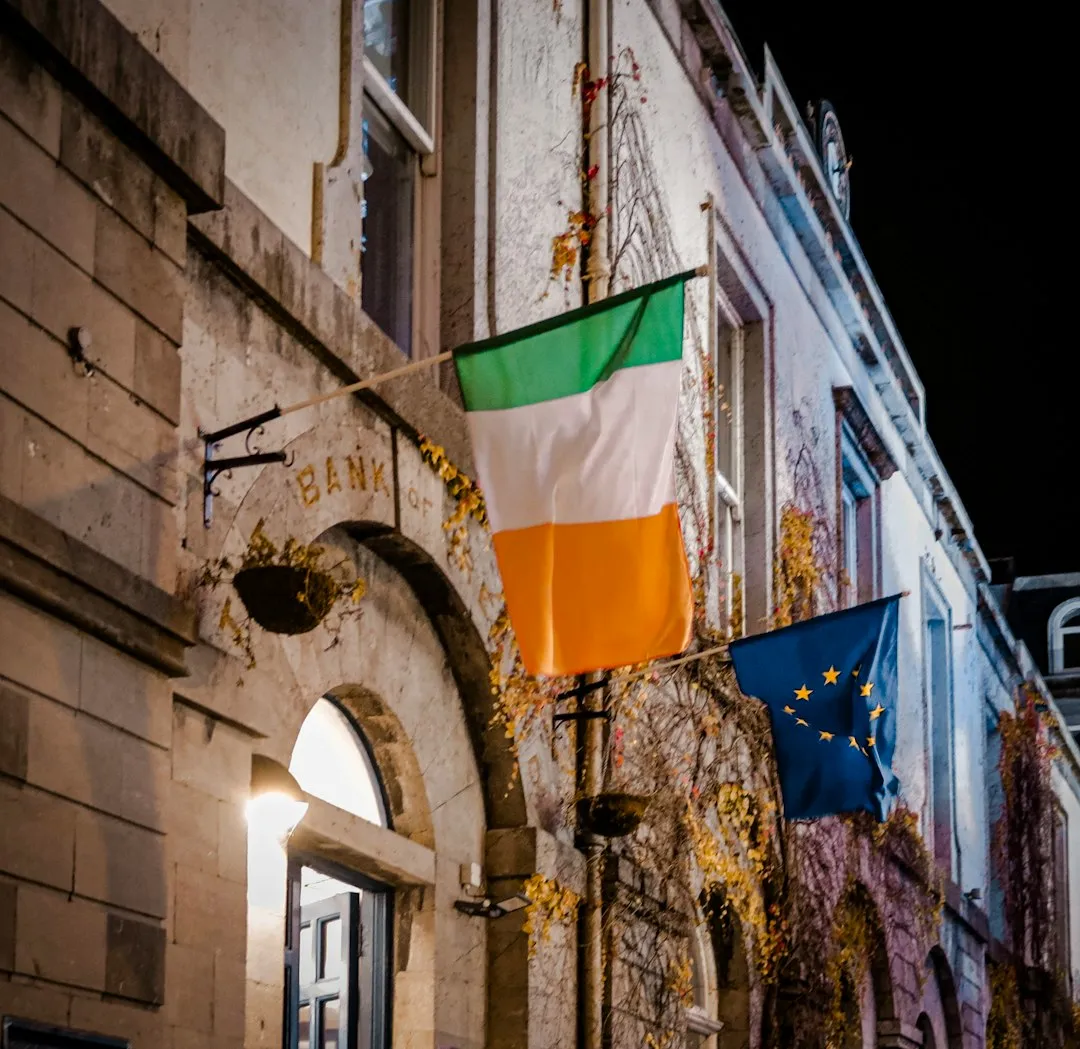
The most frequent reason for travelling to Ireland, according to Central Statistics Office data, is to visit family or friends, accounting for nearly half of all visitor journeys. That’s a meaningful number. It speaks to how many people have a genuine personal connection to the island and its people.
You don’t have to look far to find music being enjoyed in all its forms in Ireland, whether it’s buskers on the bustling streets of Dublin and Belfast, or lively traditional music sessions in atmospheric old pubs along the Wild Atlantic Way. The culture of hospitality here isn’t a tourism strategy. It runs deeper than that.
Visitors frequently note that conversations with strangers in Ireland carry an unusual ease, a willingness to sit with you for a while, to share a story, or to give twenty minutes of careful directions to somewhere worth seeing. The most frequent reason cited for travelling to Ireland in June 2025, according to CSO data, was simply for a holiday, and yet the island consistently delivers something that feels more personal than a standard leisure trip. That’s the difficult-to-quantify thing Ireland keeps getting right.
The Takeaway
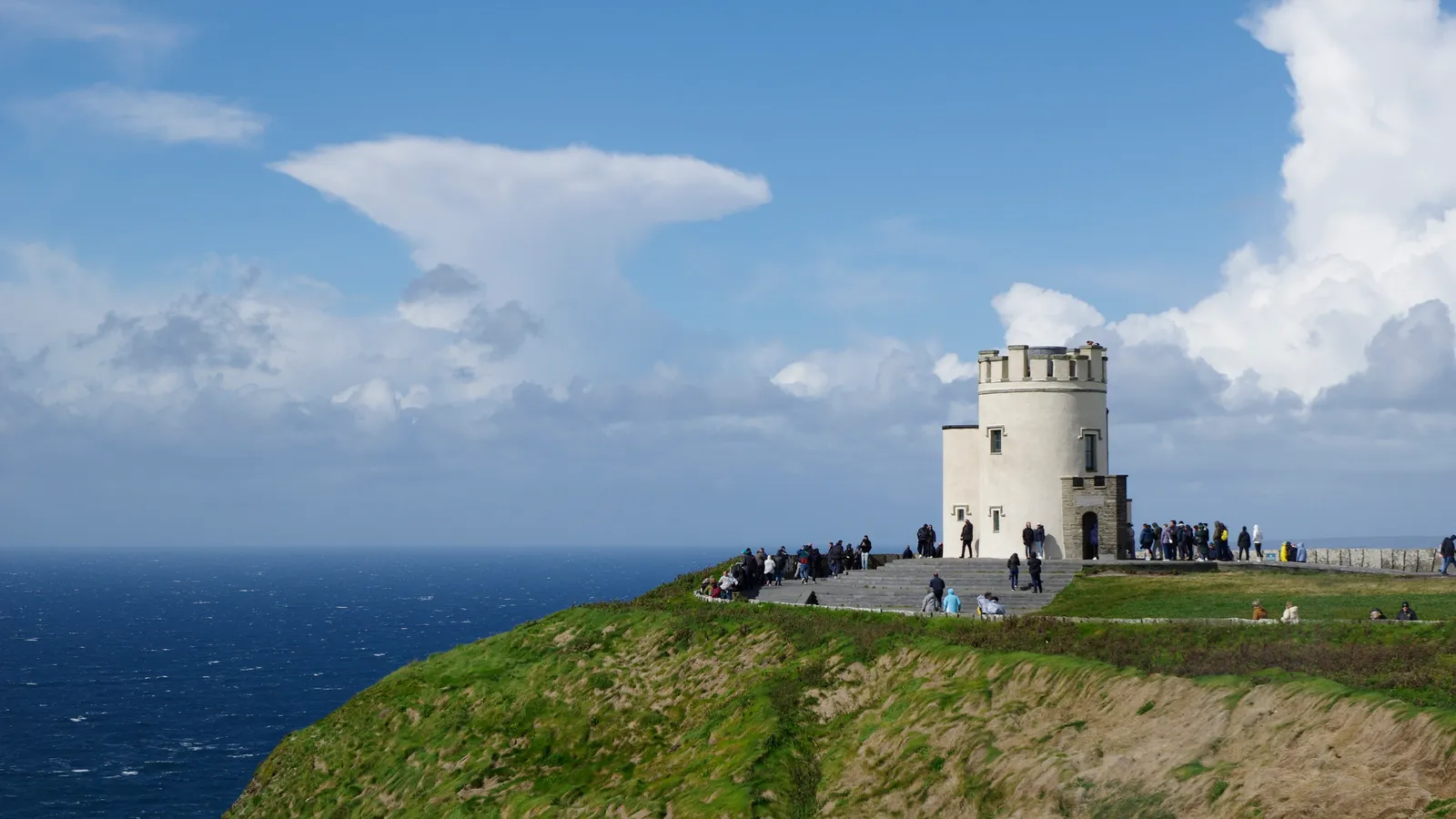
Ireland is a small island that somehow contains a very large amount of world. Its coastline is dramatic enough to feel cinematic, its history is layered enough to reward curiosity at any depth, and its people tend to make you feel that you arrived at the right time.
The numbers reflect continued, genuine interest. In August 2025, roughly 772,800 foreign visitors completed a trip to Ireland, an increase of five percent compared with August 2023. Travellers keep finding reasons to come, and most who go find a few new ones while they’re there.
Ireland doesn’t need to oversell itself. The cliffs are real, the music is unscripted, and the pubs close when the conversation runs out, which is often not until well past midnight. That’s the honest version of the place, and it’s more than enough.
AI Disclaimer: This article was created with the assistance of AI tools and reviewed by a human editor.